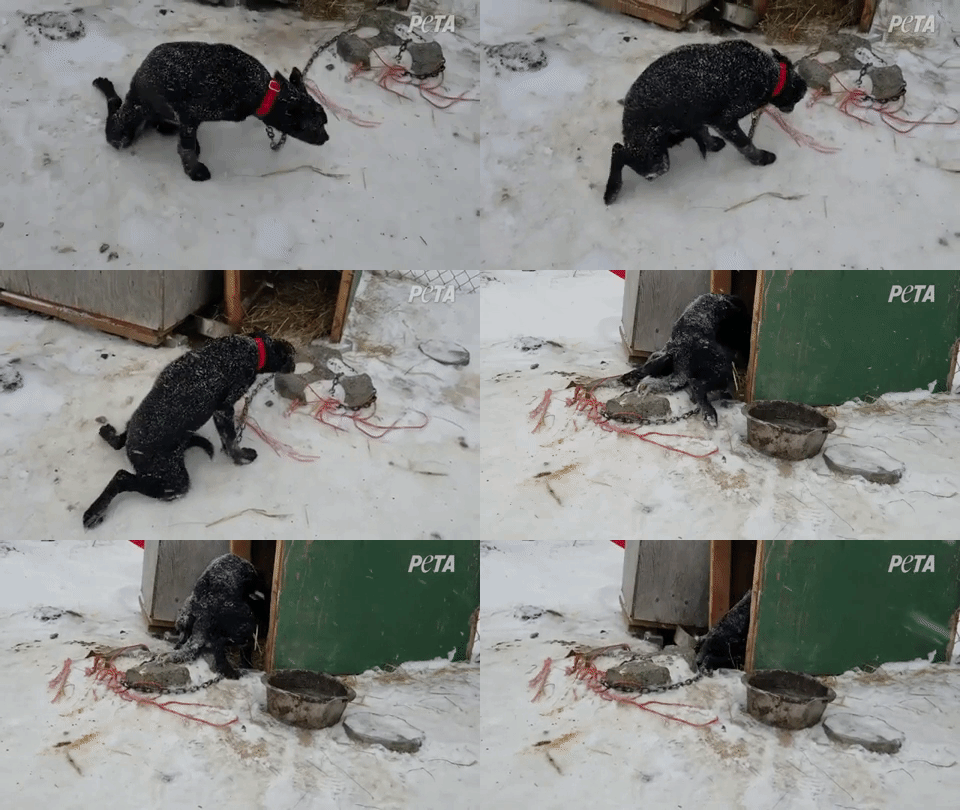
Snickers and Birch’s stories broke millions of people’s hearts after PETA released footage of a kennel operated by former Iditarod champion John Baker and by fellow Iditarod musher Katherine Keith (who has had two dogs die during the race). Thanks to PETA’s investigator, the world saw that Snickers—kept chained near the icy sea, limping, crying, and without any shelter—was left to pace in circles all day and that the paralyzed Birch was denied veterinary care, despite suffering from a severe spinal cord injury. We swiftly sent the evidence to the Kotzebue Police Department, requesting that officers investigate Baker and Keith’s kennel. To say that authorities let these dogs down would be a massive understatement.
This newly obtained footage is from the Kotzebue Police Department’s “investigation,” which didn’t take place until two weeks after it received our complaint. If officers had had a veterinarian accompany them to evaluate the dogs, they wouldn’t have had to resort to playing guessing games.
“I’m not a dog expert, I’ll be honest with you. I’m not a veterinarian, either,” one of the officers can be heard saying to Baker with regard to whether Snickers needs medical treatment.
The officers glanced at Snickers from several feet away—never actually going up to her. One officer can be heard describing her as “an old dog” who moved “ginger[ly].” Instead of examining the elderly Snickers themselves, they asked Baker whether he was concerned about her health. Even though he had previously admitted that Snickers was suffering from arthritis when she ran in the Iditarod, has been “in a lot of pain” for years, and needed to be “put her out of her misery” (which he said he planned to do by shooting her once he had “a good place to bury her”), the Iditarod musher told officers that he wasn’t concerned about her health.
Rather than providing Snickers with the veterinary care and comfort that she desperately needed, former Iditarod champion John Baker chained the elderly dog beside the frozen sea, all alone, unable to escape the Arctic cold.
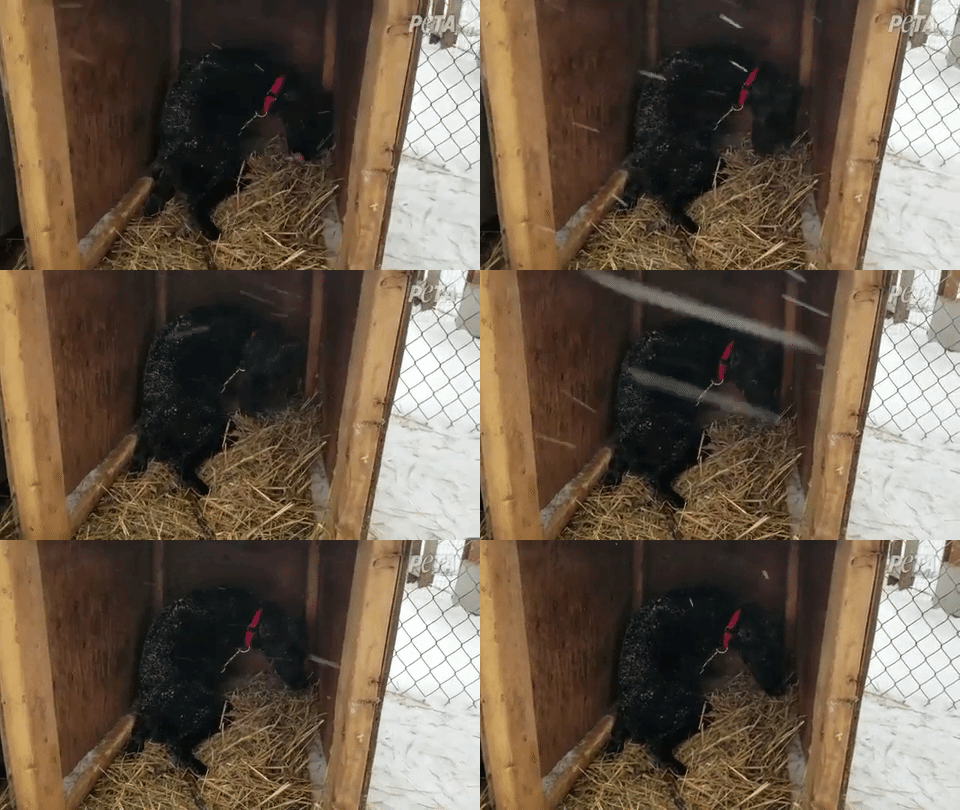
During our exposé, PETA’s investigator observed that Birch, another of Baker and Keith’s captives, struggled just to get in and out of the meager structure that she had access to for shelter. Even though Birch had sustained a crippling, extremely painful spinal cord injury when she was just a puppy, which left her paralyzed and extremely vulnerable, the two Iditarod mushers wouldn’t take the suffering puppy to a veterinarian. They just left her chained up outside in the freezing cold.
Birch endured horrific neglect at this “kennel” co-owned by former Iditarod champion John Baker. She was denied vital veterinary care and chained in the freezing cold 24/7.
Baker had admitted to PETA’s eyewitness that Birch was “not healthy” but refused our eyewitness’s repeated offers to adopt her or provide her with veterinary care, evidently because anyone who saw her would probably conclude that the mushers were “being real hard on ’em.” Yet when officers visited Team Baker Kennel, Baker claimed that Birch had allegedly recovered and admitted that he’d (suspiciously) sent her to another dog musher in Canada. Officers never laid eyes on Birch during the course of their investigation and took seven months to make a brief call to the Canadian musher in order just to ask about Birch’s well-being—a step that they apparently took only after being prompted to do so by the district attorney. Birch deserved much more than this grudging, half-hearted effort.
Snickers and Birch gained nothing from the Kotzebue Police Department’s visit to the kennel, and Baker and Keith’s cold-as-ice hearts don’t seem likely to melt anytime soon—these dogs need us to take action. The only way dogs won’t suffer as Snickers and Birch did so severely is when they’re no longer being used for the Iditarod.
Ask yourself: Isn’t Birch’s life more important than some dogsled race?
The only acceptable answer is “yes.” So do your part: If you’re planning a trip or cruise to Alaska, please, don’t buy any packages or excursions that include dogsled rides or visits to dog kennels.
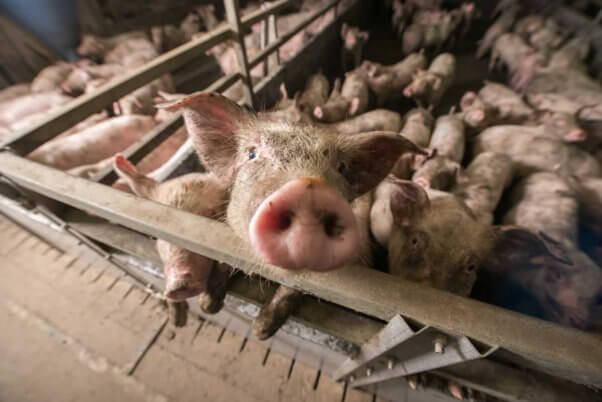
A growing number of studies are drawing the connection between our food system and global pandemics such as the COVID-19 crisis. In the U.S., more than 99% of animal-derived foods come from factory farms, where animals are kept in cramped, filthy conditions, leaving them susceptible to dangerous pathogens that can spread among them and to humans.1 Animal agriculture has been the source of countless outbreaks of dangerous zoonotic diseases (those that can be transmitted to humans from other animals), including avian and swine flu strains that have killed hundreds of thousands in recent years.2 Both humans and animals suffer as a result of these outbreaks. Eating meat and other animal-derived foods also harms human health, making people more likely to suffer from metabolic syndrome and other chronic conditions, which increases their susceptibility to infectious diseases.
Having a poor diet typically refers to consuming either insufficient or excess nutrients. This could mean not eating enough fruit or vegetables or consuming too much cholesterol, fat, or sugar. Malnutrition is an issue all over the world, including in the U.S. In fact, a study found that by 2016, having a poor diet was the leading cause of ill health in this country and was responsible for more than half a million deaths each year.3
How Does Eating Meat Harm Human Health?
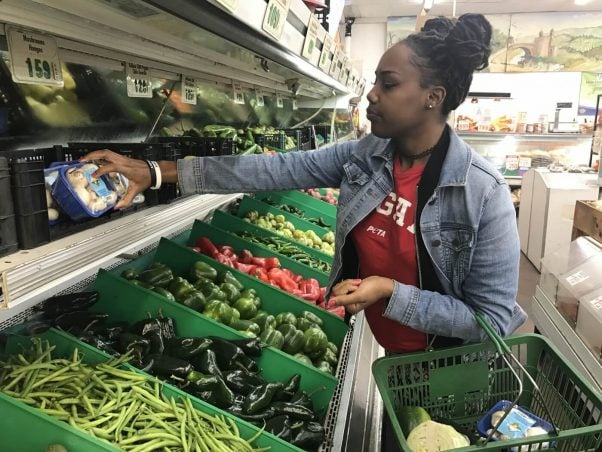
Experts agree that in order to meet our nutritional requirements, we must eat enough fruits and vegetables. Unfortunately, fewer than one in 10 U.S. adults and adolescents do so.4 In fact, only 8% of a typical American’s caloric intake is derived from fruits and vegetables—in comparison, almost 30% comes from animal-derived foods.5 This is problematic, as meat, dairy, and eggs are high in cholesterol and saturated fat, which can accumulate in the body and cause a variety of health issues, including heart disease, strokes, obesity, diabetes, cancer, and even deficits in brain function. A major study published in the American Journal of Epidemiology, for example, found that among the 29,000 participants, those who ate the most meat and dairy were at the greatest risk for heart disease.6 Several studies have found evidence that a plant-based diet high in antioxidants, micronutrients, nitrate, and fiber and low in saturated and trans fats can help prevent heart failure.7 Others have concluded that eating plant-based foods can help lower body mass index, blood pressure, and cholesterol levels as well as reducing the amount of treatment needed for chronic diseases.8
Despite this growing evidence that vegan eating is the healthiest option, the majority of Americans continue to choose animal-derived foods over fruits, vegetables, and other plant-based options. As a result, fewer than one in five American adults is metabolically healthy and most suffer from a slew of diet-related diseases.9 In this country, 39.8% of adults and 18.5% of children are obese,10 and obesity-related types of cancer are growing among young adults.11 More than 100 million Americans suffer from diabetes or prediabetes, and one in three children born after 2000 is expected to develop type 2 diabetes.12 There are 122 million Americans suffering from heart disease, and over 840,000 people die of it each year.13
The negative impacts on human health don’t stop there—eating animal “products” can also result in an increased infection risk during a global pandemic.
What Difference Does a Poor Diet Make During a Pandemic?
As the COVID-19 pandemic took hold, it became common knowledge that elderly and immunocompromised people are most at risk of dying from the disease. However, very little light has been shed on the fact that having a diet low in nutrients can cause people to become immunocompromised. Metabolic syndrome—in which a person has a combination of excess abdominal fat, hypertension, high blood sugar, high triglycerides, and high cholesterol—can increase overall inflammation and stifle the immune system’s ability to fight infection.14 This is especially dangerous in conjunction with COVID-19, as the disease also increases inflammation in the body and can cause a total shutdown of organs,15 so individuals with underlying inflammatory diseases are more likely to suffer from severe symptoms. For example, a study found that 60% of people aged 18 to 49 who were hospitalized with the novel coronavirus were obese and that obesity was the biggest risk factor in those aged 50 to 64. For those over 65, high blood pressure was the biggest risk factor.16 Because of our country’s high rate of consumption of animal-derived foods and inadequate intake of plant-based ones, the majority of Americans suffer from some form of metabolic syndrome and are therefore at greater risk of experiencing severe symptoms or dying during a pandemic.
Research has also found that the risks associated with not eating enough plant-based foods disproportionately affect African Americans. Communities of color are often faced with food oppression and don’t have access to fresh and unprocessed foods like fruits and vegetables. This forces them to rely on fast food or overly processed products, which typically contain mostly animal-derived foods, increasing their risk for chronic diseases. This may be one reason why a disproportionate percentage of African Americans are dying of COVID-19.17 Throughout the country, the rate of Black fatalities is an estimated 2.4 times higher than that of white Americans and 2.2 times higher than that of Asians and Latinos.18 The Centers for Disease Control and Prevention (CDC) found that in its study catchment area, African Americans made up 18% of the population but accounted for 33% of COVID-19 hospitalizations.19
PETA’s successful campaigns urging fast-food restaurants to offer more vegan menu items have increased the availability of healthier options for many living in food deserts across the U.S. Chains like Del Taco, Carl’s Jr., and Dunkin’, for example, sell plant-based meat products from Beyond Meat, and choosing these over red meat can be beneficial for cardiovascular health.20
What You Can Do to Improve Health Outcomes
We can improve our diet and thereby lower our risk of suffering from chronic and infectious diseases by increasing our consumption of plant-based foods. Eating vegan foods can support a strong immune system, help maintain a healthy weight, and lower blood pressure and cholesterol, decreasing our likelihood of experiencing severe symptoms or dying from infectious diseases like COVID-19. When businesses choose to offer vegan options, they’re helping not only to spare animals’ lives but also to improve the health of their customers and the wider community.
As Hurricane Laura approaches—and because a hurricane warning is now in effect for the Houston area—we implore you never to leave dogs tethered or penned outside and always to take animal companions with you if you have to evacuate.
Believe it or not, every time there’s a natural disaster, many dogs and other companion animals are left outside to fend for themselves and even left behind when humans evacuate. Dogs kept tethered will swim to exhaustion and drown—and there are tethered dogs everywhere. PETA’s Animal Rescue Team has witnessed firsthand the trauma that animals endure when left behind to face floodwaters and flying debris. During previous storms, we have found dogs dead. We have also found them up to their necks in water, unable to sit or lie down, and in almost-submerged crates inside houses and seen animals who have been flung around by high winds. And of course, animals are petrified in these kinds of weather conditions.
PETA has released a natural disaster–preparedness PSA featuring Dean Winters. Make plans to ensure the safety of animal companions long before evacuating. For more information, please visit PETA.org.
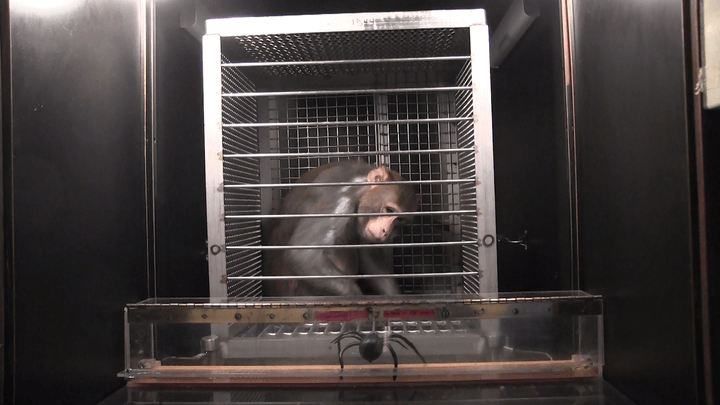
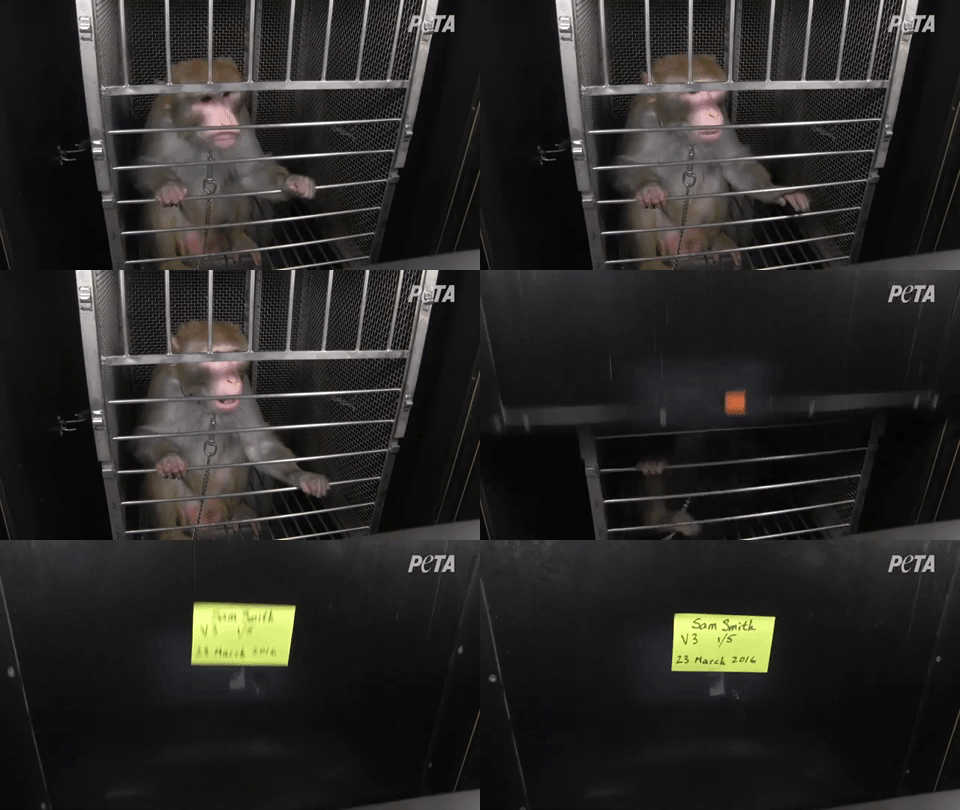
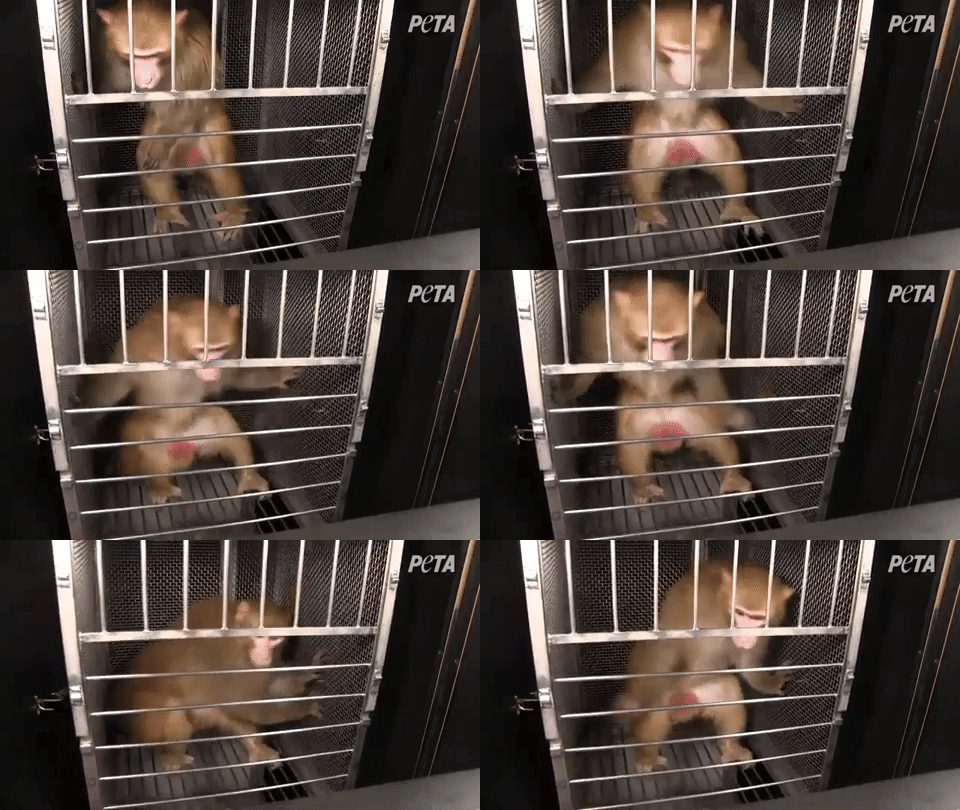
Thankfully, American Horror Story actor James Cromwell didn’t lose his voice when he was arrested after getting loud for animals at SeaWorld or at Texas A&M University with PETA, because he’s using it now to speak up for monkeys. That’s right—over 10,000 National Institutes of Health (NIH) employees woke up to a phone call in which the familiar voice described what can only be called a real-life Maryland horror story inside their very own government laboratory. The agency has been bankrolling monkey terror experiments for the past three decades and appears to have no qualms about squandering tens of millions of dollars on experimenter Elisabeth Murray’s hideously cruel curiosity-driven studies, in which monkeys are maimed, tormented, and killed for no apparent reason. The Academy Award nominee is no stranger to hair-raising storylines on screen, but behind the scenes, he had a few choice lines for NIH:
“An ‘American horror story’ is taking place in your agency right now,” he said in the call. “Your colleague Elisabeth Murray is receiving millions of dollars to torture and experiment on living monkeys.”
Torture Taking Place in NIH Laboratory Is a Real-Life American Horror Story
The Emmy award-winner goes on to explain that Murray carves out sections of monkeys’ skulls, injects toxins into their brains to cause permanent brain damage, and then locks them inside small cages and terrifies them with rubber snakes and spiders. Her speciesism appears to know no bounds, as she drills holes and screws posts into the monkeys’ skulls, and after torturing them for years, she kills and dissects them.
Wasted Resources and Funds Amid a Pandemic Are Disturbing
Cromwell, who’s proved himself to be someone who’s never afraid to speak up for what’s right, boldly points out, “Across the country, we’re losing loved ones to a pandemic—a vaccine and effective treatments are desperately needed.” He then asks the question that’s on everyone’s mind: “[A]nd this is how NIH funnels its money?”
NIH is supposed to be our country’s premier medical agency, yet there seems to be no accountability. “Murray’s so-called ‘research’ has gone unchecked for 30 years. How many monkeys have died for her hideous pseudo-science? How many human lives could be saved if we stopped funding this madness?” Cromwell asks.
We’re Calling on NIH’s Own Employees to Take Action
Because these experiments are so grim, Cromwell concludes his message by encouraging agency staffers to call NIH Director Francis Collins directly and demand that he shut down Murray’s laboratory. The actor joins Bill Maher and Anjelica Huston—along with nearly 147,000 PETA supporters who’ve signed our petitions demanding that NIH end its cruel, useless, and wasteful experiments—in speaking out for these monkeys.
As Hurricane Laura approaches—and because a hurricane warning is now in effect for the Calcasieu Parish area and evacuations are taking place—we implore you never to leave dogs tethered or penned outside and always to take animal companions with you if you have to evacuate.
Believe it or not, every time there’s a natural disaster, many dogs and other companion animals are left outside to fend for themselves and even left behind when humans evacuate. Dogs kept tethered will swim to exhaustion and drown—and there are tethered dogs everywhere. PETA’s Animal Rescue Team has witnessed firsthand the trauma that animals endure when left behind to face floodwaters and flying debris. During previous storms, we have found dogs dead. We have also found them up to their necks in water, unable to sit or lie down, and in almost-submerged crates inside houses and seen animals who have been flung around by high winds. And of course, animals are petrified in these kinds of weather conditions.
PETA has released a natural disaster–preparedness PSA featuring Dean Winters. Make plans to ensure the safety of animal companions long before evacuating. For more information, please visit PETA.org.