On Wednesday, “Grim Reapers” will lead a protest outside a local Strauss Brands slaughterhouse where 28 employees were reportedly fired simply for requesting that COVID-19 precautions be taken. Slaughterhouses nationally are coronavirus hotspots, with many workers and their families becoming infected and some even dying. Protesters wearing PETA’s “Animal Markets Breed Disease” face masks will hold posters proclaiming, “Strauss Brands: Stop Killing Animals and Workers.”
When: Wednesday, August 26, 12 noon
Where: Outside Strauss Brands slaughterhouse, 9775 S. 60th St. (at the intersection with W. Airways Avenue), Franklin
“Filthy, wet, blood- and offal-soaked slaughterhouses are breeding grounds for deadly diseases that jump from animals to humans—they’re the least safe workplaces in the world, even when there’s not a pandemic raging,” says PETA President Ingrid Newkirk. “Working shoulder to shoulder in a slaughterhouse endangers everyone.”
PETA notes that confining and killing animals for food has been linked to SARS, swine flu, bird flu, and COVID-19—and a new strain of swine flu with “pandemic potential” is now spreading from pigs to humans in China. The meat industry has allowed slaughterhouse workers to face a nearly unchecked spread of the novel coronavirus. Recently, PETA purchased stock in major U.S. and Canadian slaughter companies to urge them to produce and pack exclusively vegan meats.
PETA—whose motto reads, in part, that “animals are not ours to eat”—opposes speciesism, which is a human-supremacist worldview. For more information, please visit PETA.org.
“There’s so much pain in the world that we are powerless over, but being party to animal suffering is not one of them,” says Joaquin Phoenix in his new PETA campaign. He’s encouraging fans to do their part to stop cruelty to animals and, as his new ad states, “Change the World From Your Kitchen. Go Vegan.”
Sitting at his own kitchen table in an accompanying video, Phoenix shares a new PETA investigation that exposes cruelty to birds at a major U.S. egg farm that supplies Walmart, saying, “It’s easy to escape personal responsibility by actively avoiding the truth. But I hope you will join me in rejecting animal cruelty… [and] explore the many benefits of being vegan.”
The undercover footage shows widespread abuse of laying hens, such as severe crowding and workers who pulled on and twisted hens’ heads to break their necks. Birds had no place to stand, sit, or lie down except on the bare wire flooring of the cages, and many were missing feathers, often the result of stress-induced self-mutilation or fighting, as each bird had less than a square foot of space.
PETA—whose motto reads, in part, that “animals are not ours to eat” and which opposes speciesism, a human-supremacist worldview—notes that each person who goes vegan saves the lives of nearly 200 animals each year.
As Tropical Storm Marco approaches—and because a tropical storm warning is now in effect for the Biloxi area—never leave dogs tethered or penned outside and always animal companions with you if you have to evacuate your home.
Believe it or not, every time there’s a natural disaster, many dogs and other companion animals are left outside to fend for themselves and even left behind when humans evacuate. Dogs kept tethered will swim to exhaustion and drown—and there are tethered dogs everywhere. PETA’s Animal Rescue Team has witnessed firsthand the trauma that animals endure when left behind to face floodwaters and flying debris. During previous storms, we have found dogs dead. We have also found them up to their necks in water, unable to sit or lie down, and in almost-submerged crates inside houses and seen animals who have been flung around by high winds. And of course, animals are petrified in these kinds of weather conditions.
PETA has released a natural disaster–preparedness PSA featuring Dean Winters. Make plans to ensure the safety of animal companions long before evacuating. For more information, please visit PETA.org.
In Memoriam: Jenny Woods who passed away August 2020.
Rest in peace, our beautiful Jenny. She dedicated her entire adult life to making the world a better place for animals and succeeded at this in more ways than we can recount.
We will miss her fierce advocacy and gentle heart.
Around the world, people are waking up to the catastrophic effects of eating animals. As a consequence, many are going vegan—a choice that has endless benefits. Eating vegan spares cows, pigs, chickens, and other animals the misery of cramped, filthy conditions on intensive farms and the inevitable terror of slaughter at the end of their short lives. It helps reduce the risk of pandemics and antibiotic resistance. It improves our metabolic health and our immune systems. And it’s environmentally friendly, as it reduces our contribution to climate change.
As the benefits of vegan eating receive more widespread attention, millions of people are choosing to ditch animal-derived foods and consumer demand for vegan products is skyrocketing. Companies are learning to anticipate and respond to this demand—these days, introducing or expanding a vegan offering is not only the ethical thing to do but also a smart business decision.
Consumer Attitudes Are Changing
We’re living in turbulent times. The effects of climate change are taking an ever greater toll, and more people are being affected by growing public health risks from chronic and infectious diseases—including full-blown pandemics like COVID-19—resulting in worsening social inequality. Consequently, many of us are seeking ways to reduce our environmental impact and make the world a better place. In fact, two-thirds of consumers believe that following the outbreak of COVID-19, sustainability has become a more important priority in combating climate change.1 In light of all the negative effects of animal agriculture on animal welfare, workers’ well-being, the environment, and human health, many are choosing to go vegan. Over the last 15 years, the number of Americans who identify as vegan has increased by 3,245%. A new study estimates that at least 9.7 million people in the U.S. currently eat plant-based.2 Many more identify as “flexitarian,” while four in 10 have tried vegan meat alternatives.3 Over the last year, demand for plant-based meats increased by 280%.4
Gen Zers and Millennials Are Leading the Way
Demand for plant-based food is especially strong among Gen Zers and millennials, who now make up the largest base of consumers. Gen Zers alone account for $29 billion to $143 billion in direct spending5 and even more in indirect spending, thanks to their significant influence over their parents’ buying habits.6 These younger generations influence spending of over $350 billion.7 In order to succeed, businesses must therefore pay careful attention to their demands, including their calls for sustainable, plant-based foods. Around 73% of Gen Zers consider themselves animal rights activists, and 41% are willing to go vegan.8 In the U.S., 25% of people aged 25 to 34 are vegan or vegetarian.9 In the U.K., 42% of vegans are aged 15 to 34.10 And in Canada, young people are going vegan to help combat climate change.11 All around the world, Gen Zers and millennials are the driving force in the vegan movement, and companies are responding.
A Smart Business Decision
Brands that are embracing this shift by offering plant-based products are reaping the rewards. Beyond Meat, one of the top players in the plant-based meat industry, is thriving, reporting a net year-on-year revenue increase of 141% in the first quarter of 2020. In just one week during the COVID-19 pandemic, its stock rose 41%.12Fast-food chains and restaurants are also jumping on board and releasing their own successful plant-based offerings.
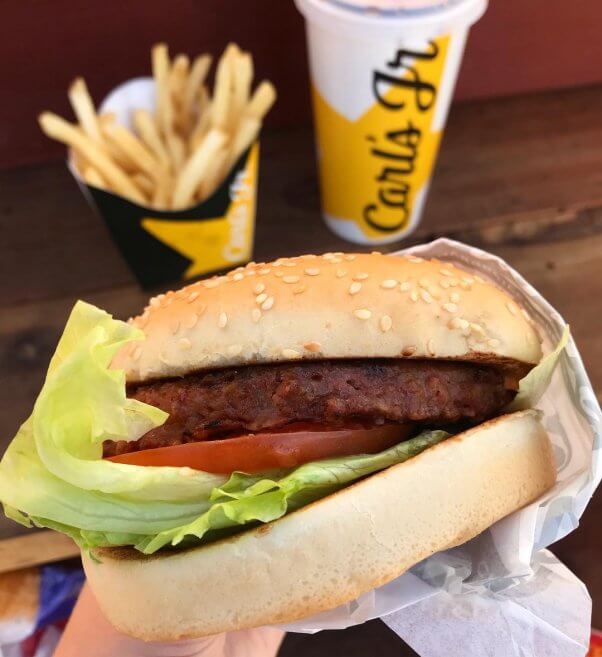
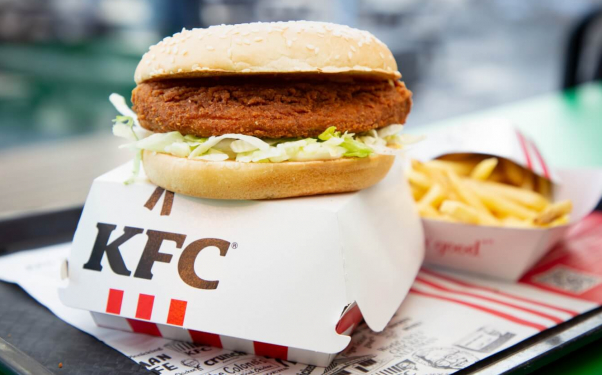
Carl’s Jr. released its Beyond Famous Star burger, which can be ordered vegan, in 2019 and sold 6.7 million units in less than a year, making this the company’s most successful product launch in two years.13Dunkin’s Beyond Meat breakfast sandwich quickly became the second best-selling item in its Manhattan stores following its release, and nationwide sales were twice as high as expected.14 Florida-based Miami Grill added the Beyond Burger to its menu, and that dish now accounts for 25% of total burger sales, prompting the chain to develop more vegan options.15Del Taco’s Beyond Meat tacos were among the chain’s best-selling new products of all time, prompting it to add two more plant-based meat items.16KFC released the Original Recipe Vegan Burger in its U.K. stores in 2020 and sold a staggering 1 million of the Quorn-based chicken sandwiches within just one month.17 Even McDonald’s is testing plant-based options.18 The revolution isn’t limited to plant-based meat—many chains are expanding their nondairy milk options, too. Starbucks, for example, found that almost a fifth of its customers are choosing plant-based milk for their coffee drinks.19
In addition to increasing profits, companies are also finding that manufacturing plant-based foods is cost-effective and practical. During the COVID-19 pandemic, numerous slaughterhouses and meat plants were forced to shut because of high infection rates among workers, who are made to work shoulder to shoulder while handling animal blood, urine, and waste. The shutdowns resulted in a meat shortage and a surge in sales of vegan meat.20 Fortunately, facilities that manufacture plant-based products don’t require workers to be so tightly packed together and don’t handle animal carcasses, which significantly lowers the overall risk of disease among employees.21 A similar pattern was observed during an avian flu outbreak in 2018, which caused egg shortages and increased sales of vegan egg alternatives and mayonnaise.22
The Success of Vegan Offerings Will Continue to Grow
In the year to April 2019, U.S. consumers spent $1.9 billion on plant-based milks, and in 2018, they spent an impressive $3.3 billion on plant-based foods.23 Demand is predicted to keep growing as more Gen Zers reach adulthood and more people recognize the role of animal agriculture in exacerbating climate change and the risk of pandemics. Research shows that as the availability of vegan options increases, so, too, does their popularity. A University of Cambridge study of 94,000 cafeteria meal choices found that when the number of meat-free options was doubled from one to two out of the four dishes offered, sales of the vegetarian options rose by between 40% and 80%.24 Another study found that consumers are just as willing to try vegan foods as they are nonvegan ones and actually like them more when they know they’re vegan.25 In other words, when plant-based foods are available, consumers will choose and enjoy them. One of the authors of the Cambridge study concluded that providing more meat-free options is a “powerful way to influence the health and sustainability of our diets.”26
What You Can Do to Meet the Demand
Today, businesses that aren’t offering vegan options are missing out on an ever-growing consumer base and revenue source. Introducing or expanding vegan options can not only increase your company’s sales but also boost its public image. Research shows that young consumers are changing their eating habits in order to combat climate change and are willing to spend more money on products that are better for the environment.27 Offering more vegan options could easily be one of the best decisions that you make for your business and the planet.