One important part of planning a day hike is to make sure that you’re fueling yourself properly, especially for tough climbs or long treks. Packing the right food can help make the day that much more enjoyable. These vegan hiking snacks are portable, easy to pack, and satisfying during and after a long day on the trail. They also don’t contain any animal-derived ingredients, so you can enjoy the great outdoors knowing that you aren’t contributing to the suffering of cows, pigs, chickens, or other animals used for food. The best snacks are those with a good combination of protein, healthy fats, and carbohydrates that will keep you full and give you lasting energy. Here are some suggestions for keeping you going on your next hike:
Trail Mix
This classic hiking snack is super simple to make at home, and you can customize it to include your favorite ingredients (even vegan chocolate chips!) If you go for store-bought, double check the ingredients for honey and cow’s milk. This recipe from The Simple Veganista has the perfect mix of sweet and salty.

Vegan Jerky
Vegan jerky can be made out of many different things, from mushrooms to soybeans. It’s great for a quick, salty snack, and the high protein content will give you sustained energy. Here are a few of our favorites, but there are many more to choose from:
Fresh Fruit and Veggies
These will give you a healthful, flavorful energy boost. Go for the portable and convenient ones, like oranges, bananas, apples, and carrot and celery sticks for quick snacking.
Nuts and Seeds
The protein and healthy fats in nuts and seeds are great for keeping your energy up during a day hike. Almonds, cashews, walnuts, pumpkin seeds, and sunflower seeds are just a few kinds that you might want to keep in your pack.
Chips, Pretzels, and Popcorn
Salty snacks help keep your sodium up, and these healthier versions pack extra nutrients, too:
Dried Fruit
Dried fruit is high in fiber, and the natural sugars can help give you a boost of energy to tackle that last climb before the peak. Dates, figs, raisins, apricots, and peaches are just a few of the abundant options.
Protein Bars
Protein bars can be made at home with simple ingredients like oats and protein powder, or you can find store-bought vegan versions.
Nut and Seed Butter Pouches
You can eat these straight from the pouch, spread them on bread or tortillas, or squeeze them out onto apple slices or celery sticks.
Electrolyte Powders
During a long hike, especially those in warmer weather, we lose electrolytes like sodium, potassium, magnesium, and calcium through sweating. It’s important to replenish these minerals to keep you going. In addition to your water pack, it’s a good idea to take along an extra bottle of water with a powdered electrolyte drink or coconut water with a pinch of table salt.
Tortillas and Hummus
Protein and carbs are the ideal combination here. Powdered hummus mixes are great for hiking since they don’t require refrigeration and can be quickly prepared on the trail.
Sandwiches
For an all-day trek, you might want to take along a heartier lunch. A peanut butter and jelly or a Tofurky sandwich will hold up well. Toast your bread to make sure it doesn’t get soggy.
Hiking With Dogs
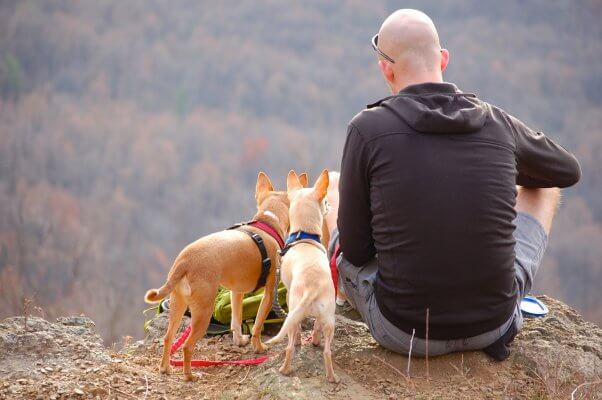
If you want to take dogs along, be sure to choose a trail that they are physically capable of completing. Dogs can become seriously ill or incur injuries if you take them on a hike that’s too difficult, too hot, or too long. Always keep them on a leash attached to a harness for their own safety and the safety of any wildlife you might encounter. Pack plenty of food and water for your pup as well as a portable water bowl, and take regular breaks to ensure that all is well. Check for foxtail barbs and other thorns and stickers, and be aware of other potentially dangerous plants and animals in the area, too.
Be Respectful
When you spend any time in nature, respect your environment and the animals who live there by following the “Leave No Trace” principles. That includes packing out everything that you take in with you, including wrappers, disposable items, toilet paper, and personal hygiene products. Waste, both yours and your dog’s, should be buried in a 6-inch-deep hole at least 200 feet from water sources or trails. Be courteous to fellow hikers and wildlife by keeping your voice down and your music low or by using ear buds or not playing it at all. Loud music can stress out wildlife, as well as distracting you from your surroundings. Always be alert when you’re in the wilderness to keep yourself, your fellow hikers (both human and canine), and wildlife safe and happy.
Here are some other guides to enjoying the great outdoors without harming animals:
The post The Ultimate Guide to Vegan-Friendly Hiking appeared first on PETA.