The post DON-VVM1 2020-INTERNAL-Image Only appeared first on PETA.

respect nature & human rights
Note: PETA supports animal rights, opposes all forms of animal exploitation, and educates the public on those issues. It does not directly or indirectly participate or intervene in any political campaign on behalf of or in opposition to any candidate for public office or any political party.
Farmers across the country, many of whom are already hurting because of the pandemic, are being forced by the U.S. Department of Agriculture (USDA) to pay excessive fees that fund horrific animal testing—in which thousands of animals are douched, poisoned, force-fed, starved, irradiated, bled, suffocated, beheaded, or dissected.
 ©iStock.com/filo
So we’re grateful that Rep. Dina Titus (D-Nevada) has penned a powerful letter to Secretary of Agriculture Sonny Perdue, asking him to provide a timeline for ending the use of mandatory annual fees paid by farmers to fund “cruel and inefficient” animal experiments commissioned by agricultural commodity research and promotion (R&P) boards, which the USDA oversees.
“Family farmers should not be forced to pay for barbaric research programs that inflict cruelty and pain on animals,” says Congresswoman Titus. “PETA has played a crucial role in elevating this issue and I am pleased to work with this organization to strongly advocate for animal welfare.”

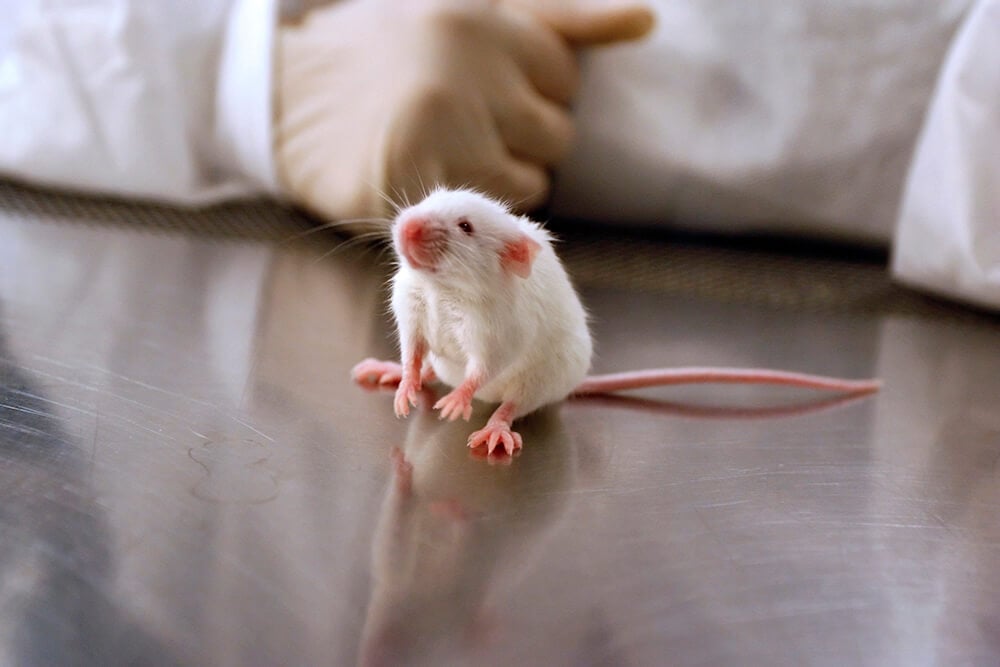
Between 2015 and 2019, published tests compiled by PETA and funded by R&P boards used more than 2,600 animals, including mice, rats, and pigs. The compulsory fees paid by farmers—such as agricultural producers, handlers, processors, importers, and others—totaled over $885 million in 2016 alone, and some of these funds each year pay for deadly animal tests in attempts to make human health claims for marketing blueberries, watermelons, and other common foods to consumers.
These products and their ingredients have a long and safe history of human consumption that could be tested with sophisticated human clinical trials or by using other human-relevant, animal-free methods.
Instead, PETA found that the fees paid by farmers have been wasted by various agricultural research and promotion (R&P) boards—which are overseen by the USDA—on worthless and deadly experiments. Pigs have been fed white-button mushrooms and then killed and dissected. Mice have been fed a high-fat diet with an ingredient common in grapes and raspberries, and then their necks have been broken. Rats have been fed blueberries, forced to perform stress-inducing activities like balancing on accelerating rotating rods, and then repeatedly injected with a chemical and killed. These are just a few examples.
In her letter to Secretary Purdue, Rep. Titus points out the absurdity of these experiments:
“The experiments that utilized these barbaric practices were purportedly performed to assist with establishing health marketing claims associated with certain commodities, such as the benefits of consuming a particular fruit to human eye, bone, and cardiovascular health. The cruelty of these experiments, however, seems excessive given that the commodities in question, such as avocados, blueberries, mangos, mushrooms, raspberries, sorghum, soybeans, and watermelon, are generally considered to be safe for humans. In light of the incongruity between the cruelty of these experiments and the commodities at study, the R&P boards should instead look to utilize new, innovative research technologies instead of wasting farmers’ dollars on painful and ineffective animal experimentation.”
Like humans, mice and rats are social beings who love to cuddle and play with one another. They have their own lives, feelings, and families, and they shouldn’t be subjected to these unnecessary experiments.
*****
Please join PETA and Rep. Titus in demanding that the USDA stop forcing farmers to fund cruel and deadly experiments on animals by taking action below:
Send a Message to the USDA to End Draconian Animal Testing Fees!
The post Rep. Dina Titus to USDA: End Cruel Tests on Animals to Help Farmers appeared first on PETA.
The post Allbirds Is All Wrong—Urge It to Ditch Cruelly Obtained Wool NOW! appeared first on PETA.
According to the Centers for Disease Control and Prevention, washing your hands with soap and water is one of the best ways to avoid getting sick and prevent the spread of germs to others. This is always important but especially during a public health crisis, such as the COVID-19 pandemic, or even just during cold and flu season. Luckily, there are plenty of options for vegan liquid hand soaps from brands that don’t perform cruel tests on rabbits, rats, mice, and other animals. Since the act of handwashing itself is what removes germs from your hands, there’s no reason to use overly harsh antibacterial soaps. The products below are made with gentle ingredients, so you can wash your hands many times without drying out your skin.
You can select various scents, including Mandarin Orange and Grapefruit, which will help leave you feeling clean and refreshed.
Mrs. Meyer’s is known for fun seasonal scents, but its classic scents can’t be beat.
Method’s foaming and gel hand soaps are gentle on skin and free from harmful ingredients. Its line of kitchen hand soaps are specially formulated to tackle tough smells like garlic and onion.
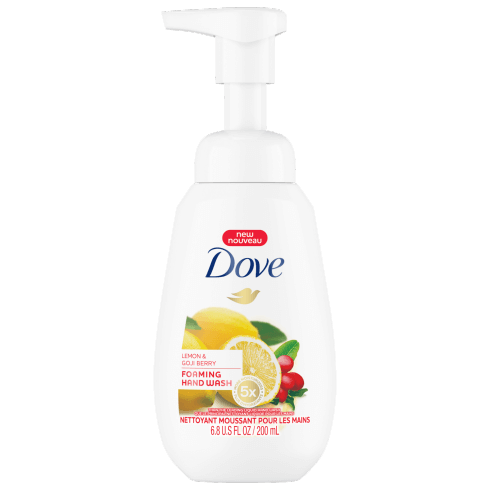
This foaming hand soap washes away bacteria, leaving behind only a fruity and fresh lemon and goji berry fragrance. Note: Other scents may contain cow’s milk, so be sure to check the ingredients before you buy.
 © Dove
This sulfate-free formula won’t dry out your skin, and it contains prebiotics to help promote the growth of good bacteria.
Natural essential oils give J.R. Watkins soaps a subtle, clean scent.
This earthy and warm scent by Baylis & Harding is perfect for creating a luxury bathroom experience.
Puracy’s gentle hand soap is available in two calming scents: Lavender & Vanilla and Cucumber & Mint.
ECOS’ hypoallergenic soaps are great for those with sensitive skin.
Indulge in luxurious scents such as Yuzu & Vanilla and Murumuru Butter & Rose.
Botanical cleansers and essential oils help keep hands moisturized even after frequent washes.
This earthy scent contains finely milled pumice for gentle exfoliation.
Dr. Bronner’s sugar soaps are available in half-gallon size, so you can cut down on waste. Plus, all of its products are vegan, so you can be sure there aren’t animal-derived ingredients like cow’s milk or honey.
Bring aromatherapy into your bathroom routine with six refreshing scents.
Olive oil–based castile soap is biodegradable and gentle enough to be used as a face wash as well.
It’s important to support brands that don’t use animals to test their cosmetics and household products. These companies subject rabbits, mice, rats, and other animals to painful skin irritation tests. These are often not effective, and since many non-animal testing methods are widely available, there’s no reason for brands to continue to use these cruel tests. Check our database to find out if your favorite brands are animal-friendly:
Search for Cruelty-Free Companies, Products, and More
These guides can help you find more ways to stay clean with cruelty-free products:
Vegan Bar Soaps That Weren’t Tested on Animals
Cruelty-Free Cleaning for Every Room in the House
The post Stop the Spread of COVID-19 With These Vegan Liquid Hand Soaps appeared first on PETA.
The post Viviane Woodard appeared first on PETA.