Adapted from a recipe by and published by permission of Bomb Veg
The post Bomb Veg’s Vegan Jackfruit Pulled ‘Pork’ appeared first on PETA.

respect nature & human rights
Adapted from a recipe by and published by permission of Bomb Veg
The post Bomb Veg’s Vegan Jackfruit Pulled ‘Pork’ appeared first on PETA.
Adapted from a recipe by and published by permission of Bomb Veg.
The post Bomb Veg’s Easy Vegan Toad in the Hole appeared first on PETA.
Below, please find a statement from PETA Foundation Supervising Veterinarian Dr. Heather Rally in response to the recent death of April the giraffe, whose pregnancies and births Animal Adventure Park livestreamed:
The tragedy here isn’t that April died—it’s that she never knew a life without gawping spectators or livestream cameras, and neither will the babies who were taken from her and shipped off to other roadside zoos. PETA is calling on Animal Adventure Park to end this sorry cycle and stop using giraffe mothers as breeding machines for a few extra clicks.
More information about Animal Adventure Park is available here, and more information about the many risks that giraffes face in roadside zoos is available here.
The post PETA Statement: Death of April the Giraffe appeared first on PETA.
Having a career crisis? PETA can help you narrow down your options. Skip the aptitude tests and take this quiz to find out whether you should become an animal experimenter.
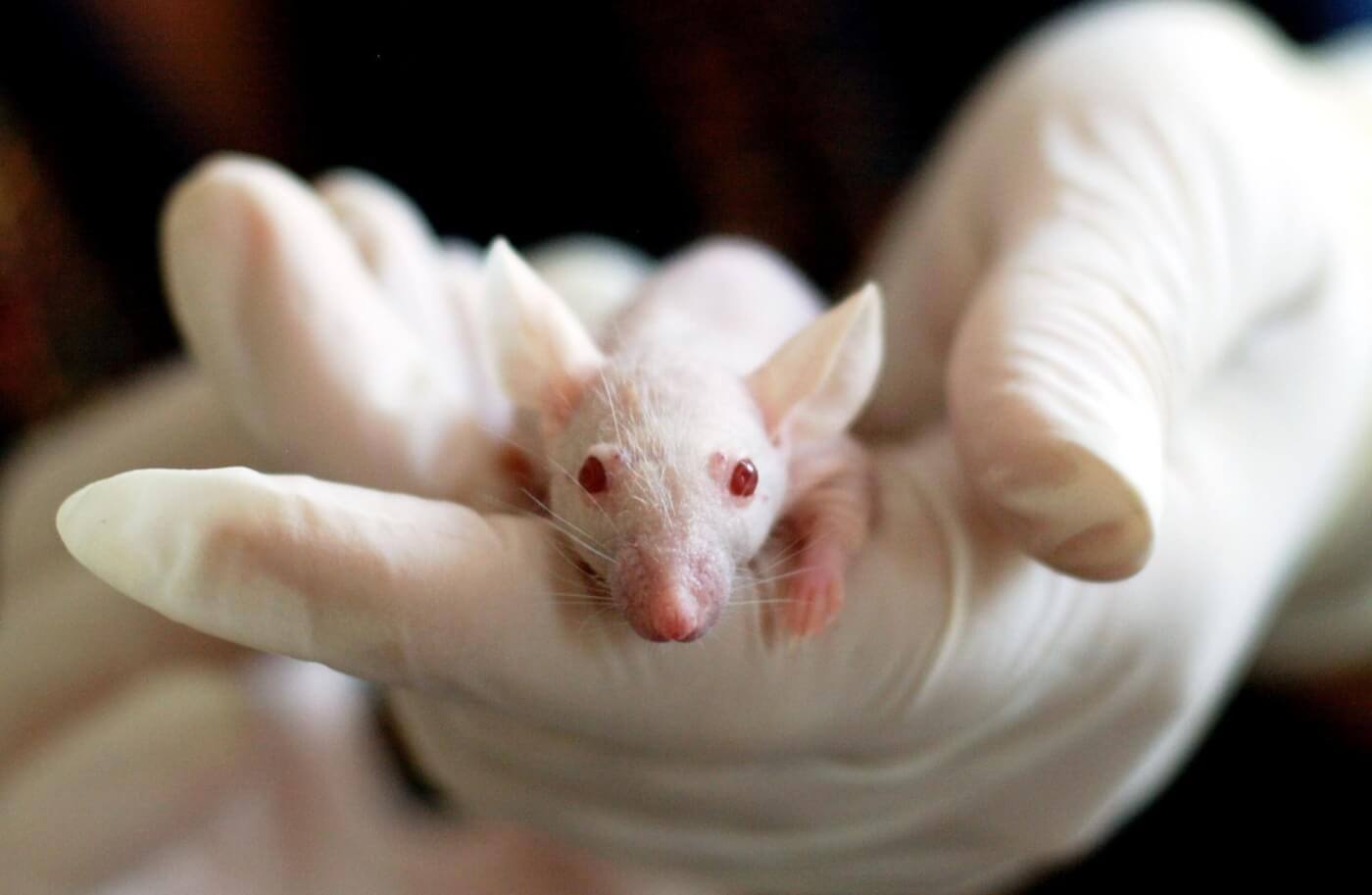
If you still hold on to the belief that experimenting on other animals can produce treatments for diseases in humans—even though 95% of new drugs that “pass” in animal tests go on to fail or even cause harm in human clinical trials—then becoming an animal experimenter might be for you.
The statistics for some specific disease areas are even worse. Out of the approximately 100 HIV vaccines tested successfully on animals, not one has been shown in clinical trials to give humans sufficient protection from the virus. Out of 1,000 stroke treatments tested on animals, none showed a clinical benefit to humans. The failure rate for new Alzheimer’s drugs that tested successfully in humans is a whopping 99.6%. Cancer? 96.6%.
By becoming an animal experimenter, you’ll have the chance to hinder all sorts of possibly lifesaving scientific breakthroughs. Instead of exploring human-relevant research—like brain organoids, organs-on-chips, and advanced computer-modeling techniques—you’ll pursue cruel, archaic methods that don’t work. Who needs progress, anyway?

Have you heard about the worst failures of testing on animals throughout history? Let us catch you up.
In the 1950s, a drug called thalidomide was put on the market after passing “safety tests” performed on animals. The drug caused tens of thousands of human deaths and severe birth defects—including facial disfigurement and flipper-like arms and legs—worldwide. It was withdrawn from the market, but subsequent tests on pregnant mice, rats, and guinea pigs found no such adverse effects. The drug Vioxx, which was used to treat pain, passed safety tests on animals but was pulled from the market in 2004 after it was shown to double the risk of heart attacks and strokes in humans. It’s estimated to have killed 60,000 people. We could list plenty of other drugs that have had to be pulled from the market after passing safety tests on animals, but we wouldn’t want to bore you.

If your definition of “science” is wasting precious time, money, and other resources, then using living, feeling beings as laboratory equipment hits every mark. Pay no mind to what “experts” say, including a Yale School of Medicine professor who co-authored a paper in which he concluded that “if research conducted on animals continues to be unable to reasonably predict what can be expected in humans, the public’s continuing endorsement and funding of preclinical animal research seems misplaced.” What do they know, anyway?
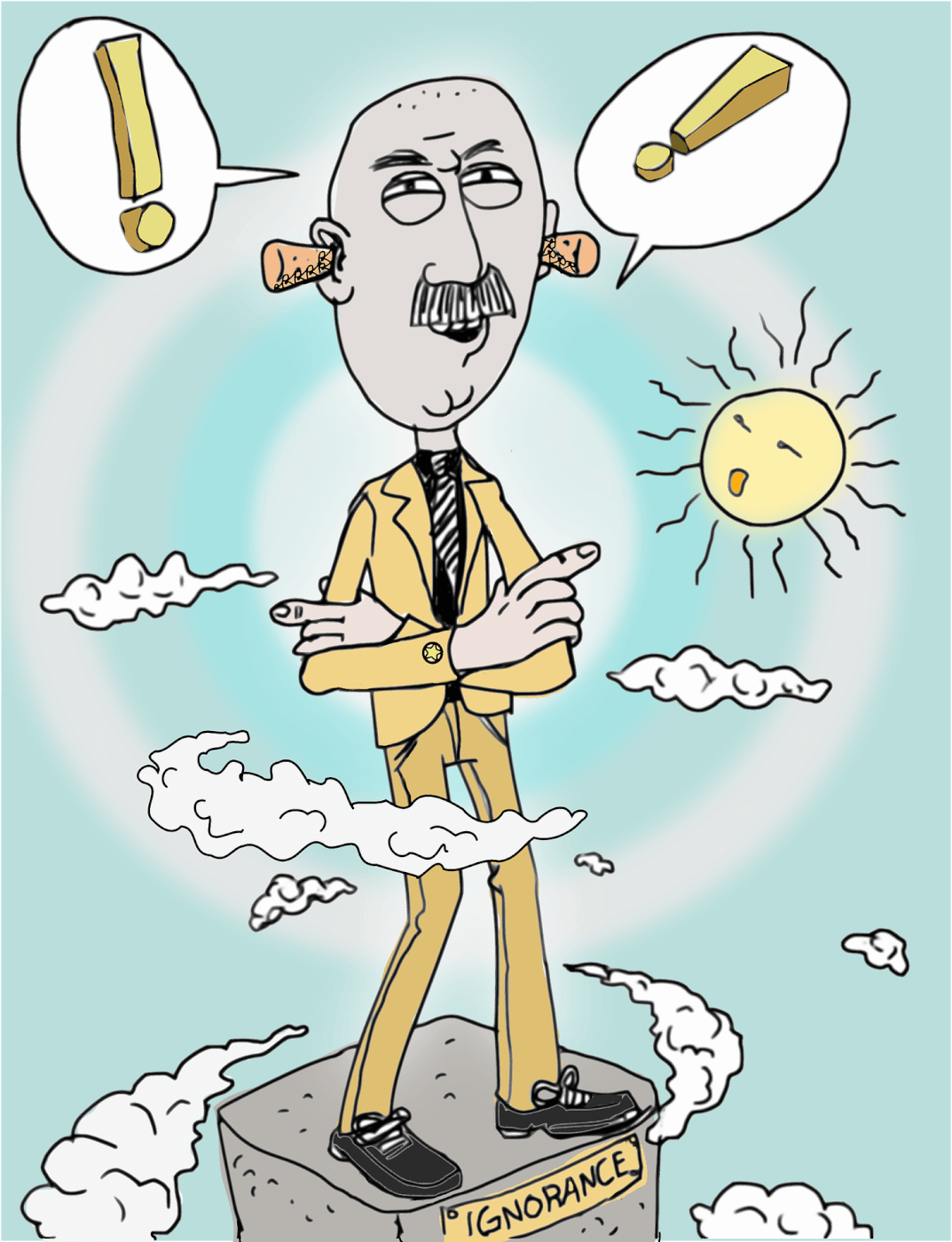
Proficiency in deception is required to be an animal experimenter, as you’ll be tasked with duping taxpayers and well-meaning donors into believing that their money is being used to improve human health.
Billions of tax dollars are poured into funding cruel procedures annually. Experimenters get more animals to torment—and more funding to do so—each year.

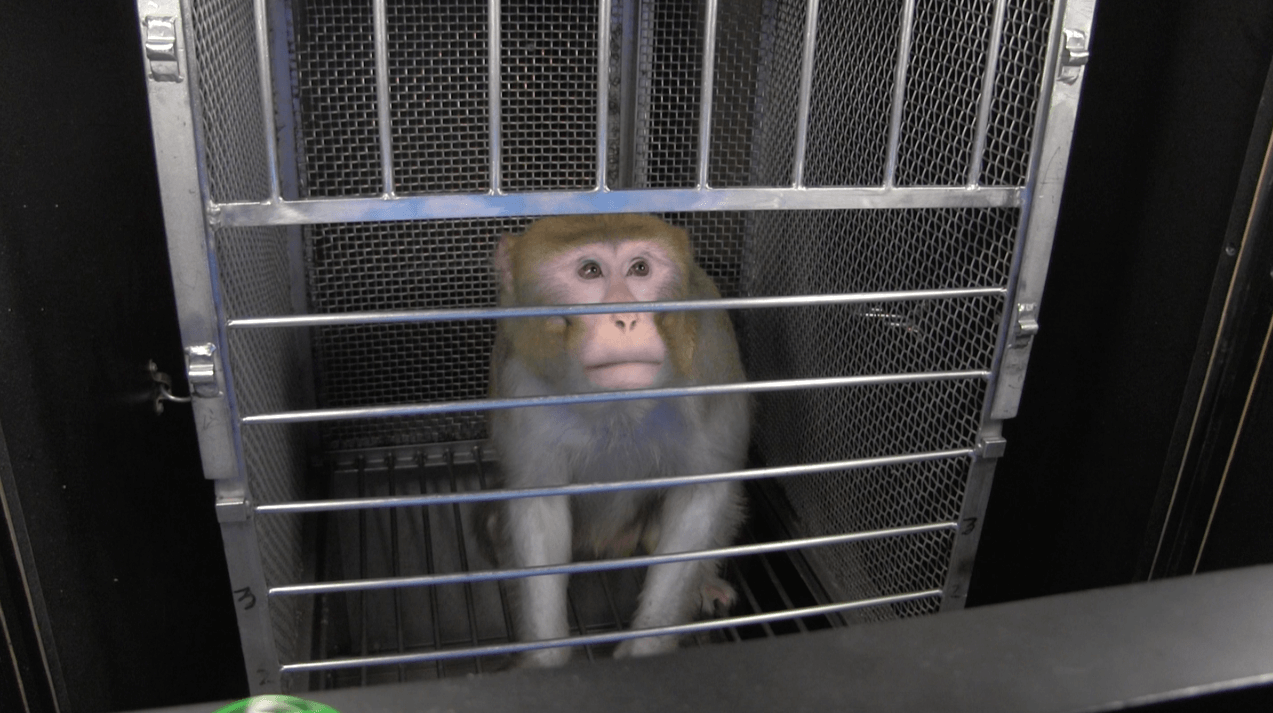
Experimenters tear baby monkeys away from their mothers in order to make them severely anxious and depressed, drop mice into inescapable beakers full of water and force them to swim for their lives, drip corrosive chemicals into rabbits’ eyes, and much more.
At the National Institutes of Health, experimenters suck out or burn parts of monkeys’ brains, confine the animals to a metal box, and terrorize them with rubber snakes and spiders.
At Texas A&M University, experimenters have repeatedly stretched the muscles of golden retrievers who were bred to suffer from canine muscular dystrophy with a motorized lever in order to cause muscle tears. At Johns Hopkins University, experimenters cut into the skulls of barn owls, insert electrodes into their brains, force them to look at screens for hours at a time, and bombard them with noises and lights.
These are just a few examples. As an animal experimenter, you’ll be part of an industry that torments and kills more than 100 million animals each year.
If you answered “yes” to any of these questions, you would make a great animal experimenter. But if you want to push science and medicine forward and if you believe that animals aren’t ours to use as living test tubes, we hope you’ll join us in opposing useless experiments on them and pushing instead for humane, human-relevant research.
Help stop cruel and deadly experiments on animals
The post Should You Become an Animal Experimenter? Find Out Now! appeared first on PETA.
Every year after Easter, PETA receives a flood of reports about domestic birds who were purchased as props for photo shoots or Easter baskets and then abandoned. In just the last few weeks, PETA staffer John Di Leonardo has rescued over a dozen birds in New York—including three nearly dead chicks who were found in a box and two ducklings who had been bought by a man for his grandkids for Easter and kept in a bathtub—prompting PETA to issue an urgent plea not to buy baby animals for Easter. Photos and videos of the chicks and ducklings are available here.
“The only bunny who belongs in an Easter basket is one who’s stuffed or made of vegan chocolate,” says Di Leonardo. “PETA urges families to remember that ducks, rabbits, and chickens are thinking, feeling individuals who need lifelong care, and they should never be bought as props.”
Di Leonardo’s local organization, Long Island Orchestrating for Nature, has been caring for the rescued chicks and ducklings.
PETA—whose motto reads, in part, that “animals are not ours to abuse in any way”—opposes speciesism, a human-supremacist worldview. For more information, please visit PETA.org or follow the group on Twitter, Facebook, or Instagram.
The post Duckling Rescues Prompt PETA PLEA: Don’t Buy Baby Animals for Easter! appeared first on PETA.