Fashion Should Be Fun, Not Fatal—See How Snakes Are Suffering for Accessories
Snakes Need You to Watch PETA Asia’s New Video Before Your Next Purse Purchase
Live Snakes Nailed in the Head for Fashion—See How You Can Take Action
Watch PETA Asia’s new video to learn why you need to skip the snakeskin wallet and buy vegan.
PETA Asia’s new video reveals that workers drive nails into snakes’ heads before killing them and selling their skin to fashion brands around the world. See for yourself, and take action.
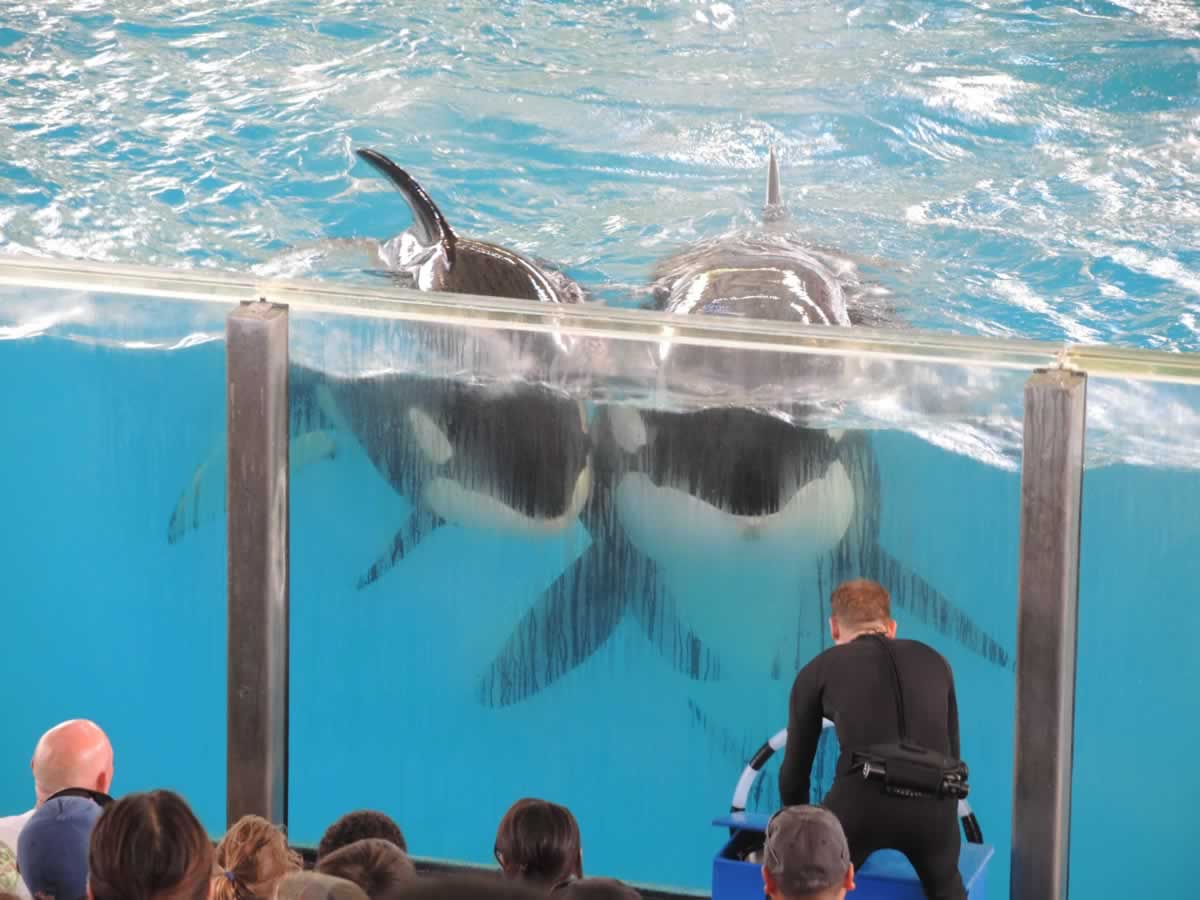
Takara, an orca exploited at SeaWorld, turns 31 on July 9. I’m also celebrating with 31 candles this month—but our lives couldn’t be more different.
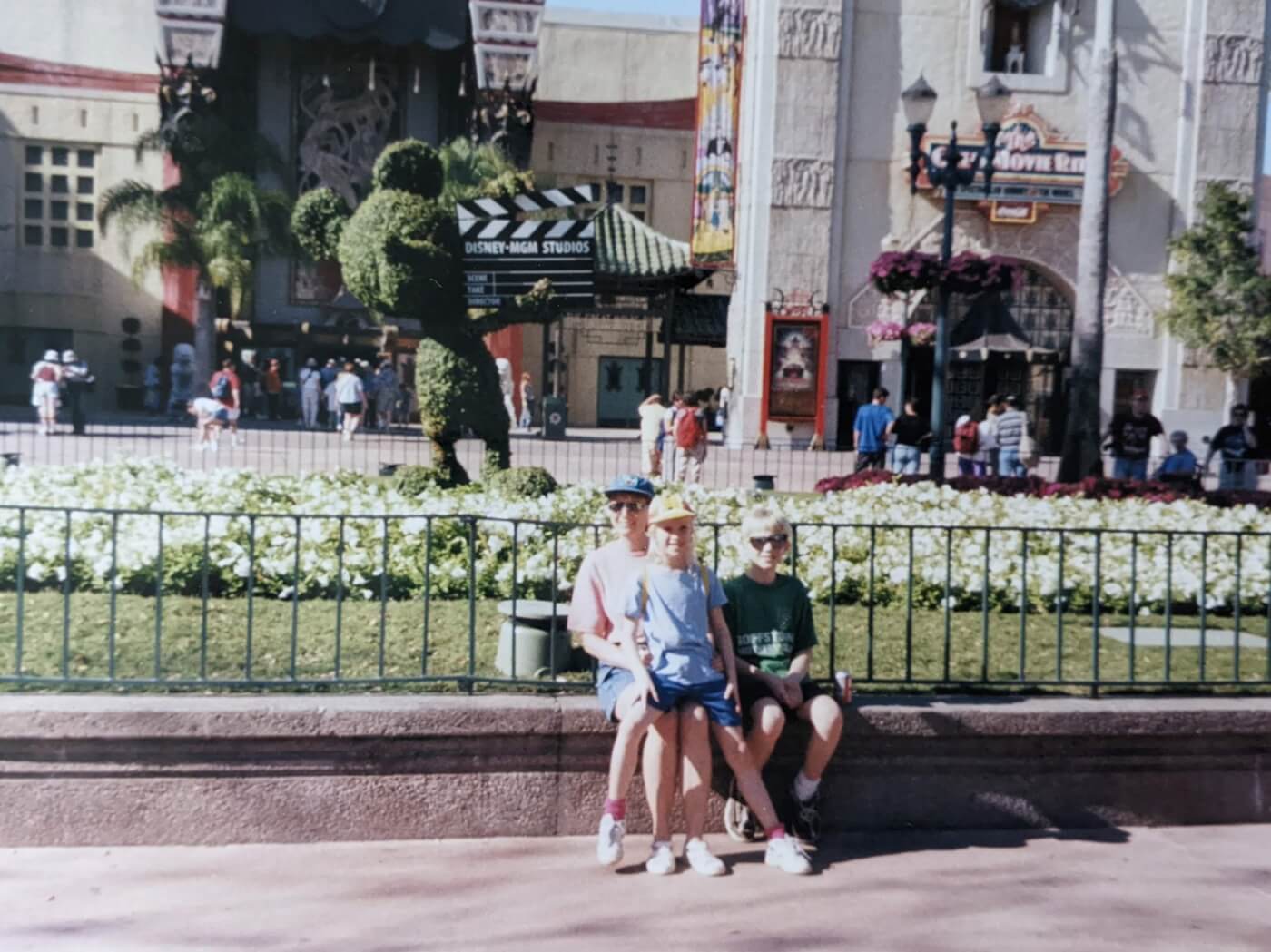
As a child, I wore “Shamu” T-shirts, snuggled with my stuffed orca, and buried my nose in books about marine animals. When I was 4 years old, my family took a vacation to SeaWorld San Diego to see orcas in person. I remember the blazing California sun, the roaring crowd, and the stunning black-and-white orcas—completely unaware that our tickets directly supported their suffering.
Many well-meaning people who care about animals still don’t know the truth about SeaWorld. Orcas are social, emotional, and complex animals who love to travel long distances with their families. But at SeaWorld, they’re limited to small, concrete tanks, performing meaningless tricks for food and swimming in endless circles.
Takara and I were born on opposite coasts and had very different childhoods. She was born into confinement in a tiny tank, whereas I was born into freedom. When I entered the world, the doctor gave me to my mother, who took my little hand and guided me through all stages of life. But Takara was torn away from her mother at just 12 years old—even though, in nature, orcas often live with their mothers for life—and shipped from marine park to marine park.
Takara’s mother, Kasatka, died in 2017. More than 40 orcas confined at SeaWorld’s parks have died—many far short of their natural life expectancy—and from causes such as bacterial infections and even fractured skulls. Takara became a mother herself, having been bred and forced to give birth many times so that SeaWorld could exploit her offspring, too. Her first two babies were taken from her: Her daughter Kohana was moved to Loro Parque in Spain, and her son Trua lives at SeaWorld Orlando in Florida. And just when Takara was starting to form a relationship with her daughter Kyara, the infant died at just 3 months old.
Dolphins and orcas at @SeaWorld are #quarantined to tiny concrete tanks for their entire lives
When my hair turns silver, I hope to retire somewhere warm where I can wear comfortable clothes and wide-brimmed hats. I’ll spend time with my family and start my own garden. I sincerely hope Takara will soon be able to retire to a seaside sanctuary, where she could experience what it truly means to be an orca. I also hope anyone reading these words will boycott SeaWorld’s abusement parks, just as I do.
Melanie Johnson is PETA’s manager of animals in entertainment campaign. She has led the efforts to get SeaWorld to stop making trainers stand on dolphins’ faces and ride on their backs in demeaning circus-style shows, and her team has pushed dozens of companies like Expedia to stop promoting the abusement park.
Despite ending its sordid orca-breeding program in 2016, SeaWorld still sexually abuses and forcibly impregnates other dolphins and whales for profit. The animals still imprisoned at SeaWorld languish in their small, concrete prisons, subjected to abuse and a lifetime of deprivation.
We have a lot of work left to do, and we need you to be a part of it. Help us by telling SeaWorld to release its prisoners to seaside sanctuaries where they can live with purpose and to help ensure a future in which no animal suffers as Takara does.
With Los Angeles’ proposed glass-skinned, tubular office tower The Star currently under environmental review, PETA—with an office and more than 228,000 members and supporters in the city—and Los Angeles Audubon Society submitted a joint public comment this morning to Courtney Shum of the Department of City Planning, recommending that the structure’s Environmental Impact Report include an assessment of potential bird collisions with the building’s windows, a factor overlooked in the initial study.
“The Star’s proposed glass facade, bright lights, and sky gardens would prove more deadly than daring if birds collide at full speed into reflective glass that they can’t see as a barrier,” says PETA Foundation General Counsel for Animal Law Jared Goodman. “PETA is calling on The Star’s builders to respect birds and spare their lives by incorporating animal-friendly design elements such as films, frits, and ultraviolent patterns, as other buildings have done.”
“The city of Los Angeles is currently proposing a bird-friendly glass requirement for new residential construction in nearby hillside and canyon areas, which we support,” adds Los Angeles Audubon Society President Travis Longcore. “Tall buildings such as The Star should be held to a similar standard and incorporate bird-friendly designs to protect birds who migrate to and through Los Angeles each year.”
PETA notes that collisions with buildings—and windows, in particular—are a leading source of bird mortality, killing up to a billion birds every year in the U.S. Los Angeles is an especially dangerous city for birds because it is located along a major migratory route and birds become disoriented at night by the city’s large, lighted buildings.
The group points out that in 2020, the Los Angeles Clippers made the glass panels on its new arena visible to birds by including a fritted finish—thin ceramic lines on glass that are visible to birds but virtually transparent to humans.
PETA—whose motto reads, in part, that “animals are not ours to abuse in any way”—opposes speciesism, a human-supremacist worldview. For more information, please visit PETA.org or follow the group on Twitter, Facebook, or Instagram.
The groups’ public comment to the city follows.
July 7, 2022
Courtney Shum
City of Los Angeles Department of City Planning
Re: The Star Project, Case No. ENV-2021-8030-EIR
Dear Ms. Shum:
On behalf of People for the Ethical Treatment of Animals and Los Angeles Audubon Society, I am writing to ensure that the Environmental Impact Report (EIR) for The Star Project includes an assessment of the building’s potential significant impact on bird-window collisions. Collisions with buildings kill up to a billion birds every year in the United States; tall buildings with bright lights and glass façades, like this proposed office tower, are a major cause.
The initial study addressed the impact this structure will have on nesting birds but overlooked birds flying into the building. Birds cannot see clear and reflective glass and will careen into windows at high speeds. Their hollow bones make them well-suited to flight but largely unable to survive such collisions. Studies attribute collisions with buildings, and windows in particular, as a leading bird mortality source. Migratory species are especially vulnerable, in part because they are attracted to, and disoriented by, large lighted buildings during their nocturnal migration. Los Angeles, located along a major migratory route, is the fourth most dangerous city for migrating birds in the spring. The Star Project raises particular concern in light of the conceptual rendering’s inclusion of greenspace on the building’s exterior that is reflected on the glass, and trees in the building’s interior that are visible through the glass structure.
To counter this devastating impact on birds, architects have developed innovative designs, including films, frits, and ultraviolet patterns, which can easily be added to glass windows. Among the many new constructions using bird-friendly designs, in 2020, the Los Angeles Clippers made the glass panels on its new arena visible to birds by including a fritted finish—thin ceramic lines on glass that are visible to birds but virtually transparent to humans.
To prevent unnecessary suffering and deaths, please address in the EIR the bird-window collisions this structure may cause. Thank you.



 (@MelanieEJ3)