PETA to CDC: Suspend Monkey Imports in Light of New Endangered Status

Today, in a significant move that should have an impact on wasteful, old-style animal experiments, the International Union for Conservation of Nature (IUCN) announced that the conservation status of long-tailed macaques and pig-tailed macaques has been changed from “vulnerable” to “endangered.” The exploitation of these once plentiful species as part of the international wildlife trade to experimenters in the U.S. is a major factor in their dramatic population crash, and now it may be time for experimenters to pay the piper. In light of the alarming status change—and because the IUCN also projects that wild populations of these monkeys will experience an additional decline of 50% over the next three generations if current threats are not mitigated—PETA is calling on the Centers for Disease Control and Prevention (CDC) to end all importation of monkeys for experiments indefinitely so that wild populations can recover.

The macaque wildlife trade is steeped in violence and disease. A vast monkey-abduction pipeline has been funneling hundreds of thousands of wild-caught monkeys into the U.S. The dangers to the monkeys and the public can no longer be ignored. The CDC is tasked with controlling the flow of monkeys into the U.S., yet on multiple occasions over the past three decades, primates imported into the country as part of the biomedical trade have arrived with infectious agents such as Ebola-Reston virus, simian hemorrhagic fever, and tuberculosis. Between 2019 and 2020, the CDC reported a 5.6% increase in the number of monkeys who died during quarantine.

“Scores of sensitive long-tailed macaques are being torn away from their wild homes for use in the U.S.’ animal experimentation industry, and population numbers have nosedived as a result,” says PETA science advisor and primate expert Dr. Lisa Jones-Engel. “PETA is urging the CDC to ban all monkey importation immediately for everyone’s sake.”

PETA notes that the National Institutes of Health and the U.S. Food and Drug Administration (FDA) admit that 95% of all new drugs that test safe and effective in animals are either unsafe or ineffective in humans. PETA scientists’ Research Modernization Deal provides a strategy for replacing animals with modern, human-relevant research methods. PETA supports the FDA Modernization Act, which would eliminate the agency’s mandate to require tests on animals in drug testing.

PETA—whose motto reads, in part, that “animals are not ours to experiment on,” opposes speciesism, a human-supremacist worldview. For more information on PETA’s investigative newsgathering and reporting, please visit PETA.org or follow the group on Twitter, Facebook, or Instagram.

The post PETA to CDC: Suspend Monkey Imports in Light of New Endangered Status appeared first on PETA.
PETA Names the Top Things That Hit Video Game ‘Stray’ Gets Right About Cats

The hit video game Stray points out many important struggles that “outdoor cats” face, and it’s getting top marks from PETA for its accuracy.

Here are PETA’s top things that Stray gets right about cats:

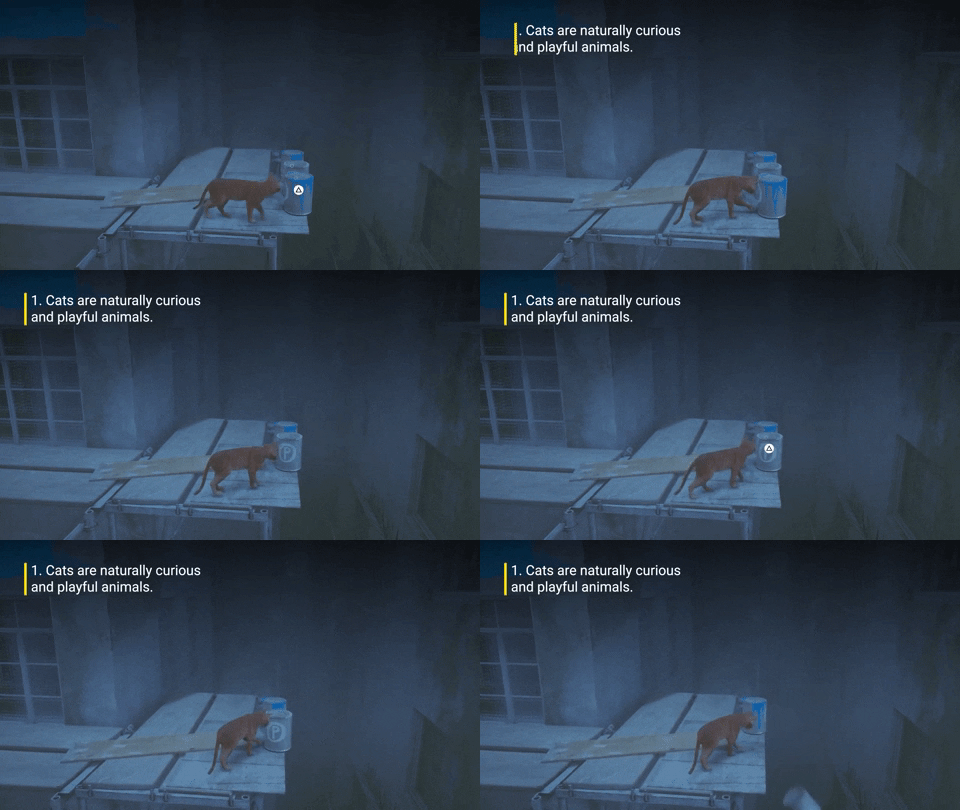
1. Cats are naturally curious and playful animals.

stray cat game gif - cat knocking paint can off ledge

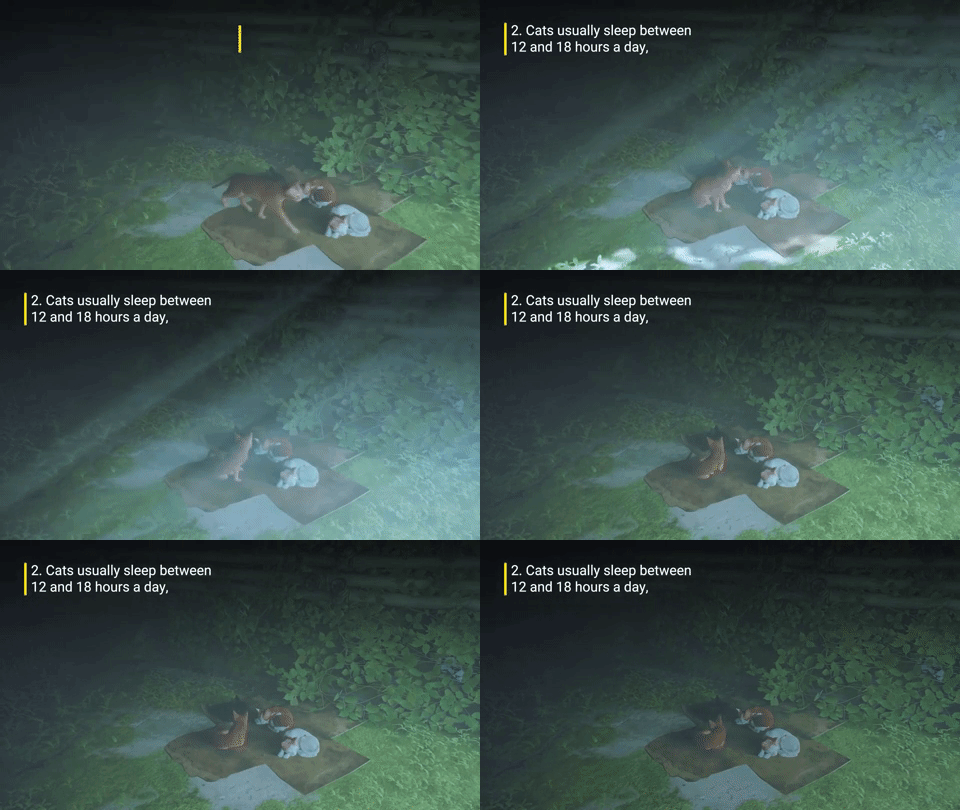
2. They usually sleep between 12 and 18 hours a day, but those living outside often don’t have that luxury, as they must be alert to danger.

stray cat game gif - 18 hours of sleep

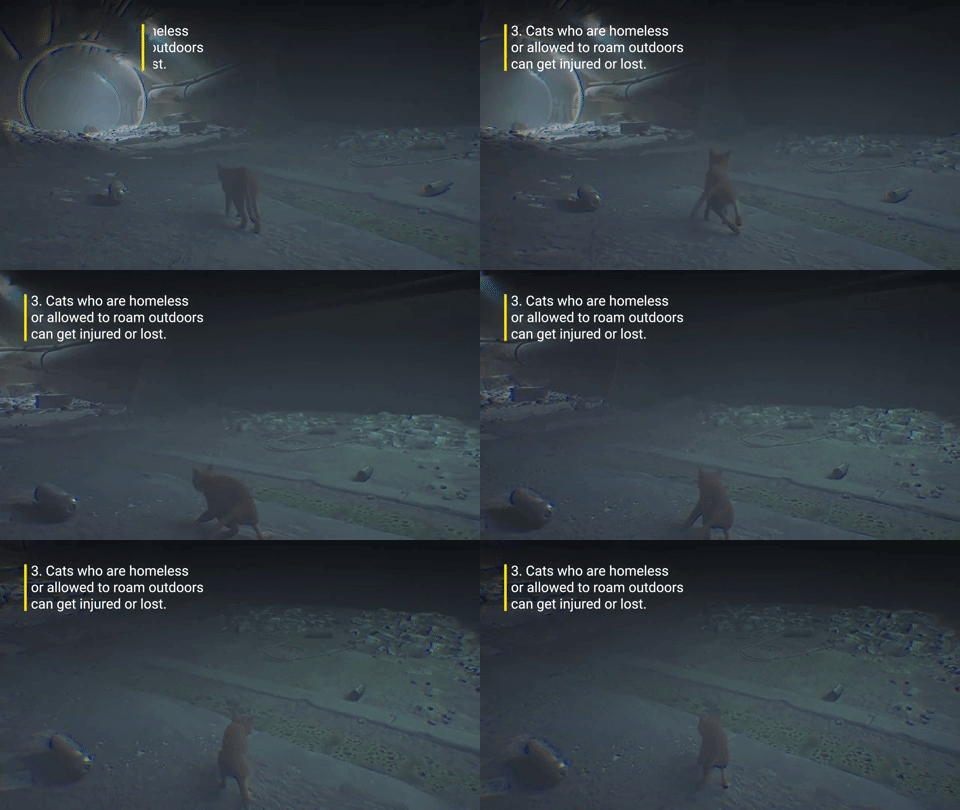
3. Cats who are homeless or allowed to roam outdoors can be injured or become lost.

stray cat game gif - injured and lost cat

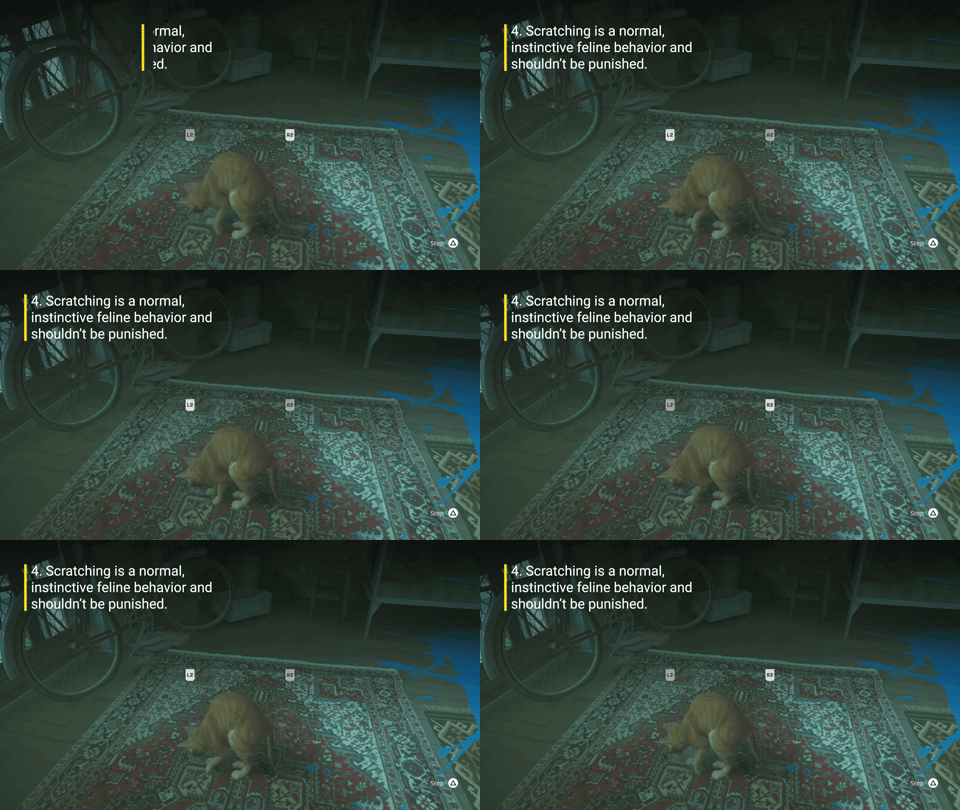
4. Scratching is a normal, instinctive feline behavior and shouldn’t be punished.

stray cat game gif - cat scratching

5. Cats who are let outdoors are much more likely to contract life-threatening parasites.

stray cat game gif - dangerous parasites

6. All cats deserve to have a happy and safe life indoors.

stray cat game gif - happy indoor cat

(And if you see a Zurk in real life, you should run, too!)

stray cat game gif - zurk enemies


Are you a conscientious gamer who wants to extend your concern for animals to other worlds? PETA’s got you covered.

Check Out These Free Games From PETA

Read PETA’s Vegan Guide to ‘Animal Crossing: New Horizons’

PETA’s Top Things to Do in ‘Elden Ring’

PETA hopes all games will encourage people to feel closer to the animals we share our planet with and inspire them to work to #EndSpeciesism—the misguided belief that humans are superior to all other animal species and that it’s OK for us to exploit them in horrible ways for our own trivial purposes.

Want to Learn More About Caring for Cats Indoors?

Are two cats better than one? Why do cats “make biscuits” on your lap? 250 Vital Things Your Cat Wants You to Know by PETA President Ingrid Newkirk answers those questions and many more. It’s required reading if you want to ensure that all nine of your cat’s lives are as happy and fulfilling as felinely possible.

Order Your Copy Now

The post PETA Names the Top Things That Hit Video Game ‘Stray’ Gets Right About Cats appeared first on PETA.

1,000 Chickens Burned to Death at Costco Supplier’s Slaughterhouse

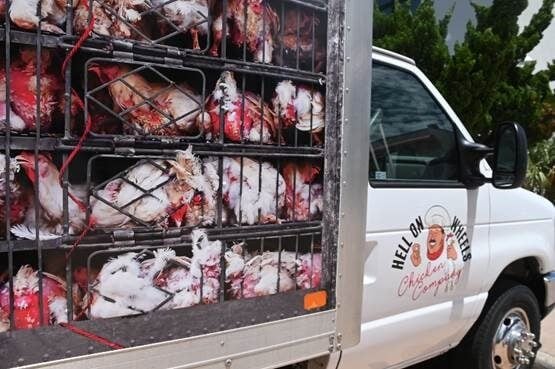
PETA just obtained U.S. Department of Agriculture documents revealing that 1,000 chickens were killed in a horrific fire that engulfed a chicken-transport truck at Costco supplier Lincoln Premium Poultry (LPP) in Fremont, Nebraska, on June 17. Of the 6,000 chickens caged on the trailer, 1,000 died and were “completely burnt” and another 1,500 were injured in the 50-minute fire.

According to the documents, the truck caught fire after the rear wheels “exploded” in “huge flames.” LPP management blamed the fire on overheated brakes, and an LPP whistleblower told PETA that they suspected the truck driver had left the emergency brake on.

LPP staff broke the necks of chickens who had escaped from the burning trailer and killed all other survivors by gassing them with carbon dioxide over the course of nearly four hours.

PETA is calling on the Dodge County Attorney’s Office to charge those responsible under state law, because federal officials haven’t prosecuted any inspected slaughterhouses for acts such as those at LPP since at least 2007.

This isn’t the first time chickens have died in egregiously cruel ways at LPP. In 2021, approximately 30,500 chickens were denied food and water for 25 hours on crowded transport trucks and at least 1,622 of them were found dead the next day—but Costco didn’t stop getting chicken from LPP after that incident. It just goes to show the suffering that chickens endure in the cut-rate meat industry.

Taking Action for Chickens

Chickens—who can recall the faces and social order of more than 100 other birds—should never be subjected to the cramped, extreme conditions of transport trucks, helpless to escape when their lives are so obviously in danger. But not all humans have moved past accepting this kind of cruelty, which the meat industry has made harder to document—in no small part through “ag-gag” laws that make it more difficult to expose. PETA’s “Hell on Wheels” truck brings the stark reality to the people: It exposes observers to the horrors that chickens who are killed for food endure on a daily basis.

The best way you can help reduce this kind of senseless suffering is by going vegan, which saves nearly 200 lives a year. Being vegan means you won’t participate in funding the industries that torment animals as LPP does—all with little to no oversight.

The post 1,000 Chickens Burned to Death at Costco Supplier’s Slaughterhouse appeared first on PETA.

Does Backyard Beekeeping Help Bees? Here’s What You Should Know

Backyard beekeeping has been in the news in recent years, but saving the bees doesn’t mean breeding honeybees and stealing their honey. Much of the backyard beekeeping industry is rooted in speciesism, even as it claims to support these animals, because it assumes that we have a right to steal honey, beeswax, and honeycomb from bees who work hard to produce it for themselves.

If you’re thinking about getting into backyard beekeeping, here are some things you should know:

Backyard Beekeeping Doesn’t ‘Save the Bees’

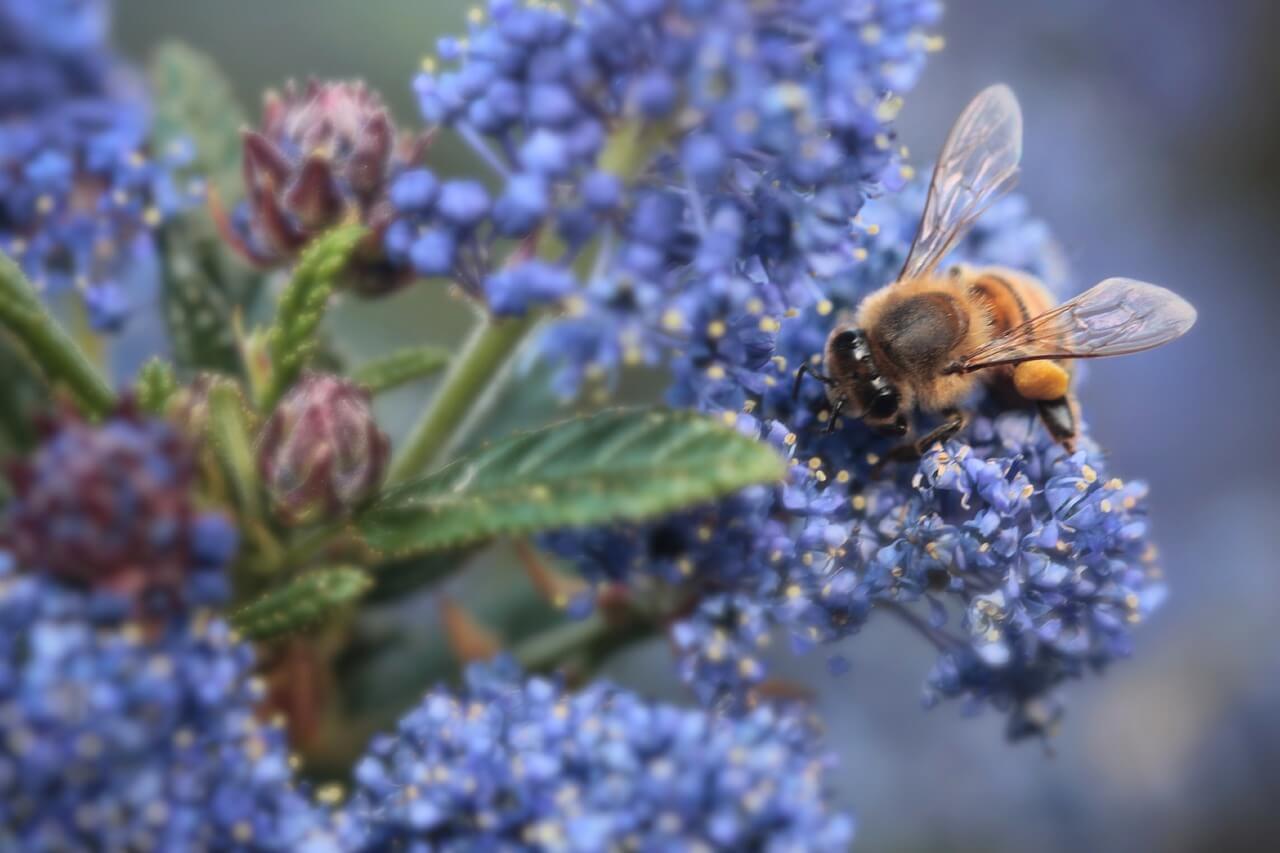
When scientists talk about “saving the bees,” they aren’t talking about the species most backyard beekeepers exploit. The most common species used for backyard beekeeping is the European honeybee—a non-native, domesticated species imported to North America to be used in agriculture. These colonies compete for resources with native bees—who are actually much better pollinators and are the ones facing extinction—and other insects.

native species on purple blue flowers

While honeybees are more interested in nectar, native species actively collect pollen. They’re also much better at pollinating native plants, which supports overall biodiversity and ecosystem health.

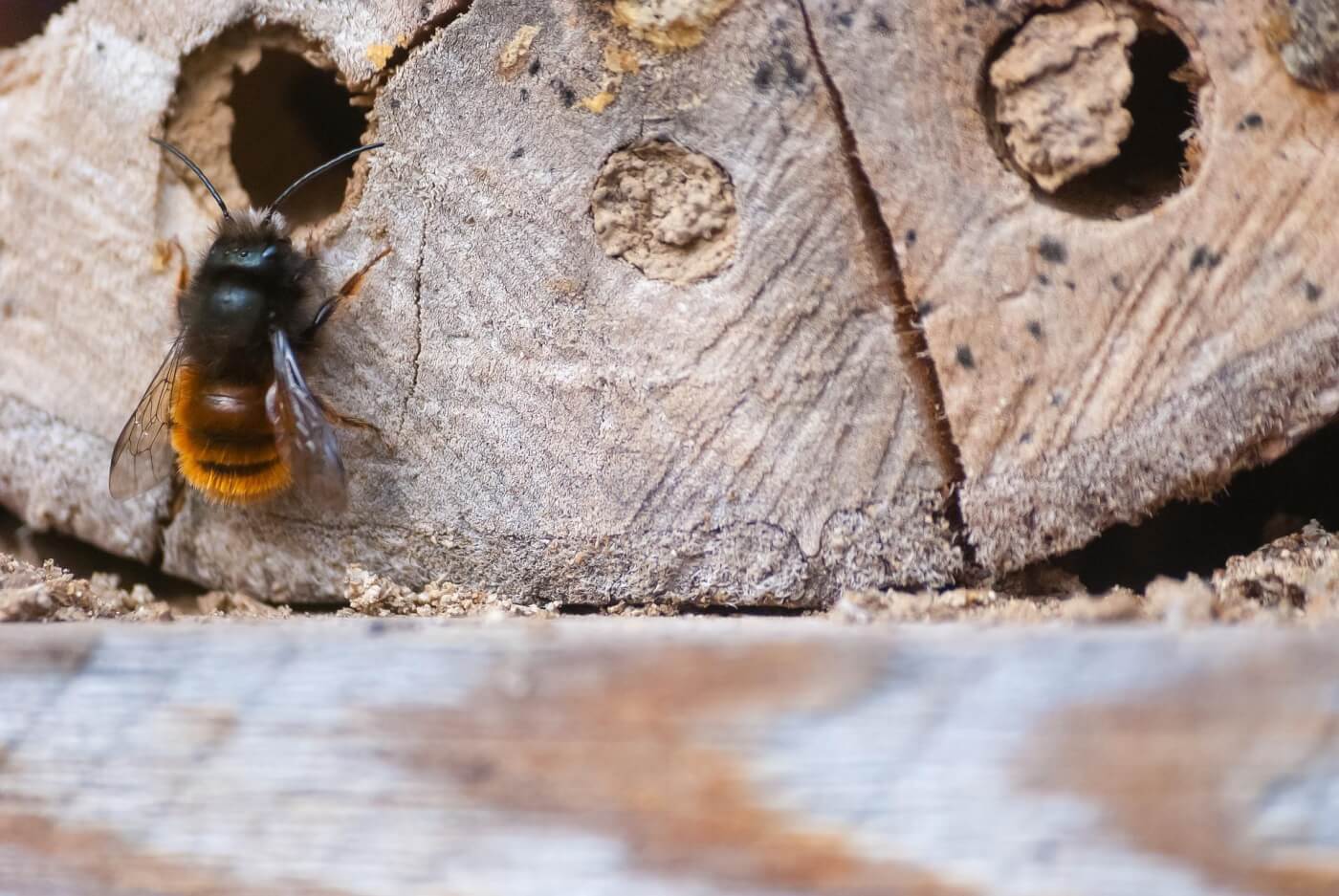
The best thing you can do to help bees is to support struggling native species by making your yard a haven, full of bee-friendly native plants and bee houses. Mason, leafcutter, and miner bees are just a few of the species you might spot, but there are more than 4,000 types native to the U.S.

bee going into bee house

Order Your FREE Vegan Starter Kit

Send Me a Vegan Starter Kit

Other Issues With Backyard Beekeeping

Many backyard colonies die because people don’t realize just how much work and responsibility are involved in keeping a thriving hive.

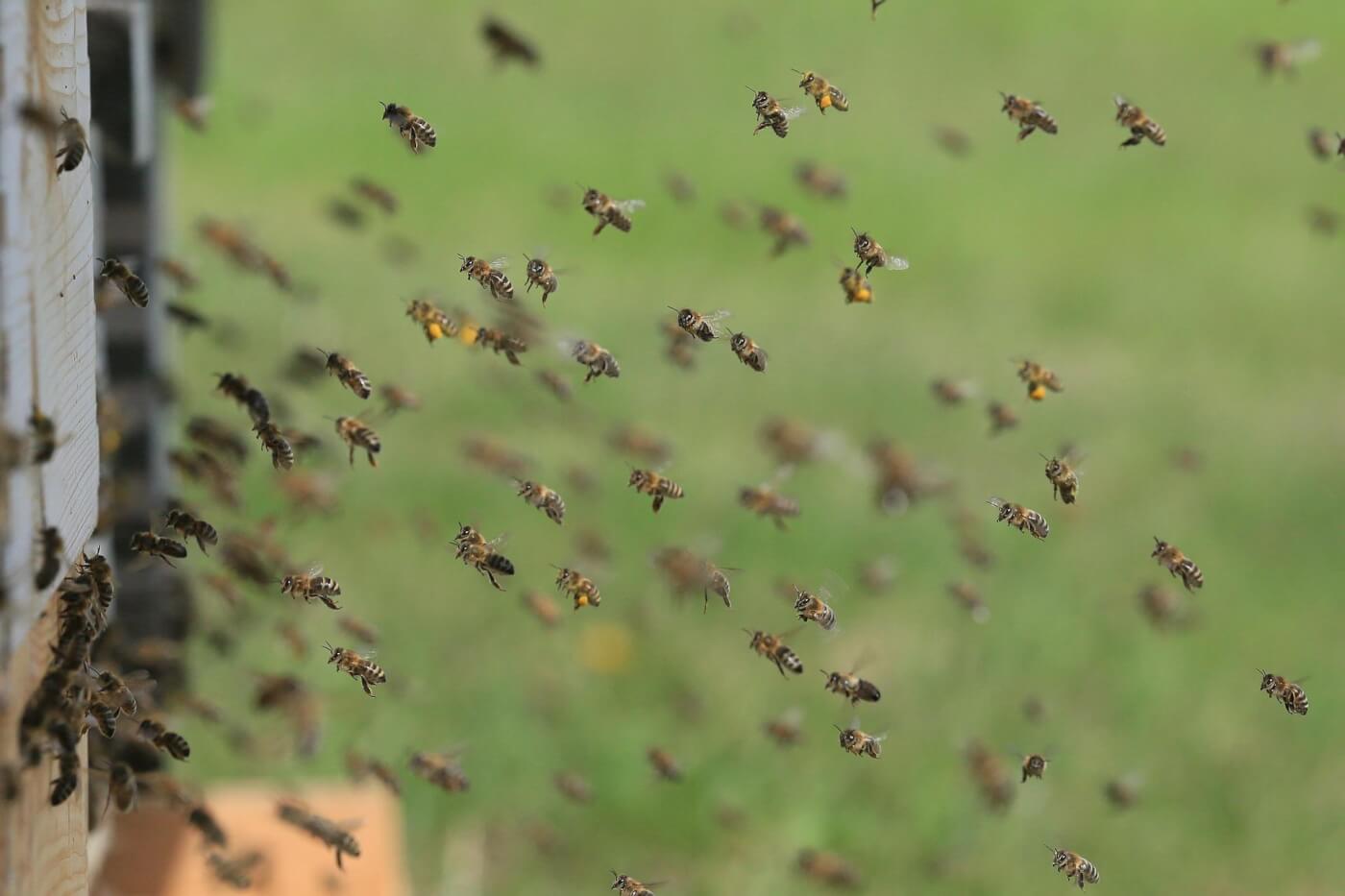
Honeybee colonies are highly susceptible to disease, poor nutrition, and parasites. Varroa mites can infest colonies—where they feed and live on larvae, pupae, and even adult honeybees—which can eventually lead to the spread of diseases and viruses, colony collapse, and death. Novice beekeepers might not have the knowledge, funds, or experience to manage infestations, which can also spread to nearby hives.

bees in flight

Taking Bees’ Honey, Comb, and Beeswax Is Inherently Speciesist

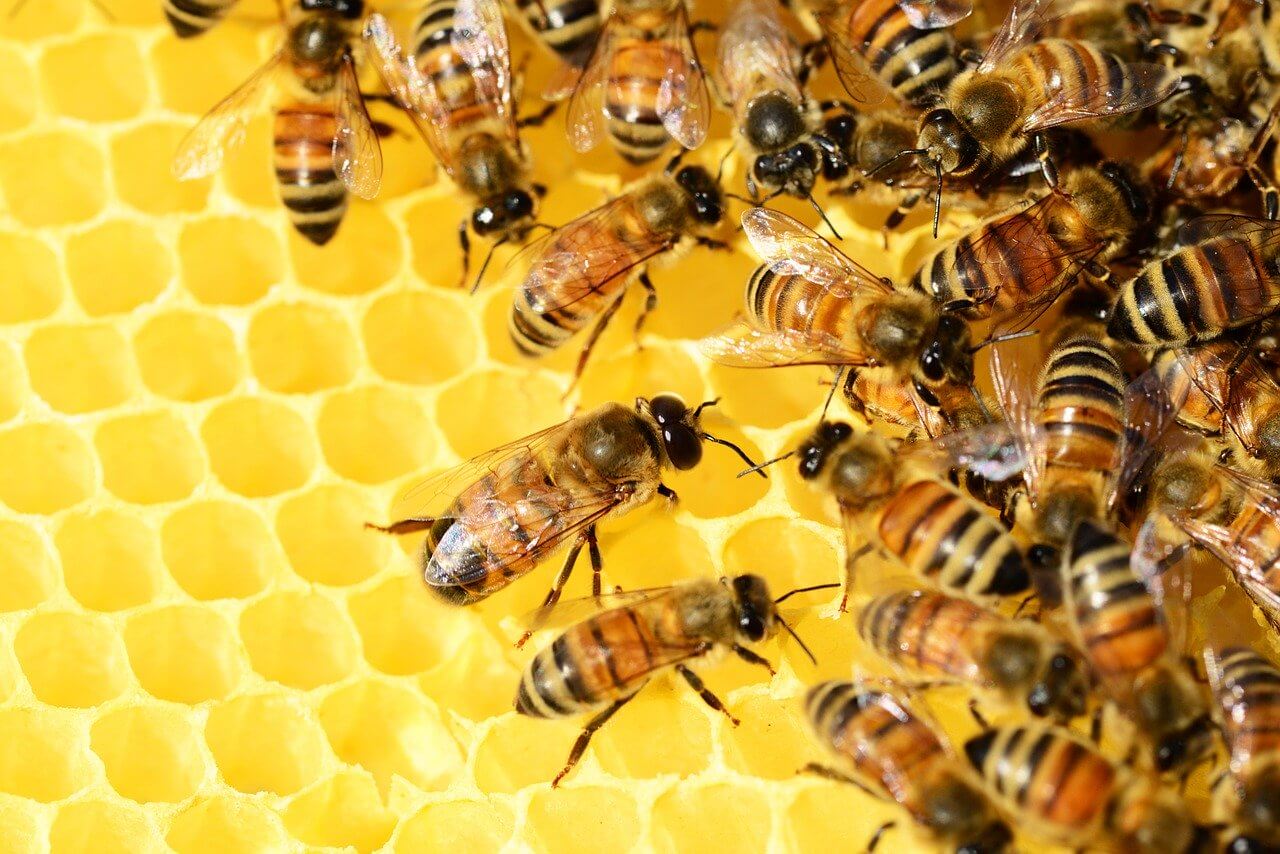
Bees produce honey and build comb from beeswax in order to nourish themselves and support their hives. Stealing their hard work is inherently speciesist—their honey belongs to them, not to us. Many people take up backyard beekeeping in order to have their own source of honey, while claiming to support bee populations. But most native species either don’t produce honey or don’t produce enough for humans to collect. If you really care about the well-being of these friendly pollinators, leaving them alone and simply turning your yard into a bee-friendly place are the best things you can do for them.

interesting bee facts bee hive honeycomb

What to Do if You’re Already Beekeeping in Your Backyard

If you’re already caring for bees in your backyard, be sure you’re well versed in the proper care techniques so you can protect them from disease, Varroa mites, and other harm. Don’t be speciesist—stop stealing from bees for your own gain.

Do More to Help Bees

There are plenty of delicious sweeteners you can use instead of honey, including agave nectar and maple syrup. Be sure to buy beeswax-free cosmetics and soy-based candles for your home. Finally, support the local bee population by planting pollinator-friendly native plants, putting bee homes or hotels in your yard, and avoiding the use of pesticides.

‘Bee’ Kind—Go Vegan! Order Your Free Vegan Starter Kit

The post Does Backyard Beekeeping Help Bees? Here’s What You Should Know appeared first on PETA.

Your Family’s Mission This Summer? Help Dogs Survive Hot Weather!

Your Family’s Mission This Summer? Help Dogs Survive Hot Weather!

Adults: Show Kids How to Help Dogs Beat the Heat This Summer

Has your family ever spotted a dog left in a hot car? PETA Kids shares information on how to take immediate action as well as helpful tips for keeping animals cool this summer.


Spot a Dog in a Hot Car? Here’s How Your Family Can Take Action

Too Hot for Spot: Teach Kids How to Keep Dogs Safe This Summer

Dogs need your family’s help! Find out what you can do to help save their lives—and how to make sure animal companions stay cool all summer long.

The post Your Family’s Mission This Summer? Help Dogs Survive Hot Weather! appeared first on PETA.