Chimpanzees Shot Dead at Swedish Zoo After Escaping Enclosures

Three chimpanzees who escaped from their enclosures at Sweden’s Furuvik Zoo have all been shot dead, revealing a glaring lack of preparedness at the facility. Apparently, the animals were shot because the Swedish zoo didn’t have enough tranquilizers on hand to sedate them safely. This tragedy should never have occurred.

Furuvik Zoo, an unaccredited facility not endorsed by any reputable organization, is located inside an amusement park—a stressful, loud, and unnatural environment for the animals it displays. Pictures apparently from the facility show that it allowed unsafe direct contact between human caretakers and adult chimpanzees.

These chimpanzees shouldn’t have been killed just for trying to escape a miserable life.

Stay Away From Roadside Zoos

Animals in roadside zoos, pseudo-sanctuaries, and traveling shows or displays are forced to spend their lives behind bars just to entertain the public.

Don’t pass a few hours at an attraction where animals will languish in misery long after you’ve gone home. Please don’t buy a ticket. Instead, explain to your family and friends why you don’t support animal suffering.

People can help fund rescue operations affiliated with the Global Federation of Animal Sanctuaries, which upholds rigorous standards of sanctuary management and animal care. Member sanctuaries don’t breed or use animals in commercial activities, and they provide an excellent quality of life.

The post Chimpanzees Shot Dead at Swedish Zoo After Escaping Enclosures appeared first on PETA.
Companies Scramble After PETA Asia Exposes Down Industry Cruelty

Scrubbed websites, internal investigations, and halted business with farms and slaughterhouses in Vietnam: These are just some of the attempts at damage control that companies have made on the heels of PETA Asia’s damning investigation into Vina Prauden—a Prauden-owned down supplier for Gap Inc., H&M, Lacoste, and other brands—and Nam Vu, a down supplier for GUESS.

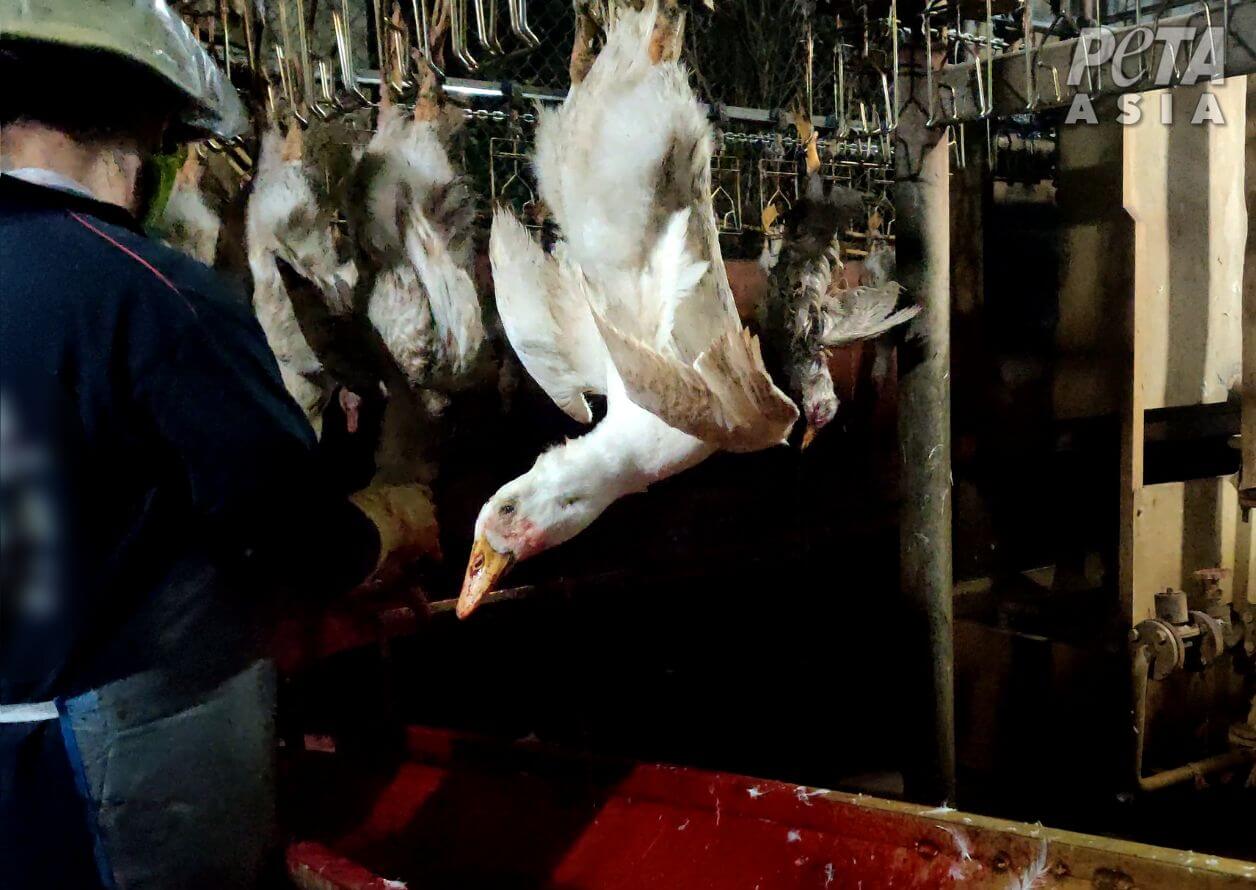
The investigation revealed that workers at duck slaughterhouses in Vietnam stabbed conscious birds in the neck and cut off their feet while they were still struggling. Feathers from these facilities were later sold under the deceptive Responsible Down Standard (RDS) label.

In response, these companies have scrambled to hide their involvement in various ways:

  • H&M removed animal welfare labels from its online offerings and erased mentions of the RDS and “responsible down.”
  • Nam Vu delisted GUESS as a customer on its website and later removed its entire online list of customers. It also claims that it’s reinspecting facilities.
  • Prauden claims to have cut off the part of its supply chain that includes Vietnamese farms and slaughterhouses while it investigates. It also removed its list of customers from its website.
  • Textile Exchange claims to be investigating, just as it does after every PETA exposé, although little or nothing ever changes as a result for animals.

The only thing these companies should do in response is take action that really counts—by ditching down altogether. Ducks are individuals who enjoy relaxing in the water and swimming with their companions. These companies can all choose to use high-quality, innovative down-free materials instead of stealing someone’s feathers.

bird dangling by their feet beside worker

You can help save ducks by calling on H&M, GUESS, and GAP Inc. to do the only responsible thing—ban down now:

Ducks Are Suffering and Dying—Urge These Companies to Stop Using Down

The post Companies Scramble After PETA Asia Exposes Down Industry Cruelty appeared first on PETA.

Victory! Deckers Footwear Brands Drop Alpaca Fleece After Hearing From PETA

Three cheers for alpacas! After hearing from PETA, footwear company Deckers Brands has added alpaca fleece to its list of prohibited materials and will phase out all alpaca fleece by fall 2023! Its brands—including UGG, Koolaburra, HOKA ONE ONE, Teva, and Sanuk—have now joined the growing list of those that have banned alpaca fleece after learning about our investigation into the alpaca fleece industry. Others include Victoria’s Secret, Chico’s, and Overstock.com.

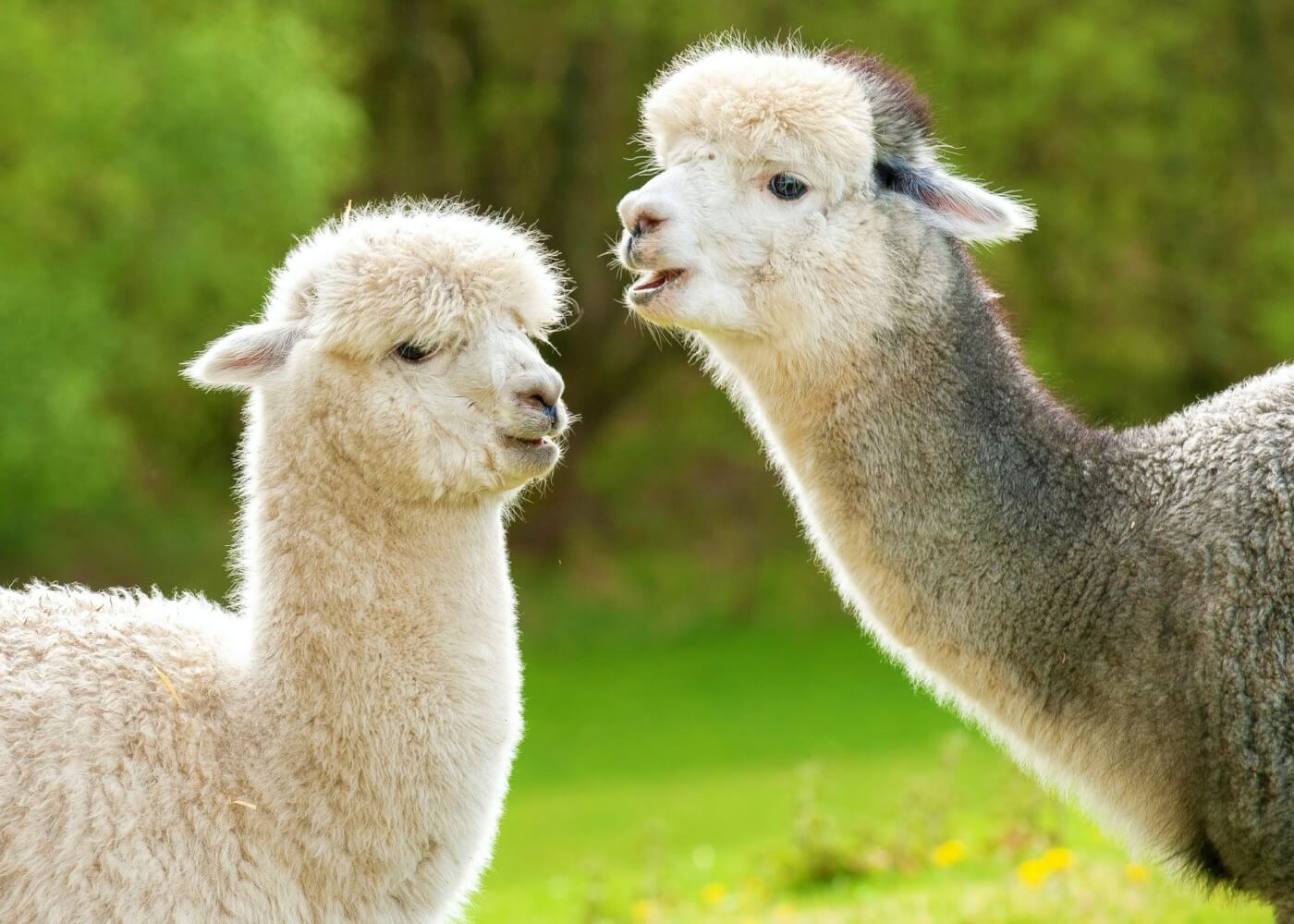
Two alpacas hang out in a field

Don’t Pull the Fleece Over Your Eyes

PETA informed Deckers of our first-of-its-kind investigation into one of the world’s largest alpaca fleece producers, which showed workers hitting, kicking, tying down, and mutilating pregnant alpacas, who cried out and vomited in fear. We also informed the company of the failure of the “Responsible Alpaca Standard” to stop any of this suffering.

Alpacas are gentle, curious, and social animals who are protective of their young and spit, shriek, and huddle together when they sense danger. They simply want to live without fear and pain, instead of being abused and killed by humans who want to wear their coats.

Urge Deckers Brands to Move Toward an Animal-Free Future

Deckers’ list of banned materials also includes fur, angora, exotic leathers, and anything from endangered species. While this is a great start, we’d love to see it drop all animal-derived materials, including sheepskin, wool, and leather made from cows.

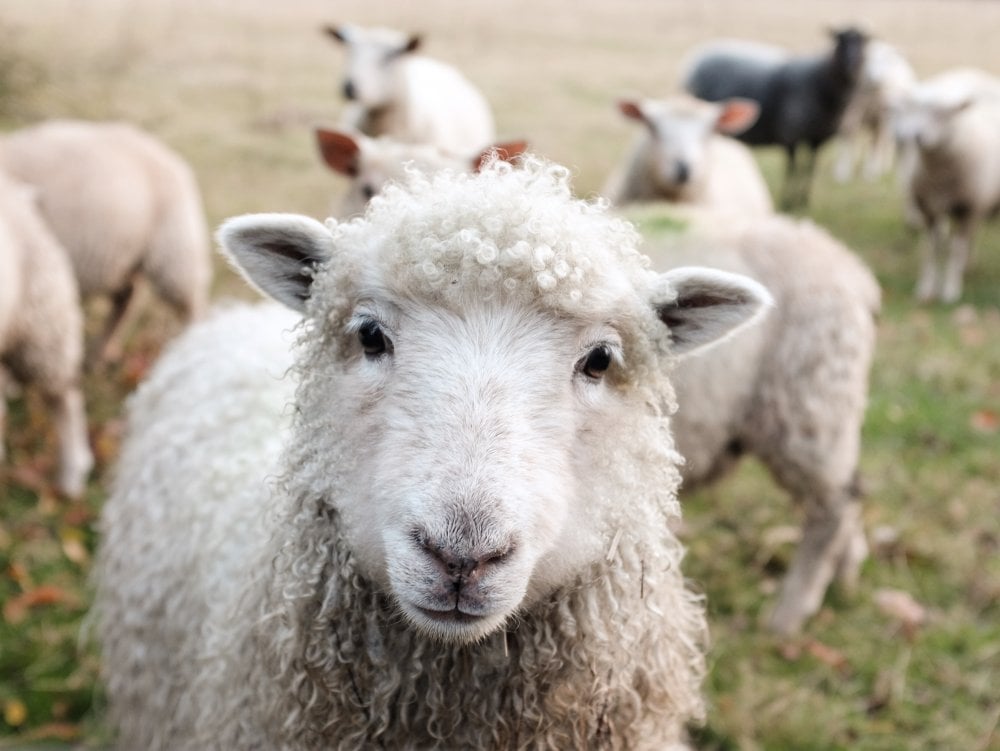
White sheep looking directly into camera

Urge Deckers’ brand UGG to stop using sheepskin for its boots and slippers, which are made from the skin of gentle, intelligent individuals. Its vegan shoe line was a great first step, but there’s no reason to continue making shoes out of sheep when there are so many environmentally friendly vegan materials making waves in the world of fashion.

Ask UGG to Drop Cruel Sheepskin and Wool

You Can Take Action for Alpacas, Too

While many brands have banned alpaca fleece, a few holdouts remain. Take action for alpacas by telling Anthropologie to drop its fleece items immediately. And as always, check tags and be sure to buy only vegan fashion and home furnishings.

Urge Anthropologie to Ban Alpaca Fleece

The post Victory! Deckers Footwear Brands Drop Alpaca Fleece After Hearing From PETA appeared first on PETA.

Barn Blaze Prompts PETA Memorial for Hens Killed

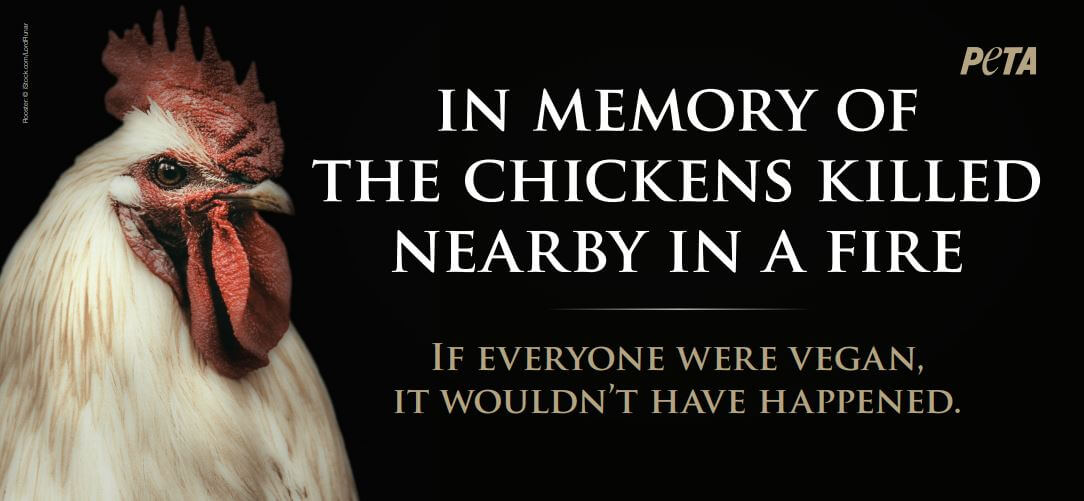
In honor of the 250,000 hens who burned to death when a massive shed at Kreider Farms—a top egg producer in the Northeast—caught fire on Tuesday, PETA plans to place a sky-high memorial in the area pointing out who’s responsible for their deaths: everyone who still buys eggs.

“Each one of these hens was an individual who surely felt pain and fear as smoke and flames engulfed her,” says PETA Executive Vice President Tracy Reiman. “PETA urges everyone to help prevent birds from being crammed into barns by the tens of thousands in the first place by taking the easy step of going vegan.”

Hens used for egg production are confined to cramped barns, where each bird has no more than a square foot of space. Few farms bother to go to the trouble or expense of installing smoke detectors or fire alarm systems, as they consider the lives of the birds to have such little value. When hens’ bodies wear out and they’re no longer considered profitable, egg producers stuff them into metal boxes and crudely gas them with carbon dioxide, which is distressing and painful—or send them to slaughterhouses, where workers cut their throats, often while they’re still conscious, and scald many to death in defeathering tanks.

PETA notes that Kreider Farms previously scrapped its tour program after the animal rights group asked to see the farm. By going vegan, locals can avoid Kreider’s “humane washing,” spare animals immense suffering, and help prevent future epidemics and pandemics. Pennsylvania is one of the states hardest hit by this year’s outbreaks of avian flu. Confining and killing animals for food has also been linked to SARS, swine flu, and COVID-19.

PETA—whose motto reads, in part, that “animals are not ours to eat or abuse in any other way”—opposes speciesism, a human-supremacist worldview. For more information, please visit PETA.org or follow the group on Twitter, Facebook, or Instagram.

The post Barn Blaze Prompts PETA Memorial for Hens Killed appeared first on PETA.