32 Dog House Drop-Offs and Marley’s Makeover: CAP’s Winter Roundup

PETA fieldworkers are outside in the freezing cold and devastating heat, helping chained and penned dogs who are kept outside 24/7, delivering medical care to animals in need, and connecting with the community to raise awareness of crucial issues and spread empathy for animals. Meet some of the animals we helped in our local community this winter:

Sadie, Lucky, and Bentley Were Rescued and Given a Chance at a New Life

Our shelter in Norfolk, Virginia, took in 802 animals in recent months, and we transferred 216 animals to our shelter partners for adoption. We secured custody of Sadie, who had been forced to live outside on a chain, and transferred her to the Virginia Beach SPCA, where she was quickly adopted through a program that matches veterans with animal companions.
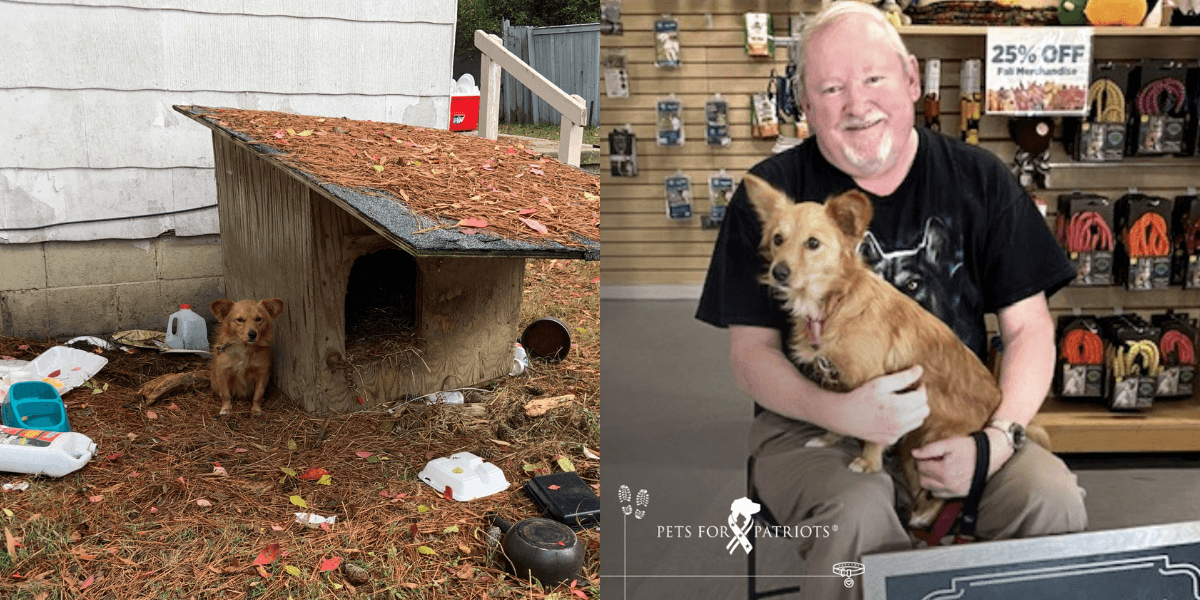
Lucky and Bentley, who had been kept chained outside without shelter, were also relinquished to us. We transferred Lucky to the Chesapeake Humane Society and Bentley to the Norfolk SPCA for a chance at adoption.

PETA Fieldworkers Helped Sterilize More Than 3,700 Animals

Sterilizing their animal companions is one of the best things guardians can do to help end the companion animal overpopulation crisis. In the last few months, the veterinary staff of our mobile spay/neuter clinics sterilized 3,721 dogs and cats, including Susie Q, Cairo, and Lulu-Basil, who were among the 180 animals PETA’s Community Animal Project fieldworkers transported for free to and from their no-cost spay/neuter appointments.
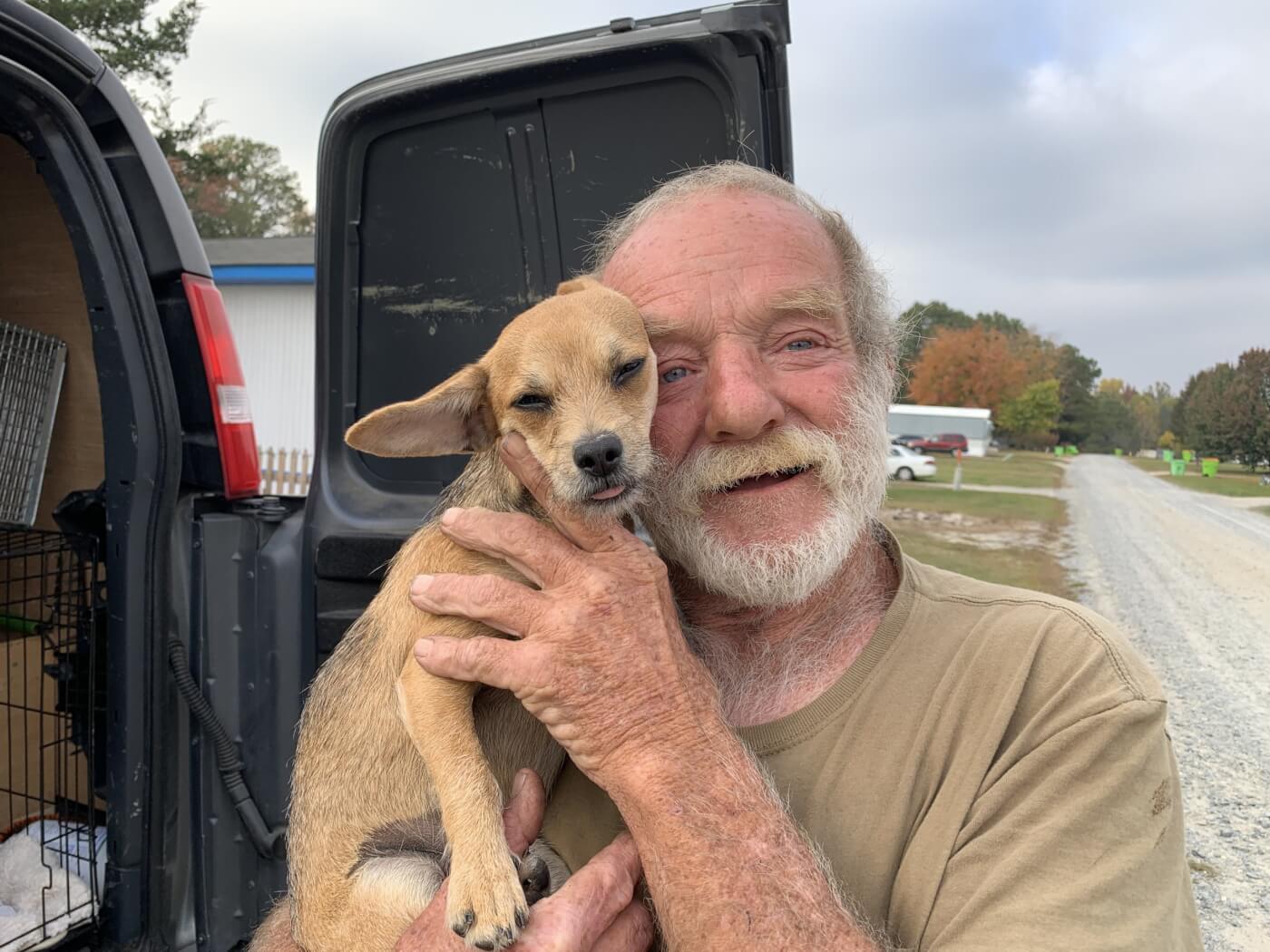
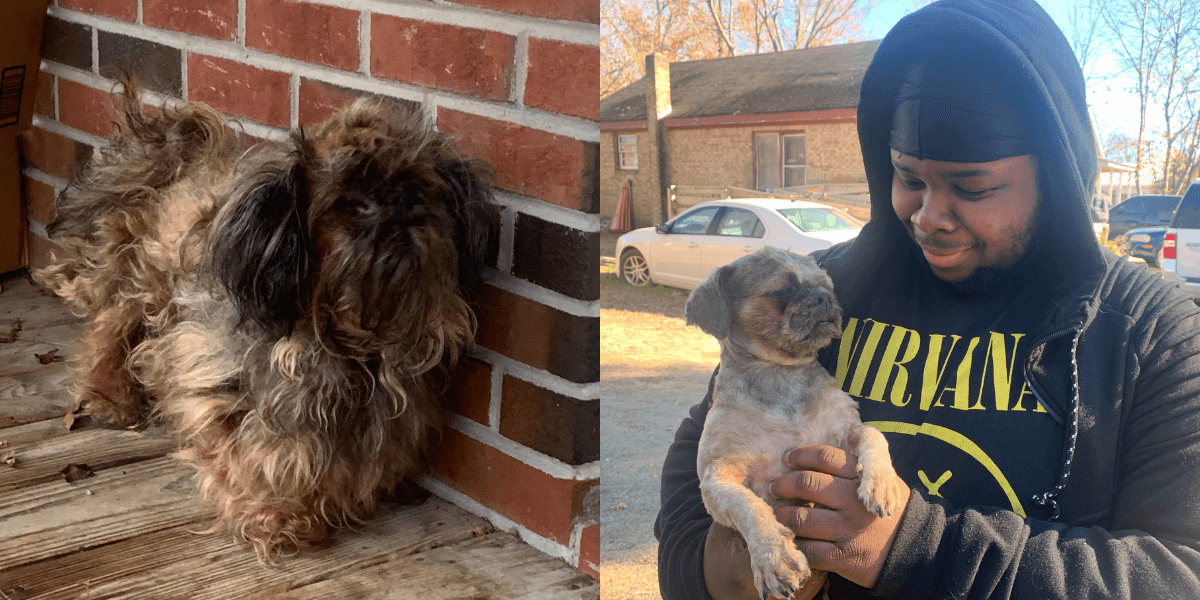
We also groomed Marley, whose coat was painfully matted, during his visit for neutering—all free of charge for his grateful guardian.
Animals’ Suffering Was Gently Ended by Our Caring Staff

When elderly, cancer-ridden dog Chowder fell off the back porch and crawled under the house, his owner was unable to get him back out by himself. We retrieved Chowder and gently ended his suffering.
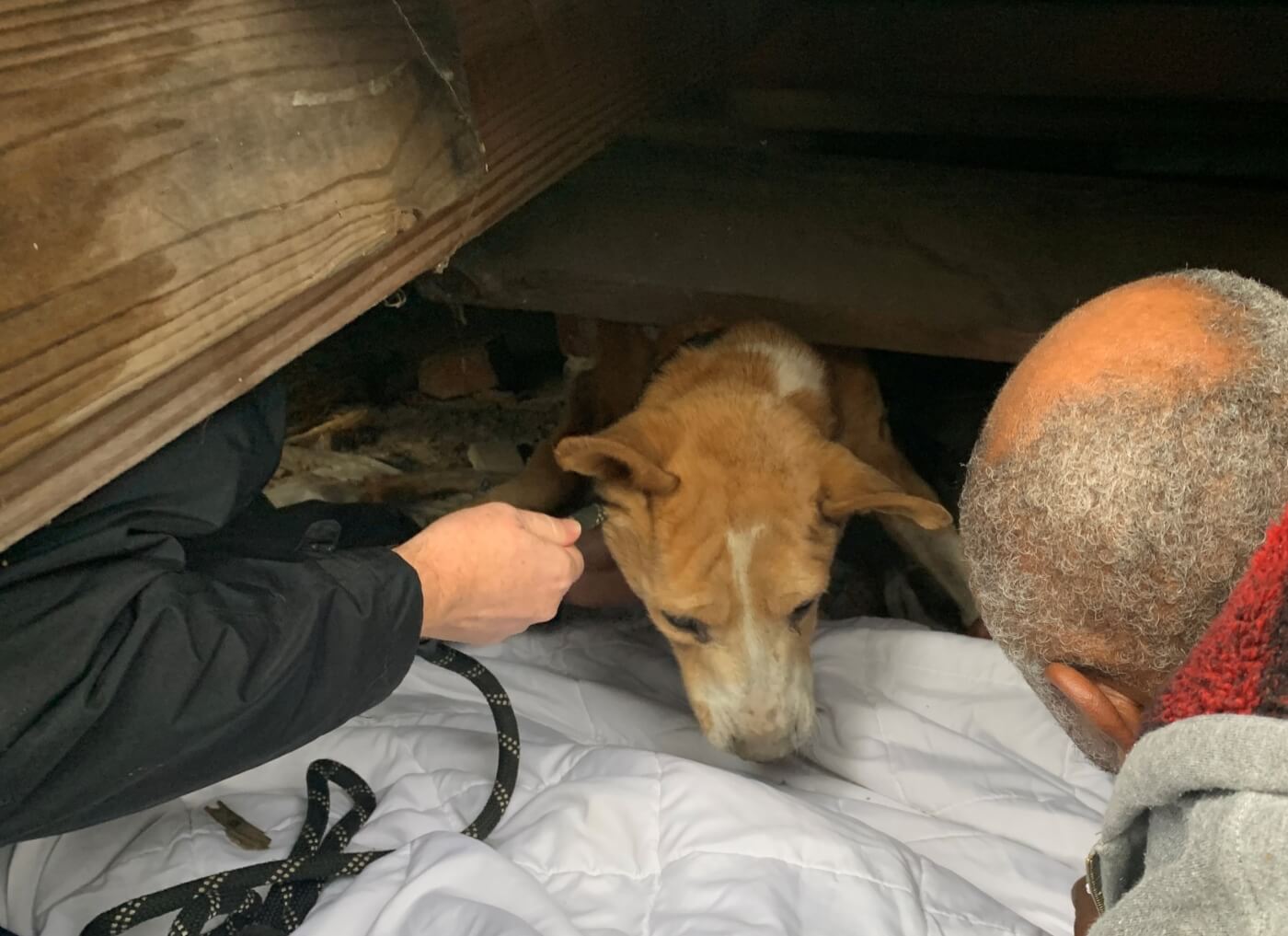
PETA Fieldworkers helped remove Fallen Chowder from under the porch

After elderly cat Mischief was diagnosed with heart failure and stopped eating and drinking, his family brought him to PETA’s shelter for free end-of-life services. He was one of 128 animals we euthanized at no cost to families who couldn’t afford this vital humane service. His guardians, along with 427 other local families, filled out postcards asking their state legislators to safeguard our ability to offer end-of-life relief and other services.
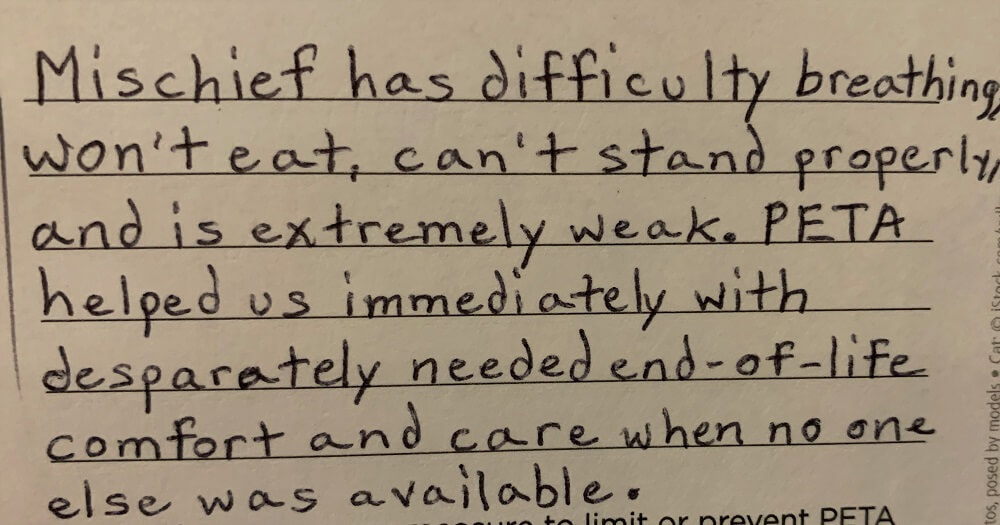
PETA fieldworkers receive hundreds of letters of thanks, like this one from Mischief's family who were grateful his suffering could be ended when he had been turned away elsewhere.

Baby’s Family Needed Assistance, and PETA Was There to Help

One of PETA’s 567 requests for assistance was for Baby, a senior cat whose long hair had become painfully matted. We groomed her and provided her with extra food—all free of charge. Her guardians are among the 300 families we assisted in keeping their animal companions.

Holiday Magic for All: PETA Sheds Light on Animal Issues in the Community

We participated in numerous holiday events, including the Grand Illumination Parade in Norfolk. We decked out one of our mobile clinics with bright lights to spread the message “Create Holiday Magic for All: Spay or Neuter, Never Chain or Cage” and handed out candy to kids along the parade route.
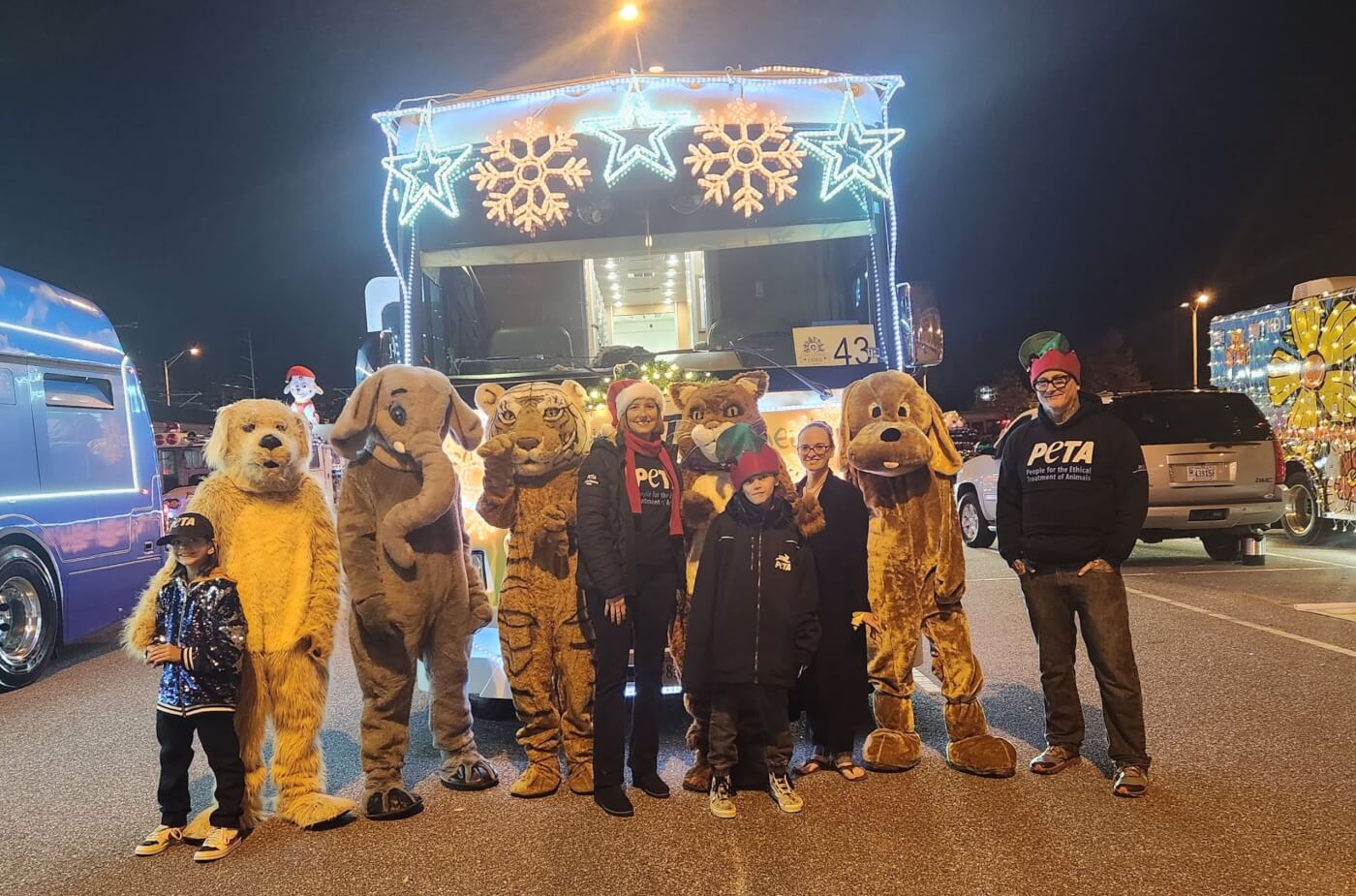
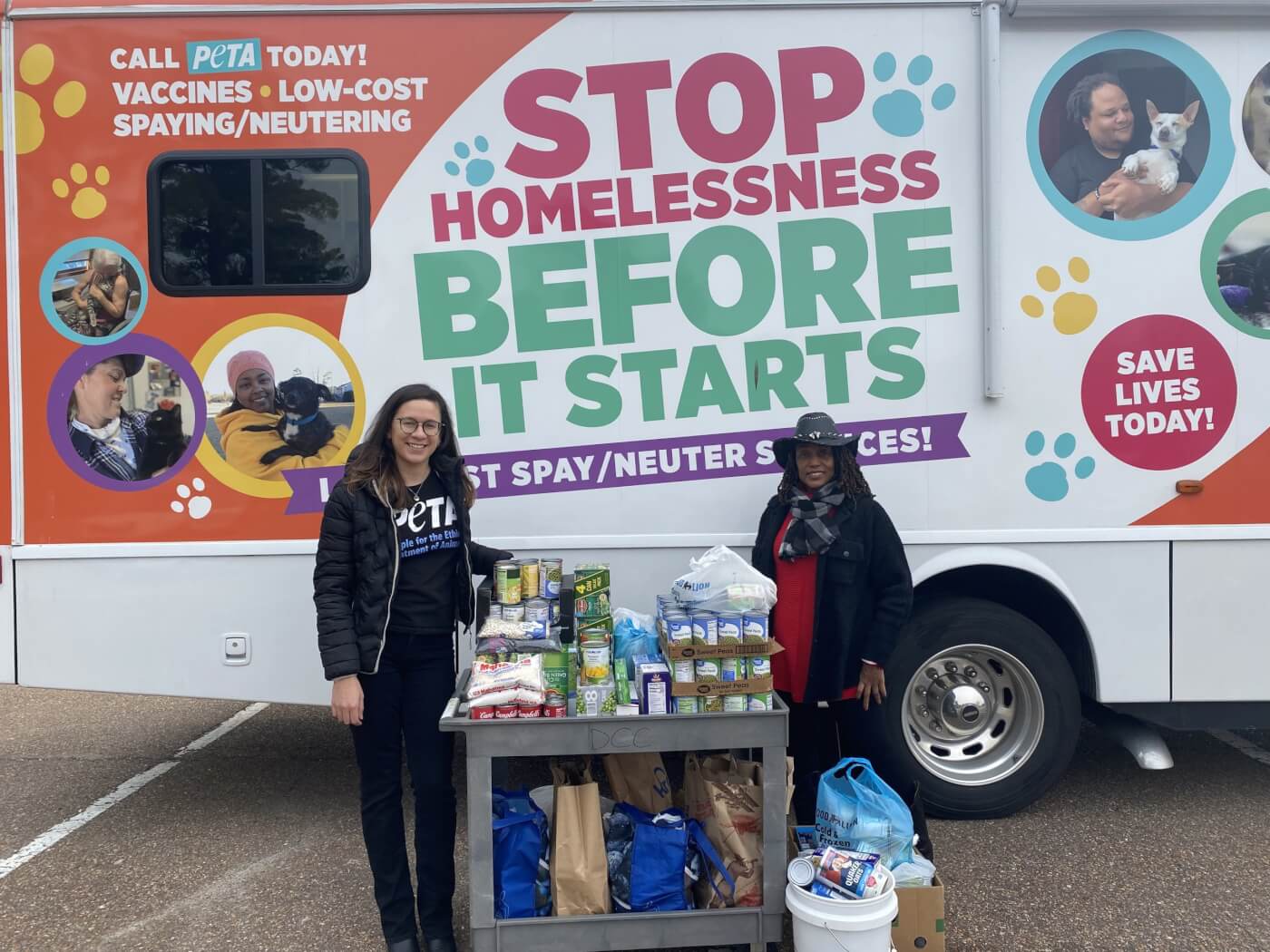
As part of a local city council member’s holiday food drive, we offered spay/neuter surgeries on our mobile clinic in exchange for 10 nonperishable vegan food items—resulting in 31 sterilizations and donations of more than 200 food items!
When Dogs Are Forced to Live Outside, PETA Fieldworkers Go Above and Beyond to Keep Them Comfortable and Safe

PETA helped protect Soldier and other “outside dogs”—kept chained or penned outdoors 24/7—from the increasingly cold weather by providing sturdy doghouses and insulating straw bedding. We also made sure they had food, water, and treatment for parasites, and we replaced short, heavy chains with 15-foot lightweight tie-outs.
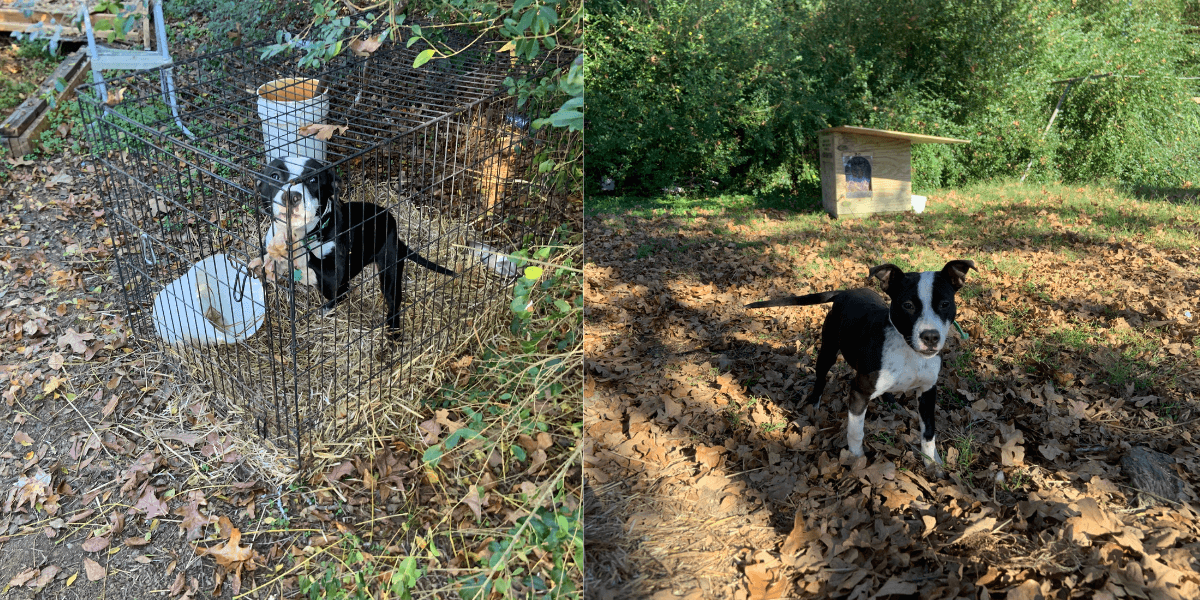
Fieldworkers delivered a doghouse to Trixie and replaced her wire crate with a light-weight tie out

We supplied custom-built, insulated doghouses to Trixie—who had previously been confined to a flimsy wire crate without any protection from the elements—and 32 other dogs kept outside day and night in all weather conditions.

How You Can Help Animals in Your Community: Adopt!

If you’re planning to become a companion animal’s guardian, visit your local animal shelter to find one in need. By adopting from a shelter, you’ll help alleviate the homeless-animal crisis. Your adoption fees will also support the important daily work that shelters do to help animals, such as providing them with spay/neuter procedures, vaccinations, and other veterinary care. In shelters, there are millions of animals just like those helped by PETA fieldworkers this winter, and they’re all waiting for a responsible, loving guardian to take them home.

Pledge to Adopt from a Reputable Shelter

The post 32 Dog House Drop-Offs and Marley’s Makeover: CAP’s Winter Roundup appeared first on PETA.

Sunshine for Pigs in North Carolina—PETA Just Won Against Big Ag

Huge news! The U.S. Court of Appeals for the Fourth Circuit just ruled in favor of PETA and our coalition partners, striking down North Carolina’s Property Protection Act as applied to PETA. Given how vital undercover investigations are to our work to reveal and end the suffering of pigs, chickens, cows, and other farmed animals, this is a major victory for investigators and whistleblowers.

The act, otherwise known as the “Anti-Sunshine Law,” was a pernicious law that protected property in name alone—it was designed to stifle and punish the free speech of whistleblowers who try to investigate agricultural businesses. Many ag-gag laws like the Anti-Sunshine Law have been established over the past few decades to create a chilling effect on investigators, but they only serve to keep Americans from knowing vital information about how their food is produced.

This ruling upheld that undercover investigative work is protected by the First Amendment and supports much-needed accountability across the agriculture industry in North Carolina. It follows a wave of successful ag-gag challenges, and we hope it will help lead to more being struck down across the nation.

North Carolina is home to several agricultural businesses that supply much of the U.S. These include Smithfield’s Tar Heel facility—the world’s largest pig slaughterhouse—where government investigators found appalling conditions in 2022. If public regulators operating under full transparency were able to find such horrors while employees were doubtless on their best behavior, just imagine what undercover investigators might find there and at similar operations.

We’re thrilled about this affirmation of free speech. If knowing what goes on behind closed doors in North Carolina’s agricultural industry really would harm its profits—and we have a hunch it might, given the documented human toll of factory farms in the state—then it better clean up its act.

Want to Help Pigs From Your Own Home?

PETA’s vegan starter kit will guide you through the transition to a healthier, happier, and longer-lasting life.

The post Sunshine for Pigs in North Carolina—PETA Just Won Against Big Ag appeared first on PETA.

Photos and Video: Animal Rescuers in Turkey Helping Dogs, Cats, and Birds Pulled From Toppled Buildings

With countless victims of the devastating earthquakes in Turkey still trapped in damaged, unstable, or toppled buildings, PETA is on the ground to help as many animals as possible. As you cover the crisis, the rescuer’s work to save more than 100 dogs, cats, and other animals trapped in these buildings or otherwise left behind—which they’ve continued even after experiencing a 6.3-magnitude aftershock and another with a magnitude over 5 in Antakya on Monday—would make a valuable addition to your coverage. Photographs and video footage from PETA’s rescues can be found here,

Rescuers are climbing into collapsed buildings to find injured animals, whisking starving animals off the street, and even using a crane to reach animals, including a cat PETA’s team affectionately named Leona, after vegan singer Leona Lewis, who had been stuck in a fourth-floor apartment for 12 days, desperate for food and water (video here). Other animals rescued include the following:

  • A cat named Talia was found limping from a broken hip.
  • A puppy named Valentina had a broken leg.
  • Dogs named Sarah, Bruno, and Bear were found abandoned—in Bruno’s case, tethered to a post amid the rubble—on the streets of Elbistan.
  • Forty birds were miraculously pulled out of an unstable and abandoned pet shop basement by local rescuers. PETA’s team arranged for them to be taken to a sanctuary—and some of them soon recovered enough from their ordeal to couple up and begin preening each other (video here).
  • A puppy named Roberta (video here) had just been rescued from a collapsed building and given to PETA right before Monday’s earthquake hit. The rescue team was loading her and other starving earthquake survivors into their van in Antakya when the quake struck, but they persevered and have now rushed all of these animals, along with dozens of others, to veterinary clinics for urgent care. More animals’ stories are available here.

“As the images of fractured cities in Syria and Turkey fade from our televisions and social media feeds, which they inevitably will, I encourage everyone to continue doing everything they can to help the earthquake victims—of all species—because they really do need all the support they can get,” says PETA U.K. Vice President Mimi Bekhechi, who explains the situation on the ground in this video.

PETA’s rescue team’s work in Turkey is made possible through PETA’s Global Compassion Fund, which helps rescuers respond to animal emergencies around the world at a moment’s notice.

PETA—whose motto reads, “Animals are not ours to experiment on, eat, wear, use for entertainment, or abuse in any other way”—opposes speciesism, a human-supremacist worldview. For more information about PETA’s lifesaving work, please visit PETA.org, listen to The PETA Podcast, or follow the group on Twitter, Facebook, or Instagram.

The post Photos and Video: Animal Rescuers in Turkey Helping Dogs, Cats, and Birds Pulled From Toppled Buildings appeared first on PETA.

PETA Urges LSU to Defund Pointless Sex Hormone Experiments on Birds

PETA is doubling down today on its call to strip Louisiana State University (LSU) experimenter Christine Lattin of taxpayer funding for her bogus experiments after having reviewed the findings of yet another exceptionally cruel study with a high avian body count.

In today’s letter to the Louisiana Board of Regents, which bankrolled the experiments with taxpayer money, PETA neuroscientist Dr. Katherine Roe says that Lattin’s recent experiment, in which she trapped, tormented, and killed 33 female sparrows, “renews our concerns that the harm inflicted on vulnerable and sensitive songbirds … cannot be justified by the underwhelming findings of the work.”

In the experiment, Lattin surgically inserted hormone capsules in the sparrows’ backs and exposed them to predator sounds or male sparrow calls for 30 minutes before killing them and removing their brains for analysis.

Lattin’s big finding? Female sparrows remain alert to predators after being pumped full of reproductive hormones. This is a “hardly surprising outcome,” Roe says in the letter, “since one would expect survival instincts honed by natural selection to override any amorous drive.”

“It’s difficult to imagine a study with more underwhelming findings than this one,” Roe says. “PETA urges LSU and the Louisiana Board of Regents to redirect any remaining funds for her experiments to ethical and deserving projects.”

PETA filed a lawsuit against LSU in 2020 after the school refused to release public documents, including veterinary-care records and videos recorded by Lattin. Last year, the 19th Judicial District Court for the Parish of East Baton Rouge ruled that LSU must turn over to PETA all the records that the group had requested related to Lattin’s experiments and ordered LSU to pay $73,501.27 in attorney’s fees and costs to PETA, a decision that LSU has appealed.

Since 2008, Lattin has tormented and killed hundreds of birds in other curiosity-driven experiments that have made equally useless determinations, including that birds dislike captivity and the taste of crude oil. Lattin’s Louisiana Board of Regents contract indicates that she planned to kill an additional 151 sparrows for other experiments funded by this grant.

PETA—whose motto reads, in part, that “animals are not ours to experiment on”—opposes speciesism, a human-supremacist worldview. For more information on PETA’s investigative newsgathering and reporting, please visit PETA.org, listen to The PETA Podcast, or follow the group on Twitter, Facebook, or Instagram.

The post PETA Urges LSU to Defund Pointless Sex Hormone Experiments on Birds appeared first on PETA.