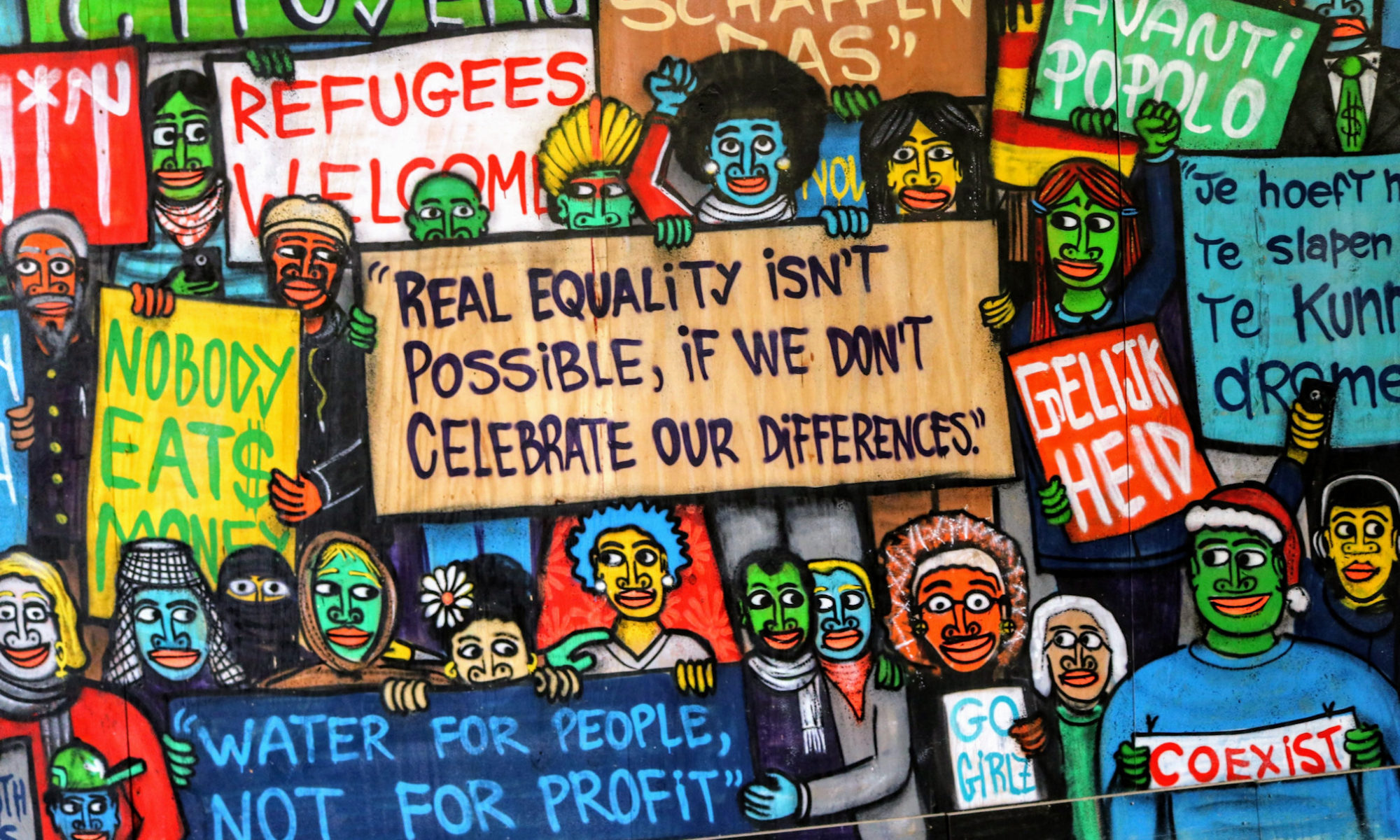
Strengthening Human Rights Education Together: Meet the HRE Network Advisory Group

We are excited to introduce the Human Rights Education (HRE) Network Advisory Group (NAG), a new collective of HRE practitioners from across Amnesty International who will be working together to strengthen our global HRE network and support HRE as a core capacity within our movement. This group brings together diverse experiences, local knowledge, and creative methodologies to help shape the future of HRE across the organisation. Its role is to support the Global HRE Network by offering ideas, insights, and practical suggestions that reflect the richness of our global community. After initially meeting online, members of the HRE NAG recently gathered in Nairobi, Kenya, for an important strategic moment to:

  • Build relationships in a face-to-face environment.
  • Share experiences of HRE implementation across all regions.
  • Define the role of the Advisory Group moving forward.
  • Plan key actions to help strengthen connections and capacity across the HRE Network.

For most attendees, this amazing opportunity meant a lot of travel (Alonso from Chile won ‘Most Hours/Days in Transit!’). For others, it also meant enormous amounts of preparation, both in the months leading up to the event and on the ground in the Nairobi office itself…but it was worth it! Numerous deep-dive sessions were run with and by participants to explore the untapped potential of our HRE Network and brainstorm how best to support its ongoing evolution.

Here are the top 3 takeaways of this unique intensive:

  1. HRE is more vital than ever

As we currently witness a normalization of authoritarian practices and narratives around the world, Human Rights Education plays an increasingly critical role in empowering activists with the knowledge, skills, and confidence they need to recognize and challenge such practices. Which makes this opportunity to revitalize Amnesty’s global network of HRE practitioners especially timely…and exciting! So, make sure you contribute your own insights and ideas to the future of our Network by completing the survey coming soon.

  1. Quality time is a game-changer

Meeting ‘in real life’ was the highlight for everybody in Nairobi, which is why building stronger connections across the entire HRE Network, and particularly within geographical regions, forms a big part of the long-term vision. Online interactions like webinars are incredibly helpful (and practical!), and the commitment is always to make as many of these as possible, but it’s also true that something special happens when colleagues have the chance to work together in more sustained and meaningful ways. As a network of diverse people having a wide range of experiences in our far-flung corners of the earth we are one thing (i.e. near strangers with HRE in common); but as a group of people who have laughed, listened and learned with one another on a deeper level we are quite another (i.e. unified collaborators with all sorts of things in common!).

  1. There is no such thing as a ‘silly question’

It turns out everybody has felt self-conscious about their level of knowledge or experience in an HRE space at one time or another, and this can limit all our learning. As the bonds of our HRE Network strengthen, increased camaraderie will help everyone to feel safe in speaking up – but, in the meantime, this is a very friendly reminder: we’re all feeling the same way in the same boat!

Meet the Members

Let’s get to know the members of the HRE Network Advisory Group, each bringing their own unique experience and energy to this collective effort. Their mandate runs for 18 months, during which they’ll be actively contributing to key processes and supporting the wider network.

Iván López-Justiniano (he/him/él) is a Human Rights Education Specialist at Amnesty Puerto Rico. His work centers on advocacy and education around LGBTQI+rights. He addresses issues such as gender-based violence, homophobia, and health equity through participatory research, legal frameworks, and intersectional feminism. Iván holds a Master of Human Rights from the University of Minnesota, where he specialized in gender, sexuality, race, and ethnicity.
Nassim Oughlissi joined Amnesty Algeria in 2010 as a volunteer member. In 2016, he became part of the staff as the Activism Coordinator. After several years in this role and facing the growing challenges of activism in our context, he realized that Human Rights Education could be a more effective way to promote human rights. When a position in HRE opened within the section, he decided to move into this role. He is now committed to strengthening our work through education and looks forward to achieving great results together.
Constanța Botnar has been the HRE Programme Coordinator at Amnesty Moldova since 2020, and her main areas of work are child protection rights and gender justice issues. The core directive of her work is the systemic integration of HRE in formal educational settings on a national level. As a new phase in this initiative, AI Moldova has now begun formalising HRE in the university curricula of the biggest Pedagogical University in the country, ensuring that all future educators will receive HRE training as part of their base educational learning process.
Alonso Serradell Díaz , 40 years old, from Santiago, Chile, at the southern end of the world!! He joined Amnesty Chile in 2019 as the Activism and Youth Officer. Since 2022, he has served as the Human Rights Education (HRE) Coordinator and has been part of various cooperative, community, and popular education initiatives that have deeply shaped his practice in the movement. His work has focused on strengthening a strategic approach to HRE, internal training, participatory methodologies, and topics such as police violence and the right to protest.
Liz Malcolm (she/her) joined Amnesty Australia in 2024 and is responsible for creating a fresh approach to Human Rights Education in Australia. Guided by the People Power Strategy, Liz is currently focused on raising awareness of issues at the heart of the Indigenous Rights campaign and helping to build a rights-respecting society in general. While she brings her own experience and ideas to this role, she deeply values the insights of her colleagues, communities, and HRE peers around the world.
Emily Maranga joined Amnesty Kenya in 2021 as the Human Rights Education and Activism Manager, before the Program transitioned into the Movement Building Program. In her current role, she supports national and community efforts to strengthen human rights awareness, youth leadership, and collective action through evidence-based advocacy and capacity building. Her work also includes coordinating and mentoring Human Rights Friendly School clubs, nurturing a new generation of informed and active citizens. She also oversees impact reporting and learning processes that enhance accountability and inform future action
Adjevi-Zan Lassey is passionate about human rights and knowledge sharing. This passion led him to take on the position of Human Rights Education (HRE) Coordinator at Amnesty Togo in 2018, after having volunteered for the cause a few years earlier. He works in both formal and non-formal education for HRE. Under his leadership, AI Togo has carried out advocacy efforts for the integration of HRE into school curricula. He coordinates the production of educational tools for online training (social media and MOOCs).
Altantuya BATDORJ is passionate about human rights and knowledge sharing. This passion led her to take on the position of Human Rights Education (HRE) Coordinator at AI Mongolia from 1999-2005. She not only works in both formal and non-formal education for HRE in her country, but also plays some role in HRE advocacy works in the region. Under her leadership, AI Mongolia is seen as the leading organization on HRE in Mongolia.

What Next?

The Advisory Group is now working to turn these insights into action. You’ll soon receive a short survey to share your own experiences, needs, and ideas for the future of the HRE Network. Your input will help shape how we support capacity building, resource sharing, and collaboration going forward.

Gratitude

So many people went above and beyond to make the Kenya workshop such a resounding success, but special thanks go to Kate Moriarty, Ruth Zaldibar Garcia, Emily Maranga, Philcollins Omondi, and the entire Amnesty Kenya community. Finally, our sincere gratitude also goes to Sophia Scherer and the extraordinary team of four interpreters who worked tirelessly throughout to translate participants’ every word. The level of selflessness, skill, and patience was exemplary!

Let’s keep building a strong, inclusive, and impactful HRE Network together!!!

The post Strengthening Human Rights Education Together: Meet the HRE Network Advisory Group appeared first on Amnesty International.

Eswatini: Authorities must unconditionally release Mthandeni Dube and Bacede Mabuza

Responding to the news of the conditional royal pardon granted on 5 November 2025 to former member of parliament, Mthandeni Dube, resulting in his supervised release, Amnesty International’s Deputy Regional Director for Eastern and Southern Africa, Vongai Chikwanda, said:

“Mthandeni Dube’s release may bring relief to his family, but justice remains incomplete while his human rights are restricted by sweeping conditions and Bacede Mabuza who was arrested together with Dube, is still in prison. Both Mthandeni Dube and Bacede Mabuza should never have been imprisoned in the first place solely the peaceful exercise of their human rights. The Eswatini authorities must immediately and unconditionally release Bacede Mabuza and quash both MPs’ unfair convictions.

Mthandeni Dube’s release may bring relief to his family, but justice remains incomplete while his human rights are restricted by sweeping conditions

Vongai Chikwanda, Deputy Regional Director, Amnesty International, ESARO

“Mthandeni Dube’s release is subject to far-reaching limitations on his human rights, including prohibitions on political activity, public speaking and media engagement, as well as restrictions on travel and residence. These conditions, imposed under the supervision of His Majesty’s Correctional Services, unduly restrict human rights and effectively extend punishment beyond the prison walls.

The continued criminalization of Mthandeni Dube and Bacede Mabuza underscores Eswatini’s ongoing crackdown on peaceful dissent.

Vongai Chikwanda

“The continued criminalization of Mthandeni Dube and Bacede Mabuza underscores Eswatini’s ongoing crackdown on peaceful dissent. Eswatini authorities must take immediate and effective steps to protect civic space ensure and uphold the human rights of everyone including to freedom of expression and peaceful assembly.”

Background

MPs Bacede Mabuza and Mthandeni Dube were arrested on 25 July 2021 after supporting calls for constitutional and democratic reform in Eswatini. On 31 July 2024, they were sentenced to 85 years and 58 years respectively under the Suppression of Terrorism Act (2008) and Sedition and Subversive Activities Act (1938). On 25 July 2025, Amnesty International designated both men as prisoners of conscience.

On 5 November 2025, His Majesty’s Correctional Services announced Dube’s conditional royal pardon, imposing strict limitations on his political engagement, public communication and movement. Bacede Mabuza remains in prison, serving an 85-year sentence imposed under repressive laws after proceedings that failed to meet international fair trial standards.

The post Eswatini: Authorities must unconditionally release Mthandeni Dube and Bacede Mabuza appeared first on Amnesty International.

Saudi Arabia: Migrant workers behind the Riyadh Metro system subjected to decade of devastating abuse

Migrant workers who travelled to Saudi Arabia to work on the Riyadh Metro project were forced to pay exorbitant recruitment fees, worked in dangerous heat and earned pitiful wages during a decade of serious abuse, Amnesty International revealed in a new report today.

The report, “Nobody wants to work in these situations”: A decade of exploitation on the Riyadh Metro project, documents labour abuses on one of Saudi Arabia’s flagship infrastructure projects. Promoted as the “backbone” of Riyadh’s public transport system, the newly-opened metro was built by leading international and Saudi firms under government direction and is slated for further expansion. However, many of the workers Amnesty International interviewed were charged illegal fees to secure work and then endured long, arduous hours in sometimes unsafe conditions for minimal, discriminatory pay.

“The Riyadh Metro is hailed as the backbone of the capital’s transport system, yet beneath its sleek exterior lies a decade of abuses enabled by a labour system that sacrifices migrant workers’ human rights. Already burdened with exorbitant recruitment fees, these workers endured punishing hours for meagre wages,” said Marta Schaaf, Programme Director for Climate, Economic Social Justice and Corporate Accountability at Amnesty International.

“Their hardships were compounded by exposure to extreme heat in a country where temperatures are soaring thanks to human-induced climate change. That such abuses persisted for years across multiple companies on a flagship infrastructure project exposes a glaring failure by the government to enforce protections and dismantle a system that leaves workers at high risk of exploitation.”

Exploited even before they left home

Amnesty International spoke to 38 men from Bangladesh, India and Nepal who were employed by a range of foreign and Saudi companies – including main contractors, subcontractors and labour suppliers – constructing the Riyadh Metro system between 2014 and 2025. For nearly all, the abuse started before they left home, when they were asked to pay between USD 700 and USD 3,500 in recruitment fees and associated costs to agents in their home countries, forcing many into serious debt and exacerbating their exposure to further abuse.

These payments often far exceeded the limits set by origin country governments and were demanded of the men despite Saudi law prohibiting worker-borne recruitment fees.

Suman, from Nepal, was forced to sell his wife’s family’s savings in gold to afford the exorbitant fees for a job paying a basic salary of just USD 266 each month:  

“I paid 100,000 rupees (USD 700) to the manpower agent. But during the preparatory work – travel, medical tests, and other paperwork – I spent a total of 200,000 rupees (USD 1,400). I didn’t have money with me at that time… I borrowed some gold from my wife’s parents, sold it, and got some cash… As the price of gold increased, I paid [back] almost double for that. It took me six months to pay off the loans.

A catalogue of abuses in Saudi Arabia

Once in Saudi Arabia, many workers were paid less than USD 2 per hour, while others earned barely half of that in their roles as labourers, cleaners and office assistants on the Riyadh Metro project. Virtually all worked 60+ hour weeks. While most of the workers said they were not directly forced to work overtime, their basic salaries were so low, they felt they had no other option. The government’s failure to set a universal living wage entrenches low pay among migrant workers – most of whom are racialized – denying many a decent standard of living.

“Due to the inflation in Nepal, this salary is too little to pay for household expenses. It vanishes as I pay for my children’s education and other household expenses. But what could I do? I have to manage,” Nabin told Amnesty International.

When I work in the extreme heat, I feel like I’m in hell…I think – How did I end up here? Did I commit anything wrong so that God is punishing me?

Indra, migrant worker, Nepal

The long hours workers spent on the Riyadh Metro project were often intensified by the unrelenting heat, with some describing the situation as like being “in hell”. With temperatures often remaining at least 40°C for more than eight hours each day during the summer months, the government’s ban on outdoor working in the direct sun from midday to 3pm proved a totally inadequate protection for workers. And temperatures are set to rise, as Saudi Arabia faces increasingly frequent and intensifying heat, a trend expected to worsen with global human-induced climate change.

“When I work in the extreme heat, I feel like I’m in hell…I think – How did I end up here? Did I commit anything wrong so that God is punishing me?” said Indra, from Nepal. “Nobody wants to work in these situations by their choice. But what can I do? I didn’t have a job in Nepal. I came here to support my family. So, I must be ready to suffer.”

Janak, from India, said he faced pressure by more senior staff at the subcontractor he worked for, to work in the extreme heat.

“The foremen and engineers would force us to work overtime even in hot temperatures. We would say, ‘We can’t. It’s extremely hot.’ But they would say, ‘keep working’… What can poor people do? We have to work. We have to do a difficult job.”

Many workers also reported facing other abuses, such as passport confiscation, overcrowded and unsanitary living conditions, poor-quality food, and discriminatory treatment based on job rank.

Systematic reforms and heightened human rights diligence urgently needed

The experiences of these men underscore not only the Saudi government’s failings but also the high-risk environment in which companies – including large multinationals – operate in when they decide to do business in Saudi Arabia’s construction sector, which depends heavily on a vast subcontracting network.

Indeed, despite limited reforms, the kafala system persists in practice. Combined with weak enforcement of labour protections – including inspections that focus more on compliance with Saudization targets and the legality of migrant workers’ employment status than on safeguarding their rights – and the recent reduction of penalties for abusive labour practices, this creates a permissive climate for exploitation. This context demands that companies proactively undertake heightened human rights due diligence to prevent any human rights harms. Such efforts are severely constrained in Saudi Arabia, where human rights are systematically repressed, and freedom of expression and association are effectively non-existent. If companies are unable or unwilling to assess and address any risks, they should consider not undertaking the activity.

For companies operating in or entering Saudi Arabia, these findings should serve as a clear warning: comprehensive human rights due diligence is not optional.

Marta Schaaf, Amnesty International’s Programme Director for Climate, Economic Social Justice and Corporate Accountability

“As Saudi Arabia pushes ahead with high-profile giga-projects, including the 2034 World Cup, the authorities must completely dismantle the kafala sponsorship system and rigorously enforce labour laws in line with global human rights standards. Strengthening safeguards and ensuring accountability for the millions of migrant workers who make these ventures possible is the only way to ensure they are no longer treated as disposable,” said Marta Schaaf.

“For companies operating in or entering Saudi Arabia, these findings should serve as a clear warning: comprehensive human rights due diligence is not optional. Without robust processes in place early on and an adequate plan to address any human rights concerns, businesses risk being directly linked or contributing to systematic labour abuses.

“Finally, countries of origin, including Bangladesh, India, and Nepal, must take responsibility for protecting their nationals by monitoring, investigating, and sanctioning the illegal conduct of recruitment agencies. Without proper accountability across all countries involved, the cycle of abuse will persist.”

The post Saudi Arabia: Migrant workers behind the Riyadh Metro system subjected to decade of devastating abuse appeared first on Amnesty International.

Dominican Republic: The facts debunk the myth; migrants do not overburden the health system

The Dominican Republic has among the lowest levels of public investment in health in Latin America and the Caribbean. But instead of strengthening its system, the government has blamed the population perceived as Haitian and has introduced a protocol in public hospitals that ties care to migratory status and puts these people at risk of being arrested and deported, Amnesty International warned today in the report Health without stigma: How the Dominican Republic’s migration policies affect the right to health.

“This protocol is a smokescreen used by President Luis Abinader to try to hide the fact that his administration and the ones before it have not invested enough to guarantee the right to health”, said Ana Piquer, Americas Director at Amnesty International. “Dominican hospitals should be places of care and protection, not spaces of fear and surveillance. The government must invest sufficient resources in health and immediately roll back all measures that scare people away from getting medical care because of their nationality or migratory status“, she added.

This protocol is a smokescreen used by President Luis Abinader to try to hide the fact that his administration and the ones before it have not invested enough to guarantee the right to health 

Ana Piquer, Americas Director at Amnesty International.

On 6 April 2025, President Luis Abinader implemented a set of migration-related measures, including the “Procedure for the management of health services for foreign patients.” This protocol requires foreigners to present identification, a passport with a valid visa, a work card issued by the Directorate of Migration, and proof of home address as requirements for hospital admission. Foreigners who do not present these documents face being arrested and deported after receiving care. According to the president, these measures aim to “control the surge of patients in public hospitals” and guarantee the rights of Dominicans. 

Amnesty International has analysed this issue using data from Dominican National Health Service facilities and household surveys, as well as from interviews with experts and health service users. According to the information the organization examined, health care access and availability issues in the country are not caused by Haitian refugees overwhelming the services. Rather, they can be explained by the state’s gradual failure to invest in health, in spite of its international obligations to use the maximum available resources possible to guarantee the right to health.

Amnesty International also finds that implementing the protocol impedes Haitians’ right to health, increasing inequality in access to health and limiting public health efforts for the country’s entire population.


The public health system has deteriorated because of the limited availability of health services 
 

In February 2025, President Luis Abinader announced that his administration would prioritize investing in the health system to benefit Dominican nationals. However, historically the underlying problems in access to public health have not been related to the demand for health services by Haitians living in the country, but to insufficient funding and low availability of resources. According to the World Health Organization (WHO), the Dominican Republic has the second lowest public spending on health as a percentage of its GDP in the region, allocating less than half (2.7% of GDP) of the WHO recommendation (6%). Although the budget for health spending has grown by 5% from 2022 to 2024, these increases are not substantial or sufficient to reach the internationally established target. 

The number of beds and nurses available in the Dominican Republic’s health system is also below the regional average, according to data from the WHO and the Pan American Health Organization. 


The Dominican health system is not overburdened by Haitians
 

Amnesty International’s research and official data show that Haitians make up only a small fraction of public health service users nationwide. Based on secondary care figures from the Dominican National Health Service up to the first quarter of 2025, Haitians only accounted for 7.9% of all consultations and 14.8% of all hospitalizations. Although the share of Haitian patients is higher and exceeds 30% in some provinces – such as Independencia, Elías Piña, Pedernales and Seibo – the total patients in these areas only represented 2% of the countrywide total in 2025.

Amnesty International’s statistical analysis of Dominican National Health Service data reveals that bed occupancy and overcrowding in critical contexts is not caused by increases in hospitalizations, emergencies or surgeries for Haitian patients, but by an overall increase in demand for health services.

The health services are not being overwhelmed by Haitian women giving birth

Authorities, national media and public figures say that an increasing proportion of deliveries are by Haitian women, drawing a racist and misogynistic connection to what they call an “invasion of wombs” in the country. However, Amnesty International’s research and official data show that, between 2023 and 2025, the proportions in registered births remained constant, while the number of births registered in the National Health Service – to both Haitian and Dominican women – has gone down. With seasonally adjusted figures, the percentage of births to Haitian mothers went from 36% in the first quarter of 2023 to 37% in the first quarter of 2025.

The increased share of births to Haitian women is explained by a marked decrease in births among Dominican women, not by a higher number of Haitian women giving birth. Consequently, this change in composition does not put additional pressure on hospital capacity or compromise the availability of health services in the country. 

But it is true that the protocol and the practices it leads to, such as identifying, arresting and deporting pregnant women after they are treated in hospitals, do endanger the lives and health of women and newborns. Fear of deportation deters women from using public health services. 

This policy also feeds into the reproductive violence that Haitian women had already been experiencing at public facilities. Haitians and Dominicans of Haitian descent interviewed by Amnesty International reported being rejected by hospitals or enduring racist remarks when seeking prenatal or emergency care. Several reported having no choice but to give birth in their homes without adequate medical assistance or in informal spaces for fear of being arrested, despite serious risks to their health, their pregnancies, and their babies.

The government’s decisions are discriminatory and deepen inequality in access to health for Haitians

The migration protocol in public hospitals disproportionately affects Haitians and people of Haitian descent. It is implemented in a context of racial profiling and xenophobia against people of Haitian origin, aggravating racial discrimination and perpetuating an official discourse that associates being Haitian with illness, poverty or illegal status. The measure hinders access to health and violates international human rights obligations – including the rights to health, equality and non-discrimination – guaranteed in the International Covenant on Economic, Social and Cultural Rights and the International Convention on the Elimination of All Forms of Racial Discrimination.

Statistics from a UNICEF survey reviewed by Amnesty International show that Haitians have less access to drinking water, proper sanitation and water inside the home – all determinants of health in their households. Additionally, health insurance and vaccination coverage for children under five is very low, and Haitian children have higher levels of malnutrition. Similarly, pregnant Haitian women have higher neonatal mortality rates, less access to health insurance and less access to follow-up consultations.

The health protocol threatens the health of everyone in the Dominican Republic

Under the international human rights framework, Amnesty International finds that the migration protocol in public hospitalscould affect prevention and health care actions in the Dominican Republic. General Recommendation 37 of the International Convention on the Elimination of All Forms of Racial Discrimination states that “racial discrimination … produces and exacerbates health inequities, leading to, or increasing the incidence of, cases of preventable disease and death.” 

Public health and international cooperation experts consulted by Amnesty International say the protocol may undermine the broader public health response, potentially putting the health of everyone in the country at risk. They indicated that the barriers to health care access created by the protocol, which push Haitians living in the country away from health services, could increase maternal mortality and weaken the national response to HIV and other infectious diseases such as tuberculosis. 

According to the experts interviewed, many Haitians were previously receiving HIV treatment through programmes supported by international aid, which has been greatly reduced or cut back. However, since the health protocol took effect, many Haitians could be left without access to life-saving treatments because of fear, mistrust, and even the legal risk of being deported. This in turn affects HIV prevention efforts nationwide. Amnesty International concludes that the migration protocol in public hospitals has a discriminatory and racist effect on access to health care for Haitians and Black people, and, more generally, undermines public health.


Appeals to the Dominican government
 

The authorities argue that registering “foreigners” in hospitals and notifying the authorities of their immigration status is a “security” and “law enforcement” measure. However, forcing health personnel to report their patients creates an environment of fear that discourages people from seeking medical care, including for chronic health conditions. It increases unassisted births and preventable deaths. 

“The migration protocol in public hospitals is not built on evidence or respect for human rights.It puts up obstacles for Haitians trying to get health services and institutionalizes discriminatory treatment against Haitians and Dominicans of Haitian descent. But it also jeopardizes the health of everyone living in the country,” said Diego Vázquez, researcher at Amnesty International. “The Dominican government must ensure that all people have access to acceptable and quality health care without discrimination.”

The migration protocol in public hospitals is not built on evidence or respect for human rights.It puts up obstacles for Haitians trying to get health services and institutionalizes discriminatory treatment against Haitians and Dominicans of Haitian descent. But it also jeopardizes the health of everyone living in the country.

Diego Vázquez, researcher at Amnesty International.

Amnesty International urges President Luis Abinader and all Dominican authorities to guarantee the right to health of Haitians and Dominicans of Haitian descent, to stop deporting these people when they go to hospitals and to immediately revoke the migratory protocol that forces public hospitals to register and report the migratory status of those it treats. It calls on the administration to take all possible administrative, political and legal measures to guarantee the right to health in the Dominican Republic without discrimination based on race, gender, national origin, migratory status or any other aspect.

Background

Since October 2024, the Dominican authorities have deported over 300,000 Haitians, including pregnant women and children, despite the grave humanitarian and security crisis in Haiti and in spite of UNHCR’s urging since 2022 to stop forcible returns. The findings are part of Amnesty International’s #AntiracistDR campaign, which documents structural racial discrimination in the Dominican Republic’s migration and nationality policies. The campaign calls on people to demand that Luis Abinader, President of the Dominican Republic, end the collective expulsions and racial discrimination of Haitians and Dominicans of Haitian descent, guarantee access to health without discrimination and respect and protect those who defend equality and non-discrimination, racial justice and the rights of migrants.

For more information or to arrange an interview, please contact press@amnesty.org

The post Dominican Republic: The facts debunk the myth; migrants do not overburden the health system appeared first on Amnesty International.

Bangladesh: Justice for victims of 2024 massacre not served by death sentence against Sheikh Hasina

Responding to today’s decision by Bangladesh’s International Crimes Tribunal to sentence former Prime Minister Sheikh Hasina and former Home Minister Asaduzzaman Khan Kamal to death after convicting them in absentia of crimes against humanity, Amnesty International’s Secretary General, Agnès Callamard, said: 

“Those individually responsible for the egregious violations and allegations of crimes against humanity that took place during the student-led protests in July and August 2024 must be investigated and prosecuted in fair trials. However, this trial and sentence is neither fair nor just. Victims need justice and accountability, yet the death penalty simply compounds human rights violations. It’s the ultimate cruel, degrading and inhuman punishment and has no place in any justice process. 

“More than 1,400 people were killed and thousands injured between July and August 2024. Justice for survivors and victims demands that fiercely independent and impartial proceedings, which meet international human rights standards are conducted. Instead, this trial has been conducted before a court that Amnesty International has long criticized for its lack of independence and history of unfair proceedings. Further, the unprecedented speed of this trial in absentia and verdict raises significant fair trial concerns for a case of this scale and complexity. Although Sheikh Hasina was represented by a court-appointed lawyer, the time to prepare a defence was manifestly inadequate. Such unfair trial indicators are compounded by reports that defence cross examination of evidence deemed to be contradictory was not allowed. 

Justice for survivors and victims demands that fiercely independent and impartial proceedings, which meet international human rights standards are conducted

Amnesty International’s Secretary General, Agnès Callamard

“This was not a fair trial. The victims of July 2024 deserve far better. Bangladesh needs a justice process that is scrupulously fair and fully impartial beyond all suspicion of bias and does not resort to order further human rights violations through the death penalty. Only then can genuine and meaningful truth, justice and reparations be delivered.” 

Amnesty International opposes the death penalty in all cases without exception, regardless of the nature or circumstances of the crime; guilt, innocence or other characteristics of the individual; or the method used by the state to carry out the execution.  

Background 

Mass protests erupted in July 2024 in response to the reinstatement of a 30% quota in government jobs for the children of freedom fighters, which the protesters felt favoured supporters of the ruling party. The protests intensified after Bangladeshi authorities used unlawful violence against largely peaceful protesters, and calls mounted for the resignation of Prime Minister Sheikh Hasina’s government. Hasina fled Bangladesh following the deadly violence and prosecutors filed charges against her, other members of government and security forces before the International Crimes Tribunal in June. 

Last year, Amnesty International  documented the violence and repression in Bangladesh in response to the students-led quota-reform protests across the country. We published a video verification series documenting evidence of the unlawful use of both lethal and less-lethal force against student protesters. 

Chowdhury Abdullah Al-Mamun, the former police chief who turned into a state witness, was sentenced to five years in prison. He plead guilty, and was tried in-person. 

Amnesty International has repeatedly criticized Bangladesh’s International Crimes Tribunal for politically influenced trials and systemic fair trial violations, including pressure for death sentences and contempt proceedings against critics (2013 statement, 2014 statement). 

The post Bangladesh: Justice for victims of 2024 massacre not served by death sentence against Sheikh Hasina appeared first on Amnesty International.