On Opposite Sides of the Glass: Turning 31 With Takara

Takara, an orca exploited at SeaWorld, turns 31 on July 9. I’m also celebrating with 31 candles this month—but our lives couldn’t be more different.
As a child, I wore “Shamu” T-shirts, snuggled with my stuffed orca, and buried my nose in books about marine animals. When I was 4 years old, my family took a vacation to SeaWorld San Diego to see orcas in person. I remember the blazing California sun, the roaring crowd, and the stunning black-and-white orcas—completely unaware that our tickets directly supported their suffering.
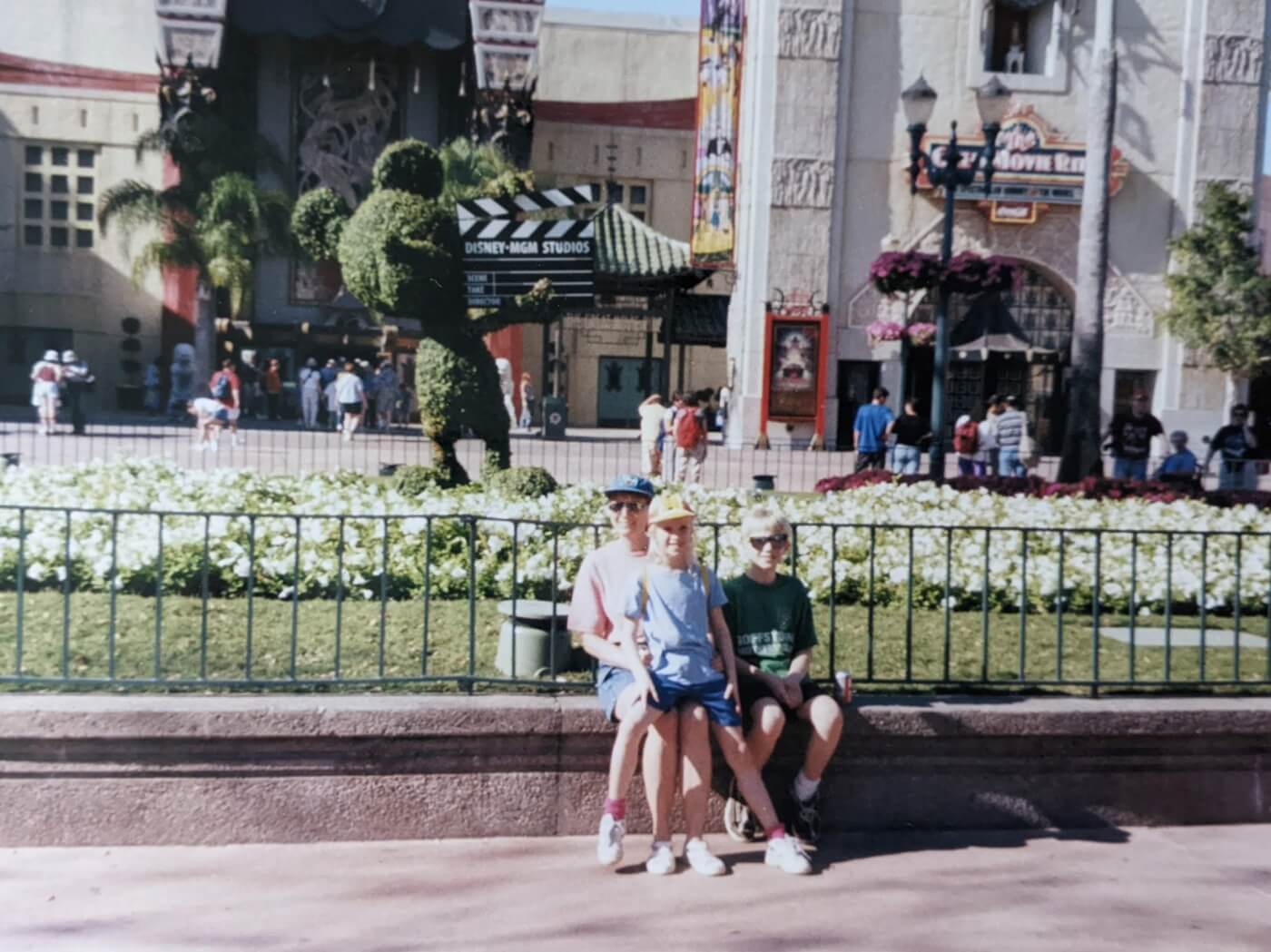
a childhood photo of PETA staffer Melanie Johnson sits on her mother's lap on a bench in front of a bed of flowers at Disney-MGM studios

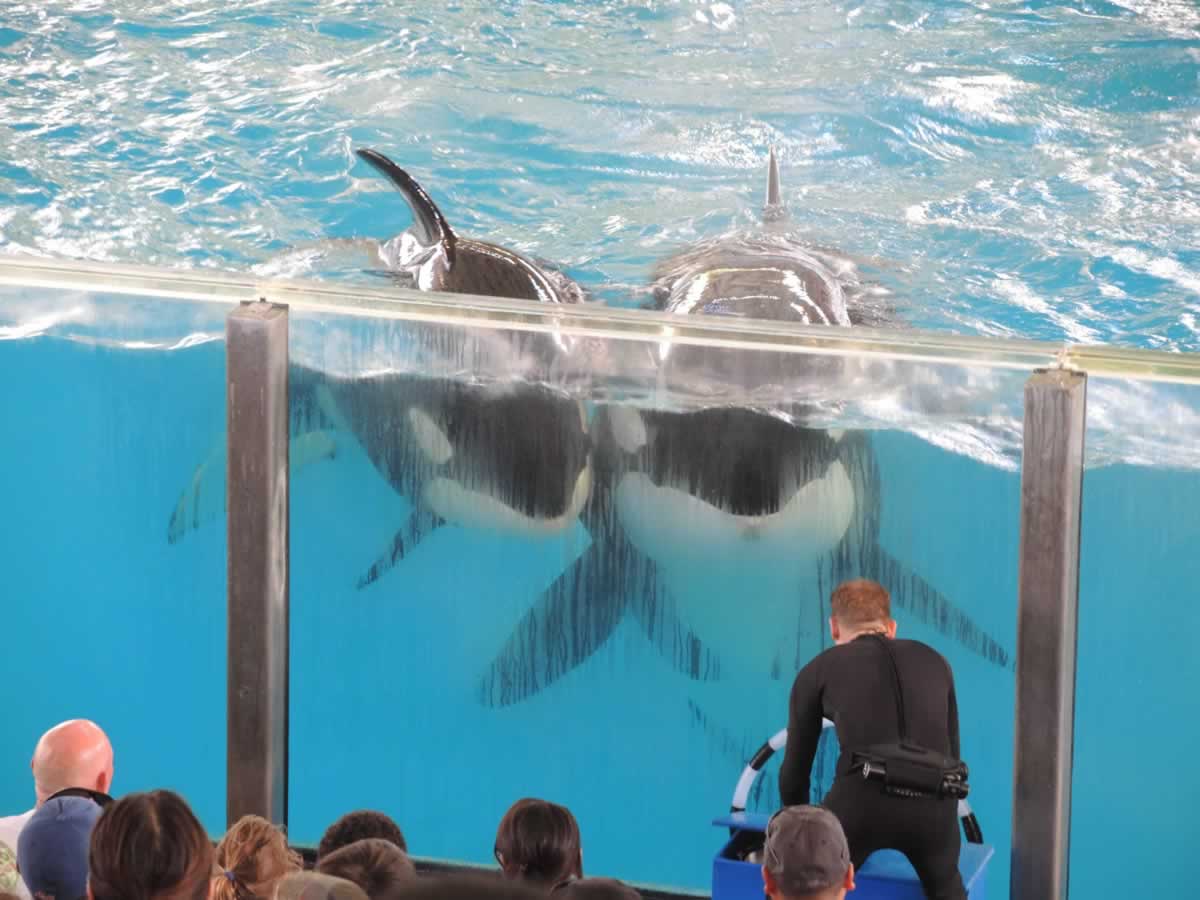
Many well-meaning people who care about animals still don’t know the truth about SeaWorld. Orcas are social, emotional, and complex animals who love to travel long distances with their families. But at SeaWorld, they’re limited to small, concrete tanks, performing meaningless tricks for food and swimming in endless circles.

Takara and I were born on opposite coasts and had very different childhoods. She was born into confinement in a tiny tank, whereas I was born into freedom. When I entered the world, the doctor gave me to my mother, who took my little hand and guided me through all stages of life. But Takara was torn away from her mother at just 12 years old—even though, in nature, orcas often live with their mothers for life—and shipped from marine park to marine park.

Takara’s mother, Kasatka, died in 2017. More than 40 orcas confined at SeaWorld’s parks have died—many far short of their natural life expectancy—and from causes such as bacterial infections and even fractured skulls. Takara became a mother herself, having been bred and forced to give birth many times so that SeaWorld could exploit her offspring, too. Her first two babies were taken from her: Her daughter Kohana was moved to Loro Parque in Spain, and her son Trua lives at SeaWorld Orlando in Florida. And just when Takara was starting to form a relationship with her daughter Kyara, the infant died at just 3 months old.

When my hair turns silver, I hope to retire somewhere warm where I can wear comfortable clothes and wide-brimmed hats. I’ll spend time with my family and start my own garden. I sincerely hope Takara will soon be able to retire to a seaside sanctuary, where she could experience what it truly means to be an orca. I also hope anyone reading these words will boycott SeaWorld’s abusement parks, just as I do.

Melanie Johnson is PETA’s manager of animals in entertainment campaign. She has led the efforts to get SeaWorld to stop making trainers stand on dolphins’ faces and ride on their backs in demeaning circus-style shows, and her team has pushed dozens of companies like Expedia to stop promoting the abusement park.


Despite ending its sordid orca-breeding program in 2016, SeaWorld still sexually abuses and forcibly impregnates other dolphins and whales for profit. The animals still imprisoned at SeaWorld languish in their small, concrete prisons, subjected to abuse and a lifetime of deprivation.

We have a lot of work left to do, and we need you to be a part of it. Help us by telling SeaWorld to release its prisoners to seaside sanctuaries where they can live with purpose and to help ensure a future in which no animal suffers as Takara does.

The post On Opposite Sides of the Glass: Turning 31 With Takara appeared first on PETA.
PETA Rescued 12-Week-Old Finnegan From Under a Mobile Home—Now He Awaits Adoption

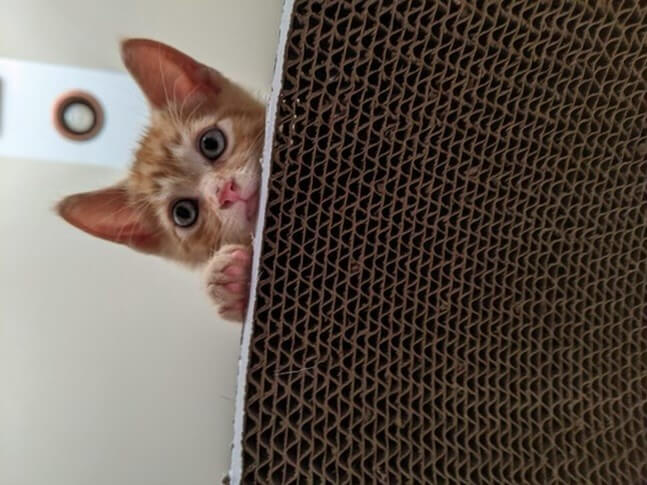
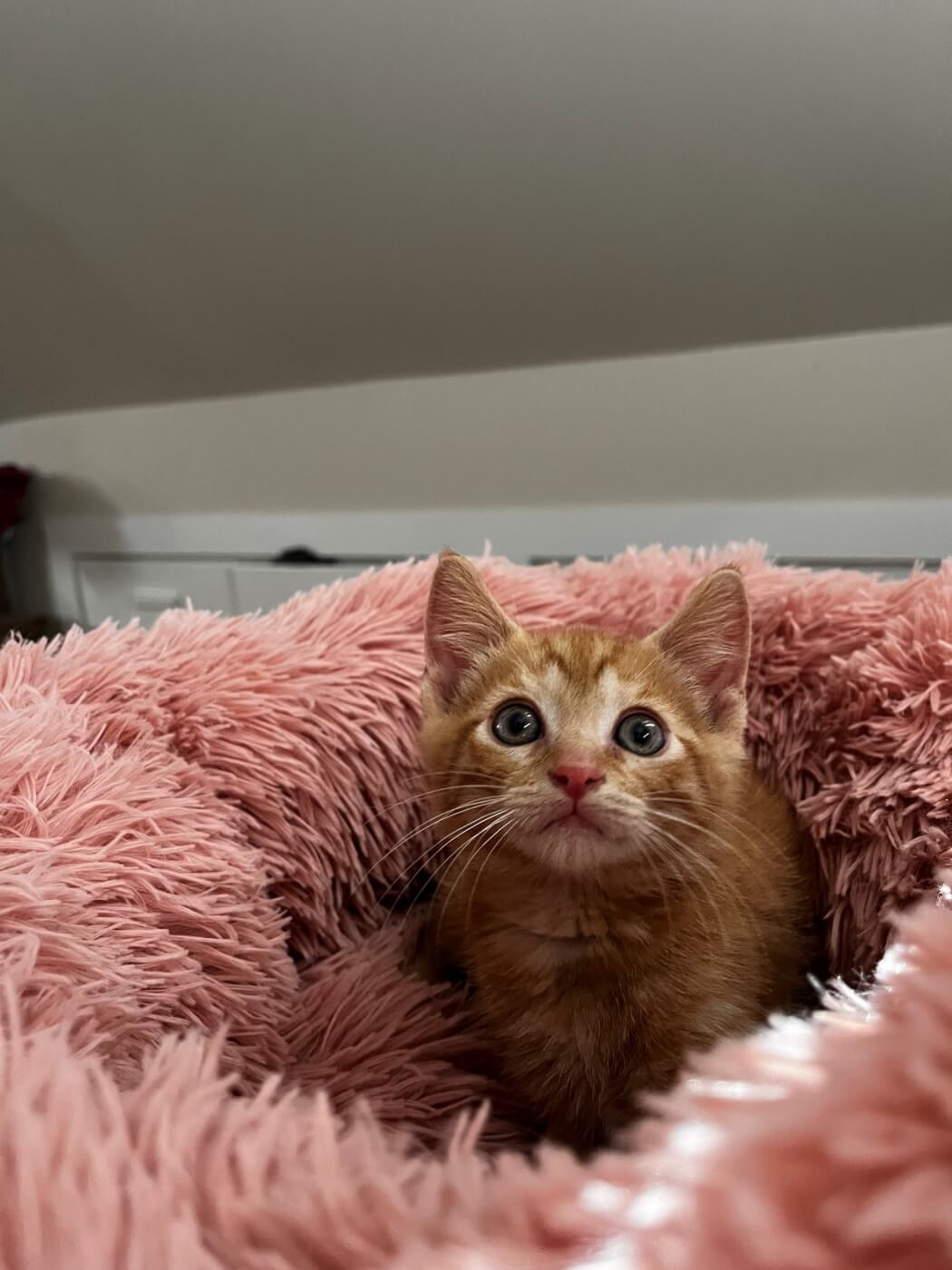
After PETA’s fieldworkers urgently rescued him from under a mobile home, 12-week-old kitten Finnegan is ready to begin again.

rescued kitten finnegan

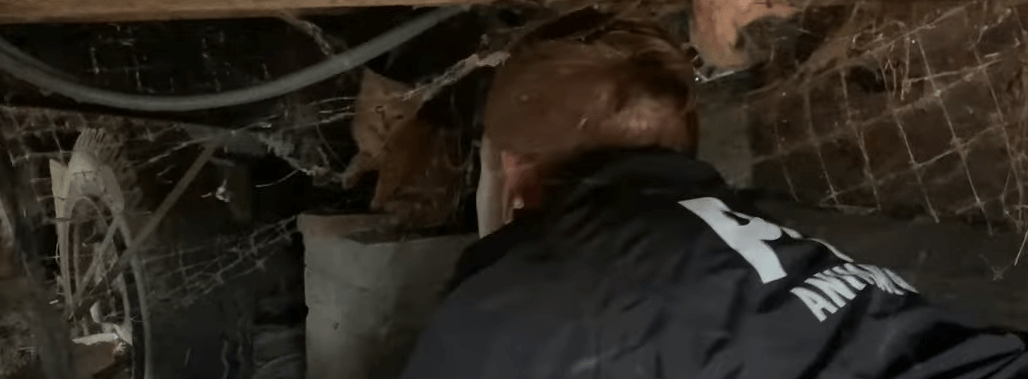
Our fieldworkers found Finnegan during a visit to help other animals at the mobile home park.

Loud screams and meows led the team to the source of the desperate cries: a shaking, terrified kitten hopelessly entangled in wire and mesh.

CAP rescue

The rescuers leaped into action, freed Finnegan, removed the mesh that was painfully wrapped around his neck, and gave him some much-needed care and attention. After persuading his owner to surrender him, they quickly transported him to safety.

rescued kitten finnegan

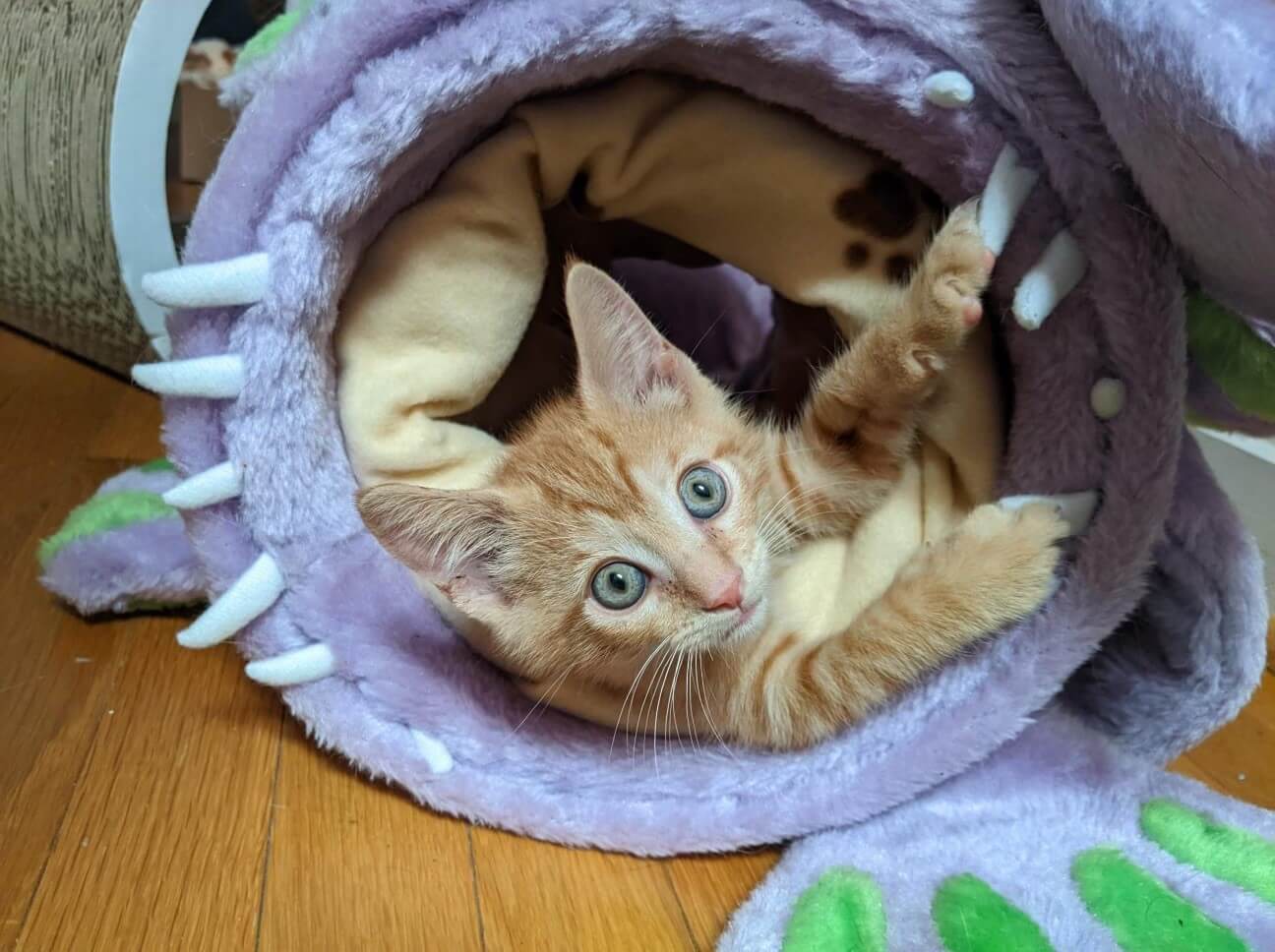
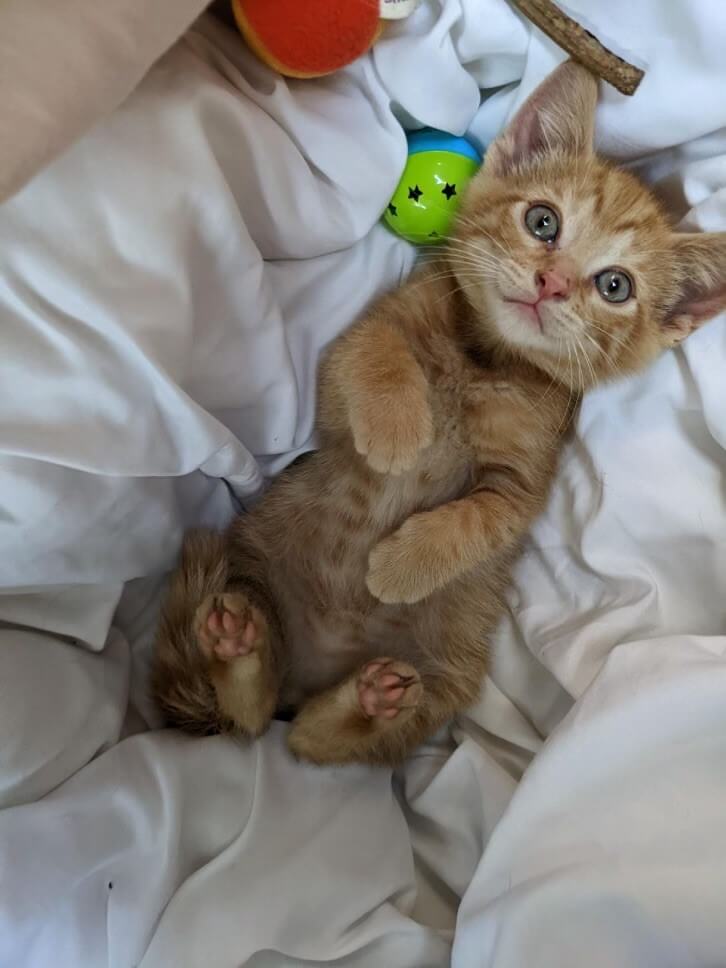
It didn’t take long for the rescued kitten, in the care of a compassionate foster family, to learn how to live indoors.

rescued kitten finnegan

Playful, affectionate, and as fiery as his bright orange fur, young Finnegan is ready to find his permanent home.

rescued kitten finnegan

Will Finnegan the Rescued Kitten Be Your Best Feline Friend?

If you’ve fallen for Finnegan like we have—and have the resources and endless respect a kitten companion needs—send an e-mail to Adopt@peta.org.

Learn More About Finnegan and Other Adoptable Animals

The post PETA Rescued 12-Week-Old Finnegan From Under a Mobile Home—Now He Awaits Adoption appeared first on PETA.

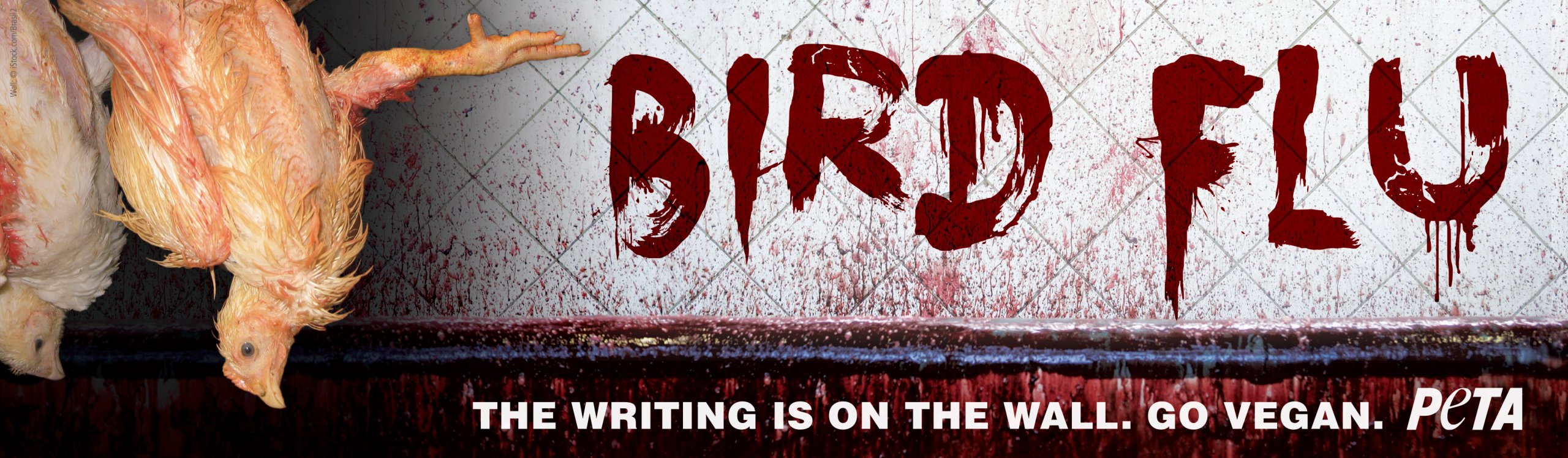
22 Million Birds Slaughtered en Masse Amid Nationwide Bird Flu Outbreak

Avian influenza—or “bird flu”— is ripping through the U.S., and more than 22 million chickens and turkeys have been killed in cruel ways since February 2022 in a futile attempt to stop the virus from spreading like wildfire across the country.

Outbreaks have been reported on commercial and “backyard” farms in at least 24 states, and once an animal is determined to have the bird flu, the entire flock is killed.

In the U.S., farms may slaughter farmed animals en masse for “disease control” in horrific ways: Some companies kill birds with a water-based foam, slowly suffocating them to death (sometimes for up to 14 minutes). Others kill animals by shutting off all ventilation in the sheds in a process known as “ventilation shutdown” (VSD), which sometimes incorporates heat, humidity, and carbon dioxide (known as “VSD Plus”)—suffocating them and baking them alive. Egg farms typically gas the birds to death.

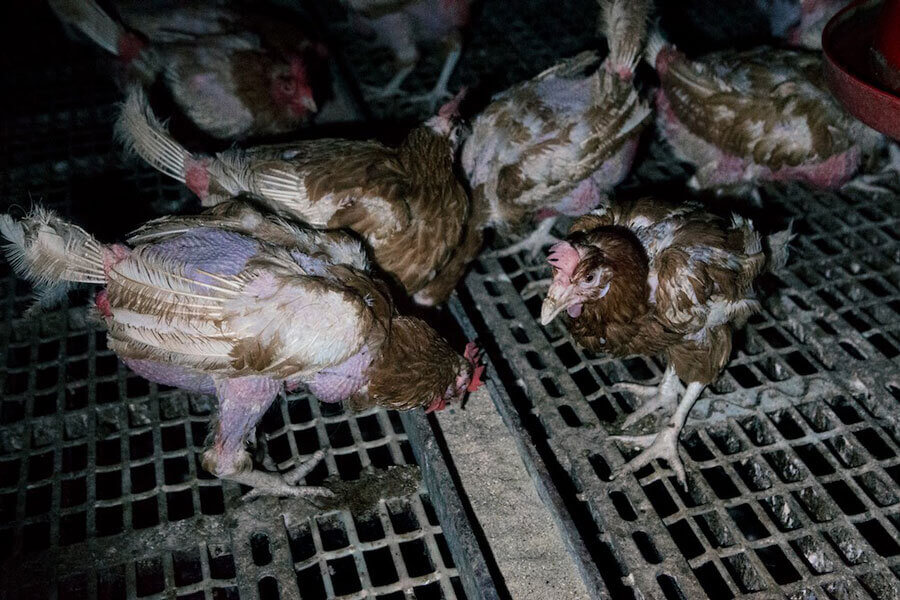
photo of chickens on factory farm

As long as the poultry and egg industries continue to raise sensitive birds for slaughter—typically cramming tens of thousands of chickens into filthy, windowless sheds, which are breeding grounds for disease outbreaksthis will keep happening. The best form of disease control on farms and at other facilities—including ones that falsely label their products as “free-range” or “organic”—is for them to stop raising and killing animals for food.

You can help spare animals, decrease the risk of future pandemics, protect the environment, and more by going vegan.

Take Action for Our Fellow Animals Killed in Cruel Ways for ‘Disease Control’

Our fellow animals don’t want to be killed under any circumstance, but the least farms can do is not use extremely cruel and painful methods to slaughter them for “disease control.” The American Veterinary Medical Association (AVMA) still lists VSD and VSD Plus as “permitted in constrained circumstances,” even though they can cause other animals to suffer in agony for hours. Tell the AVMA that these methods of killing are never acceptable, and urge it to not allow them to be used in the future:

The post 22 Million Birds Slaughtered en Masse Amid Nationwide Bird Flu Outbreak appeared first on PETA.

Rodeo: Dad Tries to Protect Son After Bull Protects Himself (Video)

A bull-riding participant in the Bell County Rodeo in Belton, Texas, was “bucked off the bull almost immediately after coming out of the gate,” prompting the rider’s father to run into the arena. One outlet called the father a “hero,” but before doling out any more kudos, consider this important detail: The bull was just protecting himself.

This young man voluntarily risked injury and death by participating in the event. The bull he decided to torment had no such choice. This animal was left with one choice only: to defend himself.

Rodeo performers have been observed beating, kicking, and shocking normally docile bulls and other animals in holding pens—abuse they inflict in order to provoke bulls’ instinct to run from harm. It’s no wonder that by the time bulls are released into the arena, they’re frantic.

Rodeos are nothing more than manipulative displays of human dominance over animals, thinly disguised as entertainment. Many bulls forced to participate have sustained fatal injuries, including broken backs and necks, and have experienced heart attacks and aneurysms. The ones who aren’t killed during events, however, often still meet a vicious death: When they’re too old or worn out to continue “performing,” “retirement” often means a one-way trip to the slaughterhouse.

Bulls Are Being Tormented—They Need Us to Speak Up

Step one in helping bulls like this one is simple: Never support rodeos, bull riding, or any other activity that forces animals to perform. If a rodeo does come to your town, write letters to sponsorsleaflet at the gate, or hold a demonstrationYou can contact PETA for help, too.

SOS highlights

Students Opposing Speciesism—the PETA-backed, youth-led revolt against human supremacy—doesn’t miss a beat in furthering the mission of ending speciesism, including when it comes to denouncing rodeos.

Click the buttons below to speak up for vulnerable bulls far and wide, and click here to take action for bulls being tormented in other barbaric “sports.”

The post Rodeo: Dad Tries to Protect Son After Bull Protects Himself (Video) appeared first on PETA.

Traveling to Colombia? Try These 6 Enticing Vegan Restaurants

Colombia may be known for its coffee, but a cup of joe isn’t the only thing the country has to offer—its terrific dining scene is full of vegan-friendly restaurants.

Whether you’re a resident or a visitor, here are six awesome vegan restaurants in Colombia you won’t want to miss out on.  

De/Raíz—Bogotá

De/Raíz has garnered popularity for its delicious desserts, such as the tiramisu and mascarpone almond cheesecake. Both of its locations in Bogotá offer many unique dishes to choose from, such as fried mushroom wings and almond ricotta lasagna rolls.

Address: Avenida 19 #106-46, Bogotá, Colombia, and Calle 65 #5-70, Bogotá, Colombia

Justo—Medellín

Surrounded by beautiful greenery, this contemporary, upscale vegan restaurant is the perfect vegan date-night spot. Justo serves its dishes tapas style—perfect for sharing over drinks—and the cooks don’t hold back on flavor. Diners can enjoy oat pancakes, tacu tacu (a traditional Peruvian beans-and-rice dish), risotto, samosas, and gyozas.

Attached to the restaurant is a vegan market called Ceres, which sells specialty vegan products as well as fresh produce.

Address: Carrera 37 #10a 58, Medellín, Colombia 050021

Flor de Loto—Cali

Come hungry if you’re dining at Flor de Loto. Diners go to this vegan fast-food hotspot for greasy, savory bites such as the arepa “burger,” the loaded “hot dogs,” frijolada con chicharrónes (savory bean soup with crispy vegan “pig skin”), and more. The restaurant also offers vegan cooking lessons.

Address: Calle 4a #34-40, Cali, Valle del Cauca, Colombia 760042

Semillas Comida Sana—Pereira

Self-described as the first vegan restaurant in Pereira, this health-food hub lives up to its reputation for fresh, tasty dishes. It offers different styles of cuisine, from its Mexican bowl (with vegan chorizo, tortilla chips, beans, avocado, pico de gallo, brown rice, and cream) to its vegan pizza margherita. Diners can eat in or order takeout and enjoy one of Semillas’ vegan plates at the park across the street.

Address: Carrera 4 Bis #25B-31, Pereira, Colombia

Aldea Vegana—Bucaramanga

Located near Bucaramanga’s Museum of Modern Art, this popular vegan joint brings art admirers and vegan foodies together to enjoy its famous soups, including the bean, minestrone, and cream of onion. Other popular dishes include the flan and natilla, empanadas, ramen, and tamales. Aldea Vegana also offers a kebab night every Thursday.

Address: Carrera 26 #33-23, Bucaramanga, Colombia

Ramona—Barranquilla

This Mexican food spot is vegan- and animal companion–friendly, offering a wide array of veganized Mexican dishes with a unique, modern twist. Menu favorites include the “fish” tacos, “cheese” quesadillas stuffed with caramelized onion and refried beans, and the crispy cauliflower and broccoli popcorn bathed in Buffalo sauce.

Address: Calle 94 #53-44, Barranquilla, Colombia, 08001

Help Our Fellow Animals by Going Vegan!

Even if you aren’t dining out, eating vegan is simple and tasty—and it’s also the best thing that you can do for our fellow animals, the planet, and your health. Get motivated by joining PETA’s 3-Week Vegan Challenge:

3-Week Vegan Challenge

The post Traveling to Colombia? Try These 6 Enticing Vegan Restaurants appeared first on PETA.