Central African Republic: Dozens suspected of criminal responsibility for war crimes and crimes against humanity remain at large

  • Only one out of 25 Special court arrest warrants carried out
  • The release of a government figure is the latest example of the Special court’s work being blatantly impeded
  • No criminal trials held in nearly 20 months

Dozens of persons suspected of criminal responsibility for crimes under international law, including war crimes and crimes against humanity remain at large in the Central African Republic (CAR), said Amnesty International in a briefing published today.

Likewise, there is not even one suspect in pre-trial detention pursuant to an arrest warrant delivered by the Special Criminal Court (SCC) more than three years after its inauguration. The SCC is a hybrid court having jurisdiction over crimes under international law and grave human rights violations committed during a series of conflicts since 2003.

The briefing, ‘One Step Forward, Two Steps Backwards: Justice in the Central African Republic’ reveals that, despite the start of the SCC’s work in 2018, very few persons suspected of criminal responsibility have been arrested, prosecuted, or tried. Proceedings to address the needs for justice, truth and reparation are far from enough.

Of the 25 arrest warrants so far issued by the court, only one has been carried out, with the arrest in November 2021 of Minister Hassan Bouba Ali, a former armed group leader suspected by other NGOs of being linked to the killing in 2018 of more than 70 civilians, including children in Alindao. However, he was released by CAR authorities a few days later, without any judicial authorisation.

More than six years after being established, and three years since its inauguration, the SCC is facing difficulties in bringing those suspected of criminal responsibility for crimes under international law to justice, including because of the non-execution of the arrest warrants it issued. The release of Hassan Bouba Ali is the latest example of the lack of support by political authorities for the Court’s mission.

Samira Daoud, Amnesty International’s West and Central Africa director.

“Amnesty International calls on CAR authorities and the MINUSCA to take all possible measures to ensure the execution of the SCC arrest warrants and ensure that all those suspected of criminal responsibility for crimes under international law and other serious violations or abuses committed since 2003, from all sides of the conflict, are genuinely investigated and prosecuted in fair trials.”

The vast majority of victims and survivors are still waiting for justice, truth and reparation.

A civil society member told Amnesty International:

“…We [need] to see the real persecutors being tried, those who may have been heads of the state or state institutions, and the leaders of rebel groups.”

The SCC was created to fill the accountability gap, as a mechanism complementary to the International Criminal Court (ICC) and the CAR ordinary criminal courts. 22 individuals are in pre-trial detention under its jurisdiction, but they were not in fact arrested pursuant to SCC arrest warrants. Charges pending against them are unknown and their identities have not yet been disclosed – except for Eugene Ngaikosset, a suspect arrested in September this year. 

The briefing also addresses the lack of transparency in the operation of the SCC.Although the Court will start its first trials this month or early 2022, no information has been made available with regards to the cases or suspects involved. Amnesty International has found that information about the state of ongoing proceedings remains very difficult, if not impossible, to find. Not a single judicial decision has been made public.     

No criminal trials in the country in the last 20 months

The briefing also found that CAR ordinary criminal courts have not held any criminal session since 7 February 2020. This means there has not been a single criminal trial in 20 months in a country that, according to its law, should organise a minimum of six criminal sessions per year in its three provinces. 

Although the Covid-19 pandemic and the political and security situation in the country in December 2020 and the first half of 2021 have undoubtedly caused delays in the judicial process, these factors alone do not explain the state of lethargy that the justice sector finds itself in.

New military courts should not prosecute crimes against civilians

Amnesty International is also calling on CAR’s authorities to ensure that crimes against civilians are not prosecuted in the newly established military courts which held their first sessions this year. The jurisdiction of military courts over criminal cases should be limited to trials of military personnel for breaches of military discipline and should exclude human rights violations, or crimes under international law.

In September 2021, the Bangui martial court sessions examined its first series of cases, among which there were cases about murder of civilians. These cases should fall under ordinary civilian courts.

“Researchers found that there was no step towards amending the country’s law to ensure the jurisdiction of military courts is limited to military disciplinary matters and, on the contrary, the holding of these sessions was presented as a success in the fight against impunity within the armed forces,” said Samira Daoud.

Background

Amnesty researchers visited Central African Republic in October 2021 and had 35 meetings with 44 people- 33 men and 11 women- from government, civil society, judicial system, including the Special Criminal Court and ordinary tribunals, and staff of the International Criminal Court.

The post Central African Republic: Dozens suspected of criminal responsibility for war crimes and crimes against humanity remain at large appeared first on Amnesty International.

Gambia: Ending impunity of past crimes must be part of human rights priorities for President Adama Barrow’s second term

In reaction to the re-election of President Adama Barrow over the weekend in the first election since the departure of Yahya Jammeh, Michèle Eken, Amnesty International West Africa researcher said:

“As he starts a second term in office, President Adama Barrow must tackle the huge challenge of ending impunity for human rights violations committed during the regime of former President Yahya Jammeh which starts with prosecuting alleged perpetrators in fair trials before criminal courts.

“The President’s agenda must also include the repeal of laws restricting freedom of expression and freedom of assembly which can still be liberally used to muzzle dissenting voices.

We regret that President Barrow did not sign Amnesty International’s seven-point human rights manifesto contrary to several other presidential candidates.

Michèle Eken, Amnesty International West Africa researcher.

“In addition to protecting freedom of expression, freedom of assembly and fighting impunity, the manifesto includes commitments to take a tougher stance on ending sexual, gender-based violence and discrimination towards women, to promote access to food, employment, education, housing and health, to adopt a national law prohibiting torture and to remove death penalty provisions from Gambia’s statute books.

‘’It’s not too late for the President to make this clear commitment to tackle these pressing issues and we urge him to do so.”

Background

During the electoral campaign in November, Amnesty International delegates presented a seven-point human rights manifesto co-signed by 10 Gambian human rights organizations to as many political parties and candidates as possible.

Amnesty delegates met with eight political parties and candidates, seven of which signed the human rights manifesto including four presidential candidates.

Despite contacting President Barrow’s party multiple times by email, text and telephone, the delegation was unable to meet with them. Amnesty International sent the manifesto to them several weeks prior to election day but did not receive a response regarding the endorsement.

The commissioners of the Gambian Truth, Reconciliation and Reparations Commission submitted their final report to President Adama Barrow on 25 November.

The post Gambia: Ending impunity of past crimes must be part of human rights priorities for President Adama Barrow’s second term appeared first on Amnesty International.

THE CHALLENGE OF THE DEEP SOUTH

A LOOK INTO THE HUMAN RIGHTS IMPACT OF CLIMATE CHANGE IN DROUGHT-STRICKEN SOUTHERN MADAGASCAR

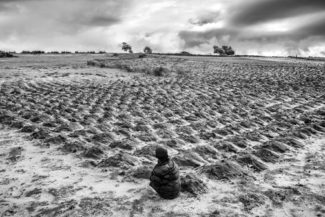
Earlier this year Amnesty International commissioned award-winning Malagasy photographer, Pierrot Men to document the human rights impact of climate change and drought in Southern Madagascar. The southern region of the country commonly referred to
as Le Grand Sud (the Deep South) is currently experiencing its worst drought in 40 years, with more than a million people on the brink of famine and thousands more already facing catastrophic famine-like conditions.

Pierrot documented the lives of those most affected by the drought in a series called, Le défi du Grand Sud, The Challenge of the Deep South.

The Challenge of the Deep South

Photos and captions curated by Pierrot Men

Experince the full virtual exhibtion

The Challenge of the Deep South
By Pierrot Men

vIRTUAL EXHIBITION

Be part of the change

take action

INDIAN OCEAN CLIMATE NETWORK AND MADLab

DONATE

MADLab and the Indian Ocean Climate Network (IOCN) are two Malagasy movements bringing together civil society actors, researchers, social entrepreneurs, young activists, and local community representatives who share a common vision of giving voice to local communities of the Deep South for short- and long-term impact solutions. The two movements are actively working with communities in Southern Madagascar impacted by the increasing drought, particularly women and youth. The India Ocean Climate Network was co-founded in 2015 by Marie Christina Kolo, a Malagasy eco-feminist activist and one of the leading climate voices in the world.

By donating via this link, you can support their work with local communities in southern Madagascar.

An elderly woman carries her farming tools. Ambazoa, May 2021. © Pierrot Men for Amnesty International

A generation with hope for a better future. Children in Amboasary, May 2021 Pierrot Men for Amnesty International

In Ampanihy and Ambovombe districts, more than a quarter of children are currently suffering from acute malnutrition due to drought. The number of children admitted for treatment for life-threatening severe acute malnutrition in the first three months of 2021 has quadrupled compared with the five-year national average. Ambovombe, May 2021 © Pierrot Men for Amnesty International

Portrait of a woman in Ambovombe. The clay mask is used to protect the skin from the sun. May 2021 © Pierrot Men for Amnesty International

The drought-related food crisis increases begging. Ambovombe, May 2021 © Pierrot Men for Amnesty International

While waiting for the rain, a few rare trees provide shade for the inhabitants and animals. Ambovombe, May 2021 © Pierrot Men for Amnesty International

A man in a field affected by drought. Andranosira, May 2021 © Pierrot Men for Amnesty International

After the rain, some farmers rushed to the nearest town to buy seeds. Andranosira, May 2021 © Pierrot Men for Amnesty International

Children in Andranosira, May 2021 © Pierrot Men for Amnesty International

Children’s right to education is also at risk when parents are unable to farm because of drought. Androvavo, May 2021 © Pierrot Men for Amnesty International

In the south, drought suspends time for families. Ranomainty, May 2021
© Pierrot Men for Amnesty International

A woman sows seeds while young men plough the fields, 1. Ambovombe, May 2021 © Pierrot Men for Amnesty International

A woman sows seeds while young men plough the fields, 2. Ambovombe, May 2021 © Pierrot Men for Amnesty International

A woman sows seeds while young men plough the fields, 3. Ambovombe, May 2021 © Pierrot Men for Amnesty International

A woman sows seeds while young men plough the land, 4. Ambovombe. May 2021 © Pierrot Men for Amnesty International

Madagascar is currently experiencing the worst drought in 40 years. In May 2021 the World Food Programme (WFP) and FAO warned that an estimated 1.14 million people in southern Madagascar are currently suffering from acute malnutrition. Ambovombe, March 2021, May 2021 © Pierrot Men for Amnesty International

Migration remains a common practice when there are recurrent droughts. Many families in Madagascar hoped that moving to a big city like Fort Dauphin would bring them better opportunities. Fort Dauphin, May 2021 © Pierrot Men for Amnesty International

A family at the market in Fort-Dauphin, May 2021 © Pierrot Men for Amnesty International

Portrait of an 80-year-old woman. Maroalomainty, May 2021 © Pierrot Men for Amnesty International

The current drought shows that a healthy environment, including a healthy climate, is essential for life with dignity and security. Maroalomainty, May 2021 © Pierrot Men for Amnesty International

A family returning from the market in town, along a road ‘flooded’ by the recent exceptional rain. Maroalomainty, May 2021 © Pierrot Men for Amnesty International

Portrait of a young herdsman in cultivated fields. Maroalomainty, May 2021 © Pierrot Men for Amnesty International

The consequences of the drought in Manambaro. May 2021 © Pierrot Men for Amnesty International

Travellers on a sand and dust road. Maroalomainty, May 2021 © Pierrot Men for Amnesty International

A tree caused to lean by the natural sandstorms locally known as “tiomena”, which means “red winds” in Malagasy. Maroalomainty, May 2021 © Pierrot Men for Amnesty International

The post THE CHALLENGE OF THE DEEP SOUTH appeared first on Amnesty International.

33 human rights wins to celebrate this year

It’s been a busy year for Amnesty International with positive changes taking place around the world. Laws have been rewritten, awards have been won, prisoners of conscience released and our supporters have continued to campaign with passion to ensure people can live free from torture, harassment or unjust imprisonment. Here’s a round-up of human rights wins to celebrate this year…

January

Global: Amnesty International’s ground-breaking report on how health workers around the world had been exposed, silenced and attacked during the Covid-19 pandemic resulted in Ibrahim Badawi, a doctor, and Ahmad al-Daydoumy, a dentist, being released from detention in Egypt in January and March this year. They were just two of the many health workers arbitrarily detained in 2020 in Egypt, on vague and overly broad charges of “spreading false news” and “terrorism”, which Amnesty highlighted in its research.  

February
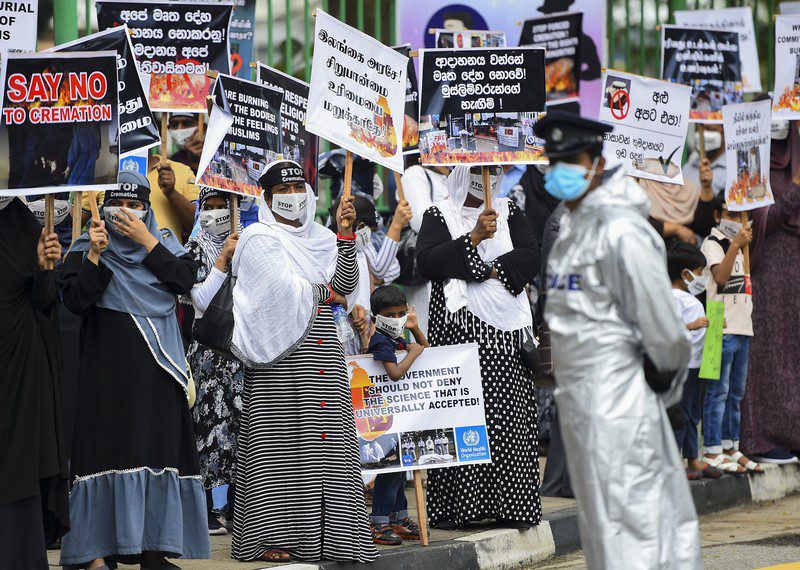
Campaigners in Sri Lanka call for an end to forced cremation. Photo: AFP via Getty Images.

Sri Lanka: Following the outbreak of Covid-19 in Sri Lanka, a number of people from the Muslim community were forcibly cremated on the instructions of the authorities and against the wishes of the deceased’s families. Amnesty International called for Sri Lanka’s authorities to respect the right of religious minorities to carry out the final rites of their relatives in accordance with their own traditions unless restrictions were needed to prevent the spread of COVID-19. Amnesty also engaged with Organization of Islamic Cooperation (OIC) states to impress upon the Sri Lankan government to change this discriminatory policy, and placed op-eds in Pakistan and Bangladesh ahead of a key session of the United Nations Human Rights Council. As a result, Sri Lankan authorities decided to end the practice of forced cremations for victims of Covid-19 in February.

March

Bahrain: Amnesty International helped to secure several prisoner releases in Bahrain this year, including four children who had been tried as adults. In March, a Bahraini court suspended a six-month prison sentence against the four and placed them in a rehabilitation programme instead – one week after Amnesty issued an urgent action. In April, there was more good news with the release of prisoner of conscience, Mohammed Hassan Jawad, who had been serving a 15-year prison sentence for his peaceful participation in the 2011 uprising. Amnesty International has been campaigning for his release for a decade. In another breakthrough, on 11 March, the European Parliament adopted a resolution on Bahrain’s human rights situation and its treatment of human rights defenders, followed by another in September on Emirati prisoner of conscience Ahmed Mansoor – which echoed Amnesty’s recommendations.  
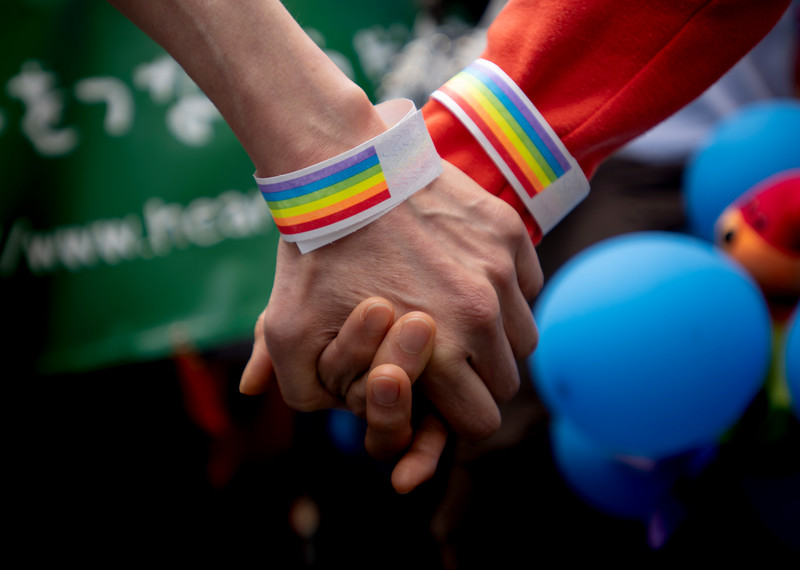
Tokyo Rainbow Parade. Photo: Getty Images/Alessandro Di Ciommo/NurPhoto.

Japan: In March, a Japanese court ruled that the government’s failure to recognize same-sex marriage was unconstitutional – the country’s first-ever judicial ruling on marriage equality. The decision was a ground-breaking step for same-sex couples in their pursuit of equal rights and could set an important precedent for similar cases filed by other same-sex couples in Japan. This followed campaign calls and petitions from Amnesty International and others.

Amnesty International's Yezidi report revealed the physical and mental health crisis endured by Yezidi children separated from their families. <br>Illustration: Cesare Davolio / Amnesty International.

Iraq: The Iraqi parliament passed the Yezidi Survivors Law which provides a framework for reparations for many survivors of ISIS atrocities in northern Iraq, including women and girls who were subjected to sexual violence and child survivors who were abducted before the age of 18. This was a key recommendation in a report published last year by Amnesty International on the physical and mental health crisis endured by Yezidi children separated from their families. The report was also referenced by Angelina Jolie in a speech to the UN Security Council regarding sexual violence in conflict. Additional bylaws were passed in September.
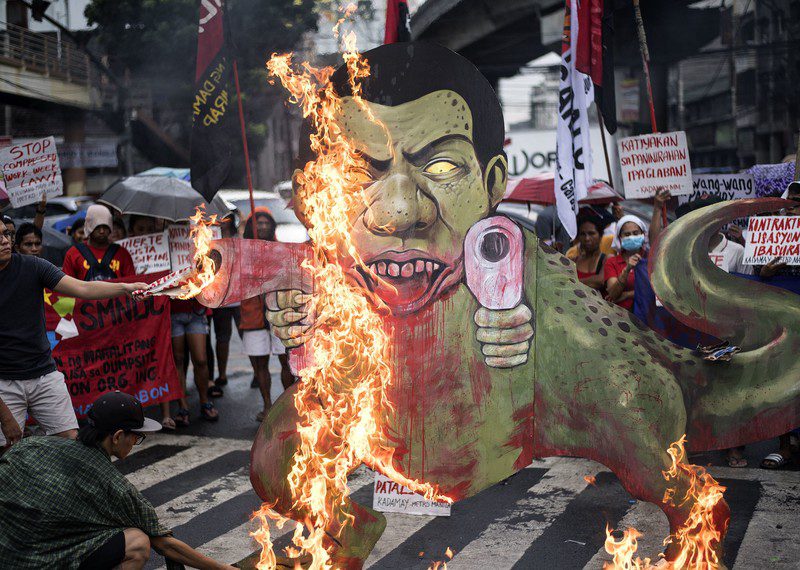
Activists protest the Philippine government's deadly 'war on drugs'. Photo: Noel Celis/AFP/Getty Images.

Global: In March, October and November, the International Criminal Court (ICC) announced it would open formal investigations into the situation in the Occupied Palestinian Territory, the Philippine government’s deadly ‘war on drugs’ and crimes against humanity in Venezuela. Amnesty International has been documenting crimes against humanity in all these countries for several years, its research was cited dozens of times in the Prosecutor’s filing.
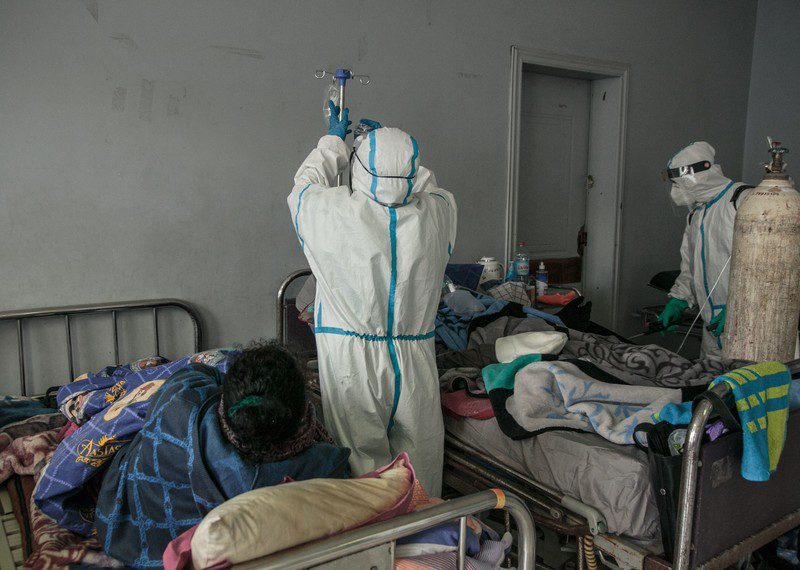
Patients in Madgascar are treated for Covid-19. Photo: AFP via Getty Images.

Madagascar: After months of refusing to acknowledge Covid-19, the Malagasy government finally dropped its policy of refusing to order Covid-19 vaccines following pressure from Amnesty and others – giving more people a chance to access life-saving vaccines.

Police committed to investigating the murders of best friends Popi Qwabe and Bongeka Phungula, after receiving a petition signed by more than 341,000 Amnesty International supporters. Photo: Amnesty International.

South Africa: In March, police revived an investigation into the 2017 murders of best friends Popi Qwabe and Bongeka Phungula, after receiving a petition signed by more than 341,000 Amnesty International supporters worldwide demanding that their killers be brought to justice. The police have now completed their investigation and handed over the case to the country’s National Prosecuting Authority. After years of distress and anger over irregularities and delays in the original police investigation, Popi and Bongeka’s friends and families finally have reason to believe that justice for their loved ones is on the horizon. “I feel optimistic,” said Popi’s sister Thembelihle. “I feel like finally, something is about to change.”

April

Global: Amnesty International released its flagship annual report, The State of the World’s Human Rights. This latest edition covered the human rights situation in 149 countries and was translated into a record 38 languages. It also included specific advocacy calls on a range of human rights issues.

May

Palestinian protesters run for cover after Israeli forces launched tear gas canisters. Photo: AFP via Getty Images.

Global: Amnesty International won a prestigious Webby Award for its microsite on the abuse of tear gas by police forces around the world. The site was originally launched in mid-2020, and is frequently updated with new content and evidence of abuses. The material is also still being cited in ongoing advocacy, including in recent US Congressional debates around regulating or banning police use of tear gas.

June

Germain Rukuki. Photo: Alexandra Bertels.

Burundi: NGO worker and human rights defender Germain Rukuki was released from prison after spending more than four years behind bars for standing up for human rights. Initially sentenced to 32 years in prison on baseless charges, Germain was jailed before getting a chance to hold his youngest child, born just weeks after he was detained in July 2017. After more than 400,000 actions calling for his release, Germain is looking to be reunited with his family, who fled the country for fear of reprisals.
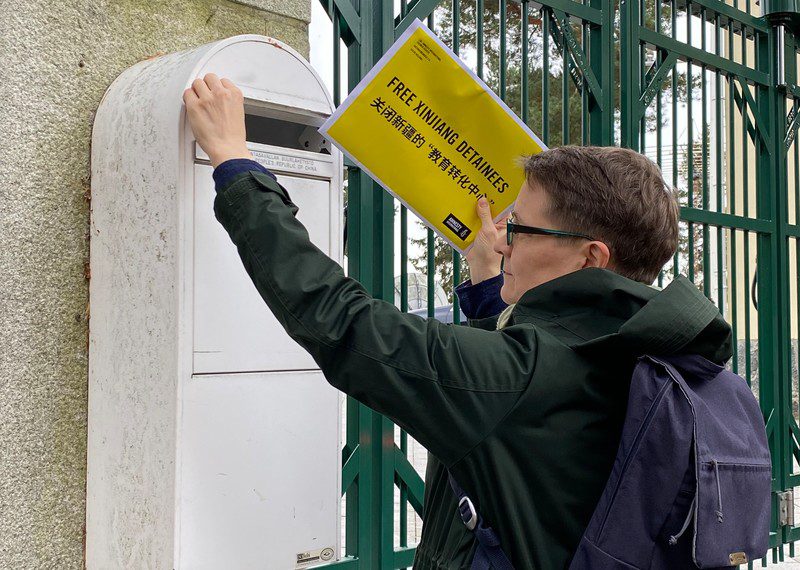
The 'Free Xinjiang Detainees' petition is handed over in Helsinki, Finland. Photo: Amnesty International.

China: Amnesty International published an extensive report detailing how the draconian repression faced by Muslims in China’s Xinjiang Uyghur Autonomous Region amounts to crimes against humanity. The report garnered significant global media coverage, and was followed up with a campaign calling for the closure of the internment camps. To date, the ‘Free Xinjiang Detainees’ petition has been signed by more than 323,000 people around the world and Amnesty International’s national teams in 10 countries have held petition handover events.

Pakistan: Amnesty International successfully campaigned for the acquittal and release of  Shafqat and Shagufta Emmanuel, a Christian couple, who spent seven years on death row on blasphemy charges. 

Decode Surveillance NYC. Illustration: Eliana Rodgers.

USA: Decode Surveillance NYC saw more than 7,000 Amnesty International supporters from 144 countries map 15,000 surveillance cameras across New York City which can be used by the NYPD to track people using facial recognition software. The results of the innovative project helped campaigners push local legislators for a ban on the use of the discriminatory technology.
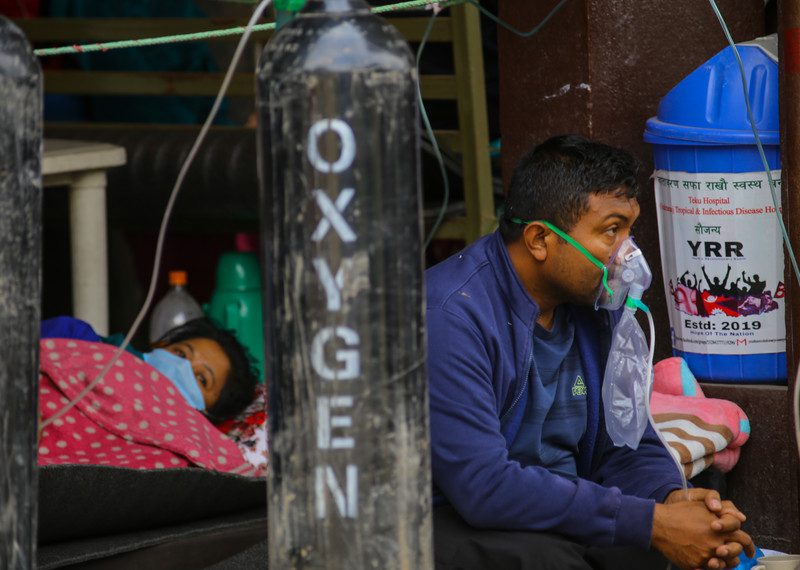
People from Nepal finally received a boost in vaccinations following campaigning and advoacy initiatives. Photo: Anadolu Agency via Getty Images.

Nepal: After the launch of Amnesty International’s report, “Struggling to breathe”: The second wave of Covid-19 in Nepal, which was followed by sustained campaigning and advocacy initiatives, the Japanese government donated 1.6 million vaccines to Nepal, Bhutan donated 230,000 and the UK donated 130,000 doses.

Nigeria: The Court of Justice of the Economic Community of West African States (ECOWAS) granted an order to prohibit Nigerian authorities from prosecuting anyone using Twitter in the country. This victory for freedom of expression came after Amnesty International helped Nigerian NGO, the Socio-Economic Rights and Accountability Project (SERAP), to bring a case against the Nigerian authorities over their threat to prosecute anyone using Twitter after they implemented a blanket ban on the social platform in June.

July
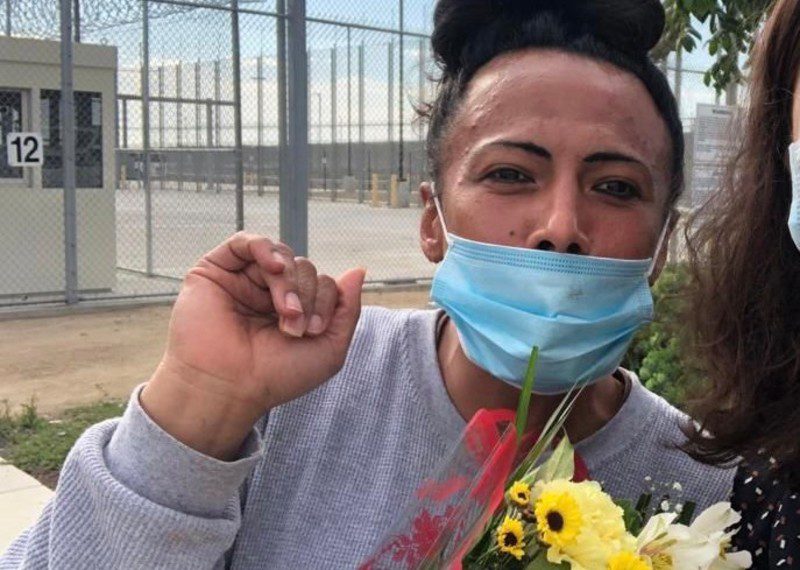
Maura Martínez. Photo: The National Immigrant Justice Center.

Nicaragua: After more than two years locked up in an immigration detention facility in California where she was abused and denied access to adequate medical care, Maura Martínez, a transgender woman originally from Nicaragua, was finally freed in July.  Martínez had spent half her life in the United States where she sought safety after experiencing relentless gender-based violence while living in Mexico. However, after a legal incident, US authorities detained and threatened to deport her. Thanks to a global campaign by Amnesty International and partner organizations, she is now free and able to live in the USA while she awaits the adjudication of her asylum claim.
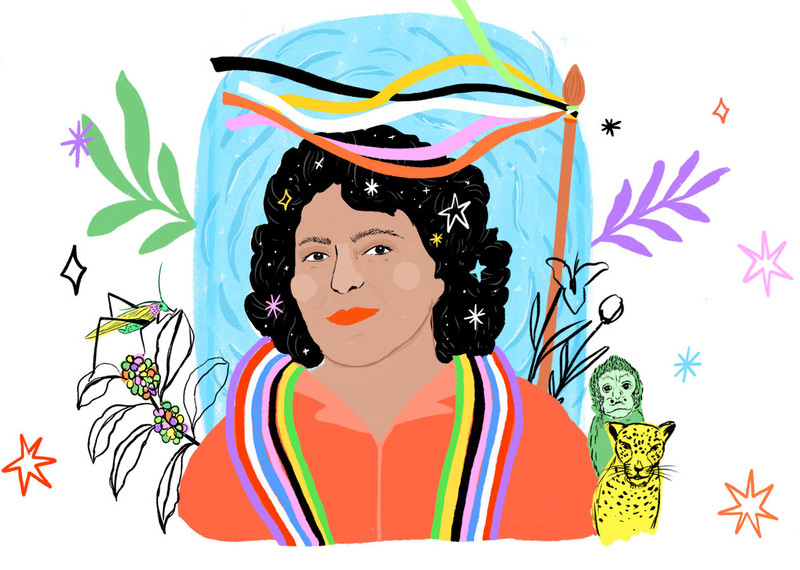
Human rights defender, Berta Caceres. Photo: Amnesty International / Camila Villota B.

Honduras: On 5 July 2021, a court in Honduras convicted David Castillo, the former manager of the company Desarrollos Energéticos and the person in charge of the Agua Zarca hydroelectric project, of participating in the 2016 murder of the human rights defender Berta Cáceres. Amnesty International has campaigned for justice for Berta for years and continues to demand that all those responsible for ordering or carrying out her murder face justice.

Denmark: In early 2021, the Danish government proposed a draft law to parliament granting police the power to issue a “security-creating assembly ban” if a group of people exhibited “insecurity-inciting behaviour”. Amnesty Denmark and partners successfully prevented the Danish government from passing the law, which would have put undue restrictions on the right to protest. They won the Civic Pride Award 2021 for their campaigning. Another award winner was Amnesty Hungary, which campaigned against the abusive and stigmatising LexNGO law, as part of the Civilisacion coalition. Over 3 years, the coalition fought LexNGO, taking the case to the European Court of Justice, which eventually led to the repeal of the law.

Sierra Leone: After years of sustained campaigning from Amnesty International and others, the parliament voted to abolish the death penalty in Sierra Leone for all crimes. The Act, approved by parliament in July, was being finalised before President Julius Maada Bio can sign it into law. The process of commuting all outstanding death sentences has already begun. As of 30 June 2021, 21 countries in Sub-Saharan Africa had abolished the death penalty for all crimes.

Young activists from Latin America discuss sexual and reproductive rights as part of the human rights education programme, It's My Body!. Photo: Amnesty International.

Latin America: Amnesty International celebrated the achievements of its five-year human rights education programme, It’s My Body!, which set out to educate young people in Argentina, Chile and Peru about sexual and reproductive rights, enabling them to make positive changes in their community. Hundreds of young people were trained to provide support to others and the impact has been incredible. In Argentina, one young person successfully reformed a school curriculum to include comprehensive sexuality education, while in Peru, young people who took part in the project trained parents and teachers across the country.

USA: After the previous US federal administration carried out 13 executions in six months, on 1 July 2021, the US Attorney General Merrick Garland announced the establishment of a moratorium on executions pending the review of policies and procedure by the Department of Justice. Amnesty International has been one of the organizations campaigning for this outcome and will continue to work until this temporary measure is turned into permanent abolition of the US federal death penalty [and all death sentences are commuted.

August
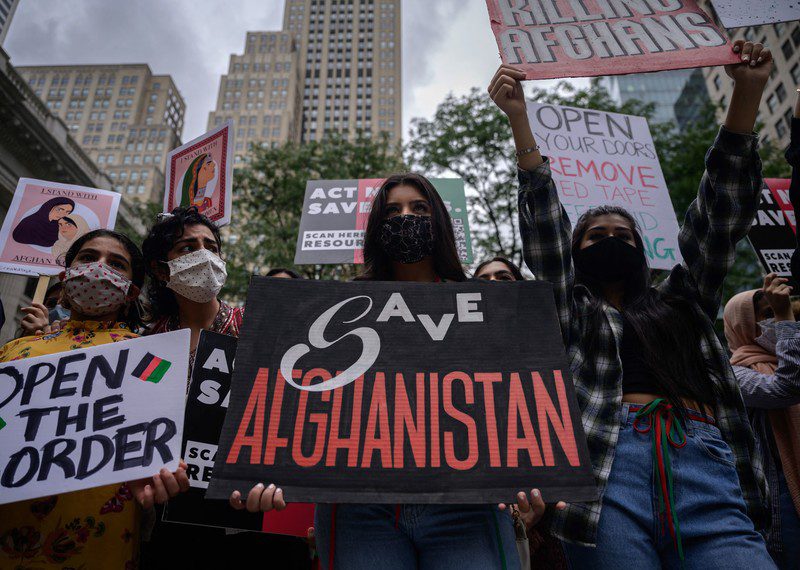
Members and supporters of New York's Afghan community raise awareness of Afghanistan's refugee crisis following the Taliban takeover. <br>Photo: ED JONES/AFP via Getty Images.

Afghanistan: Following the collapse of the Afghanistan government after the Taliban seized power in mid-August 2021, Amnesty International researchers continue to investigate atrocities committed by the group and were able to verify two massacres of Hazara people in the provinces of Ghazni and Daykundi by Taliban fighters. These reports were among the first evidence that the Taliban continued to persecute marginalized communities in Afghanistan as they took control of the country. Amnesty International also published powerful testimony from girls who were excluded from school, amidst ongoing Taliban threats and violence.

September

Guinea: After months of campaigning from Amnesty International and its supporters, pro-democracy activist Omar Sylla was unconditionally released on 6 September, the day after the military led a coup against President Alpha Conde. Following his release, dozens of political activists were also released and charges were dropped by the judiciary.

Tunisia: Research by Amnesty International helped to end the practice of arbitrary travel bans imposed on many Tunisians following President Kais Saied’s seizure of exceptional powers. After Amnesty published a story on the situation, the president issued a statement on 17 September ordering the border police “not to impose any travel ban on people unless through a judicial order”.
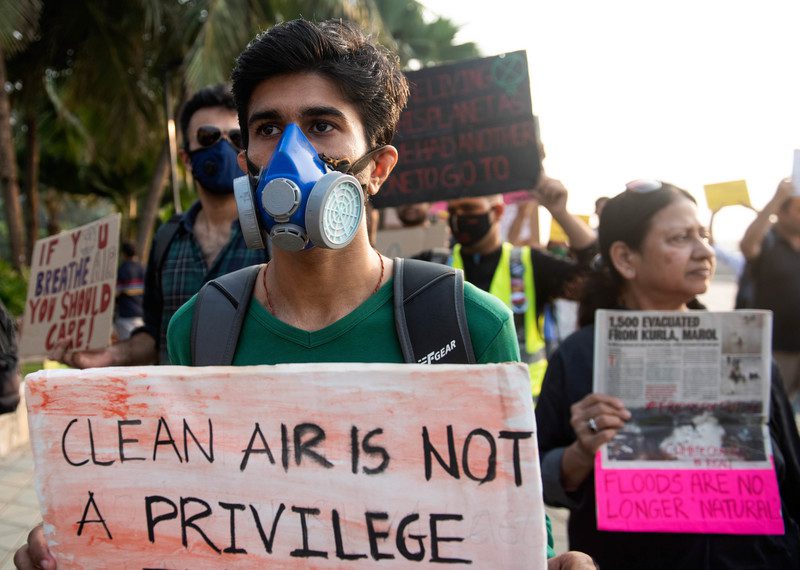
People from Mumbai, India, take part in a climate strike. Photo: Hindustan Times via Getty Images.

Global: Following years of advocacy, pressure and engagement from Amnesty International, the Human Rights Council recognized the Right to a Safe Clean Healthy and Sustainable Environment and created a Special Rapporteur on Human Rights and Climate Change – an emphatic statement leading up to COP26 about the link between human rights and the environmental crisis.  

Central African Republic: Two men suspected of crimes against humanity Mahamat Said Abdel Kani and Eugene Barret Ngaikosset were finally arrested, with Ngaikosset placed in custody by the Special Criminal Court (SCC). It was the first time the SCC publicly named a suspect and it came after Amnesty International called for the SCC to address its lack of transparency. Amnesty International has been advocating for justice for war crimes and crimes against humanity committed in CAR for a number of years and our work – together with others – contributed to these two individuals being arrested.

October
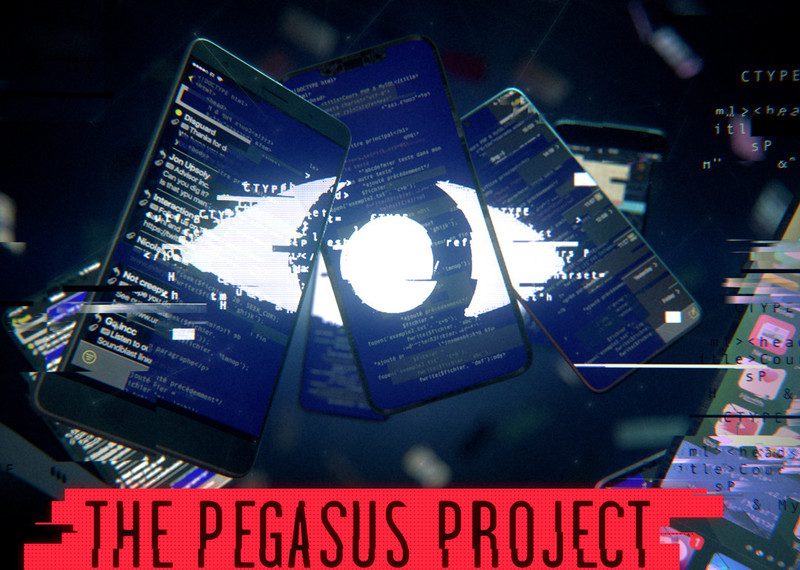
The Pegasus Project. Photo: Forbidden Stories.

Global: The European Parliament’s Daphne Caruana Prize for Journalism was awarded to the Pegasus Project, which saw Amnesty partner with major media organizations to expose the vast scale of violations perpetrated through secretive cyber surveillance. The revelations made global headlines and led to spyware company NSO Group being blacklisted by the USA, as well as triggering investigations in multiple countries, and calls for the surveillance industry to be properly regulated.

Moldova: The parliament of Moldova ratified the Council of Europe Convention on the Prevention and Suppression of Violence against Women and Domestic Violence (Istanbul Convention), opening the door to better protection and support to survivors of domestic violence and violence against women. According to the Moldovan government, the country has already adapted more than 20 legislative acts to meet the requirements of the convention. To date, the only other country in Eastern Europe and Central Asia to ratify the convention, in addition to Moldova, is Georgia. Amnesty has been actively promoting women’s rights and the fight against domestic violence for years.

Kosovo: Following an intervention from Amnesty International, Austrian-based Kelkos Energy withdrew its baseless defamation lawsuits against environmental activists Shpresa Loshaj and Adriatik Gacaferi, who had publicly raised concerns about the environmental impact of hydropower projects. Austrian-based Kelkos Energy was using these lawsuits to intimidate and silence Shpresa and Adriatik from speaking out about the possible environmental damage caused by the company’s exploitation of Kosovo’s natural resources.
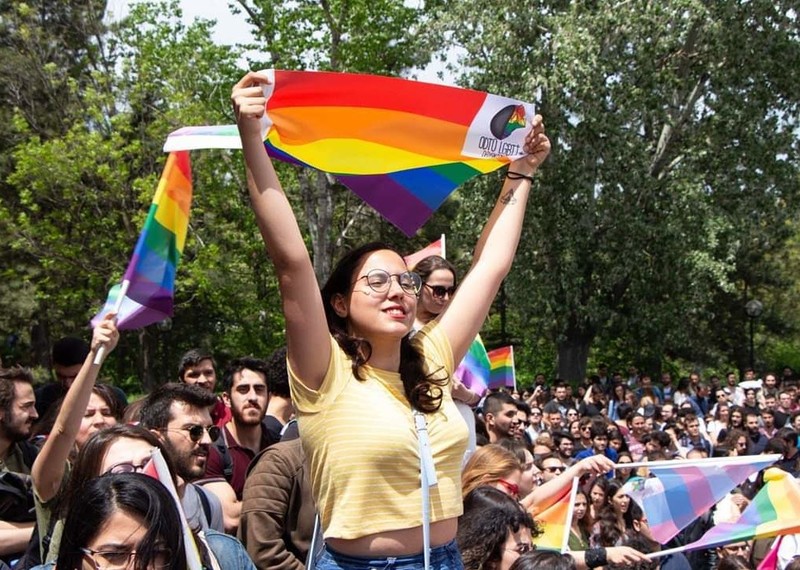
The case of the METU students was part of Amnesty International’s flagship Write for Rights campaign in 2020. Photo: ODTU LGBTI+.

Turkey: A court acquitted 18 students and an academic who had been prosecuted for taking part in a peaceful campus-based Pride parade in Ankara in May 2019, which was met with police using pepper spray, plastic bullets and tear gas. Their acquittal after a protracted legal battle was a victory for justice. The case of the METU students was part of Amnesty International’s flagship Write for Rights campaign in 2020. More than 445,000 people from 43 countries demanded their acquittal.

Global: Following pressure from Amnesty’s international and partner organisations, the Executive Office of the UN Secretary-General announced plans to mainstream children’s rights within the UN system. The announcement followed a successful UN side-event organised jointly by Amnesty International and its partners, featuring an address by Amnesty’s Secretary General, Agnes Callamard.

November

Guinea Bissau and Niger: Guinea Bissau and Niger declared they would allow individuals and NGOS to submit complaints to the African Court on Human and Peoples’ Rights, bringing the number of countries to sign the declaration to eight. Amnesty’s advocacy campaign was pivotal, thanks to its educational video, social media campaign and sustained engagements with African Union actors and civil society groups.

The post 33 human rights wins to celebrate this year appeared first on Amnesty International.

Afghanistan: Survivors of gender-based violence abandoned following Taliban takeover – new research

Essential services for women and girl survivors of gender-based violence in Afghanistan have been decimated following the Taliban’s takeover of the country, Amnesty International said today.

In 26 new interviews, survivors and service providers told Amnesty International that the Taliban closed shelters and released detainees from prison, including many convicted of gender-based violence offences. 

Many survivors – as well as shelter staff, lawyers, judges, government officials, and others involved in protective services – are now at risk of violence and death. 

Women and girl survivors of gender-based violence have essentially been abandoned in Afghanistan

Agnès Callamard, Amnesty International Secretary General

“Women and girl survivors of gender-based violence have essentially been abandoned in Afghanistan. Their network of support has been dismantled, and their places of refuge have all but disappeared,” said Agnès Callamard, Amnesty International’s Secretary General.

“It defies belief that the Taliban threw open prison doors across the country, with no thought of the risks that convicted perpetrators pose to the women and girls they victimized, and to those who worked on survivors’ behalf.

“To protect women and girls from further violence, the Taliban must allow and support the reopening of shelters and the restoration of other protective services for survivors, reinstate the Ministry of Women’s Affairs, and ensure that service providers can work freely and without fear of retaliation.” 

Amnesty International is calling on the international community to provide immediate and long-term funding for such protective services, evacuate survivors and service providers facing imminent danger, and urge the Taliban to uphold their obligations to women and girls, particularly those who survive or are at risk of gender-based violence.

On 26 and 29 November, Taliban spokesperson Suhail Shaheen told Amnesty International via telephone: “There is no place for violence against women and girls, according to the rules of Islam… The women facing domestic violence can be referred to the courts, and the courts will hear their cases… and their grievances will be addressed.”

Amnesty International interviewed survivors and individuals involved in protective services in the provinces of Badghis, Bamiyan, Daikundi, Herat, Kabul, Kunduz, Nangarhar, Paktika, Sar-e Pul, and Takhar.

Collapse of the system

Before the Taliban’s takeover, many women and girl survivors had access to a nationwide network of shelters and services, including pro-bono legal representation, medical treatment, and psychosocial support. 

Survivors were referred into the system from provincial and capital offices of the Ministry of Women’s Affairs and the Human Rights Commission, as well as from shelters, hospitals, and police stations across the country. 

The system was far from perfect, but served thousands of women each year in Afghanistan, where nine out of 10 women experience at least one form of intimate partner violence in their lifetime, according to UNAMA.

According to service providers, the most common cases of gender-based violence involved beating, rape, other forms of physical and sexual violence, and forced marriage. Survivors often needed urgent medical treatment.

One service provider who was based in Nangargar said: “[The cases] were very extreme. We had a case where a man took the nails off his wife’s fingers… [One] man took a crowbar and peeled off his wife’s skin… There was one woman who faced a lot of abuse from her family. She couldn’t even use the bathroom anymore.”

As the Taliban took control of Afghanistan, the system of protective services collapsed. Shelters were closed, and many were looted and appropriated by members of the Taliban. In some cases, Taliban members harassed or threatened staff.

My brother is my enemy, and my husband is my enemy

Zeenat*

As shelters closed, staff were forced to send many women and girl survivors back to their families, and other survivors were forcibly removed by family members. Other survivors were forced to live with shelter staff members, on the street, or in other unsustainable situations. 

Zeenat* was regularly beaten by her husband and brother before she took refuge in a shelter. When the Taliban arrived, she and several other women fled. They are now in hiding. She said: “We came only with the clothes we were wearing. We don’t have a heater, and we go to sleep hungry… My brother is my enemy, and my husband is my enemy. If he sees me and my children, he’ll kill us… I am sure they are looking for me because they know the shelter has closed.”

One shelter director, currently in hiding with some survivors from her shelter, told Amnesty International: “We don’t have a proper place. We can’t go out. We are so scared… Please bring us out of here. If not, then you can wait for us to be killed.” 

Perpetrators freed

As the Taliban advanced, they also systematically released detainees from prisons, many of whom had been convicted of gender-based violence offenses. Testimony from witnesses and others with first-hand knowledge, as well as credible media reporting, indicate that members of the Taliban were responsible. A Taliban spokesperson denied this to Amnesty International, insisting the previous government had opened prisons.  

A legal professional who specializes in gender-based violence said she had been involved in the conviction of more than 3,000 perpetrators of gender-based violence in the year preceding the Taliban’s takeover.

She said: “Wherever [the Taliban] went, they freed the prisoners… Can you imagine? More than 3,000 released, in all the provinces of Afghanistan, in one month.” 

Amnesty International also received credible reports that survivors have also been transferred by the Taliban into the detention system, including to Pul-e-Charkhi prison, near Kabul.

Protectors now in need of protection 

Many working within the system of protective services said that although they faced significant risks before the Taliban’s takeover, their lives are now in greater danger, and they are in desperate need of protection. 

One service provider who was based in Badghis explained: “All of these women who worked on this [the support system] – now we need a shelter… We live each day in anxiety and fear.”

A service provider who was based in Nangarhar said: “I am getting threats from the Taliban, ISIS, perpetrators and the family members… on a daily basis.” 

Another service provider who was based in Bamiyan said: “I was getting three calls each day from men who had escaped the prison. After I received a call from the Taliban as well, I switched to a new number.” 

These women were devastated to see the system they had painstakingly built collapse. A former judge told Amnesty International: “For 20 years, I was working to build everything from scratch – pushing, running, from this office to that office. I was trying to convince everyone, so that we have a framework in place to protect women… It takes a lot of courage, a lot of sacrifice and energy to build something from nothing – and then it becomes nothing again.” 

“We are not safe anywhere anymore” 

There is nowhere to turn for women and girls who have faced violence since the Taliban’s takeover. One psychologist who worked with gender-based violence survivors in Kabul told Amnesty International: “The Taliban doesn’t have any procedure of how to deal with these cases.”

A prosecutor for cases involving gender-based violence explained: “In the past, women could go to the Ministry of Women’s Affairs. They could go alone and report their case. But now that women are not allowed to go anywhere without a mahram [male guardian], this will make it really complicated.” 

Fariha* was regularly beaten by her husband and his relatives. She said: “[My husband] would pick up whatever he could find, and he would hit me with it… Whenever he beat me, his family would get together and watch… It happened almost every day… The first time he beat me with a wire… I had bruises all over my body. My hands and my nails were scratched, all of them. After that, he beat me from my waist down only. He’d tell me, ‘I will hit you in these places [your genitals and buttocks] that won’t be seen’.”  

Fariha was nine months pregnant when she spoke to Amnesty International, and desperately seeking a safe place to live. She added: “Before, there was a shelter, and I went to that place. I requested that they take me in. They said it’s not running now, and we can’t accept any new cases… There are no options for me.” 

Adilia* was forced to marry an 80-year-old man at age seven. She said: “I spent a year living with him, and he beat me every single day, saying, ‘Why are you not getting pregnant?’” 

Adilia fled, but was remarried and regularly subjected to beating and other forms of violence and abuse by her second husband and his relatives. When she spoke with Amnesty International, she had recently been transferred to one of the few shelters still in operation in Afghanistan. 

She said: “We are very scared now… For how long are we going to stay? The Taliban came to the shelter at 12am, at 1am, and many times during the day. We told [them] this is a safe place for us, but they wouldn’t believe us… We are not safe anywhere anymore.” 

Methodology

From 26 October to 24 November 2021, Amnesty International conducted telephone interviews with six survivors and 20 individuals involved in the system of protective services, including shelter directors and staff, prosecutors, judges, psychologists, doctors, and representatives of the Ministry of Women’s Affairs. 

Amnesty International also interviewed 18 local activists, journalists, representatives of NGOs and the United Nations, and other experts on gender-based violence in Afghanistan. 

Note: *Names have been changed to protect identities.

The post Afghanistan: Survivors of gender-based violence abandoned following Taliban takeover – new research appeared first on Amnesty International.