Ultimate Vegan Guide to the Curly Girl Method

There’s no better time to experiment with new beauty routines than when you’re social distancing, and the Curly Girl Method has been gaining popularity for just that reason. This tried-and-true method helps you get hydrated hair, defined curls, and frizz-free locks. The key is to avoid any products that contain ingredients such as sulfates, silicones, and drying alcohols, which can strip hair of natural oils and lead to buildup. While there are tons of products approved for the Curly Girl Method that you could use, not all of them are cruelty-free (vegan and animal test–free). So we did some research to find some that are as good for animals as they are for your hair.

Tip: Always make sure to check the ingredients before you purchase any product, as they may change.

Here are some cruelty-free products for the Curly Girl Method:

Sulfate-Free Shampoo

Sulfates are common ingredients in many shampoos, but they’re way too harsh for curly or wavy hair, which is often dry and prone to breakage. They also strip the scalp of natural oils, peptides, and proteins that help keep hair healthy. These cruelty-free shampoos are also sulfate-free, so they will give your hair a gentle cleanse. How often you use shampoo can vary according to your hair type, anywhere from twice a week to once every two weeks.

ACURE Wave & Curl Color Wellness Shampoo

AG Hair Natural Balance Apple Cider Vinegar Sulfate-Free Shampoo

Desert Essence Organics Red Raspberry Shampoo

Conditioner

Co-washing, or conditioner washing, is a staple of the Curly Girl Method. You simply skip the shampoo and wash your hair and scalp with a cleansing conditioner. Again, your hair type will determine how often you need to co-wash.

As I Am Jamaican Black Castor Oil CoWash

Nubian Heritage Indian Hemp Vegan Co-Wash

Love Beauty and Planet Coconut Milk & White Jasmine Divine Definition Conditioner

Deep Conditioner

Maintaining luscious curls is all about keeping your hair moisturized. A good deep conditioner will help keep your hair frizz-free and define your curls. Follow this step once a week or so—more often if your curls are looking thirsty.

AG Hair Nourish Mask Snow Mushroom Deep Conditioning

As I Am Hydration Elation Intensive Conditioner

Jessicurl Deep Conditioning Treatment

Leave-In Conditioner and Serums

For even more hydration, use a leave-in conditioner or serum. A lightweight one is great for layering under your other styling products. When looking for a vegan leave-in conditioner, avoid any that contain lanolin—this animal-derived ingredient comes from the grease in sheep’s wool.

Giovanni Direct Leave-In Weightless Moisture Conditioner

AG Hair Coco Nut Milk Conditioning Spray

Franklin & Whitman Bella Vista Hair Serum

Curl Cream and Mousse

Creams and mousses help define curls and prevent frizz after styling. They’re also great when your hair is in need of a refresh between washes. Some curl creams may contain beeswax, which is stolen from the hives of bees, who work hard to produce it.

Pacifica Pineapple Swirl Curl Defining Cream

Noughty Wave Hello Curl Defining Taming Cream

Giovanni Mousse Air-Turbo Charged Hair Styling Foam

Styling Gel

A styling gel will help curls maintain their shape throughout the day. Rats, mice, rabbits, and other animals didn’t suffer for these products—and one of them can even be made at home!

Aussie Instant Freeze Gel

Andalou Naturals Sunflower & Citrus Brilliant Shine Styling Gel

DIY Flax Seed Hair Gel

Satin Pillowcase or Sleep Cap

To keep your curls safe through the night, a satin pillowcase or sleep cap is a must. Always avoid silk, which is obtained by boiling worms alive in their cocoons.

Bedsure Satin Pillowcase

FocusCare Satin Lined Sleep Slouchy Cap


When you’re searching for other products on your Curly Girl Method journey, here are some other animal-derived ingredients that you should avoid: honey, collagen, gelatin, elastin, keratin, silk proteins, carmine, oleic acid, squalene, guanine, casein, and nonvegetable glycerin. Be sure to buy from companies that don’t test on animals:

Search Our Database of Cruelty-Free Companies

Note: PETA participates in the Amazon Services LLC Associates Program, an affiliate advertising program designed to provide websites with a means to earn advertising fees by advertising and linking to Amazon.com.

The post Ultimate Vegan Guide to the Curly Girl Method appeared first on PETA.
New Jersey Racing Commission Shows Up All Others, Passes Whipping Ban

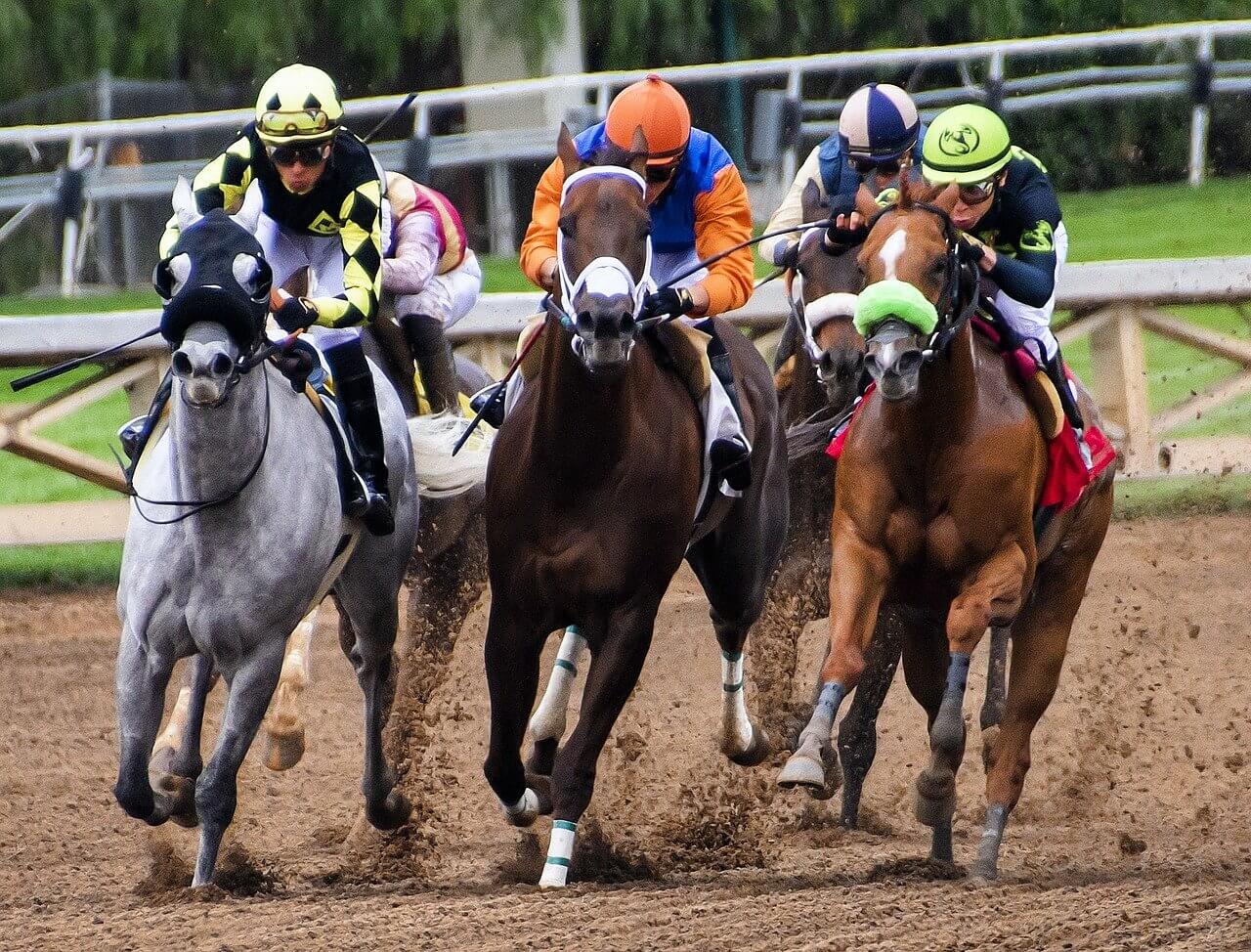
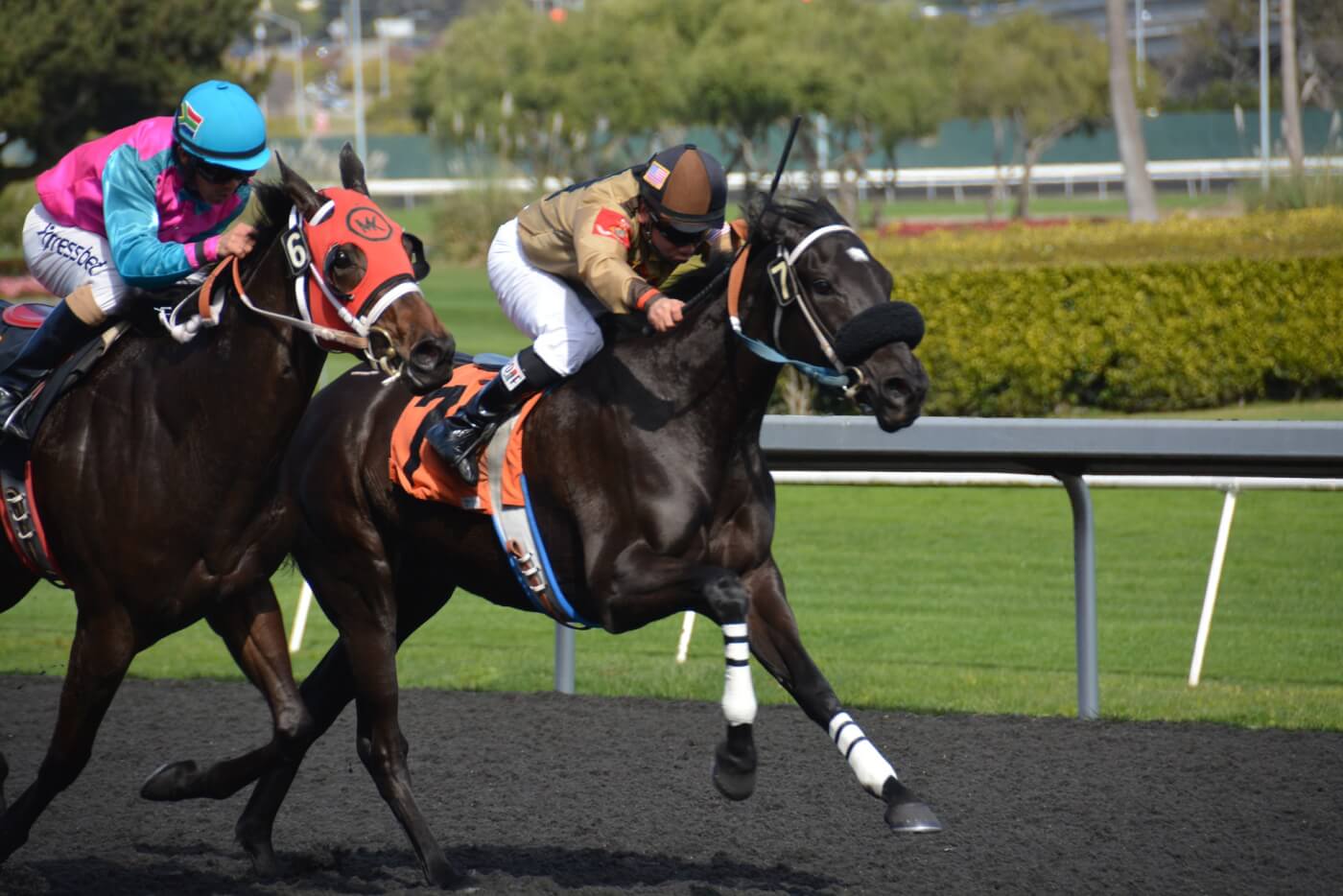
Things just got a little more hopeful for horses forced to race in the Garden State: On Wednesday, following years of pressure on the racing industry from PETA and our supporters, the New Jersey Racing Commission (NJRC) passed new rules prohibiting jockeys from whipping a Thoroughbred or Standardbred, except in an emergency. The new rules make New Jersey the first U.S. state to ban whipping to make horses go faster. Whipping will not be allowed at all “except for the express purpose of … safety”—meaning that the state has surpassed even California for the strictest whip regulation in the country.

horseracing jockeys with whips

The ban, which will go into effect next year, was approved by a unanimous vote—even after the Jockeys’ Guild (which represents the interests of U.S. jockeys) and the operator of Monmouth Park expressed their opposition. Per the new rules, riders who do whip a horse “to achieve a better placing” (which researchers have proved doesn’t work) can be fined, suspended, and forced to forfeit their share of the purse.

Kentucky Derby Bettors, horse racing

During races in many states, jockeys routinely strike thoroughbreds 15 to 20 times before they cross the finish line. In the 2015 Kentucky Derby, American Pharoah was whipped a staggering 32 times by jockey Victor Espinoza. PETA filed a complaint, and this year, the Kentucky Horse Racing Commission enacted a rule limiting jockeys to six strikes total. Now, Kentucky needs to catch up with New Jersey.

In a world that increasingly refuses to tolerate abuse, the ban is a smart move on the NJRC’s part. Bettors and other spectators don’t want to see horses being mercilessly whipped by jockeys in a vain attempt to win a race and some prize money. The commission even acknowledged public objections as a reason for the ban:

“The proposed repeal and new rules are of the utmost importance in adapting the industry to avoid the currently negative public perception of whipping a horse,” the NJRC said in a statement.

PETA has been calling for something like this ban for more than a decade. Now, we’re urging every other racing jurisdiction that hasn’t already instituted such a ban to follow suit—because beating horses to make them run faster should never be allowed.

Horses Deserve Better!

Any racing jurisdiction that hasn’t banned whipping is arguing to be allowed to abuse horses, and state legislators must not stand for it. PETA certainly won’t. Click below if you’re with us:

Take Action for Horses

The post New Jersey Racing Commission Shows Up All Others, Passes Whipping Ban appeared first on PETA.

PETA Seizes 22 Big Cats From Tim Stark’s Roadside Zoo ‘Wildlife in Need’

As a result of PETA’s successful Endangered Species Act (ESA) lawsuit against Wildlife in Need and its operators—Tim Stark of Tiger King and his ex-wife, Melissa Lane—22 tigers, lions, and tiger/lion hybrids made it out of the now-defunct roadside zoo today. All were transported to The Wild Animal Sanctuary in Colorado and the Turpentine Creek Wildlife Refuge in Arkansas.

U.S. Marshals provided security for the operation, which went smoothly despite threats made by Stark in ranting videos he posted to Facebook. In addition to suggesting that his supporters obstruct animal transport vehicles, he identified a PETA attorney by name, brandished a rifle, and indicated that he was “taught to shoot and kill” people like those at PETA. In response, the court ordered Stark to stay at least 2 miles from the property on the day of the transfer.

“Stark’s tiger-terrorizing days are over,” says PETA Foundation Deputy General Counsel for Captive Animal Law Enforcement Brittany Peet, who also appeared in Tiger King. “There were 22 survivors in Indiana of the big cats PETA has worked for years to save, and we’re happy that they will now be able to roam natural terrain, swim safely, and never be exploited again.”

State authorities, along with representatives from the Indianapolis Zoo, removed the other animals from Wildlife in Need earlier this week. Because Stark transferred four young lions to Jeff Lowe—also of Tiger King and the operator of the (also now-defunct) Greater Wynnewood Exotic Animal Park in Oklahoma—the latter was also a defendant in the lawsuit. Any surviving lions transferred to Oklahoma are also subject to the federal court’s orders, and PETA and an accredited sanctuary will soon remove them from Lowe’s property.

Photographs and video footage will soon be available. PETA—whose motto reads, in part, that “animals are not ours to use for entertainment”—opposes speciesism, a human-supremacist worldview. For more information, please visit PETA.org.

The post PETA Seizes 22 Big Cats From Tim Stark’s Roadside Zoo ‘Wildlife in Need’ appeared first on PETA.

VICTORY! Tim Stark’s ‘Wildlife in Need’ Is Now Free of Wildlife in Need

BREAKING: It’s game over for former tiger terrorizer Tim Stark! Earlier today, PETA, The Wild Animal Sanctuary in Colorado, and the Turpentine Creek Wildlife Refuge in Arkansas removed 22 tigers, lions, and tiger/lion hybrids from Indiana’s Wildlife in Need (WIN), which was operated by Tiger King villain Stark and his ex-wife, Melissa Lane. The rescue follows an order in PETA’s successful Endangered Species Act lawsuit against the now-defunct roadside zoo.

U.S. Marshals provided security for the operation, which went smoothly despite threats made by Stark in ranting videos he posted to Facebook. In addition to suggesting that his supporters obstruct animal transport vehicles, he identified a PETA attorney by name, brandished a rifle, and indicated that he was “taught to shoot and kill” people like those at PETA. In response, the court ordered Stark to be at least 2 miles from the property on the day of the transfer.

Here at PETA, we’re celebrating the new life that awaits these 22 survivors, who will at last be able to roam natural terrain, swim when they choose to, and never be terrorized by Tim Stark again.

In addition to the 22 rescued big cats, state authorities and representatives from the Indianapolis Zoo removed even more animals from WIN this week. Stark was since accused of hiding some of these animals from officials, which led to an Indiana judge issuing a warrant for his arrest. He is now wanted by local law enforcement and reportedly on the run.

Because Stark transferred four young lions to Jeff Lowe—also of Tiger King and operator of the now-defunct roadside zoo Greater Wynnewood Exotic Animal Park—the latter was also a defendant in PETA’s lawsuit. Lions remain at the former Oklahoma tourist trap, and PETA is working with an accredited sanctuary to ensure that they get to enjoy their best lives, too.

This victory serves as a warning to the entire big-cat cub-petting industry: Its days are numbered. Nonetheless, just as we couldn’t have rescued these 22 big cats without your help, we need your continued support. Please help PETA get more animals out of the hands of other cruel exhibitors:

Take Action to Help Animals in Roadside Zoos

The post VICTORY! Tim Stark’s ‘Wildlife in Need’ Is Now Free of Wildlife in Need appeared first on PETA.