29 Animal-Friendly Movies Teachers Can Stream Right Now—at Home or in the Classroom

As a result of the social distancing and self-isolation measures put in place in March, most of us have been spending a lot more time at home—which means coming up with creative, relaxing, or productive activities that don’t involve going out. Streaming movies is one good option, but it’s even better if they inspire you to take action for animals—because we could all use a little inspiration right about now.

Streaming animal-friendly movies can come in handy beyond filling your spare time, though. As many schools have shifted to entirely virtual teaching environments, educators have had to keep up with the changing times and move their classes and curricula to online formats. Using movies as part of a lesson plan on animal rights is an entertaining and effective way to keep students engaged from home while also instilling compassion for animals.

help animals online with peta rapid action pages© iStock.com/Tempura

Whether you’re looking for a compassion-promoting and educational film to watch on a night off or you’re on the hunt for something to share with your students, look no further—we’ve got you covered. And all the animal-friendly films on this list are available to stream online immediately, either for free or on one or more popular subscription sites, so start browsing! (If you don’t have the streaming service on which a movie is available, you can often rent it online through Amazon, YouTube, iTunes, or other services.)

Note for teachers: As always, use your own discretion when sharing any content with your students. You know them better than we do, so while we offer suggestions for grade-level suitability based on ratings and subject matter, we also recommend checking these films out for yourself before presenting them to a class.

If you’d like to engage students further after screening any of the films below, work with the general discussion questions at the end of each section (or use your own unique variations on them). Using follow-up questions as a written assignment or as part of a group discussion can encourage students to think critically about the film’s plot, themes, or purpose as they relate to animal rights and help them better comprehend the material.

Read on to find the best animal-friendly movies that are streaming right now so you can enjoy them on your own or with your students.

Family Movies for Younger Children

The following films, almost all of which are animated, are great for younger kids, as they have underlying themes of compassion for animals without too much tension or violence. Recommended for grades K–6.

Babe: This cute movie investigates the rights, emotions, and sensitivities of animals while questioning why humans love some animals but slaughter others. Stream it on HBO NOW. (Rated G)

Bambi: This movie highlights the many interesting animals who live in the forest and reveals in a kid-friendly way how devastating some actions taken by humans—like hunting—can be for others. Stream it on Disney+. (Rated G)

Charlotte’s Web: Here’s another movie that highlights what a pig has to do in order to avoid being slaughtered. Like Babe, this adaptation of E.B. White’s classic children’s novel questions why humans love some animals but slaughter others. Stream it on Hulu. (Rated G)

Chicken Run: Claymation chickens fight to escape from the prison-like farm where they’re destined to be killed. Stream it on Hulu. (Rated G)

Finding Nemo: This movie shows how similar other animals are to humans. It lets us know that fish have feelings and want to live in nature with their families, not swimming in circles inside a tank or killed for food. Stream it on Disney+. (Rated G)

Free Willy: This family-friendly classic is about a boy fighting to free an orca from captivity and give him a better life. Stream it on Hulu. (Rated PG)

Happy Feet: Mumble the penguin is considered the odd one out by his family because he can’t sing like the rest of the penguins—but he still wants to be with them in nature instead of stuck inside a small tank with nothing to do. Stream it on Vudu. (Rated PG)

Horton Hears a Who!: Dr. Seuss’ story encourages compassion for all sentient living beings—no matter how small they are. Stream it on Hulu. (Rated G)

The Secret Life of Pets: This fun animated film is, in part, about the sorts of things homeless animals resort to when they have to look out for themselves. It can help you teach students the important message that animals should be adopted rather than purchased from a pet store or a breeder. Stream it on Netflix. (Rated G)

Spirit—Stallion of the Cimarron: In this Oscar-nominated animated film, Spirit is a mustang who gets wrangled by horse-herders trying to “break him” so that they can ride him and use him in other ways. It can help kids understand that horses have feelings and wants. Stream it on Hulu. (Rated G)

Follow-Up Questions:

  1. What is the main message of the movie? Do you agree or disagree with it?
  2. What is the relationship between the human and animal characters in the film?
  3. Were any animal characters treated poorly by others in the film? Give one example, and explain how the character(s) should have been treated instead.
  4. Can you name three qualities that one of the animal characters in the film shares with members of their species in real life?
  5. What feelings, needs, or wants do you have in common with animal characters in the film? Give three examples.

Family Movies for Older Students

The following films are animal-friendly and deal directly with animal rights issues through their storylines. They deal with more mature themes and are rated for older viewers. Recommended for grades 7–12.

Legally Blonde 2: When Elle Woods learns that the mother of her beloved Chihuahua is trapped in a cruel laboratory, she goes to Washington, D.C., to fight the animal experimentation industry. Stream it on Hulu. (Rated PG-13)

Okja: Jake Gyllenhaal plays a deranged zookeeper in Okja, which has been referred to as “the world’s first vegetarian action movie.” Stream it on Netflix. (Rated R)

Rise of the Planet of the Apes: This sci-fi gem looks at the horrors of animal experimentation, the exotic-pet trade, and the suffering of wild animals in captivity. Stream it on Hulu. (Rated PG-13)

Follow-Up Questions:

  1. What is the relationship between humans and animals in this film? Describe at least one positive and one negative relationship or dynamic.
  2. What was the main source of conflict or tension throughout the film?
  3. Even though the animal characters in (some of) the film(s) were personified to take on some human qualities, they retain some animal characteristics. Which qualities do the animal characters possess that are also shared by members of their species in real life?
  4. How does this film relate to animal rights? Were the animal characters in the film treated fairly?
  5. After viewing this film, do you feel that animals deserve rights? Cite details from the film to support your view.

Animal Rights Documentaries

The following films are all documentaries covering different aspects of the animal rights movement. Most deal with more mature topics and themes and are rated for older viewers. Therefore, it’s suggested that you watch these on your own or share them with students in higher grades. Recommended for grades 7–12.

The Animal People: PETA supporter Joaquin Phoenix is the executive producer of this film, which tells the true story of six animal activists who were targeted by the FBI for exposing one of the world’s largest animal-testing labs. Stream it on Netflix. (Not Rated)

Blackfish: This documentary made international headlines for its gripping investigation into the death of orca trainer Dawn Brancheau and SeaWorld’s systemic abuse of orcas and other marine mammals. Stream it on Hulu. (Rated PG-13)

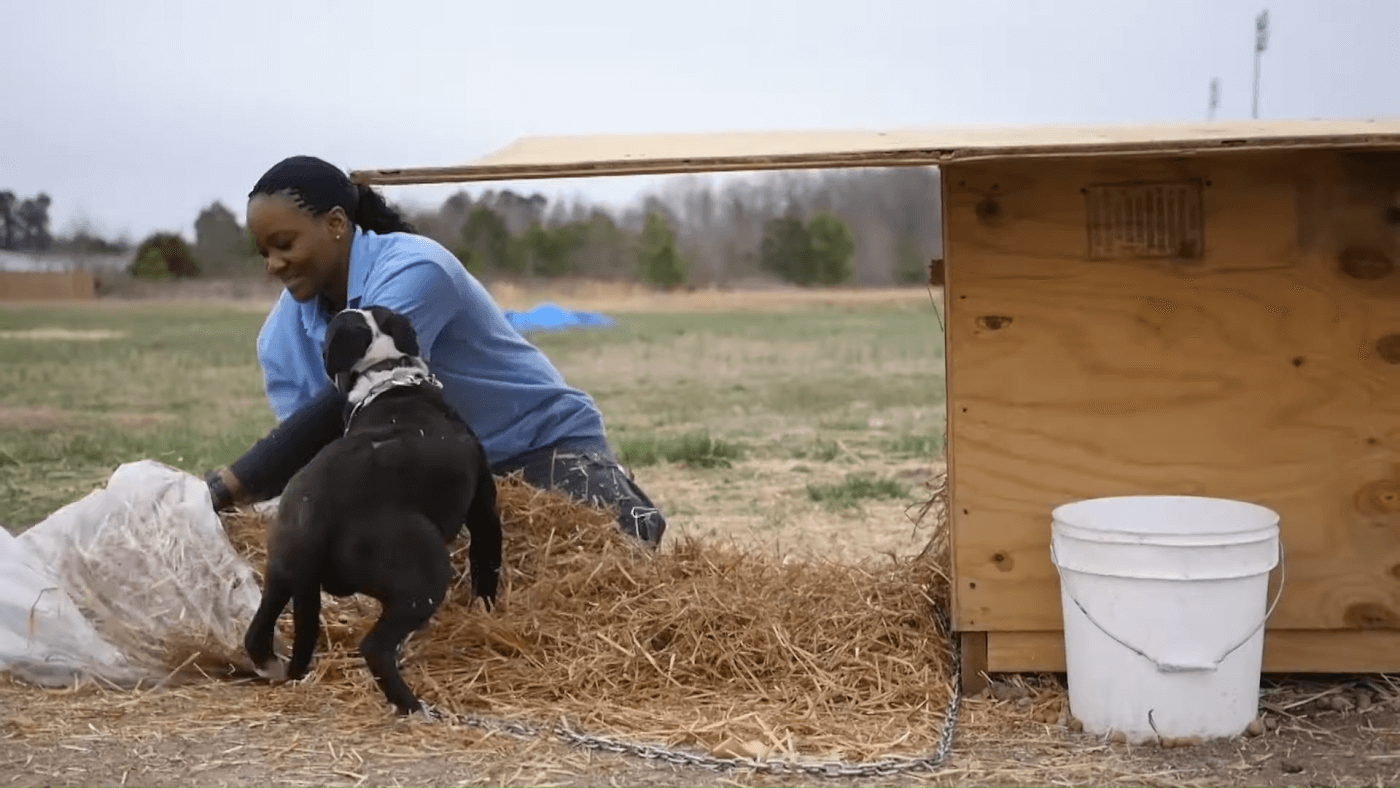
Breaking the Chain: This exceptional documentary introduces some of the dogs, cats, and others caught in the national companion animal neglect and overpopulation crisis. You’ll also meet PETA’s dedicated fieldworkers, who respond to calls for help around the clock and in all weather extremes. Stream it on Amazon Prime or VUDU. (Not Rated)

The Cove: This Oscar-winning film turns a critical eye on dolphin-hunting traditions and investigates the annual dolphin slaughter in Taiji, Japan. Stream it on STARZ. (Rated PG-13)

The Elephant in the Living Room: This is a fascinating documentary about a subculture of Americans who keep exotic animals captive and the law-enforcement authorities who deal with these cases. Stream it on Hulu, Sling TV, STARZ, or Vudu. (Rated PG)

Tyke Elephant Outlaw: Twenty-six years ago, an elephant named Tyke—who could no longer take the abuse that she experienced in the circus—crushed her trainer and escaped from a Honolulu arena. This riveting documentary tells her story. Stream it on Netflix. (Not Rated)

Vancouver Aquarium Uncovered: This hard-hitting documentary calls out the Canadian facility for its duplicitous claims, conflicts of interest, and culpability in beluga mortality. Stream it for free on YouTube. (Not Rated)

Follow-Up Questions:

  1. What do you think was the filmmakers’ purpose for making this film?
  2. Describe three things that you learned about animals or animal rights by watching the film.
  3. What emotions did you feel while watching it? Describe the scenes that evoked each emotion.
  4. Did your view of any topics change after viewing it? Why or why not?
  5. This film addresses animal exploitation. What industries does it target? How do you think these industries should change to address the issues raised in the film?

Clean Up Your Lifestyle: Go Vegan

Whether you’re talking to your students about the benefits of vegan eating and the environmental havoc that animal agriculture wreaks or just looking to learn a little more about vegan living during your spare time, look no further than these compelling, fact-filled documentaries. Recommended for grades 7–12.

The Beautiful Truth: This documentary takes a fascinating look at a man who goes on a cross-country journey to learn about Gerson Therapy, a plant-based therapy that proposes a dietary cure for cancer. Stream it for free on YouTube. (Not Rated)

COWSPIRACY—The Sustainability Secret: Leonardo DiCaprio is the executive producer of this documentary, which takes on the meat industry—the most environmentally destructive force on the planet today. Stream it on Netflix. (Not Rated)

Fat, Sick & Nearly Dead: This inspirational documentary starts with a road trip across the U.S. to spread the word about juicing and then turns its focus on an overweight truck driver and his subsequent journey to lose weight by drinking fruit and vegetable juices. Stream it for free on YouTube. (Not Rated)

Fed Up: This documentary explains that at the rate at which Americans are currently eating, one out of every three will have diabetes by 2050. It focuses on the obesity epidemic in the U.S. and the negative effects of fast food and sugar. Stream it for free on YouTube. (Rated PG)

Forks Over Knives: This documentary examines the connection between diet and most diseases of affluence and how they can be controlled or even reversed by eating plant-based food. Stream it on Netflix. (Rated PG)

Food, Inc.: This movie takes an in-depth look at America’s food production and the corporations that prioritize profits over welfare and health. Stream it on Hulu. (Rated PG)

The Game Changers: Ultimate Fighting Championship winner and military combat instructor James Wilks embarks on “a quest for the truth” that puts him in touch with top athletes and experts around the world who reveal that the best way to excel in sports—and life in general—is to eat plant-based foods. Stream it on Netflix. (Not Rated)

What the Health: The filmmakers behind the popular documentary Cowspiracy expose a side of the food industry that contributes to and profits from a health epidemic. Stream it on Netflix. (Not Rated)

Also check out Veganflix, a website that curates videos on justice for animals and vegan living.

Follow-Up Questions:

  1. What do you think was the filmmakers’ purpose for making this film?
  2. What are some of the benefits of eating plant-based or vegan? Describe at least three health- or environment-related benefits that you learned about from the film.
  3. How does the film address the treatment of animals in the food industry?
  4. Did your view of plant-based food or vegan living change after viewing it? Why or why not?
  5. How do you think the food industry or individuals should change to address the issues raised in the film?

Viewer Discretion Advised

These last couple of films are both quite graphic and violent in their own ways. One is an actual horror movie, and the other is a documentary proving that for animals, reality is horrific enough. Watch them if you’re looking for a hefty dose of animal rights.

Earthlings: Narrated by Joaquin Phoenix, this extremely moving documentary explores major industries and the ways in which they use and abuse animals. Stream it for free on the film’s website. (Not Rated)

The Texas Chainsaw Massacre: One of the earliest and nastiest looks at meat-eating in modern society, this horror film put humans in the slaughterhouse—and the genre was never the same again. Stream it on Tubi. (Rated R)

*****

As some U.S. schools have shifted to an entirely virtual teaching environment, we know that humane educators can use all the free resources, tips, and tools they can get—and TeachKind has got you covered with lots of online lesson plans, distance-learning tools, and free classroom materials:

Check Out TeachKind’s Virtual Learning Resources for Grades K–12

The post 29 Animal-Friendly Movies Teachers Can Stream Right Now—at Home or in the Classroom appeared first on PETA.

9 Eye-Opening Takeaways From ‘Breaking the Chain’

If you’re as much of a sucker for tearjerkers as I am, you won’t want to miss Breaking the Chain, the new documentary from executive producer Anjelica Huston about PETA’s Animal Rescue Team and its work to help companion animals in impoverished and underserved areas of Virginia and North Carolina. This film doesn’t just tug at heartstrings, though. It also opens eyes to the suffering endured by animals trapped in desperate situations, the challenges faced by PETA’s fieldworkers as they do everything they can to help them, and the ways everyone can make a difference for cats and dogs in their own community.

Here are nine more eye-opening takeaways:

1. Keeping dogs chained or penned outside 24/7 is status quo in some areas.

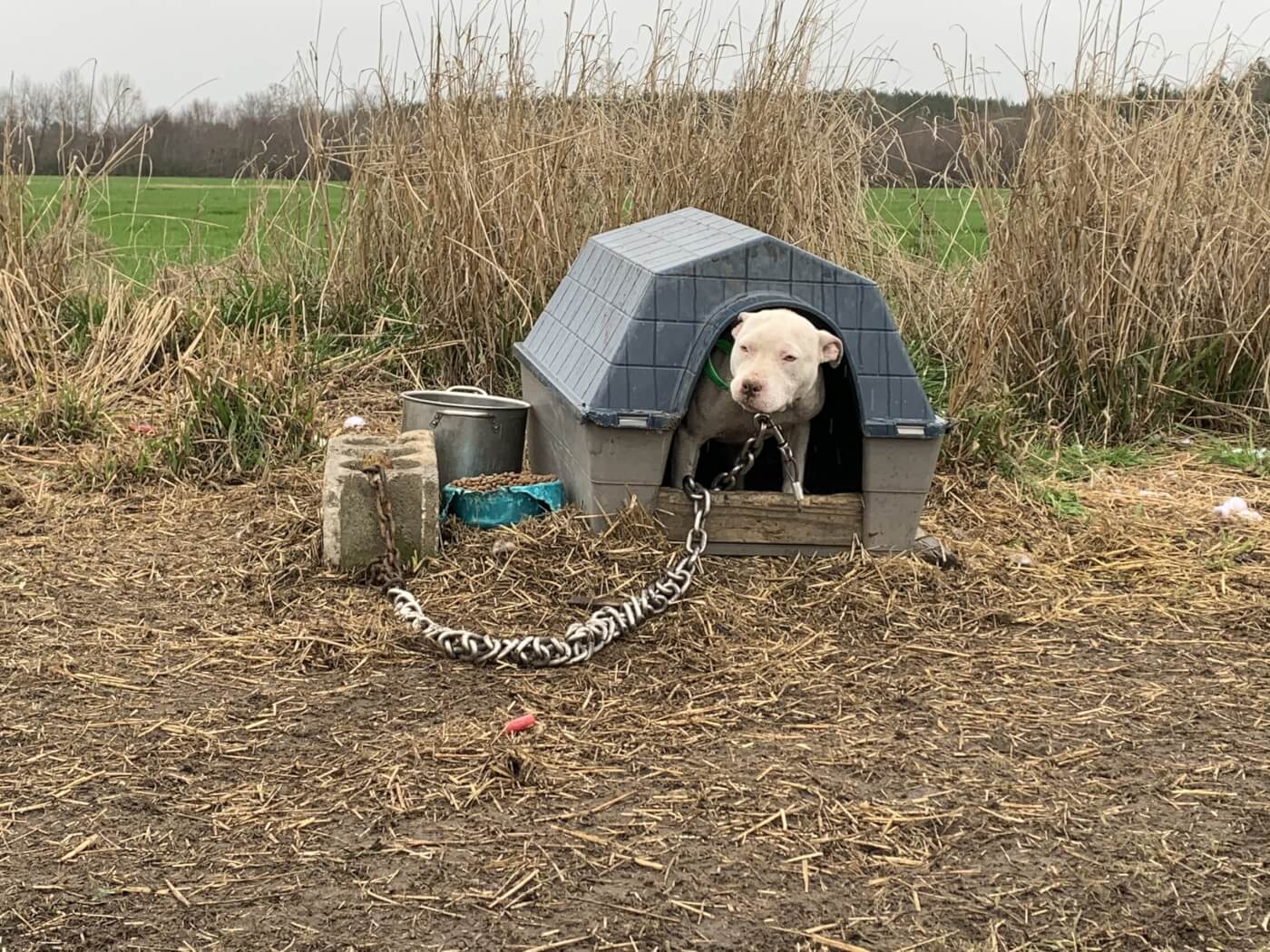
In many rural areas PETA serves, keeping “man’s best friend” chained or penned up outdoors like an old bicycle is—sadly—the norm. Many dogs are kept outside 24/7 with little or no shelter, even in rain, snow, heat, or cold, confined to muddy pens or tethered by chains that weigh nearly as much as they do. In one alarming scene in the film, a PETA fieldworker places a chain removed from a small puppy on a scale. Its weight? Thirty pounds. Our fieldworkers kindly and respectfully help people understand that dogs aren’t status symbols or security systems—they’re family members who want and deserve to live indoors. When owners won’t let them indoors, our fieldworkers do everything possible to make them less lonely and uncomfortable.

pitbull in plastic dog house with a very heavy looking metal chain

2. PETA builds relationships within the community.

Even when it comes to something as simple as trimming their animals’ nails or grooming them to remove matted hair, many of the people in the area PETA serves lack the resources to care for their animals properly—or simply don’t know how. When our fieldworkers come to help, residents are immensely grateful and often give what they can—whether it’s a couple of dollars, a heartfelt thank-you note, or even fresh veggies from their garden. Seeing PETA’s fieldworkers display such kindness and sensitivity when engaging with people in the community can inspire viewers to implement an empathetic approach to animal advocacy in their own lives.

King, Bullet, and Lady Spay/neuter

King, Bullet, and Lady

CAP Spay/Neuter

3. A doghouse can change—and save—a life.

Thanks to donors’ generosity, fieldworkers are able to deliver custom-built doghouses for dogs with inadequate shelter (or sometimes no shelter at all), free of charge. The only thing that they ask in exchange is for the families to allow PETA to spay or neuter their animals, also at no cost. Seeing the tail-wagging joy of dogs receiving their first sturdy, dry shelter brought tears to my eyes.

PETA fieldworker delivering a doghouse to a vulnerable dog

4. Animals are not “voiceless,” and we should listen to them.

There’s a misconception that animal rights advocates are the ones giving animals a voice. Breaking the Chain makes it clear that animals do have a voice, but their cries for help are often disregarded. Chained, neglected dogs cry out for love, companionship, and basic necessities (like food, water, and shelter) in so many ways: barking until they’re hoarse, straining at chains, pacing endlessly, and even chewing on their doghouses in desperation. They communicate happiness and gratitude just as clearly, by jumping for joy and wagging their tails (and often their whole bodies!) when PETA’s fieldworkers visit and bring them food, clean water, fresh straw to insulate their doghouses, and, of course, affection. Each scene in which fieldworkers communicate with these animals is a reminder of the importance of listening and observing when caring for one.

5. Persistence pays off.

PETA’s fieldworkers routinely encounter some of the worst cruelty imaginable. In one heartbreaking scene, they visit a tethered dog to bring food, water, and toys—but as they play with the appreciative gal, they find the body of a dead and decomposed dog just a few feet away. This shows the emotional toll that this kind of work can take. Even when confronted with devastating events, though, PETA’s fieldworkers immediately get to work to ensure that other animals on the property don’t endure the same fate. Sometimes, it takes years to persuade people to bring their animal companions indoors, have them sterilized, or surrender them for a chance at a happy life in a loving home (or if it’s too late for that, a peaceful exit). As you’ll see in stories of dogs like Edith, our fieldworkers never stop trying.

6. Simple gestures can go a long way.

For dogs who spend all day every day alone on a chain—with nothing to do, nothing new to see or sniff, and often no companionship whatsoever—a kind word, a gentle touch, or a few minutes of playtime means the world. It’s no wonder that their tails start wagging the minute they see their friends from PETA approaching! Some animals, like a timid dog named Zena, have been neglected for so long that it’s difficult for them to trust anyone. Our fieldworkers work to earn their trust with heaping bowls of food, tasty treats, toys, and lots of patience. For some dogs, a PETA fieldworker may be the first—and only—human ever to show them kindness. Moments like these in Breaking the Chain demonstrate how important all aspects of our work are, even those that sometimes go unnoticed.

PETA fieldworker pets Mingo, a senior dog rescued by PETA

7. “No-kill” policies offer no help to the animals who need it most.

“No-kill” policies in shelters don’t end animal suffering. Many facilities with such policies only take in animals they deem “adoptable” and turn away the rest, leaving them to struggle to survive on the streets or with people who don’t want them (and may abandon or neglect them). PETA operates differently: We transfer most adoptable animals to local placement partners or find wonderful, loving homes for them. We never turn away any animal, including those whose guardians bring them in because they can’t afford euthanasia at a veterinary clinic. Breaking the Chain shows one of those people and his beloved companion, in a moving scene that demonstrates why our services are so vital. PETA focuses on stopping the overpopulation crisis at its source, through spaying and neutering. We’re ending companion animal homelessness and neglect the right way—by focusing on prevention and a “no-birth” goal. Seeing all the ways PETA works to address overpopulation in shelters will make viewers realize how widespread this issue really is and how efforts to give animals hope are often misunderstood.

8. A fieldworker’s day is never predictable.

Fieldworkers sometimes find dogs with their ears bitten bloody by flies or their neck rubbed raw by a too-tight collar. One scene shows a fieldworker finding an entire litter of sickly kittens abandoned by their mother in a tangle of brush, their eyes sealed shut from infection. There are many victories and tribulations in Breaking the Chain that you might not expect to see, and people curious about this line of work will likely be surprised to learn about the unique challenges each day presents.

9. Never be silent.

Animal neglect and abuse exist in every community, but PETA’s fieldworkers can’t be everywhere at once. And that’s where community members come in! Everyone can be a lifeline for animals in their own area by staying alert to signs of cruelty and always reporting known or suspected neglect or abuse to police immediately. If authorities are unresponsive, contact PETA.

*****

What will you take away from Breaking the Chain? Watch it now on Apple TV, iTunes, Prime Video, Google Play,  Vimeo, or Vudu and find out!

Watch Breaking the Chain Today!

PETA is a participant in the Amazon Services LLC Associates Program, an affiliate advertising program designed to provide websites with a means to earn advertising fees by advertising and linking to Amazon.com.

The post 9 Eye-Opening Takeaways From ‘Breaking the Chain’ appeared first on PETA.

Urgent From PETA: Wildfire Survival Tips for Animals

Because the North Complex fire is threatening areas across Butte County and evacuation warnings are in place, animals must be kept indoors and will die if abandoned.

Residents in areas affected by smoke and falling ash should keep animals indoors and avoid all outdoor activities, such as running with dogs. If visibility is less than 5 miles, smoke has compromised the air quality and reached unsafe levels.  Anyone who sees animals in distress and is unable to help should note their locations and alert authorities immediately.

Trapped horses and other animals can’t outrun wildfires. They should never be locked in their stalls or confined in any way, unable to flee.

Animals must never be left behind. Anyone who evacuates and intentionally abandons animals to fend for themselves may be prosecuted.

PETA has released a wildfire-preparedness public service announcement featuring Dean Winters.  Make plans to ensure the safety of animal companions in advance of trouble in order to avoid being caught unprepared. PETA also offers a video about keeping animal companions safe during fires. For more information, visit PETA.org.

The post Urgent From PETA: Wildfire Survival Tips for Animals appeared first on PETA.

11 LGBTQ+-Owned Brands That Take Pride in Being Vegan

Finding new vegan companies to support is like striking gold—it’s a way to be kind to animals while staying in style, eating great food, and practicing self-care. These 11 LGBTQ+-owned vegan brands will cater to all your lifestyle needs.

NOTO Botanics

Owned by Gloria Noto, NOTO Botanics is a sustainable, vegan, gender-neutral cosmetics line. The company raises money for dozens of LGBTQ+ organizations while offering natural, simple beauty products that don’t exploit animals.

Yeah Dawg

Yeah Dawg is run by the wonderful nonbinary vegan chef Marino Benedetto, who aimed to turn fast-food favorite hot dogs into healthy, animal-friendly snacks. Rather than biting into a mix of miscellaneous animal parts filled with carcinogens, patrons will enjoy these delectable veggie-based dogs, which are perfect for a vegan barbecue.

BEETxBEET

BEETxBEET is a woman- and LGBTQ+-owned lifestyle brand with epic shirts, keychains, art, stickers, and pins all promoting a vegan message. Founded by Jacky Wasserman, the brand offers fun, stylish ways to show off your commitment to animal rights activism.

Heidi Ho Foods

With fan favorites like vegan queso, Portland-based Heidi Ho offers the best dairy-free cheese products for vegan foodies everywhere.

Brave GentleMan

PETA named Brave GentleMan owner Joshua Katcher 2015’s Most Influential Designer, and it’s easy to see why. His company is dedicated to luxurious fashion that’s also ethical, from high-quality faux-leather boots to fashionable coats made from recycled materials.

Telfar

Telfar is breaking gender norms with its 100% vegan leather unisex handbags, proving that animal-friendly accessories are for everyone. This brand, which refuses to use animal skin, shows that animals don’t need to be exploited in order to create chic fashion staples.

MALIN+GOETZ

Owned by partners Andrew Goetz and Matthew Malin, MALIN+GOETZ is your one-stop shop for simple vegan skin-care and lifestyle products.

Dragun Beauty

With more than 3.6 million subscribers and counting, YouTuber Nikita Dragun created Dragun Beauty to empower makeup-lovers to express their authentic selves. This first-ever trans-owned beauty brand  is 100% vegan and 100% glamorous.

W3LL PEOPLE

W3LL PEOPLE is a clean cosmetics brand offering cruelty-free, plant-based makeup and skin-care products. Founded by Shirley Pinkson, the brand encourages equality and kindness to animals.

Lagusta’s Luscious

Lagusta’s Luscious’ delightfully decadent artisanal chocolates are wonderful for any occasion. The company’s owner, Lagusta Yearwood, emphasizes ethical labor and justice for animals while creating her delicacies.

Sauce and Destroy

Sauce and Destroy, Alana Reali’s brainchild, offers marinara sauce that’s packed full of flavor and just the right amount of spice. The secret ingredient? Kindness to animals.

*****

These are just some of the LGBTQ+-owned companies that are working hard to help animals. Share some of your own favorite vegan LGBTQ+-owned brands by tagging us on Twitter @peta!

Order a PETA Pride T-Shirt today!

The post 11 LGBTQ+-Owned Brands That Take Pride in Being Vegan appeared first on PETA.

Vegans to Wrestle in Tub of Tofu!

To encourage anyone still wrestling with the idea of eating tofu to see it for the knockout that it is, a vegan couple will wrestle in a tub of tofu on a busy street corner on Thursday, with a giant “tofu block” referee calling the match. Socially distanced “ringside” fans will hand out free blocks of bean curd to passersby along with tips on using it to make everything from Szechuan dishes to stir-fry and from creamy chocolate mousse to dairy-free cheesecake.

When:    Thursday, September 24, 12 noon

Where:    At the northeast corner of N. Broadway and E. St. Paul Avenue, Milwaukee

“PETA’s wrestlers will remove the mystery from this ancient, versatile, protein-rich, cholesterol-free, and recipe-friendly food, sounding the bell for its winning role in a healthy, humane way of eating,” says PETA President Ingrid Newkirk. “Eating right can start at breakfast with a tofu scramble and end at bedtime with a slice of tofu cream pie. Our tofu tipsters are ready to help people bound into the ring of life with our free vegan mentors, vegan recipes, tips, and more.”

PETA—whose motto reads, in part, that “animals are not ours to eat”—points out that going vegan lowers one’s risk of suffering from heart disease, diabetes, cancer, and many other life-threatening health problems. PETA offers delicious tofu-based recipes, such as General Tso’s Tofu and Buffalo Tofu-Scramble Breakfast Tacos, on its website.

PETA opposes speciesism, which is a human-supremacist worldview. For more information, please visit PETA.org.

The post Vegans to Wrestle in Tub of Tofu! appeared first on PETA.