Below, please find a statement from PETA Senior Vice President Daphna Nachminovitch in response to the announcement that the Salisbury Police Department handler in North Carolina who was caught on video abusing a K-9 named Zuul has resigned following a public outcry and an investigation:
Salisbury has taken a step in the right direction by finally heeding the international outcry surrounding the dragging, hauling, slamming, and punching of a K-9 named Zuul. Nonetheless, unanswered questions remain, including why this took five months and a viral video when other officers witnessed the abuse and some city officials were aware of it. We want to know when cruelty charges will finally be filed and what the Salisbury Police Department is doing to implement modern, humane training methods so that no other K-9s suffer as Zuul did. PETA looks forward to progress and transparency.
PETA—whose motto reads, in part, that “animals are not ours to abuse in any way”—opposes speciesism, which is a human-supremacist worldview. For more information, please visit PETA.org or follow the group on Twitter, Facebook, or Instagram.
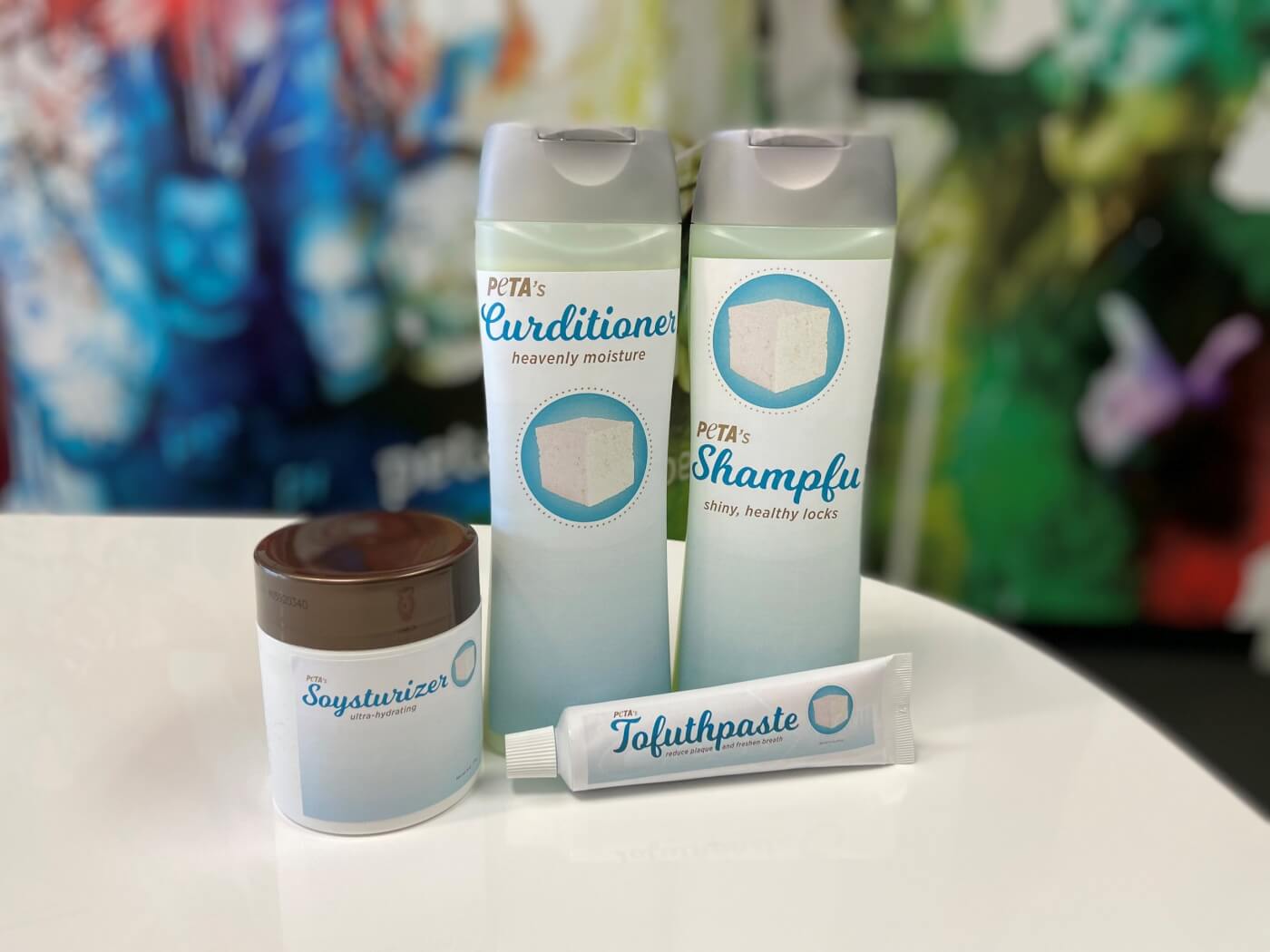
Are you after glossier hair, whiter teeth, and more radiant skin? Then you need the PETA Shop’s latest and greatest: tofu beauty products! Our experts have been hard at work developing the lineup, inspired by the success of the PETA Shop’s other tofu-centric items, including our Tofu-Scented Candle and Tofu-Scented Air Freshener. Add one or more of the products to your daily personal-care routine to discover just how versatile everyone’s favorite white bean blocks are.
The all-new lineup includes four beauty all-stars:
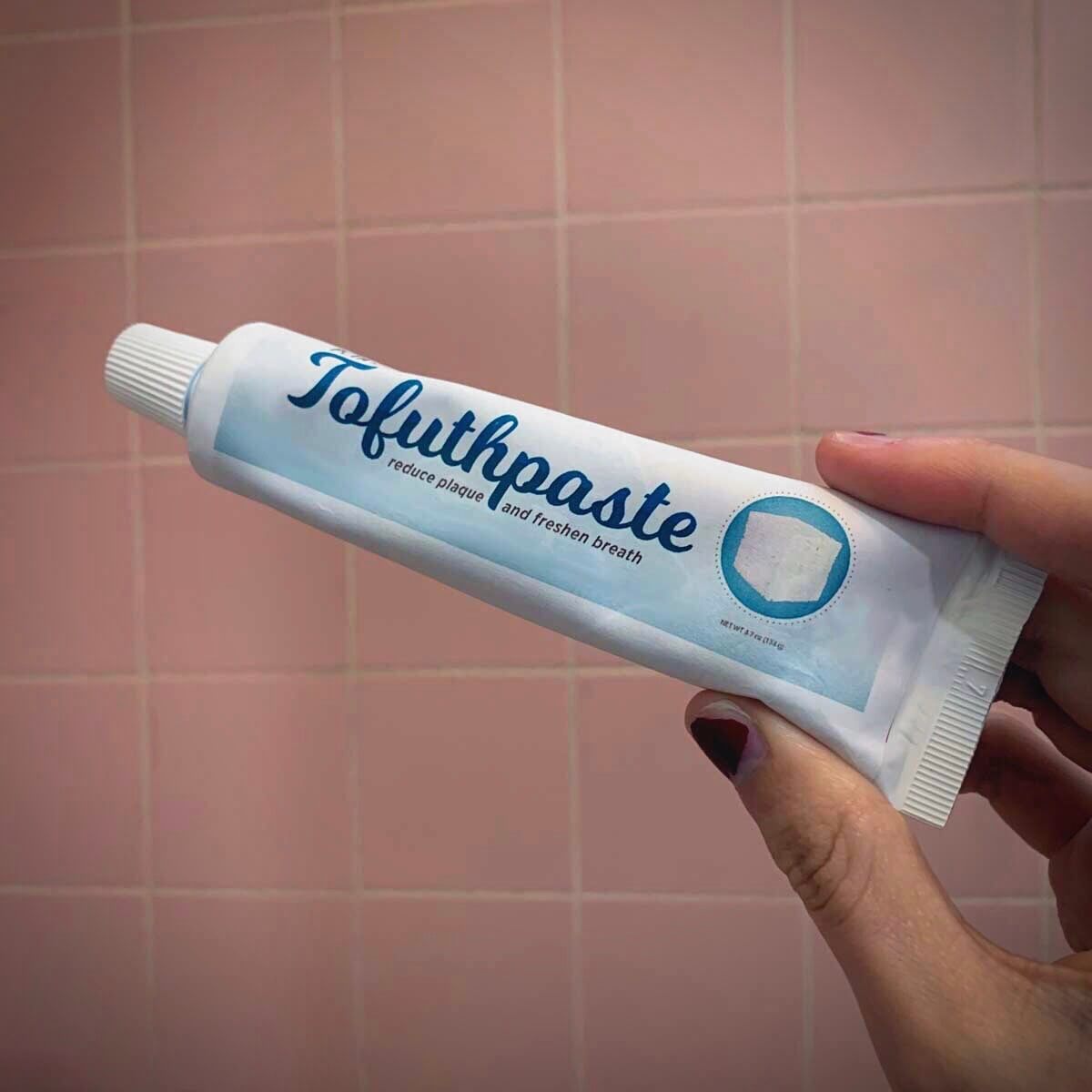
Tofuthpaste
Do you want teeth as white as tofu? Then get your hands on our Tofuthpaste—the newest and tastiest way to clean your teeth. Tofu works with other vegan ingredients (including coconut oil, aloe, and mint extract) to prevent gingivitis, reduce plaque, remove stains, and freshen breath. It’s good enough to eat!
Soysturizer
Do you dream of extra-firm, youthful, glowing skin? Then look no further than Soysturizer. Just like opting for soy cheese over the dairy variety, using our tofu lotion will help keep your face acne-free. The unique blend of ultra-hydrating ingredients (tofu, shea butter, and almond oil) will leave you with skin that’s silken to the touch.
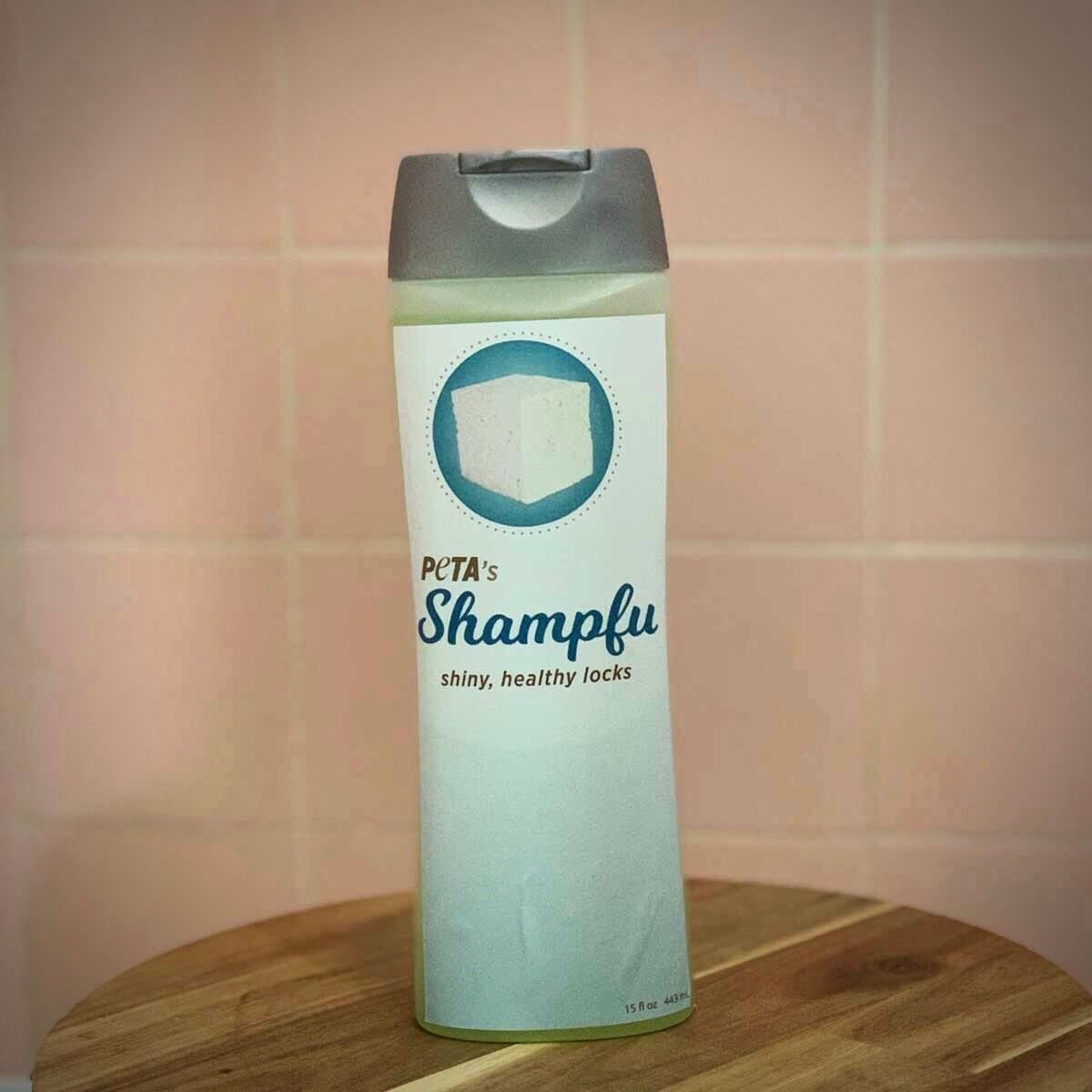
Shampfu
The secret to getting the shiny, healthy locks you’ve been lusting after is out: It’s tofu for the win! The miracle ingredient is combined with other powerful yet gentle agents, including argan oil, aloe, jojoba oil, and kaolin clay, to leave your mane soy sparkling clean. (For best results, follow with our Curditioner.)
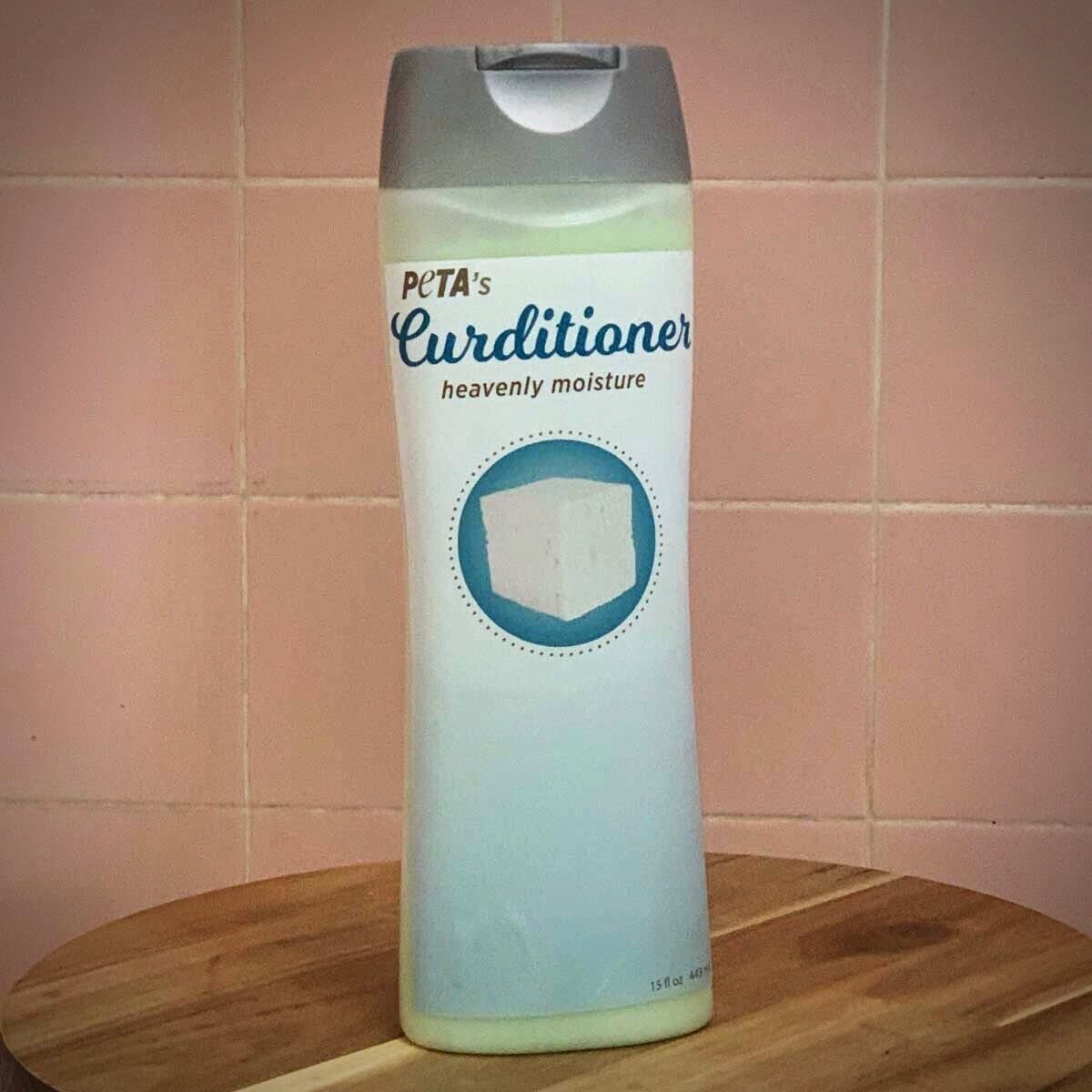
Curditioner
After you’ve cleansed your tresses, it’s time to hydrate them—and nothing is more moisturizing than our new Curditioner. Harnessing the power of soy, the exclusive formula combats frizz to leave your locks silkeny smooth.
PETA’s New Beauty Products Are Soy Awesome
We know and love tofu for its versatility in recipes, from sandwiches to soufflés. And for cows, chickens, and other animals, tofu is truly a lifesaver. So it was a natural next step for PETA—an organization known for pushing boundaries and thinking outside the (tofu) box—to channel this wonder-food’s workability into a beauty line. And of course, all our products are cruelty-free! Nobunny wants to be force-fed Tofuthpaste or endure having Curditioner dripped in their eyes, after all.
Can’t wait to get your hands on PETA’s new tofu beauty products?
Check back tomorrow when these products will launch. Set a timer—we have a feeling these beauties will sell out fast!
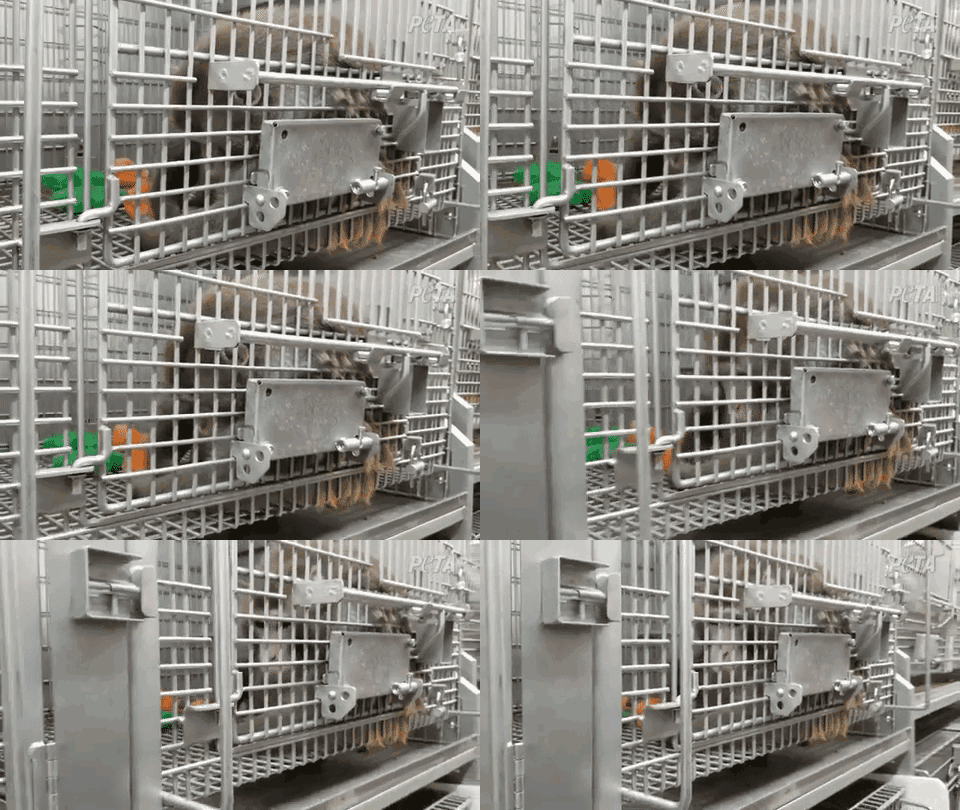
Apparently, the University of Georgia–Athens (UGA) can’t be trusted even to anesthetize animals and draw blood from them without killing them. University officials should immediately suspend all experiments on animals and dismiss the staff responsible for the reckless behavior that left hamsters and a ferret dead in their laboratories. These violations aren’t the first: The university has been cited by the feds 11 times in the last five years, including for forcing monkeys to forage for food treats in the waste beneath their cages. UGA should leave this sordid behavior in the past and commit to modern, animal-free science.
PETA—whose motto reads, in part, that “animals are not ours to experiment on”—opposes speciesism, a human-supremacist worldview. For more information, please visit PETA.org.
Monkeys are sensitive and intelligent primates who, in their natural homes, form deep emotional bonds with troop members and forage over large areas of forests. Every year in the U.S., more than 106,000 of them are imprisoned in laboratories, where most of them are abused in archaic and invasive experiments that don’t translate to humans. Some of these terrible things are done merely out of curiosity.
Here are 10 terrible things being done to monkeys in laboratories across the country and how you can help these animals.
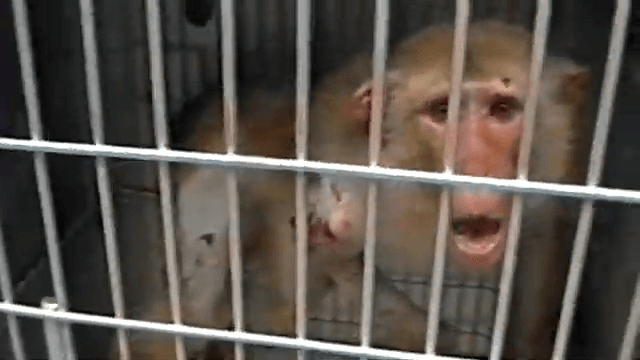
1. Experimenters routinely tear baby monkeys away from their mothers within the first year. Mothers scream in anguish as workers forcibly separate them from their babies. Experimenters may offer newborns a pathetic cloth “mother” to cling to.
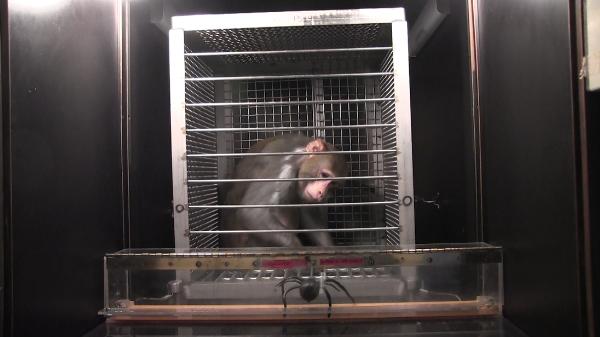
2.Baby monkeys are being subjected to the human intruder test. Experimenters remove them from their “home” environment with family or friends and place them inside a small, unfamiliar cage. This alone is terrifying. To add to the trauma, an experimenter threatens them, such as by making prolonged eye contact. Some of these young, defenseless animals thrash in the cage or remain nearly motionless, frozen in fear.
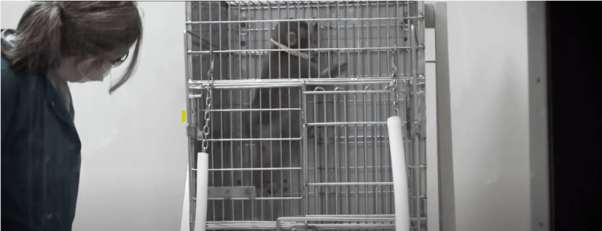
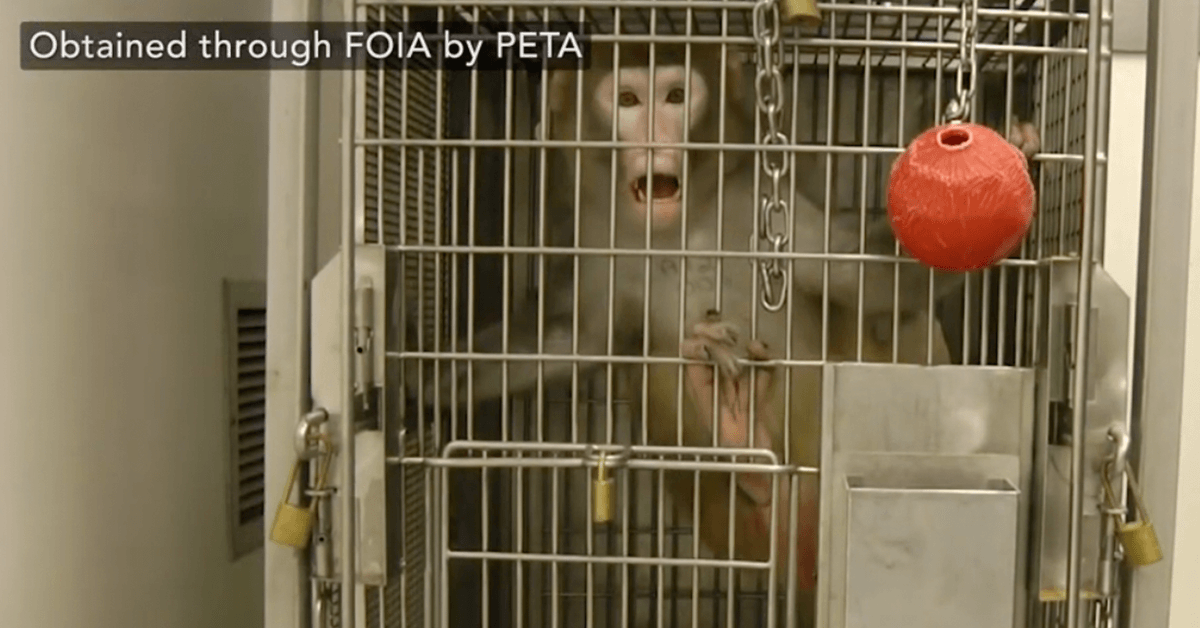
3. Laboratories force monkeys to live in small and virtually barren cages—often alone—for their entire lives. Cornelius is one of them. For a decade, experimenters at the Wisconsin National Primate Research Center have deprived him of everything natural and important to a monkey’s life. A PETA investigator often saw him sitting hunched over or with his face against the cage bars, having lost the will to live.
No matter the method of experimentation, 95% of all new medications that test safe and effective in animals fail in human clinical trials.
5. Experimenters exploit monkeys in fundamentally flawed HIV vaccination experiments. Monkeys can’t be infected with HIV, so experimenters instead infect them with the simian immunodeficiency virus (SIV). It’s no wonder that of the approximately 100 HIV vaccines that have been tested successfully in animals, not one of them has been shown in clinical trials to give humans sufficient protection from HIV. Yet experimenters continue to sicken and torment monkeys.
7. Monkeys who try to escape from their cages sometimes aren’t reported missing for days. That was the case at the Washington National Primate Research Center (WaNPRC), where monkeys are frequently allowed to escape—a blatant violation of the federal Animal Welfare Act. A monkey imprisoned at the WaNPRC went missing for twodays before she was discovered trapped in a tunnel cage, dehydrated and hungry. Staff failed to report that she was missing, but the center was never so much as reprimanded.
8. Monkeys imprisoned in labs are routinely strapped into restraint chairs for other cruel purposes and are often deprived of food and water first to compel them to perform tasks. That was the case at Duke University, where an experimenter made monkeys use computer touch screens to select brand logos—such as those of Pizza Hut and Nike—based on their pairings with pictures of other monkeys. Their “rewards” for complying with this absurd experiment were small drops of fruit juice.
9.At the National Primate Research Centers and other laboratories, workers yank monkeys out of cages with poles that attach to the metal collars around their necks, strap them into restraint chairs, and electroshock their genitals until they ejaculate. Monkeys subjected to this hideous procedure are euphemistically called “semen donors.”
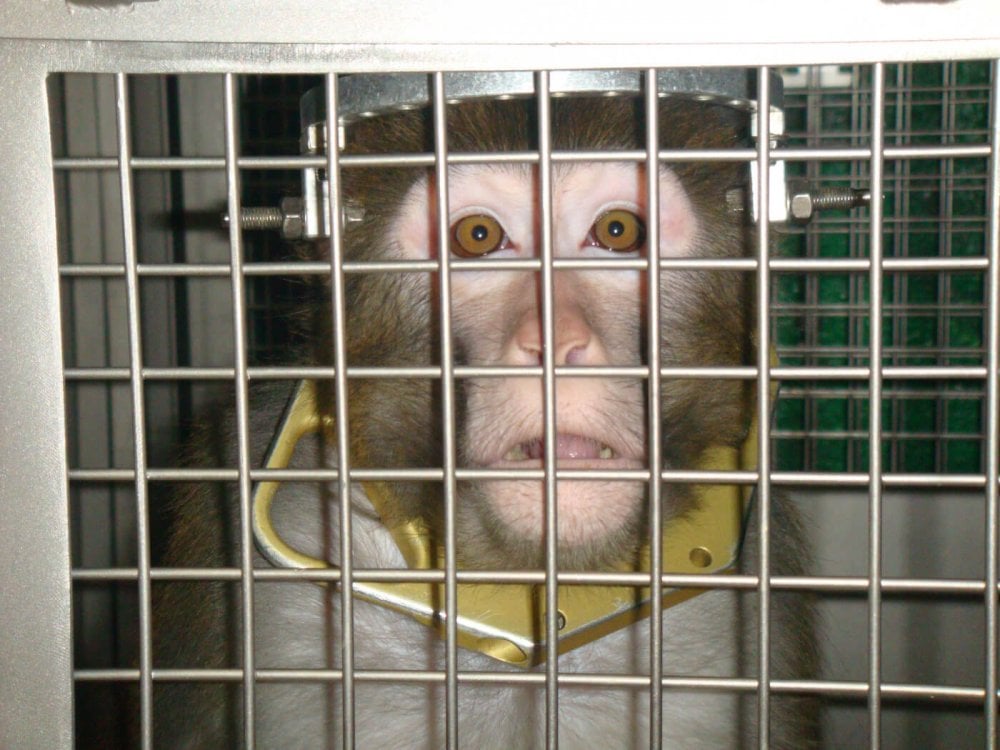
This monkey at the University of Utah was used in invasive neurological surgeries.
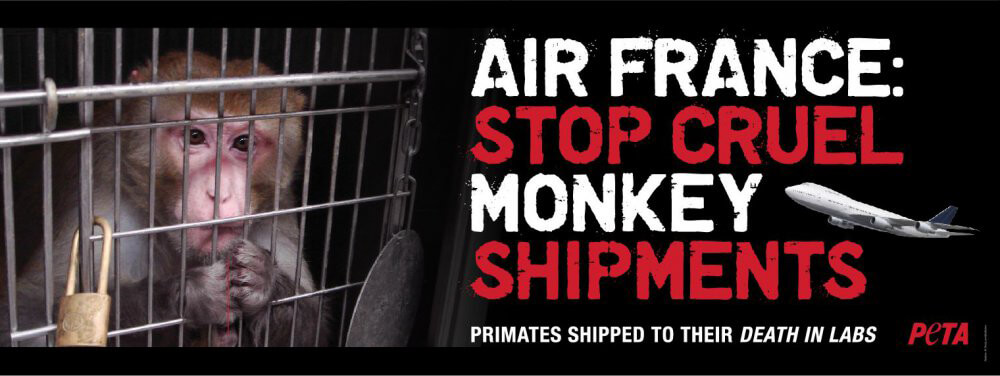
10. Thousands of other monkeys are bred on decrepit factory farms in Asia and then shipped to the U.S. to be used and killed in experiments. Air France is the last major airline in the world still shipping monkeys to laboratories. On these flights, traumatized monkeys are crammed into small wooden crates and transported in the dark and terrifying cargo holds of planes for as long as 30 hours. Upon arriving in the U.S., the animals are transported to dealers and laboratories where they are imprisoned and tormented.
PETA supporters are calling for the release of monkeys in laboratories to appropriate sanctuaries where they can live with the safety and dignity that they deserve. Will you join them?
Because a wildfire is threatening areas near Rapid City and evacuations are underway, animals must be kept indoors and will die if abandoned.
Residents in areas affected by smoke and falling ash should keep animals indoors and avoid all outdoor activities, such as running with dogs. If visibility is less than 5 miles, smoke has compromised the air quality and reached unsafe levels. Anyone who sees animals in distress and is unable to help, should note their locations and alert authorities immediately.
Trapped horses and other animals can’t outrun wildfires. They should never be locked in their stalls or confined in any way, unable to flee.
PETA has released a wildfire-preparedness public service announcement featuringDean Winters. It reminds everyone to make plans to ensure the safety of animal companions in advance of trouble in order to avoid being caught unprepared. PETA also offers a video about keeping animal companions safe during fires. For more information, visit PETA.org or follow the group on Twitter, Facebook, or Instagram.
Animals must never be left behind. Anyone who evacuates and intentionally abandons animals to fend for themselves may be prosecuted.