In honor of the chickens who died in the heat after the truck carrying them lost a wheel on I-90 on June 8—when temperatures soared into the 80s—PETA plans to place a billboard near the breakdown site proclaiming, “See the Individual. Go Vegan.”
Mechanic Andrew Loucks and firefighters with the Addison Fire Protection District hosed the chickens down with water to try to keep them cool, prompting PETA to send them a Compassionate Action Award and a Compassionate Fire Department Award, respectively. But even with their efforts, hundreds of chickens, “if not a thousand,” still died, according to Battalion Chief Chris Mansfield. Loucks told the Chicago Tribune, “It’s that type of s— that makes you want to go vegetarian. That’s all I’ve been thinking about all day long.”
“Chickens freeze to trucks’ metal sides in the winter and die of heat exhaustion in the summer,” says PETA Executive Vice President Tracy Reiman. “PETA’s ad will encourage viewers to help prevent these gentle birds from being crammed into trucks in the first place by going vegan.”
Hens used for egg production are confined to cramped barns, where each bird has no more than a square foot of space, and chickens killed for their flesh are crammed by the tens of thousands into filthy sheds and bred to grow such unnaturally large upper bodies that their legs often become crippled under the weight. At the slaughterhouse, the birds’ throats are cut, often while they’re still conscious, and many are scalded to death in defeathering tanks.
PETA notes that there have been at least 38 crashes involving trucks carrying animals used for food so far this year. Each person who goes vegan saves the lives of nearly 200 chickens, cows, pigs, and other animals every year and helps prevent future epidemics and pandemics. Confining and killing animals for food has been linked to SARS, swine flu, bird flu, and COVID-19.
PETA—whose motto reads, in part, that “animals are not ours to eat”—opposes speciesism, a human-supremacist worldview. For more information, please visit PETA.org.
Following a PETA campaign and two PETA Asia undercover investigations into the use of chained and caged monkeys in Thailand’s coconut-picking industry, grocery giant Kroger has suspended its purchases of coconut milk from major producer Chaokoh.
In response, PETA has suspended its campaign, which included video footage sent to the company, e-mails from tens of thousands of the group’s members and supporters, protesting “monkey” mascots outside Kroger stores, a billboard next to a Kroger store, a delivery of humanely picked coconuts to six of the company’s executives, and “monkey” mascots who dumped hundreds of such coconuts outside the company’s headquarters. Photos are available here.
“Every can of coconut milk purchased from Chaokoh represents the misery of a chained-up monkey,” says PETA Executive Vice President Tracy Reiman. “Any grocery store still buying from this brand after PETA’s exposés of coconut cruelty risks losing compassionate shoppers, so Kroger made the right call.”
PETA Asia’s first investigation found cruelty to monkeys on every farm, at every monkey-training facility, and in every coconut-picking contest that used monkey labor. When not being forced to pick coconuts or perform in circus-style shows for tourists, the animals were kept tethered, chained to old tires, or confined to cages barely larger than their bodies. After a global outcry, the coconut industry claimed to have changed this practice—but PETA Asia’s second investigation found producers still using monkey labor and industry insiders discussing how farms conceal this practice by hiding monkeys until auditors leave or by hiring contractors to bring in monkeys only during harvest time.
Kroger is now among more than 30,000 stores—including the chains Albertsons, Safeway, Wegmans, Costco, Target, Food Lion, and Stop & Shop—that have cut ties with coconut milk brands that use coconuts picked by monkeys. PETA is now turning its attention to other retailers that still do business with Chaokoh, including Walmart and Publix.
Photos from the most recent investigation are available here, and broadcast-quality footage is available upon request. PETA—whose motto reads, in part, that “animals are not ours to abuse in any way”—opposes speciesism, a human-supremacist worldview. For more information, please visit PETA.org or click here, or follow the group on Twitter, Facebook, or Instagram.
A gift basket packed with pig-free treats—including vegan Herbivorous Butcher Cuban pork, jerky, pork rinds, chorizo, and al pastor—is on its way from PETA to Shelby Houlihan, the champion runner who was barred from the Tokyo Olympics after testing positive for a steroid, which she has blamed on eating a pork burrito from an Oregon food truck.
“Steroids are just the tip of the iceberg when it comes to the toxins that might be lurking in a pork burrito,” says PETA Senior Vice President Lisa Lange. “PETA hopes Shelby’s experience will serve as a wake-up call for everyone—the safest meal is a vegan one.”
Pigs raised for food live in crowded, poorly ventilated, filthy conditions where bacteria, parasites, and disease run rampant. Common contaminants in pig flesh include listeria, salmonella, E. coli, trichina, and tapeworms, and the antibiotics used to keep pigs alive in squalor have led to the development of “superbacteria”—bacterial strains that antibiotics can’t fight.
The World Health Organization has confirmed that processed meats, such as hot dogs and sausage, cause cancer—but each person who goes vegan dramatically reduces their risk of suffering from cancer, heart disease, diabetes, and strokes; saves the lives of nearly 200 animals a year; and helps prevent future pandemics and epidemics. SARS, bird flu, swine flu, and COVID-19 all stemmed from confining and killing animals for food.
PETA—whose motto reads, in part, that “animals are not ours to abuse in any way”—opposes speciesism, a human-supremacist worldview. For more information, please visit PETA.org or follow the group on Twitter, Facebook, or Instagram.
Summer’s here, and PETA is sharing its favorite titles, featuring stories about a boy who set out to help two captive bears and succeeded, an animal experimenter’s change of heart, the astounding abilities of animals, and more. Here are PETA’s top 10 picks to add to your summer reading list:
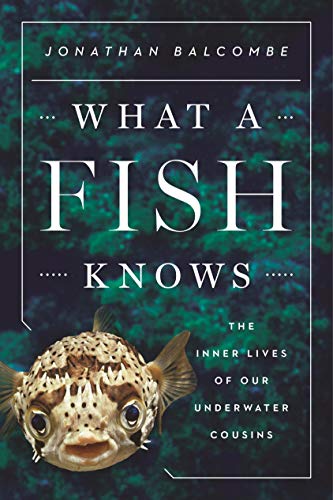
What a Fish Knowsby Jonathan Balcombe, an exploration from a myth-busting ethologist of the rich inner lives of fish
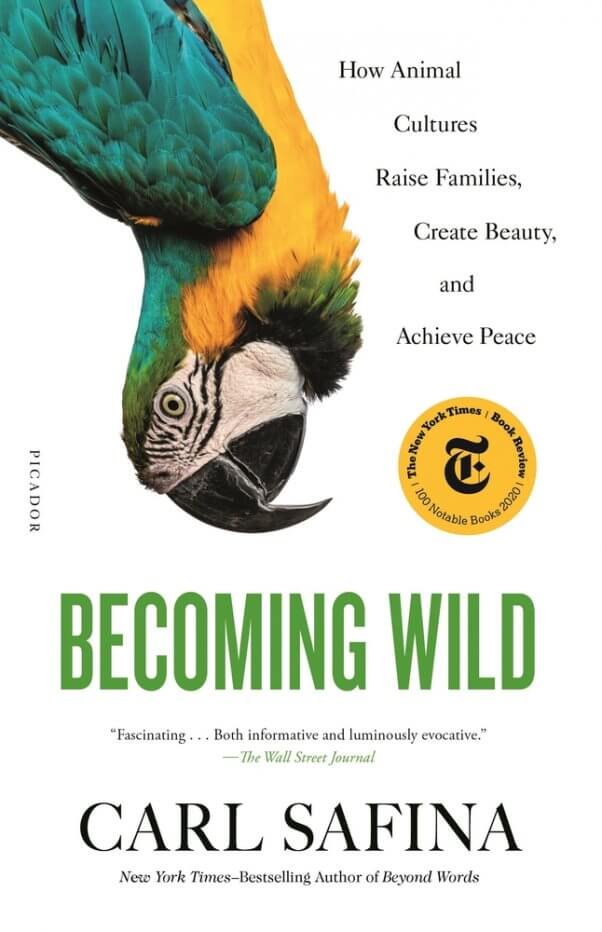
Becoming Wildby Carl Safina, a moving account by an ecologist of the various ways in which other species raise their young and create lasting cultures, stressing that we’re all animals
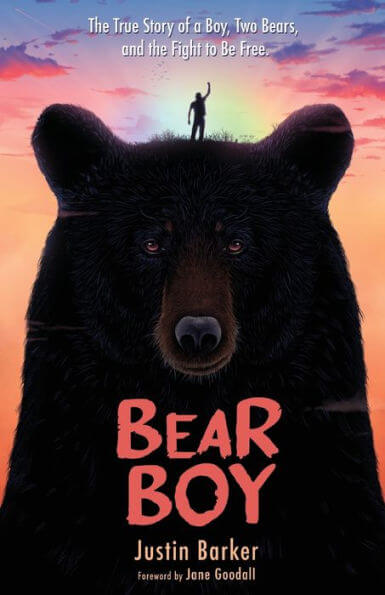
Bear Boyby Justin Barker, a coming-of-age tale that follows a teen’s efforts to help two black bears languishing at a ramshackle roadside zoo
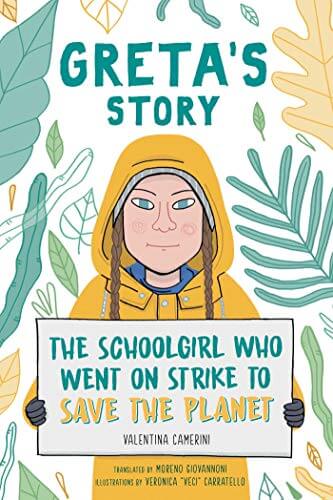
Greta’s Storyby Valentina Camerini, an investigation of the powerful planetary movement launched by the vegan eco-activist Greta Thunberg
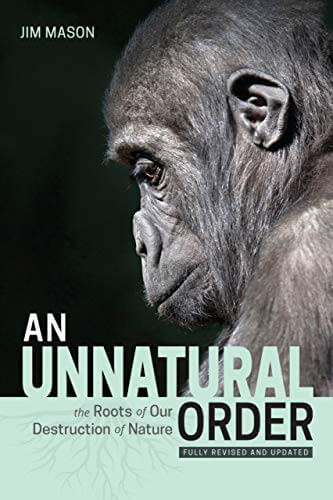
An Unnatural Orderby Jim Mason, a provocative tract that makes the case against the human “dominionist” worldview
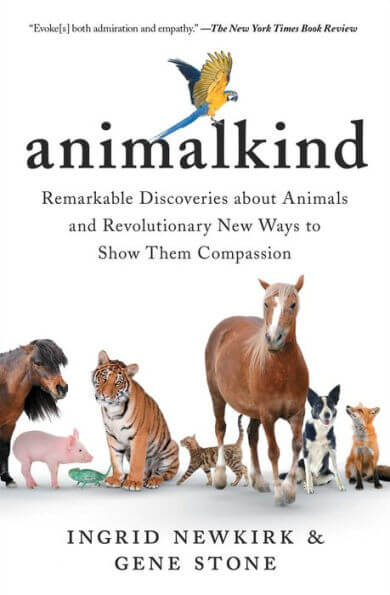
Animalkindby Ingrid Newkirk and Gene Stone, a collection of stories detailing remarkable new discoveries about animals and revolutionary ways to show them compassion
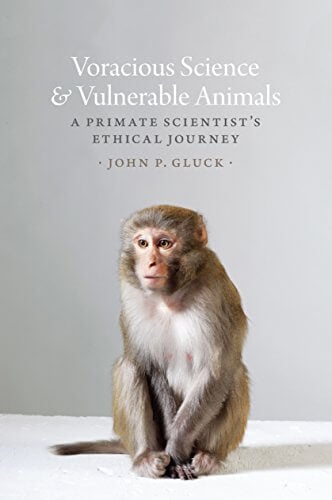
Voracious Science and Vulnerable Animalsby Dr. John P. Gluck, in which a former animal experimenter reveals how he developed empathy for the macaque monkeys he used in maternal deprivation studies
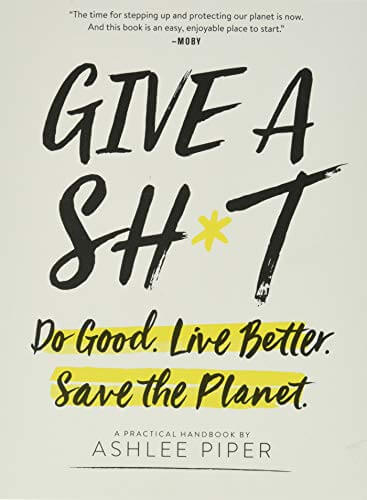
Give a Sh*t by Ashlee Piper, an inspiring book that asks readers to get the vegan ball rolling in various ways, from helping mother cows by switching to dairy-free milks and cheeses to using plant-based leather to help protect the environment
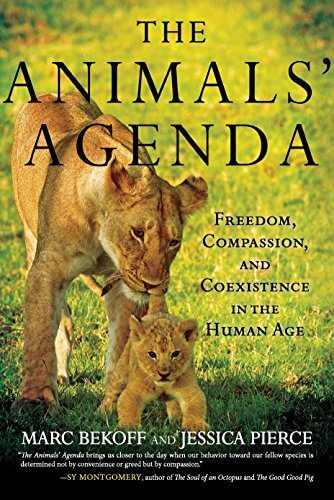
The Animals’ Agendaby Marc Bekoff and Jessica Pierce, which combines scientific studies with individual animals’ stories to tackle issues ranging from animal agriculture to roadside zoos
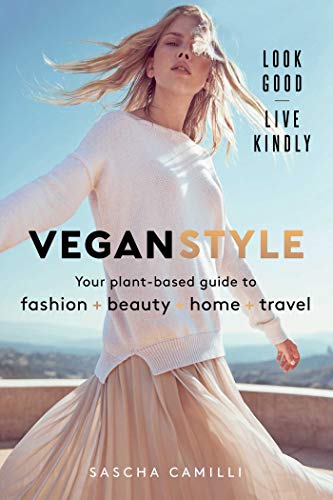
Vegan Styleby Sascha Camilli, an introduction to veganizing all aspects of our lives, including fashion and homeware
“Other species are as complex and feeling as we are, and their stories of adventure, heartbreak, and resilience reflect that,” says PETA President Ingrid Newkirk. “Whether you’re a college student on vacation or a retiree lounging poolside, PETA’s summer reading picks will deepen your appreciation for all the wondrous animals who share our world and how human supremacism often unfairly relegates them to the laboratory cage or the dinner plate.”
Summer has arrived! As the interest in beach reads and helping animals reaches an all-time high, PETA is sharing 10 titles that offer exciting stories about a boy who set out to help two captive bears and succeeded, an animal experimenter’s change of heart, what makes animals our kin, fabulous vegan food and fashion tips, and more.
Whether you’re a college student on vacation or a retiree lounging poolside, our summer reading list will deepen your appreciation of all the wondrous animals who share our world and how human supremacism sometimes unfairly relegates them to the laboratory cage or the dinner plate.
So, what are you waiting for? Pop into your local bookshop or fire up that Amazon account—this summer is going to be lit(erary):
Do you know what fish know? Jonathan Balcombe does, and he’s sharing it with us in his groundbreaking book. You’ll learn about the loyalty of rabbitfish, guppies’ mirthful way of attracting the ladies, French grunt fish and the surprising reason why they grind their teeth, and goldfish’s remarkable ability to differentiate between two famous composers.
The Washington Post said, “In this superbly articulate cri de coeur, Safina gives us a new way of looking at the natural world that is radically different.” It’s a passionate appeal that reinforces what PETA’s been saying for decades—we are all animals. Becoming Wild truly drives this point home.
Set a reminder for June 22 (or just visit Amazon to preorder), because Bear Boy—a book that Jane Goodall said she simply couldn’t put down—will be available for purchase. The young-adult memoir is truly a story for all ages—adults and teens alike will marvel at main character Justin’s quest to help to two black bears languishing at a ramshackle roadside zoo. Will Justin be able to raise the quarter of a million dollars necessary to rehome them? And what will he discover about activism during his pursuit? You’ll just have to order Bear Boy to find out.
With Greta’s Story, former Disney comic author Valentina Camerini gives readers insight into the protest that launched a movement. PETA and our president, Ingrid Newkirk, have long worked to raise awareness of even one person’s ability to effect change—Greta’s Story echoes the sentiment that “[y]ou are never too small to make a difference.”
Just as Peter Singer introduced the world to “speciesism” in Animal Liberation, with An Unnatural Order, Mason puts humans’ “dominionist” worldview on readers’ radars—and he does a bang-up job of making sure that his audience wants no part in the human supremacism that he chronicles. It’s why so many walk away from Mason’s “manifesto for change” with plans to start shopping cruelty-free, ditch hamburgers, and boycott the circus. An Unnatural Order is the history book that teachers don’t assign in school—although they should.
BookAuthority named Animalkind one of the best animal behavior books of all time—and although we may be a bit biased, we think that it’s no wonder why. The bestselling book by Newkirk and acclaimed author Stone is adored by readers, too: “The book is truly inspiring,” said CEO and founder of Sea Shepherd Conservation Society Captain Paul Watson. Order a copy (now in paperback!) to find out for yourself which animals are monogamous, which ruminants are natural “pharmacists,” and why Animalkind is getting such rave reviews.
Who better to clue us in to why animals don’t belong in laboratories than a scientist who once experimented on monkeys and then stopped for ethical reasons? In his book, the animal experimenter–turned-bioethicist details how he developed empathy for the macaques he used while working in infamous monkey tormentor Harry Harlow’s laboratory. Through Gluck’s honest story, you, too, will come to understand why using a monkey for “research” is just as unacceptable as experimenting on your beloved animal companion or any other member of your family. For insight into why “[a]nimals are not ours to experiment on” spearheads PETA’s own mission statement, Gluck’s memoir is a great place to start.
There isn’t much more to explain—TV personality and journalist Ashlee Piper pretty much says it all in the title of her debut book. “If everyone gave a sh*t, we’d have a far better world. [Give a Sh*t] is Making Kind Choices for today’s audience, and I love it,” said Newkirk. To discover why eating dairy isn’t “doing good” and why you can never wear leather and save the planet, pick up a copy of Piper’s guide today.
The stories of Cecil the lion and Tilikum the orca broke hearts all over the world. In their revolutionary publication The Animals’ Agenda, animal behaviorist Bekoff and bioethicist Pierce make a convincing case for extending that same compassion to all animals. With just one book, these authors tackle animal experimentation, animal agriculture, hunting, roadside zoos, and marine parks—and they’ll make you want to speak out against them all. If freedom, compassion, and coexistence sound like they’re up your alley, order a copy [link] of this “bold and important book” now.
Like a vegan cookbook for your closet, Vegan Style is truly the guide that every compassionate consumer needs. “I wish I’d had this little gem sooner,” said Shelly Vella, former fashion director at Cosmopolitan U.K. and PETA U.K. Innovation Award winner. Us, too, Shelly—us, too.
Other species are as complex and feeling as we are, and their stories of adventure, heartbreak, and resilience reflect this. That’s why our summer reading list is chock full of compelling narratives as well as tips for keeping your kitchen, wardrobe, and life free of animal suffering. If you loved one of these reads, be sure to let us know on Twitter, [link] and tell your family, friends, and followers to peruse PETA’s publication picks, too:
PETA is a participant in the Amazon Associates Program, an affiliate-advertising program designed to provide websites with a means to earn advertising fees by advertising and linking to Amazon.com.