Vivisectors’ Russian Roulette: The History of the Polio Vaccine

Researchers from the Yale School of Medicine and several British universities examined studies that used animals and concluded that little evidence exists to support the idea that experimentation on animals has benefited humans. In fact, many of the most important advances in human health—including the discovery of the relationships between cholesterol and heart disease and smoking and cancer, the development of X-rays, and the isolation of the virus that causes AIDS—are attributable to human studies. Recently, members of the University of Washington’s animal oversight committee carried misleading signs that suggested that experiments on animals were the fastest and most efficient way to bring about treatments and vaccines to improve human health. They even claimed that without animal testing, scientists wouldn’t have developed the polio vaccine.

Let’s get the facts straight: Not only does the history of the polio vaccine demonstrate that experiments on monkeys don’t help us, evidence also shows that such experiments delay development of lifesaving therapeutics.

Polio is the common name of a disease caused by the poliovirus and can result in temporary or permanent paralysis and even death. The worst polio outbreak in the U.S. occurred in 1952, when 57,000 people were infected, 21,000 were paralyzed, and 3,145 died. It quickly became the main target of research. A national poll conducted in 1955 “found that polio was only second to the atomic bomb as the thing Americans feared the most.” The public was afraid, and pressure was mounting on scientists to develop a polio vaccine.

Studies conducted before 1910 on patients naturally infected with the poliovirus demonstrated that the virus enters human bodies through the digestive system. Yet after successfully isolating the virus, vivisector Simon Flexner and his team disregarded those crucial findings and focused mainly on results from studies on monkeys in which experimenters had injected the deadly virus directly into the brain or spine of rhesus macaques.
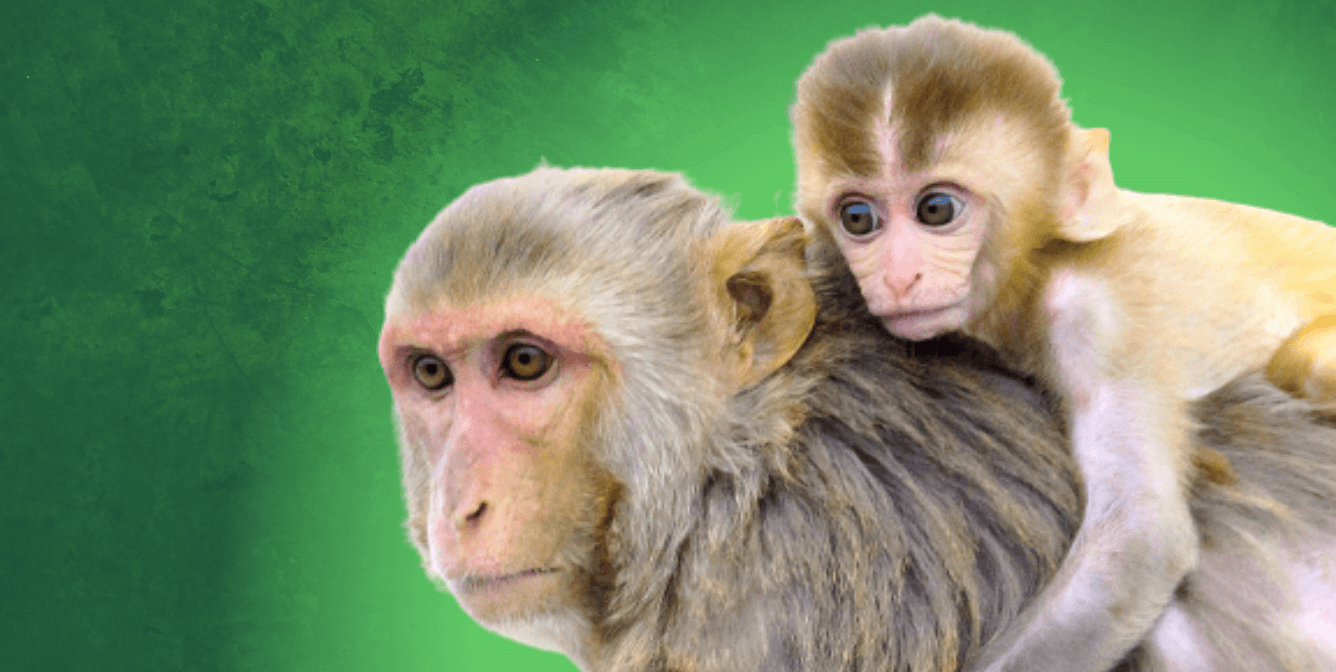
Mother and baby Rhesus Macaque

Because they didn’t detect the viral replication in the monkeys’ blood, they concluded that the poliovirus affected the brain directly after entering the body through the nose. This incorrect interpretation had unforeseen consequences, as the research community widely embraced Flexner’s theory, limiting the vaccine candidates to only those grown in neural cell lines and delaying an effective polio vaccine by many decades.


Wade Hampton Frost, America’s leading epidemiologist, once said that Flexner spent too much time in the laboratory to be able to see a complete picture of the epidemic spread of polio.

Moreover, experimenters developed a nose spray preventive for polio that stopped the infection in monkeys but did not protect children from contracting the disease. Instead, it caused some children to lose their sense of smell permanently. Many years later, we learned that the rhesus macaque is one of the few species in which the poliovirus does not replicate in the digestive system and does not enter the body through the mouth—as it does in humans.

Experiments on monkeys led to further errors that had catastrophic consequences.

Thirty years after the human studies, vivisectors discovered that they could protect healthy rhesus macaques from polio by injecting them in the spine with antibodies derived from infected monkeys. This method involved killing the animals, extracting tissue from their virus-infected spinal cords, and treating it with formaldehyde—or in the case of the live vaccine, weakening the virus with sodium ricinoleate.
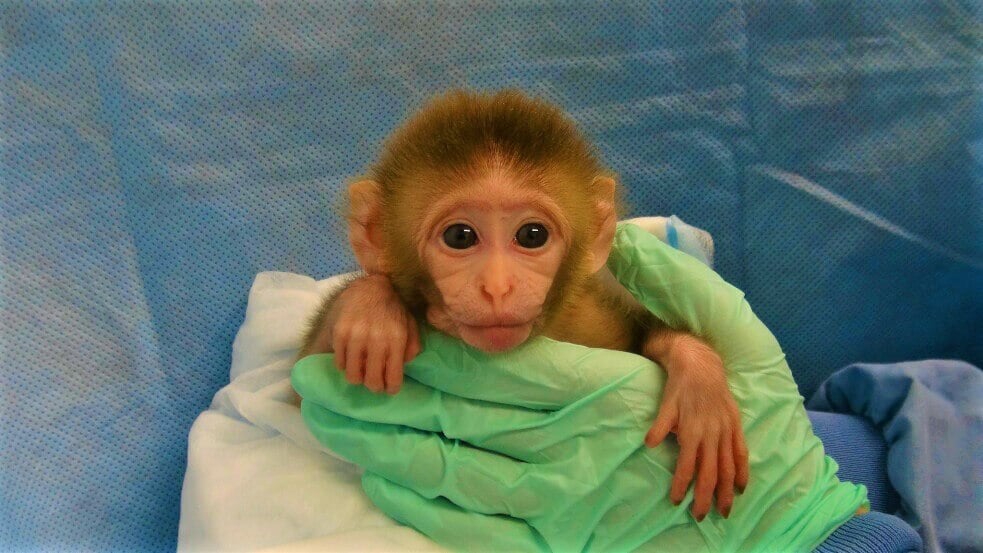
Baby rhesus macaque held by gloved hands

Tragically, when experimenters inoculated 20,000 children with those vaccines, 12 of them experienced severe paralysis and six of them died. The use of both the vaccines was stopped.

In 1941—more than three decades after researchers discovered how the virus entered the human body—Dr. Albert Sabin published autopsy findings from humans demonstrating that the poliovirus is not detectable in human nasal mucosa. Strikingly, he also detected the virus in the human alimentary tract, as had been observed in 1907.


Sabin later said, “The work on [polio] prevention was long delayed by … misleading experimental models of the disease in monkeys.”

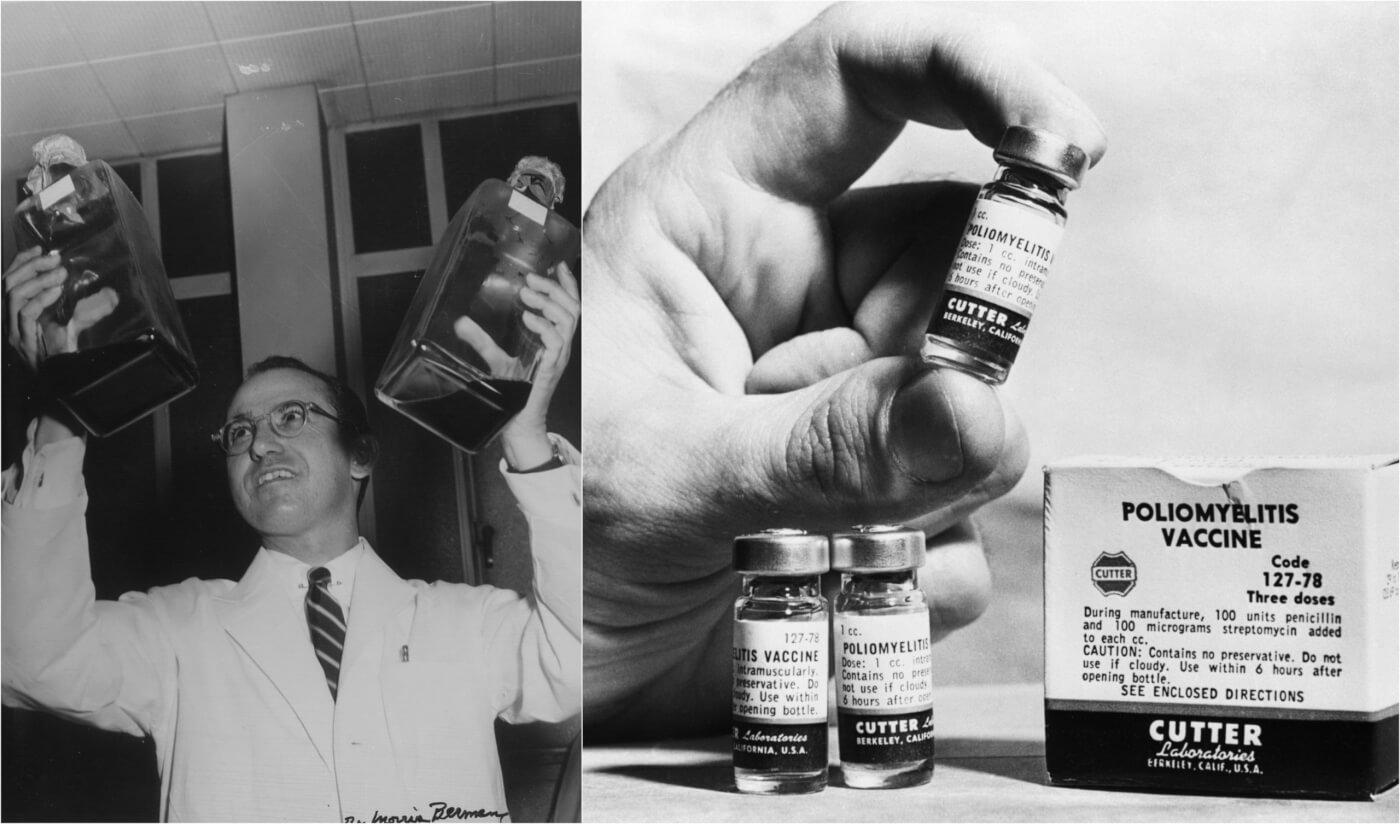
The tragic consequences didn’t end there. It had long been known that polio vaccines can be made from human cell cultures, but both Sabin’s and Jonas Salk’s vaccines were produced using cell cultures from kidneys of rhesus macaques.

Hundreds of thousands of rhesus macaques were imported from India. Many were sick, and 15% to 20% died shortly after arrival. The rhesus macaques were naturally infected with viruses, and their tissues were used to incubate and grow the materials for the vaccines. The viruses present in the monkeys’ cells often had a very long gestation period and were eventually linked to a disease in humans occurring decades later. Between 1954 and 1963, 30 million people in the U.S. were vaccinated with a polio jab that was contaminated with simian virus SV40, an oncogenic DNA virus that was known to increase humans’ chances of developing cancer.
polio vaccine history

To this day, some scientists continue to rely on monkey tissues for cell cultures, despite the known potential for contamination or misleading information. Many viruses in monkeys are unknown or can’t be detected and can be transmitted to humans via vaccines. To prevent possible contamination, countries such as Canada and the U.K. require the use of human cell culture in the production of polio vaccines.

While experiments on primates have been conducted during the course of some discoveries, this does not mean that animals were vital to the discoveries or are predictive of human health outcomes—or that the same discoveries would not have been made without using animals.


“Crediting animals for their role in such breakthroughs makes no more sense than hailing the wearing of lab coats by the scientists involved. As they always wear them, it is hardly a surprise that lab coats are in evidence when breakthroughs are made.”
—Robert Matthews, visiting reader in science at Aston University in the U.K.

Human health is more likely to be advanced by devoting resources to the use of non-animal test methods, which are more relevant to humans, instead of chasing leads in often misleading tests on animals.

It’s little wonder most people believe the falsehood that animal experiments help humans—the media, experimenters, universities, and lobbying groups shamelessly exaggerate their potential to lead to new cures and the true role that they’ve played in past medical advances.
monkey cage lab


Please take action to urge the University of Washington’s president to end cruel experiments on monkeys and invest in human-relevant research:

Take Action

Written by Kati Bertrand

The post Vivisectors’ Russian Roulette: The History of the Polio Vaccine appeared first on PETA.

‘Dinosaurs’ to Tail POTUS to Town Hall in Push for Progressive NIH Director

National Institutes of Health (NIH) Director Francis Collins is stepping down, and PETA supporters in giant blow-up dinosaur costumes will follow President Joe Biden to Thursday’s CNN town hall carrying signs that read, “Biden, Don’t Appoint Another NIH Dinosaur.” PETA is urging the president to take the country out of the scientific Stone Age by choosing a visionary replacement who will end the agency’s funding of animal tests and instead invest in state-of-the-art, animal-free research methods.

When:    Thursday, October 21, 6 p.m.

Where:    Baltimore Center Stage, 700 N. Calvert St., Baltimore

With Collins at the helm, NIH squandered nearly half its budget—$19.5 billion in 2020—on animal experiments every year, even though 95% of new drugs that test safe and effective in animals fail in human clinical trials and more than 90% of basic research, most of which involves animals, fails to lead to treatments for humans. The Research Modernization Deal, developed by PETA scientists, provides a strategy for phasing out these studies.

“By clinging to outdated experiments on animals, NIH is getting in the way of good science,” says PETA Senior Vice President Kathy Guillermo. “PETA is calling on President Biden to move us into the 21st century with a new NIH director who understands that new treatments, vaccines, and cures will come from modern, human-relevant research.”

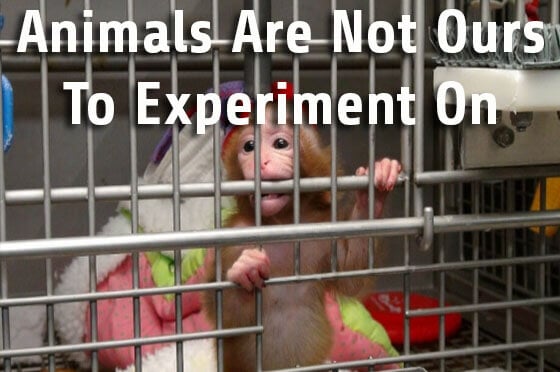
PETA—whose motto reads, in part, that “animals are not ours to experiment on”—opposes speciesism, a human-supremacist worldview.

For more information on PETA’s newsgathering and reporting, please visit PETA.org or follow the group on Twitter, Facebook, or Instagram.

The post ‘Dinosaurs’ to Tail POTUS to Town Hall in Push for Progressive NIH Director appeared first on PETA.

Tulsa Residents Receive Free Vegan Burgers at PETA’s Food Justice Event

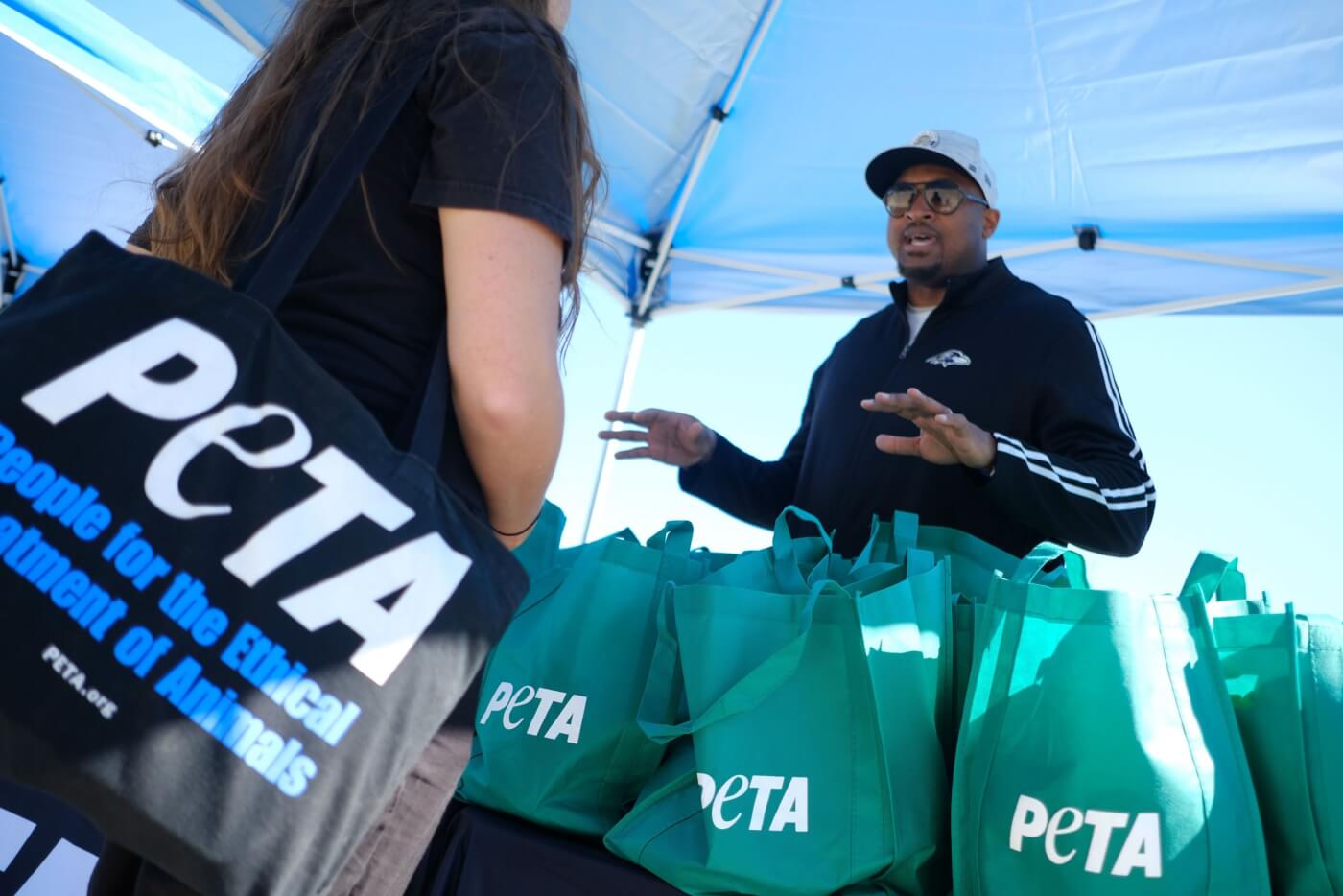
Following the successful launch of our national campaign in Atlanta, PETA is back out there, fighting for food justice one free meal at a time! At an event on October 19, Rev. Dr. Robert Turner and members of the Historic Vernon African Methodist Episcopal Church teamed up with PETA to give away 300 free vegan burgers and bags filled with fresh vegetables, fruit, and other healthy, humane vegan foods. Turner has been a staunch social justice advocate over the course of his career, and now, he’s standing with us to demand better access to nutritious food for the people of Tulsa. We’re urging everyone to join PETA’s new food justice campaign, which calls on government officials to redirect meat, egg, and dairy industry subsidies toward incentives for grocers in food deserts to stock fresh vegetables, fruit, and other healthy, humane vegan foods.

Turner is calling on the Oklahoma governor and state representatives to make these changes in order to end the food insecurity that disproportionately affects communities of color:

Black and brown families deserve to have the same access to fresh, healthy plant-based food as anyone else. For decades, the government has been propping up industries that are making people sick and harming God’s creatures. No more. In Tulsa alone, where I’m currently based, nearly 20% of the population lives in a food desert. Not having access to healthy foods forces people to eat processed meats and snacks, which hurts the body, mind, and spirit. Healthy plant-based foods, on the other hand, help prevent heart disease, diabetes, high blood pressure, strokes, and cancer—one of many reasons why I’m committed to eating vegan.

Attendees also scooped up PETA’s free vegan meal starter kits, which include a reusable green grocery bag, an easy go-vegan guide, fresh produce, and more. More giveaways are currently being planned in cities across the country, including Baltimore, Indianapolis, and Los Angeles.

Every year, the U.S. government spends about $38 billion in tax money to subsidize the meat, egg, and dairy industries, the vast majority of which goes to big corporations, not American farmers. Only about $17 million is used to subsidize the fruit and vegetable industries—even though the federal government’s own dietary guidelines encourage people to eat more produce and fewer animal-derived products.

Decades of scientific studies have repeatedly proved that choosing vegetables, grains, beans, fruits, nuts, and other vegan foods over meat, eggs, and dairy helps support a lifetime of good health. The Academy of Nutrition and Dietetics states that vegans enjoy a lower risk of death from ischemic heart disease, lower blood cholesterol levels, lower blood pressure, lower rates of hypertension and type 2 diabetes, and lower body mass indexes as well as lower overall rates of developing cancer. The proof is in the vegan pudding.

Urge your local, state, and national representatives to join you in advocating for food justice. Ask them to redirect funds that support the meat, egg, and dairy industries toward incentives to grocers in food deserts to stock vegetables, fruit, and other healthy, humane vegan foods:

I Support Food Justice!

The post Tulsa Residents Receive Free Vegan Burgers at PETA’s Food Justice Event appeared first on PETA.

Ford Funded Crash Test on Pigs in Violation of Animal Test Ban, PETA Finds

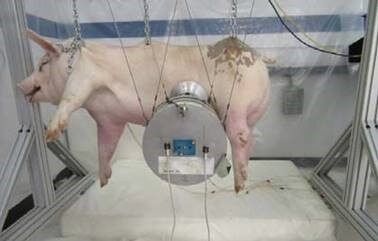
PETA has uncovered evidence that Ford Motor Company paid to have pigs killed and used in crash tests—in violation of its 2009 ban on animal use in experiments. A Wayne State University study, funded at least in part by Ford, details how the 27 pigs were killed, hung by wires through their spine, and crashed into by a heavy swinging pendulum. PETA is demanding that Ford commit to and honor its policy banning animal experiments.

In this horrific Ford-funded experiment, pigs were killed and their bodies subjected to injuries produced by a high-impact pendulum. A pig’s anatomy is very different from that of humans, so the data obtained from this animal experiment aren’t applicable to human car-crash victims.

“Whether Ford had its own employees conduct these barbaric tests or simply contracted and paid for them makes no difference to the pigs who died needlessly,” says PETA President Ingrid Newkirk. “If Ford walks back its commitment to conducting humane, animal-free research, it should expect a consumer lawsuit from PETA and outrage from the public.”

Ford’s 2009 ban on funding and conducting crash tests on animals was enacted in response to a campaign by PETA. At the time, then–Ford Manager of Sustainable Business Development David Berdish stated, “Ford Motor Company does not directly conduct or fund development of products that involve live animal testing …. Our goal continues to be a leader in ethical business practices and to differentiate the Company on its commitment to understand social issues including the use of animals in research.”

Pigs’ anatomy differs from that of humans and pigs cannot sit up naturally in car seats, so the data obtained from these experiments do not apply to human car-crash victims. Most automakers use superior, human-relevant methods, such as clinical studies, advanced computer modeling, three-dimensional medical imaging, and sophisticated manikins.

PETA—whose motto reads, in part, that “animals are not ours to experiment on”—opposes speciesism, a human-supremacist worldview. For more information, please visit PETA.org or follow the group on Twitter, Facebook, or Instagram.

The post Ford Funded Crash Test on Pigs in Violation of Animal Test Ban, PETA Finds appeared first on PETA.

Altuzarra Bans Exotic Skins After PETA Push

A box of alligator-shaped vegan chocolates is on the way from PETA to Altuzarra, which confirmed that it has banned exotic skins. The announcement comes after PETA sent the luxury brand exposés documenting cruelty to animals in the exotic-skins trade—and research showing that the industry poses a risk for future epidemics.

“By ditching ostrich leather and python purses, Altuzarra is saving animals’ lives and protecting public health,” says PETA Executive Vice President Tracy Reiman. “PETA is celebrating this compassionate move, which will help steer the fashion industry toward a cruelty-free future.”

PETA entities have exposed cruelty to animals in the exotic-skins trade around the world. A PETA Asia exposé showed workers in Vietnam inflating snakes with compressed air, causing them to suffocate to death, and electroshocking, stabbing, inflating, and evidently skinning crocodiles alive. In Texas, PETA exposed that workers crudely hacked into alligators’ necks and scrambled their brains with metal rods, and in South Africa, PETA exposed that workers stunned ostriches, flipped them upside down, and slit their throats.

Experts warn that these unsanitary and crowded conditions are the perfect breeding grounds for viruses such as the one that caused the COVID-19 pandemic, which is believed to have originated in a live-animal market similar to the farms from which exotic skins come.

Altuzarra joins a growing list of top designers and retailers—including Calvin Klein, Chanel, Diane von Furstenberg, HUGO BOSS, Karl Lagerfeld, Victoria Beckham, and Vivienne Westwood—that have banned the sale of exotic skins. PETA is calling on Louis Vuitton, Hermès, Prada, and other brands to follow suit.

PETA—whose motto reads, in part, that “animals are not ours to wear”—opposes speciesism, a human-supremacist worldview. For more information about PETA’s investigative newsgathering and reporting, please visit PETA.org or follow the group on Twitter, Facebook, or Instagram.

The post Altuzarra Bans Exotic Skins After PETA Push appeared first on PETA.