TeachKind Celebrates 20th Anniversary by Giving Teachers 4 Chances to Win Free Vegan Food

Two decades of helping educators teach students to have compassion for animals is reason to party! 2022 marks TeachKind’s 20th anniversary, and we’re celebrating big, with not one but four vegan food giveaways throughout this special year.
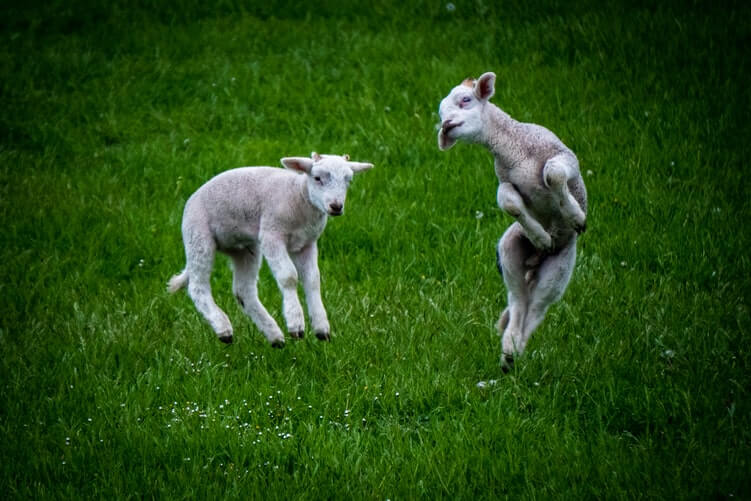
Two young goats jump in the grass

Instilling values like kindness, empathy, and respect for others, including animals, in young people isn’t always an easy task—especially during a global pandemic. That’s why TeachKind’s dedicated team of former classroom teachers has been working hard for the last two decades to provide compassionate educators like you with lessons, virtual presentations, classroom materials, guidance, online resources, and more—all for free. To thank you for raising the next generation to be more compassionate and for never losing sight of our collective goal of inspiring young people to take responsibility for animals’ well-being, we invite you and your colleagues to enter for a chance to win some free vegan food for you and your students!

What’s Included in TeachKind’s 20th Anniversary Giveaways?

Because a party isn’t complete without something delicious to eat, the winner of each giveaway will receive their choice of pizza, ice cream, or milk and cookies—all vegan, of course—for their entire class.*

How to Enter TeachKind’s 20th Anniversary Giveaways

Simply share with us the fun and creative methods you use to teach your students compassion for animals.

You can do this in one of these ways:

  • Create a post, using the hashtag #TeachKindTeachers, on Instagram or Facebook—and tag us (@teachkindteachers on Instagram and @teachkind on Facebook). Please ensure that your post is not private or we won’t be able to see your entry.
  • E-mail us at Info@teachkind.org with the subject line #TeachKindTeachers along with written permission to share your photo(s) and/or video(s) publicly (e.g., on our social media pages).

Using the hashtag #TeachKindTeachers will help us see your entry, so be sure to type it correctly.

To qualify for a giveaway, you must include the following in your entry:

  • A description of the activity and how it encourages students to have compassion for animals (This can be brief, but the more detail you provide us with, the better.)
  • At least one clear photo or video depicting the activity
  • The hashtag #TeachKindTeachers

Here’s an example of what an entry on Instagram or Facebook might look like:
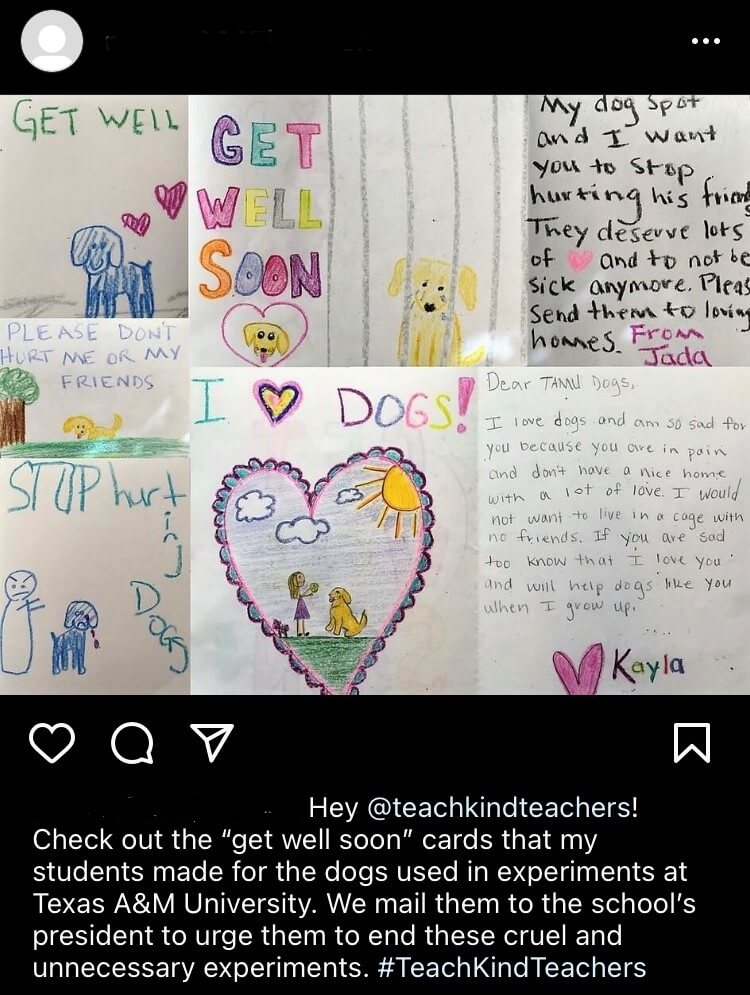
And here’s an example of what an entry via e-mail might look like:
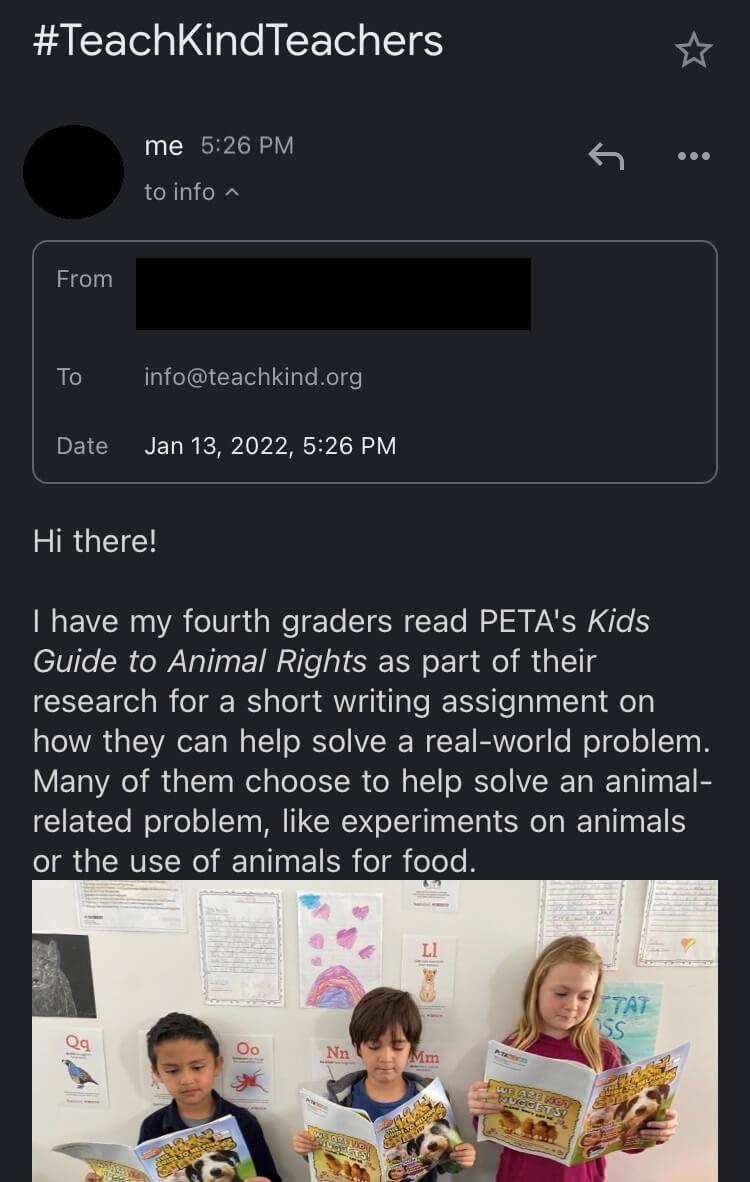
We’re interested in hearing about all that you do in the classroom to help animals, so don’t be shy! Perhaps you show animal rights documentaries to your students as part of your unit on persuasive arguments. Maybe you rescue insects who make their way into your classroom to model kindness for your students or use digital dissection software instead of once-living animals to teach your students about anatomy. You might be like some of TeachKind’s Teachers of the Year, who have students create posters advocating for animals, discuss speciesism and how they can help dismantle this misguided and harmful way of thinking, or make connections between classic works of literature and the animal rights issues featured in them. No matter how you incorporate compassion for animals into your curriculum, now’s your chance to toot your own horn—doing so could not only win you and your students some free vegan food but also inspire other teachers to start teaching compassion!

Here are some important dates to keep in mind for these giveaways:

Entry Period Date by Which the Winner Will Be Notified
Friday, January 14–Friday, March 11 Friday, March 18
Monday, March 14–Monday, May 9 Monday, May 16
Monday, August 8–Monday, October 3 Monday, October 10
Tuesday, October 4–Tuesday, November 29 Tuesday, December 6

Be mindful that just because a lesson or an activity features an animal, that doesn’t necessarily mean that it’s empathy-building. For example, while having students research elephants and their natural habitats, food sources, and behavior is a perfectly good idea, going a step further and teaching them about the threats that elephants face—such as poaching, habitat destruction caused by animal agriculture, and the use of elephants in circuses—and how they can help these animals promotes compassion. Sharing the latter with us would qualify you for our giveaway!

If you’re new to humane education or still unsure whether the activity you’d like to share with us promotes compassion for animals, we recommend that you read our helpful article about some of the ways well-intentioned teachers think they’re teaching kindness for animals when, in reality, they’re inadvertently promoting their exploitation. Don’t worry—we suggest humane activities that you can do instead, and we’re always glad to offer support and guidance as you tweak your existing lessons to be more animal-friendly.

If you’re interested in entering TeachKind’s 20th anniversary giveaways but you aren’t yet teaching compassion for animals, don’t sweat it—you can start now and submit an entry to let us know how your first compassionate lesson or activity went! Browse our free ready-to-use lessons and activities, order free printed materials, or sign up for TeachKind E-News to have our latest seasonal content and classroom inspiration sent directly to your inbox.

Good luck!

*Contest is in no way sponsored, endorsed or administered by, or associated with Instagram or Facebook. Contest is open to U.S. residents only. No purchase necessary. Void where prohibited by law. The winner will receive their choice of pizza, ice cream, or milk and cookies (all vegan) for their entire class or up to 100 students of their choosing. Entries must be received by 11:59 p.m. ET on March 11, 2022, for the first giveaway; May 9 for the second giveaway; October 3 for the third giveaway, and November 29 for the fourth giveaway. You may submit an unlimited number of entries, but you can win only one of the giveaways once. As an alternative to entering this contest via social media or e-mail, you can fill out this form to submit your entry. Full contest details can be found on the page where the contest was announced. Winners will be chosen randomly and contacted via their chosen mode of entry (Instagram, Facebook, or e-mail) on March 18, May 16, October 10, and December 6, 2022. By submitting your entry, you’re acknowledging that you’ve read and you agree to our contest terms and conditions and our privacy policy and agree to release Instagram and Facebook completely from any claims related to the contest.

The post TeachKind Celebrates 20th Anniversary by Giving Teachers 4 Chances to Win Free Vegan Food appeared first on PETA.

Vegan Food Trends to Watch Out For in 2022

It seems like every day there’s a new vegan product on the shelves or some exciting animal-friendly fast-food news. This year is sure to bring more, which is why we’re making predictions about the way 2022 will look. Here are a few vegan food trends that we know will grow this year:

Truly Sustainable Seafood Stars

Last year, Seaspiracy helped many people understand that fishing kills marine animals and devastates our oceans. As a result, more people are looking for tasty fish-friendly options. Brands such as Vegan Zeastar, Future Farm, and OmniFoods will be launching new vegan seafood products this year that you’ll want to look out for.

@tifflovestofu

I tried the tuna sashimi from vegan zeastar and this was 🔥 #vegantuna #veganfish #tunasashimi #pokebowl #poke #fyp #vegan #plantbased

♬ The Journey – Sol Rising

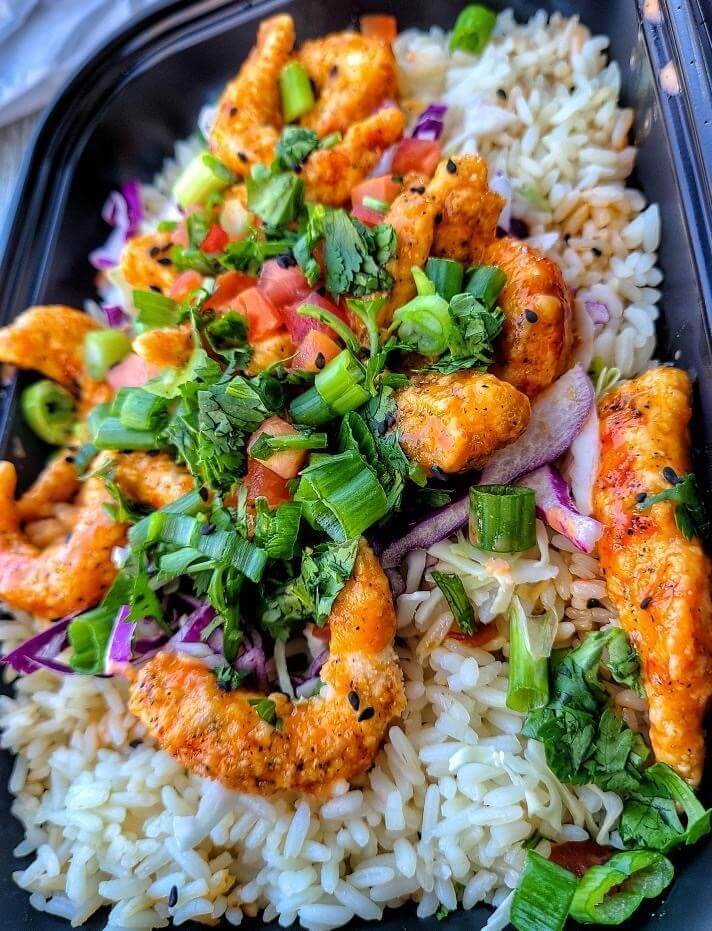
We’re also sure to see more vegan seafood at fast-food and chain restaurants. In 2021, we saw Long John Silver’s test fish-free filets and crabless cakes and California Fish Grill launch four plant-based offerings, including an “ahi” poke bowl.

Dynamite "Shrimp" from CA Fish Grill topped with scallions, onions, and salsa© instagram.com/ElCompaVegano
California Fish Grill’s Plant-Based Dynamite “Shrimp” Bowl

More Chicken-Friendly Egg Brands

No amount of humane-washed marketing can hide the truth of the egg industry, which forces hens into cramped cages or packed sheds and kills male chicks, who are considered worthless. That’s why we’re seeing more demand for vegan eggs—from WunderEggs’ hard-boiled egg to Perfeggt’s fava bean–based scramble. We’re excited to see what comes out next in 2022.

More Fast-Food Innovations

Last year set a high standard for exciting vegan fast-food news, but this year is already upping the ante with Beyond Fried Chicken at KFC and plant-based chorizo at Chipotle. There’s no doubt we’ll continue to see big moves from chains as the year goes on. Taco Bell is still working on adding vegan meat options, and we hope to see McDonald’s take its McPlant burger nationwide.

vegan mcdonalds mcplant burger
McDonald’s new McPlant burger, ordered without cheese or mayo

More Celebs Will Go Vegan in 2022

Jermaine Dupri launched nondairy ice cream, Cardi B is vegan-curious, and Lizzo shared her animal-free eats with the world. We’re sure to see more celebrities ditching animal-derived products this year as concerns about animals, the climate catastrophe, and future pandemics increase.

@lizzo

Are voiceovers still cool ?

♬ Face Off – Dwayne Johnson – Tech N9ne & Joey Cool & King Iso & Dwayne Johnson

Order Your FREE Vegan Starter Kit

Send Me a Vegan Starter Kit

All-Vegan Chains Continue to Expand

We’re all for the addition of delicious vegan options at fast-food chains, but every vegan knows the joy of having the whole menu available to choose from! All-vegan chains are taking off in many places. Veggie Grill, Plant Power Fast Food, and Loving Hut are just a few notable chains popping up all over the country.

Chains Drop Vegan Milk Surcharge and Make Oat Milk the Default

Oat milk has become such a popular option that it just makes sense that more chains will start dropping their surcharge. (We’re looking at you, Starbucks.) Some, like Blue Bottle Coffee, might even move to make oat milk the default instead of cow’s milk. Cows used in the dairy industry are forcibly impregnated, and then their calves are stolen from them—so more people are realizing that vegan milk is healthier, tastier, and kinder to animals.

Fine Dining Goes Vegan

Vegan fine dining restaurants have been around for a while, but now more nonvegan establishments are adding animal-friendly options. Some are even making moves to take meat off the menu altogether. Geranium, a Michelin three-star restaurant in Copenhagen, has removed meat from cows, pigs, chickens, and other land animals from its menu. While it’s a positive step, we’re expecting that more fine-dining restaurants will take all animal-derived foods off their menus in 2022.

*****

This year, going vegan is easier than ever. Kick-start your resolution with our 3-Week Vegan Challenge, and keep it going all year long with our free vegan starter kit.

Order a Free Vegan Starter Kit

The post Vegan Food Trends to Watch Out For in 2022 appeared first on PETA.

Cows Repeatedly Shot in the Head; PETA Seeks Federal Probe

PETA has obtained a recent U.S. Department of Agriculture report revealing a violation of federal law at IDA-Beef, outside Burley, in which an immobile, or “downed,” cow remained conscious, bleeding, and staggering as a worker shot the animal three times before a fourth shot by another worker finally rendered the animal unconscious. In response, PETA sent a letter this morning calling on the U.S. Attorney for the District of Idaho Rafael Gonzalez Jr. to review the slaughterhouse’s history of violations of the Humane Methods of Livestock Slaughter Act and, as appropriate, file criminal charges against the facility and the workers responsible.

In the letter, PETA notes that this latest violation echoes two similar violations in 2019—one in which workers repeatedly shot two downed cows in the head and another in which a downed cow who had been shot in the head attempted to crawl away before being shot a second time.

“This latest disturbing eyewitness report shows that cows keep enduring prolonged, agonizing deaths at IDA-Beef,” says PETA Senior Vice President Daphna Nachminovitch. “PETA is calling for a federal investigation on these animals’ behalf and is urging everyone to help prevent more animals from suffering in slaughterhouses by going vegan.”

PETA—whose motto reads, in part, that “animals are not ours to eat”—opposes speciesism, a human-supremacist worldview. The group notes that cows, sheep, pigs, chickens, and other animals feel pain and fear and value their lives, just as humans do.

For more information on PETA’s investigative newsgathering and reporting, visit PETA.org or follow the group on Twitter, Facebook, or Instagram.

PETA’s letter to Gonzalez follows.

January 12, 2022

The Honorable Rafael M. Gonzalez Jr.

United States Attorney

District of Idaho

Dear Mr. Gonzalez:

I hope this letter finds you well. I would like to request that your office investigate and file appropriate criminal charges against IDA-Beef LLC and its workers responsible for repeated violations of the Humane Methods of Slaughter Act, which requires that animals be “rendered insensible to pain by a single blow … or other means that is rapid and effective, before being shackled, hoisted … or cut.”1 At the company’s slaughterhouse, located at 729 S. 600 W. outside Burley, its staff repeatedly shot four immobile, conscious cows in the head—leaving them bleeding, staggering, and trying to crawl away—as documented in the enclosed reports by the U.S. Department of Agriculture’s Food Safety and Inspection Service (FSIS).

According to the reports, federal officials documented the following:

  • December 20, 2021: “[W]hile watching an establishment yards employee stun a non-ambulatory disabled Holstein cow, FSIS IPP [inspection program personnel] observed the following noncompliance. The employee placed the handheld captive bolt device against the cow’s head and fired the hand-held captive bolt device. The stun was ineffective, and the cow proceeded to blink multiple times and move [her] head in a controlled movement away from the employee. The employee immediately grabbed the backup handheld captive bolt device and applied a second ineffective stun. I observed bleeding from the hole in the cow’s head and I observed the cow completely rise to [her] feet, stagger for approximately 10 seconds, and then fall down. The employee reloaded the handheld captive bolt device and applied a third ineffective stun attempt, where the cow continued to blink and attempted to rise again. The employee reloaded the handheld captive bolt device again and approximately one minute after the third stun attempt, a second yards employee ran over and applied the fourth stun attempt, which was successful in rendering the cow unconscious.”2
  • May 29, 2019: “[T]he stun operator and the quality assurance monitor were inside the pen with the non-ambulatory dairy cow. The CSI [consumer safety inspector] observed the stun operator holding the primary hand-held captive bolt (HHCB) device and the quality assurance monitor holding a back-up HHCB device. The stun operator applied the first stun attempt to the non-ambulatory dairy cow. The CSI observed the rod of the primary HHCB contact the cow’s skull. The CSI observed a dark gray spot with hair sticking out on the cow’s skull. … Following the first stunning attempt, the cow remained conscious with eyes wide open and blinking; ears erect and started to crawl away. The cow did not vocalize. The CSI observed the stun operator reload the primary HHCB by unscrewing the gun, removing the shell and the quality assurance monitor placed a new shell in the gun, then the stun operator screwed the HHCB device back together. The stun operator applied a second stun attempt, which rendered the cow unconscious.”3
  • January 10, 2019: “[T]he CSI … observed two non-ambulatory cattle in the corner of the pen. The black cow was facing the opposite position of the brown cow, laying end to end with each other. … [Redacted] returned to the pens with a captive bolt stunner to euthanize the black cow. The first attempt at stunning the cow sounded muffled and weak. At this time [redacted] checked the consciousness of the cow and determined [she] needed a second [shot]. [Redacted] left the pen area and went inside to retrieve different cartridges. … At this time, it was apparent the black cow was still conscious. [The CSI] observed [the cow’s] head was raised straight up; there was steam coming from the black cow’s nostrils; and rhythmic breathing could be observed. Upon returning, [redacted] delivered a second [shot]. The head of the cow finally dropped. After a few moments, the head of the black cow started to raise straight back up again. [Redacted] delivered a third [shot] to the black cow. … [Redacted] made the decision to euthanize the brown cow [who] was still pinned up against the rail of the pen by the now deceased black cow. … [The CSI] observed a plant employee deliver a captive bol[t] [shot] to the brown cow. … [A]pproximately 5 minutes later … the brown cow raised [her] head off the carcass of the black cow, straight up above it. … [The CSI] immediately notified [redacted] that the brown cow appeared to be exhibiting signs of returning to consciousness. … A trail of blood was streaming down the brown cow’s face. As the plant employee moved into the pen with the captive bol[t] stunner, the brown cow raised [her] head once more straight up. … A second [shot] was delivered to the brown cow and [her] head fell and rested on the black cow once more.”4

The Federal Meat Inspection Act classifies such offenses as misdemeanors and provides penalties of imprisonment of up to one year and/or a fine of up to $1,000.5 The fact that inhumane handling persists at the establishment makes it clear that FSIS enforcement actions alone are insufficient to deter future violations and that criminal prosecution is in the best interests of both the animals who are killed there and the public. Given that the FSIS “fully supports the investigation of all those involved in alleged violations of the Humane Methods of Slaughter Act” and that “[i]nvestigators from [its] enforcement division and from USDA’s Inspector General … stand ready to work”6 with offices such as yours, we respectfully ask that you collaborate with the FSIS Office of Investigation, Enforcement and Audit’s Enforcement and Litigation Division to investigate and bring appropriate criminal charges against those responsible for these violations.

Please let us know what we might do to assist you. Thank you for your consideration and for the difficult work that you do.

Sincerely,

Colin Henstock

Assistant Manager of Investigations

PETA

1U.S. Congress. Humane Methods of Slaughter Act, 7 U.S.C. § 1902(a), (1958) https://www.govinfo.gov/content/pkg/USCODE-2011-title7/pdf/USCODE-2011-title7-chap48-sec1902.pdf. Last accessed January 11, 2022.

2FSIS District 15 Manager Dr. Robert Reeder, Notice of Intended Enforcement, IDA-Beef LLC (December 21, 2021) https://www.fsis.usda.gov/sites/default/files/media_file/2022-01/M45948-NOIE-12212021.pdf. Last accessed January 11, 2022.

3FSIS District 15 Acting Manager Dawn Sprouls, D.V.M., Notice of Suspension, Est. M45948, IDA-Beef LLC (May 29, 2019).

4FSIS District 15 Acting Manager Dawn Sprouls, D.V.M., Notice of Intended Enforcement, Est. M45948, IDA-Beef LLC (January 10, 2019).

5U.S. Congress, United States Code: Meat Inspection, 21 U.S.C. §§ 676(a), (1982) https://www.govinfo.gov/content/pkg/USCODE-2010-title21/pdf/USCODE-2010-title21-chap12-subchapIV-sec676.pdf. Last accessed January 11, 2022.

6U.S. Department of Agriculture, FSIS, “Under Secretary for Food Safety Shares Some Insight on the Humane Handling of Livestock,” (January 7, 2011) https://www.usda.gov/media/blog/2011/01/7/under-secretary-food-safety-shares-some-insight-humane-handling-livestock. Last accessed January 11, 2022.

The post Cows Repeatedly Shot in the Head; PETA Seeks Federal Probe appeared first on PETA.

This Student Helped PETA Thwart Funding for Texas Primate Lab

It takes a village to raise hell against powerful institutions. Just ask Mariah Smith, a Students Opposing Speciesism (SOS) organizer who helped PETA and local residents achieve a major victory against Texas Biomedical Research Institute (Texas Biomed)—home of the Southwest National Primate Research Center—through grassroots organizing in her community.

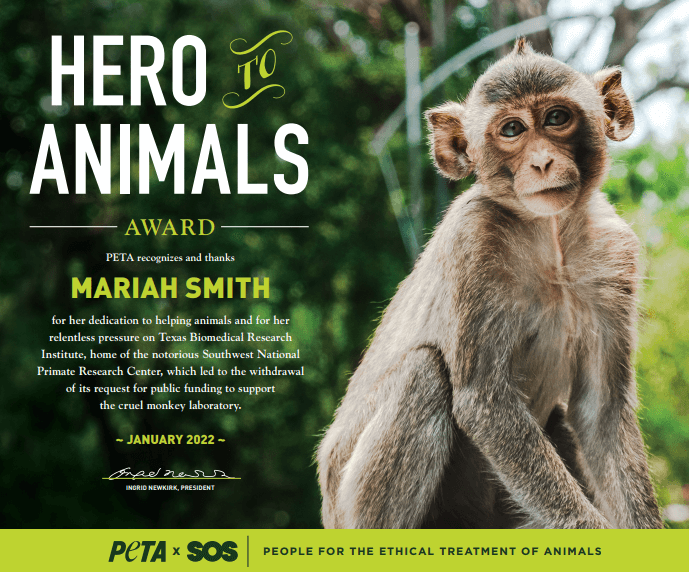
For her resilient work in keeping pressure on Texas Biomed—which led to the withdrawal of its request for local public funding to support the cruel monkey laboratory—PETA is awarding Mariah with our Hero to Animals Award.

To stand up for the animals suffering in Texas Biomed’s laboratories, Mariah spoke during public comment sessions during two bond committee meetings and rallied San Antonio residents to contact their city council members to oppose funding Texas Biomed.

Mariah also pressured city council members on social media to state their position, and District 2 Council Member Jalen McKee-Rodriguez even publicly posted his opposition on Instagram Stories. Mariah also organized a protest with local animal rights group Texas Animal Freedom Fighters outside a bond committee meeting.

And thanks to her hard work—along with support from San Antonio residents—Texas Biomed withdrew its request for $11 million from the taxpayer-funded San Antonio bond program. It sends a strong message to all the national primate research centers that residents don’t want their tax dollars to be used for cruel and useless experiments on our fellow animals.

Here’s How You Can Be a Hero to Animals

If you’re a young activist inspired by Mariah’s story, join SOS and help PETA win more victories like this one:

Join SOS

You can also help by urging the National Institutes of Health (NIH) to shut down all of its primate research centers:

Urge NIH to Shut Down Primate Research Centers

The post This Student Helped PETA Thwart Funding for Texas Primate Lab appeared first on PETA.