From McCruelty to McPlant: PETA’s McDonald’s Campaigns Through the Years

After decades of PETA campaigns, McDonald’s has finally begun testing a vegan burger in the U.S.! Pressure from PETA and our supporters as well as the changing landscape of vegan food in the fast-food industry—which PETA paved the way for—have made the company finally listen to consumer requests for vegan options.
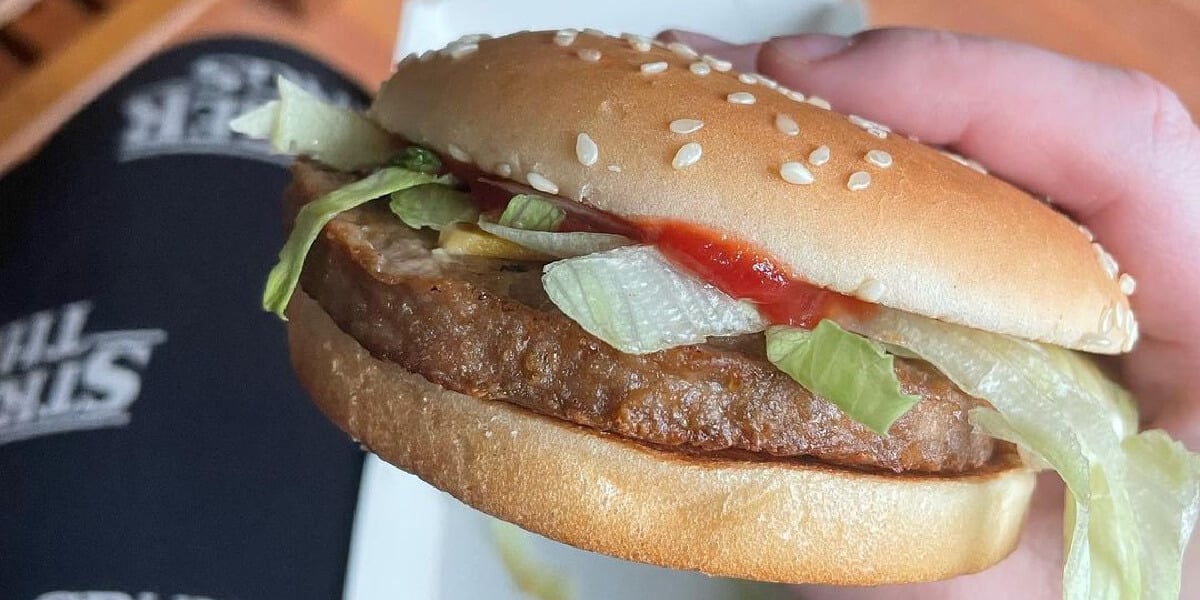
The first test of the McPlant burger in the U.S. began in November 2021 at eight locations, where it sold three times more than analysts expected. Because it performed so well, the chain is expanding it to more than 600 locations in the San Francisco Bay and Dallas–Fort Worth areas starting on February 14.

We’re looking forward to seeing more from McDonald’s in the future, including the permanent expansion of the McPlant burger to all locations and a fully vegan burger with egg-free mayonnaise and nondairy cheese. In honor of this victory, here’s a quick recap of PETA’s McDonald’s campaigns:

1997: Following the “McLibel verdict,” PETA writes to McDonald’s asking the company to take steps to alleviate the suffering of animals killed for its restaurants.

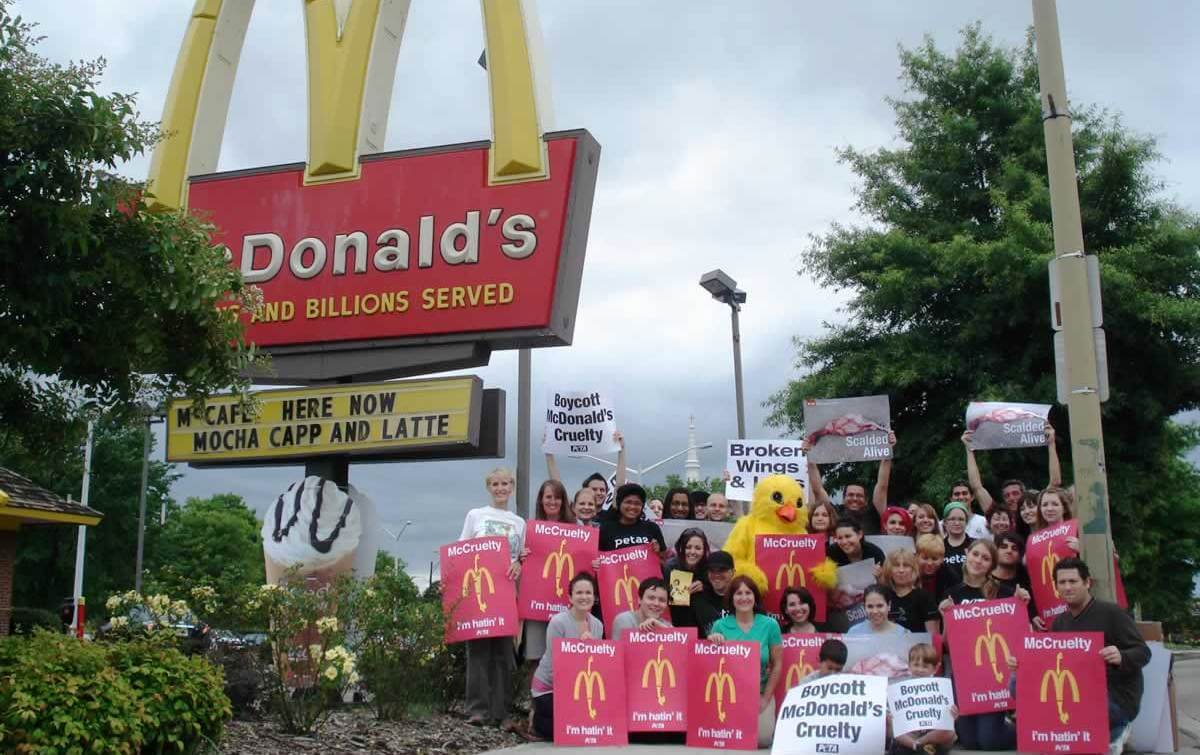
October 1999: PETA launches its McCruelty campaign after two years of failed negotiations with McDonald’s.
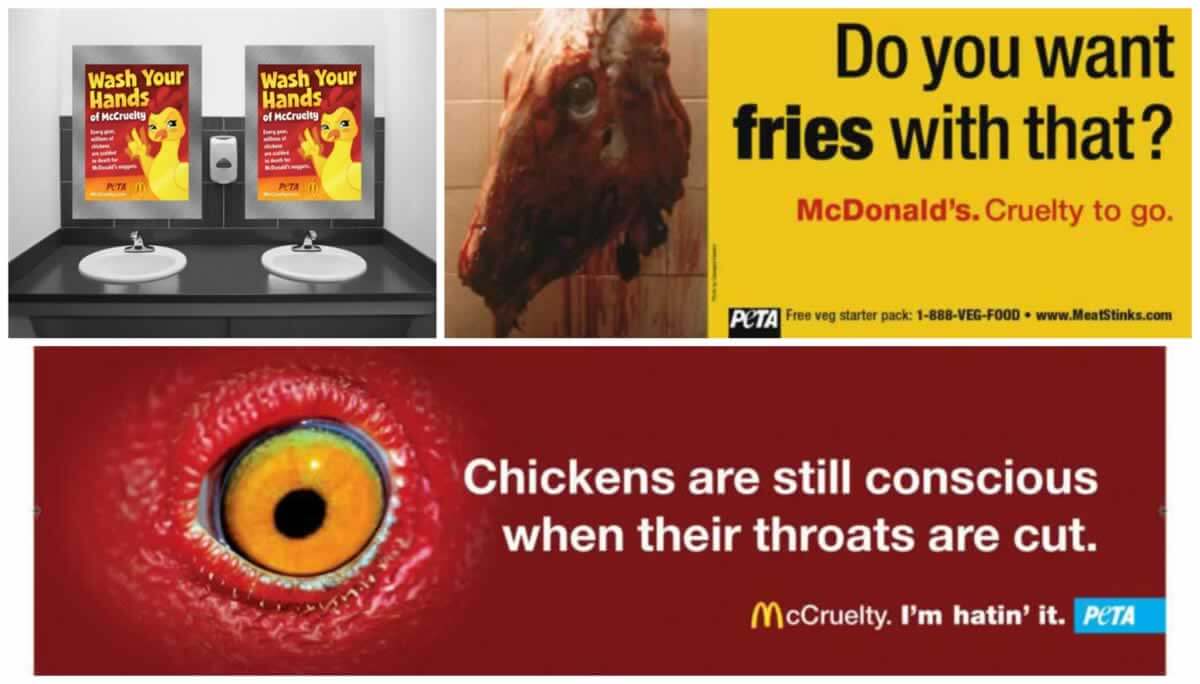
mccruelty collage

September 2000: Following 11 months of campaigning and more than 400 demonstrations against McDonald’s, PETA announces a moratorium on its campaign after the company agrees to make some positive changes for farmed animals—marking the first time in U.S. history that a major seller of meat agrees to a bare minimum of improvements to farmed-animal welfare.
September 2000 to February 2009: PETA tries to work with McDonald’s to modernize the company’s animal welfare standards and make further improvements, especially regarding how its chickens are slaughtered in the U.S., but it refuses.

February 2009: PETA lifts its moratorium against McDonald’s after the company fails to require its U.S. and Canadian chicken suppliers to adopt a less-cruel slaughter method.
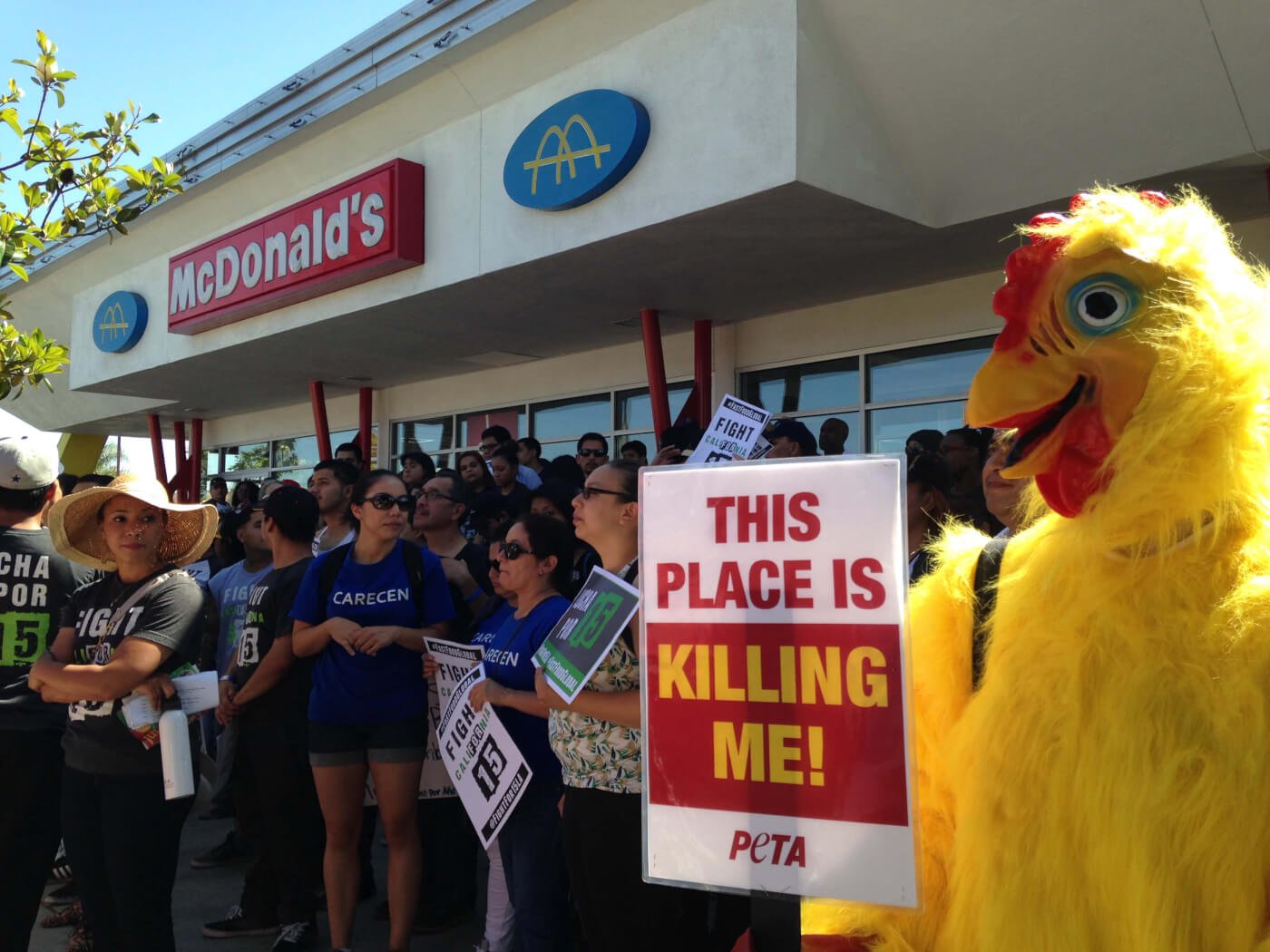
October 2017: After a 20-year campaign, McDonald’s belatedly agrees to implement less-cruel slaughter methods by 2024 for a portion of the birds it kills.

November 2021: The chain successfully launches its first test of the McPlant burger at eight locations in California and Texas.

February 2022: McDonald’s expands the McPlant burger test to more than 600 locations in the San Francisco Bay and Dallas–Fort Worth areas.

*****

While you’re waiting for the McPlant burger to come to a location near you, check out where you can find a vegan burger at other chain restaurants. Our list of vegan burgers can also help you make your favorite at home. Going vegan is the best thing you can do for animals, the planet, and your health. Take our 3-Week Vegan Challenge, and order our free vegan starter kit to learn more today:

Go Vegan Today With Our Free Vegan Starter Kit

The post From McCruelty to McPlant: PETA’s McDonald’s Campaigns Through the Years appeared first on PETA.
Sky-High Alerts Point to Surprising Victims of Fishing Industry: Seals

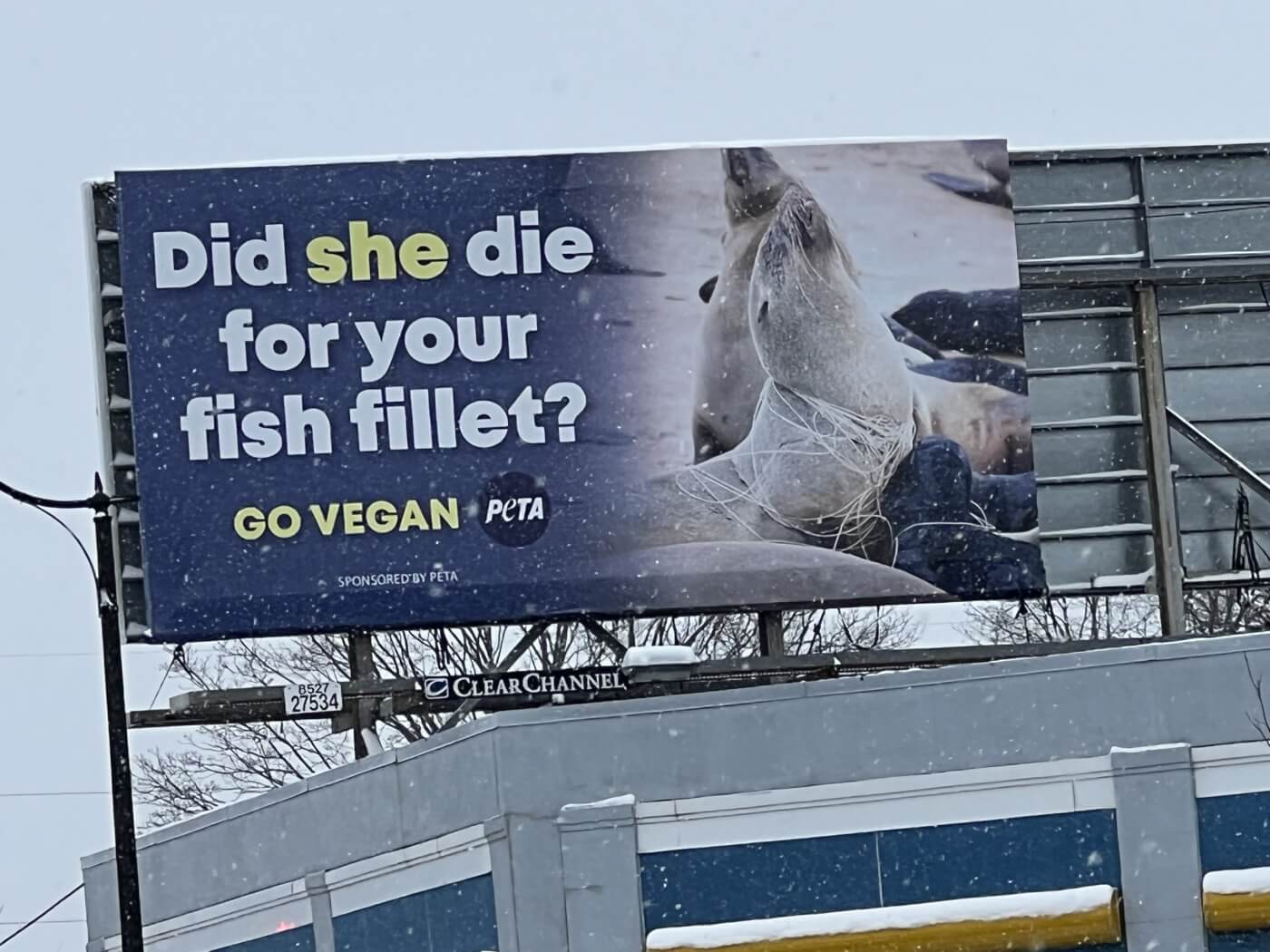
Two seals entangled in fishing nets have dived into Beantown—and a third has landed up the coast in Beverly—to remind everyone that many seals, including the harbor and gray seals who live in Massachusetts, get caught in abandoned fishing gear each year. The new PETA billboards suggest that going vegan can save seals and other nontarget species killed by the fishing industry—in addition, of course, to the millions of fish who are pulled out of their ocean homes to suffocate or be gutted alive on the decks of fishing boats.

“Seals want to be free to live their lives as much as any other Bay Staters,” says PETA President Ingrid Newkirk. “PETA urges everyone to honor aquatic animals, large and small, as even fish have feelings, by simply choosing delicious vegan seafood instead.”

Approximately 640,000 tons of fishing gear—some of which can take 600 years to break down—is left in the ocean every year, and these “ghost nets” can be death traps for animals who become entangled in them, including seals, turtles, dolphins, and whales. As levels of discarded fishing gear increase, hundreds of thousands more marine animals will be killed.

PETA—whose motto reads, in part, that “animals are not ours to eat” and which opposes speciesism, a human-supremacist worldview—points out that many faux-fish options are available, including Gardein’s f’sh filets, Good Catch’s Plant-Based Tuna, New Wave Foods’ plant-based shrimp, and Sophie’s Kitchen’s Vegan Crab Cakes.

PETA’s billboards are located at the intersection of Adams and Arcadia streets in Dorchester, on VFW Parkway near Caledonian Avenue in West Roxbury, and at the intersection of Cabot and Beckford streets in Beverly.

For more information, please visit PETA.org or follow the group on Twitter, Facebook, or Instagram.

The post Sky-High Alerts Point to Surprising Victims of Fishing Industry: Seals appeared first on PETA.

Texas A&M Regents to Face Heat Over Breaking Promise to Release Dogs

This Thursday, PETA supporters will confront officials at Texas A&M University’s Board of Regents meeting and ask that the university honor its promise to release healthy dogs for adoption when its notorious canine muscular dystrophy laboratory has finished using them. The laboratory’s lead experimenter, Peter Nghiem, has violated this promise and sent nine healthy dogs to the school’s veterinary school laboratory.

When:    Thursday, February 17, 1 p.m.

Where:    Memorial Student Center, Bethancourt Ballroom, 275 Joe Routt Blvd. (near Lamar Street), College Station

“Nine healthy dogs who could be in loving homes right now are instead living in cages,” says PETA Senior Vice President Kathy Guillermo. “PETA is ready to take them all and place them in caring homes if Texas A&M will honor its promise.”

PETA released video footage from inside the laboratory that revealed grim conditions for the dogs, who were caged in barren metal cells. In 2019, under pressure from PETA supporters, physicians, and people with muscular dystrophy, Texas A&M halted breeding the dogs to develop the disease. More than 50 have already been released for adoption.

PETA—whose motto reads, in part, that “animals are not ours to experiment on”—opposes speciesism, a human-supremacist worldview.

For more information, please visit PETA.org or follow the group on Twitter, Facebook, or Instagram.

The post Texas A&M Regents to Face Heat Over Breaking Promise to Release Dogs appeared first on PETA.

EU Shellfish Deal Portends Cruel Toxicity Tests on Mice

Now that Massachusetts and Washington will begin selling shellfish to the European Union (EU) for human consumption, PETA is placing pressure on both states to adopt humane toxicity tests to determine food safety, rather than using the cruel and scientifically inferior mouse bioassay, which the EU does not allow for routine use. In the mouse bioassay, fisheries blend samples of shellfish and inject the slurry into the abdomens of live mice, causing seizures, paralysis, and death when toxins are present—all to gauge whether the shellfish is safe for humans to eat.

“A test that uses subjective data-gathering techniques, such as observing the ‘last gasping breath’ of mice, is far from scientific. Instead, states must implement the advanced, humane methods that are available,” says Katherine Groff, M.S., a PETA senior research associate. “PETA encourages these states to stop allowing the mouse bioassay and urges everyone to practice kindness to all animals, from mice to mollusks, by going vegan.”

PETA notes the substantial scientific limitations to the mouse bioassay. The World Health Organization and European Food Safety Authority, in addition to experts at the U.S. Food and Drug Administration, have noted the bioassay’s lack of sensitivity, specificity, and precision, highlighting the need to transition to better test methods. Non-animal methods tend to be more specific and sensitive as well as less time-consuming and expensive per sample analyzed. Methods such as high-performance liquid chromatography, liquid chromatography with tandem mass spectrometry, and enzyme-linked immunoassays are available to test for all toxins of concern in the U.S.

PETA—whose motto reads, in part, that “animals are not ours to experiment on”—opposes speciesism, a human-supremacist worldview. For more information on PETA’s investigative newsgathering and reporting, please visit PETA.org or follow the group on Twitter, Facebook, or Instagram.

The post EU Shellfish Deal Portends Cruel Toxicity Tests on Mice appeared first on PETA.

You Don’t Have to Wait for ‘Hocus Pocus 2’—Binx Is Ready to Meet You

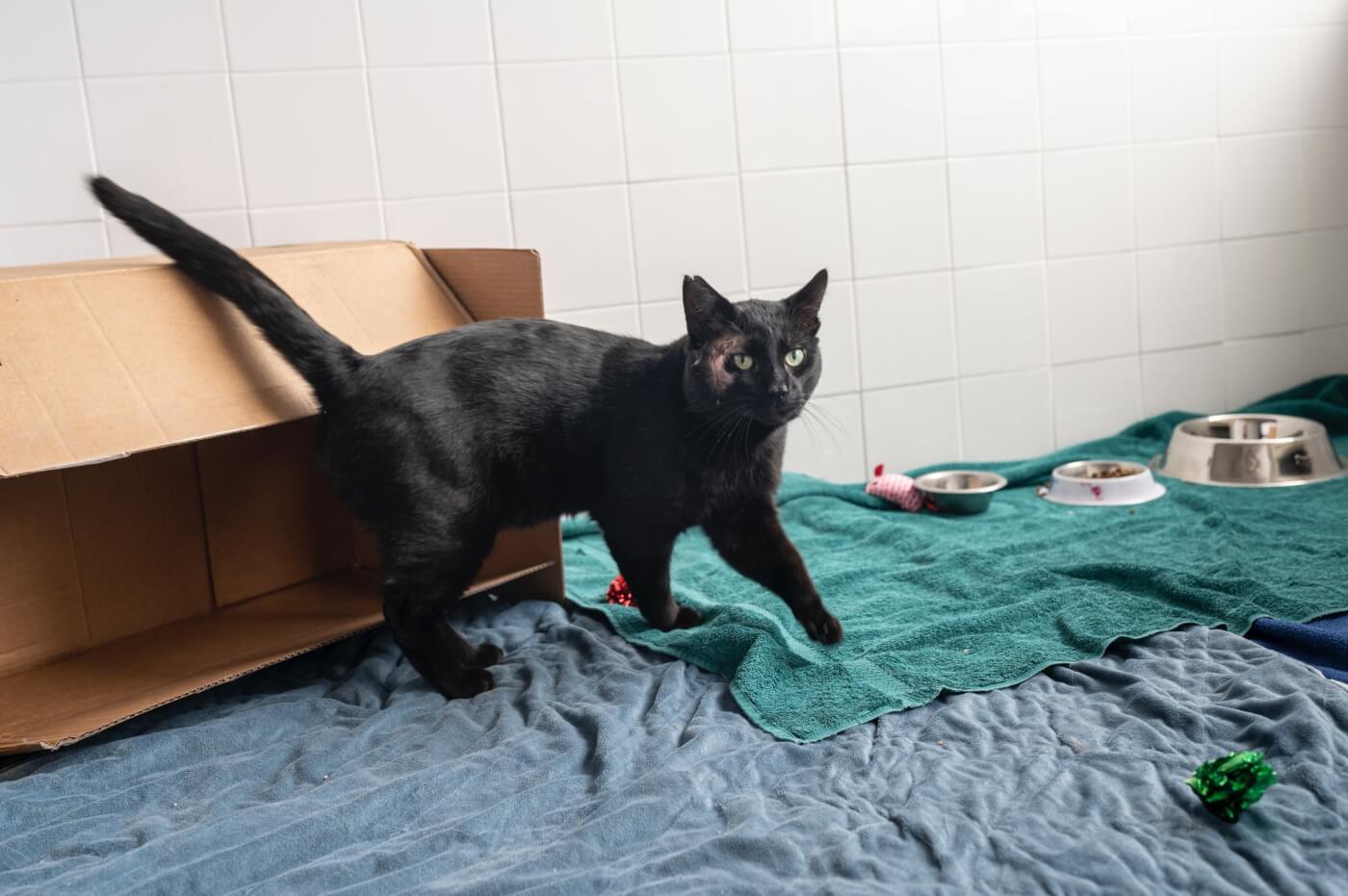
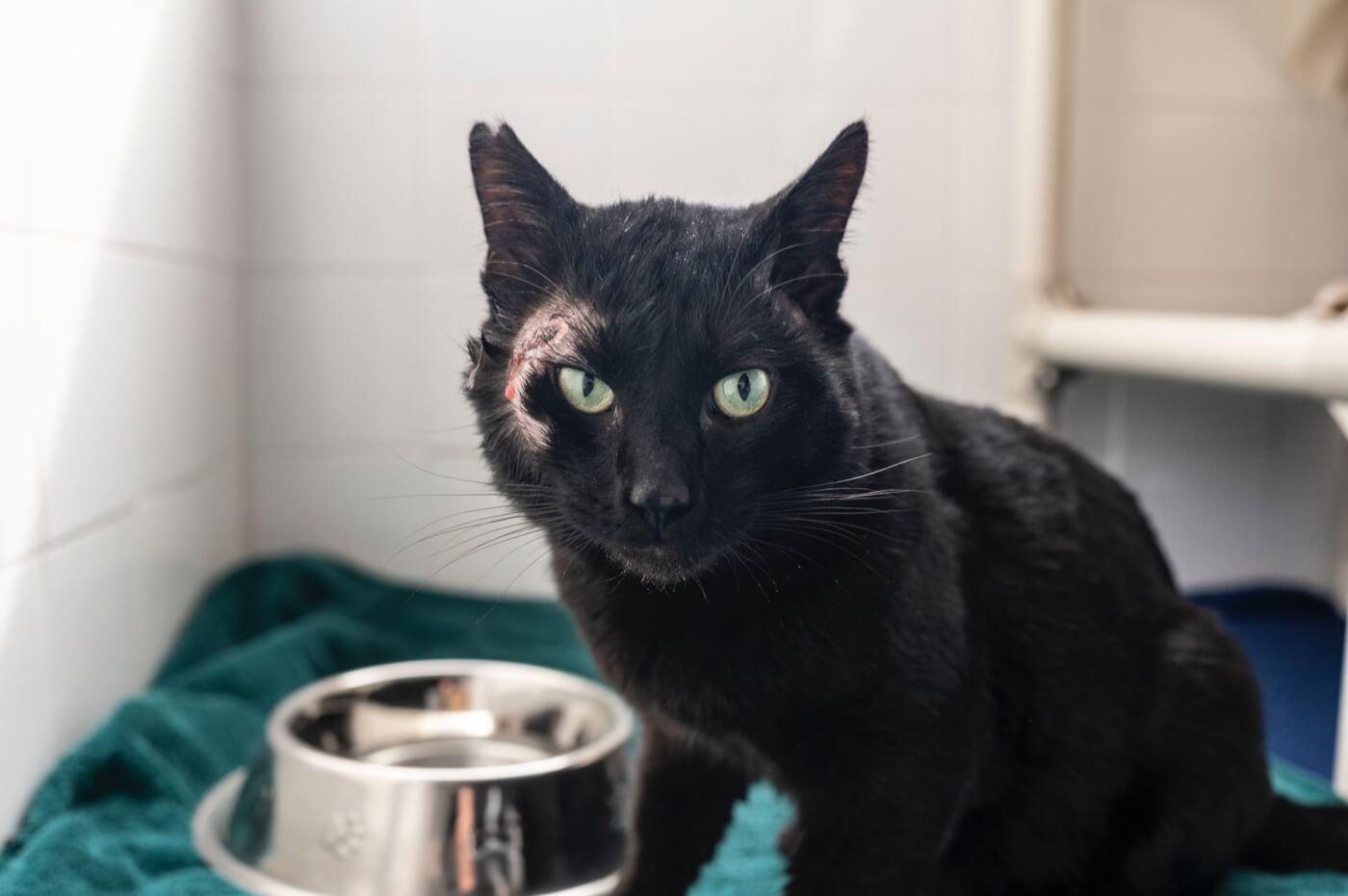
Was Binx under a spell of immortality? Quite possibly, as he had managed to survive for some time on the streets of Salem, Massachusetts Norfolk, Virginia, before a worried caller alerted PETA to an injured stray cat. Our Community Animal Project fieldworkers hurried onto their brooms into their vehicle and quickly found Binx, who was missing a piece of his ear and suffering from an infected wound on his face.

Did he have another run-in with the Sanderson sisters? Or with a cruel human or another homeless animal? Binx didn’t say, but we brought him back to the Sam Simon Center (our Norfolk headquarters), where our Mobile Clinics Division staff gave him medical care, food, and plenty of chin scratches. With their magic potions, his wounds will heal completely.

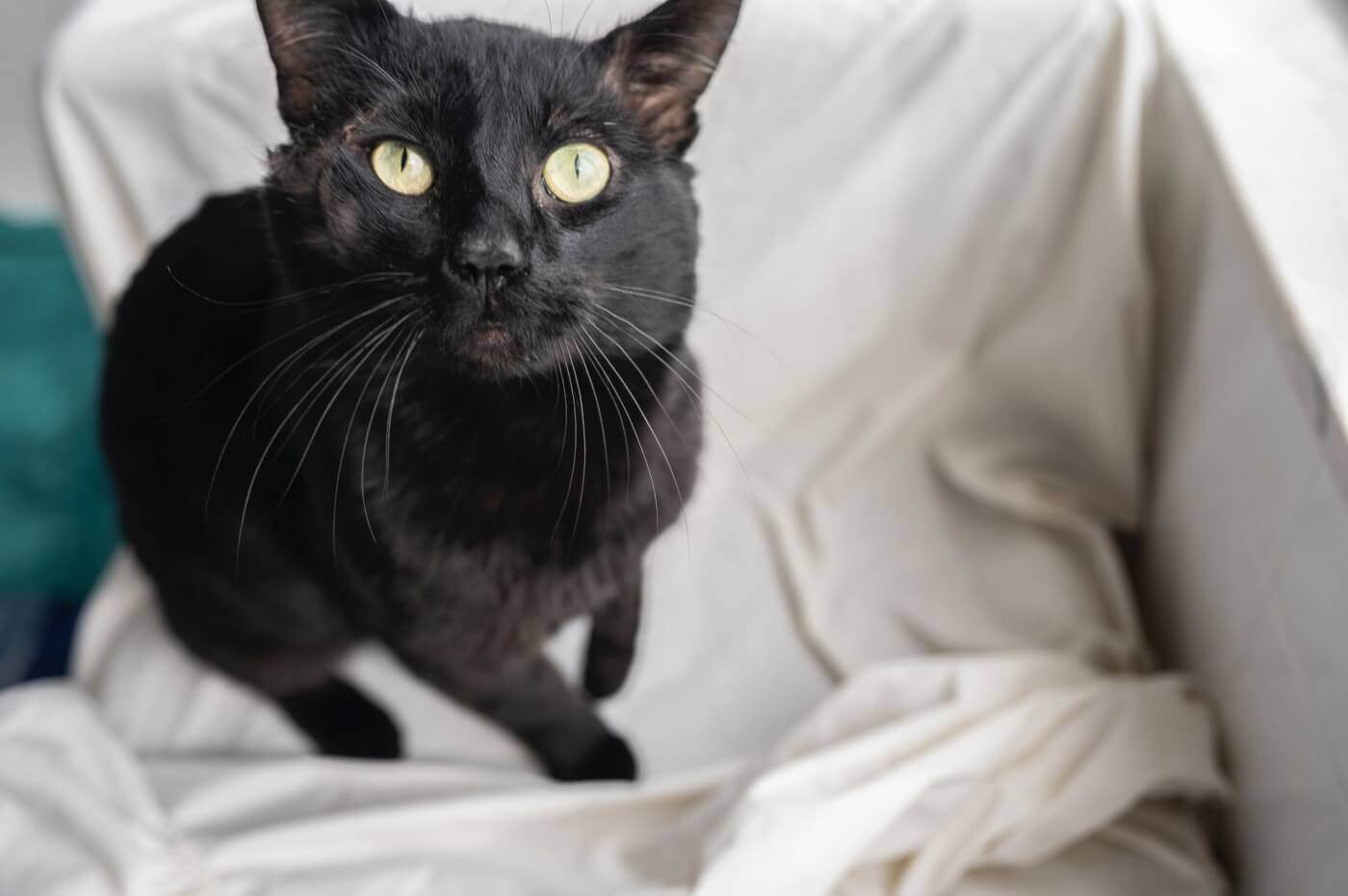
Now, Binx is ready to cast a spell that will make his adoptive family appear! He’s about 3 years old and extremely friendly, social, and outgoing, charming everyone he meets—without needing a book of spells. Since his rescue, he’s been neutered, microchipped, and brought up to date on his vaccinations.

Binx is willing to travel to find his perfect match. So if you need a strong defense against the Sanderson sisters—or just foil balls and yarn—e-mail Adopt@peta.org.

Learn more about Binx and other adoptable animals

The post You Don’t Have to Wait for ‘Hocus Pocus 2’—Binx Is Ready to Meet You appeared first on PETA.