The party’s over for beauty brands that still test on animals! That’s the message singer and longtime vegan Billie Eilish is sending now that her vegan fragrance brand, Eilish, has joined PETA’s Global Beauty Without Bunnies list of cruelty-free products and is set to display our logo. The release of the amber-and-vanilla perfume is the latest animal-friendly milestone for the singer, whose vegan activism won her our 2021 Person of the Year award.
Eilish is always using her massive platform, including an Instagram following of more than 100 million, to help animals. Her “Happier Than Ever” world tour also promoted the environmental benefits of going vegan with the help of her mother, Maggie Baird.
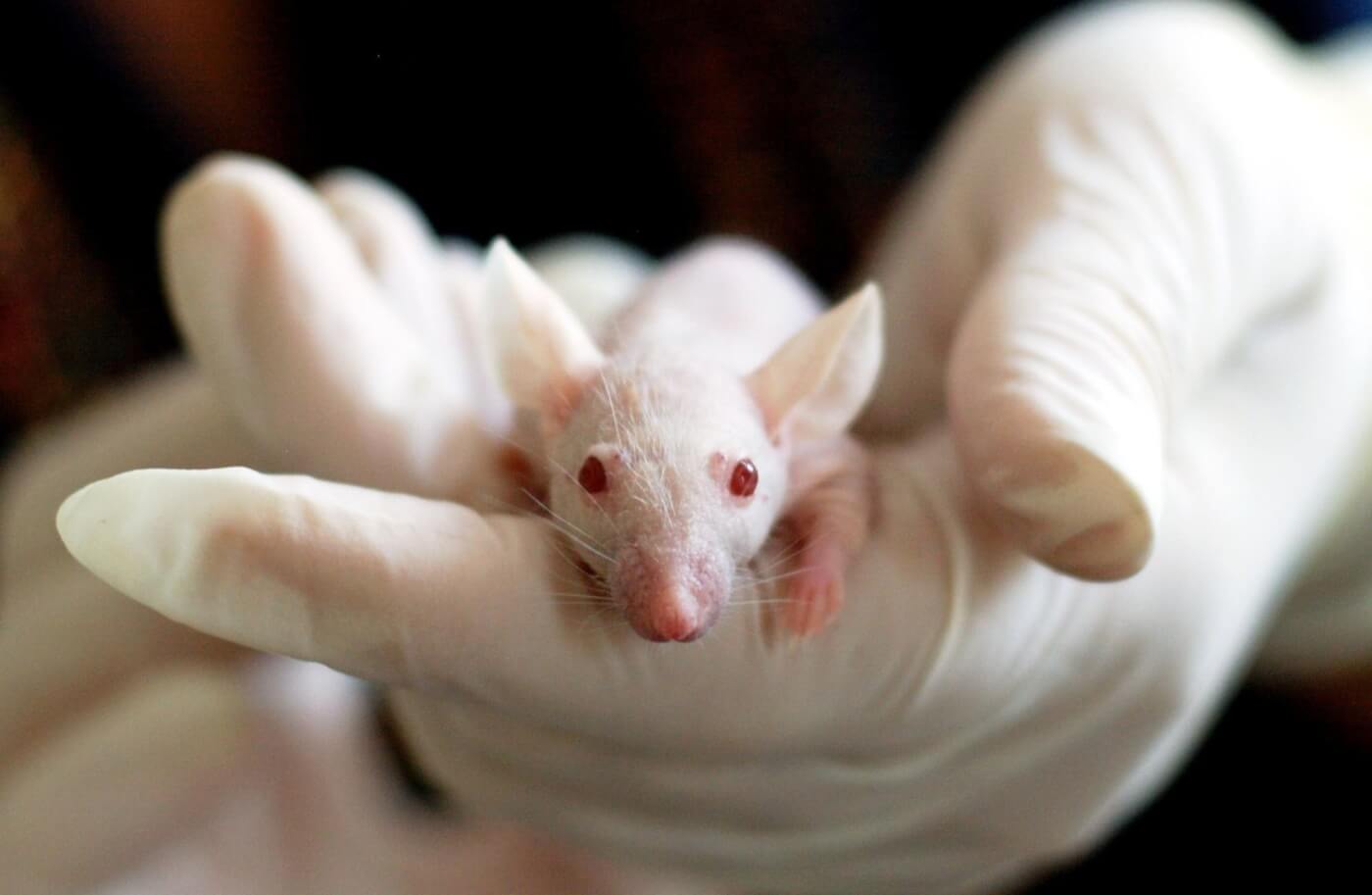
Every year, primarily in China but also in the European Union and elsewhere, hundreds of thousands of rabbits, mice, guinea pigs, rats, and other animals are subjected to archaic, unreliable, and deadly tests for cosmetics and personal-care products. In these horrific tests, experimenters apply cosmetics products and ingredients to animals’ sensitive eyes and raw skin and pump substances into their lungs and stomach to find out how much it takes to kill them. While most of these tests on animals are conducted in China, following years of work by PETA, that country now allows many imported cosmetics and personal-care products—such as shampoo, body wash, lotion, and makeup—to be sold in the country without being tested on animals. But recently, the EU has once again begun requiring tests for certain ingredients, a move that PETA is working tirelessly against.
Eilish is just the latest in a long line of celebrities providing consumers with animal-friendly beauty lines. Others include Drew Barrymore’s FLOWER Beauty, Selena Gomez’s Rare Beauty, Kesha’s Kesha Rose, and more.
Find out if your favorite celebrity-owned beauty brand is on our list by searching our database:
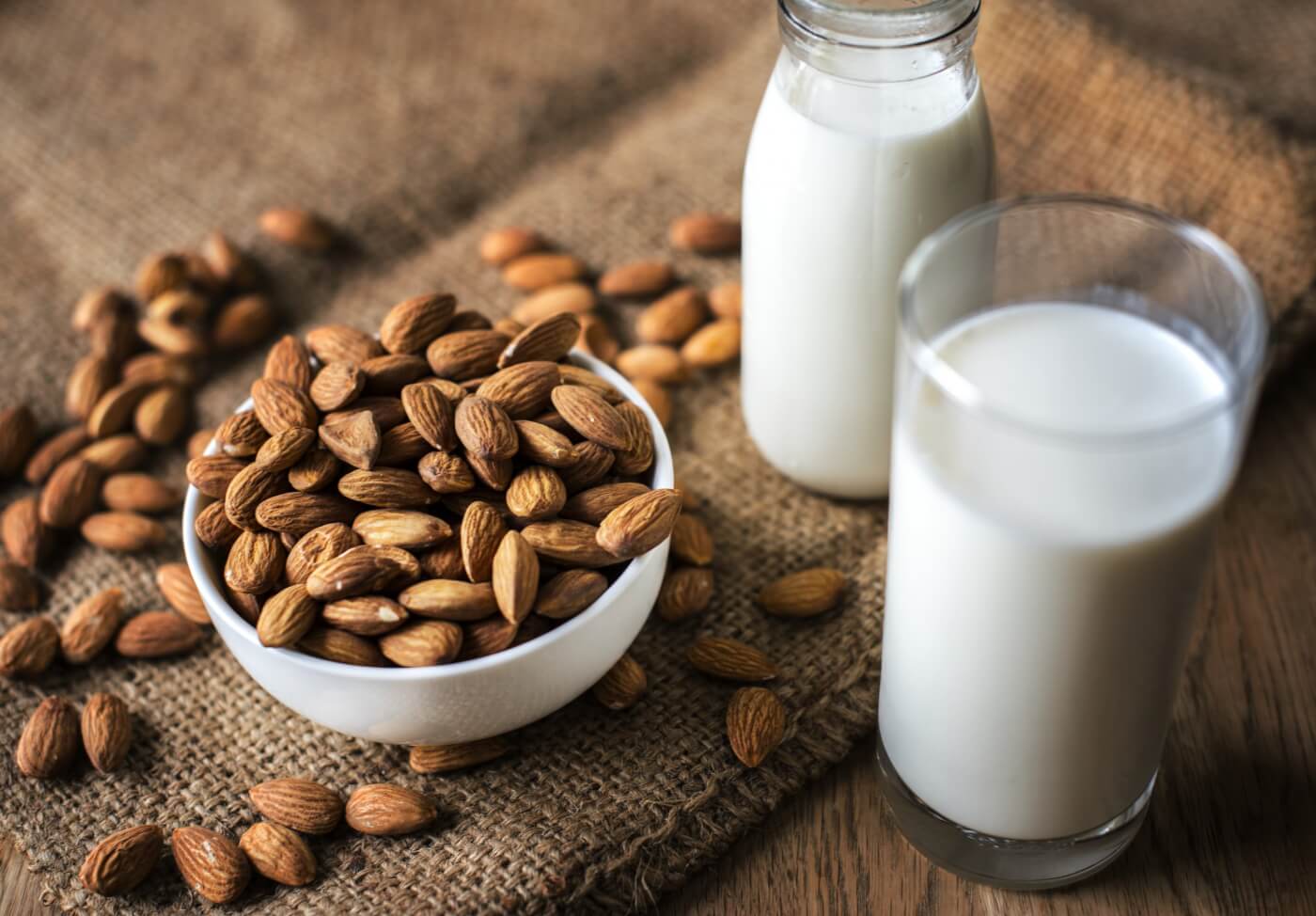
Why drink cow’s milk that’s meant for baby cows when you can drink a healthier, kinder milk option? Almond milk is better not only for your health but also for animals. So if you want to help save cows, stay healthy, and reduce your carbon footprint, here’s everything that you need to know about the benefits of almond milk and how to make it at home.
Is Almond Milk Better for the Environment?
The simple answer is yes—almond milk has less of an impact on our planet than cow’s milk. At 396 grams of carbon dioxide (CO2) produced per liter, it has a smaller carbon footprint than cow’s milk, which produces 1,467 grams of CO2. Trees, which absorb the CO2 that exacerbates the climate catastrophe, are planted to produce this vegan milk. Almond milk also requires less water to produce than cow’s milk. No matter how you compare them, cow’s milk is the worse option—and any vegan milk is a better choice for the planet.
The Many Health Benefits of Almond Milk
Don’t miss out on the health benefits that almond milk has. Since it has fewer calories than cow’s milk, it can help you maintain a healthy weight reduce the risk of developing cancer, and improve cholesterol levels. Cow’s milk is also bad for bone health. A study published in the American Journal of Public Health of more than 77,000 women ages 34 to 59 found that those who consumed two or more glasses of cow’s milk per day had a higher risk of sustaining broken hips and arms than those who drank one glass or less per day.
Cow’s milk leaches calcium from our bones: When animal proteins break down, acids form. Because calcium is a good acid neutralizer, our body uses the calcium in milk to neutralize these acids. If you want high-quality calcium that will strengthen your bones, choose fortified almond milk.
Cow’s milk also contains many added hormones. In order to produce unnaturally large volumes of milk, cows are injected with recombinant bovine growth hormone, or rBGH, which puts them at increased risk of developing mastitis, a painful inflammation of the udder. Almond milk contains no added hormones—and if you buy organic almonds and make it yourself, the only ingredients are almonds and water!
A Glass of Almond Milk a Day Keeps Speciesism Away
Just like human mothers do, cows produce milk for their babies. Cows used for their milk are violently impregnated and forced to give birth repeatedly. Mothers cry out when farmers rip their babies away from them. Male calves are typically torn away from their mothers’ sides shortly after birth, locked in a veal crate, and killed before their first birthday. Female cows are stuck in the same cycle of abuse as their mothers. When you drink almond milk, you choose kindness.
Don’t Stop at Milk—Other Almond Milk Products Are Tasty, Too
Butter, yogurt, cheese, and other products made from cow’s milk can’t hold a candle to their almond milk equivalents. We love all of Kite Hill’s almond milk–based products, including cream cheese, sour cream, and spreadable cheese.
Make Your Own at Home
One of the best things about almond milk is that it’s super-easy to make at home! Here’s a quick recipe for a delicious fresh batch: Simple Vegan Blog’s Almond Milk.
*****
Now that you know the many benefits of almond milk, make the switch by choosing it for your latte instead of cow’s milk. Ask Starbucks to end its vegan milk upcharge, which punishes people for making the choice that’s better for animals, the planet, and their health:
Schizophrenia is an often debilitating neuropsychiatric condition that affects approximately 1% of the population worldwide.
Typically, symptoms of schizophrenia emerge in adolescence or early adulthood. The symptoms are often classified as “positive” or “negative.” Positive symptoms include visual and auditory hallucinations, delusions, and disorganized thought and speech. Negative symptoms include a lack of motivation, difficulty experiencing pleasure, and monotone speech. Most individuals with schizophrenia experience cognitive symptoms and can have difficulty with their working memory, concentration, and language processing, among other things.
Currently, there is no cure for schizophrenia. The most common treatments for it are antipsychotic medications, but these typically only reduce positive symptoms, are not effective for all individuals, and cause side effects ranging from severe weight gain to hepatitis. The side effects of the medications as well as the symptoms of the condition itself make it difficult for some patients to stay on a treatment regime. Schizophrenia—especially its “negative” symptoms—is particularly challenging to treat. Cognitive behavioral therapy can be helpful and is often used in conjunction with medication.
What Are the Causes of Schizophrenia?
Like most complex neuropsychiatric diseases, the causes of schizophrenia involve both genetic and environmental influences. But there isn’t just one gene or one environmental factor at play: More than 100 genes have been demonstrated to put one at risk for schizophrenia.
Environmental influences—including early life stress (such as poverty, life trauma, maternal infection, and birth complications) and additional trauma (physical or social)—during adolescence also put individuals at risk for developing schizophrenia. Many experts believe that the disease emerges when genetic factors combine with exposure to multiple environmental influences at crucial points during development.
As compared to women, men are more likely to develop schizophrenia at a younger age, often display more negative symptoms, and don’t respond as well to antipsychotic treatments. They have higher rates of substance abuse disorders, have difficulty maintaining employment and interpersonal relationships, and more often experience homelessness.
Can Animals Have Schizophrenia?
Other animals don’t naturally develop schizophrenia. It is a uniquely human condition.
It’s Impossible to ‘Create’ All the Symptoms of Schizophrenia in an Animal in a Lab
As psychiatrists at Yale University and the University of California–San Diego pointed out 20 years ago, “[T]he group of schizophrenia disorders is characterized by considerable heterogeneity and a complex clinical course that reflects many factors that cannot be reproduced readily in animals. Thus, the frequent attempts to model the syndromes of schizophrenia in animals usually met with failure.”
Animal Models of Schizophrenia
Experimenters have tried to recreate one or two of the symptoms of schizophrenia in animals in a laboratory, often using extremely harmful and invasive procedures. The intended goal of many of these experiments is to create brain damage early in development and see what symptoms emerge when the animals enter their adolescent stage, which is when most symptoms of schizophrenia appear in humans.
Toxins or other chemical compounds designed to damage brain tissue are injected into the brains of rats as young as 7 days old. In some laboratories, rats are repeatedly given drugs, including amphetamines and/or PCP, to try to induce psychosis or hallucinations. Other experimenters administer a drug called methylazoxymethanol acetate to embryonic rats in order to interfere with crucial brain development processes.
Some experimenters take baby rats away from their mothers at birth and put them in social isolation to create extreme stress. Experimenters have also tried genetically engineering animals to have genetic mutations meant to mimic mutations seen in humans with schizophrenia.
The Problem With Schizophrenia Experiments on Animals
The problem with all these models, in addition to their cruelty, is that trying to reduce schizophrenia to one symptom at a time doesn’t work. By definition, schizophrenia is a complex, multifaceted, human-specific disorder involving multiple interacting systems. Trying to study it one oversimplified animal experiment at a time is absurd.
Thought disorders, auditory and visual hallucinations, delusions, and various language-related symptoms such as pressured or disordered speech cannot be measured using animals in laboratories. Most laboratories resort merely to measuring social withdrawal, locomotion activity, and sensory processing in animals to test their “models” of schizophrenia. These measures hardly capture the complicated issues that human individuals with schizophrenia face daily.
Human-Relevant Research in Schizophrenia
It’s not surprising that new pharmaceutical treatments for schizophrenia aren’t emerging from experiments on animals. In fact, the most commonly prescribed treatments used today are derivatives of a drug discovered accidentally in the late 1950s by a doctor working with human surgery patients.
Data from humans are still the best bet for gaining new understanding or getting new therapeutics for schizophrenia. Fortunately, researchers using non-animal methods are already advancing our understanding of this complex disease.
Researchers working with human volunteers are responsible for identifying the genetic and environmental influences associated with schizophrenia, as well as for identifying several brain and neurochemical biomarkers for it. Research using postmortem brain tissue, three-dimensional cell models derived from patient cells, and groundbreaking technology is finally unlocking the complex neurodevelopmental processes as well as genetic and environmental interactions associated with schizophrenia.
Critically, funds must also be shifted away from animal experiments and toward providing patients with greater access to mental health care.
For accurate diagnosis of schizophrenia, suicidality, depression, alcohol problems, or other mental illnesses, participants need to call and/or be seen by qualified healthcare professionals. If you’re in crisis or you think you may have an emergency, call your doctor or 911 immediately. If you’re feeling suicidal, thinking about hurting yourself, or concerned that someone you know may be in danger of hurting themselves, call the National Suicide Prevention Lifeline at 1-800-273-TALK (1-800-273-8255). It is available 24 hours a day, seven days a week, and is staffed by certified crisis response professionals. If you’re located outside the U.S., call your local emergency line immediately.
Depression is a complex set of mental disorders—including major depressive disorder, bipolar disorder, seasonal affective disorder, postpartum depression, and premenstrual dysphoric disorder—with different causes and treatments.
How Many People Have Depression?
Depressive disorders are the leading cause of disability worldwide, affecting approximately 280 million people.
Humans experiencing depressive disorders often describe a generalized feeling of sadness, hopelessness, and despair. In experimenters’ senseless efforts to measure “despair” in small animals, they commonly use the forced swim test and the tail suspension test.
Animal Models of Depression
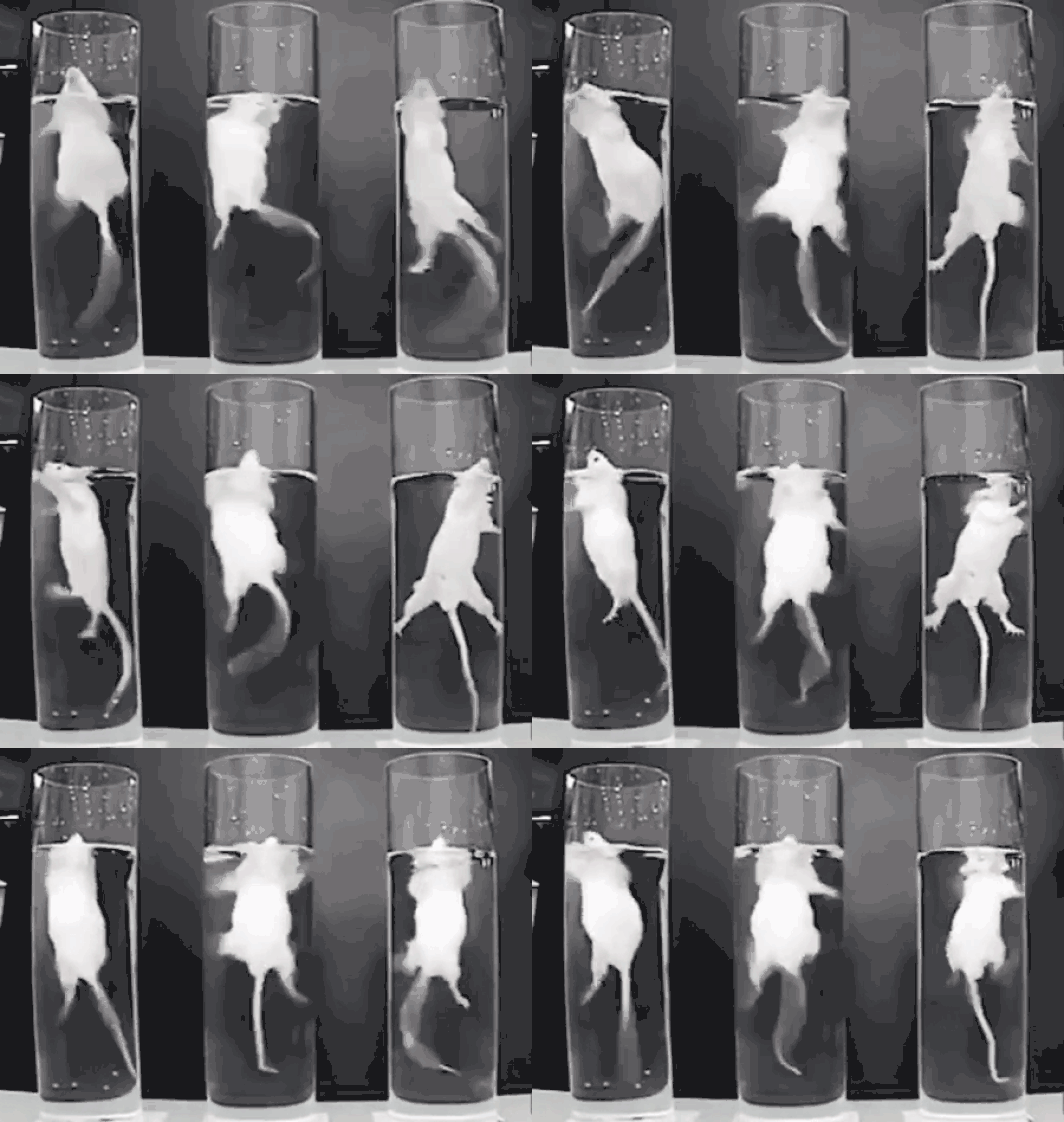
In the forced swim test, experimenters put mice, rats, guinea pigs, hamsters, or gerbils in inescapable containers filled with water. The panicked animals try to escape by attempting to climb up the sides of the beakers or even diving underwater in search of an exit. They paddle furiously, desperately trying to keep their heads above water. Eventually, they’ll start to float.
Early experimenters thought that this floating meant the animals had given up and were in despair, but most experts now agree that this interpretation is nonsense. Perhaps the mice and rats float because they’re conserving their energy, not knowing whether they’ll be rescued or drown. The amount of time they spend swimming versus floating is also influenced by the strain of the animal being used as well as by the water depth, water temperature, and countless other factors.
U.K. scientists concluded in a scientific paper that the forced swim test can’t predict the efficacy of potential new antidepressant drugs. An article published in STAT confirmed that the U.S. Food and Drug Administration doesn’t require the test, and regulators and government officials in the European Union and New Zealand have criticized it. An article by PETA neuroscientist Dr. Emily Trunnell published in Drug Discovery Today examined the use of the test and revealed that it wasn’t successful in determining whether a substance would be effective in treating human depression. And in a series of papers, scientists from Johns Hopkins University, the University of Winchester, and other esteemed institutions found that authors who study humans in the field of major depressive disorder rarely cite results from experiments on animals and instead preferred to write about the results of research using human cells and human biological data.
In the tail suspension test, which is also used in crude attempts to measure depression or to test antidepressant drugs, experimenters suspend mice upside down and tape their sensitive tails to a horizontal bar. The animals struggle to right themselves, feeling distressed by their awkward position and lack of control. Trying their hardest, they attempt to pull their bodies up, holding on for dear life to the tape affixed to their tails—only to drop back down again and resume their exertion.
Even worse, experimenters frequently attempt to purposelyinduce depression in animals. They subject them to uncontrollable pain through electric shocks or chronic stressors such as restraining them for extended periods of time, starving them, denying them water, tilting their cages, forcing them to live in wet bedding, shaking them, or disrupting their circadian rhythms.
Animals used in depression experiments are often made to live in complete isolation from other members of their species, bullied and physically assaulted by other animals, deprived of parental care, and subjected to genetic or surgical manipulations in an effort to induce a depressed or altered mental state. Experimenters also subject them to the “social defeat” (or “resident-intruder”) test, in which a vulnerable mouse is forced into a cage with a larger, more aggressive “resident” mouse, who will often violently attack the less aggressive “intruder.” Sometimes experimenters induce “learned helplessness” by shocking animals so frequently and unpredictably that they stop even trying to escape the shocks.
Other ways in which experimenters attempt to induce depression in animals include by treating them with a discontinued blood pressure drug that had been thought to cause suicidal tendencies in humans or surgically removing their olfactory bulbs (a part of the brain responsible for detecting smells). Newborn and infant animals are taken from their mothers for extended periods of time—sometimes indefinitely—in attempts to induce depression.
Not only do these cruel tests lack applicability to humans experiencing depression, they also cause animals to suffer immensely. Their mistreatment is important in its own right, but it also makes any data collected from the experiments irrelevant, as the severe stress that the animals endure affects every system in their bodies.
Animal Models of Bipolar Disorder
Animal models of bipolar disorder are also unable to model the human condition accurately: Experimenters cannot model both depressive and manic symptoms in other species, and these types of experiments have failed to contribute to clinical knowledge of bipolar depression research.
Overall, experiments on animals have been cited as the primary source of drug failure in human neurobehavioral trials. A primary reason for this is because even though animals feel many of the same emotions we do, their brains are fundamentally different in ways that are critically important in biomedical and molecular research. For example, the brain cells that respond to drugs meant to treat depression, anxiety, and bipolar disorder are drastically different between mice and humans.
Nevertheless, thousands of published papers ignore these results and experimenters continue to use cruel animal tests to draw flawed conclusions.
Funds should be allocated to more relevant, human-based experimental models.
For example, scientists at the Johns Hopkins Center for Alternatives to Animal Testing have used stem cell–derived “mini-brains” to study the effects of an antidepressant drug on neurons in the developing human brain.
Critically, funds must also be shifted away from experiments on animals and toward providing patients with greater access to mental health care and to detecting and preventing life events that contribute to the development of depressive disorders.
For an accurate diagnosis of suicidality, depression, alcohol problems, or other mental illnesses, consult a qualified healthcare professional. If you are in crisis or think that you may have an emergency, call your doctor or 911 immediately. If you’re feeling suicidal, thinking about hurting yourself, or concerned that someone you know may be in danger of hurting themselves, call the National Suicide Prevention Lifeline at 1-800-273-TALK (1-800-273-8255). This free service is available 24 hours a day, seven days a week, and is staffed by certified crisis-response professionals. If you’re located outside the U.S., call your local emergency line immediately.
Actor and vegan Joaquin Phoenix wrote the foreword to Free the Animals: The Amazing True Story of the Animal Liberation Front in North America (30th Anniversary Edition), PETA President Ingrid Newkirk’s gripping account of “Valerie,” a young police officer whose world is turned upside down when she comes face to face with a group of monkeys removed via a search and seizure warrant served by her own department on an animal testing laboratory. The book follows “Valerie” as she encounters people who are willing to risk their own freedom to save animals—even if it means challenging the system by taking direct action. She joins them in living on the run from the law that she swore to uphold.
In his foreword, Phoenix—who just acquired the film rights to the book—writes, “Yes, Free the Animals is about the balaclava-wearing heroes who break windows and laws to save animals, but it’s also about everyone. It’s a call to us all to take action. Whether it’s wielding crowbars and bolt-cutters or picking up a pen or a protest sign, every one of us can and must fight injustice and push for animal liberation every chance we get.”
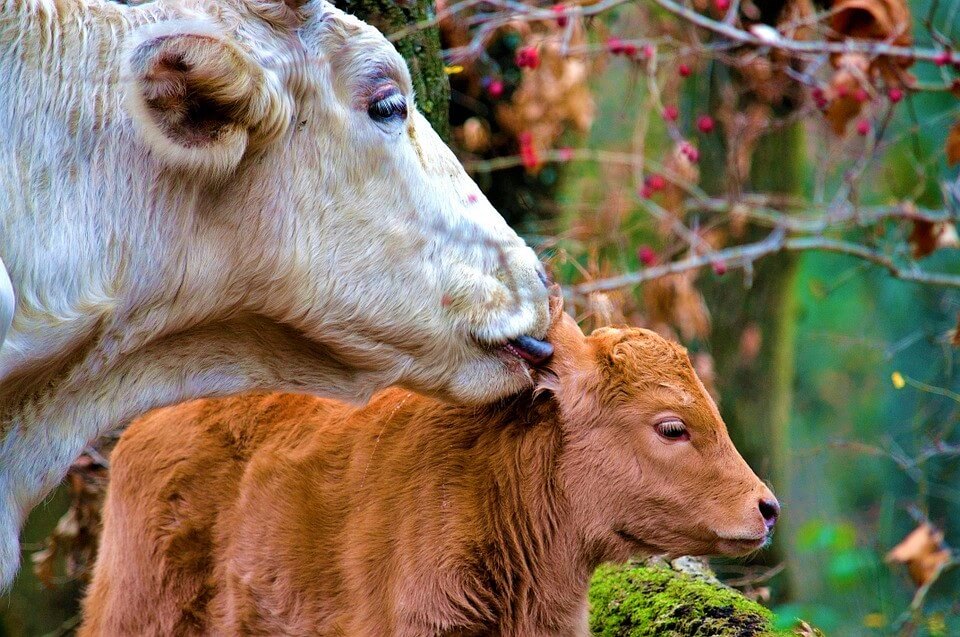
The actor also discusses why he is an animal rights activist and why he rescued a mother cow and her calf from a Los Angeles slaughterhouse just after his Oscar win for Joker. “I might not be able to sneak a camera into a laboratory at Johns Hopkins University, where owls are being mutilated, or the Oregon National Primate Research Center, where monkeys are being electro-ejaculated, but I can use my voice to narrate investigators’ footage. I might not be able to cut holes in deep-sea fishing nets, but I can ‘drown’ in a tank of water in a PETA video to encourage people to empathize with fish. And I can’t save every cow from being milked to death, but I can save Indigo and Liberty.”
Phoenix’s full foreword is available below. The book will be available everywhere on May 5, and advance orders can be placed on Amazon now.
One evening, I joined people from LA Animal Save who were bearing witness, holding a vigil outside a slaughterhouse.
We offered a sip of water, comforting words, and a gentle touch to the pigs on the transport trucks that stopped before passing through the gates. It’s heartbreaking to look into these individuals’ eyes and imagine what they must be feeling, to realize that we were likely offering them the only kindness they’d ever known, and that in a few moments, their lives would come to a violent end. What happened after that night was pretty incredible. I met with a slaughterhouse owner, and he agreed to allow my animal rights friends and me to take a mother cow and her week-old calf. We asked him to spare their lives and he did. So, Baby Indigo and her mother, Liberty, escaped what had seemed inevitable to live out the rest of their lives in peace and security.
Sometimes I’m asked why I go to slaughterhouse vigils or why I don’t buy wool or leather, and the answer is simple. I’ve seen the torture and killing that occurs when someone takes—steals—what rightly belongs to another living being. Strips what’s theirs right off their back or kills them so that parts of their body can be eaten or worn. I’ve seen what horror and fear animals in laboratories live in simply because they aren’t protected from human curiosity and there’s money in caging them to test things, like how they will react when frightened by a rubber snake or when their babies are torn away from them. Knowing all that, I have a moral obligation to act. And I know that’s how the heroes of this book, Free the Animals, felt, too.
The video footage, photographs, files, and other damning records that the ALF activists gathered during break-ins have shown us pigs with human genes lying in their own filth in cramped stalls, unable to reach their offspring; cats with electrodes in their heads; monkeys whose heads were being slammed in crash tests, and more.
Sometimes people ask how I can support a group of lawbreakers. My answer is to quote President John F. Kennedy, who said: “Those who make peaceful revolution impossible will make violent revolution inevitable.” Well, the ALF has never hurt any living being, but they act because not enough people are doing things legally to bring about an end to the injustice imposed on animals. So, what can we each do in our own way to bring about animal liberation?
Each of us can and must help right these wrongs. I might not be able to sneak a camera into a laboratory at Johns Hopkins University, where owls are being mutilated, or the Oregon National Primate Research Center, where monkeys are being electro-ejaculated, but I can use my voice to narrate investigators’ footage. I might not be able to cut holes in deep-sea fishing nets, but I can “drown” in a tank of water in a PETA video to encourage people to empathize with fish. And I can’t save every cow from being milked to death, but I can save Indigo and Liberty.
Yes, Free the Animals is about the balaclava-wearing heroes who break windows and laws to save animals, but it’s also about everyone. It’s a call to us all to take action, to adopt rescued animals, to protest against animal experiments, to shun foods derived from animals, to lobby for laws that protect animals, and to urge retailers to stop selling animals’ skin, fur, feathers, and wool. Whether it’s wielding crowbars and bolt-cutters or picking up a pen or a protest sign, every one of us can and must fight injustice and push for animal liberation every chance we get.
Please join me. Ask yourself what I ask myself: “What can I do today to stop human supremacism, to stop speciesism, to help animals be respected for who they are?”