Will Philadelphia Tax Meat to Help Save Animals and the Planet?

In light of a new survey showing that more than a third of Americans—including a whopping 62% of Gen Z participants—support a 10% sin tax on meat to reduce its consumption, PETA sent a letter this morning to Philadelphia Mayor Jim Kenney, calling on him to introduce such a tax in the City of Brotherly Love. Kenney’s office previously championed a similar tax on unhealthy soda due to its link to obesity, diabetes, and cardiovascular conditions, so PETA is asking him to do the same with meat, as its consumption is linked to those same health conditions, billions of animals a year are killed for their flesh, and the industry is a significant contributor to the climate catastrophe. To drive home the message, the group also plans to post sky-high appeals to Kenney across the city.

“The solution to the climate catastrophe is staring all of us right in the face, and that’s ending the consumption of animal-derived foods,” says PETA Executive Vice President Tracy Reiman. “PETA is calling on Mayor Kenney to take the important step of making Philadelphia greener, healthier, and more humane by taxing animal flesh.”

PETA—whose motto reads, in part, that “animals are not ours to eat”—opposes speciesism, a human-supremacist worldview. For more information, please visit PETA.org or follow the group on Twitter, Facebook, or Instagram.

PETA’s letter to Kenney follows.

May 19, 2022

The Honorable Jim Kenney

Mayor of Philadelphia

Dear Mayor Kenney:

Greetings! I’m writing on behalf of People for the Ethical Treatment of Animals U.S.—PETA entities have more than 9 million members and supporters globally, including over 7,000 in Philadelphia—to ask that you implement a citywide tax on meat to curb the looming climate catastrophe and public health threat that consuming meat contributes to. By doing so, the City of Brotherly Love can prove that it cares about animals and the environment as well as its residents and visitors.

Public support for a tax on meat is at an all-time high. Even though the price of animal flesh has increased, a recent poll found that more than a third of Americans would support a 10% meat tax to slash consumption. And Gen Z showed interest in additional government measures to decrease meat eating, with 62% supporting a meat tax.

According to the United Nations, a global shift toward vegan eating is vital to combat the worst effects of the climate catastrophe because raising and killing animals for food is a significant contributor to greenhouse gas emissions as well as water and air pollution. Pennsylvania taxes the sale of cigarettes, alcohol, and gasoline due to their adverse health and environmental consequences. Many of Pennsylvania’s top killers—including heart disease and cancer—may be prevented by eating healthy vegan foods instead of animal-based ones. Your office championed the tax on soda in Philadelphia, and it’s time to do the same for meat.

If Philadelphia enacts a meat tax, PETA U.S. would be glad to help its residents learn more about healthy vegan options. We will supply free vegan starter kits that could be placed in City Hall, post offices, libraries, schools, and other public buildings around the city.

I hope to hear that Philadelphia will take this important step toward reducing its climate footprint. Thank you.

Sincerely,

Danielle Katz

Senior Director

The post Will Philadelphia Tax Meat to Help Save Animals and the Planet? appeared first on PETA.
Sir Paul McCartney’s Vegan Plea to Starbucks Hits Winston-Salem

Ahead of Sir Paul McCartney’s local tour stop, PETA has just erected a sky-high message near Truist Field, featuring the pop legend and his push for Starbucks to end the surcharge on vegan milks. It’s the latest in a campaign from PETA that also includes offering fans informative animal rights materials and vegan starter kits during the May 21 performance and at every other stop on McCartney’s national tour.

“Starbucks in the USA has an extra charge for plant-based milks as opposed to cow’s milk. I must say this surprised me as I understand that in other countries there is the same charge for both types of milk and I would like to politely request that you consider this policy also in Starbucks USA,” wrote McCartney in a widely read letter to former Starbucks CEO Kevin Johnson. “I sincerely hope that for the future of the planet and animal welfare you are able to implement this policy.”

With a little help from his friends, McCartney could make that happen: Over 195,000 people have already urged Starbucks to drop the surcharge, and award-winning actor James Cromwell recently joined the campaign by gluing his hand to a Manhattan Starbucks store counter in protest. PETA activists have also held over 100 days of sit-ins at Starbucks’ headquarters in Seattle and giveaways of nitro cold brew mochas made with creamy oat milk—donated by RISE Brewing Co.—at the company’s locations across the U.S.

PETA notes that the dairy industry is a major producer of the greenhouse gases that contribute to the climate catastrophe and is responsible for immense animal suffering. Starbucks has acknowledged that dairy is the company’s biggest contributor to its carbon footprint and proclaimed that it will strive to offer more plant-based foods and drinks as part of its sustainability solution but has refused to make these options more accessible by dropping the surcharge. Cows used for dairy are artificially inseminated—workers insert an arm into the animals’ rectum and a metal rod to deliver semen into their vagina—and then sent to slaughter when their bodies give out.

The billboard is located on east-bound Salem Parkway near 163 Stratford Ct., Winston-Salem.

PETA—whose motto reads, in part, that “animals are not ours to eat”—opposes speciesism, a human-supremacist worldview. For more information, please visit PETA.org or follow the group on Twitter, Facebook, or Instagram.

The post Sir Paul McCartney’s Vegan Plea to Starbucks Hits Winston-Salem appeared first on PETA.

PETA Statement: Buffalo Shooter’s Cat-Killing History

Below, please find a statement from PETA Senior Director of TeachKind Marta Holmberg in response to reports that Payton Gendron, the Buffalo shooting suspect, has a history of cruelty to animals:

Before he allegedly massacred 10 people in a white-supremacist shooting spree, Payton Gendron apparently wrote about stabbing and beheading a cat and posted photos of the dead animal online. The FBI warns that harming animals is a sign of more carnage to come, and amid an epidemic of youth violence, PETA is rushing its empathy-building curriculum to schools in Gendron’s school district and reminds everyone to report every act of cruelty, as many more lives may depend on it.

PETA—whose motto reads, in part, that “animals are not ours to abuse in any way”—opposes speciesism, a human-supremacist worldview. For more information, please visit PETA.org or follow the group on Twitter, Facebook, or Instagram.

The post PETA Statement: Buffalo Shooter’s Cat-Killing History appeared first on PETA.

Monkey in NIH Laboratory Makes Full-Page Plea: I Want My Life Back

Today, readers of The Washington Times will meet Nick Nack—a lonely 14-year-old rhesus macaque imprisoned in a cold metal cage at the National Institutes of Health (NIH)—courtesy of a full-page message from PETA that puts a face and a name to one of the 108,000 monkeys who are currently wasting away in U.S. laboratories, including contract testing facilities and federally funded university and government laboratories.

Nick Nack has spent his life locked up in a metal prison, mutilated and terrorized, pulling out his own hair in frustration,” says PETA Senior Vice President of Laboratory Investigations Kathy Guillermo. “He is an individual who feels pain and fear, and NIH should be ashamed of committing torture—it must shut down the laboratory imprisoning Nick Nack and use only modern, animal-free research methods.”

NIH experimenter Elisabeth Murray—who has held Nick Nack in her government laboratory for the past 10 years—has received nearly $50 million in taxpayer funding since 1998, despite failing to produce even one treatment or cure for humans. She conducts “monkey fright” experiments, in which she cuts into monkeys’ heads, saws off a portion of their skulls, implants thick titanium posts, and partially destroys their brains with toxic chemical injections before frightening them with realistic-looking fake spiders and snakes. Monkeys in Murray’s laboratory are caged alone for years or even decades, condemned to social isolation that causes profound psychological and physiological distress.

For more information, please visit PETA.org or follow the group on Twitter, Facebook, or Instagram.

The post Monkey in NIH Laboratory Makes Full-Page Plea: I Want My Life Back appeared first on PETA.

GRAPHIC: PETA Obtains Disturbing Photos Exposing the Lie of ‘Live Release’ Stats

“Anybody can start one or run one. No one will be looking over their shoulder.” That’s how Julie Levy, a professor of animal shelter medicine at the University of Florida, described the glaring lack of regulations and inspections required for self-professed animal “rescues” in the state. This problem isn’t limited to Florida. In most states, “rescue groups,” individual self-styled “rescuers,” “foster homes,” and other similar entities aren’t held to many—if any—legal standards of animal care.

The results are disastrous: Animals are suffering and dying in horrifically painful ways at the hands of those who claim to be “rescuing” them. Caring people must contact their legislators and demand action on this abysmal situation—read on to learn how.

Starving to Death, Just Feet Away From Food

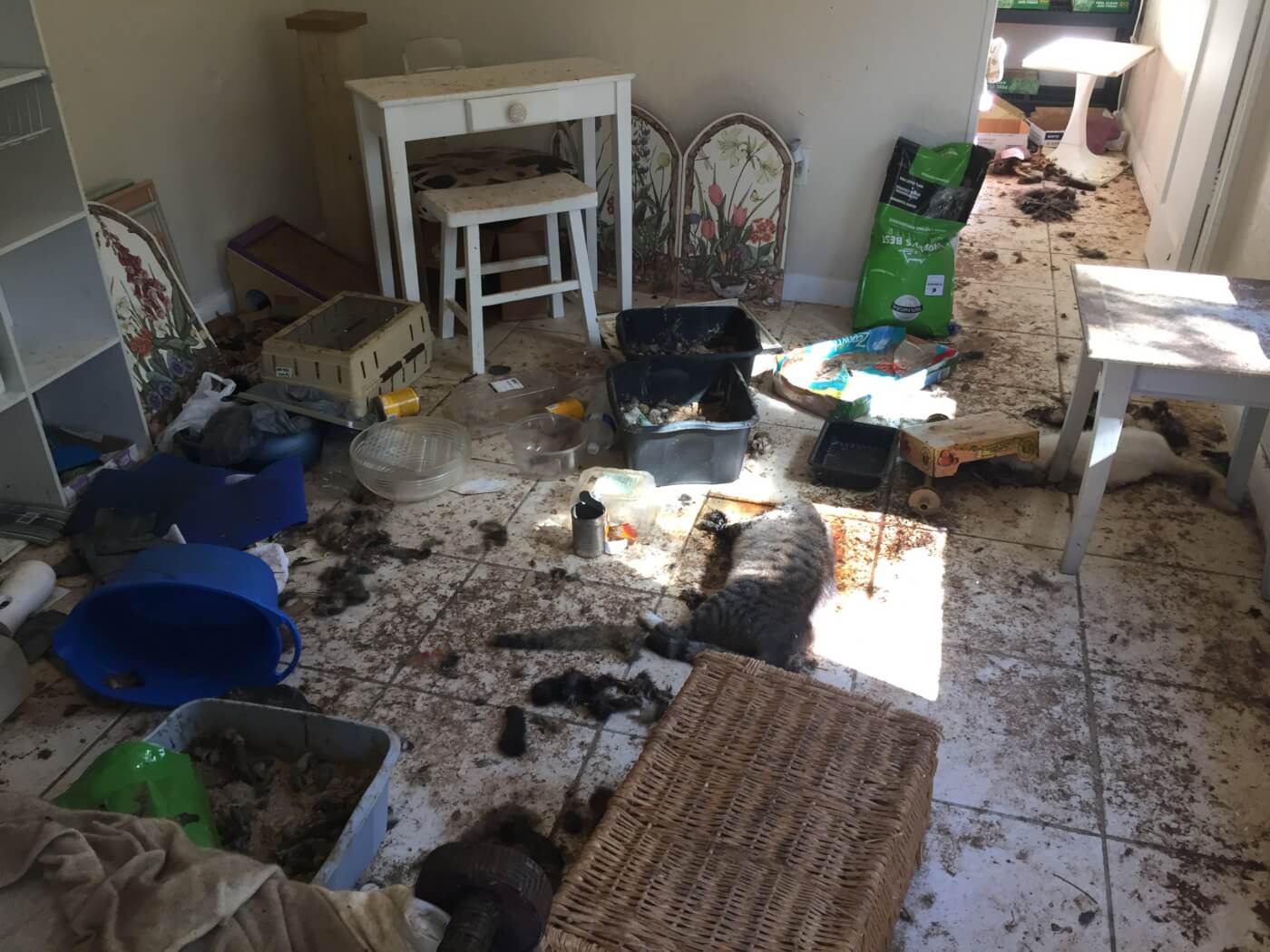
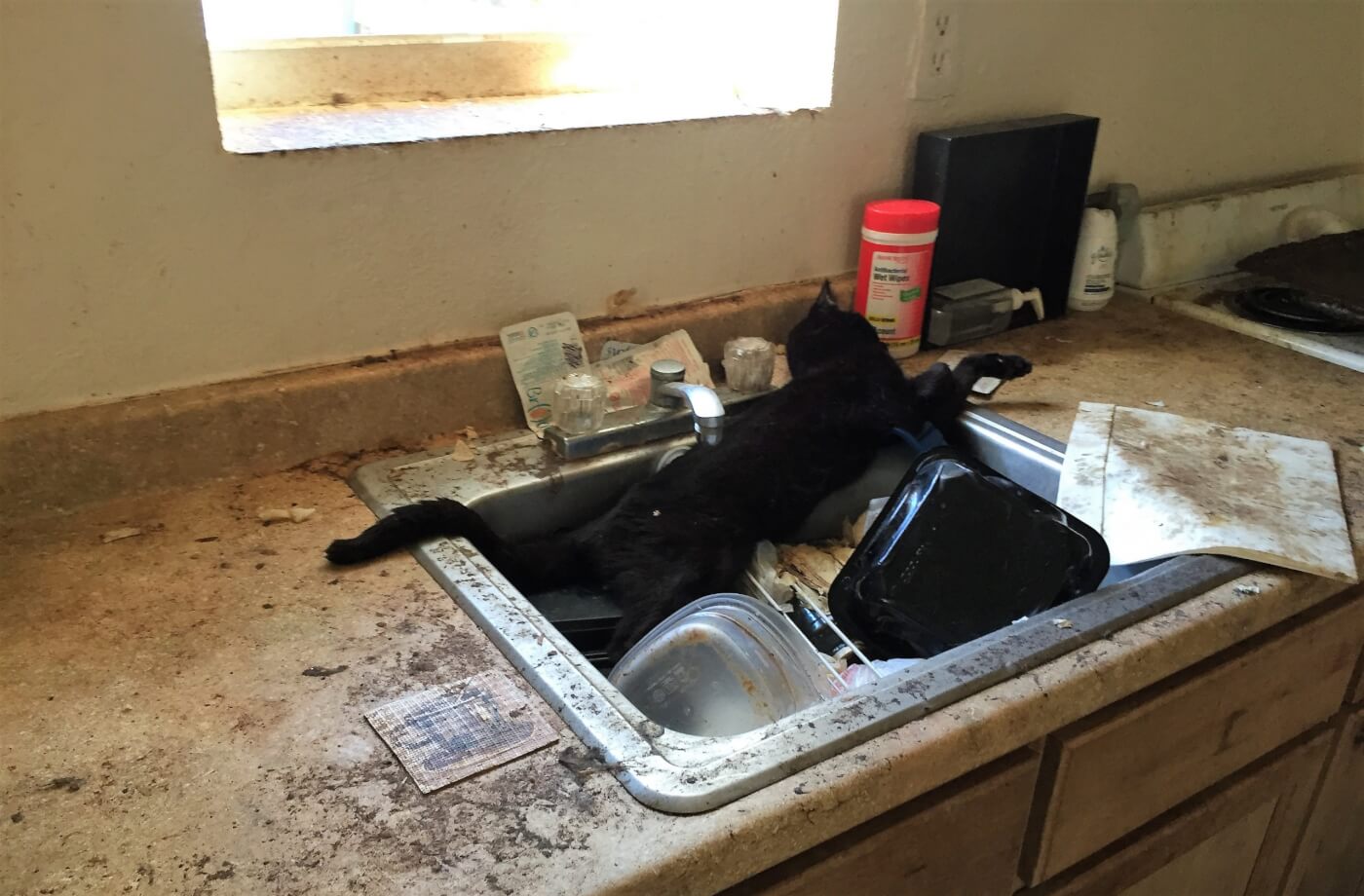
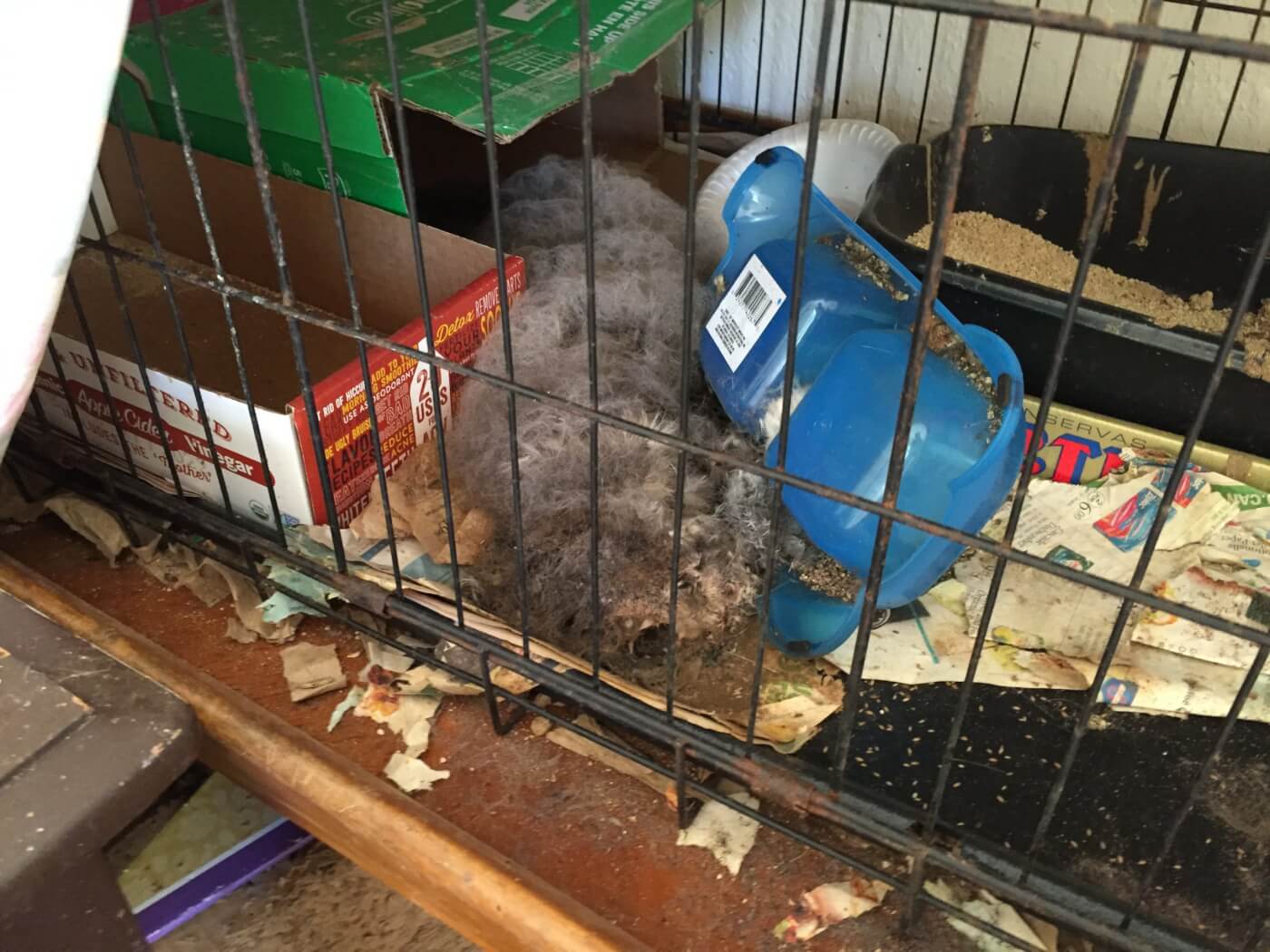
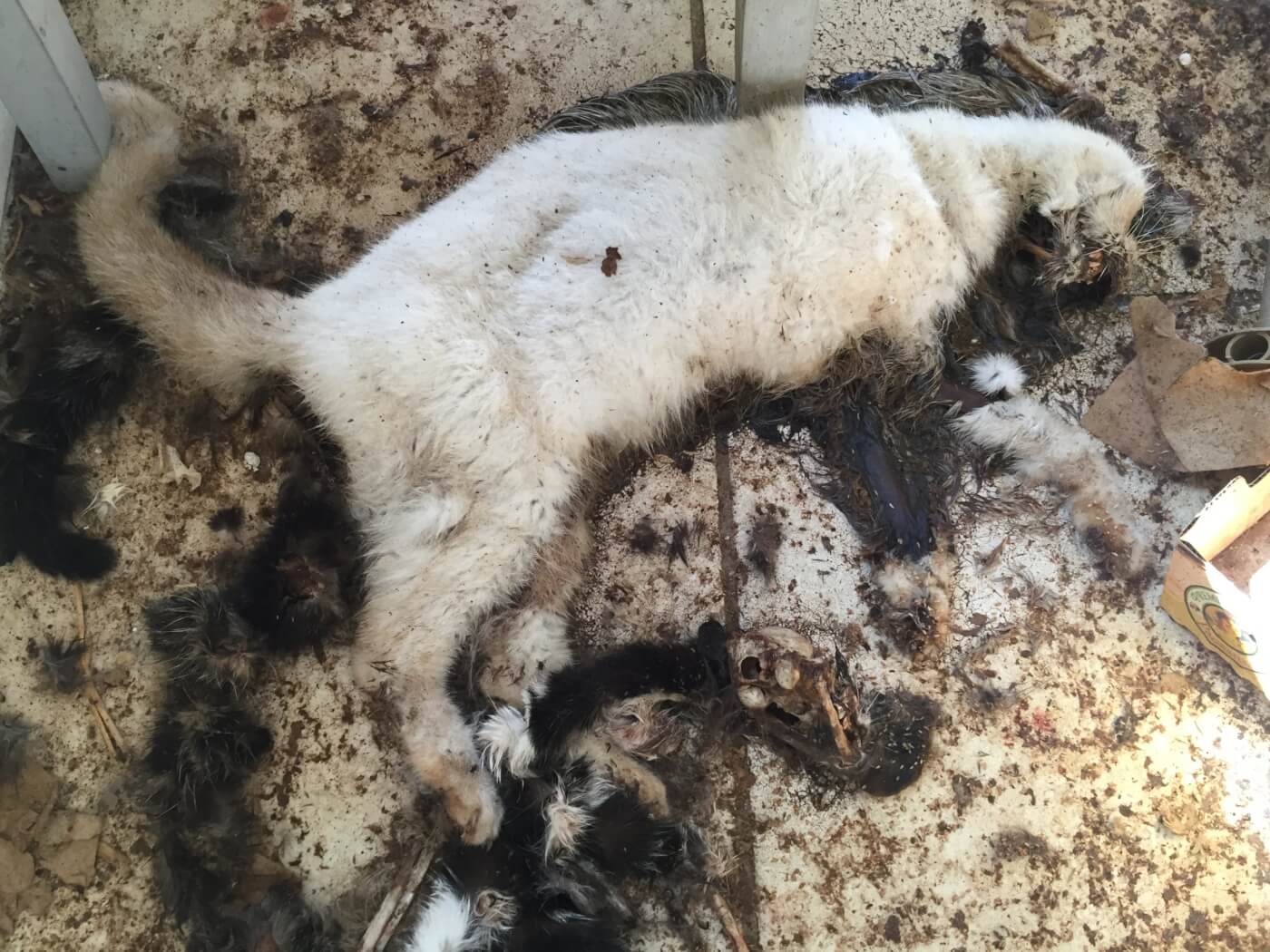
PETA recently obtained crime scene photos from inside an apartment owned by Cheryn Smilen, a self-professed “rescuer” in Miami who was sentenced to nearly a year in jail for leaving the cats she had hoarded to starve to death.

dead white cat at Smilen cat rescue

Filthy room with dead tiger car at Smilen cat "rescue"

dead black cat in kitchen sink

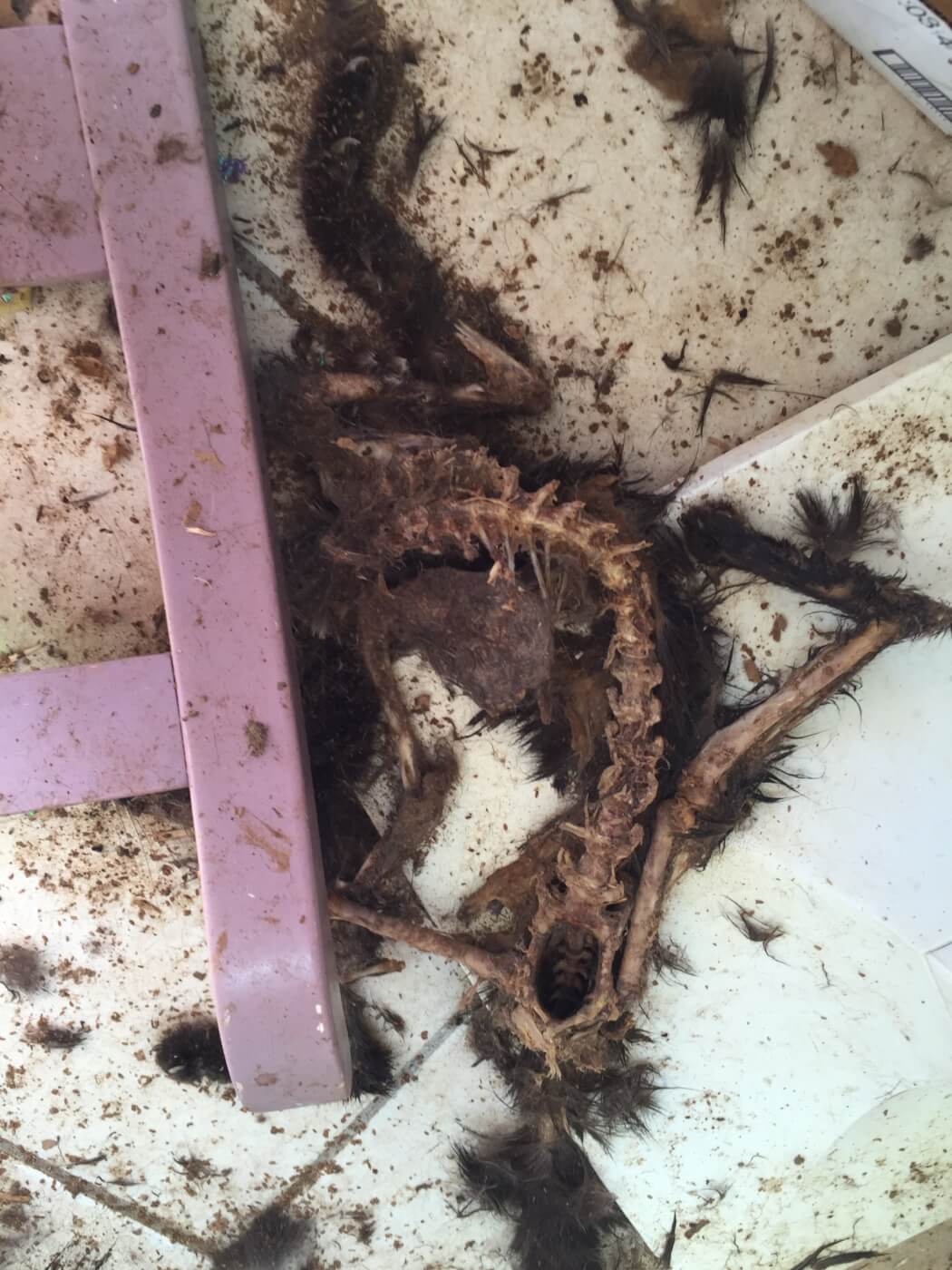
Neighbors often saw cats crying and scratching at the windows inside Smilen’s tiny one-room apartment. But what finally prompted police to investigate was the overpowering stench. Inside, they found “dead cats over dead cats over dead cats,” in various stages of decomposition. Feces and urine covered the stiflingly hot space, and fleas jumped on a detective’s legs.

dead gray cat in cage

Amid this squalor, dozens of emaciated, starving cats were struggling to survive. Video footage that PETA obtained shows one cat who appeared to be dead but who was still breathing, barely clinging to life. In their desperation, some cats had apparently resorted to eating those who had died: Bones from their cannibalized corpses littered the apartment. A large stockpile of cat food sat unopened, just feet away from the starving animals.

skeletal cat remains ar smilen cat rescue

Betrayed by Shelters, Handed Over to Abusers

The misery that these cats endured is difficult to think about. But what’s almost equally disturbing is how many of them ended up in this horrific situation: PETA uncovered records showing that at least some were given to Smilen by animal shelters.

Let that sink in: Animal shelters—the very facilities that are supposed to provide vulnerable animals with a haven and protect them from abuse—handed over cats to a “rescuer” who neglected them, kept them in squalor, and left them to starve. The shelters moved these cats out of their doors, marked them as a “live release,” and apparently never bothered to check on them again. Such tactics may keep shelters’ euthanasia statistics looking (artificially) low, but they often result in the loss of animals’ lives.

It’s all part of the misguided push to “save them all” and avoid euthanasia at any cost. But it isn’t saving animals at all—it’s dooming them to suffer and die at the hands of people like Smilen. Hundreds of other cases in which “rescues” have hoarded, abused, and fatally neglected animals have been reported all over the U.S., including at K9 and Feline Assistance Program, Bully Breed Miracle Network and Rescue, Tails of Courage Animal Rescue, and Tiggy Town Rescue, to name just a few.

Zero Regulations on Rescues Leads to Rampant Abuse

Untold numbers of animals are languishing and dying right now at self-professed “rescues” that are operating under the radar, because no one is keeping track of what happens to “live release” animals once they leave shelters and no one is investigating “rescues.”

“We gave up on rescues because they come and go, and many of them are quite disorganized,” said Levy, explaining why the University of Florida doesn’t track such groups. “They don’t keep the data in the first place.” As a South Florida Sun-Sentinel reporter aptly put it, “[T]he lack of oversight grants … rescues a loophole big enough to fit a busload of bad intentions.”

How many more animals will suffer and die before elected officials take action to regulate this out-of-control industry?

Demand Action to Protect Animals

Please contact your state and local legislators and demand that all animal “rescue” groups be regulated and regularly inspected. Please also insist that taxpayer-funded animal shelters be required to accept all animals instead of turning them away. This is vital for their safety and to keep them out of the hands of abusers like Smilen.

If your local animal shelter allows groups or individual “rescuers” to take animals, please insist that it be required to inspect their facilities first and regularly follow up, including by conducting unannounced visits. As Smilen’s case and hundreds of others have made painfully clear, blind trust isn’t enough when it comes to safeguarding vulnerable animals.

The post GRAPHIC: PETA Obtains Disturbing Photos Exposing the Lie of ‘Live Release’ Stats appeared first on PETA.