Kitten Genius Sheldon Rescued by PETA Seeks New Roommate: Apply Today!

When PETA’s fieldworkers first met young Sheldon, this now-spunky kitten was barely making it by outdoors, where he constantly had to dodge cars, dogs, cruel humans, and the blazing summer sun. While that’s no life for any cat, he was also suffering from an upper respiratory infection so severe that it permanently damaged one of his eyes—the veterinarian we took him to thought it might even need to be removed. Thanks to some desperately needed care, his eye was saved, but the ordeal left him with a permanent squint—the better to wink audaciously at every new friend he encounters.
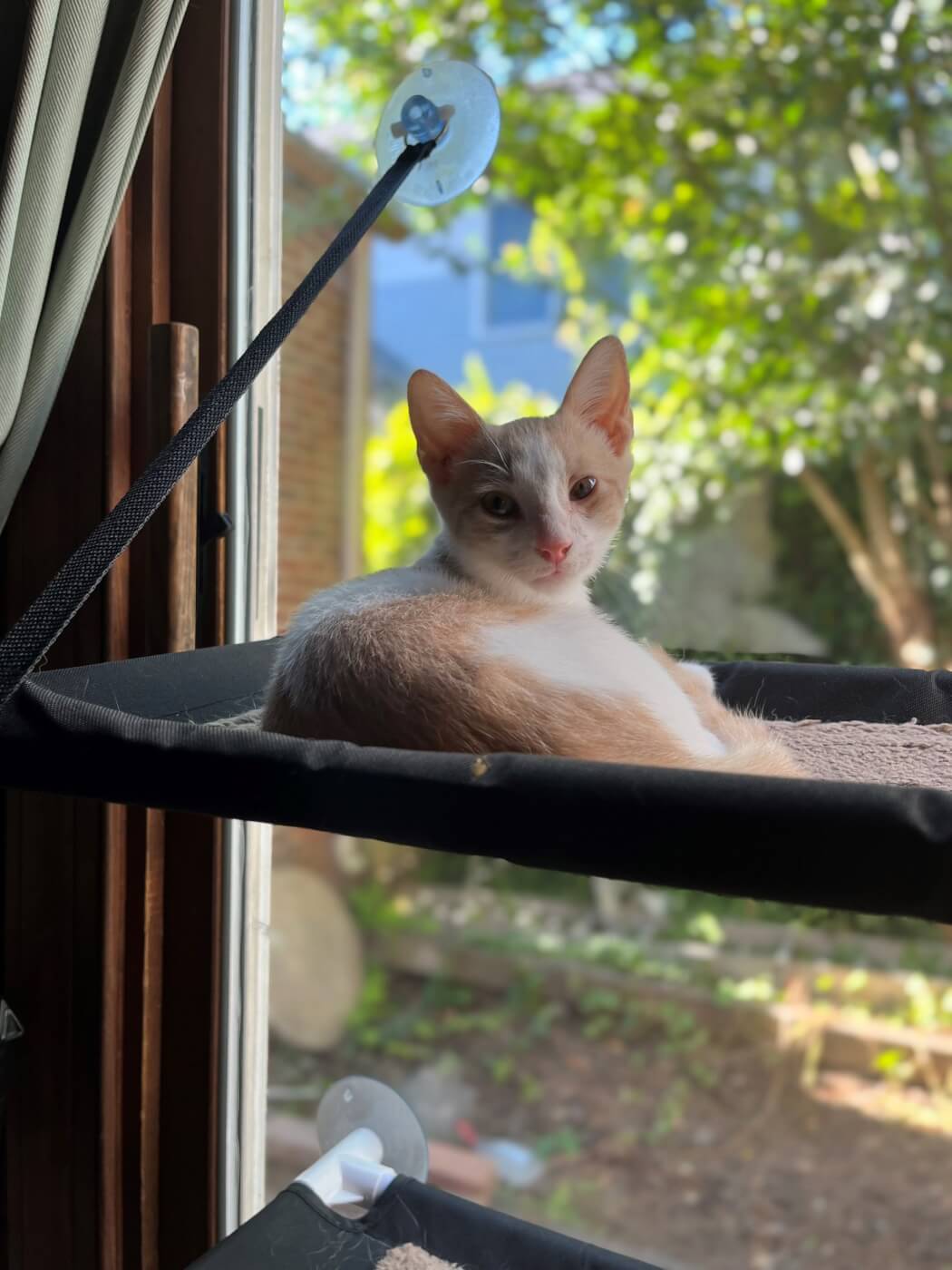
sheldon the cat sitting in a window

Sheldon certainly doesn’t let this minor impediment get him down. He’s an otherwise healthy, exuberant kitten who keeps his foster family on their toes with his antics and intellect—at only 4 to 5 months old, this tiny prodigy has already trained his caretakers to cater to his every whim. His IQ—and cuteness—can’t be measured accurately by normal tests.
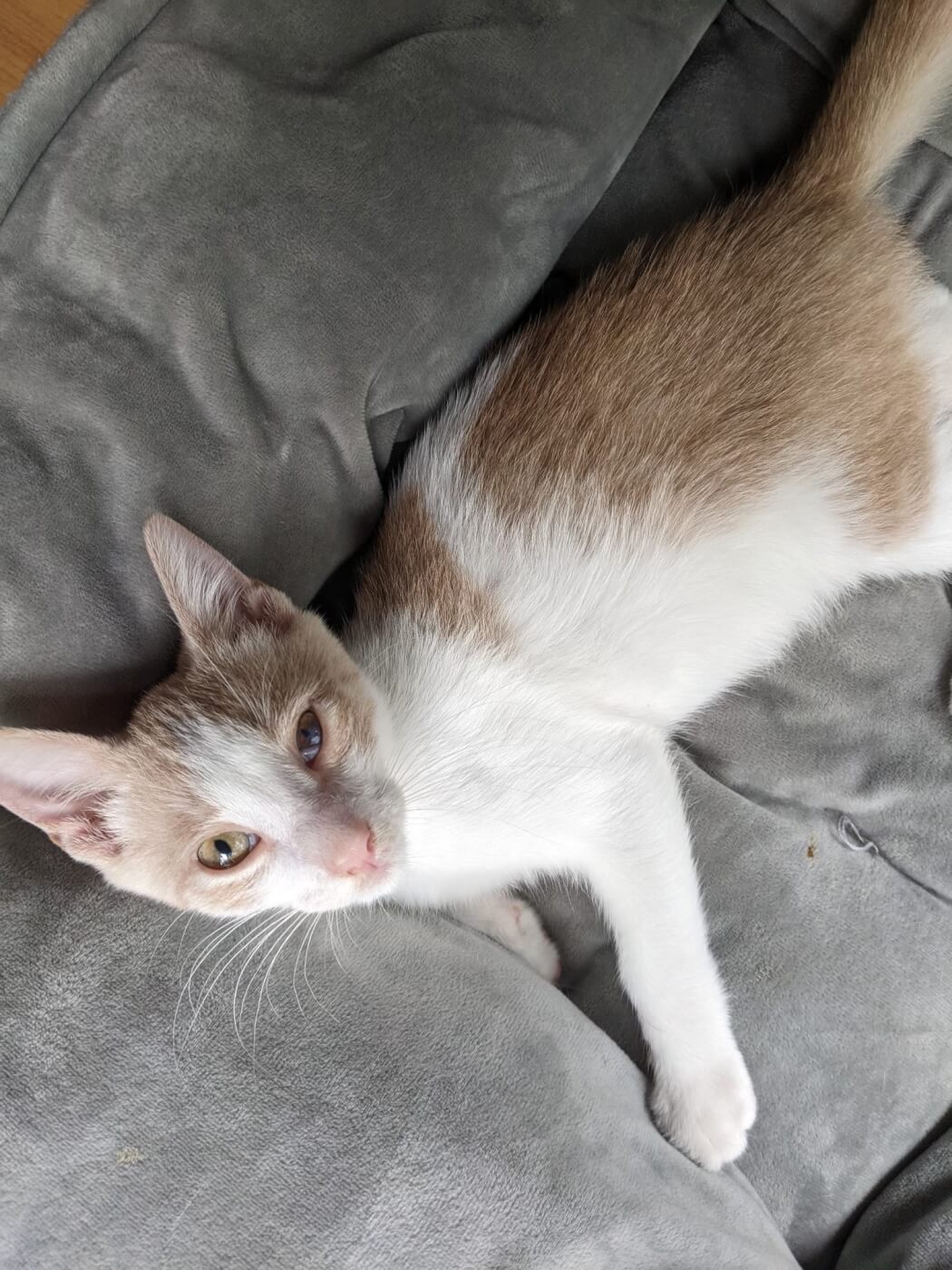
Sheldon is now looking for a permanent home with his very own spot on the couch—although he’s happy to let an adoring guardian sit there with him and read a comic book. He’s also interested in pursuing “string theory,” so he’d love to have a best friend who’s up for tossing a ball of yarn around. While a future career as a theoretical physicist might be dubious, he enjoys conducting experiments with his toys—such as calculating the velocity of his catnip mice across the floor or contemplating the science behind his favorite laser pointer.
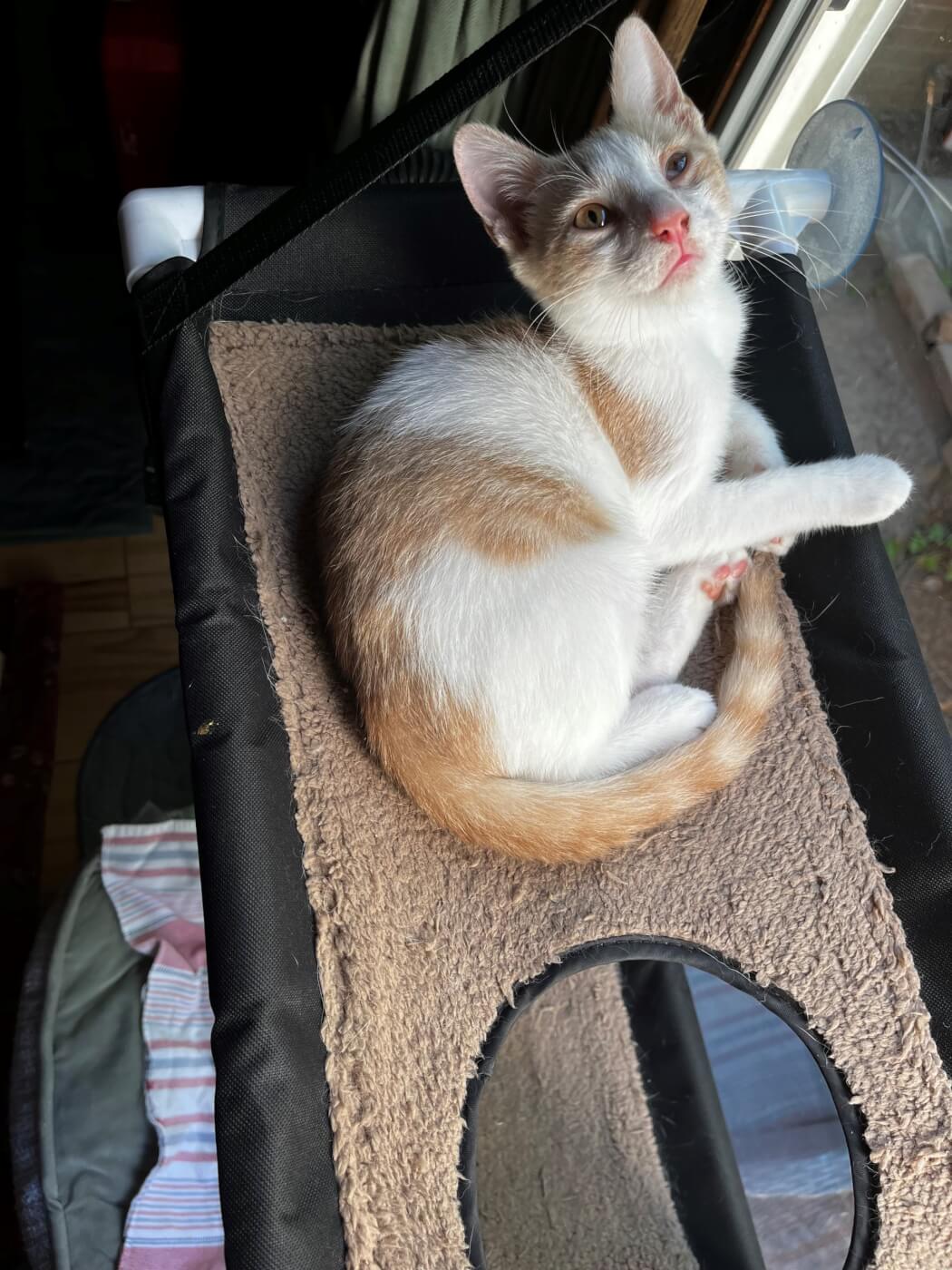
You don’t need a Nobel Peace Prize to know that Sheldon is one perfect kitten. Ready to sign that roommate agreement? If you think you can match wits with him—and provide him with a safe, loving home—contact Adopt@peta.org for more information.

The post Kitten Genius Sheldon Rescued by PETA Seeks New Roommate: Apply Today! appeared first on PETA.

Partying PETA ‘Dinosaurs’ to Celebrate Fauci Departure Two Years Ahead of Schedule

Today, Anthony Fauci announced his decision to step down from his position as director of the National Institute of Allergy and Infectious Diseases (NIAID) in December rather than when President Joe Biden’s first term ends—and PETA’s “dinosaurs” are throwing a farewell party in front of the Department of Health and Human Services (HHS), complete with party hats, sparklers, and signs proclaiming, “No More NIH Dinosaurs.”

When:    Tuesday, August 23, 12 noon

Where:  HHS headquarters, 200 Independence Ave. S.W., Washington

Fauci “won” the title of PETA’s “#1 dinosaur” after former National Institutes of Health (NIH) Director Francis Collins departed from the agency following costumed protests by PETA and criticism from scientists who specialize in far more sophisticated, non-animal research methods. Under Fauci’s direction, NIAID has harmed and killed millions of animals, including tens of thousands of monkeys in failed AIDS experiments—which haven’t produced a single vaccine to prevent HIV—and dogs who have been subjected to outrageously painful and pointless poisoning tests.

In PETA’s words, “Neither Fauci nor Collins has met an animal he wouldn’t experiment on,” and Fauci’s departure will hopefully make way for a forward-thinking NIH leader who will implement state-of-the-art, human-relevant research methods that don’t use animals, such as those described in PETA scientists’ groundbreaking Research Modernization Deal.

PETA recently revealed that in spite of NIH’s bloated budget of nearly $43 billion in 2021, the agency has repeatedly failed to comply with basic, minimum animal welfare standards stipulated by law. We uncovered a staggering 137 violations in the past four years. Animals died of starvation and thirst after workers failed to give them food and water. Experimenters failed to provide animals with adequate pain relief following invasive surgeries, went rogue and carried out unapproved procedures, drugged animals to death, and failed to comply with approved humane endpoints, meaning that animals experienced pain and distress beyond what was permitted.

“NIAID desperately needs a fresh thinker who will embrace cutting-edge research over antiquated experiments on animals, which fail to find cures and waste enormous amounts of tax funds,” says PETA Vice President Dr. Alka Chandna. “PETA is celebrating Fauci’s departure as an opportunity for NIH to bring U.S. science into the 21st century.”

PETA—whose motto reads, in part, that “animals are not ours to experiment on”—opposes speciesism, a human-supremacist worldview. For more information about PETA, please visit PETA.org or follow the group on Twitter, Facebook, or Instagram.

The post Partying PETA ‘Dinosaurs’ to Celebrate Fauci Departure Two Years Ahead of Schedule appeared first on PETA.

Judge Grants PETA Temporary Custody of Cruelty-Case Survivors

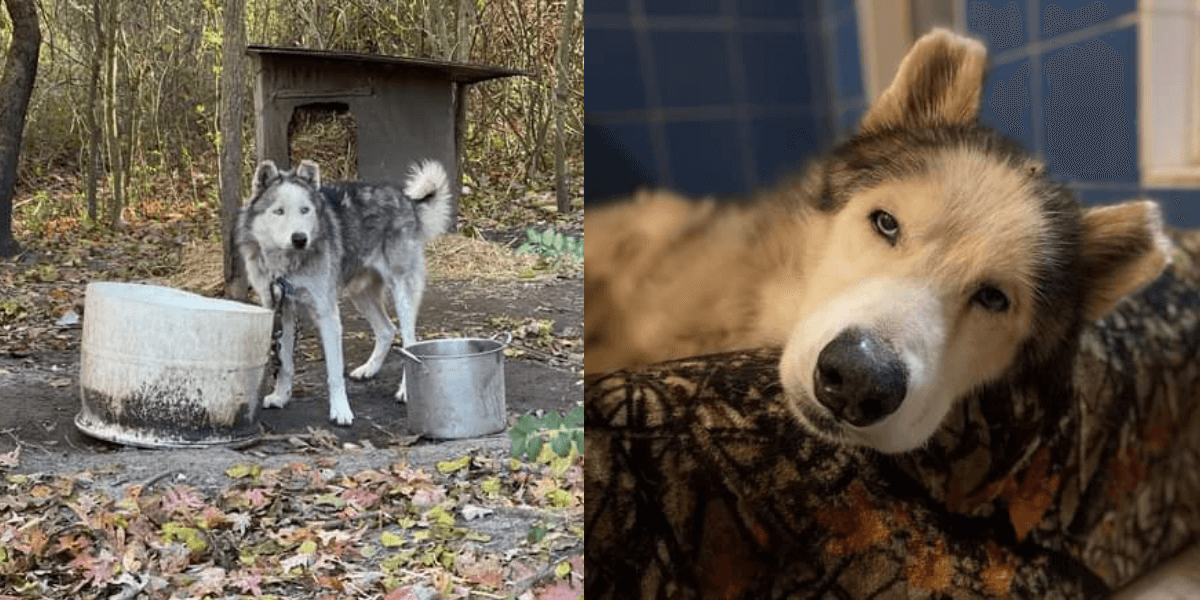
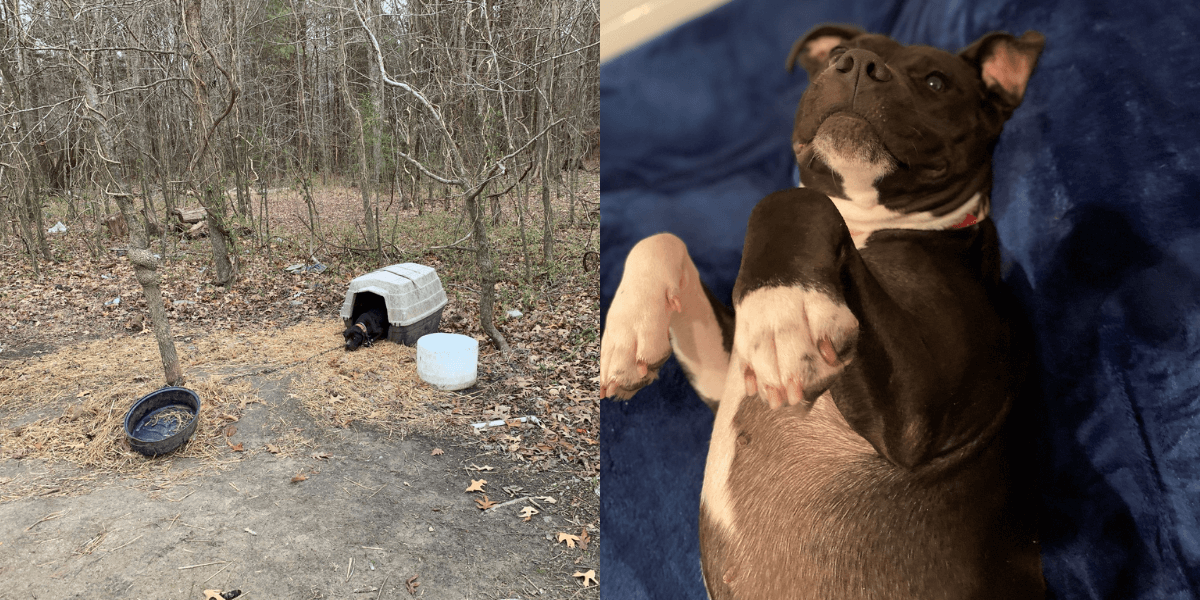
PETA fieldworkers found Minnie’s remains, still chained to a nearby tree, inside a doghouse in North Carolina. Neither she, a young dog who was kept chained outside her entire life, nor the five surviving dogs chained and/or penned around the property had any food or drinkable water within reach. Now, the survivors are safe and indoors with PETA, and their former owner is facing seven counts of cruelty to animals.

Minnie stands on an icy, filthy patch of land

Minnie, before her death

PETA Gains Temporary Custody of Five Dogs Who Survived Continuous Chaining and Deprivation

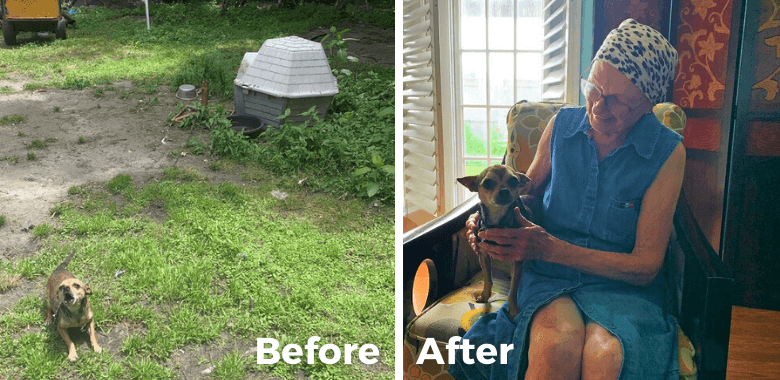
PETA fieldworkers visited the dogs many times over a span of months and even secured custody of Buddy (now Henry), a malnourished Chihuahua who was kept chained 24/7 in all weather extremes.

From Constant Chaining to a Life of Luxury: PETA Rescues Buddy

Buddy was malnourished and chained outside 24/7 when PETA rescued him. Now he’s living large with his new adoptive family.

On other visits, fieldworkers provided the dogs’ owner with free food, spay/neuter services, doghouses, flea and flystrike prevention, lightweight cable tie-outs to replace heavy chains, nylon collars to replace choker chains, and more. Despite all our efforts, whenever we checked on the dogs, they appeared malnourished and were thirsty and famished and desperate for attention—and one of the dogs, a husky, was severely matted, even in temperatures of more than 90 degrees.

After many months of pleading and urging by PETA, the Bertie County Sheriff’s Office finally removed four surviving dogs: Zeus (whose ears are permanently disfigured from years of flystrike), Duke, Sandy, and Duchess—all of whom were housed at the county shelter pending the outcome of the criminal case. PETA then sued the dogs’ owner for custody under a civil statute, and on August 15, a judge granted us temporary custody of the four dogs in addition to a young puppy we named Billie, who was acquired after Minnie’s death and kept chained outside. All five dogs are now indoors—maybe for the first time in their lives—where PETA staffers are giving them individual attention and appropriate care for various ailments in air-conditioned guest rooms with soft bedding and toys.

The trial for permanent custody of the dogs is expected to take place in September.

Sandy

Zeus

Duke

Duchess

Report Cruelty to Animals: If You See Something, Say Something

Dogs left outside without proper care or adequate shelter can suffer from dehydration and hyperthermia—and in winter, they can get frostbite or even freeze to death. They should never be left outside in the first place, but when they’re outside and deprived of access to water or shelter, the situation can quickly become an emergency. Their well-being, if not their life, could depend on you. Check out current legislation on tethering dogs in your area, find out how you can help get continuous chaining banned in your community, and check out these tips to help chained dogs:

The post Judge Grants PETA Temporary Custody of Cruelty-Case Survivors appeared first on PETA.

What Are You Wearing Around Your Neck? Here’s Why You Shouldn’t Wear Pearls

Are pearls vegan? Keep reading to find out how pearls are made, and please think twice before wearing them.

Where Do Pearls Come From?

A pearl is an ulcer that forms after an irritating foreign object enters the shell of an oyster (or that of a similar animal), who responds by coating it with nacre, a crystalline substance that gives pearls their luster. All bivalves—including mussels, clams, and scallops—can make pearls, but oysters are the animals most commonly exploited by the pearl industry.

What Are Cultured Pearls?

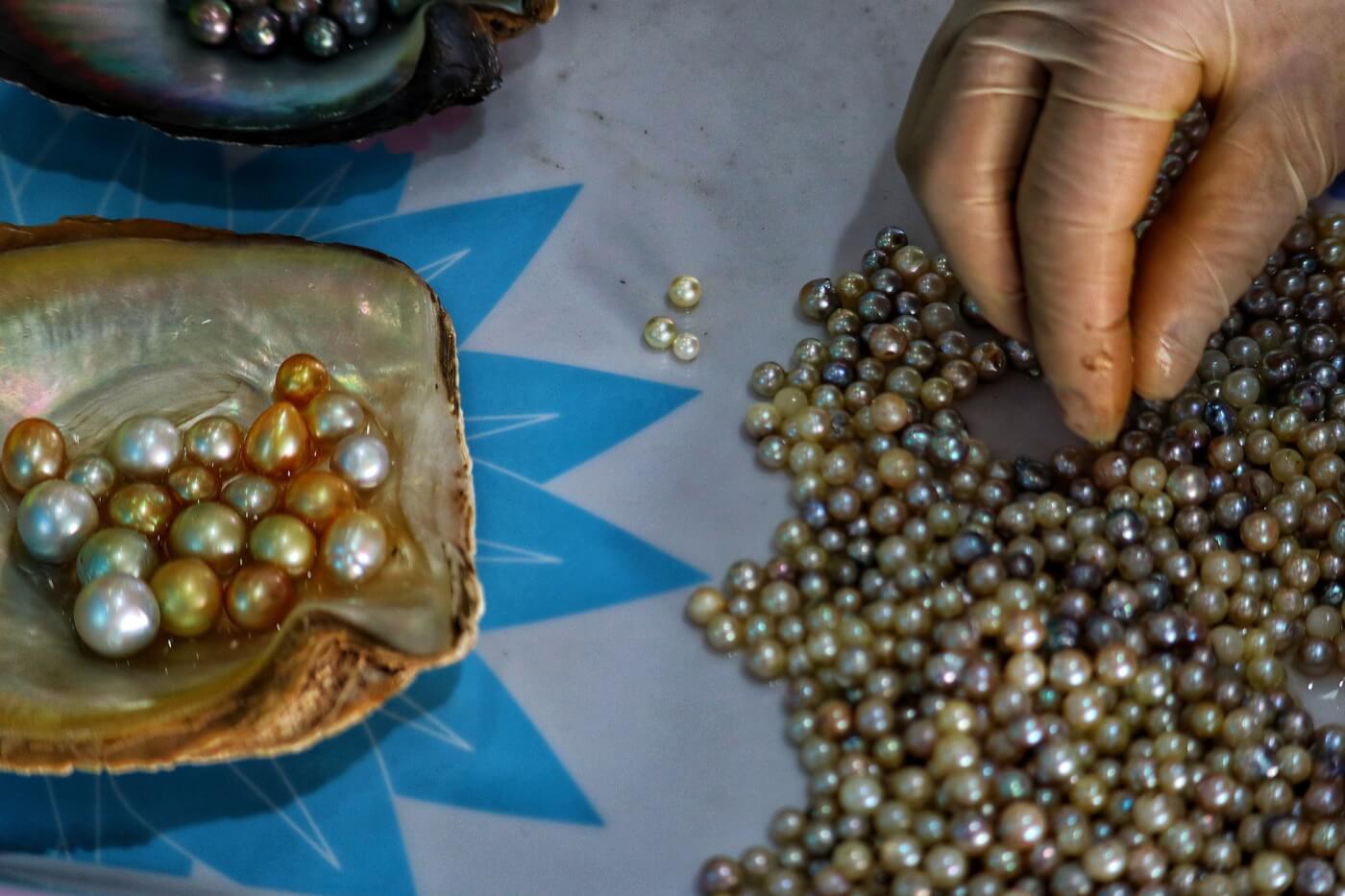
Because pearls naturally form in only one in 10,000 oysters and because the creation of a pearl can take up to three years, pearl farmers have devised a process called “culturing,” or cultivating, that allows them to exploit oysters faster and cheaper.

During culturing, farmers pry open oysters’ shells and insert an irritant, often a bead or another oyster’s mollusk tissue. When oysters sense danger, they try to hide inside their shells, snapping them tightly shut. Having their protective shells pried open by humans is a presumably frightening and painful experience. While we don’t yet know whether bivalves can feel pain in the same way we do, we can observe that oysters snap their shells tightly shut when they’re disturbed by touch or even when they sense loud noises. Their response indicates an understanding of the potential danger if their shell is pried open, especially since the process commonly results in the death of half the oysters.

a person's hand sifting through a pile of cultured pearls

The cruelty doesn’t end there: Farmers then suspend the oysters in water in a cage, moving them around and subjecting them to different water temperatures in order to create the desired shape, size, and color of the pearls. The oysters are then pried open a second time so that the pearl sac can be cut out.

Does Removing the Pearl Kill the Oyster?

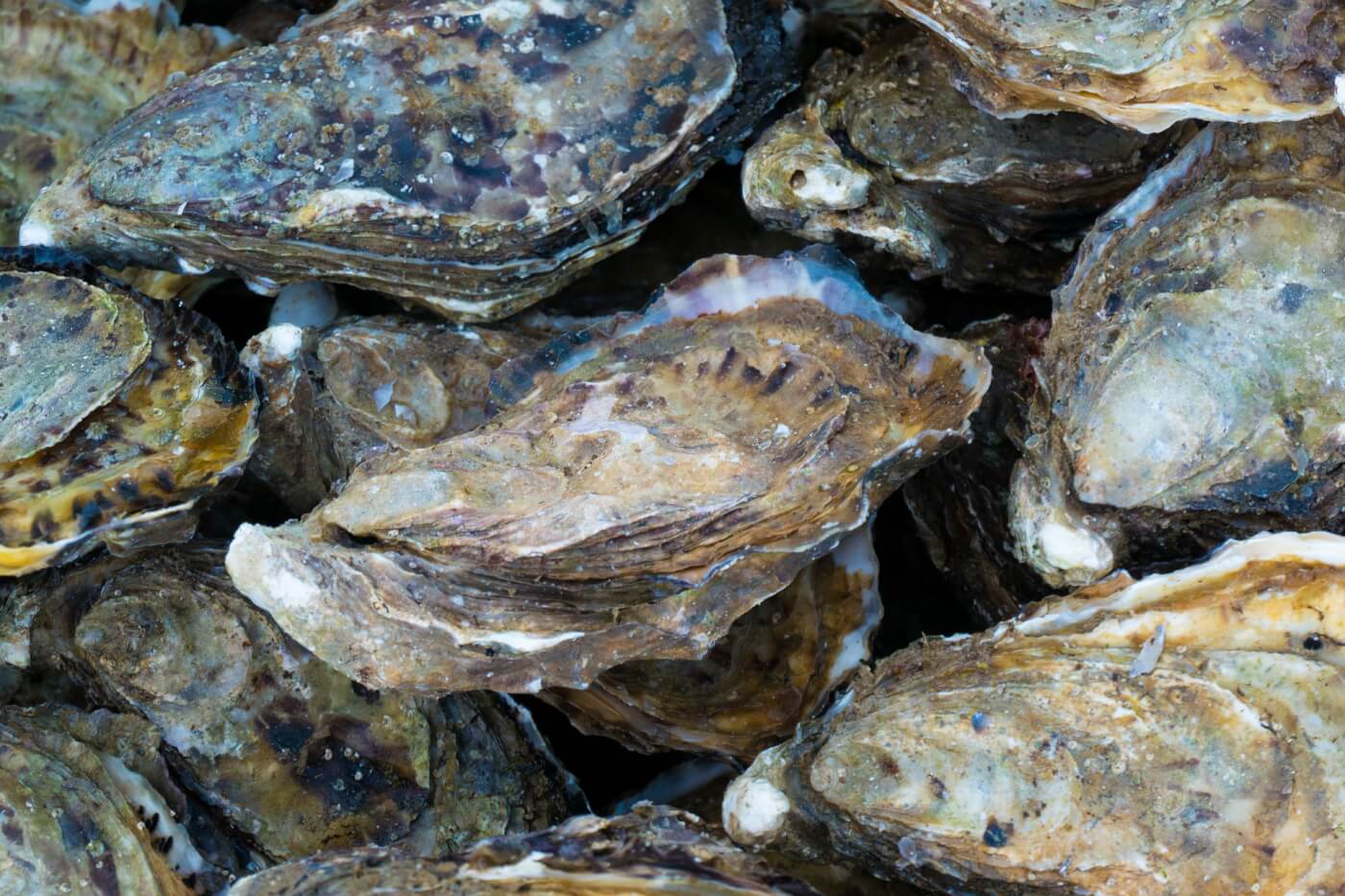
Around a third of the oysters are thrown back into the water to undergo another cycle. Whether or not they go through another round of this stressful experience, all animals used for pearls are ultimately killed. Their flesh is sold to be eaten, and their shells are used for decorative “mother of pearl.”

several oysters stacked on each other

Can You Buy Ethical Pearls?

The only ethical pearls on the market are those made from glass, alabaster, plastic, or other human-made materials. However, some of these options are also coated in animal-derived materials, including isinglass, fish scales, oyster scales, and mother-of-pearl powder. It’s best to avoid pearl and imitation pearl jewelry altogether. Luckily, there are many other beautiful options you can adorn yourself with that don’t harm animals!

Are Pearls Vegan?

No, pearls aren’t vegan. Oysters and other mollusks only produce pearls as a response to a stressful environment, and it’s speciesist to torment and kill an animal just because we think the end result is beautiful.

Is Pearl Powder Vegan?

Certain cosmetics are made with pearls that have been ground into a fine powder. Since these skincare and makeup products use real pearls, they aren’t vegan, either. Be sure to use animal test–free products that don’t contain animal-derived ingredients—plenty of them (such as Pacifica’s Vegan Collagen collection) have skin-smoothing, youth-extending benefits.


There’s no excuse for killing oysters or any other animal for jewelry, fashion, cosmetics, or anything else. Help save oysters by refusing to buy anything made with pearls, and help other animals by wearing vegan:

The post What Are You Wearing Around Your Neck? Here’s Why You Shouldn’t Wear Pearls appeared first on PETA.

PETA’s 2020 Person of the Year, Tabitha Brown, Brings Vegan Food to Food Network

It took 28 years, but Food Network has finally won us over and proved that times are changing for the better. That’s right—vegan food has finally stepped into the spotlight on Food Network, thanks to its new show, It’s CompliPlated. Unlike other shows on Food Network—which use ingredients from the cruel meat, egg, and dairy industries—this program invites viewers to discover some mouthwatering, animal-free meals. The host of this new, compassionate competition series is none other than PETA’s 2020 Person of the Year, Tabitha Brown.

The show encourages competitors to make kinder choices in the kitchen—while satisfying even the pickiest palates—and introduces both chefs and viewers to some of the many excellent vegan options available. What will a chef use for their “bacon and egg” breakfast sandwich? Rather than the flesh of intelligent, loving pigs who sing to their young, they can use ingredients like coconut or seitan. Instead of stealing eggs from a mother hen who teaches her babies to talk while they’re still in the shell, chefs can use things like tofu or chickpeas. No pigs will be slaughtered for their flesh and no eggs will be stolen from hens for this show—it’s vegan!

The episodes often feature traditionally meat-based cuisines, such as Southern comfort food and game day grub. More than 300 million sensitive chickens are slaughtered for their wings every year just for Super Bowl Sunday. The chefs on It’s CompliPlated show the world that vegan chicken wings are the best way to enjoy a great game day get-together. Each competition pits four chefs against each other in three rounds of cooking challenges that require them to expand their horizons. Every dish is vegan, and every challenge includes a tricky food requirement or dietary restriction that must be met. Many of the competitors are just starting their vegan journey, and they all get to choose which of the many vegan replacements for cruelly produced ingredients—such as eggs and cheese—they’ll use.

Making the dish vegan is the easy part. The real challenge is that the meal must not only meet the particular food requirements set for the challenge but also impress the judges on the panel. Judges include Maneet Chauhan from the Food Network show Chopped as well as a rotating panel of guest judges. The winner receives a $10,000 cash prize and peace of mind from having created a meal that didn’t involve cruelty to animals.

We’re thrilled that Food Network has stepped up to the plate and put a vegan option on the table. Hopefully, this is just the start and we’ll see more and more vegan shows on Food Network and elsewhere. In the meantime, we can’t wait to see what delightful dishes competitors will think of next. Tune into It’s CompliPlated on Food Network to get inspired, and request PETA’s free vegan starter kit for even more tips on eating compassionately.

Send Me My FREE Vegan Starter Kit

The post PETA’s 2020 Person of the Year, Tabitha Brown, Brings Vegan Food to Food Network appeared first on PETA.