PETA to Ron Howard and Brian Grazer: Make Siegfried & Roy Series Animal-Free

For its next trick, Apple’s upcoming scripted series about magicians Siegfried and Roy should exclusively feature computer-generated big cats—that is, if executive producers Ron Howard and Brian Grazer listen to PETA. Most Hollywood productions are now using computer-generated imagery (CGI), for a multitude of good reasons, including not stressing wild animals.

“Hollywood trainers have been repeatedly caught using violence and abusive training behind the scenes so that on set, animals will perform on cue,” writes PETA Associate Director Lauren Thomasson in a letter sent today to Howard and Grazer. “This story can be told without continuing the cruel animal exploitation that Siegfried & Roy were criticized for and that resulted in the nearly fatal attack on Roy by a wild animal.”

PETA and law-enforcement investigations have shown animals kept in deplorable conditions by animal suppliers for Hollywood, and a PETA eyewitness caught a tiger supplier for Life of Pi and The Interview viciously whipping a young tiger. Following a push from PETA, Kate McKinnon and Universal Content Productions used CGI in Joe vs. Carole, the scripted series about Tiger King’s notorious “Joe Exotic.”

The Siegfried & Roy series is being adapted from the Apple podcast Wild Things: Siegfried & Roy, which featured discussions with PETA experts.

PETA—whose motto reads, in part, that “animals are not ours to use for entertainment” and which opposes speciesism, a human-supremacist worldview—notes that CGI has been used to portray wild animals in many productions, including It’s Always Sunny in Philadelphia, Mank, The Lion King, War for the Planet of the Apes, The Walking Dead, and Noah. For more information, please visit PETA.org or follow the group on Twitter, Facebook, or Instagram.

The post PETA to Ron Howard and Brian Grazer: Make Siegfried & Roy Series Animal-Free appeared first on PETA.
Shrine Circuses: Where Animal Exploitation Takes Center Ring

For over 100 years, several Shrine circuses have made a spectacle out of exploiting sensitive and intelligent animals, including elephants, tigers, and bears who were taken from their mothers as babies to be subjected to a lifetime of suffering. Yet Shriners International hasn’t ended these cruel events, which some Shrine temples continue to host.

Shriners Fez Hat with text that says STOP SHRINERS' CRUEL ANIMAL CIRCUSES

Animals forced to perform in Shrine circuses live under the constant threat of being hit with bullhooks—sharp steel-tipped implements that resemble a fireplace poker—whips, and other weapons. Damning video footage of violence at these circuses and abuse during “training” abounds, including of an exhibitor directing trainers to sink and twist bullhooks into elephants’ skin to “make them scream.”

Some well-intentioned people may think that attending a Shrine circus benefits children. But the truth is that ticket sales aren’t charitable donations: The profits are generally used to maintain the club’s premises and fund its activities. Children naturally love animals, and if they knew about the cruelty behind the scenes of animal circuses, they would never want to attend.

Times have changed. Ringling Bros. and Barnum & Bailey Circus announced its return to the circus ring using only willing human participants. The Western Montana Shrine Circus and the AAD Shriners dropped wild-animal acts, Shrine circuses in Canada haven’t used wild animals in years, and the Bahia, Jerusalem, and Melha shrines discontinued their annual animal circuses.

Take the steps below to tell Shriners that it’s high time they stopped using animal acts in their fundraisers.

1. Send an e-mail to Shriners International Imperial Potentate Kenneth G. Craven and the leadership of Shrine clubs:

E-Mail Kenneth G. Craven

E-Mail Gregory Brooks of Sharon Shrine

E-Mail Richard Hubbard of Hadi Shrine

E-Mail Jeff Ferguson of Yaarab Shrine

E-Mail Mitch Weinsting of Moolah Shrine

2. Call Craven at 843-296-5500 and politely ask him to pass a bylaw banning the use of animals at Shriner events. If you reach his voicemail, leave a message:

Call Kenneth G. Craven

Let Us Know How Your Call Went

3. Contact Shriners International and its board of directors on social media and ask them to end their cruel animal circuses:

Contact Shriners International on Instagram

4. Click below to let Shriners know that circuses are no place for animals:

Contact Shriners International

Contact Shrine Clubs That Host Animal Circuses

5. Contact these Shrine clubs on Facebook and urge them to stop forcing elephants, tigers, and other animals to perform:

6. Use these Shrine clubs’ online forms to tell them to stop using animals in their circuses:

Contact Sharon Shrine Through Its Online Form

Contact Hadi Shrine Through Its Online Form

Contact Yaarab Shrine Through Its Online Form

The post Shrine Circuses: Where Animal Exploitation Takes Center Ring appeared first on PETA.

Chinese Company Buys Florida Land for Monkey Facility: PETA Warns Residents & Governor

This week, Florida Gov. Ron DeSantis and more than 4,000 Gulf Hammock–area residents received urgent letters from PETA (letter to DeSantis here and to residents here) warning them about a plan to turn Levy County into a monkey importation center. The Chinese company JOINN Biologics has purchased 1,400 acres of land and plans to build a massive facility to receive and quarantine newly imported monkeys, effectively establishing the county as another point along the dangerous and deadly wildlife-trade chain. The monkeys would be sold and trucked to laboratories across the U.S. for use in barbaric experiments.

PETA’s letters call on Gov. Ron DeSantis, who has spoken out against the facility, and residents to ask him to stop the facility from being built. The letters note that monkeys in the wildlife trade are often stressed, injured, and exposed to pathogens that can spread to humans. Often pathogens slip through without detection during quarantine screening, and some don’t show up until months or years later—and new, unidentified viruses with pandemic-causing potential are a risk, too. JOINN’s facility, which could house thousands of monkeys a year, could introduce monkeys’ urine, feces, and other bodily secretions into the environment, where other animal species would be affected. Some animals might even escape, as has happened at other monkey facilities. And earlier this year, a truck transporting monkeys to a quarantine facility crashed and the animals who escaped were shot because of the fear that they could be carrying dangerous pathogens.

“This misguided facility would mean misery for the monkeys warehoused there, and it would put the health of every Levy County resident at risk,” says PETA Senior Vice President Kathy Guillermo. “We must stop JOINN’s plan before a single brick is laid.”

Long-tailed macaques, one of the species JOINN will most likely import, are now recognized as endangered by the International Union for Conservation of Nature—in large part due to their capture and exploitation as part of the international wildlife trade to U.S. laboratories, where they’re mutilated, poisoned, deprived of food and water, forcibly immobilized in restraint devices, infected with painful and deadly diseases, psychologically tormented, and killed.

The land JOINN purchased—according to reports, one of the biggest recent Chinese acquisitions of U.S. land—isn’t zoned for quarantining imported animals, but the company still appears to be going ahead with its plans.

PETA—whose motto reads, in part, that “animals are not ours to experiment on”—opposes speciesism, a human-supremacist worldview. For more information on PETA’s investigative newsgathering and reporting, please visit PETA.org or follow the group on Twitter, Facebook, or Instagram.

The post Chinese Company Buys Florida Land for Monkey Facility: PETA Warns Residents & Governor appeared first on PETA.

Phil America Launches Animal-Friendly Streetwear Collection With PETA

PETA is excited to be releasing a limited-edition animal-friendly streetwear capsule collection designed by vegan artist, designer, and activist Phil America.

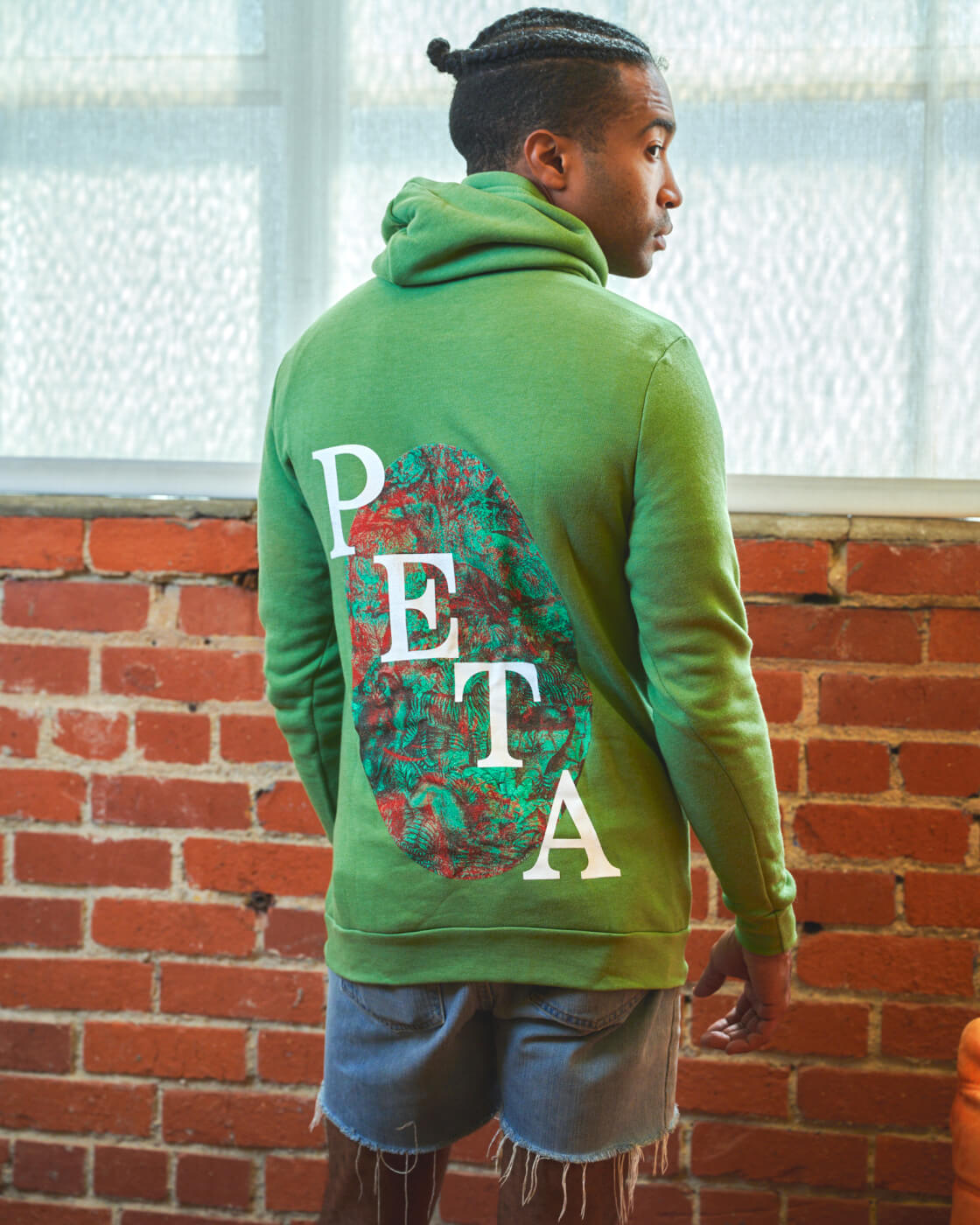
The collection is called “People Are Animals,” and each piece is extra special, especially the hoodie. When you apply a custom Instagram filter to the hoodie, it simulates anaglyph 3-D glasses and the design will appear to be transformed. It becomes two unique designs that—when viewed through either the red or the cyan side—challenge the viewer to consider alternative perspectives on the same image.

A model stands with their back to the camera and their face in side profile view, the back of their green sweatshirts says "PETA"

As a lifelong supporter of PETA, getting to work with them is always special to me. In a world where we have everything from Buddhist monks to athletes to rappers who are vegan, I have always tried to break down stereotypes of what people expect a vegan to look like. With this collection, we have created a new design language for people who want to both support PETA as well as speak up for animal welfare.


View this post on Instagram


A post shared by Phil America (@philamerica)

Vegan fashion collections like “People Are Animals” spare animals immense suffering and help protect the planet. Every year, billions of animals suffer and die for clothing and accessories. Skin is torn from them to make leather, birds are held down while handfuls of feathers are ripped out of their sensitive skin, and small animals are caged for life before being killed for their fur. Sheep are often beaten and mutilated by workers who steal their wool and skin for shearling. Goats are similarly abused for cashmere and mohair. All this abuse is done in the name of fashion. No matter the type of material or where it comes from, if the process involves animals, it also involves horrific cruelty.

In addition to causing the suffering and deaths of billions of animals each year, the production of animal-derived materials—including wool, fur, and leather—contributes significantly to climate change, deforestation, loss of biodiversity, and air and water pollution.

Shop the Phil America x PETA Collection

Vegan fabrics represent the future of fashion. They’re versatile and environmentally sound and don’t involve cruelty to animals. You can shop the full collection on our website today!

The post Phil America Launches Animal-Friendly Streetwear Collection With PETA appeared first on PETA.

PETA Opposes Chinese Company’s Dangerous Plans for Monkey Warehouse in Florida

Chinese company JOINN Biologics has purchased 1,400 acres of land near Gulf Hammock, Florida, southwest of Gainesville, and plans to build a massive facility there to quarantine and warehouse newly imported monkeys, effectively establishing the Levy County area as another point along the dangerous and deadly wildlife-trade chain. The monkeys would be sold and trucked to laboratories across the U.S. for use in barbaric experiments.

The land JOINN purchased—according to reports, one of the biggest recent Chinese acquisitions of U.S. land—isn’t zoned for quarantining imported animals, but the company still appears to be going ahead with its plans.

That’s why PETA recently sent more than 4,000 Florida residents an urgent letter asking them to call on Gov. Ron DeSantis, who has spoken out against the facility, to stop it from being built.

PETA’s letter notes that monkeys in the wildlife trade are often stressed, injured, and exposed to pathogens that can spread to humans. These pathogens can go undetected during quarantine screening, and some don’t show up until months or years later.

New, unidentified viruses with pandemic-causing potential are a risk, too.

JOINN’s facility, which could house thousands of monkeys a year, could introduce monkeys’ urine, feces, and other bodily secretions into the environment, where other animal species would be affected.

Some of the monkeys might even escape, as has happened at similar facilities. Earlier this year, a truck transporting monkeys to a quarantine facility crashed, and the animals who escaped were shot out of fear that they could be carrying dangerous pathogens.

This misguided facility would mean misery for the monkeys warehoused there, and it would put the health of every Levy County resident at risk. We must stop JOINN’s plan before a single brick is laid.

—PETA Senior Vice President Kathy Guillermo

Long-tailed macaques, one of the species JOINN would most likely import, are now recognized as endangered by the International Union for Conservation of Nature. This is in large part due to their capture and exploitation as part of the international wildlife trade to U.S. laboratories, where they’re mutilated, poisoned, deprived of food and water, forcibly immobilized in restraint devices, infected with painful and deadly diseases, psychologically tormented, and killed.

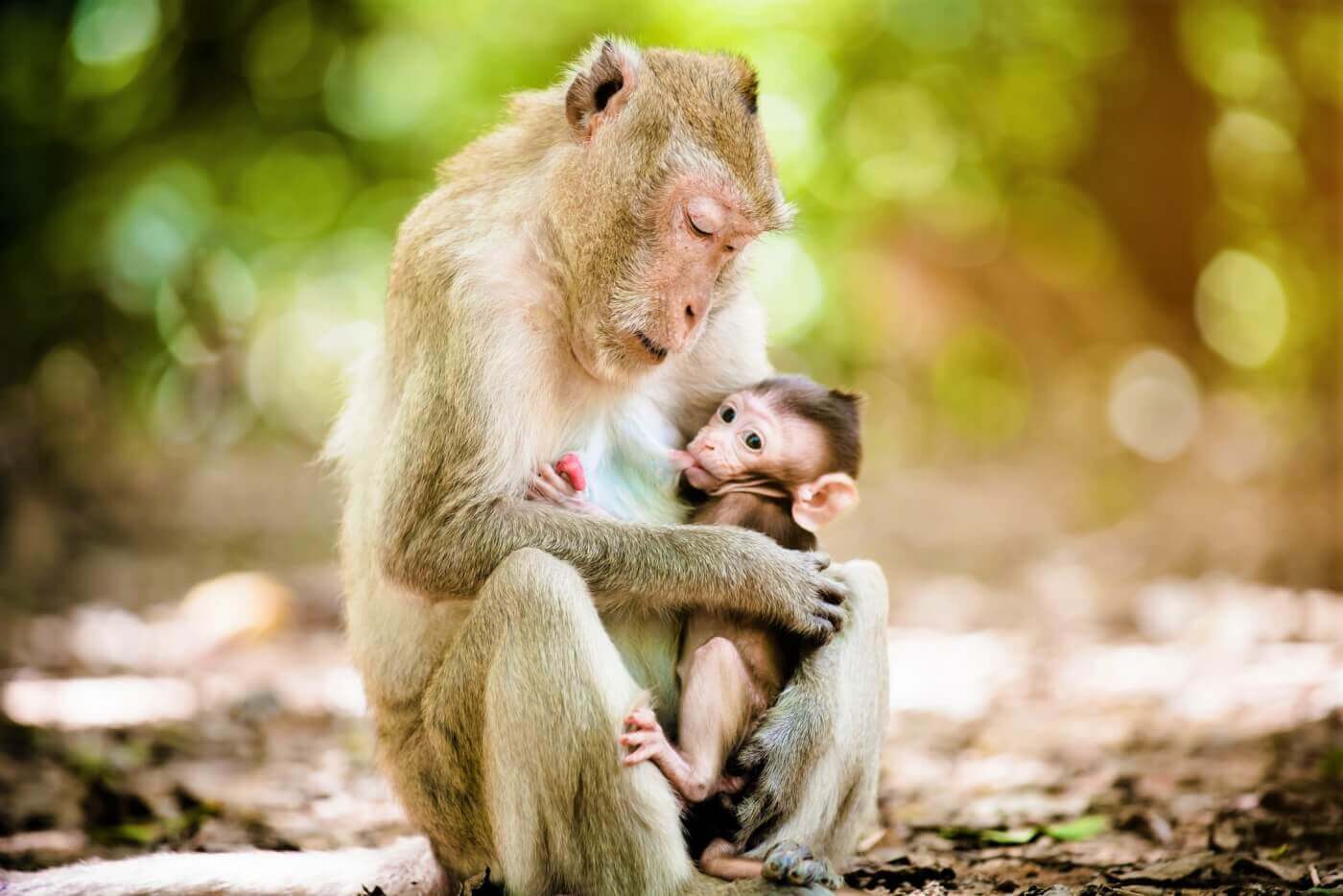
mother and baby long tailed macaque© iStock.com/ittipon2002


Florida residents: We urgently need you to call DeSantis at 850-488-7146 and politely ask him to use his authority to stop JOINN from building this dangerous monkey prison.


Tell the CDC to Shut Down the Monkey-Abduction Pipeline

Despite decades of promises and hundreds of thousands of dead monkeys, experiments using animals haven’t resulted in effective vaccines for HIV, tuberculosis, malaria, or other dreaded human illnesses.

The Centers for Disease Control and Prevention has admitted that the importation of monkeys poses a danger to the public, yet it continues to allow the experimentation industry to bring them into the country.

Help end this barbaric and deadly trade.

The post PETA Opposes Chinese Company’s Dangerous Plans for Monkey Warehouse in Florida appeared first on PETA.