Herd of PETA Supporters to Descend on State Agency Meeting in Defense of Elephants

On Friday, PETA protesters will rally outside the Wisconsin Historical Society’s board meeting with signs proclaiming, “Revamp Like Ringling: Stop Using Animals,” and, during the public comment portion of the meeting, call on the board to follow in Ringling Bros. and Barnum & Bailey Circus’ footsteps by banning all live-animal acts. The Wisconsin Historical Society recently announced that it would continue forcing elephants to perform in Circus World Museum’s summer shows through the 2023 season and that other animals, including llamas and horses, would always be a “vital part” of its acts.

When:    Friday, December 9, 9:30 a.m.

Where:    University of Wisconsin, Pyle Center, 702 Langdon St., Madison

The actions follow PETA’s discovery that two elderly elephants, Isa and Viola, were forced to give rides seven days a week from May 20 to August 28, carrying as many as 159 riders in a single day. A PETA investigation also revealed that Isa and Viola were forced to perform grueling tricks twice a day, seven days a week, in the museum’s 2021 summer series, despite suffering from chronically swollen feet and other symptoms of painful foot and joint problems.

“Cruelty is the star of the show at Circus World Museum, which plans to continue forcing ailing elephants and other animals to perform demeaning tricks in front of noisy crowds,” says PETA Executive Vice President Tracy Reiman. “PETA is calling on the Wisconsin Historical Society to follow in Ringling’s footsteps by banning archaic live-animal acts immediately and urges audiences to stay away from Circus World Museum until it chooses kindness over cruelty.”

After the 2023 summer shows, the elephants will return to Carson & Barnes Circus’ facility in Oklahoma, where elephants are chained, bred, and exploited for photo ops and other forms of entertainment. Carson & Barnes is listed as one of PETA’s “Worst Circuses in the U.S.” and has been cited for more than 100 violations of the federal Animal Welfare Act. PETA also caught the circus’ head trainer on video viciously attacking elephants with electric prods and bullhooks (weapons that resemble a fireplace poker with a sharp hook on one end), while instructing trainers to sink and twist the bullhooks into the animals’ flesh until they screamed in pain.

PETA—whose motto reads, in part, that “animals are not ours to use for entertainment”—opposes speciesism, a human-supremacist worldview.

For more information, please visit PETA.org or follow the group on Twitter, Facebook, or Instagram.

The post Herd of PETA Supporters to Descend on State Agency Meeting in Defense of Elephants appeared first on PETA.
Michigan Roadside Zoo Fined Thousands After PETA Alerts USDA

After PETA alerted the U.S. Department of Agriculture (USDA) to several animals in need of urgent veterinary care at the despicable Indian Creek Zoo in Michigan, the agency took action, inspecting the hellhole and issuing a penalty of $13,500 for multiple alleged violations of the federal Animal Welfare Act (AWA).

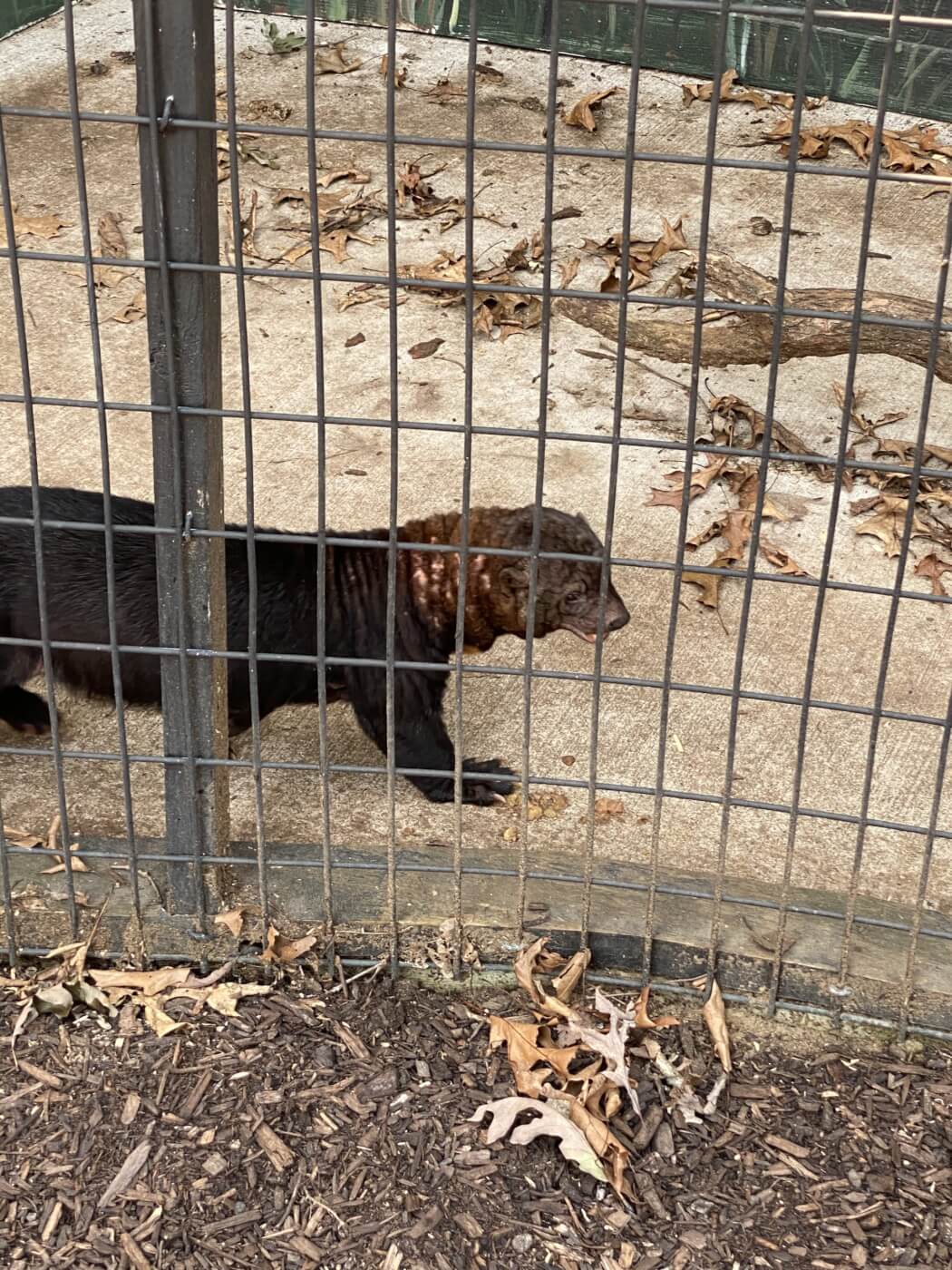
A Tayra behind a wire fence on a hard concrete floor, their neck has hair loss.

A tayra at Indian Creek Zoo suffers from hair loss and inflamed skin around the neck.

Indian Creek Zoo is no stranger to incompetence: It’s received 18 citations since 2015 for failing to meet the AWA’s minimum standards. The violations in the citation and penalty—dated between November 11, 2020, and August 3, 2021—include the following serious medical concerns:

  • A rabbit and a tayra had hair loss and red, inflamed skin.
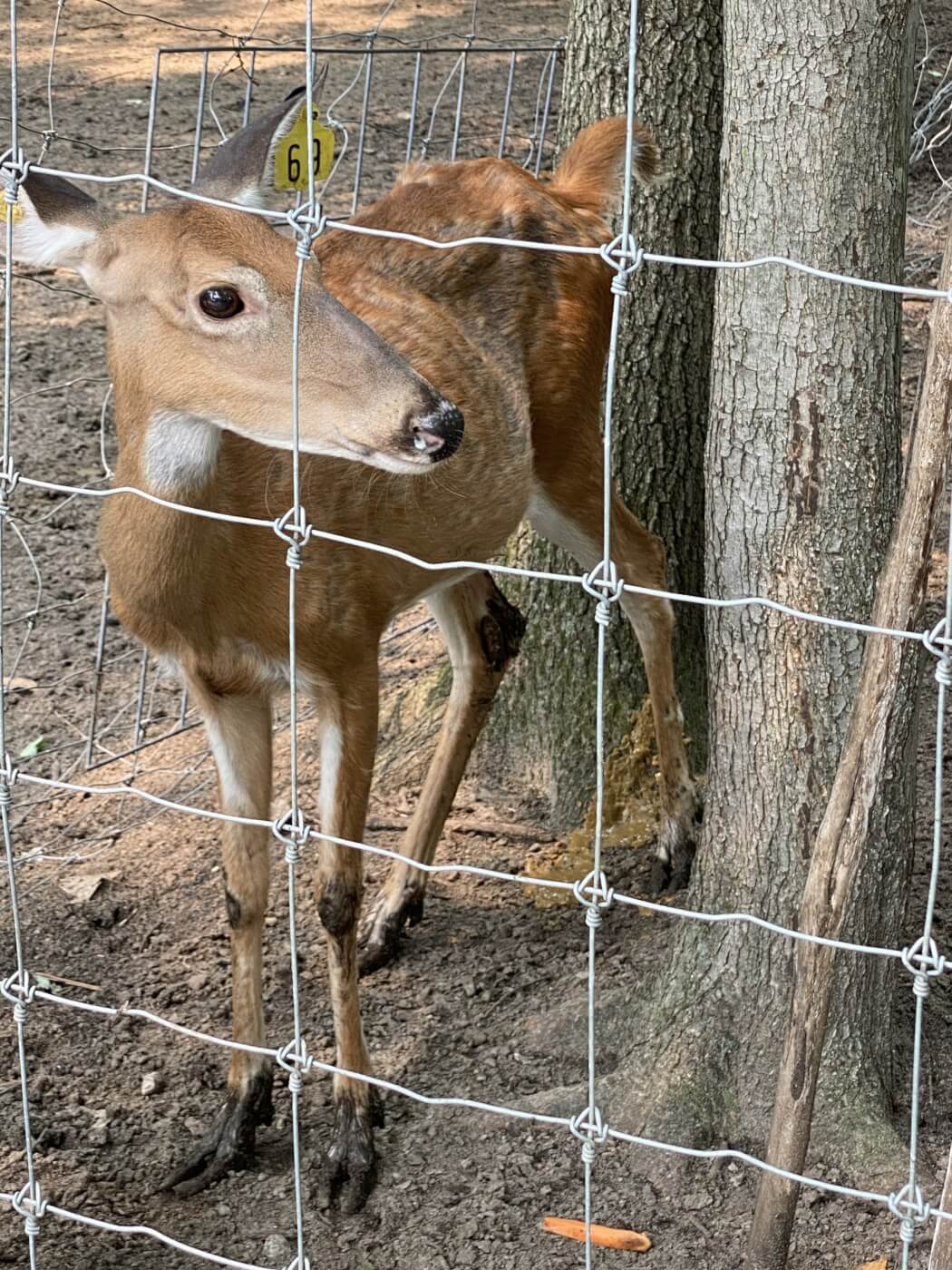
  • Multiple deer were underweight, and one had overgrown hooves as well as diarrhea so severe that it had stained the animal’s legs.
  • A goat was limping, with a painful, swollen leg joint.

Indian Creek Zoo failed to address these problems adequately and didn’t communicate the conditions of sick animals to its attending veterinarian. These animals should never have been allowed to suffer this way.

An underweight deer behind a wire fence with overgrown hooves and diarrhea running down the back of their legs.

An underweight deer at Indian Creek Zoo suffered from overgrown hooves and severe diarrhea.

Indian Creek Zoo Is Dangerous

Enclosures at the roadside zoo were so poorly maintained that they were a danger to humans and other animals at the facility. A baboon reached through a gap in an enclosure and then grabbed and bit an employee. In addition, a porcupine escaped and was never found. Indian Creek Zoo was cited for both incidents, but the sheer incompetence on display underscores why the facility should never be trusted with the lives of animals or the public.

Ugly Ties to Other Roadside Zoos

In March 2021, Indian Creek Zoo received Peanut, a weeks-old bear cub, from Don Fuller, a shady animal dealer in New York. Peanut had been torn away from her mother and then shipped—surely afraid and traumatized—630 miles to Indian Creek Zoo. Mere days later, the facility apparently thought it was appropriate to ship little Peanut another 400 miles in state to Oswald’s Bear Ranch, a hellish death trap for bears, which profits from using them as photo props. Oswald’s has a reputation for dozens of apparently premature bear deaths and has been known to send bears to slaughter—but Indian Creek Zoo allowed this notorious facility to purchase Peanut anyway.

Peanut was just 3 months old when she died at Oswald’s, and Indian Creek Zoo shares responsibility for her death.

Never Support Roadside Zoos

Supporting roadside zoos with your money, time, and attention allows scumbags to turn a profit from animal abuse. The owners of these establishments are always concerned with their bottom line first and animals’ well-being second, if at all—which is why Indian Creek Zoo, Oswald’s Bear Ranch, and other lousy businesses are hotbeds of animal suffering and misery, constantly incapable of meeting even the basic needs of animals. Learn more about roadside zoos here.

You can help animals at Oswald’s Bear Ranch—the despicable facility where Peanut suffered and died just last year—by speaking up. Please urge it to send the remaining bears to accredited sanctuaries before more of them die.

The post Michigan Roadside Zoo Fined Thousands After PETA Alerts USDA appeared first on PETA.

PETA Files FTC Complaint Over Injuries to Visitors, Staff at SeaQuest Aquariums

SeaQuest is a chain of direct-contact shopping mall aquariums that confine wild animals to crummy enclosures for stressful public encounters with gawking humans.

Wild animals don’t want to interact with humans, and subjecting them to a barrage of unnatural, direct-contact encounters is not only stressful for them but also dangerous for everyone involved. To make matters worse, SeaQuest staff are demonstrably unfit to handle wildlife appropriately and often don’t closely monitor the public’s interactions with animals.

Peta GIF - Find & Share on GIPHY

SeaQuest clearly knows all these things, as there have been many injuries to visitors and staff members at a number of its locations across the country, resulting in negative customer reviews and several federal citations.

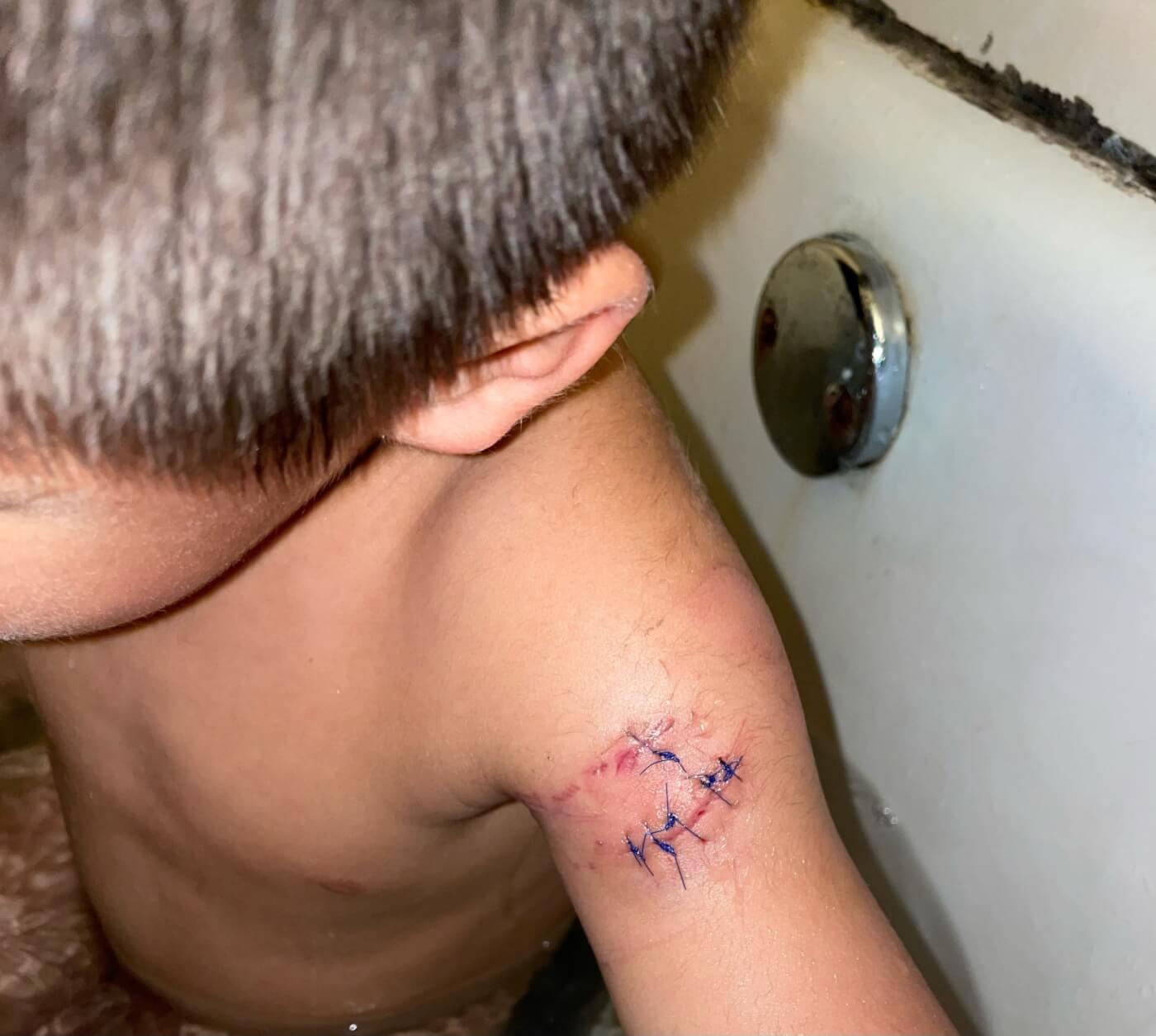
FTC complaint: Abel injured at SeaQuest

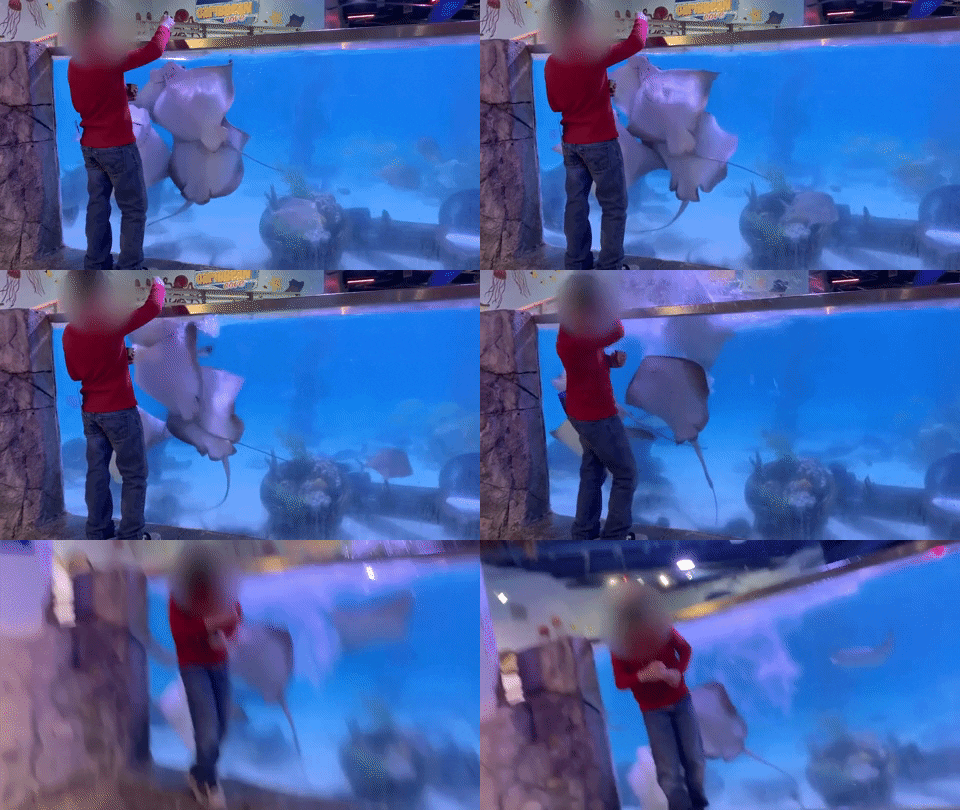
A mother told PETA that her 3-year-old toddler was rushed to the emergency room after sustaining gaping wounds when an iguana “jumped from a rock and latched [onto] his arm.”

But the company still hasn’t ceased its dangerous operations.

So PETA is pushing back yet again.

On November 7, we filed a massive complaint to the Federal Trade Commission (FTC), calling on the agency to investigate SeaQuest and the Austin Aquarium—another seedy indoor mall petting zoo—over unfair trade practices in apparent violation of federal law. Our groundbreaking complaint alleges that the companies promote dangerous, direct-contact encounters with wild animals, which have caused a substantial number of physical injuries to unsuspecting customers.

Many incidents have occurred at SeaQuest locations, including the following:

  • At SeaQuest Littleton, a pufferfish bit an 8-year-old child; an Asian water monitor named Spartacus bit an employee; an iguana jumped onto a child’s chest and “got a claw inside her mouth”; an iguana jumped onto an employee’s shoulder and caught a nail under the person’s eye; iguanas have bitten visitors on multiple occasions; a pacu bit a child; a porcupine pufferfish bit a patron, who later reported numbness and difficulty breathing; and a pig bit a visitor, who reportedly had to go to urgent care.
  • At SeaQuest Fort Worth, an iguana latched onto the arm of a 3-year-old boy, who had to be rushed to the hospital to receive stitches; a capybara bit the hand of a child who had reached over the side of an enclosure; a fish bit a toddler’s fingers; a sloth bit a visitor while staff weren’t fully monitoring the encounter; and an Asian small-clawed otter injured customers, even after the USDA cited the facility over previous injuries involving this animal.
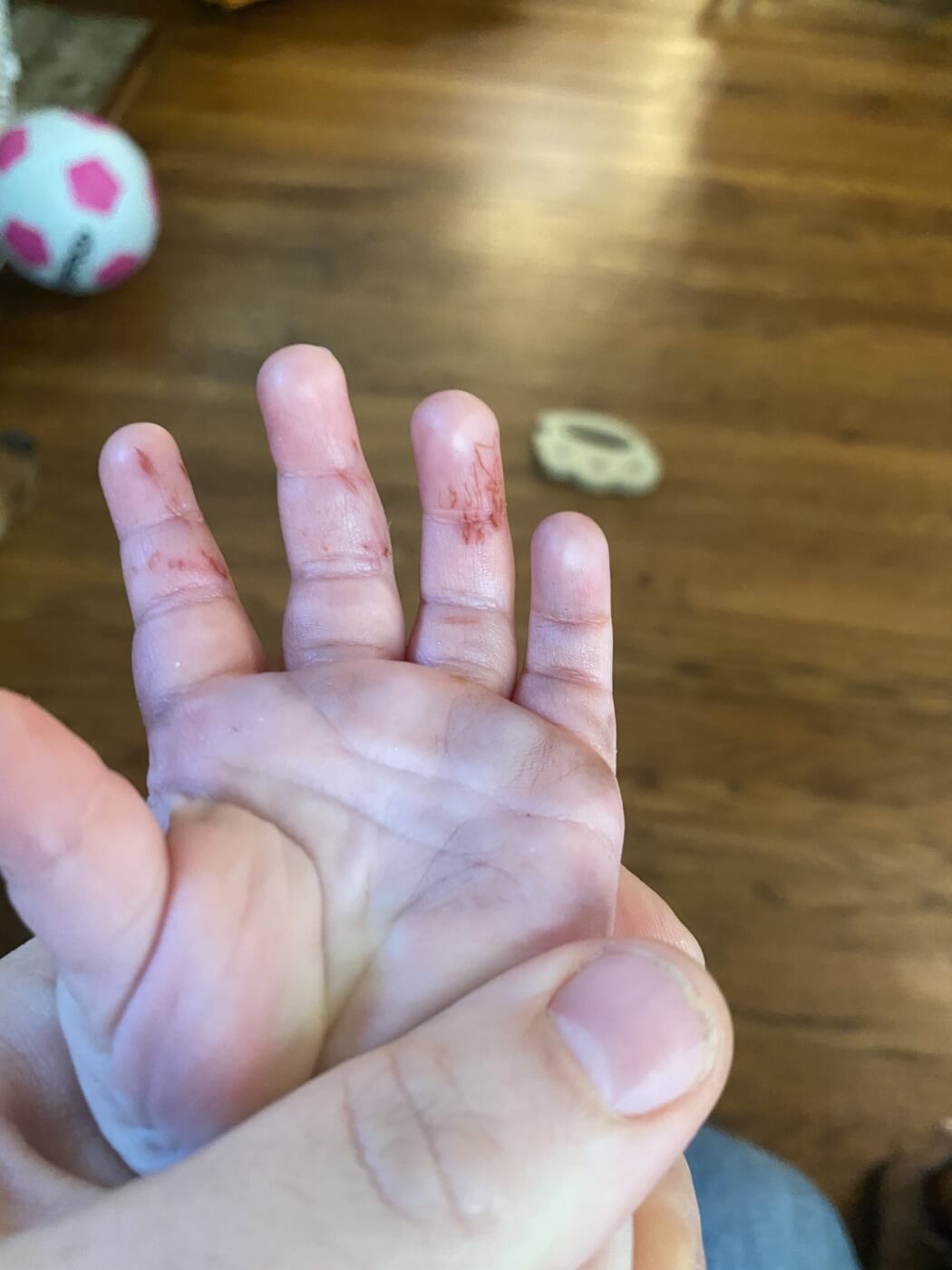
Seaquest: Baby's hand bitten by fish

The mother of an infant told PETA that her child had been bitten at SeaQuest Fort Worth, leaving bloody scrapes across three of her fingers.

  • At SeaQuest Trumbull, a pig bit a customer’s finger, a kinkajou scratched a child’s face while jumping for a bowl of food, and an otter bit two children.
  • At SeaQuest Utah, an Asian small-clawed otter bit a guests’ thumb, a kinkajou bit a guest, and a coatimundi named Gus bit a visitor and an employee.
  • At SeaQuest Roseville, a sloth bit a guest during an encounter. That year, several of the animals at the facility were diagnosed with diseases that could spread to humans, including ringworm, chlamydia, and toxoplasmosis.
  • At SeaQuest Las Vegas, a coatimundi reportedly scratched a boy, who was then taken to the hospital. In addition, a kinkajou bit an employee and a small-clawed otter named Chip bit an employee during a presentation.

PETA’s Urging the FTC to Take Action

The FTC Act prohibits unfair or deceptive trade practices. SeaQuest and Austin Aquarium market themselves as safe, family-friendly operations while encouraging customers to engage directly with wild animals, who can behave unpredictably and can potentially be carrying transmissible diseases. Customers continue to be injured by animals while engaging in activities that SeaQuest and the Austin Aquarium encourage.

PETA’s complaint asserts that the direct-contact encounters offered by these facilities cause a substantial number of physical injuries to consumers and therefore are unfair trade practices that violate federal law. We’re calling on the agency to investigate both companies over these alleged unfair trade practices.

Here’s What You Can Do

While PETA has worked tirelessly to expose SeaQuest for its cruel exploitation of animals—from providing local officials with evidence of animal deaths to putting up a giant “bloody” billboard near a SeaQuest location—10 of its facilities are still open to the public. But you can help us shut these miserable operations down.

Never visit SeaQuest, the Austin Aquarium, or any other dubious mall aquarium or roadside zoo. If you have been injured at a SeaQuest location, be sure to report the incident to local officials and contact PETA.

Click the button below to take action against SeaQuest:

The post PETA Files FTC Complaint Over Injuries to Visitors, Staff at SeaQuest Aquariums appeared first on PETA.

UC-Davis Students Win National Activism Award for Confronting Cruelty at Primate Laboratory

For organizing a provocative protest against the notorious California National Primate Research Center (CNPRC) at the University of California (UC)–Davis, where thousands of monkeys are infected with deadly viruses, inflicted with painful diseases, psychologically traumatized, and killed in cruel experiments, the school’s Students Opposing Speciesism (SOS) hub has won PETA’s 2022 Libby Award for SOS Action of the Year.

SOS is a PETA-backed, youth-led revolt against speciesism, the archaic belief that other animals are inferior and exist solely for humans to exploit. “Libby” is short for “liberation”—as in “animal liberation”—and the awards, from PETA’s youth division, recognize the individuals, brands, and products that go above and beyond for animals.

During their impassioned protest, UC-Davis students wore monkey masks and white laboratory uniforms as they caged themselves, splashed themselves with “blood,” lay “dead” on tarps, and marched through campus demanding that the university shut down the CNPRC, end its cruel experiments on monkeys, and replace them with modern, non-animal research methods.

“Once these UC-Davis students learned that the CNPRC imprisons monkeys and cuts open their skulls in useless experiments, they were determined to end this abuse,” says PETA Senior Director Rachelle Owen. “PETA is celebrating these students’ creativity in rallying their peers to demand the closure of this cruel laboratory.”

Kara Long, who leads the SOS hub, won PETA’s Hero to Animals Award earlier this year. Long teamed up with PETA to start a petition now signed by more than 62,600 people calling on UC-Davis to stop experimenting on animals. She and other SOS members also organized several protests against speciesism, persuaded the student senate to pass a resolution condemning the CNPRC’s many animal welfare violations, and conducted teach-ins to educate their peers about the cruelty monkeys endure in laboratories.

“All animals deserve to be treated with respect, which is why we’re calling on UC-Davis to stop these cruel experiments and replace outdated monkey tests with modern, non-animal research methods,” says Long. “The SOS members at UC-Davis will continue to push campus leaders to stop the torment inside the CNPRC, and the monkeys trapped inside its walls will always have us as allies.”

SOS shares PETA’s motto: “Animals are not ours to experiment on, eat, wear, use for entertainment, or abuse in any other way.” For more information, please visit SOS.PETA.org or follow SOS on Instagram.

The post UC-Davis Students Win National Activism Award for Confronting Cruelty at Primate Laboratory appeared first on PETA.