PETA Supports New Slaughterhouse Construction, With a Caveat

Although many residents are up in arms over plans to build a new taxpayer-funded slaughterhouse in Alachua County, PETA fired off a letter today to the Board of County Commissioners expressing its support for the project—if, that is, the facility is built with glass walls or includes livestream video footage so the public can see what happens inside it.

PETA notes that Alachua County Commission Chair Anna Prizzia may embrace the need for such transparency, as she has publicly stated that industrial slaughterhouses are often cited for “safety violations” and that “the animals are treated as a commodity rather than living beings, and consumers have little to no understanding of the process.”

“As long as people eat meat, they can’t complain when a slaughterhouse comes to their town, and Alachua County leaders seem to recognize that people have no idea of the houses of horror these places are,” says PETA Executive Vice President Tracy Reiman. “PETA is asking county commissioners to seize this opportunity to build a literally transparent slaughterhouse, because taxpayers have a right to see what they’re paying for.”

PETA—whose motto reads, in part, that “animals are not ours to eat”—offers a free vegan starter kit and opposes speciesism, a human-supremacist worldview. For more information, please visit PETA.org, listen to The PETA Podcast, or follow the group on Twitter, Facebook, or Instagram.

PETA’s letter to the Board of County Commissioners follows.

February 17, 2023

Dear Alachua County Board of Commissioners:

We’re writing from People for the Ethical Treatment of Animals (PETA entities have more than 9 million members and supporters globally, including many thousands across Florida) to support the proposed construction of a cow slaughterhouse in Alachua County—but with one special request.

This proposed structure would be built with taxpayer funding, so it’s reasonable that it should have a glass wall or walls so that everyone could see inside. That would not only provide a degree of accountability but also allow anyone who wants to see what goes on inside such a place to witness the terror and torment that animals endure before they’re killed for food. Please allow me to elaborate.

Meat is no longer considered a healthy food, and animal agriculture is now condemned for contributing mightily to greenhouse gas emissions. Add to that the suffering of a vast number of animals as sensitive as you, me, or any dog or cat. As Sir Paul McCartney famously said, “If slaughterhouses had glass walls, no one would eat meat.”

It’s easy to forget where meat comes from when you see it in neatly wrapped packages in a grocery store, but animals don’t go peacefully for it. They tremble in terror, as they smell the blood and hear the cries of those ahead of them on the kill line. When it’s their turn, cows are shot in the head with a captive-bolt gun—which we have shown is not always accurately aimed—and hung up by one leg, often dislocating their hips. Then their throats are cut and they are gutted—sometimes while they’re still conscious. They fight for their lives because, just like you and me, they don’t want to die.

Surely, everyone has the right to see this process and to consider who animals are, what makes them tick, and how they feel, especially since the meat industry is heavily subsidized by taxpayers. Cows are curious, clever animals who sometimes go to extraordinary lengths to escape slaughter. They understand cause-and-effect relationships and become excited when they figure out how to do something, such as operating a water pump with their horns. They are gregarious, forming intense friendships and holding grudges against herd members who have treated them badly. They are thinking, feeling individuals.

The residents who have pointed out how cruel, dangerous, environmentally destructive, and unhealthy it is to kill and eat sentient beings are correct. Meanwhile, vegan foods continue to proliferate on grocery store shelves. But should you insist on building a slaughterhouse, at least be transparent about what goes on inside it by giving it a viewing wall and livestreaming its operations for the rest of the world to see.

Thank you for your consideration. We look forward to hearing from you.

Very truly yours,

Ingrid Newkirk

President

The post PETA Supports New Slaughterhouse Construction, With a Caveat appeared first on PETA.
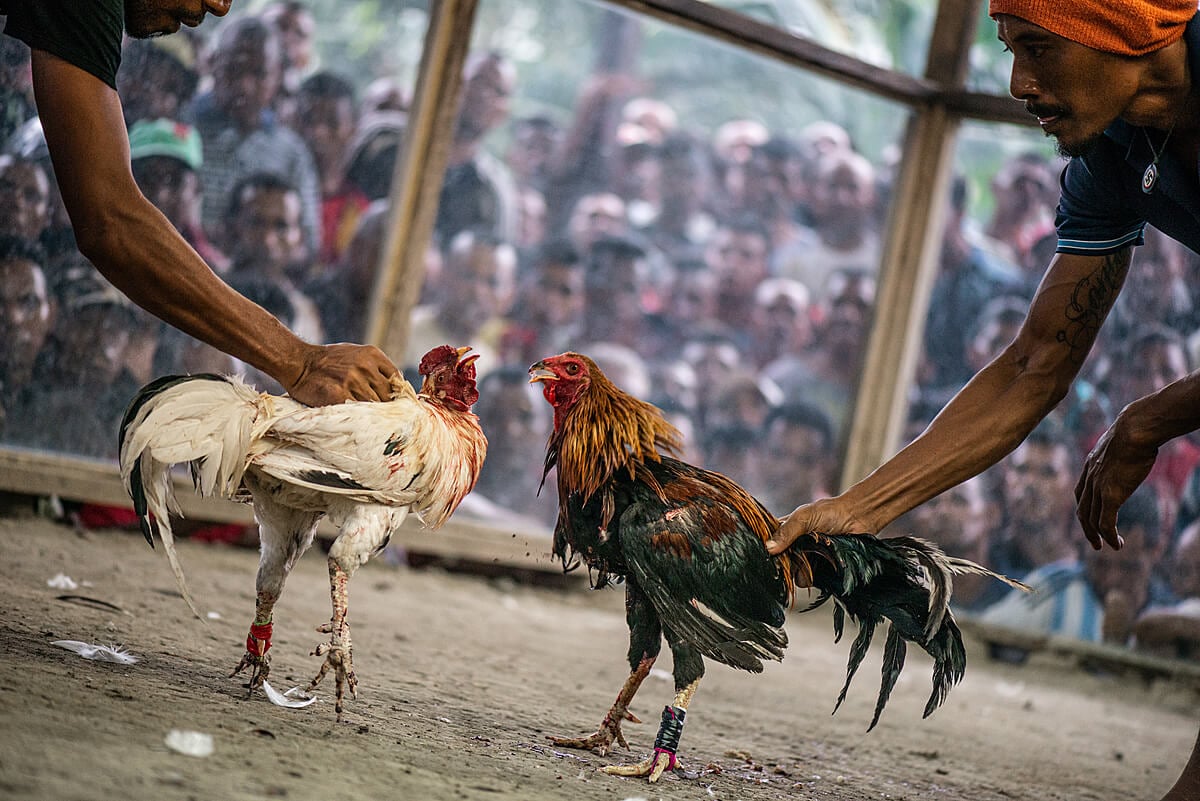
PETA Explains What Happens to Roosters Used in Cockfighting

Being a rooster is almost always a death sentence: Vast numbers are ground up alive just hours after hatching in the egg industry, and others are cruelly forced into deadly cockfights. Although cockfighting is illegal in all U.S. states and territories, it still takes place, and it’s legal in Cuba, most of Mexico, and much of the Caribbean. Read on to learn what cockfighting is and how you can help birds who are forced to fight for entertainment.

What Is Cockfighting?

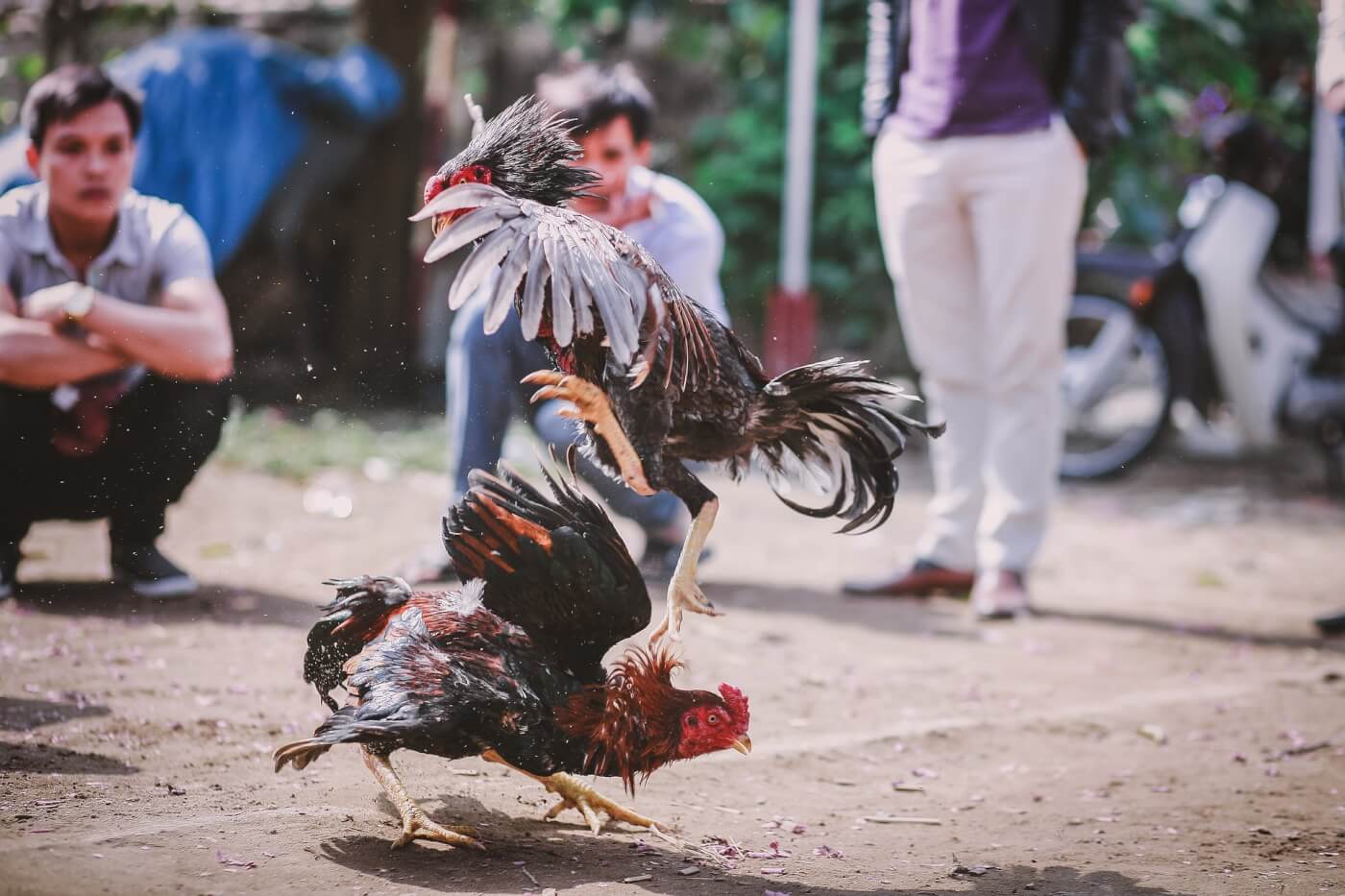
A cockfight is when two roosters fight, often to the death, for the entertainment of onlookers. In Central and Latin America, cockfights are often considered “family events,” so children are subjected to seeing the violence. Many attendees bet on the outcome, and cockfighting rings are often linked to crimes like illegal gambling, prostitution, robbery, murder, and drug trafficking.

In their natural habitats, roosters fight with one another to establish a “pecking order,” claim territory, and assert mating rights. Serious injuries are rare because one bird will flee when he accepts defeat. After a brief tussle, they go back to enjoying life, foraging and dustbathing with their flock.

two gamecocks are forced to battle in a cockfight

The natural urge to retreat has been systemically bred out of “game fowl,” so birds used in the fighting ring are more likely to fight to the death. Many are routinely armed with blades and spikes attached to their feet in order to inflict more severe bodily harm on one another. The fight doesn’t end until one rooster is dead or nearly dead, and common injuries include punctured lungs, pierced eyes, and broken bones. The losing bird is often discarded into a barrel or trashcan near the fight pit, even if he’s still alive. The winning rooster’s wounds are typically crudely stitched up with no further treatment.

The Cockfighting Industry

Roosters bred for cockfighting are hatched on “game” farms by breeders known as “cockers.” If a chick doesn’t seem violent enough, he’s killed, and most of the “chosen” birds spend their lives tethered by the leg to a plastic barrel or small cage—their only shelter. Cockers then train the birds to gain strength and endurance by attaching weights and blades to their legs and setting them loose for “practice fights” with each other.

How to Help Roosters Used in Cockfights

Cockfights only take place because they’re profitable for those who organize them. The best way to help roosters forced to fight is never to attend a cockfight, and if you suspect illegal cockfighting is occurring, report it to the local authorities.

The post PETA Explains What Happens to Roosters Used in Cockfighting appeared first on PETA.

Your Mardi Gras Celebration Won’t Be Complete Without These Vegan King Cakes

Mardi Gras—or “Fat Tuesday”—is the day before Ash Wednesday, which marks the beginning of Lent. This cultural phenomenon, which draws people from around the world to the Big Easy each year, is marked by parades, music, and tons of sweet, fatty foods. The iconic dish of Mardi Gras is the king cake, generally a ring-shaped cake covered with icing and green, purple, and gold sprinkles. Traditionally, there’s also a small porcelain baby baked into the cake representing Jesus, which is supposed to bring luck and prosperity to the person who finds it. While the dessert is sometimes made with eggs stolen from chickens and milk meant for baby cows, we’ve found some that are made without any animal exploitation and suffering.

Erin McKenna’s Bakery (multiple locations and nationwide shipping)

On the online marketplace Goldbelly, you can order Erin McKenna’s Vegan + Gluten Free King Cake Kit, which comes complete with tinted vegan sugar and a “baby” to bake inside.

© Goldbelly

Van Friendly Baked Goods (New Orleans)

Multiple pickup locations are available for Van Friendly’s gluten-free and vegan King Cake Box, which includes four King Cake Donuts and a traditional cinnamon-flavored cake.

Breads On Oak (New Orleans)

Filled or unfilled vegan king cakes are available for pickup at this all-vegan bakery in New Orleans. Filling flavors include Chocolate Tiramisu, Bavarian Cream, Cream Cheese, Strawberry Cream Cheese, and Almond Cream.

breads on oak baked dessert

White House Coffee and Creamery (Lacombe, Louisiana)

Head to White House Coffee and Creamery if you want a single slice of cinnamon-spiced vegan and gluten-free king cake topped with a tasty icing and colorful sugar.

Creme Confectionery (New Orleans)

While the indulgent king cakes of this confectionary are sold out online, you can still find them at locations around the New Orleans area, including Haydel’s Bakery, Grounded Coffee Cafe, the Lafreniere Park Farmers Arts Market on Wednesdays from 2 to 7 p.m., and other locations announced ahead of time on the confectionery’s social media.

Vegan King Cake Recipes

If you aren’t near any of these bakeries or just want something homemade, these recipes will help you make your own delicious vegan king cake at home:

Easiest Vegan Mini King Cakes

Vegan King Cake by Food With Feeling

vegan king cake with tiny baby and red purple and gold beads© Food With Feeling

Mardi Gras King Cake by Veggie Fun Kitchen

vegan mardi gras king cake with decorations and a little plastic baby© Veggie Fun Kitchen

New Orleans Gluten-Free King Cake by Strength and Sunshine


These cakes offer tons of flavor without doing an ounce of harm to chickens or cows. It’s easy to celebrate Mardi Gras while being kind to animals—check out these vegan Mardi Gras recipes for your own inspiration, and order a free vegan starter kit for more tips:

Send Me a FREE Vegan Starter Kit!

The post Your Mardi Gras Celebration Won’t Be Complete Without These Vegan King Cakes appeared first on PETA.

NIH Threatened With Lawsuit After Excluding PETA VP From Public Meeting

PETA threatened legal action against the National Institutes of Health (NIH) in a letter today after Dr. Alka Chandna, vice president of laboratory investigation cases, was denied entry to a public meeting at NIH’s main campus, in violation of the First Amendment.

Dr. Chandna had received a written invitation from NIH to attend the National Advisory Mental Health Council’s open policy meeting on February 7 in Bethesda, Maryland. The invitation assured her that, barring unforeseen “scheduling concerns,” she would be allowed up to five minutes to speak.

“Given this cordial exchange, Dr. Chandna was shocked when she was unceremoniously—and discriminatorily—denied entry to the NIH Main Campus on February 7,” writes PETA Foundation Litigation Counsel Jeffrey Stein.

NIH security guards informed Dr. Chandna that she was not allowed inside because she had previously posted, in public spaces on the campus, PETA flyers that were critical of the agency’s unethical treatment of monkeys, including keeping them in solitary confinement for years, frightening them with fake snakes and spiders, and inflicting irreversible brain damage on them.

Pointing out that NIH had violated the First Amendment by denying Dr. Chandna entry because of her critical views, Stein’s letter requests assurance from the agency that Dr. Chandna and other PETA staff “will not be unconstitutionally excluded from future NIH public meetings and from NIH facilities.”

Stein also wrote that PETA is prepared to take legal action to enforce Dr. Chandna’s and its constitutional rights if the request is denied.

PETA—whose motto reads, in part, that “animals are not ours to experiment on”—opposes speciesism, a human-supremacist worldview. For more information, please visit PETA.org, listen to The PETA Podcast, or follow the group on Twitter, Facebook, or Instagram.

The post NIH Threatened With Lawsuit After Excluding PETA VP From Public Meeting appeared first on PETA.

Awesome Arachnids: Spider Facts That Will Fascinate You

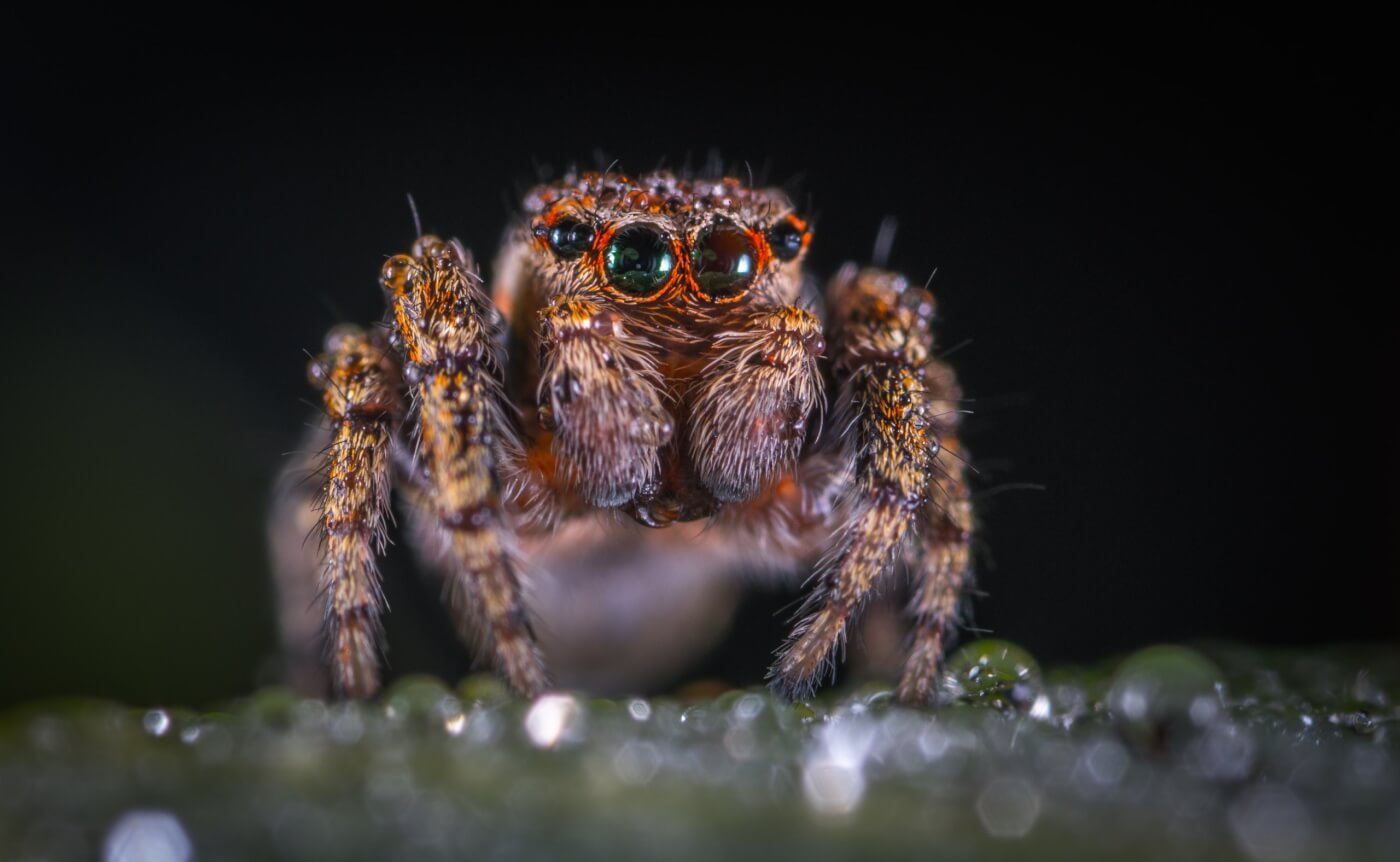
There are nearly 45,000 species of spiders, who are masters of adaptation. They’ve been found on every continent except Antarctica and vary greatly in size, shape, web patterns, and habitats. No matter where you may find a spider, you’ll be ready to meet them with respect if you know more about them.

a small fuzzy spider looking at the camera.

Spiders Are Scared of Humans

If you’ve ever tried to scoop up a spider to help relocate them, you know they play hard to get—the truth is, they’re afraid of you. If spiders knew how many humans have arachnophobia (an irrational fear of spiders), maybe they’d be a little bolder.

Spiders naturally stay out of our way and look for food in places where we won’t be. So if you see a spider you don’t need to move for their safety, live and let live, knowing that they won’t be coming for you.

via GIPHY

Every Day Is Leg Day for Spiders

If you’ve ever noticed a spider moving with jerky, sudden motions, you might find yourself alarmed. Rest assured, they’re not trying to scare you! They move like that because their legs are hydraulic in nature. They extend their limbs with fluid pressure, not muscles (which are only used to contract their legs). This unique combination of leg mechanisms means many spiders are able to jump long distances by “catapulting.”

To pick up our eight-legged friends, check out PETA’s Humane Bug Catcher, complete with a sliding door to make insect transport safe and easy.

a close photo of a human yawning in bed, with a sleep mask on

No, We Don’t Swallow Spiders in Our Sleep

You can rest easy knowing that spiders aren’t tumbling into your mouth while you sleep—the oft-cited “humans eat four spiders a year” is an urban legend. Although some spiders prefer moist environments, they’ll pick a damper, less busy room (like an unfinished basement) over your bedroom (and mouth).

Parachuting Spiders in Your Area?

They don’t pose any risk to humans or our animal companions, but they do have a fun trick up their sleeves. Some have called Jorōs “parachuting spiders,” but they’re doing something most orb-weaver spiders do: “ballooning.” Many adult spiders are too heavy for it, but babies and smaller spiders are able to release webs during strong winds to hitch a ride, sending them tens of miles in the process.

In the unlikely event that a spider happens to drift onto you, remember that ballooning spiders aren’t venomous. Patiently coax them onto your hand or a piece of paper, and drop them off somewhere like a tree or a shrub so they can get to work on a web.

Do Spiders Dream of a Restful Sleep?

We don’t know yet if spiders experience REM sleep, but some species are able to “shut down” in perfect stillness without food for six months, springing right back into action when they sense food nearby. How’s that for a power nap?

If you see a spider staying still in their web, don’t assume they’ve died—see if they’re alive before tearing their hard work down. Try blowing on their body or their web behind them gently to check for signs of life.

Tarantulas: Amazing Spiders, Never ‘Pets’

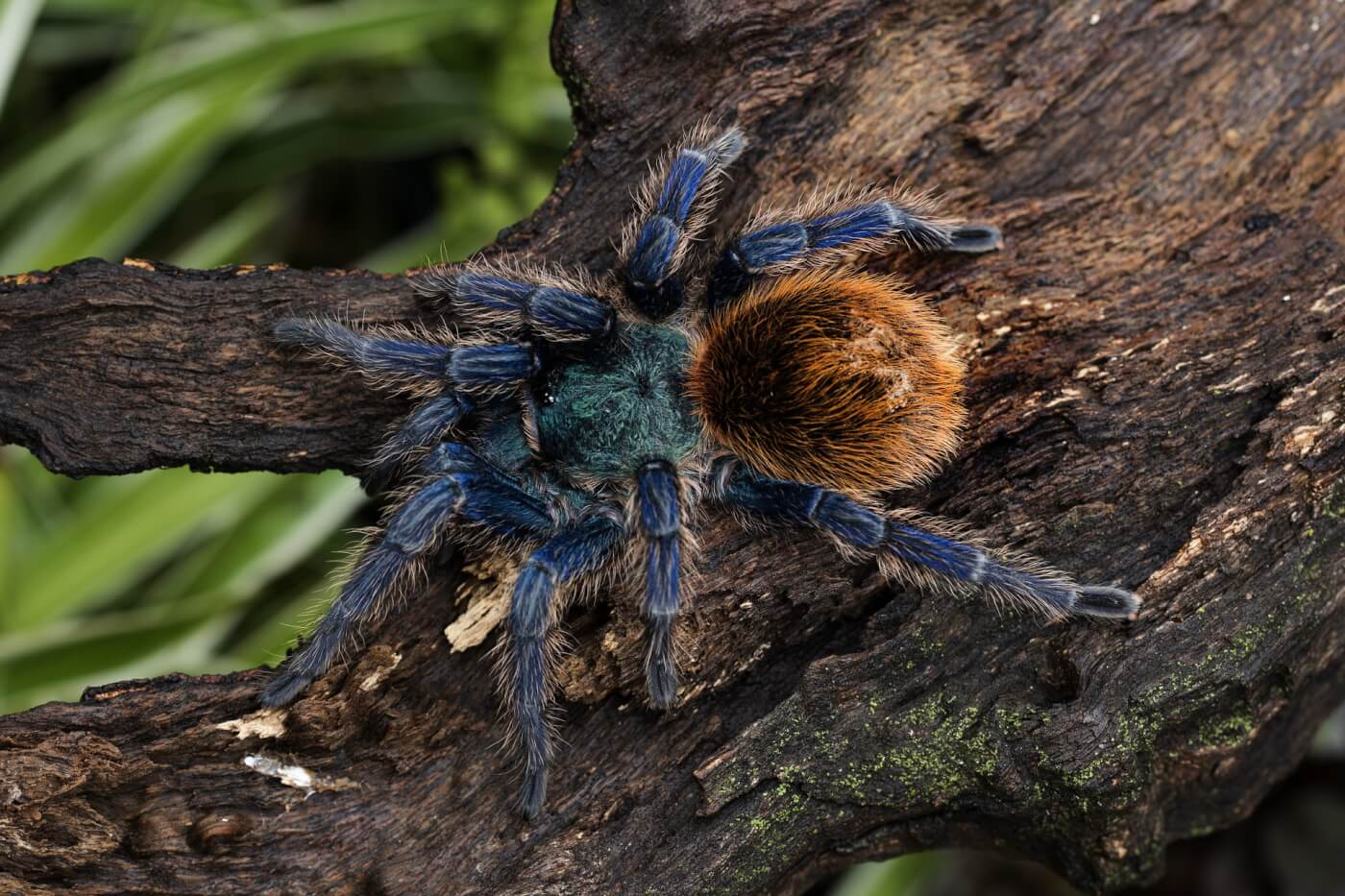
Tarantulas live in underground burrows in many drier environments, including the tropics, deserts, and mountains. Unlike most spiders, they don’t use their silk to make webs—it’s mostly used to reinforce their homes. They can also replace their lost legs during their molting process, which happens once or twice a year.

Tarantulas are beautiful, fascinating beings who love to dance for romance—but they don’t have feelings for you. Spare tarantulas, who can live for multiple decades, a horrible existence of capture, breeding, and transport (in which many die), just to be locked in an enclosure for years. There’s no responsible or ethical way to care for a tarantula, and the only time you should see one is if you’re lucky enough to spot them in nature.

Learn more about tarantulas and why they should never be considered companions.

Humanely Excluding Spiders and Insects

We think you’ll agree: Spiders are fascinating, if often misunderstood. Learn more about how to humanely deter spiders and bugs from areas and how to relocate them if you need to.

The post Awesome Arachnids: Spider Facts That Will Fascinate You appeared first on PETA.