Please see the following statement from PETA Vice President Kathy Guillermo regarding the U.S. Department of Agriculture’s citation of Worldwide Primates following a PETA complaint:
Worldwide Primates found out today that PETA is coming for it. Following our formal February 16 complaint to the USDA, the notorious monkey importer was cited for violating the federal Animal Welfare Act for its role in transporting 167 long-tailed macaques across the country without proper veterinary exams, a move that risked the health of those monkeys and the public at large. Worldwide Primates has a long, ugly history of violating state, federal, and international laws passed to protect primates and public health, and it’s one of the unindicted co-conspirators in the November 2022 U.S. Department of Justice case, which is set for a key public pretrial hearing next Friday in Miami.
For more information on PETA’s investigative newsgathering and reporting, please visit PETA.org or follow the group on Twitter, Facebook, or Instagram.
Following communications with local animal rights activists and PETA, the West Hollywood (WeHo) City Council voted unanimously to ban the sale and use of glue traps—trays coated with a sticky adhesive that ensnare small animals, who can suffer for days before dying, their faces and limbs mired in the glue. The move makes West Hollywood the first city in the country to ban the indiscriminate, lethal traps, which have ensnared songbirds, hamsters, and other tiny creatures.
“By keeping cruel glue traps out, WeHo is a trailblazer for vulnerable little animals,” says PETA Executive Vice President Tracy Reiman. “PETA thanks city officials for protecting animals from horrific cruelty and urges lawmakers across the country to follow their lead.”
Wildlife—including birds, snakes, mice, rats, and squirrels—who get stuck in the glue struggle desperately to escape, sometimes chewing off their own limbs before succumbing to shock, dehydration, asphyxiation, or blood loss. Glue traps fail as a long-term solution because they neglect to address the source of the problem: As long as food remains accessible, more animals will move in to take the place of those who have been killed.
Hundreds of companies and entities, as well as Germany, Iceland, Ireland, the Netherlands, Norway, and the U.K., plus two Australian states and nine Indian states, have all banned glue traps.
PETA—whose motto reads, in part, that “animals are not ours to abuse in any way”—opposes speciesism, a human-supremacist worldview. For more information, please visit PETA.org, listen to The PETA Podcast, or follow the group on Twitter, Facebook, or Instagram.
It’s well known that going vegan and increasing your intake of fresh vegetables and fruits can benefit both your physical and mental health and do a world of good for animals. One of the best parts about going vegan is learning new ways to use plants in your cooking, and there’s nothing like having fresh greens and herbs on hand for your culinary adventures. Plus, eating plant-based foods means you won’t be supporting highly abusive animal agriculture.
Planting microgreens and herbs is a great introduction to gardening—and it’s easy enough that anyone can do it! In addition to being extremely nutritious and adding great flavor and texture to a dish, microgreens and herbs add a beautiful pop of color to your meal that will be sure to entice dinner guests. The best part is that you don’t need lots of space, time, or money to grow them.
All you need to do is decide what you want to grow and then purchase your seeds and equipment.
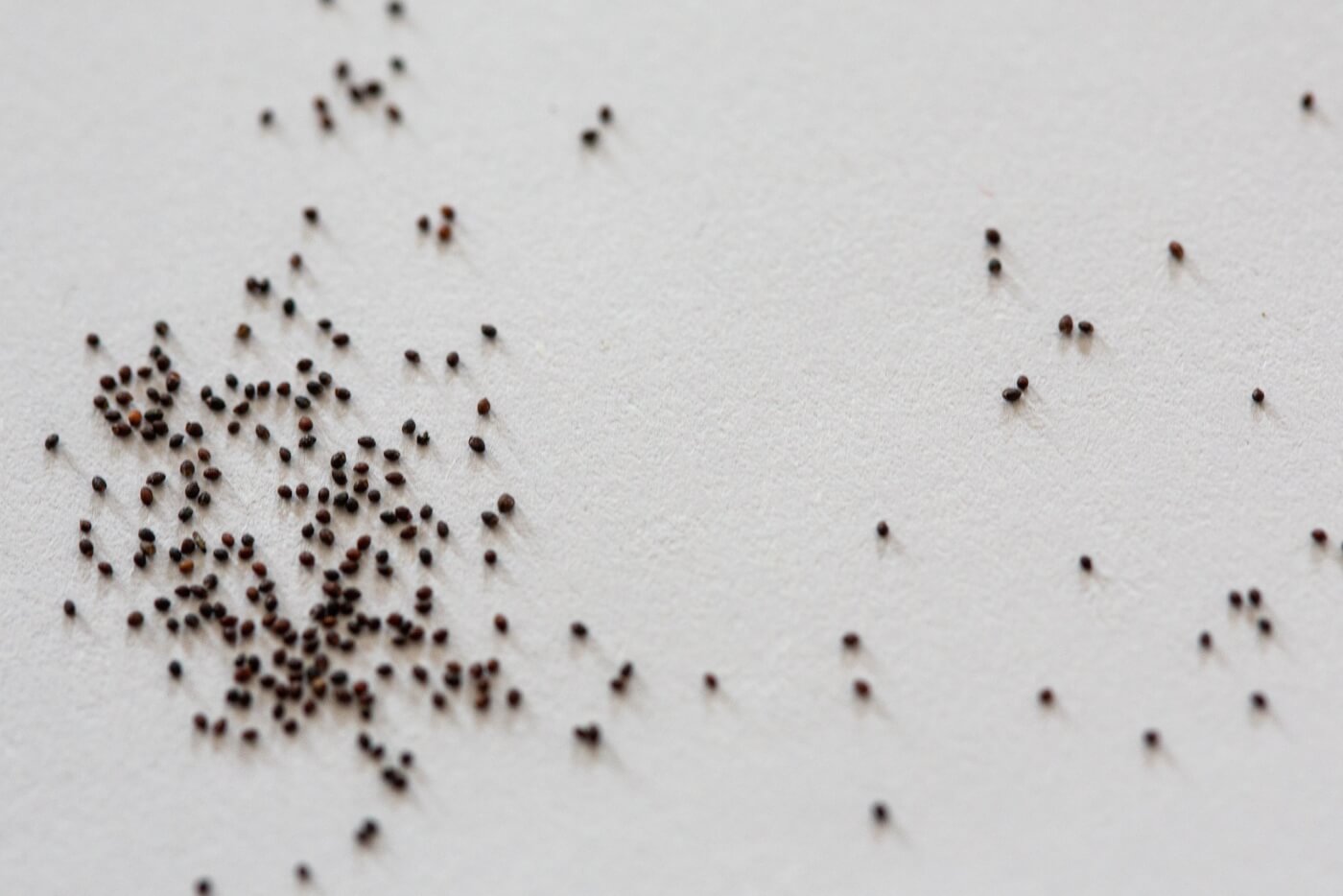
1. Start by choosing your seeds.
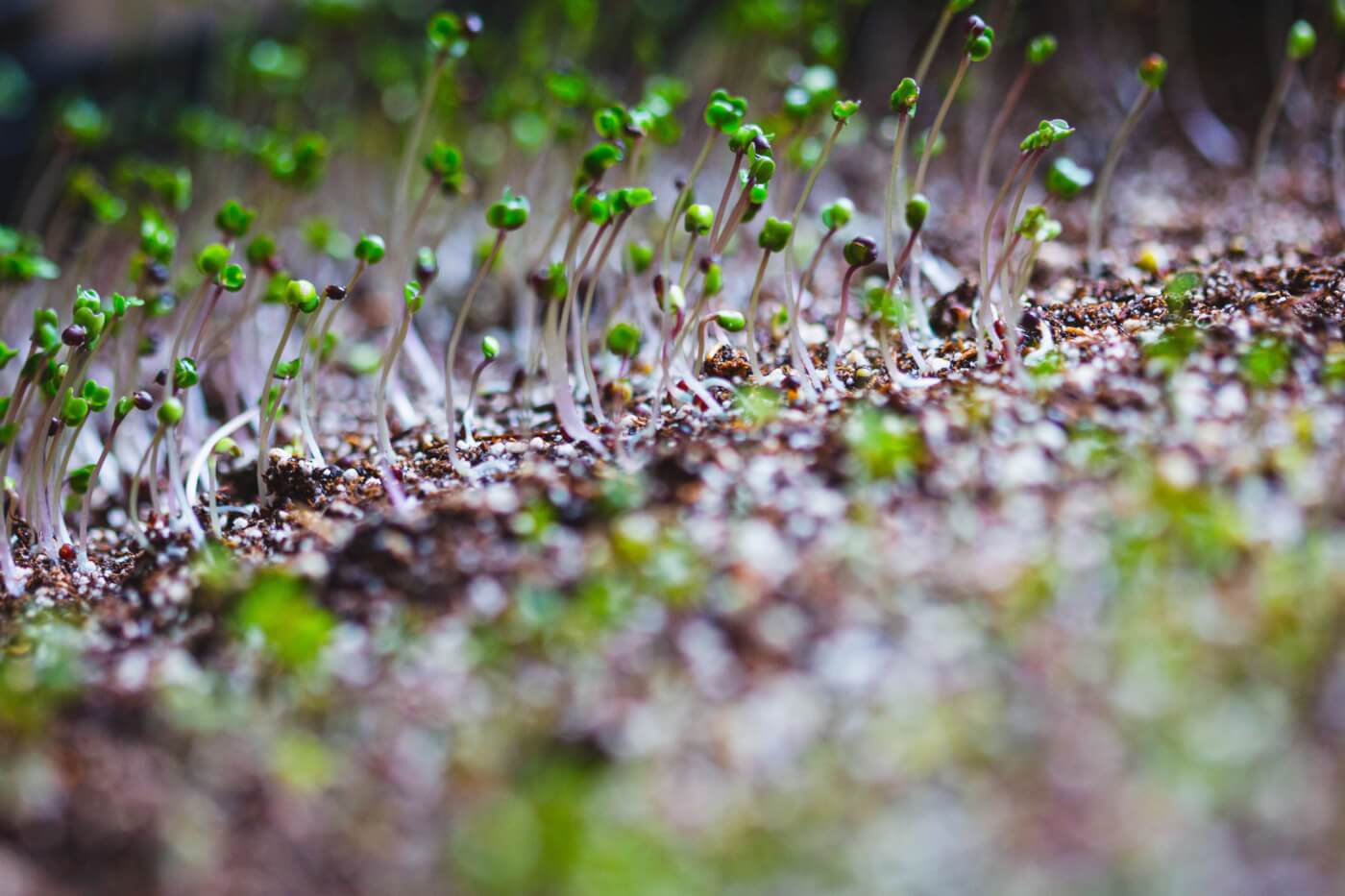
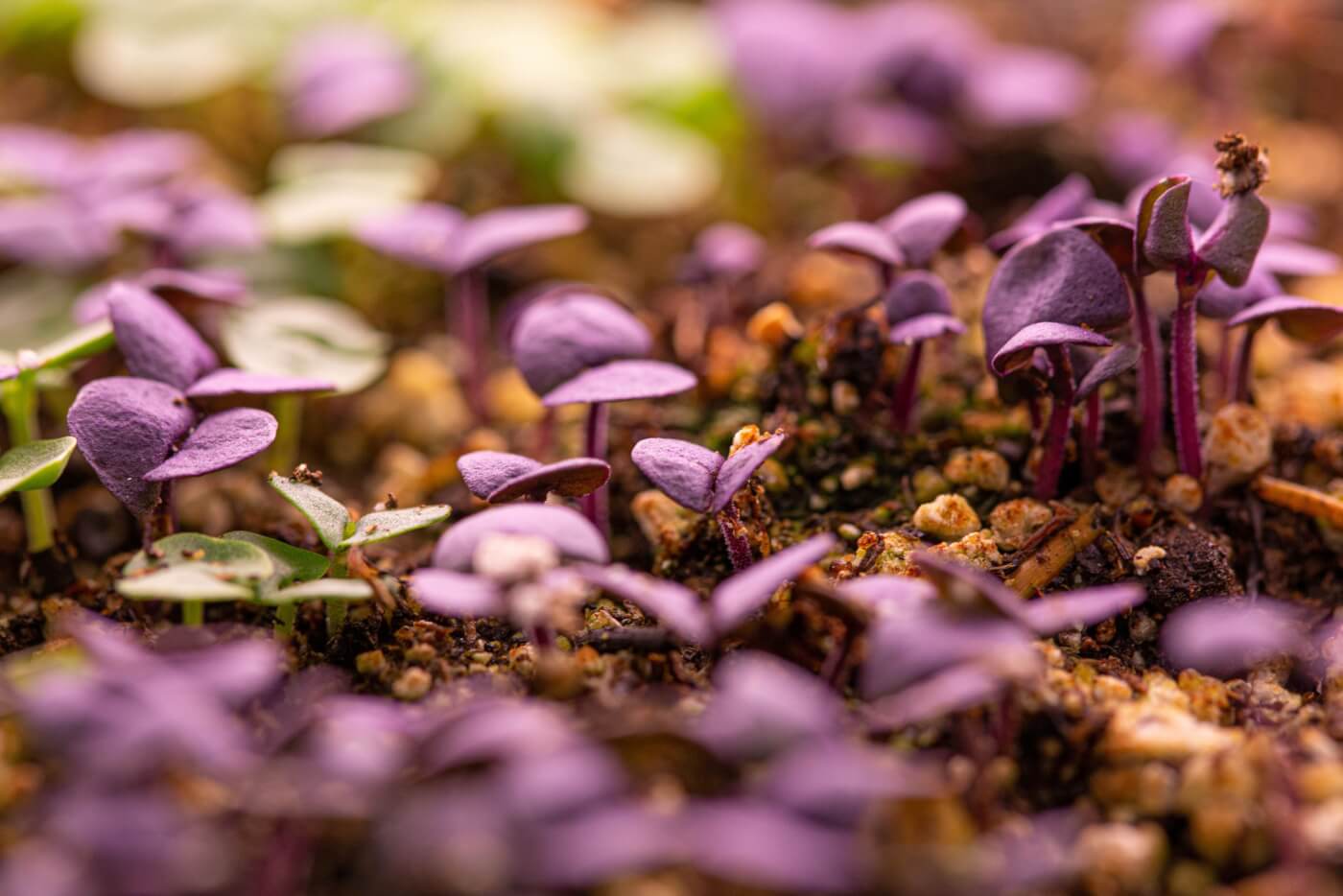
Microgreens are very young vegetables and herbs. Rather than allowing these plants to grow to maturity, you harvest them early—they’re often ready to harvest only a few weeks after they’ve been planted. Some of the most popular varieties include radish greens, kale, arugula, peas, and basil.
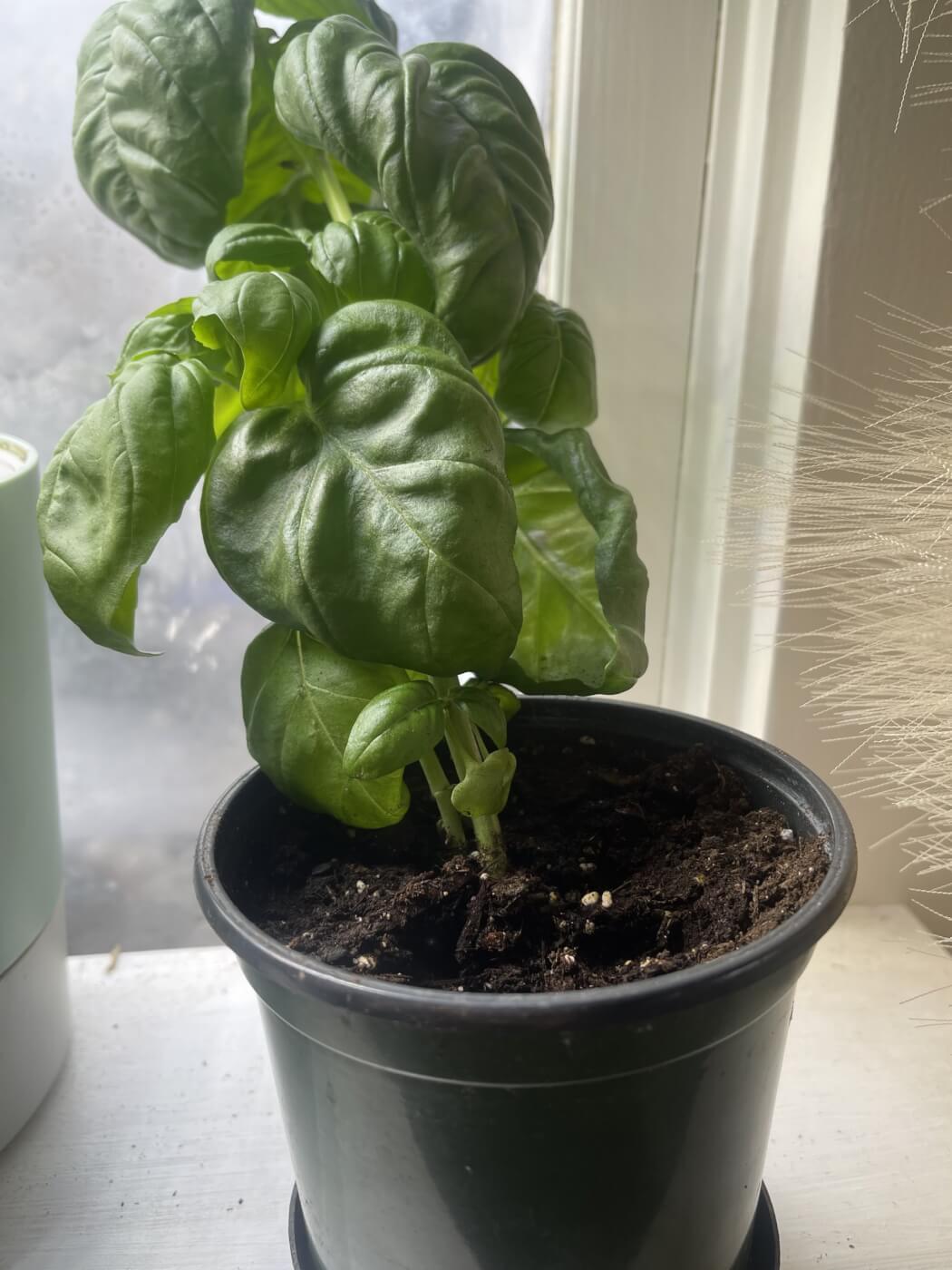
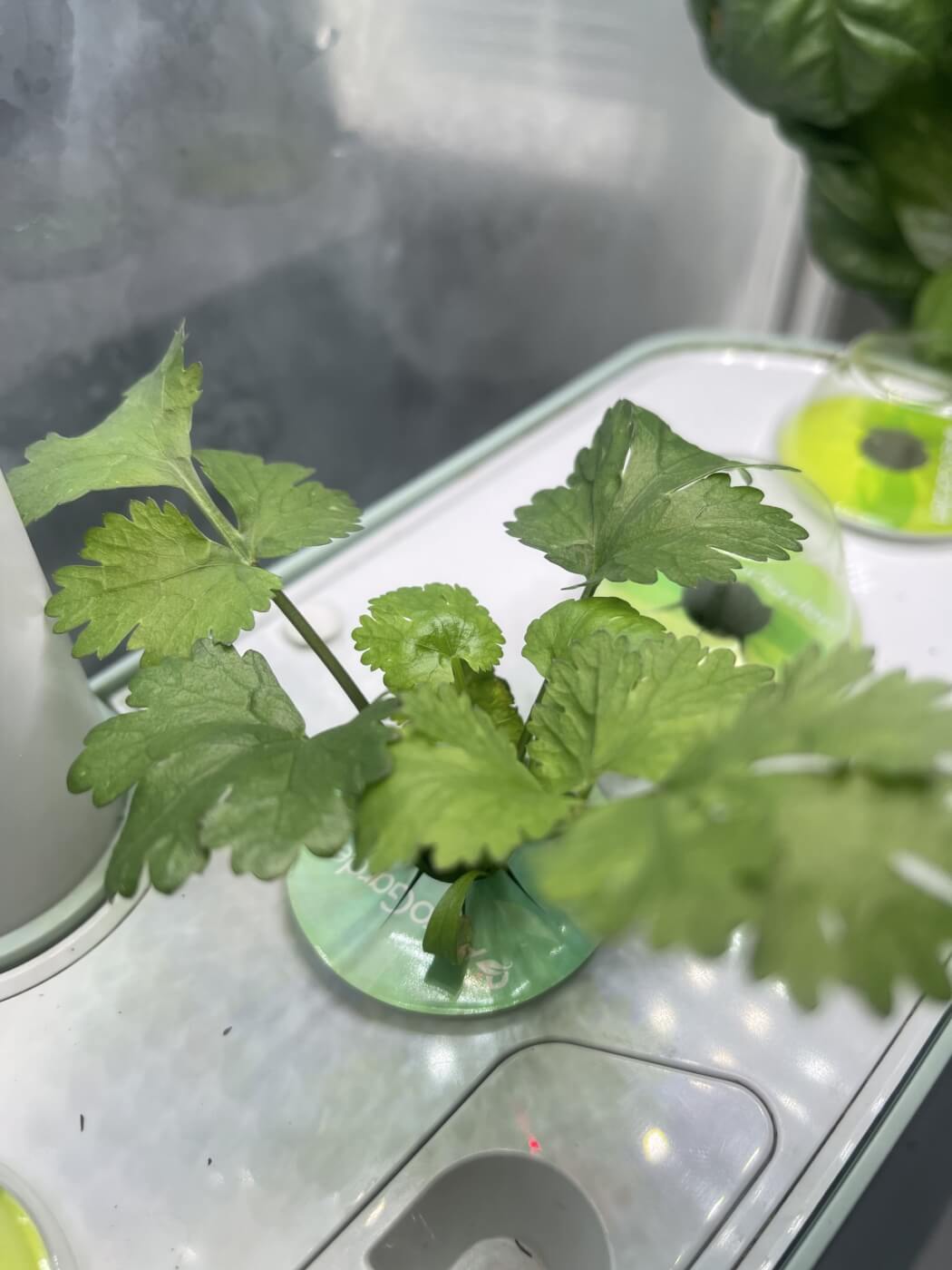
When choosing which herbs you’d like to grow, consider what kinds of food you enjoy cooking and eating. If you often cook Italian dishes such as pizzas and pastas, you might enjoy having fresh basil and oregano on hand. Cilantro is wonderful in Mexican dishes, including tacos, burritos, and nachos. And lemon balm and peppermint are perfect for making your own medicinal teas. You can even grow catnip indoors for your cat to enjoy!
Common herbs you can grow indoors include the following:
Basil
Catnip
Chives
Cilantro
Lemon balm
Mint
Oregano
Sage
Thyme
2. Gather your growing containers.
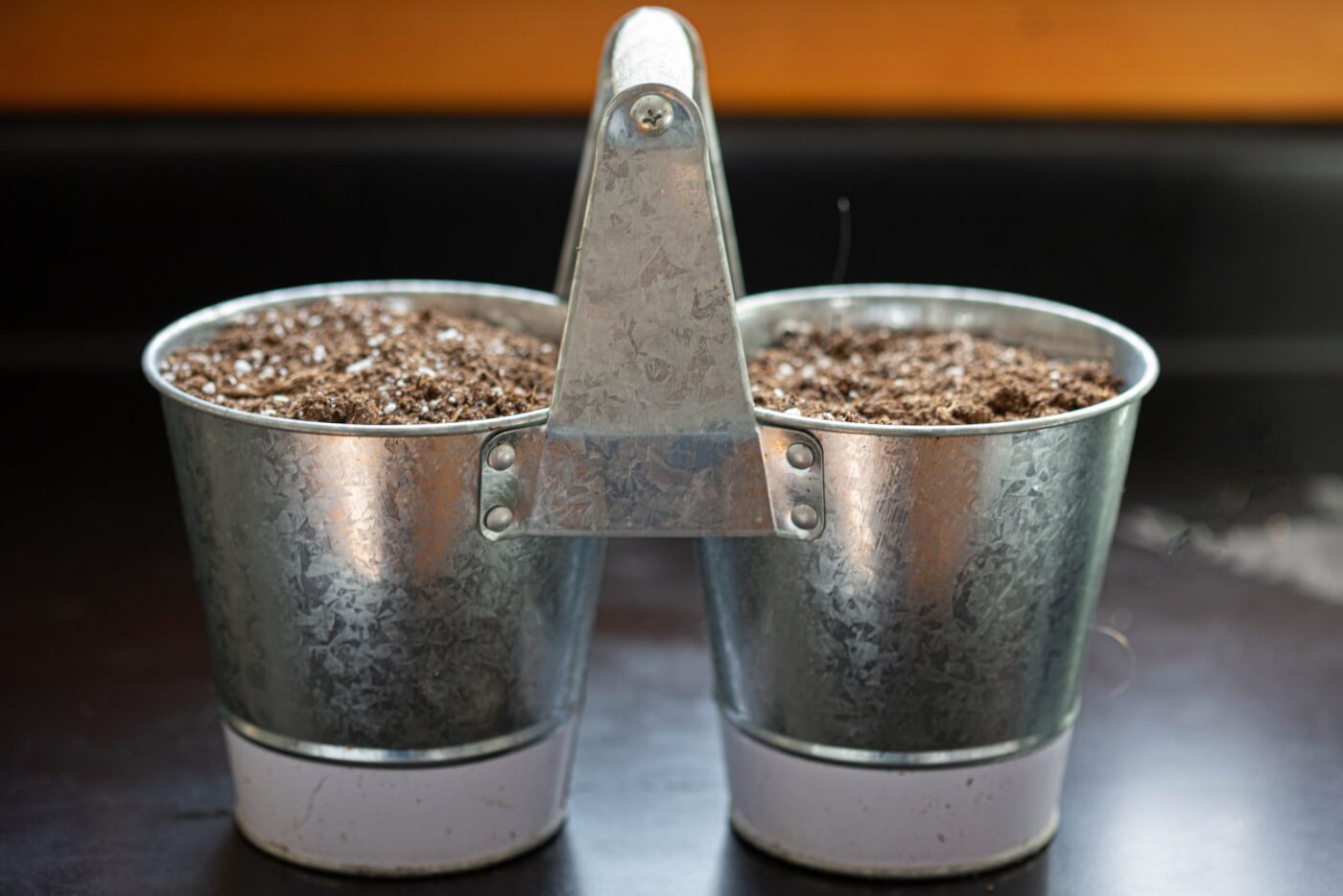
For both herbs and microgreens, you’ll need well-draining containers. Shallow trays are great for microgreens, as they have short roots. You can purchase specific trays just for microgreens or be even more eco-friendly by repurposing plastic food containers that you already have at home.
Herbs need deeper containers because their roots are longer. Options for these pots or containers are endless and can be made of plastic, metal, terracotta, or ceramic—just be sure that whatever container you choose has adequate drainage. Eight- to 10-inch pots are a good standard size for most herbs. If you get a larger pot, you can even plant multiple herbs in one container, as long as they have similar light, water, and nutrient requirements.
3. Choose your soil mixture.
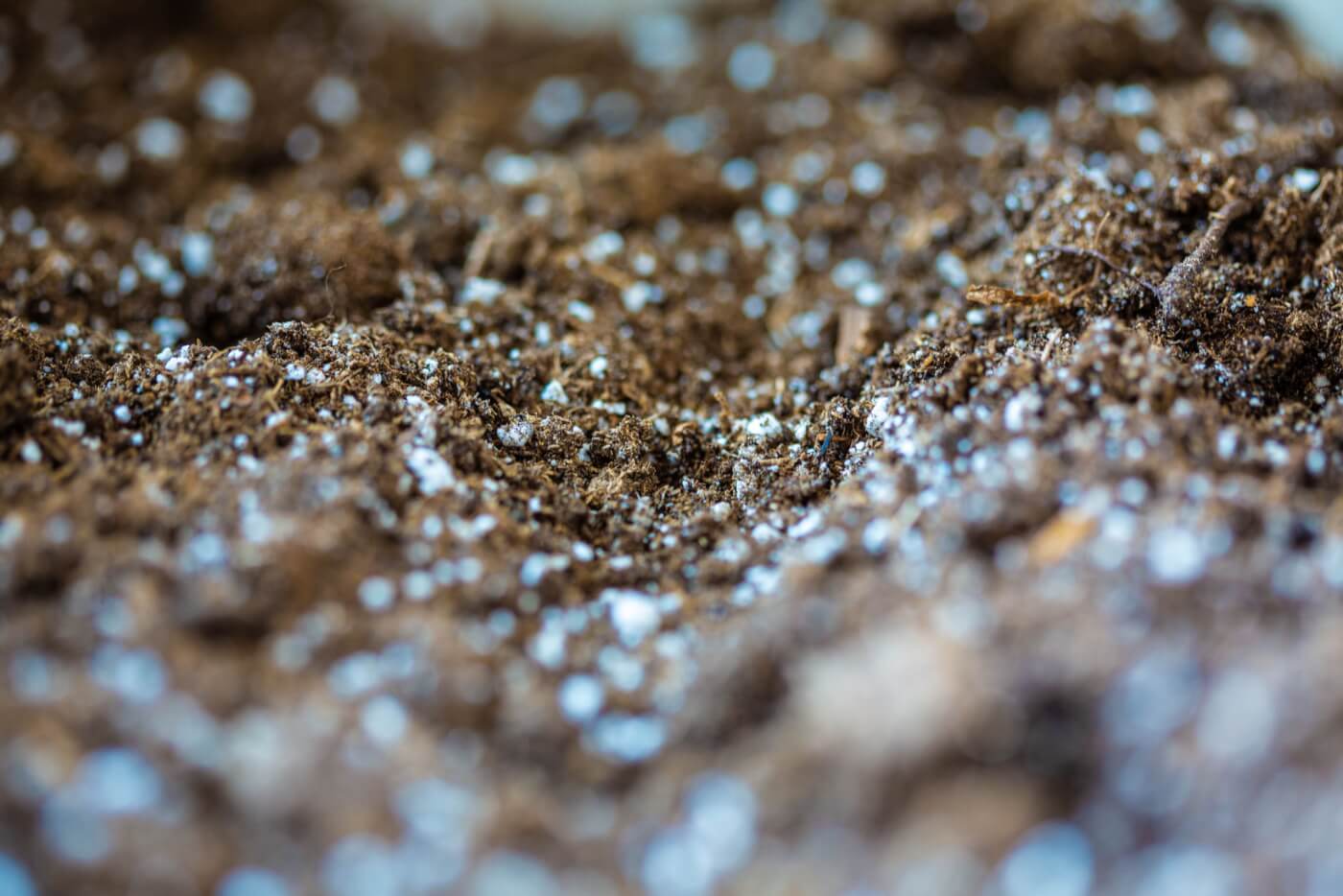
A good soil option for microgreens and herbs will contain a mixture of peat moss or coconut coir and perlite, all of which can be found at your local gardening store. You can also find indoor potting mix or seed starting mix that will work well for microgreens and herbs. Check the label for whatever soil mix you choose to make sure it doesn’t include any animal-derived ingredients, manure, blood and bone meal from factory-farmed animals, or fish emulsion and fish meal from the rapacious commercial fishing industry.
4. Plant your herbs and microgreens.
Each plant has a slightly different growing timeline and may require extra steps, such as soaking seeds before planting. Be sure to read the directions, usually printed on the back of your seed packet, before planting.
Microgreens
Prepare a draining container by filling it with your soil mix.
Sprinkle seeds over the potting mix and press them into the soil with your hands.
Cover the seeds to retain moisture, and then put them in a dark area, such as a cupboard.
Keep seeds in a dark space for the required amount of time. (The timeframe is typically listed on the seed packet.) Mist the soil regularly to keep it moist.
After the required time has passed, you can expose your microgreens—which should be little baby plants by now—to indirect sunlight.
After about a week, you can use scissors to harvest your microgreens by snipping just above the soil line. Most varieties regrow and can be cut several times, and the tray soil can be composted after use.
Herbs
You can either plant herbs from seeds or buy some that have already started growing. When planting herb seeds, be sure to read the directions on the seed packets. Each herb can require slightly different planting and care. In general, you will want to follow these steps:
Prepare your containers by filling them with soil.
Follow planting directions on the seed packet to determine seed planting depth.
After planting, find a sunny place to keep your herbs. You can also use grow lights if preferred, which is a good choice during the winter or if you have little access to natural light sources.
Keep the soil moist, and be patient as your herb grows.
To increase the lifetime of your plant, harvest only a small percentage of the leaves at once.
5. Foster the right environment for your plants to thrive.
Most herbs thrive in temperatures between 65 and 70 degrees. They like sunlight! South-facing windows are great for herbs such as thyme, basil, and rosemary that like more sun. Others such as parsley and chives can do with a little less light and might prefer a window that faces east or west. If you want to grow them with a grow light, that’s fine, too.
6. Enjoy Using Your Homegrown Herbs and Microgreens
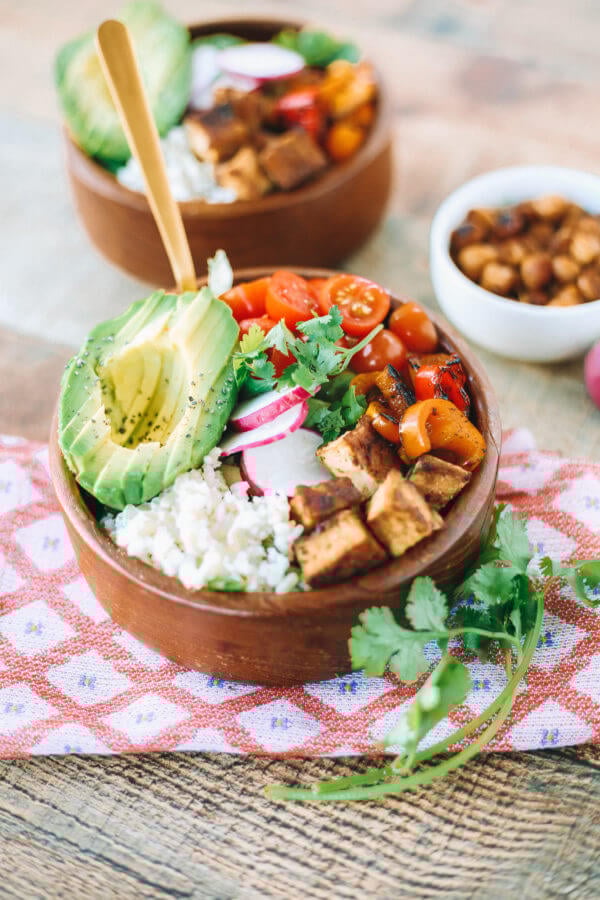
After the excitement of planting and watching your herbs and microgreens grow, you get to enjoy them. Use them in cooking, for medicinal teas, in beeswax-free salves, and so on. Put basil on pastas, cilantro in a chimichurri sauce, and microgreens on top of a veggie protein bowl. Get creative and try some new vegan recipes with your fresh and homegrown herbs.
In response to New York City’s appointment of Kathleen Corradi—who answered the call for a “bloodthirsty rat hater”—as its first-ever citywide director of rodent mitigation, PETA President Ingrid Newkirk has contacted Mayor Eric Adams’ office, asking that it direct Corradi to attack the root of the problem by clearing New York’s dirty streets and parks of food bags and scraps discarded by human slobs—rather than skirting the problem, wasting time and money counting carcasses:
Better trash pick-up procedures and implementation of rat birth control are the keys to truly solving this situation, which has been caused by human misbehavior. PETA is urging the city to steer clear of cruel, ineffective killing methods, such as poisons or drowning, not only because rats feel pain and fear as much as any dog or cat or the “rat czar” herself but also because killing these resilient little animals would simply cause others to fill the void, creating an endless cycle—and job security for Corradi.
For information on humane rodent control, please click here.
PETA—whose motto reads, in part, that “animals are not ours to abuse in any way”—opposes speciesism, a human-supremacist worldview. For more information, please visit PETA.org, listen to The PETA Podcast, or follow the group on Twitter, Facebook, or Instagram.
Below, please find a statement from PETA President Ingrid Newkirk in response to a new Budweiser advertisement featuring a Clydesdale horse whose tailbone—like many Clydesdales used by Budweiser—has been cruelly amputated:
“If Budweiser thinks “the American spirit” condones the needless mutilation of horses’ tails just to make them look a certain way, it is out of touch with public sentiment against cruelty to animals, and it knows full well that many U.S. states, including at least one featured in its commercial, have banned severing horses’ tailbones for cosmetic purposes. PETA is calling on the King of Tears to stop cutting into Clydesdales’ lower spines.”
As PETA recently revealed in a damning video exposé, Budweiser has been secretly severing horses’ tailbones either with a scalpel or with a tight band that stops the blood supply to the tail, causing it to die and fall off—even though equines need their tails for balance and to protect themselves against biting and disease-spreading insects. Tailbone amputation for cosmetic reasons is condemned by the American Veterinary Medical Association and the American Association of Equine Practitioners and illegal in 10 states and a number of countries.
PETA—whose motto reads, in part, that “animals are not ours to use for entertainment”—opposes speciesism, a human-supremacist worldview. For more information on PETA’s investigative newsgathering and reporting, please visit PETA.org, listen to The PETA Podcast, or follow the group on Twitter, Facebook, or Instagram.