
The post Save Cows, The Earth (And Some Dough). Stay Out Of Starbucks appeared first on PETA.
Are You Ready for the Best Steak of Your Life? It’s Vegan
Cows are gentle, intelligent, and playful individuals who defend their young and mourn their lost loved ones. They have complex inner worlds and experience a full range of emotions, just like all animals. In the beef industry, however, they are treated like objects to be killed for their flesh. Instead of supporting an industry rooted in speciesism, you can make a compassionate choice at every meal. Cow-free “beef” has been around for a while, and now many brands are exploring the rapidly evolving world of vegan steak.
Here are some vegan steak brands you need to try:
Juicy Marbles Whole-Cut Loin and Thick-Cut Filet
With creative marketing and simple ingredients, Juicy Marbles is a rising star. Its Whole-Cut Loin and Thick-Cut Filet are so popular that they have sold out repeatedly during the brand’s online releases. These proteins are great for serving on special occasions, like romantic date nights at home or a holiday dinner celebration.
 Surreal Kitchen (@juicymarbles)
Beyond Steak
Beyond Meat’s burgers and ground “beef” have become ubiquitous at restaurants around the world, including chains like Carl’s Jr. and Del Taco, and its Beyond Steak offering is likely to follow suit. It’s already available in grocery stores nationwide, and it was even tested at Taco Bell locations in early 2023. These frozen vegan steak bites are versatile, easy to cook, and perfect for tacos, burritos, “steak” sandwiches, and stir-fries.
eat meati Classic Steak and Carne Asada
Vegan meat brand eat meati, which uses mushroom roots in its creations, has started rolling out its products in Sprouts grocery stores, and its Classic Steak and Carne Asada are delicious, fiber-rich, and easy to use in any of your favorite recipes. Just grill or pan-sear them until perfectly cooked and enjoy!
Honorary Mention: Redefine Meat
While this brand hasn’t launched in the U.S. (yet), it’s already making waves, so we have it on our vegan radar screen. It specializes in whole-cut vegan “New-Meats” that are three-dimensionally printed and carefully crafted to mimic the taste, texture, and experience of eating meat without the use of animals. Its Tenderloin, Striploin, and Beef Flank are just a few of the exciting options that some high-end London restaurants are adding to their menus. The brand plans to expand to the U.S. market soon, likely hitting restaurants first, as it has in the U.K. and Germany.
 (@redefinemeat)
Creative “steaks” are also popping up on restaurant menus, like this impressive eggplant-based option from Crossroads Kitchen in Calabasas, California …
… and this smoked watermelon steak from Chicago’s Bronzeville Winery:
Want to know what else is happening in the world of animal-free meat? Learn more about vegan Wagyu beef, vegan chicken, and other vegan meat brands. Going vegan is the best thing you can do for animals, so start today by ordering our free starter kit:
Send Me a FREE Vegan Starter Kit!
The post Are You Ready for the Best Steak of Your Life? It’s Vegan appeared first on PETA.
Feds Cite Local Roadside Zoo for Lion Bite, Dangerous Encounters
A just-released report from the U.S. Department of Agriculture (USDA) reveals that the agency recently slapped former drug kingpin Mario Tabraue’s Zoological Wildlife Foundation (ZWF) with critical citations over an incident in which a lion cub bit a visitor and two incidents—reported to the feds by PETA—in which guests inched perilously close to tigers and a clouded leopard.
The report explains that a lion cub sank his teeth into a guest’s arm during a public encounter, describing the animal as “scared” and “apprehensive.” It also points to social media posts detailed in PETA’s tip, revealing that the roadside zoo had permitted a visitor to enter a clouded leopard’s enclosure and hold the unrestrained animal and that a guest had placed their hand against the fence of a tiger enclosure that had absolutely no safety barrier. Previous injuries at ZWF occurred when a chimpanzee bit a child—prompting the Florida Fish and Wildlife Conservation Commission to issue a warning—and when a lion cub bit a customer during a public interaction, among other incidents. The USDA cited the roadside zoo after a macaque chased and bit another monkey, leaving her with bleeding wounds, and issued a penalty to ZWF after a tiger bit off a construction worker’s finger.
PETA notes that the incidents occurred before the recent passage of the Big Cat Public Safety Act, which bans public contact with big cats, and that the park continues to confine animals in miserable, inadequate conditions. At the same inspection, the agency cited ZWF for failing to keep multiple enclosures clean and in good repair, noting “extremely damaged” wood in a jaguar enclosure and “large holes” near a gate for porcupines.
“ZWF has a long history of exploiting animals to lure in paying visitors, who are then exposed to danger and even allowed to be bitten,” says PETA Foundation Director of Captive Animal Welfare Debbie Metzler. “PETA urges the public to avoid this shoddy outfit of Tiger King infamy, where stressed-out animals live in squalor.”
PETA—whose motto reads, in part, that “animals are not ours to use for entertainment”—opposes speciesism, a human-supremacist worldview. For more information on PETA’s investigative newsgathering and reporting, please visit PETA.org, listen to The PETA Podcast, or follow the group on Twitter, Facebook, or Instagram.
The post Feds Cite Local Roadside Zoo for Lion Bite, Dangerous Encounters appeared first on PETA.
The Perilous Ripple Effects That Lead Ammo Has on Animals, Humans, and the Planet
Is lead ammunition more harmful than other types of hunting ammo? While all ammunition—and all hunting—can cause pain and death, the dangers posed by lead bullets and fishing tackle affect a wider range of individuals than you might imagine. Those who hunt using lead ammo may not know that they could kill more than just their intended targets. They unknowingly endanger other animals—including birds of prey and even humans—who eat the remains of animals shot with lead bullets, and the toxic metal they leave behind contaminates the surrounding environment.
Because of the many dangers posed by lead ammunition, the Biden administration proposed a federal ban on it in mid-2022.

How Targeted Animals Who Aren’t Instantly Killed by Lead Ammunition Suffer
Hunters wound and mangle deer, bears, and other animals with bullets, but the targeted animals often don’t die immediately. Once pierced by lead ammo, those who are able to escape or hide may succumb to the fatal effects of lead poisoning in a few days—while others will suffer for weeks on end before dying. Hunters’ infliction of slow, agonizing deaths on these individuals disrupts migration and hibernation patterns and destroys animal families.
 © iStock.com/prasit-chansarekorn
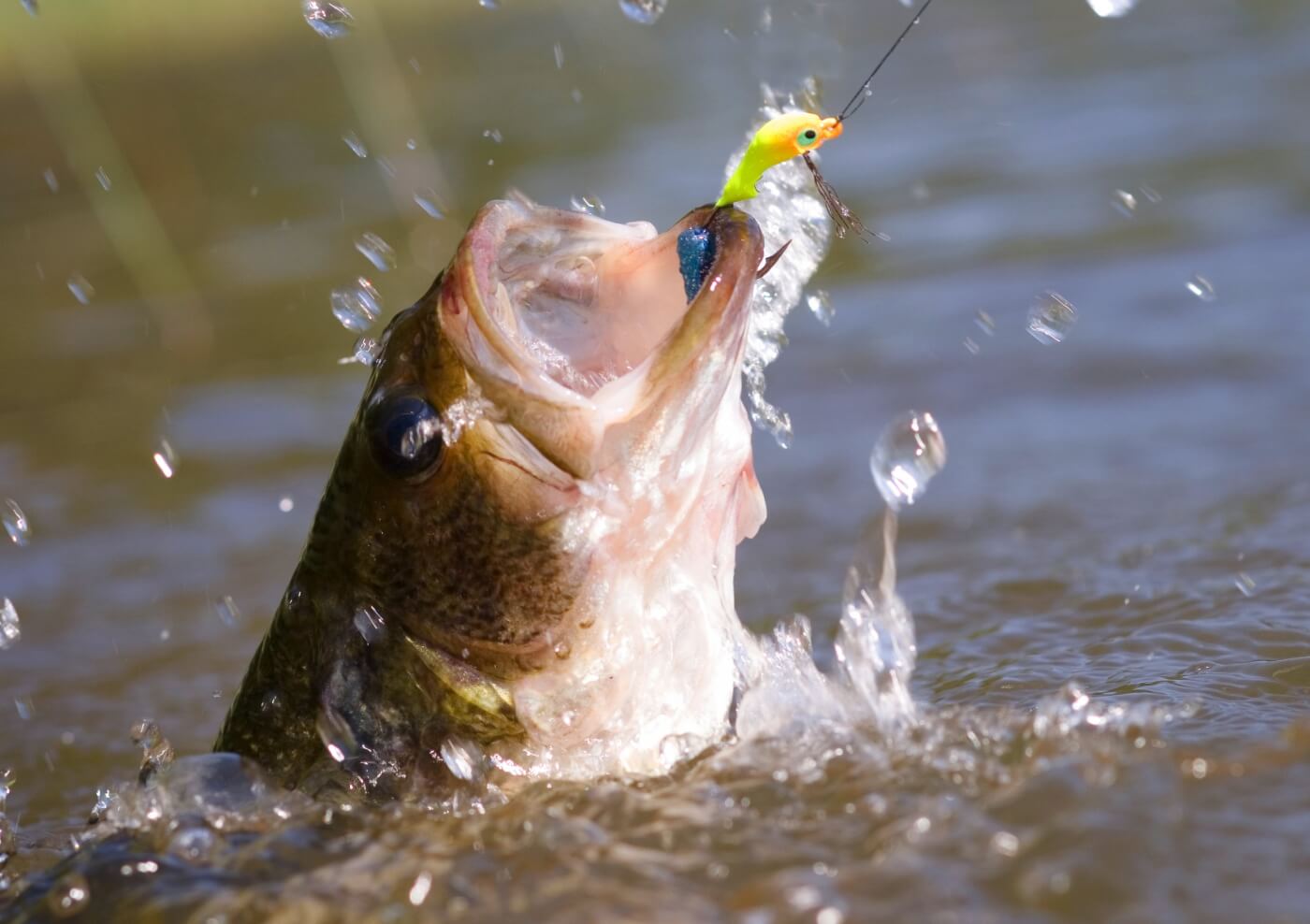
Fish are individuals with unique personalities who feel pain, yet they are one of the most targeted animal groups. The fact that the word “fish” refers to both the sentient beings and the act of killing them is proof of this. As a go-to for anglers, lead tackle remains in frequent use, and the complications that toxic lures and sinkers cause fish are similar to the complications that lead ammo causes animals who live on the land.
The symptoms of lead poisoning in fish who are snagged by lead tackle or caught and released set in quickly and are fatal. They include the following:
- Nerve damage
- Brain malfunction
- Organ and tissue decay
- A weakened immune system
 ©iStock.com/LawrenceSawyer
Why Lead Ammunition Is Deadly to Predatory Birds
Bald eagle couples build their nests together and stay with each other until one mate dies. These devoted birds are protected by the Migratory Bird Treaty Act and the Bald and Golden Eagle Protection Act. Both prohibit killing, selling, or harming eagles, their nests, or eggs.
Since bald eagles primarily eat fish and carrion, lead ammo has become an increasing threat as hunters load up on cheap lead bullets and buckshot. The birds ingest lead when they feed on animals gunned down and abandoned by hunters or on “gut piles” left behind after humans butcher the carcasses of animal victims. One 2022 study found that about half of bald and golden eagles are suffering from chronic, toxic levels of lead due to lead ammo.
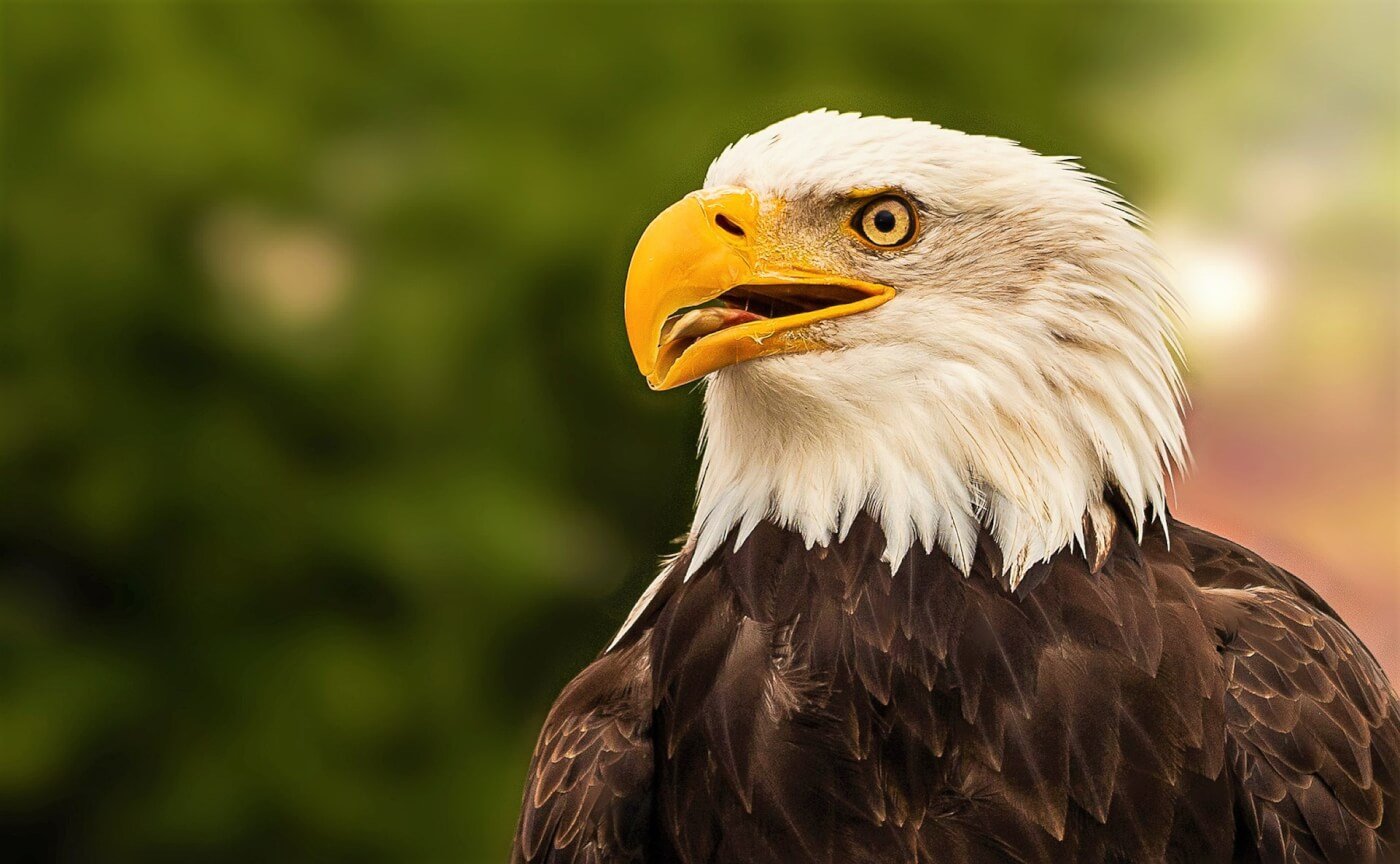
A sliver of lead the size of a grain of rice can kill a bald eagle within three days. Paralysis, blindness, brain damage, and organ failure are common in eagles dying from lead poisoning. The birds have difficulty standing up and lose their appetite. Given hunters’ undeniable complicity in the gut-wrenching deaths of one of America’s most cherished icons—not to mention the other blood on their hands—you’d think they’d consider finding a less harmful hobby.
Lead ammo also kills many other birds of prey, including loons, storks, swans, and endangered whooping cranes. According to The Raptor Resource Project, “Lead poisoning has been documented in 63 species of birds since 1939, including ravens, pheasants and other game birds, owls, rails, gulls, buzzards, kites, eagles, vultures, condors, falcons, red-tailed hawks, white-throated sparrows, yellow-rumped warblers, and solitary vireos. Waterfowl eat ammunition or lead sinkers while foraging in lakes and upland birds mistake shot for seeds or grit and eat it.”
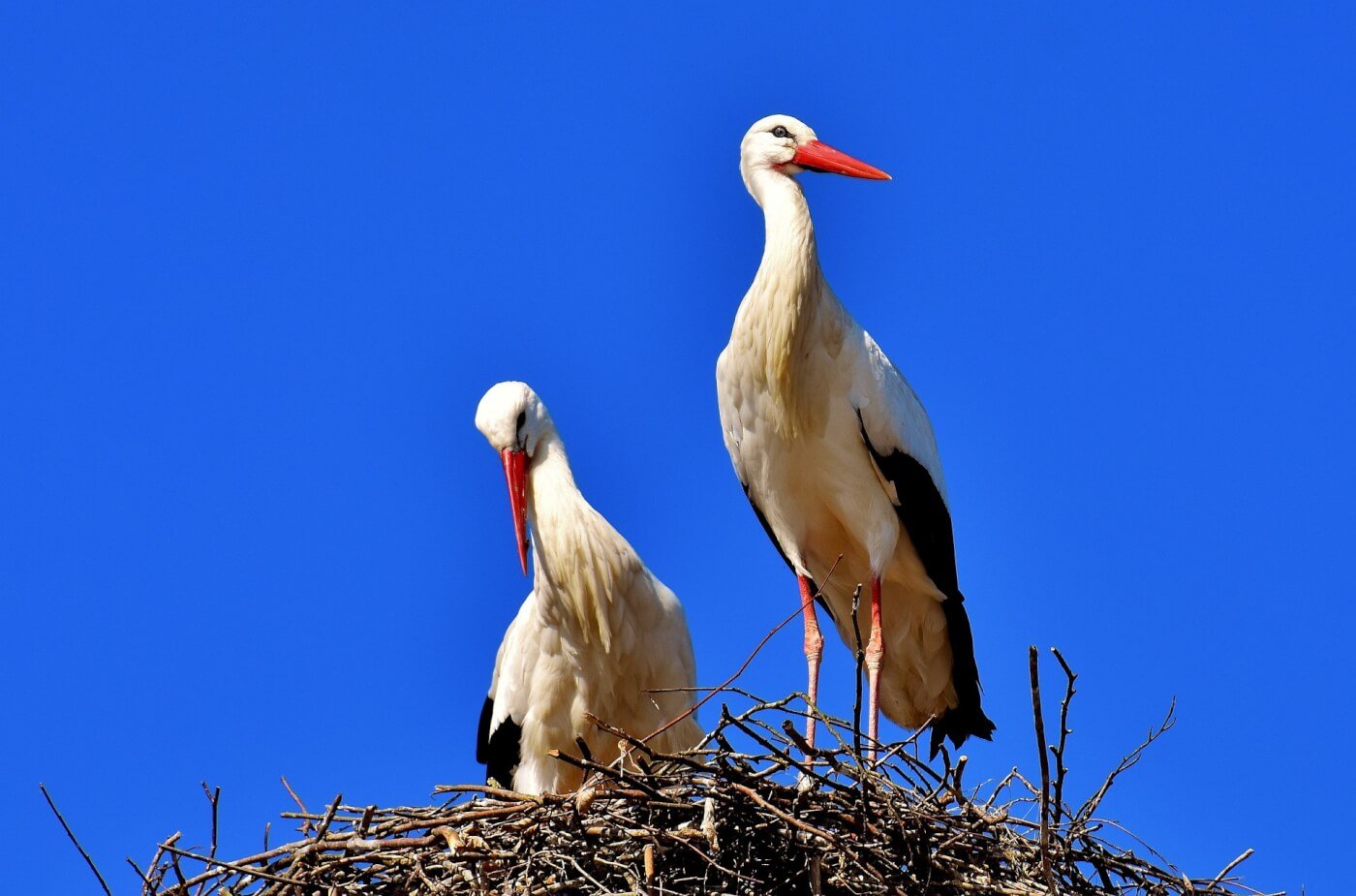
The death toll is staggering: Lead poisoning kills as many as 20 million birds and other animals each year.
The Risk to Humans of Eating the Flesh of Animals Hunted With Lead Ammunition
While eating any animal flesh is detrimental to human health, consuming animals’ bodies that may contain traces of lead is especially risky. Lead pellets and fragments have been found in the gastrointestinal tracts of humans who have eaten animals shot with lead-based ammo. Even dust-size particles of lead scattered beyond any bullet wound can taint animals’ flesh.
Lead is toxic to the kidney, heart, and liver as well as to the reproductive, immune, and central and peripheral nervous systems. It’s also deemed likely carcinogenic. And children exposed to even slightly elevated levels of lead can experience lasting neurological disabilities.
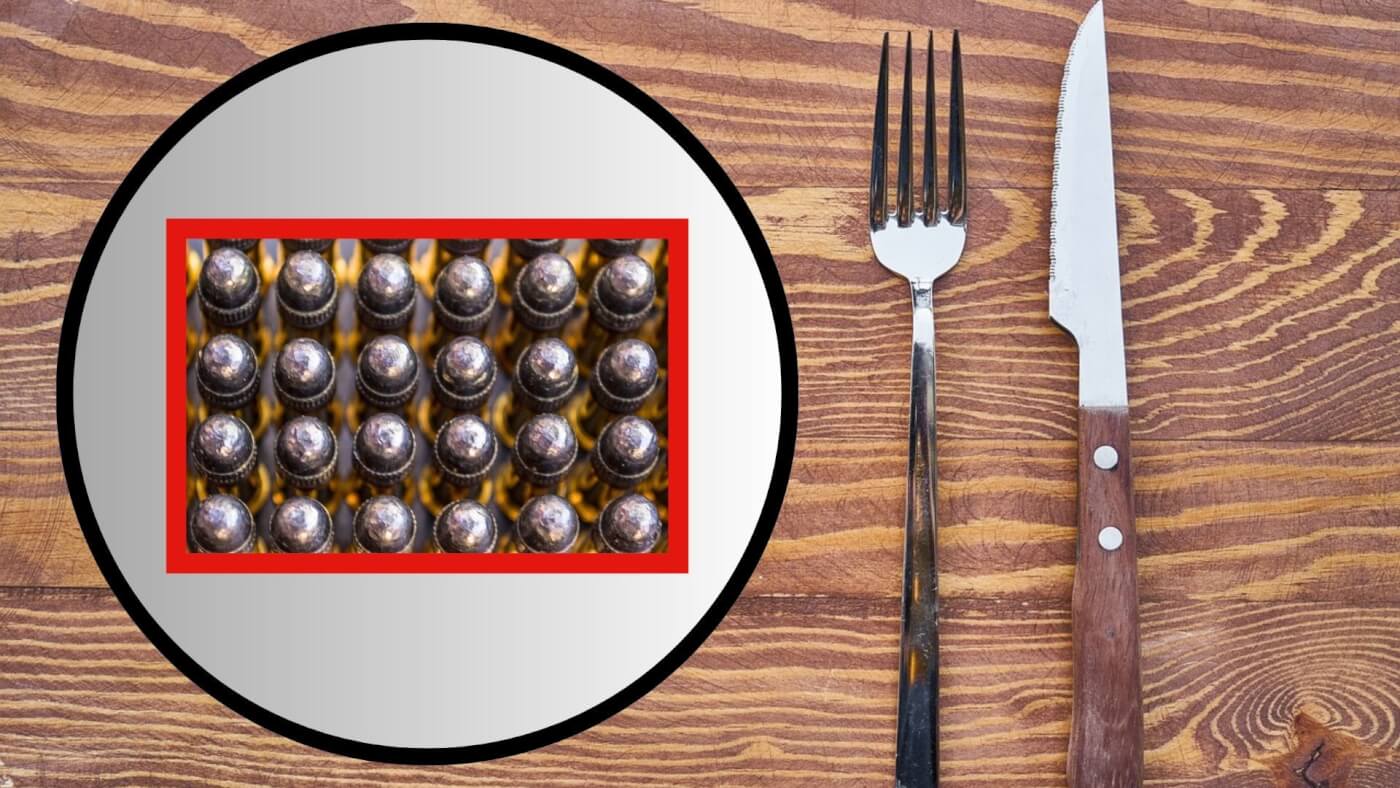
Fish who have come into contact with lead tackle can spread that toxin to humans who eat them. If the risks of mercury and multiple other pollutants aren’t reason enough to stop eating fish, the threat of lead poisoning should catch anglers’ attention and convince them to stop stealing animals from their families and homes.
Animals aren’t ours to eat. Going vegan helps us live in harmony with wildlife, care for the planet, and have a far better chance at a healthy life. Try PETA’s recipes, including some for vegan seafood.
Largely Unregulated Lead Ammunition and Fishing Tackle Contaminate the Environment
Hunters fire off an estimated 3,000 tons of lead ammo every year in pursuit of their blood sport. Another 80,000 tons litter shooting ranges. The spent lead poisons over 130 species of wildlife. Amid the ongoing climate catastrophe, this amount of additional harmful waste and environmental damage is unconscionable.

At the top of the food chain in many aquatic environments, fish are the most susceptible to lead exposure. Meanwhile, anglers pollute ponds and streams with some 4,000 tons of lead lures and sinkers annually. Considering that humans already drag out of the water and suffocate billions of fish and “bycatch” animals, ending the use of toxic lead tackle is the least we can do.
Lead ammo is poisoning animals and habitats in widespread ways and is noxious to humans who eat hunted animals, so we must keep raising awareness and stop its use.
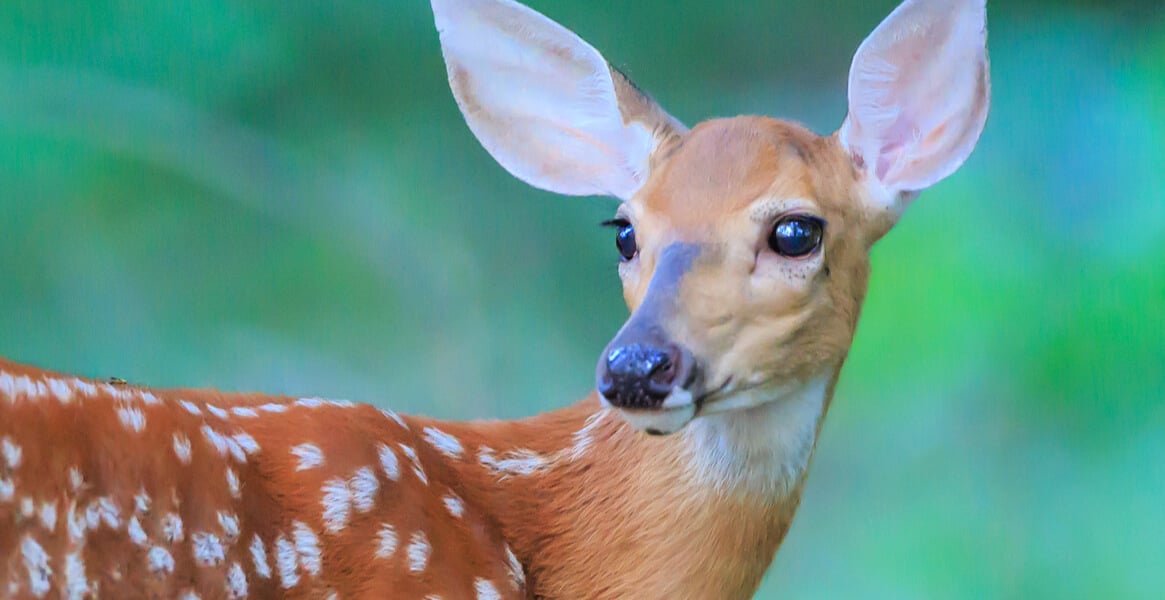 © iStock.com/David Osberg
What You Can Do to Help Eliminate Lead Ammunition
In recent years, some states and environmental organizations have called for the use of copper and other readily available lead-free ammunition.
However, that hardly begins to address the broader issue: Hunters’ use of any kind of ammo to perpetuate their bloody, senseless pastime always leads to suffering and death.
Find out more about how hunting causes harm:
Learn Why ‘Sport’ Hunting Is Cruel and Unnecessary
And get a vegan starter kit to help keep all animals off your plate:
Order a Free Vegan Starter Kit
Note: PETA supports animal rights, opposes all forms of animal exploitation, and provides the public with information on those issues. PETA does not directly or indirectly participate or intervene in any political campaign on behalf of or in opposition to any candidate for public office or any political party.
The post The Perilous Ripple Effects That Lead Ammo Has on Animals, Humans, and the Planet appeared first on PETA.
You Shouldn’t Play With Fire—Adopt and Play With Fuego Instead!
PETA’s fieldworkers were checking in on some of the animals they regularly help in a rural North Carolina community when they stumbled upon a foreboding sight. A trailer, which the fieldworkers recognized as having been home to a family they’d provided with much-needed services for their companion animals, had completely burned down.
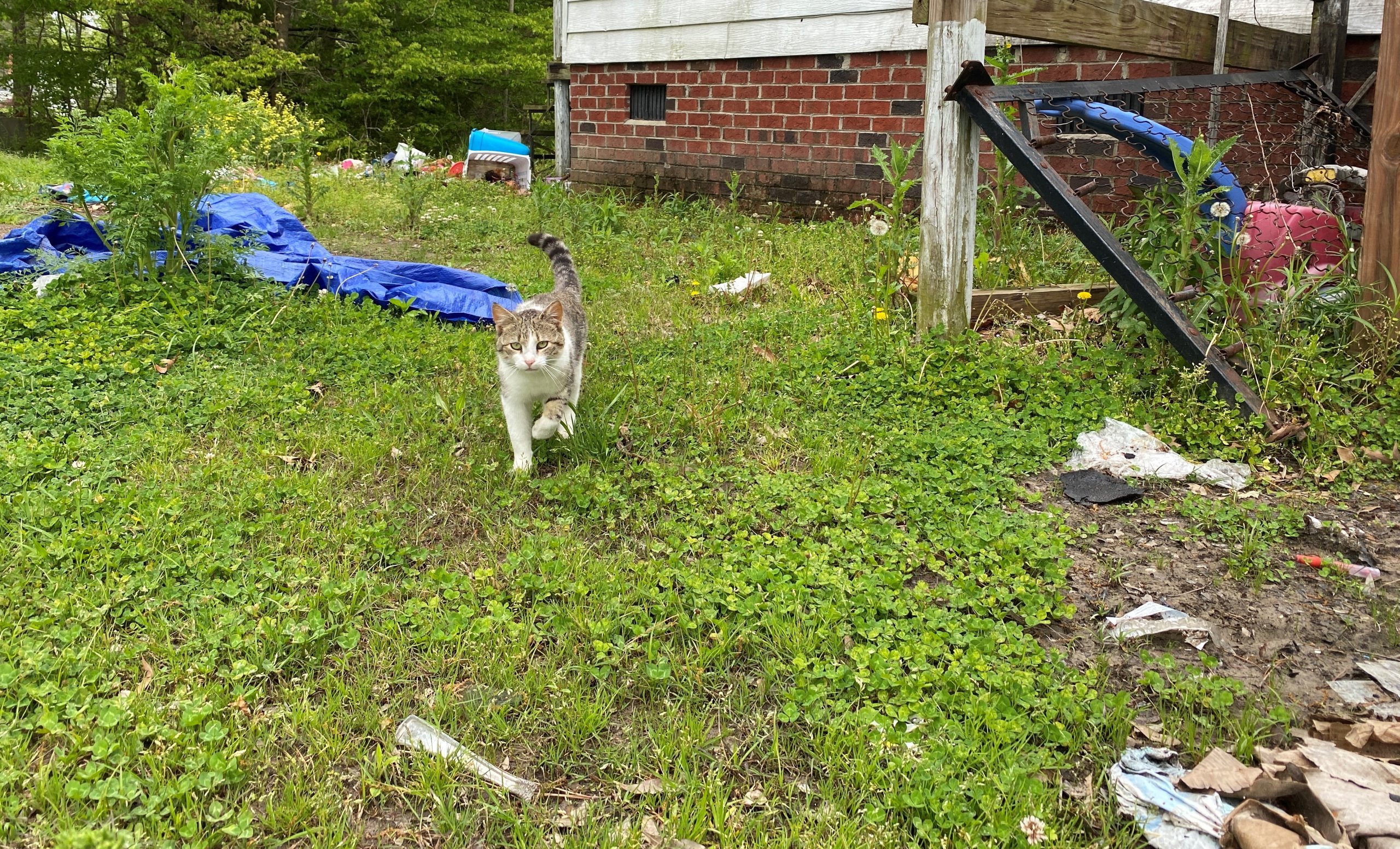
A neighbor confirmed that the family had moved out prior to the fire, so luckily, no one was injured. The entire mobile home park had been deserted, but more than vacant homes had been left behind—a friendly tabby cat, apparently abandoned by his former owners, trotted out from the debris to greet the fieldworkers.
They quickly dubbed the intrepid feline Fuego—after the conflagration that he’d narrowly escaped—and brought him back to the Sam Simon Center (PETA’s Norfolk, Virginia, headquarters), where he waited out his stray hold in comfort.
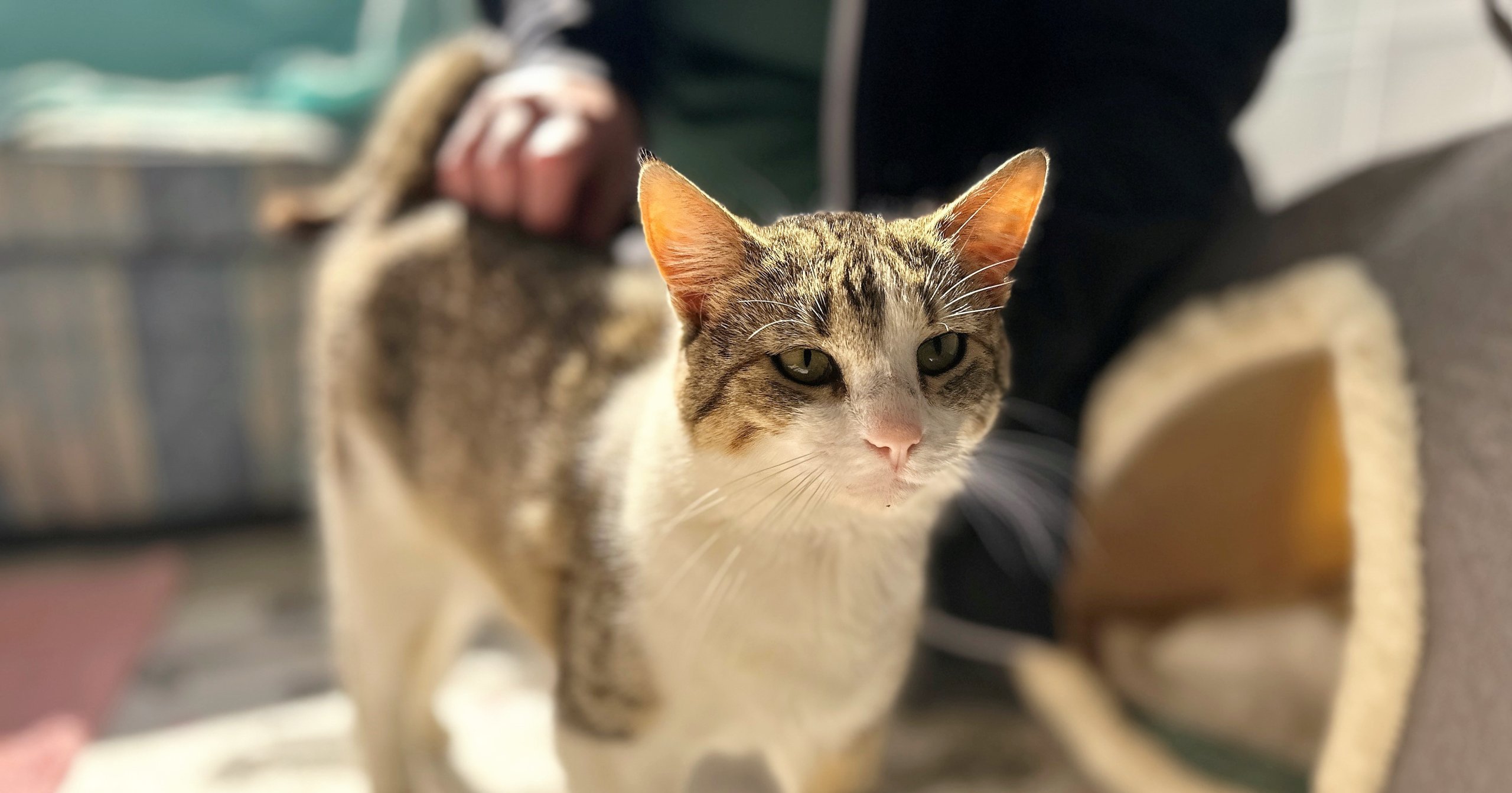
Fuego’s owners never materialized, so he has burned those bridges and is all fired up about finding just the right home. He is social and playful and would adapt well to just about any household prepared to give him the care and respect he deserves. And while he may not put too much stock in astrology, at about 8 months old, he’s probably a Leo—a warm and gregarious fire sign, naturally!
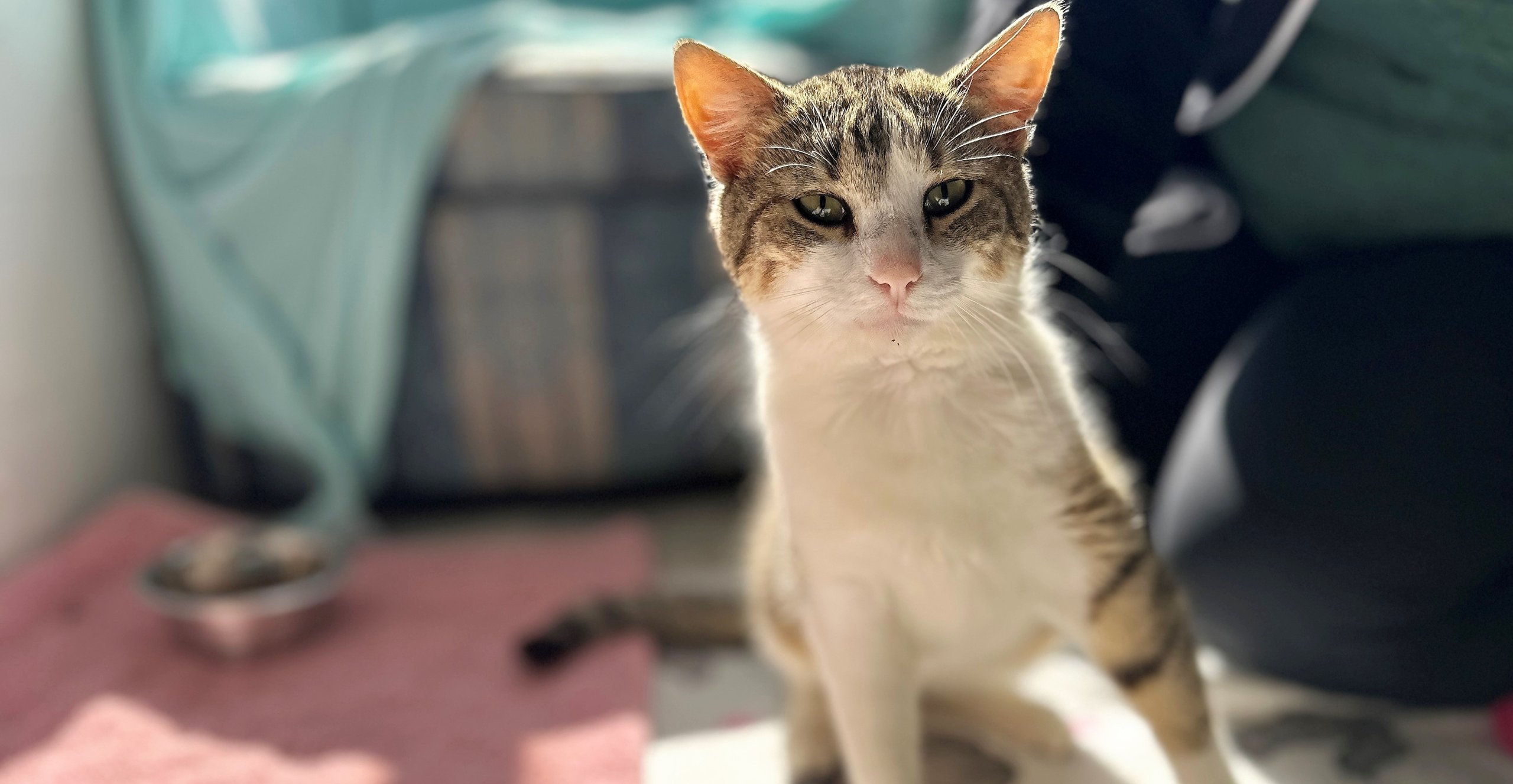
Fuego has been described by those lucky enough to make his acquaintance as a “dream”—and he’s looking for a family who would never dream of leaving him behind in any kind of emergency. He’s ready to help you draft a fire evacuation plan, which would include him and any other animal companions in your household, of course. You’ve checked your smoke detector this month, right?
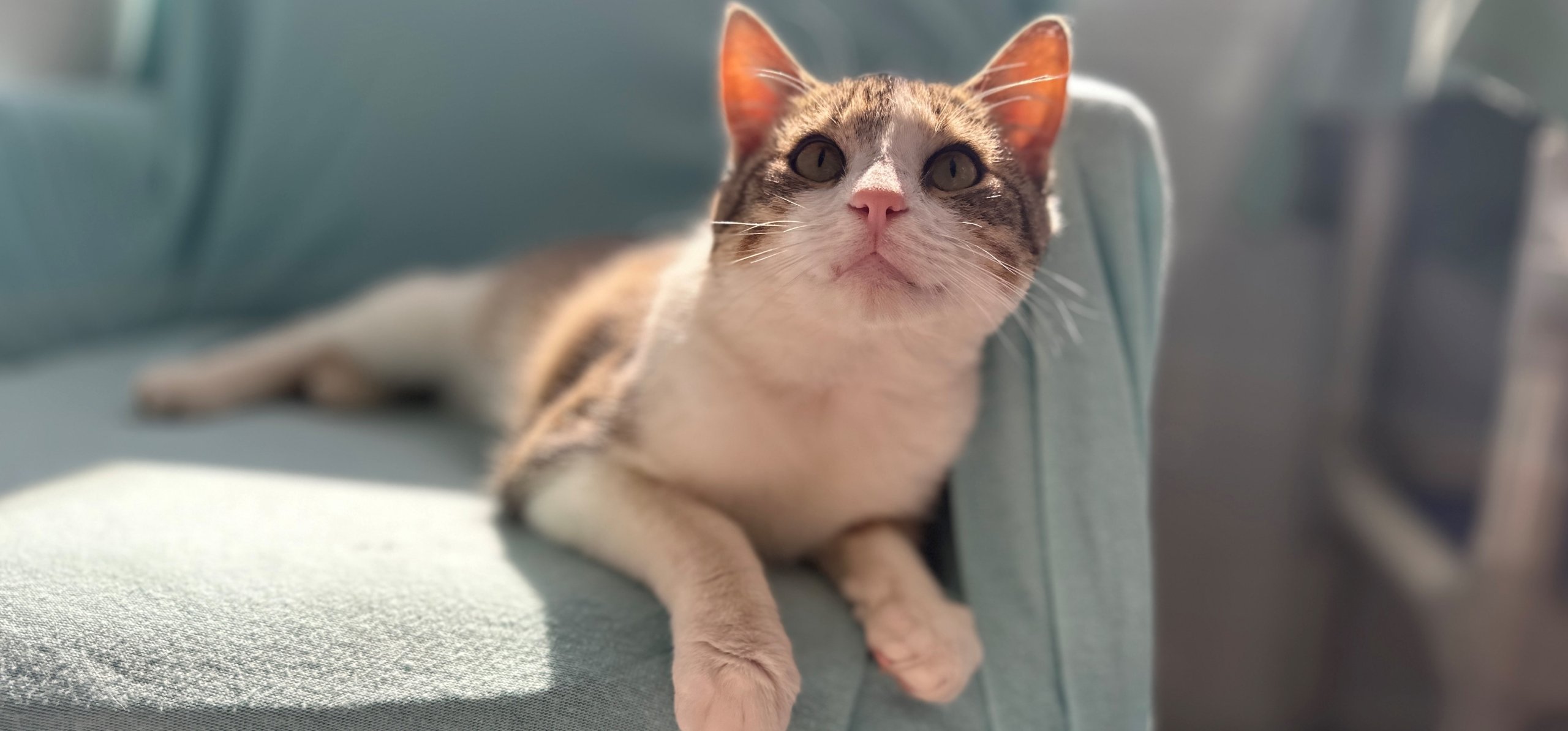
Has Fuego’s story set your heart ablaze? Light a fire under that keyboard, and e-mail Adopt@peta.org to learn more.
The post You Shouldn’t Play With Fire—Adopt and Play With Fuego Instead! appeared first on PETA.