Cows’ Deaths in Truck Crash Prompt PETA Highway Memorial in Bloomington

To memorialize the cows who were killed on Tuesday when the truck carrying them crashed on I-74 near the Main Street exit, PETA plans to place a sky-high message near the site, reminding everyone that the crash victims were individuals. Already this year, there have been more than 30 animal-transport truck crashes.

“Cows died in terror and agony because of this crash, and the traumatized survivors were rounded up and likely hauled off so their throats could be slit and their bodies carved up for food,” says PETA Executive Vice President Tracy Reiman. “PETA urges everyone to see cows as the sensitive beings they are and go vegan.”

At slaughterhouses, workers shoot cows in the head with a captive-bolt gun, hang them up by one leg, and cut their throat—often while they’re still conscious. Each person who goes vegan saves nearly 200 animals every year; reduces their own risk of suffering from cancer, heart disease, strokes, diabetes, and obesity; and dramatically shrinks their carbon footprint. PETA’s free vegan starter kit can help those looking to make the switch.

PETA—whose motto reads, in part, that “animals are not ours to eat”—opposes speciesism, a human-supremacist worldview. For more information, please visit PETA.org, listen to The PETA Podcast, or follow the group on Twitter, Facebook, or Instagram.

The post Cows’ Deaths in Truck Crash Prompt PETA Highway Memorial in Bloomington appeared first on PETA.

Local Police Officer Nabs PETA Award for Saving Dog From Fire

A Compassionate Action Award is on its way from PETA to Arvin Police Department Officer Adam Calderon for his tenacity and determination in rushing into the backyard of a burning mobile home to rescue a dog tightly chained to a fence with a padlock around his neck that seemed to doom the operation.

After learning that the dog was chained in the yard, Calderon jumped a rickety 6-foot fence, found him cowering just beyond the flames, and got to work trying desperately to free him, eventually using hedge clippers. As Calderon’s body cam footage shows, the process took time and all the while, the officer comforted the scared dog with kind words as the flames threatened to overtake them.

“My back was already on fire. Whenever I was able to shelter the dog, my back was burning, and at one point I thought I was going to have to give up,” Calderon told reporters. “I just hope it motivates people to do the right thing at the right time. … And I hope any officer can put an animal ahead of his life like we put people ahead of our own lives.”

“A wall of fire and scorching heat didn’t stop Officer Calderon from fighting to save this terrified, trapped dog, and we salute him,” says PETA President Ingrid Newkirk. “PETA encourages everyone to follow his example by never hesitating to help animals in danger and to never, ever leave a dog outside (chained up or not) or caged inside a home when they are absent.”

Because the dog was apparently chained around the clock in violation of California state law, PETA will be asking the dog’s owners to allow it to find him a new home, where he could live safely indoors and never be chained. Dogs kept penned or chained outdoors often go without adequate food, water, shelter, and veterinary care and are limited to the same few square feet of space day in and day out. At least 69 animals have died from heat-related causes in the U.S. just this year, even without fires blazing, and the actual number is likely far higher, as most deaths go unreported.

Calderon will receive a framed certificate and vegan chocolates.

PETA—whose motto reads, in part, that “animals are not ours to abuse in any way”—opposes speciesism, a human-supremacist worldview. For more information, please visit PETA.org, listen to The PETA Podcast, or follow the group on Twitter, Facebook, or Instagram.

The post Local Police Officer Nabs PETA Award for Saving Dog From Fire appeared first on PETA.

Vegan Meals for Soldiers and More: See How PETA-Supported Teams Are Making an Impact in Ukraine

Weighing in at more than 88,000 pounds, this month’s supply of food for the more than 6,500 dogs, cats, donkeys, horses, and other animals who rely on it each day has arrived in Ukraine.

giant pile of food ukraine

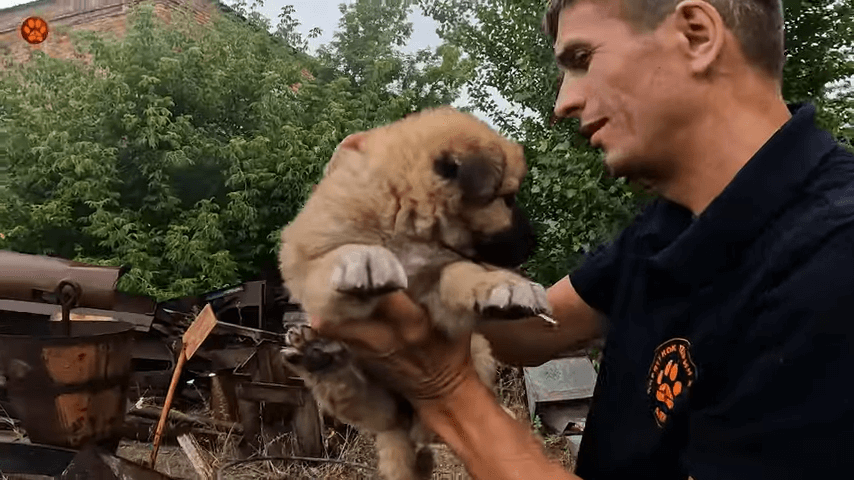
Watch this nail-biting video from Animal Rescue Kharkiv as a team supported by PETA’s Global Compassion Fund runs for their lives to distribute food in villages outside Bakhmut—dodging bombs and saving many puppies and kittens along the way!

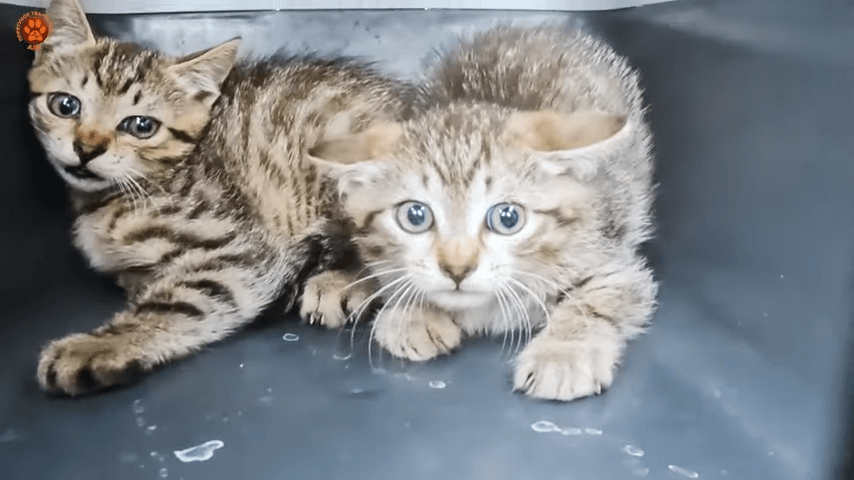
Right now, teams are caring for nearly 120 traumatized puppies—many of whom were born on the streets, struggling to survive on their own. PETA Germany is orchestrating a plan to help them adjust. These puppies may have been born during war, terrified of the world around them, but by the time their quarantine periods are over, they’ll have a chance to find loving families.

rescued kittens ARK© Animal Rescue Kharkiv

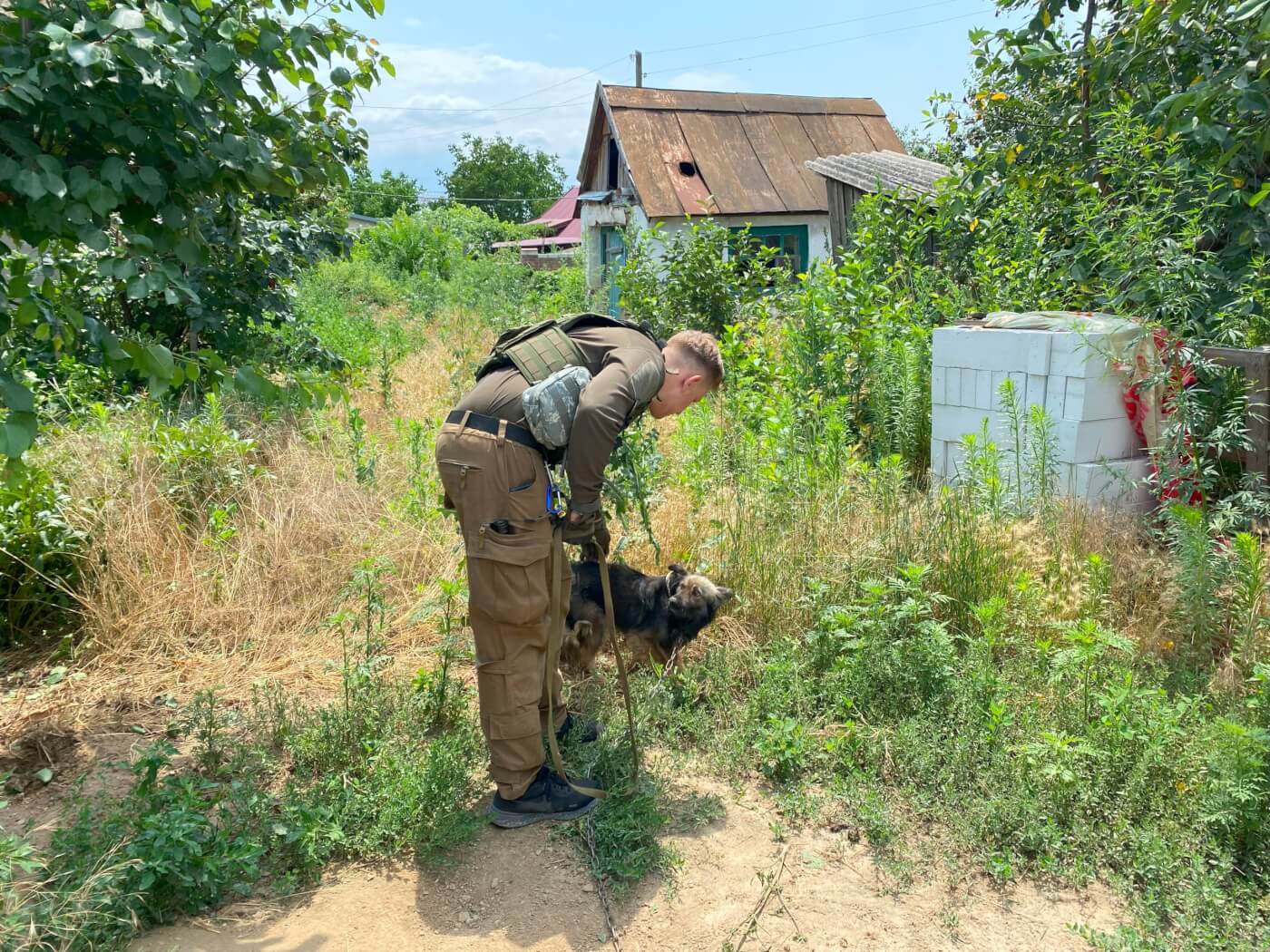
Rescuer with gear on helping dog in Ukraine

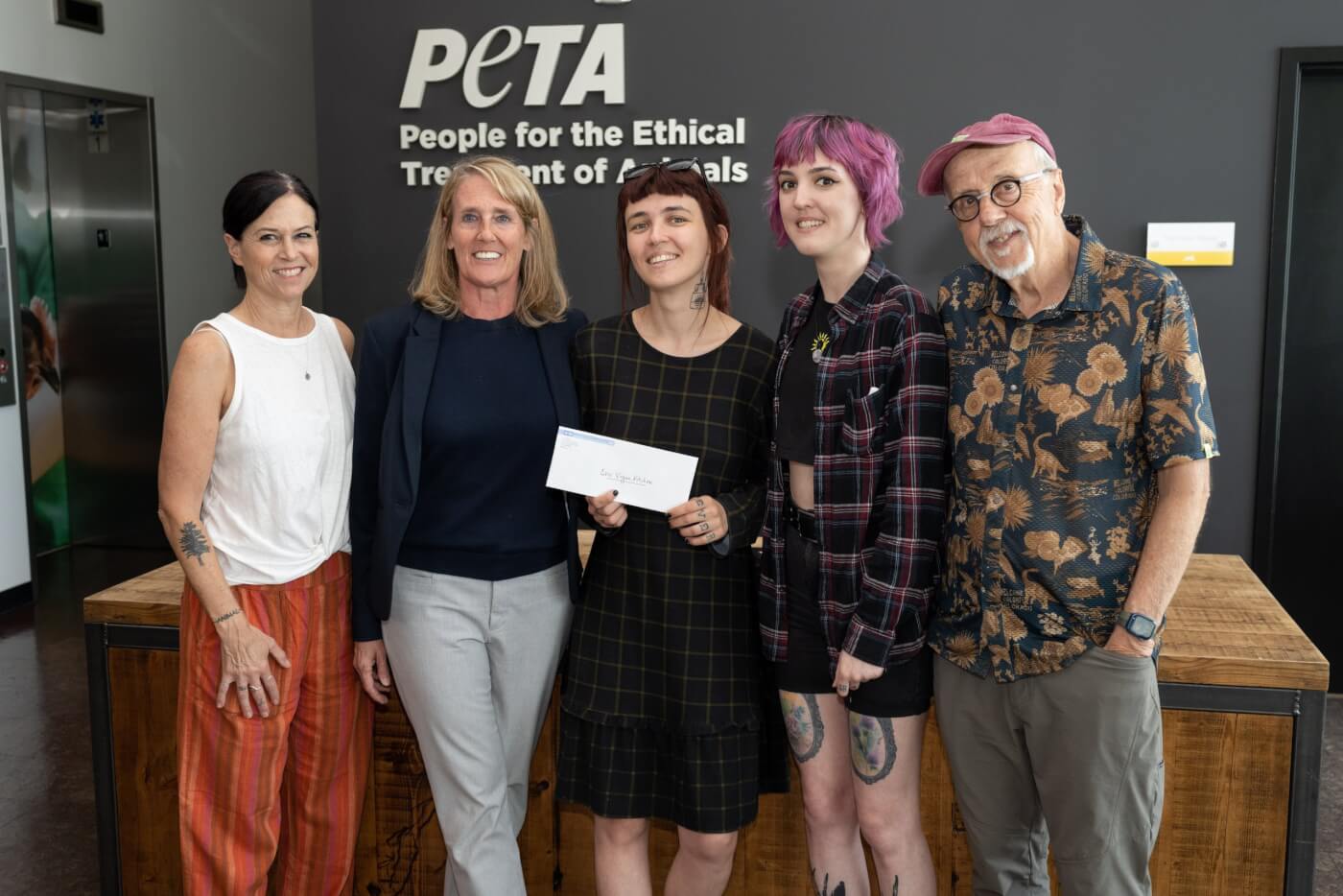
A pair of determined women who run the Lviv Vegan Kitchen in Ukraine stopped by PETA’s Bob Barker Building in Los Angeles today to pick up a donation from the Global Compassion Fund. They also gave a PowerPoint presentation to PETA staff members, showing them what life was like for the restaurant before the war and how it is now.

liviv sisters peta event urkaine

They’ve created a gathering spot for refugees in Lviv, serving nearly 500 vegan dinners every day. And those who can’t reach the city aren’t out of luck—so far, Lviv Vegan Kitchen has shipped more than 2,700 parcels of food and other provisions to shelters, soldiers, and civilians throughout Ukraine.

How You Can Help Animals in Ukraine

Since the beginning of the war in Ukraine, PETA Germany and its partners have been building a robust network of teams that have rescued more than 11,000 animals and counting! And with the breakdown of food-supply chains, help from PETA’s Global Compassion Fund has supplied more than 3 million pounds of food and provisions (and counting) for dogs, cats, horses, donkeys, and others. Please, help these animals and others by donating to the Global Compassion Fund today.

holding rescued pup ARK© Animal Rescue Kharkiv

The post Vegan Meals for Soldiers and More: See How PETA-Supported Teams Are Making an Impact in Ukraine appeared first on PETA.

The True Cost of Wagyu Beef: PETA Reveals Horrific Conditions for Cows

Is Wagyu beef worth the cost? Not to the cows who are killed for their flesh. A PETA Asia whistleblower recorded footage of cows moving their tongues erratically after being fed an unnatural diet, cows forced to stand in inches of feces, and workers slapping a calf in the face. The disturbing footage reiterates that Wagyu cows, a specific breed native to Japan, live anything but the lives of luxury—full of massages and troughs of beer—that U.S. consumers are led to believe they do. PETA breaks down the top five reasons never to purchase Wagyu.

 Top 5 Reasons Never to Eat Wagyu

1. Cows Exploited for Wagyu Never Get to Graze

Most cows in Japan never eat fresh grass because grazing land isn’t available. In footage recorded by a whistleblower, cows are forced to stand under the scorching sun or in inches of their sludgy feces when they’re not confined to cramped indoor stalls where their faces are often shackled between metal bars.

2. Workers Burn Cows’ Sensitive Horn Tissue Off

Most types of cows are born with tissue that will develop into horns. While not all Wagyu cows have their sensitive horn tissue removed, the majority of the ones raised for their flesh do. Workers often remove the horn tissue or the horns themselves from cows’ skulls using hot irons, caustic chemicals, sharp metal scoops, blades, or handsaws. Dehorning is usually performed without painkillers.

3. Mother Cows Cry for Their Calves for Days

Mother cows are loving parents who, when given the chance, create meaningful relationships with their calves and the rest of their herds. Tragically, most cows raised for the meat and dairy industries are intensively confined, leaving them unable to fulfill their most basic desires, such as grazing with their families and nursing their young. Calves are forcibly separated from their mothers in the livestock industry when they’re still very young, and the mothers call for their babies for days after workers take them away.

4. Why Does Wagyu Flesh Look Marbled?

Wagyu cows are forced to gain massive amounts of weight and eat feed with minimal vitamin A, which naturally occurs in the grass Wagyu aren’t allowed to graze on, so that their flesh will be “marbled” with fat after they’re killed. Vitamin A deficiencies can cause loss of vision in cows, but the marbling of their flesh is all the industry cares about.

5. Cows Suffer Whenever They’re Used for Food—Go Vegan

More than 29 million cows suffer and die in the meat  dairy industries every year in the U.S., and their experiences largely mirror those of the ones exploited in Japan. Workers gouge off calves’ horns, separate them from their mothers shortly after birth, and force them to spend their entire lives on industrial farms where they’re kept in filthy, cramped conditions. As long as humans keep buying products such as steak and cheese, cows will continue to suffer. Try vegan Wagyu beef instead!

If you want to help cows and all other animals exploited by humans, go vegan today.

The post The True Cost of Wagyu Beef: PETA Reveals Horrific Conditions for Cows appeared first on PETA.

PETA Urges New Canadian Defence Minister Bill Blair to End Military Drills on Animals

Please see the following statement from PETA Vice President Shalin Gala regarding a letter that PETA sent today to newly appointed Minister of National Defence Bill Blair, urging him to end the Canadian Department of National Defence’s use of animals in its live agent training for chemical casualty care and live tissue training for traumatic injury management, and our request that he order a full transition to human-relevant, animal-free training methods: 

Decades of exposing live pigs to toxic chemical warfare agents and subjecting them to gunshot wounds, blast injuries, and other forms of trauma during archaic military drills must end. The body count is substantial: Over 1,800 intelligent pigs have been killed in trauma and chemical warfare training by Canada’s armed forces, costing an outrageous $1 million since 2012. Maiming animals fails to adequately prepare military personnel for real-life medical emergencies facing humans, and hyper-realistic human-patient simulators have proved to be more effective.


Numerous precedents exist for banning this cruel use of animals immediately. More than 70% of NATO allied nations use no animals for military medical education. The U.S. Coast Guard banned “abhorrent” trauma training drills on animals after discussions with PETA, and the U.S. Army ended its use of monkeys in chemical casualty drills after facing a PETA campaign.


Minister Blair has a chance to start his new tenure on the right foot, and we urge him to move the Department of National Defence into the 21st century by replacing crude military drills on animals with advanced, human-relevant technology that will help protect the lives of humans and other animals.

For more information on PETA’s investigative newsgathering and reporting, please visit PETA.org, listen to The PETA Podcast, or follow the group on Twitter, Facebook, or Instagram.  

The post PETA Urges New Canadian Defence Minister Bill Blair to End Military Drills on Animals appeared first on PETA.