Aureja Ugne Mozeryte is the Policy and Advocacy Assistant at Amnesty International’s Europe Regional Office. She has a master of Human Rights. Following the Human Rights Education Youth Forum, which took place from 9 to 11 December in Budapest, she shares her story, her hopes, and the importance of human rights education for anyone thinking about joining the fight for a better future.
Like many people, I grew up without human rights education in school. I’d always thought of human rights as an abstract concept rather than a practical necessity of everyday life. But in my previous life as a teacher and since working for Amnesty International, I can’t stress enough how essential human rights education is for recognizing rights violations, confronting injustice, and building the foundations of a rights-respecting society.
As we witness fresh assaults on universal human rights and the rise of authoritarian practices across the world, human rights education is more important than ever. A new CIVICUS Monitor report reveals a sharp global decline in fundamental freedoms, with only 7% of the world’s population now living in countries with ‘open’ or even ‘narrowed’ civic space.
As threats to our rights and freedoms continue to intensify, we must ensure that our resistance to them grows even stronger. For many young people, it is easy to feel overwhelmed or discouraged by the direction the world seems to be heading. But human rights education offers hope, community, and provides an alternative vision of the future – one worth believing in, and one worth fighting for.
The Human Rights Education Youth Forum, which I had the chance to participate in from 9 to 11 December in Budapest, showed that young people care deeply about the future of human rights. We believe that human rights education is a right, not a privilege, and a vital tool for challenging the anti-rights rhetoric and policies of many European governments. This means celebrating and promoting our human rights story locally – in schools and youth spaces – and globally in traditional and social media.
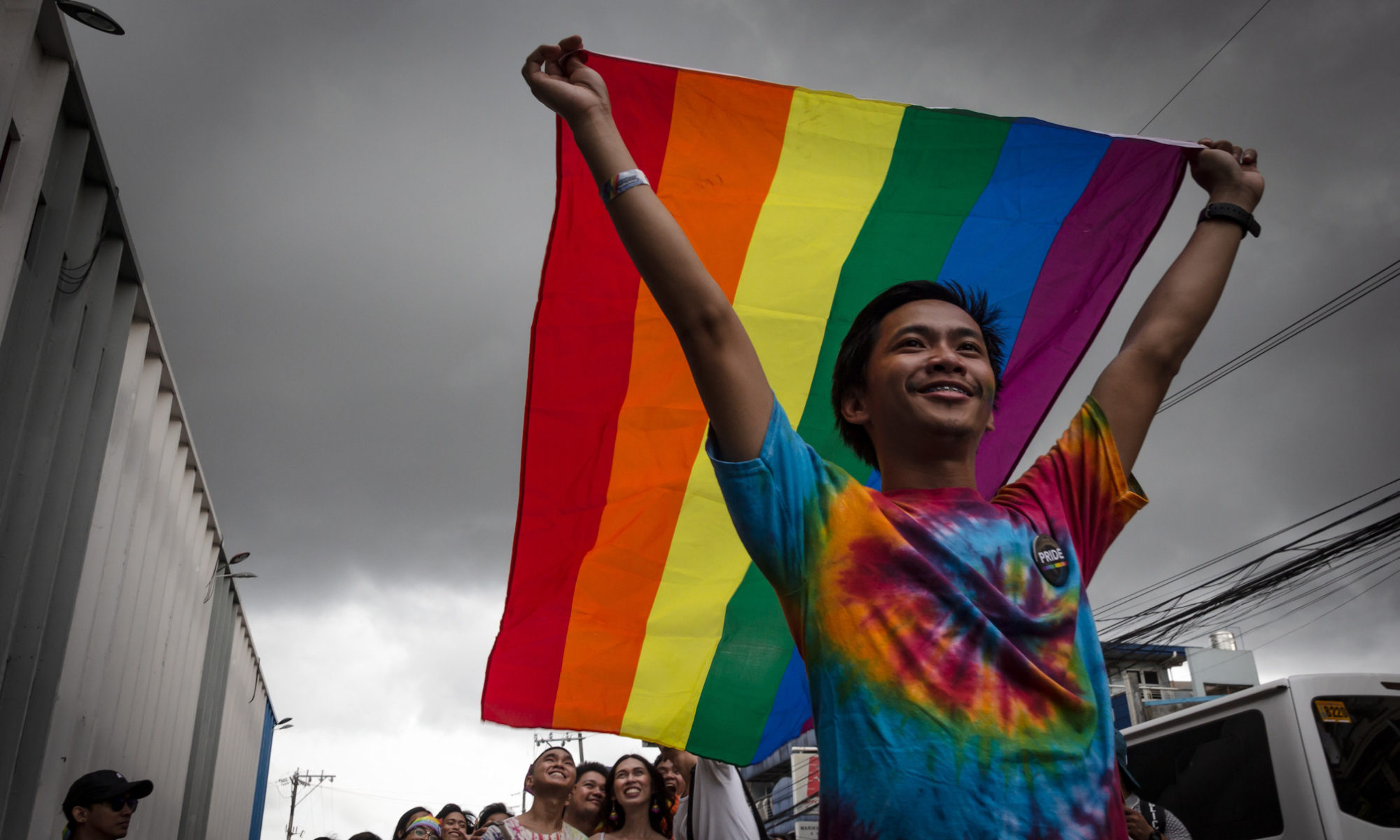
Together with educators, activists, advocates, and representatives of governmental institutions and civil society, we developed a shared global agenda for human rights education: one that aims to advance gender equality, address environmental injustice, respond to the challenges of digitalization, and protect the rights of marginalized communities, including LGBTI people, refugees and migrants. Among the many concerns raised by young representatives from around the world, the calls to decolonize human rights education and to make it accessible to all were among the most prominent.
On 10 December, as we gathered to celebrate Human Rights Day and explore ways to strengthen the current human rights system, a number of European governments were proposing reforms to weaken the protections of the European Convention on Human Rights (ECHR) in the context of migration during the Council of Europe justice ministers meeting. These proposals risk scapegoating migrants and refugees, and any attempt to weaken the ECHR must be resisted. Amnesty International works to demonstrate its importance to young people by transforming ECHR jurisprudence into accessible 20-minute learning modules. These real-life cases show how upholding the rights protected by the ECHR can have a profound, life-changing impact on individuals.
Last week, the EU also proposed unprecedented rules on detention, deportations, and the stripping of rights based on migration status. These divisive policies, which risk tearing families apart and paving the way for discriminatory surveillance and profiling, are exactly what push me to act.
I want to act with kindness and solidarity, and work towards a society that guarantees protection for all. When my government in Lithuania began forcibly removing and arbitrarily detaining people seeking asylum at the Lithuania–Belarus border in 2021, volunteering with affected communities became one of the most meaningful ways for me to stand up against the injustice I was witnessing. It was my way of saying, “Not in my name”, and demonstrating the transformative power of compassion.
Seeing people deprived of their rights at my country’s borders moved me to take action, which eventually led me to study human rights, research violations, and work with people who are impacted. Becoming more involved in civil society and volunteering with migrant communities was especially meaningful because it gave me the opportunity to apply human rights theory in real-life situations.
Through learning about human rights and sharing this knowledge with others, I witnessed people claim their rights and saw how it restored a sense of agency during difficult times. Rather than feeling powerless, they came to see themselves as rights-holders who could take action. At the same time, recognizing that others face similar struggles helped build solidarity within communities.
Choosing to work in human rights has been my most rewarding and empowering decision so far, and I encourage those who feel isolated, dissatisfied, or frustrated to turn to compassion and justice over aggression and destruction, remembering that hope is not a naive but a courageous choice.
Human rights were forged for moments of uncertainty like the one we face today. It is our shared responsibility to defend them and build on what we have achieved. Human rights education is a powerful tool for shaping the future, so take the first step by learning about your rights, explore courses from Amnesty’s Human Rights Academy in over 20 languages, get involved with a local organization, and speak up or act when someone’s rights are being violated.
The post Aureja: “To claim our rights, first we must know them” appeared first on Amnesty International.