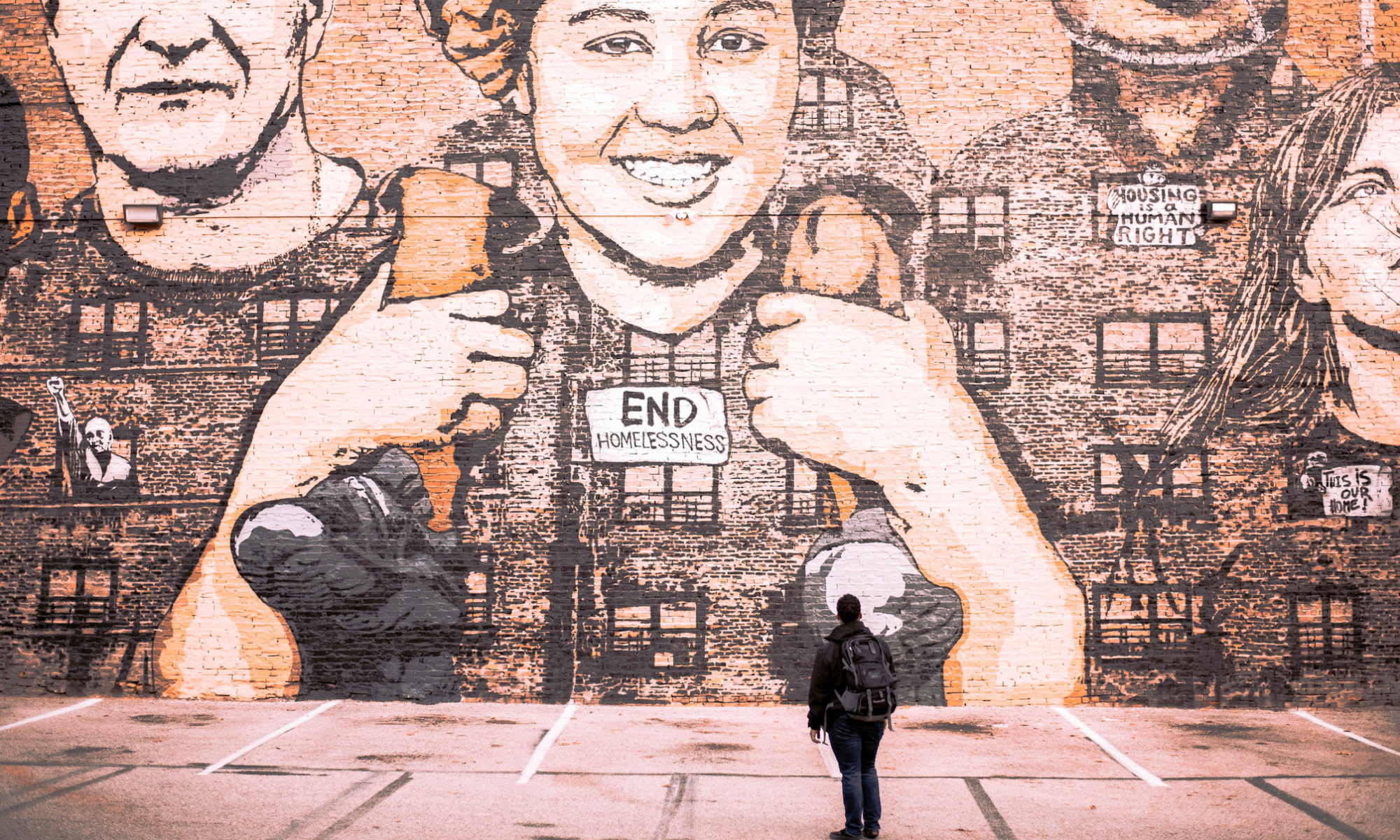
Who Deserves Freedom This Fourth of July?

As we celebrate America’s 250th anniversary, we reflect on the founding ideals of the United States—liberty, responsibility, and the moral character required to sustain a nation. These principles were never meant to remain static. From the beginning, they invited reflection, growth, and a broader understanding of what—and who—deserves moral consideration, including those who happen not to be human.

Photo of American flag and a lit sparkler

The founding fathers revealed early expressions of stewardship, curiosity, and thoughtful questioning about the natural world. George Washington was known for his careful attention to the animals in his care and expected those around him to treat them humanely. Thomas Jefferson approached the natural world with curiosity, studying animals closely and documenting their behavior. Benjamin Franklin famously wrestled with the ethics of eating animals, at one point going vegetarian and later reflecting on the contradictions of his choices.
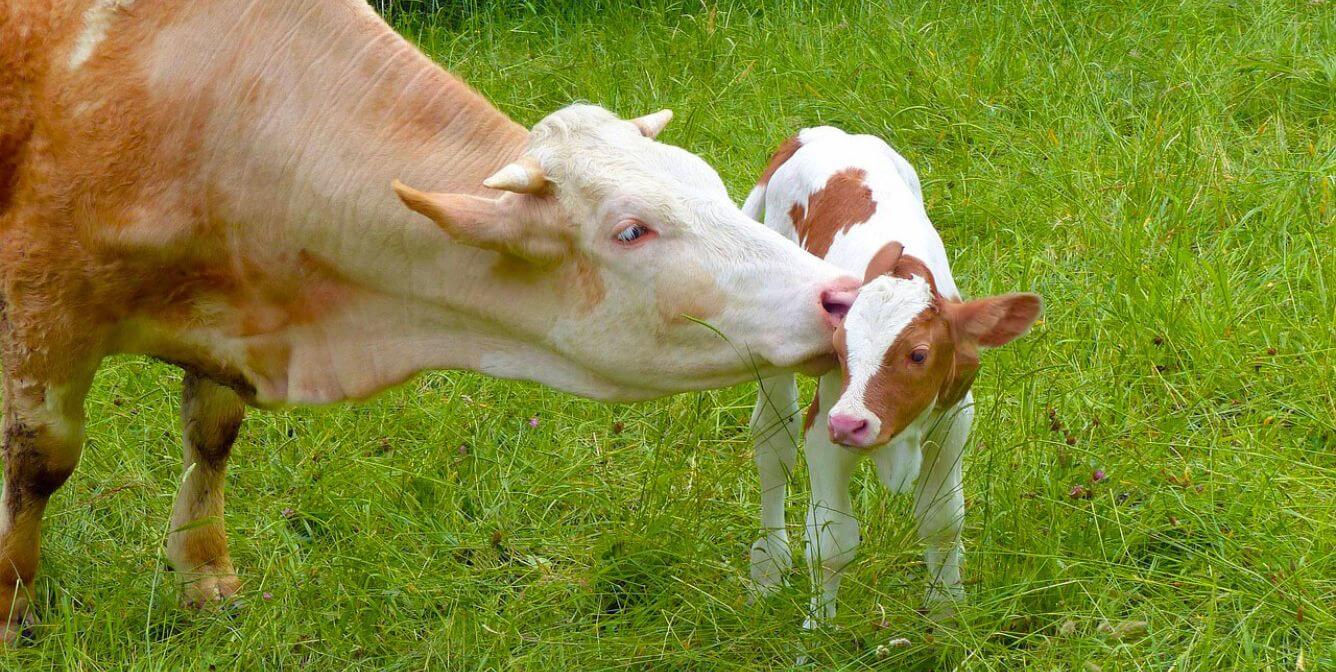
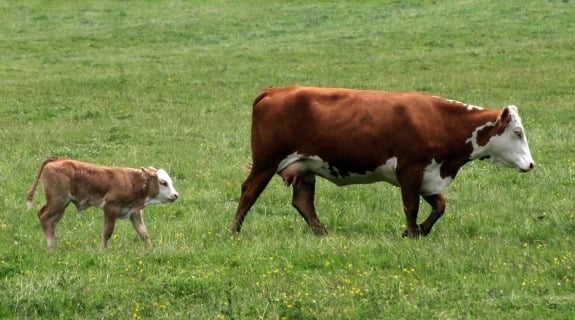
mother and baby cow in grass

These moments reveal something important: an awareness that our treatment of other living beings matters. That awareness would continue to grow as the nation matured.

In the 19th century, influential thinkers and cultural figures began to connect American values more directly with compassion for animals. In his 1854 book Walden, Henry David Thoreau predicted that humanity would one day move beyond eating animals altogether, describing it as part of our human progress. American folk figure Johnny Appleseed was widely known for his gentle philosophy toward all living beings, which included not eating them. Reformers like Sylvester Graham—whose ideas inspired the creation of graham crackers and who is often called the father of vegetarianism in the United States—advocated for dietary reform as part of a healthier, more virtuous society. This ethic also found expression in broader movements for justice, embraced by leaders like Coretta Scott King, who in the late 20th century advocated for being vegan as part of a philosophy of nonviolence.
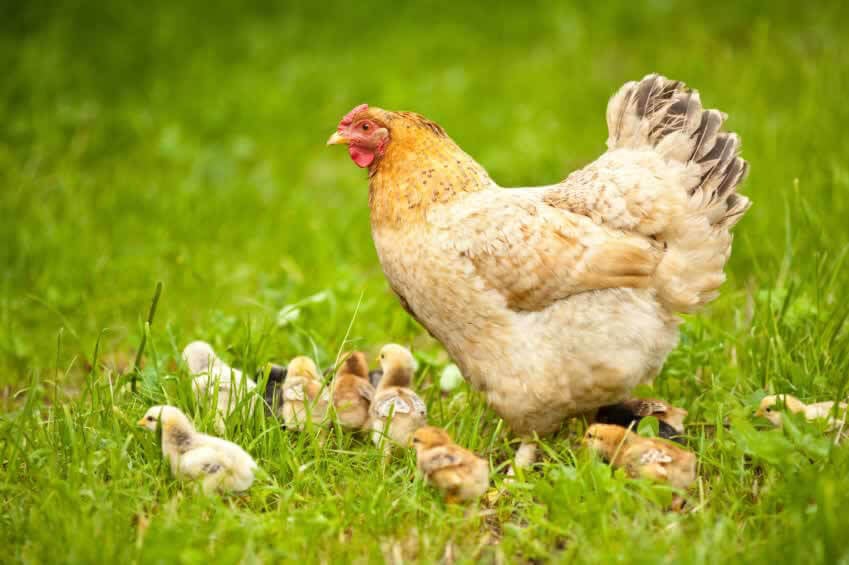
Hen with Chicks

American innovation helped drive this shift, as well. John Harvey Kellogg and his brother Will Keith Kellogg promoted meat-free eating and helped introduce foods like cereal to the mainstream, making vegetarian breakfasts more accessible to everyday Americans. Their contemporaries, including C.W. Post, further expanded the reach of ready-to-eat grain foods. Generations later, in the 1970s and 1980s, advocates such as Nathan Pritikin would continue promoting plant-forward diets for health and longevity, helping pave the way for the growing variety of meat-free foods available today.

vegan tailgate food at a party

Taken together, these figures illustrate a quiet but persistent thread in American history: a belief that progress includes expanding our circle of concern. Just as the nation has worked—however imperfectly—to extend rights and protections to more people over time, there has also been a growing recognition that our fellow animals are not resources but living beings who feel pain, form bonds, and value their lives.

Today, that understanding is clearer than ever. Research continues to confirm what many have long seen with their own eyes: All animals are complex, emotional individuals. Meanwhile, the meat, egg, and dairy industries confine and kill billions of animals each year, in ways that would have troubled even the most pragmatic early Americans. The word “slaughterhouse” is not one to celebrate.

Independence Day offers a moment to reflect not only on how far we’ve come but also on where we’re headed. If liberty and justice are truly guiding principles, they challenge us to think more deeply about how our decisions affect others—including the animals who share our nation and our world.

Choosing vegan food and clothing is one way to put those values into practice. It’s a step toward reducing suffering, conserving resources, and aligning our daily habits with the ideals we celebrate each Fourth of July.

The American story has always been one of growth—of recognizing that our responsibilities extend beyond what previous generations imagined. Expanding compassion to animals is a continuation of our founding values.

The post Who Deserves Freedom This Fourth of July? appeared first on PETA.
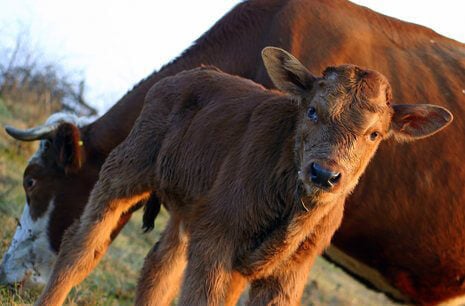
Honor All Mothers This Mother’s Day

Let’s just clear this up: No human needs to drink cow’s milk. Ever. It’s a calorie-rich, nutrient-poor beverage that’s been linked to numerous illnesses, and consuming it hurts mothers.

So what about all the health claims for milk that we’ve been hearing ever since we could walk? The story of milk seems to have involved a lot of whitewashing.

0842.Cow_5F00_Calf_5F00_465.jpg

During the dairy surplus of World War I, the “Dairy Division” of the Department of Agriculture began promoting milk in order to increase consumption. It worked. Since then, our understanding of the impact of cow’s milk on human health has improved greatly. But the dairy industry is still spending millions of dollars every year to promote milk as a health food through a powerful lobby, the educational materials it sends to schools, and ads on TV, in print and online. And that incomplete and misleading information causes problems for moms and kids.

Despite the hype, cow’s milk actually robs our bones of calcium. Animal protein produces acids when broken down, and since calcium is an excellent acid neutralizer, you can see where this is going. Our bodies can use the calcium in milk, but they also take some from our own body stores to neutralize the acid before it’s eliminated. So every glass of milk we drink leaches calcium from our bones.

mother-cow-and-calf.jpg

The dairy industry also promotes milk as a source of vitamin D, but this nutrient doesn’t occur in milk naturally and is only added later, in the same way that soy milk, orange juice, and cereals, bread and other grain products are fortified. The Physicians Committee for Responsible Medicine reports that milk has also been linked to colic, anemia, food allergies and digestive problems. And since cow’s milk is designed to suit the nutritional needs of calves, who gain hundreds of pounds in a matter of months, it also encourages the development of obesity, diabetes and heart disease—again, problems for kids and problems for their moms.

And dairy farming isn’t kind to bovine mothers or their calves, either.

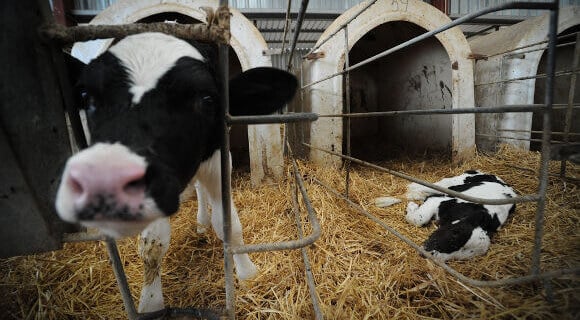
Cows produce milk for the same reason that human women do: to feed their babies. In order to make mother cows keep producing milk, dairy farmers repeatedly artificially inseminate them and then take their babies away from them within 24 hours, which traumatizes them both. Female calves are killed immediately or are fed milk replacers (so that humans can steal the milk meant for them) and sentenced to the same fate as their mothers. Male calves are often sold to the veal industry, where they’re chained inside tiny stalls and kept anemic so their flesh will stay pale.

14_2D00_pics_2D00_Dead-Calf.jpg

Cows have been known to escape from their enclosures and travel for miles trying to find their missing babies. One cow, Clarabelle, was just hours away from being slaughtered after her milk production had waned when she was rescued by a sanctuary. The sanctuary’s volunteers soon discovered that Clarabelle was pregnant. This loving mother had had her babies taken away from her so many times that this time, when she gave birth at the sanctuary, she hid her calf in a tall patch of grass a distance away. Of course, no one took that baby away. But the story for most cows on dairy farms doesn’t have a happy ending.

With mounting evidence that milk is a product of cruelty that actually does a body bad, it’s not surprising that consumption has dropped by 25 percent since 1975. Vegan milks, such as soy, rice, almond and coconut milks, meanwhile, have been flying off the shelves, averaging annual sales growth of 10.9 percent since 1999. Many dairy-free options are fortified with calcium and other vitamins, and several offer a lot of protein with fewer calories than dairy milk. And of course, they’re all free of the saturated fat, cholesterol and cruelty associated with dairy products.

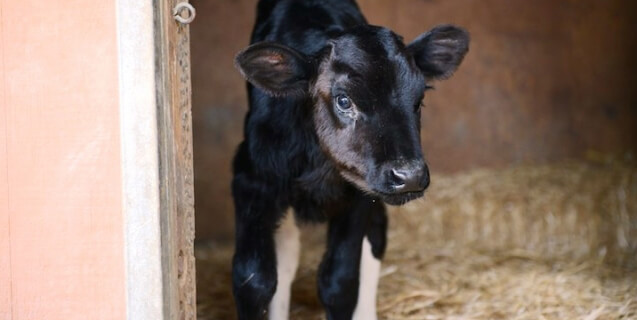
Holly the Calf at Farm Sanctuary

At this Mother’s Day brunch, when we raise our glasses to Mom, let’s be sure they’re filled with tasty, healthy plant-based milk, and let’s show all mothers—and ourselves—the true meaning of motherly love.

The post Honor All Mothers This Mother’s Day appeared first on PETA.

We Asked ChatGPT to Tell Us Why Humans Shouldn’t Eat Cheese—Here’s What It Said

We asked the artificial intelligence tool ChatGPT to write an article about five reasons humans should stop eating cheese, and here’s what it said:

When it comes to animal rights, cheese production is a topic of concern. Here are the top 5 reasons not to eat cheese.

1. Inhumane Treatment of Dairy Cows*

Dairy cows are often subjected to cruel living conditions in factory farms, confined to small spaces with limited access to fresh air, sunshine, and exercise. They are repeatedly impregnated to ensure a steady supply of milk, which takes a toll on their bodies. These cows suffer from physical and emotional stress, leading to shorter lifespans and various health issues.

2. Cruel Dehorning Practices

To prevent injury to farm workers and other animals, cows used by the dairy industry are often dehorned. This painful procedure involves the removal of the sensitive horn tissue or even the entire horn, often without anesthesia. It causes severe pain and distress, raising significant animal rights concerns.

3. Separation of Calves From Their Mothers

Calves are taken away from their mothers shortly after birth to prevent them from drinking their mother’s milk, which is designated for human consumption. This separation causes distress to both the calf and the mother. Calves are often raised in isolated, cramped conditions.

4. Veal Production

Male calves born in the dairy industry are considered a byproduct and are often used for veal production. They are typically confined to tiny pens and fed an iron-deficient diet, leading to anemia and weakness. This cruel practice is a direct result of the demand for dairy products like cheese.

5. Environmental Impact

Dairy farming contributes significantly to greenhouse gas emissions, deforestation, and water pollution. By opting for plant-based alternatives to cheese, you can significantly reduce your environmental footprint and promote the well-being of animals and the planet.

Understanding the animal rights concerns associated with cheese production can motivate a shift towards more ethical and sustainable food choices. By choosing vegan cheese, you can make a difference in the lives of animals and contribute to a more compassionate world.

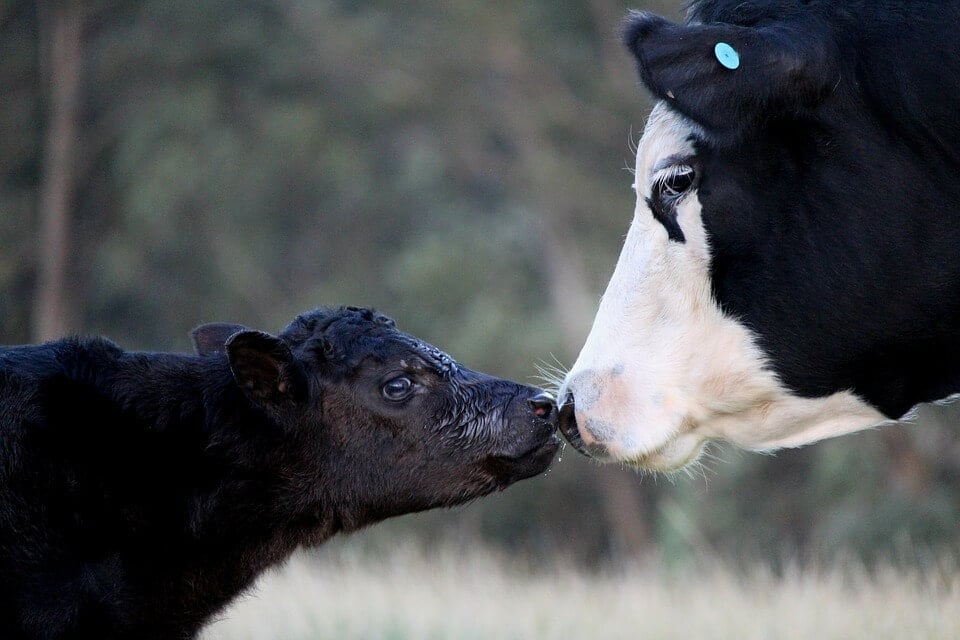
Mother cow touching noses with her calf

Just as humans produce milk to nurse their babies, mother cows make milk for their calves. Repeat after PETA: “Not your mom, not your milk.”

****

It’s speciesist to exploit our fellow animals for a quick bite of their flesh or something made from their mammary secretions. With dozens of stellar vegan cheese options on the market now, it’s easier than ever to live compassionately by going vegan.

We’ll help you get started:

*PETA avoids the term “dairy cow,” because it defines a sentient being in terms of the way humans exploit them, which is speciesist.

The post We Asked ChatGPT to Tell Us Why Humans Shouldn’t Eat Cheese—Here’s What It Said appeared first on PETA.

We May Save the Earth but Not in Leather Shoes

We May Save the Earth but Not in Leather Shoes

How Can We Save the Earth? One Simple Action Will Make a Difference

The Planet Needs You to Ditch Leather—Here’s Why

The Earth Can’t Wait: Why You Need to Ditch Leather Now


We know the Earth is in trouble. But there’s one often overlooked, simple action that will make a difference: Ditch leather.

Killing animals for their skin comes with the same environmental baggage as killing them for their flesh. If you care about saving the planet, here’s one thing you need to do.

The post We May Save the Earth but Not in Leather Shoes appeared first on PETA.