Tigerfarmen: Schlachthaus für Tiger

Warum das Tigervideo mit den Drohnen nicht lustig ist. Und die dicken Tiger ebenso wenig.

Wer kennt sie nicht. Die Katzenbilder auf facebook, twitter und Instagram, videos of youtube… lustig, niedlich, manchmal schräg. In letzter Zeit stolpere ich aber über Bilder, die dann doch weit wenig niedlich sind. Zuerst vor einigen Wochen die vollkommen überfressenen Sibirischen Tiger, die viral die Runde machten. Und nun ein Video, in dem Siberische Tiger im Schnee eine Drohne jagen und diese zuletzt sogar “erlegen“. Leider ist das gar nicht komisch oder niedlich. Die Bilder kommen aus einer Tigerfarm.

Der Horror der Tigerfarmen

Sowohl das Drohnenvideo wie auch die Bilder der fetten Tiger sind offensichtlich im Siberian Tiger Park Harbin in China entstanden. Der Park steht schon seit längerem in Verdacht, eine dieser Tigerfarmen zu sein, die letztendlich als Schlachthäuser dienen. Die Tiere werden zu Traditioneller Chinesischer Medizin und Trophäen verarbeitet und verkauft. Bereits 2014 gab es einen eindrücklichen Bericht dazu.

Auf diesen Tigerfarmen geht es weder um Umweltbildung und schon gar nicht um Artenschutz. Genau das unterscheidet eine Tigerfarm von einem anerkannten Zoo. Gute Zoos führen offizielle Zuchtbücher, leisten ein Beitrag zum Artenschutz, etwa durch Wiederansiedelungsprojekte oder Lebensraumschutzprojekte. Im Gegensatz dazu werden bei den anderen Einrichtungen die Tiere unter furchtbaren Bedingungen gehalten und dienen der Belustigung der Besucher oder der Produktion von „Tigerteilen“ für den Konsum.

Tiger auf Drohnenjagd

Tiger auf Drohnenjagd: Spektakuläre Aufnahmen von einer chinesischen Tigerfarm. Wir haben mit dem WWF Deutschland über die traurige Realität dahinter gesprochen. Auf den Farmen geht es nicht um Artenschutz, sondern um lukrative Zucht für die traditionelle Medizin.

Gepostet von ZDF heuteplus am Dienstag, 28. Februar 2017

Tausende Tiger hinter Gittern

Die investigative Umweltorganisation EIA schätzt allein in den vier Länder China, Thailand, Vietnam und Laos die Zahl der Einrichtungen auf über 200, wie etwa den berüchtigten Tigertempel. Zwischen 7000 und 8000 Tiger sollen hier gehalten werden. Das sind doppelt so viele Tiger, wie es in freier Wildbahn überhaupt noch gibt!

Schließt die Tigerfarmen!

Tigerfarmen: Tiger im Käfig
Tigerbaby in viel zu kleinem Käfig im Sri Racha Zoo, Pattaya, Thailand © Anton Vorauer / WWF

Wir fodern gemeinsam mit vielen Natur- und Tierschutzorganisationen schon seit längerem die Schließung aller Einrichtungen, die nachweislich keinen Artenschutzbeitrag leisten – und wo der Verdacht besteht, dass Tiger und Tigerteile illegalerweise verkauft werden. Es ist Unsinn , dass dadurch der Bedarf an Tigerprodukten, wie Tigerwein und anderes gestillt werd. Vielmehr heizt es den Bedarf an – und noch mehr Farmen wachsen aus dem Boden. Und gemäß des internationalen Artenschutzabkommens CITES ist jedweder Verkauf von Tigerteilen ohnehin ausnahmslos verboten.

Wir bleiben jedenfalls dran und werden weiterhin versuchen politisch Lösungen mit den jeweiligen Ländern zu erarbeiten… und natürlich langfristig Bewusstseinsänderungen herbeizuführen. Denn wenn der Konsum nicht aufhört, werden auch die kriminellen Netzwerke nicht aufhören den Konsum zu füttern.

Was ihr tun könnt

Bitte nicht die Einrichtungen bestärken, indem man sie auf Social Media liked. Klärt stattdesse Bekannten und Freunde und Familie auf, was wirklich dahintersteckt. Und am allerwichtigsten: Bitte keine dieser zweifelhaften Einrichtungen besuchen und oder in Reiseforen entsprechende Kommentare verfassen!

Ihr wollt auch etwas gegen die Wilderei tun? Hier entlang! #StoppWilderei weltweit

Der Beitrag Tigerfarmen: Schlachthaus für Tiger erschien zuerst auf WWF Blog.
Schlingfallen: Kampf dem Tod im Wald

Es ist ein  stetiger Kampf gegen das sogenannte Buschfleisch: Immer wieder erreichen mich solche Bilder von meinen Kollegen aus Vietnam. Denn täglich durchstreifen hier Patrouillen die dichten Bergwälder und holen jedes Jahr zig tausend Schlingfallen heraus.

Buschfleisch aus der Drahtschlinge

Die Wilderer bauen entlang der Grenze nach Laos diese einfachen, aber hoch wirkungsvollen Fallen. Deren Drahtschlingen sind oft aus Bremszüge von Motorrädern gebaut. Häufig verletzen sich die Tiere so stark in den Drahtschlingen, dass Rettung zu spät kommt. Wenn meine Kollegen Tiere noch lebendig befreien können, dann müssen sie schauen wie stark die Verletzungen ausgeprägt sind.

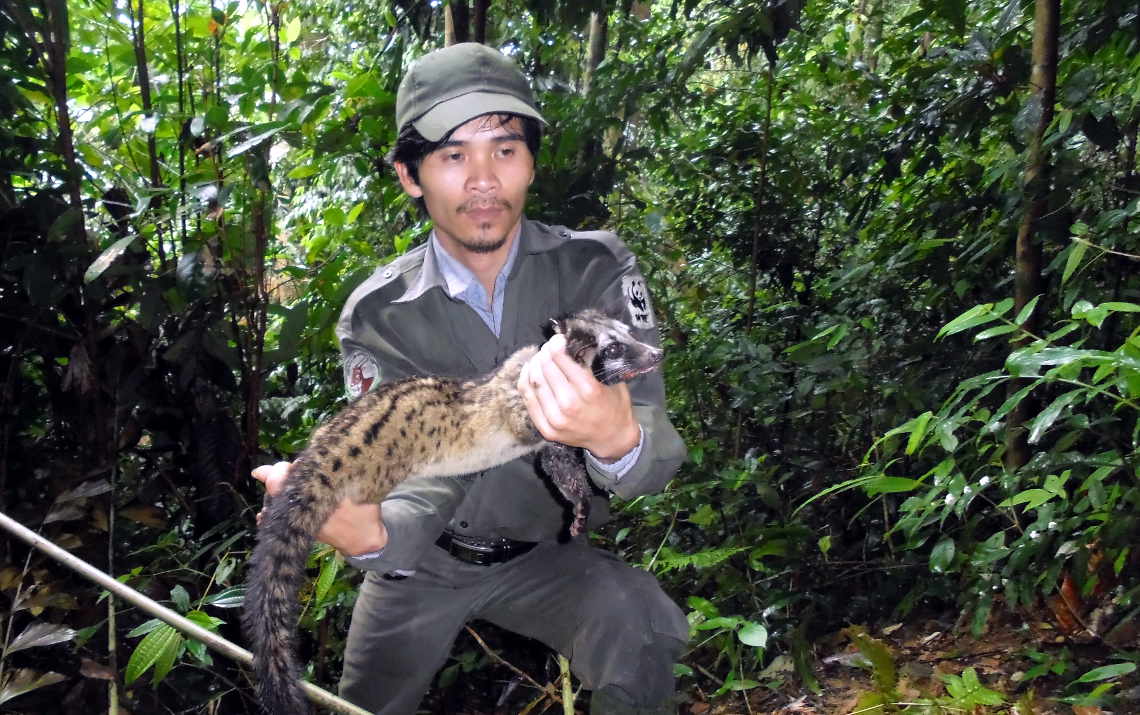
Doch kein Buschfleisch: der WWF ranger rettet die Schleichkatze aus der Falle
Die Katze wurde doch kein Buschfleisch: Der WWF Ranger rettet sie Schleichkatze aus der Falle © WWF Vietnam

Manchmal werden die verletzten Tiere mit zur Rangerstation genommen und dort versorgt. Wie in diesem Video.

Schlingfallen in Vietnam

Es ist ein stetiger Kampf gegen das Buschfleisch: Unsere Kollegen aus Vietnam haben ganze 86.580 Schlingfallen in den letzen sechs Jahren aus den Bergwäldern geborgen ►►► https://blog.wwf.de/schlingfallen/ Wir sagen: DANKE für euren Einsatz, liebe Kollegen!

Publié par WWF Deutschland sur mardi 7 février 2017

86.584 Fallen wurden in sechs Jahren geborgen

Leider ist die Wilderei allgegenwärtig. Sie findet auch in den Schutzgebieten statt. Wir müssen vor allem die Wilderei und den illegalen Handel mit Buschfleisch beenden, sonst nützt das beste Reservat nichts. Buschfleisch gilt bei Städtern und vietnamesischen Touristen als begehrte Delikatesse. Wie intensiv inzwischen Wilderer die Region durchkämmen, wird beim Blick auf die Statistik deutlich. Exakt 86.584 Drahtschlingen haben meine Kollegen in sechs Jahren in den beiden Saola-Schutzgebieten in Zentralvietnam aufgespürt und unschädlich gemacht. Damit hätte man einen Alteisenhandel betreiben können!

3000 Personen ertappt

Über 3000 Personen wurden in den Wäldern bei illegalen Aktivitäten ertappt und verwarnt oder angeklagt. Mittlerweile bilden die beiden Saola-Schutzgebiete wichtige Mosaiksteine eines mehr als 200.000 Hektar großen Schutzgebietsnetzwerks, das sich bis nach Laos erstreckt. Davon profitiert nicht nur das sagenumwobene Saola-Waldrind, das nur in diesem Teil Vietnams vorkommt. Denn in der Heimat des Saola, den bis 2000 Meter hohen Gipfeln der zentralannamitischen Kette im Herzen Vietnams und Laos, leben auch andere seltene Arten wie der Rotschenkel-Kleideraffe und der Nördliche Gelbwangen-Schopfgibbon.

Ihr wollt auch etwas gegen die Wilderei tun? Hier entlang! #StoppWilderei weltweit

Der Beitrag Schlingfallen: Kampf dem Tod im Wald erschien zuerst auf WWF Blog.

Living the Slug Life

Living the Slug Life

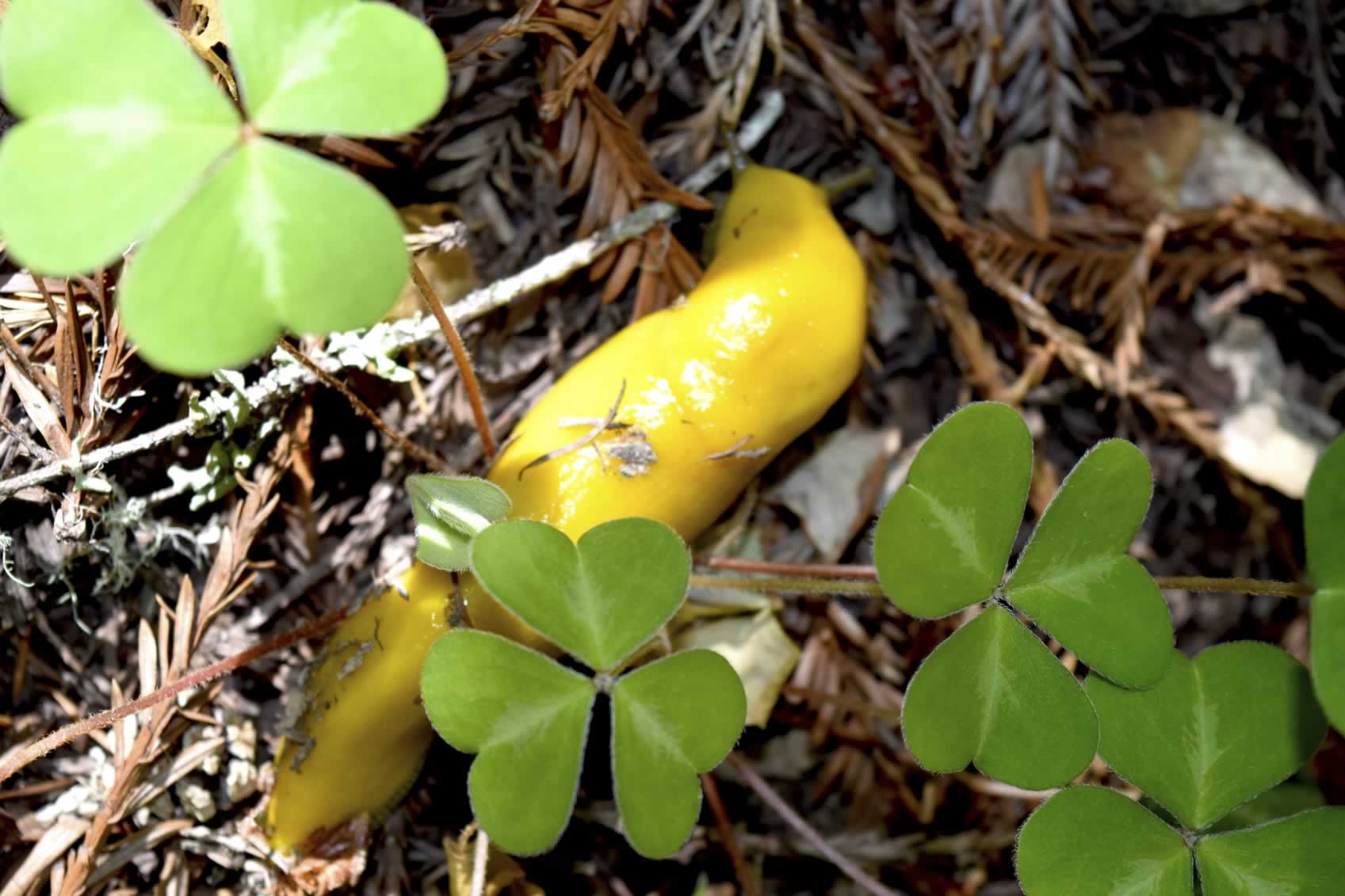
I didn’t choose the slug life, the slug life chose me. It all started when a tawny-colored slug showed up on my porch when I was 4 years old. Instantly enamored, I gave him a name that only a kid could love: Foo Foo. I loved Foo Foo and considered him my first companion animal. I even built him a Lincoln Log cabin to live in, but much to my chagrin, he preferred my mom’s container garden. Most mornings, I’d see a glistening trail that I assumed led back to Foo Foo’s wife and kids.

Everything was fine in our world until one fateful family gathering. Word in the yard was that my uncle was going to do a magic trick. Magic? Yes, please! Elbowing my way through a gaggle of gangly arms and legs five cousins deep, I arrived just in time to hear my uncle say “abracadabra” and sprinkle salt on Foo Foo. I watched in horror as my Foo Foo melted into a sickening, greasy stain. I was inconsolable.

Foo Foo’s cruel death had a profound effect on me. It awakened my compassion and sparked a belief in the sanctity of all life. I became a bug bouncer, gently escorting insects from my house. No slug was ever again killed with salt or drowned in beer on my watch. I grew into a shooer instead of a squisher. To this day, I’m still awfully fond of slugs.

They are so fascinating. Did you know that slugs are actually mollusks as well as hermaphrodites? Having both sex organs allows each slug to lay eggs. Beneficial to the environment, slugs process decaying plants, turning them back into soil. And much like us, they analyze data to make such decisions as what to eat, with whom to mate and how to avoid danger.

istock_95292045_21earlybird© iStock.com/21earlybird

They are also extremely active in the fall. So as autumn turns the trees into a riot of colors, we can expect to see four things: meteorologists overusing the word “brisk,” pumpkin-flavored everything, slugs laying their eggs in gardens and insects entering houses to wait out the winter. The good news is that there’s no need to resort to cruel methods to have a slug-free garden or an insect-free home.

Slugs are nocturnal and thrive in damp conditions, so refrain from watering your garden in the evening. This simple tactic alone can decrease slug damage by 80 percent. Installing granite rock around your garden and placing mint, lemon balm, pine needles, cosmos, sage or parsley in your garden will also deter any mollusks with the munchies.

If ants start moving into your house like they’ve rented it on Airbnb, find their point of entry and pour a line of cinnamon, red chili powder or paprika—they won’t cross it. To prevent stink bugs from sneaking in, remove window air conditioners and apply weather stripping around doors and windows. Spiders hate citrus, so rub a lemon peel on door and window frames to deter them. Place catnip sachets or bay leaves on top of shelves and other high surfaces to keep cockroaches away.

Like all animals, slugs and other tiny beings who are perceived as “pests” suffer when they are poisoned, trapped, drowned or otherwise killed. As Alan Gelperin, a researcher who has studied the memory and learning abilities of slugs, says, “Before you step on a slug, or sprinkle the poison, pause and consider the creature’s marvelous complexity and place in the scheme of things.”

In the scheme of things, there is always a humane solution to any wildlife conflict. So let’s save the salt for margaritas and the beer for football. And while you’re at it, treat yourself to a pumpkin spice soy latte. It is fall, after all.

Amy Skylark Elizabeth is a senior writer for the PETA Foundation, 501 Front St., Norfolk, VA 23510; www.PETA.org.

The post Living the Slug Life appeared first on PETA.

Opinion: Too Many Schools Are Still Flunking Lunch

Opinion: Too Many Schools Are Still Flunking Lunch

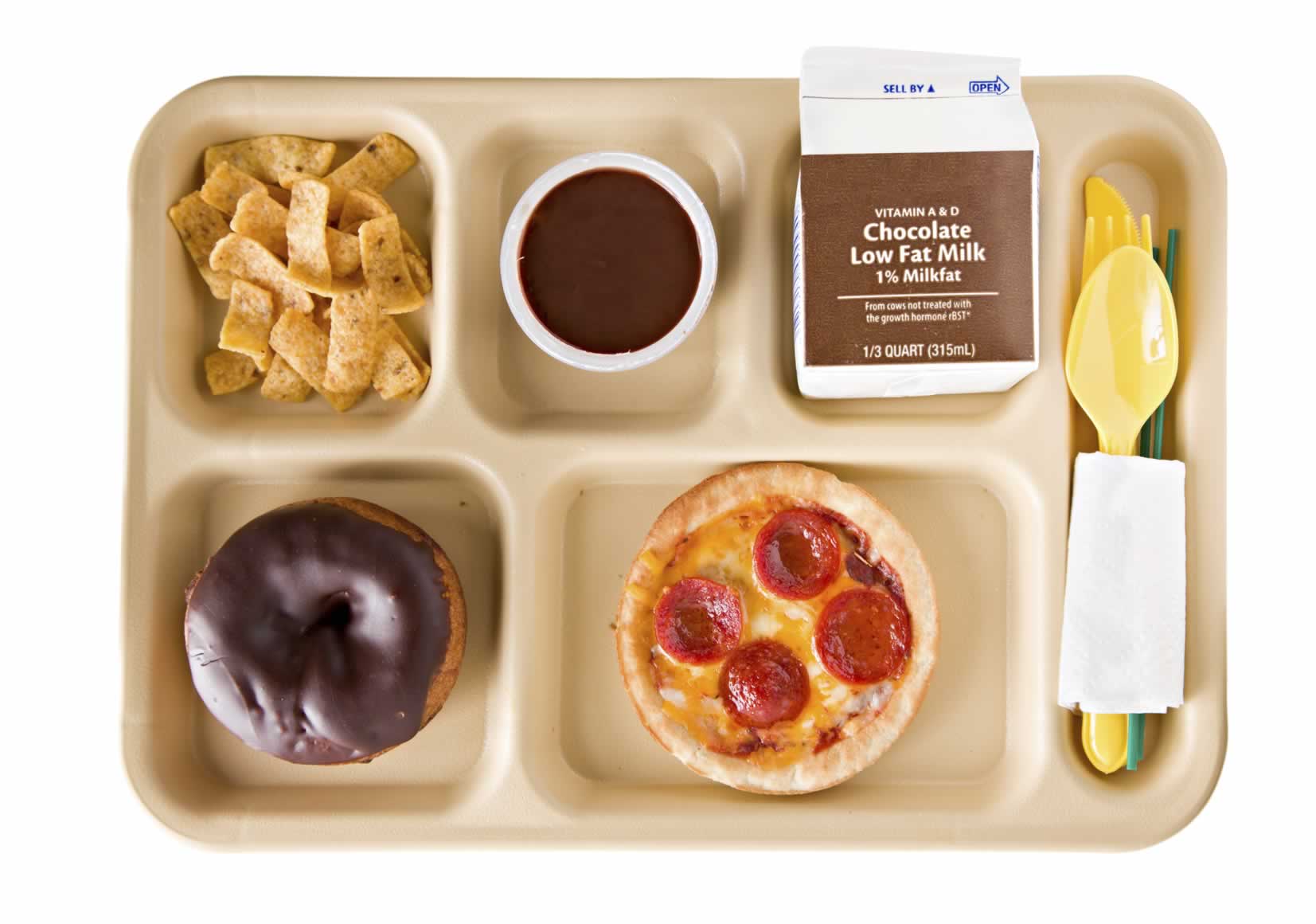
I don’t care what kids say—the school lunch lady is not trying to kill them. The federal government is. Well, I have my suspicions, at least. Many of the meals served as part of the National School Lunch Program are high in fat and cholesterol and contain considerably more sodium than fiber. They’re a heart attack in the making. I wonder if that’s why the American Heart Association has warned us that atherosclerosis—hardening of the arteries—begins in childhood and progresses into adulthood, at which point it can lead  to coronary heart disease.

Unhealthy school lunch© iStock.com/DebbiSmirnoff

Most schools serve the same artery-clogging slop that was served when I was a student and frozen meals still had to be baked in the oven. How can we expect students to take a health teacher’s “healthy eating tips” seriously when the school cafeteria is serving unhealthy foods?

Salisbury steak, pepperoni pizza and chicken nuggets need to go the way of film projectors and hand-crank pencil sharpeners. And fast-food corporations should also be expelled from schools—or at least suspended until they serve more plant-based meals.

As Dr. Neal Barnard, the president of the nonprofit Physicians Committee for Responsible Medicine, says, “Fresh produce, legumes, whole grains, nuts, and seeds are nutritional powerhouses that study after study has shown to be quite literally lifesaving .… [D]iets high in animal protein are associated with a fourfold increase in the chance of dying from cancer or diabetes—making heavy meat and dairy consumption just as dangerous as smoking.”

Responsible parents teach their children not to smoke because cigarettes cause cancer and other health problems. For the same reason, they should make sure their kids don’t get hooked on hamburgers and other unhealthy foods. Let’s put more emphasis on teaching children to eat vegan meals—at school and at home. Kids will gladly eat plant-based meals, such as pasta, veggie burgers and black bean chili, if they’re delicious as well as nutritious.

Knowing this, the Coalition for Healthy School Food created the Cool School Food program to develop, test and implement plant-based meals in school cafeterias. The program—which helped two public schools in New York implement the first entirely plant-based school menus in the U.S.—aims to make it fun and exciting for young people to try new foods and learn about their health benefits.

Fruit© iStock.com/egal

Food Is Elementary, another school program that was recently featured in VegNews magazine, is also working to introduce children to plant-based foods, which the kids prepare and eat as part of a curriculum established by the founder of the Food Studies Institute, a New York-based nonprofit that helps school cafeterias incorporate low-fat, high-fiber foods into their menus.

We need more programs like these. Students are fed up with the unappetizing, inhumane and potentially disease-promoting fare that passes as lunch in many school cafeterias. Last year, students at Theodore Roosevelt High School in Chicago boycotted school lunch in an attempt to persuade officials to serve healthier meals, including more fresh fruit and vegetables.

That’s hardly an unreasonable request. The school cafeteria is supposed to be a source of nourishment, not disease. This year’s National School Lunch Week, which will be observed in October, aims to remind “parents, students and school officials that a healthy lunch helps students power through the day!”

But how can we expect kids to make it through the day—and learn compassion and empathy—if they’re eating unhealthy animal-based foods? We need to teach children that “v” is for vegan and serve them healthy, tasty, cruelty-free plant-based foods that won’t cause them to heap scorn on the lunch lady.

Heather Moore is a senior writer for the PETA Foundation, 501 Front St., Norfolk, VA 23510; www.PETA.org.

The post Opinion: Too Many Schools Are Still Flunking Lunch appeared first on PETA.

Opinion: This Election Season, Let’s Cut the Pork

Opinion: This Election Season, Let’s Cut the Pork

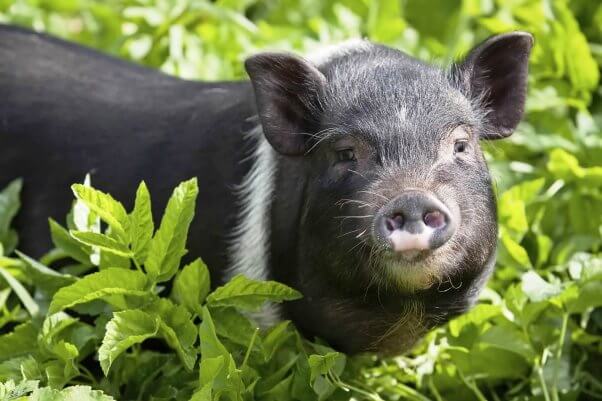
In this vitriolic campaign season, it may seem like there’s more that divides Americans than unites us. But there is one issue that we should all readily agree on: We need to cut the pork.

I mean the kind that comes from pigs.

Pig© iStock.com/Edoma

A pork-free platform appeals to the entire political spectrum. Blue-collar Americans should naturally hate pork production, as it exposes workers to neurological hazards and injuries from dangerous equipment—last year, the top four U.S. meat companies averaged a “serious” worker injury every two and a half days.

Middle America knows that it loses when the pig industry comes to town. Their property values plummet and noxious fumes from pig waste affect their ability to enjoy their own homes. Worse, studies have found that people who live near pig farms report more headaches and diarrhea than other communities and suffer from “significantly reduced lung function.”

Environmentalists can’t stand that a pound of pork requires more than double the amount of water to produce that a pound of soybeans requires. And since one pig produces as much fecal matter in a day as 10 humans, they cringe, knowing porcine excrement leaches into our water and soil.

Meanwhile, nationalists are outraged that many pigs are raised and slaughtered in this country just so that the flesh can then be shipped to China. That a Chinese company now owns America’s largest pork producer is no doubt considered an additional insult.

Doctors, nurses and nutritionists shudder at the thought that their patients might be consuming processed pork products: Just one hot dog or a few strips of bacon per day increases the risk of developing cancers of the lower stomach and colon by 18 percent, while women who eat just one strip of bacon per day may be increasing their risk of breast cancer by 42 percent.

Parents have heard pediatricians warn against giving unnecessary antibiotics to children and are disgusted that pig farmers around the world use nearly four times as much of these drugs as other animal farmers per pound of flesh produced. And it’s equally upsetting that the children of women who consume cured meats daily during pregnancy run a “substantial risk” of developing a pediatric brain tumor.

Retired Americans want nothing to do with the forecasted increase in pork prices, nor do they want to eat bacon, sausage and other pig-derived meat, given that these foods have been linked to plaque buildup in the brain, impaired cognitive function and Alzheimer’s.

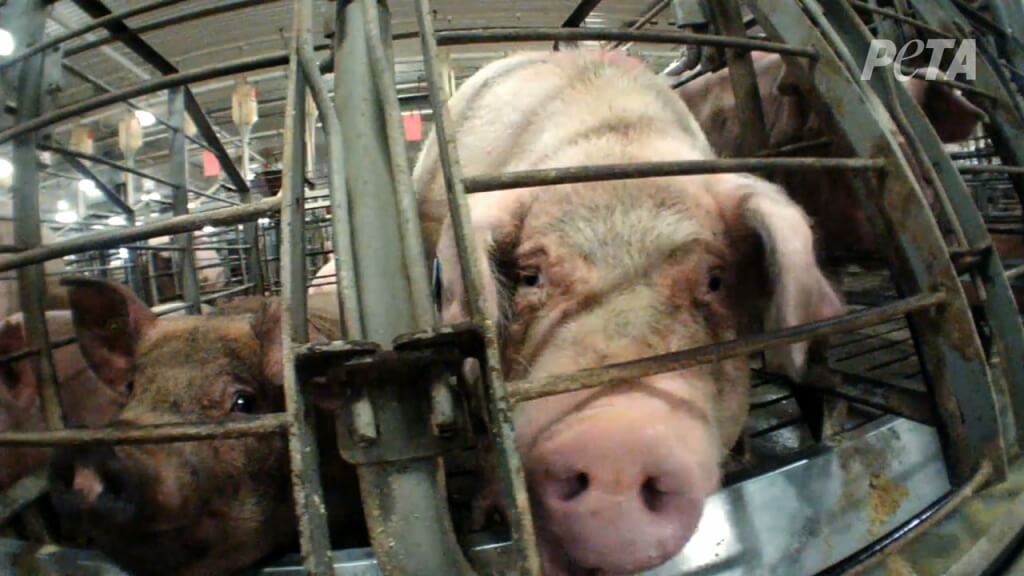
Feminists are livid that sows are confined for their entire pregnancy to crates so small that they can’t even turn around. And it’s almost too much to bear that a mother’s piglets are taken away from her just days after birth, never to be seen again.

A Mother Pig in a Gestation Crate on a Factory Farm

Animal behaviorists know that pigs form strong bonds with one another and are highly intelligent animals who can even play video games and use mirrors to find food. But they also know that farmed pigs are castrated without painkillers and shipped without water or protection from the elements to slaughterhouses all across the U.S., where they squeal in terror as they’re about to be killed.

Finally, millions of Americans can attest to the fact that any food made from animals—from sausage to smoky bacon—can also be made from plants and that these options are delicious and cholesterol-free.

So let’s rise above the political fray this election year: Cut the pork, and go vegan.

The post Opinion: This Election Season, Let’s Cut the Pork appeared first on PETA.