Awesome Arachnids: Spider Facts That Will Fascinate You

There are nearly 45,000 species of spiders, who are masters of adaptation. They’ve been found on every continent except Antarctica and vary greatly in size, shape, web patterns, and habitats. No matter where you may find a spider, you’ll be ready to meet them with respect if you know more about them.
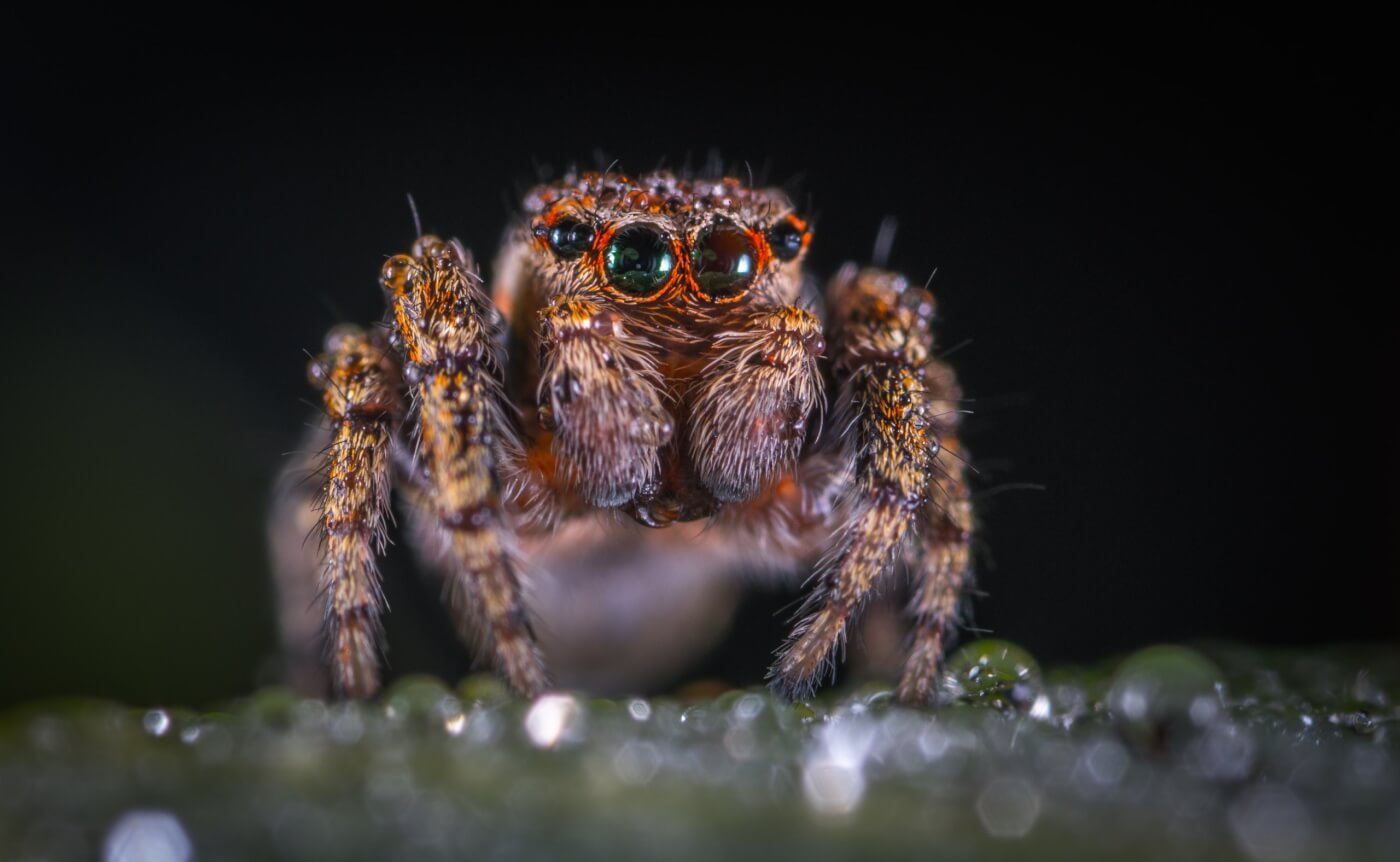
a small fuzzy spider looking at the camera.

Spiders Are Scared of Humans

If you’ve ever tried to scoop up a spider to help relocate them, you know they play hard to get—the truth is, they’re afraid of you. If spiders knew how many humans have arachnophobia (an irrational fear of spiders), maybe they’d be a little bolder.

Spiders naturally stay out of our way and look for food in places where we won’t be. So if you see a spider you don’t need to move for their safety, live and let live, knowing that they won’t be coming for you.

via GIPHY

Every Day Is Leg Day for Spiders

If you’ve ever noticed a spider moving with jerky, sudden motions, you might find yourself alarmed. Rest assured, they’re not trying to scare you! They move like that because their legs are hydraulic in nature. They extend their limbs with fluid pressure, not muscles (which are only used to contract their legs). This unique combination of leg mechanisms means many spiders are able to jump long distances by “catapulting.”

To pick up our eight-legged friends, check out PETA’s Humane Bug Catcher, complete with a sliding door to make insect transport safe and easy.

a close photo of a human yawning in bed, with a sleep mask on

No, We Don’t Swallow Spiders in Our Sleep

You can rest easy knowing that spiders aren’t tumbling into your mouth while you sleep—the oft-cited “humans eat four spiders a year” is an urban legend. Although some spiders prefer moist environments, they’ll pick a damper, less busy room (like an unfinished basement) over your bedroom (and mouth).

Parachuting Spiders in Your Area?

They don’t pose any risk to humans or our animal companions, but they do have a fun trick up their sleeves. Some have called Jorōs “parachuting spiders,” but they’re doing something most orb-weaver spiders do: “ballooning.” Many adult spiders are too heavy for it, but babies and smaller spiders are able to release webs during strong winds to hitch a ride, sending them tens of miles in the process.

In the unlikely event that a spider happens to drift onto you, remember that ballooning spiders aren’t venomous. Patiently coax them onto your hand or a piece of paper, and drop them off somewhere like a tree or a shrub so they can get to work on a web.

Do Spiders Dream of a Restful Sleep?

We don’t know yet if spiders experience REM sleep, but some species are able to “shut down” in perfect stillness without food for six months, springing right back into action when they sense food nearby. How’s that for a power nap?

If you see a spider staying still in their web, don’t assume they’ve died—see if they’re alive before tearing their hard work down. Try blowing on their body or their web behind them gently to check for signs of life.
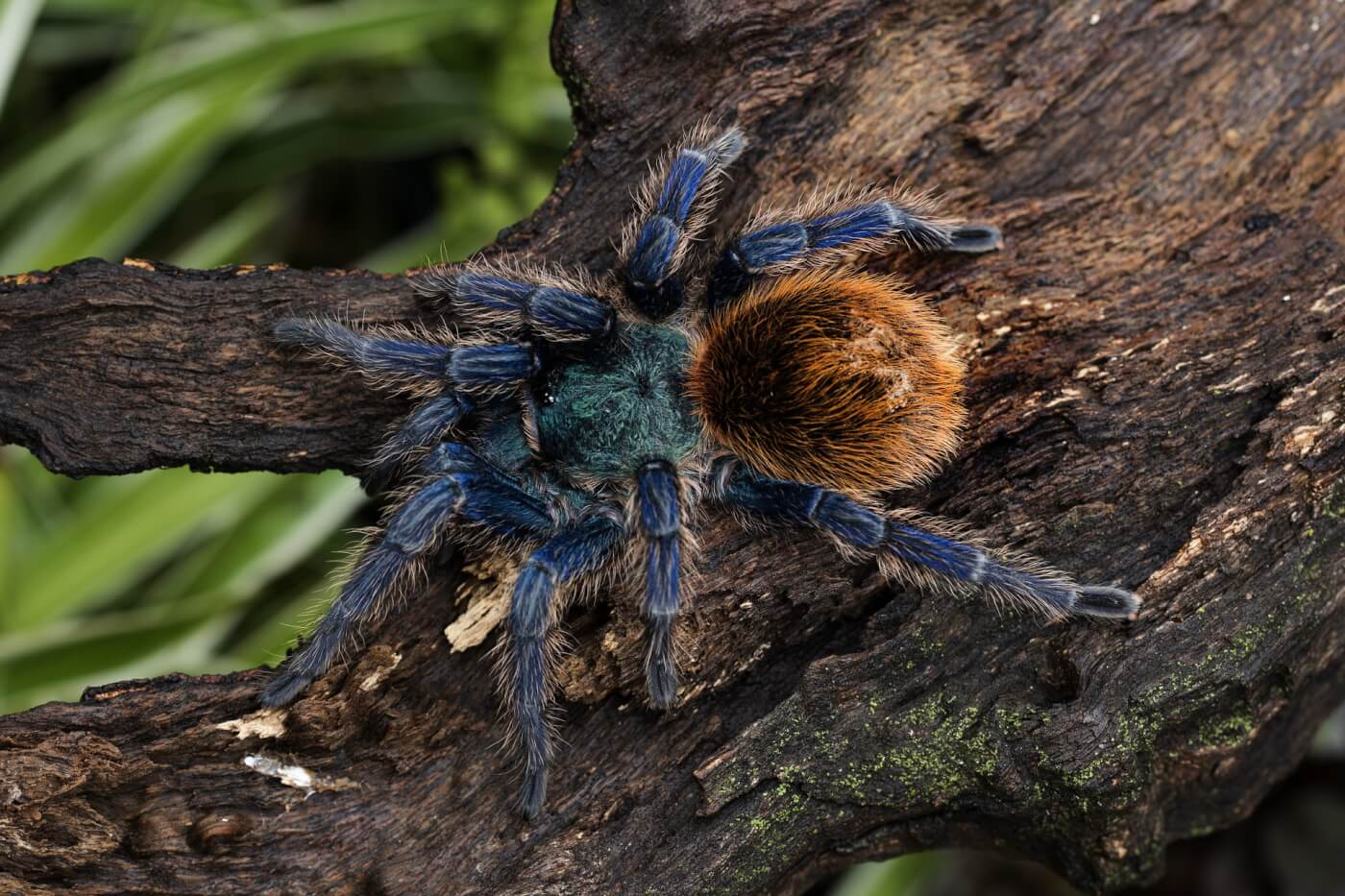
Tarantulas: Amazing Spiders, Never ‘Pets’

Tarantulas live in underground burrows in many drier environments, including the tropics, deserts, and mountains. Unlike most spiders, they don’t use their silk to make webs—it’s mostly used to reinforce their homes. They can also replace their lost legs during their molting process, which happens once or twice a year.

Tarantulas are beautiful, fascinating beings who love to dance for romance—but they don’t have feelings for you. Spare tarantulas, who can live for multiple decades, a horrible existence of capture, breeding, and transport (in which many die), just to be locked in an enclosure for years. There’s no responsible or ethical way to care for a tarantula, and the only time you should see one is if you’re lucky enough to spot them in nature.

Learn more about tarantulas and why they should never be considered companions.

Humanely Excluding Spiders and Insects

We think you’ll agree: Spiders are fascinating, if often misunderstood. Learn more about how to humanely deter spiders and bugs from areas and how to relocate them if you need to.
The post Awesome Arachnids: Spider Facts That Will Fascinate You appeared first on PETA.
What Cows Want More Than Anything (Hint: It’s Not Tech)

With health and wellness technology in the limelight, we’ve seen plenty of devices that benefit animals: Microchips have helped us reunite with lost companions for decades, and now there are weight-detecting litterboxes, health-tracking smart collars, and 3D-printed custom prosthetics. It’s wonderful that technology can help us look out for our fellow animals.

But people who exploit mother cows for their milk have embraced technology for a much darker purpose: squeezing as much profit as they can out of suffering animals. Devices like milk-monitoring boxes and health-tracking collars are sold with the promise of helping them, but they’re actually used to tell farmers when to forcibly impregnate cows in order to boost supplies of stolen milk.

Fortunately, we know a few things that really make cows happy:

Soft Grass Under Their Hooves and in Their Stomachs

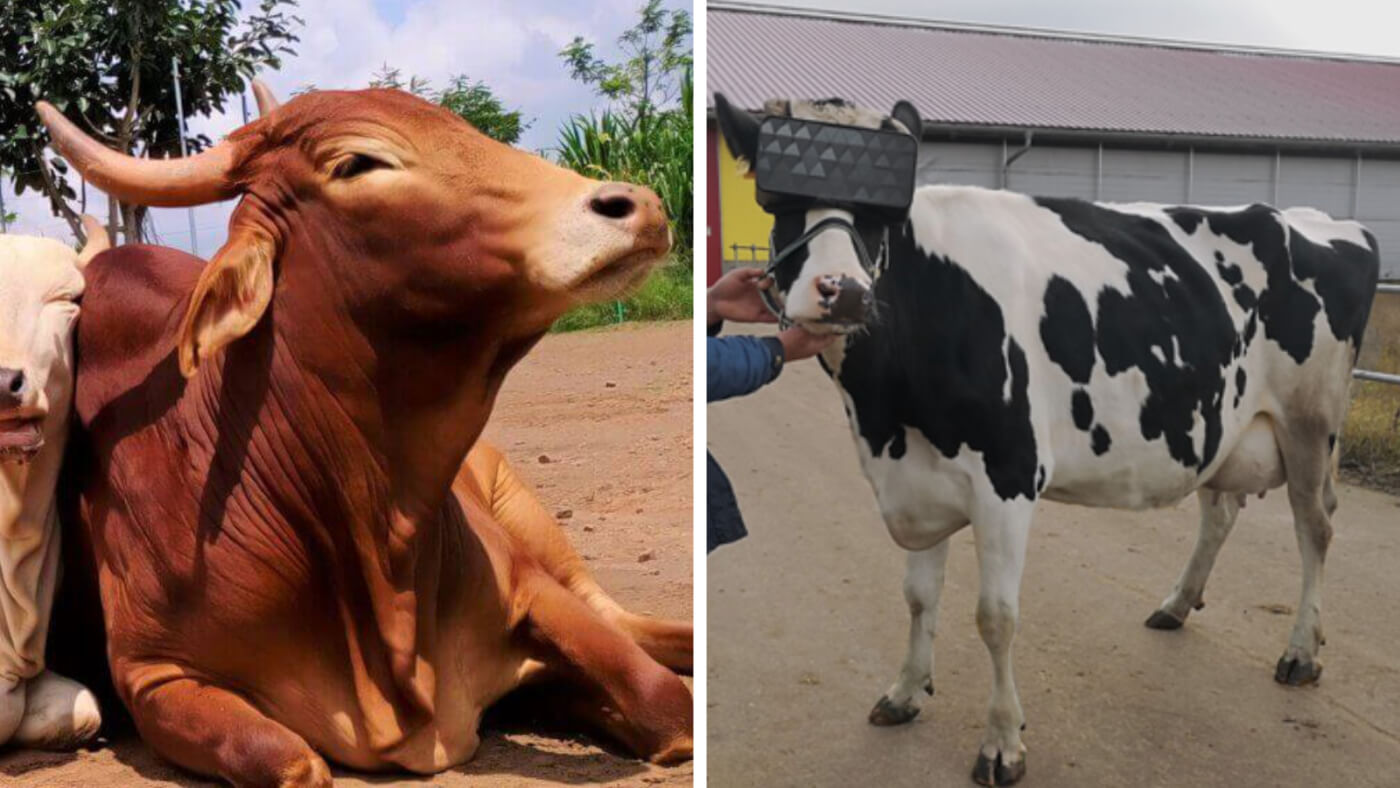
a side-by-side image comparison showing a picture of a happy cow next to a cow with virtual reality goggles on.

Who looks happier to you?

Cows love to hang out on soft grass instead of standing in crowded lots full of their own feces. Under 5% of lactating cows in the U.S. are allowed regular access to grassy fields during the grazing season. The farmer pictured below even strapped a pair of virtual reality goggles onto a cow in order to show her a beautiful field instead. This is so disrespectful. Just give her the goods!

Human Care, Not Human Domination

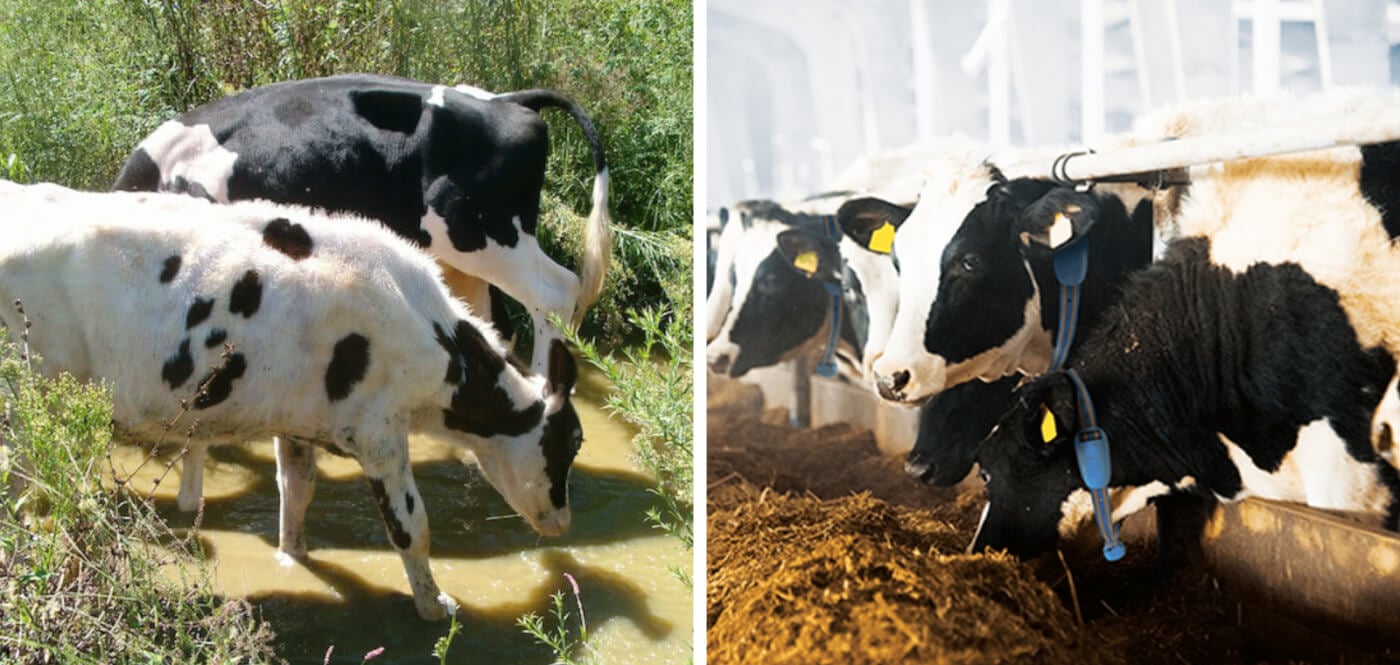
Would you prefer the freedom to gather at a watering hole with your buddies or a collar that tracked your bodily functions?

People who exploit cows for profit have another option: letting them graze, play, and otherwise exist in peace instead of forcibly impregnating them and stealing the milk meant for their babies. For those who truly want to care for cows, farm sanctuaries are the perfect place to shower them with all the resources and affection they want.

The Opportunity to Raise Their Calves

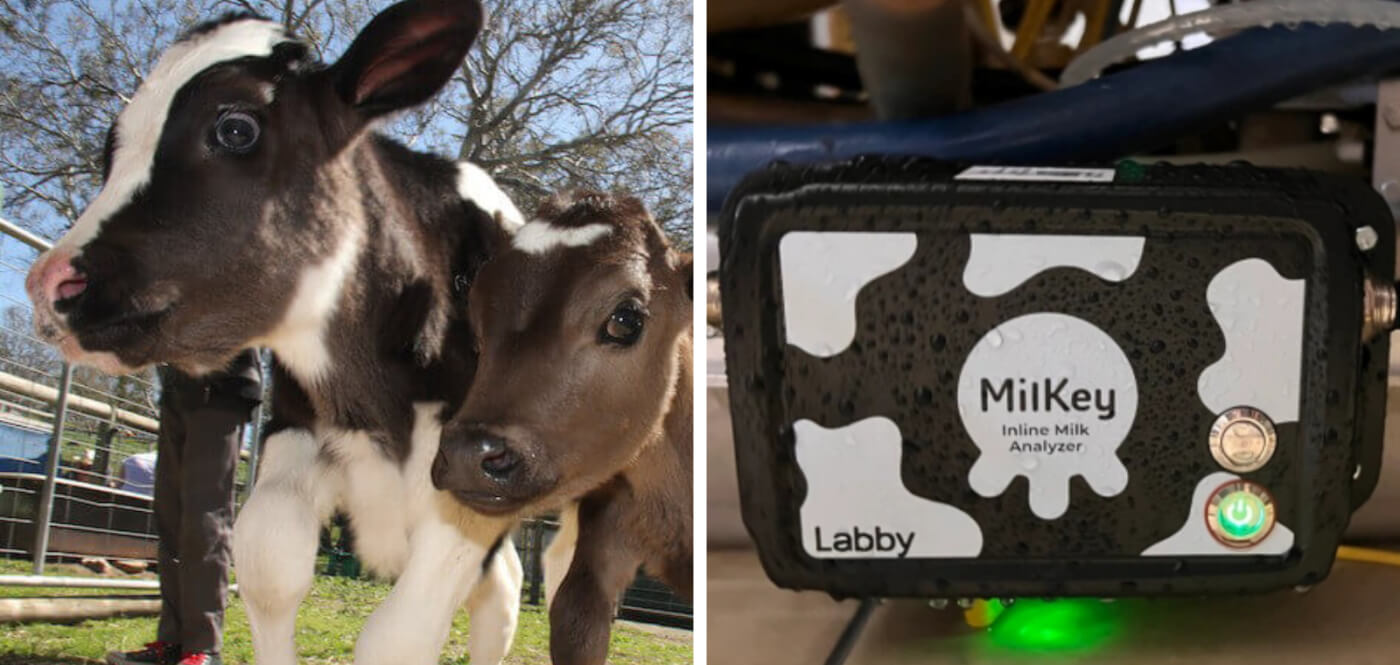
a side-by-side comparison of a calf and mother cow next to an inline milk analyzing device

Mother cows enjoy time with their calves, not with milk monitors.

Instead of monitoring milk in order to spot the signs of painful bacterial infections of cows’ udders, we can leave their teats out of filthy, harsh milking machines. Cows’ make milk for only one reason: to feed their calves.

Mother-calf bonds are strong, and there are countless reports of mother cows who continue to call and search frantically for their babies after the calves have been taken away and sold to veal or beef farms. Staying away from mother cows and their young would make a meaningful difference in their lives.

Cows Need Dignity Before Technology

No amount of technology will make animals happy if we don’t respect them. We can do that by not eating them, stealing the milk meant for their babies, or harming them in any other way.

By going vegan, you can save nearly 200 animals a year—including cows—who want nothing more than to be left in peace. Check out our free vegan starter kit with all the tips you’ll need to get started living compassionately today!

Order a Free Vegan Starter Kit!

The post What Cows Want More Than Anything (Hint: It’s Not Tech) appeared first on PETA.

The USDA Is Asking for Public Comments After PETA Petition Demands Stronger Regulations

After PETA sent our petition for rulemaking to the U.S. Department of Agriculture (USDA) in 2022, calling on it to adopt new regulations for large carnivores, including a requirement for environmental enrichment, the agency has published an Advance Notice of Proposed Rulemaking (ANPR) and is soliciting public comments on certain updates to rules regarding contact, handling, and housing requirements of captive wild animals. The ANPR is, in part, a response to our petition, and we’re committed to contributing information to help guide the agency’s changes through this public comment period.

The amount of harm uncovered at roadside zoos in recent years—including the deaths of five sugar gliders in a pipe at the despicable SeaQuest Fort Worth and the conditions at the “fetid and dystopic” Tri-State Zoo that led to the rescue of 78 animals—shows the pressing need for more regulation before exhibitors receive licenses to keep and show sentient beings.

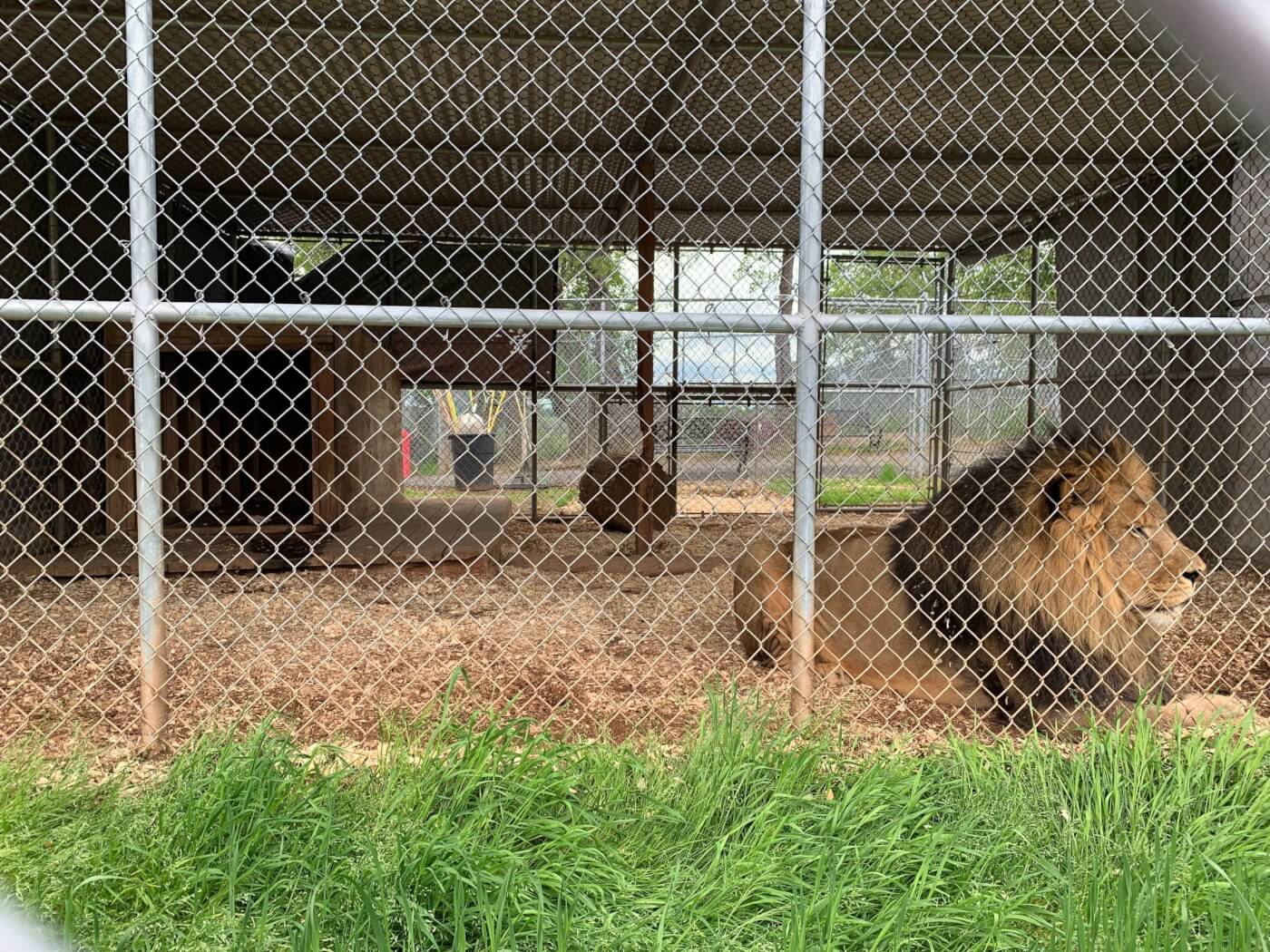
an adult male lion, laying in a barren enclosure looking to the right of frame. the enclosure is fenced in with wire metal lawn fence.

Making Contact Requirements Clear

One change proposed in the ANPR would clarify the requirements for exhibitors to demonstrate “adequate experience and knowledge” of the species being maintained and to maintain “sufficient distance and/or barriers between the animal and the general viewing public.”

It’s extremely important that these proposed changes be implemented, because of the sheer number of citations that the USDA issues to roadside zoos for animal and human injuries involving USDA-regulated species. Additionally, animals—such as the bear cubs at Yellowstone Bear World and Oswald’s Bear Ranch—are tormented by despicable exhibitors during dangerous public handling events.

Our 2022 petition specifically called on the USDA to publish targeted regulations for the care, handling, and transportation of big cats, bears, wolves, wolf-dog hybrids, and hyenas.

Requiring Stimulating Enclosures

Another proposal would require programs of environmental enrichment for all USDA-regulated animals in the custody of an exhibitor, which could help alleviate boredom and psychological distress for animals who are subject to extreme distress without stimulation or a semi-natural habitat.

PETA Will Stay Involved

In the coming months, PETA’s legal, animal welfare, and veterinary experts will be preparing comments urging the USDA to adopt strict requirements for federal Animal Welfare Act licensees to prove that they have sufficient experience and knowledge of the species they are responsible for, to prohibit public contact with all USDA-regulated wild animals, and to establish stringent requirements for meaningful, daily environmental enrichment for animals.

We will also offer detailed guidelines to PETA members and supporters so they can submit their own comments to the USDA on these critically important proposals. The ANPR is now open for public comment, with comments due on March 10.

Speak Up for Animals Today

In the meantime, please take the opportunity to speak out against the tourist trap animal exhibitors and shoddy roadside zoos around the country, which cause animals to continue to suffer.

The post The USDA Is Asking for Public Comments After PETA Petition Demands Stronger Regulations appeared first on PETA.

Moolah Shrine Drops Elephants From Its Circus—Other Shrines Should Follow Suit

Following months of protests, appeals from over 60,000 PETA supporters, and an assault on two nonviolent protesters—which was caught on video—the Moolah Shrine has finally declared that it’s ending its use of elephants. The Moolah Shrine Circus was among the last remaining shows that still exploited wild animals who were confined to small crates, kept in shackles, and deprived of any semblance of a natural life.

Shrine circuses routinely work with notoriously cruel exhibitors who supply the animals for their acts. Video footage of a veteran trainer, who often presented the elephants at the Moolah Shrine Circus, shows him instructing trainers to sink bullhooks into elephants’ flesh and twist them until the animals scream.

The writing has been on the wall for ages: Circus acts that exploit animals need to go. Many other circuses have already moved away from using animals. Ringling Bros. and Barnum & Bailey Circus announced its return to the big top using only willing human participants. The Western Montana Shrine Circus ended wild-animal acts, and Shrine circuses in Canada haven’t used wild animals in years. The Moolah Shrine itself had already stopped using big cats and bears in its acts, and this most recent decision furthers its transition toward modern times. We hope its decision will be a lesson to every other holdout Shrine that it’s time to stop fighting the future and start switching to animal-free circuses that dazzle audiences with human talent.

From Circus to ‘Retirement’ at a Roadside Zoo

However, not all the news is rosy—the elephants live at the deceptively named Endangered Ark Foundation, an infamous Oklahoma facility run by Carson & Barnes Circus, a longtime partner of the Moolah Shrine Circus. Carson & Barnes has racked up over 100 federal Animal Welfare Act citations. The Endangered Ark Foundation chains “retired” elephants, breeds them, and uses them for photo opportunities and other entertainment. Does that sound like retirement to you? PETA will continue to advocate in behalf of the elephants who live at this roadside zoo.

Speak Out Against Shrine Circuses!

Tell Shriners that their circus acts would be safer, more entertaining, and better off without forcing animals to perform confusing, painful tricks under the threat of violence.

Tell Shriners: Stop Exploiting Animals!

The post Moolah Shrine Drops Elephants From Its Circus—Other Shrines Should Follow Suit appeared first on PETA.

Punk Pioneer Vivienne Westwood Was an Animal Rights Trailblazer

Dame Vivienne Westwood famously defined the fashion aesthetic of London’s punk movement in the 1970s—think safety pins, studs, and tartan—and helped to create the Sex Pistols’ iconic look. But long after punk’s heyday, the edgy British designer continued to push fashion forward. In 2007, before vegan couture had become mainstream, Westwood banned fur from her lines after meeting with representatives of PETA U.K. and learning about the suffering that animals endure before they’re used for fur coats, collars, and cuffs. The last of Westwood’s fur items were eight rabbit fur handbags, which her company allowed PETA U.K. to donate to a wildlife sanctuary to be used to for orphaned baby animals to snuggle up to.

Westwood’s fur ban went hand in hand with her commitment to environmental issues and her call for true sustainability in the fashion industry. Most animals killed for fur today are raised on factory farms, which produce tens of thousands of tons of waste every year, and fur garments are treated with a stew of toxic chemicals to keep them from decomposing—making fur neither kind nor sustainable.

Westwood’s innovative, animal-friendly accessories—such as the skin-free Derby Bag and Jungle Crocodile Bag—also scored multiple wins in PETA U.K.’s annual Vegan Fashion Awards.

Several years after stripping fur from her collections, Dame Vivienne stripped down to a shower cap for a provocative PETA video about the meat industry’s depletion of world water supplies. “I am an eco-warrior, but I take long showers with a clean conscience because I’m vegetarian,” she said in the spot, which launched in 2014. As a piece in The New York Times pointed out at the time, it takes 4 million gallons of water to produce 1 ton of beef but just 85,000 gallons to produce a ton of vegetables. “By avoiding meat, you do more for the environment than recycling or driving a hybrid car,” Westwood said.

Speaking out against disposable “fast fashion,” Westwood once urged consumers, “[I]nvest in the world. Don’t invest in fashion, but invest in the world.” Her quintessential, animal-friendly clothing and accessories prove that we can do both.

The post Punk Pioneer Vivienne Westwood Was an Animal Rights Trailblazer appeared first on PETA.