Following a PETA investigation that exposed Steve Asmussen for exploiting workers, among other abuses, the notorious horse trainer has settled another federal lawsuit on wage theft.
According to the proposed settlement documents, Asmussen has agreed to pay $600,000 in back wages and penalties for violations between 2016 and 2020 as a result of a lawsuit by the U.S. Department of Labor (DOL) over alleged violations of the Fair Labor Standards Act. The federal lawsuit alleges that Asmussen failed to pay overtime to 170 employees, including grooms and hot walkers, at New York state tracks. As PETA documented, Asmussen makes his money on the backs of abused horses and exploited employees.
In 2013, a PETA investigator documented that Asmussen drugged sore, injured horses in order to mask pain and make them run faster—but we didn’t just catch the trainer exploiting horses. That same investigation uncovered that Asmussen subjected employees to callous working conditions, including having to work hard, long hours for little pay and often having to sleep in barns and tack rooms. Asmussen and assistant Scott Blasi also required that undocumented workers obtain fake identification and Social Security cards so that they could be hired.
This is the third lawsuit that the DOL has slapped Asmussen with—which isn’t a shock, considering how widespread labor violations are in the horse training industry. In 2020, trainer George Weaver settled with the DOL for $425,000 after the agency said that he had failed to pay employees the required hourly wage and for overtime. And in 2019, trainer Chad Brown paid $1,617,673 for violations that included failure to provide wages promised and misrepresentation of job terms and conditions.
Part of PETA’s investigation into Asmussen’s activities took place in New York, and both Weaver and Brown were investigated and prosecuted in New York, which directs more than $230 million in annual support payments to horse racing. Even with increased purses with help from state subsidies, Asmussen and other trainers are still stealing from their employees. From workers who make dirt wages to horses who sustain fatal injuries at alarming rates, it’s clear that more rules need to be implemented in order to protect exploited individuals in the horse racing industry.
Take Action to Keep Horses Safe
In 2020, 69 horses died at New York racetracks, and the New York State Gaming Commission hasn’t done enough to prevent even more horses from dying. Please tell the commission to act right now:
The CDC is entrusted with the health of our nation, particularly now, during the COVID-19 pandemic, but apparently, it can’t even be trusted to follow the most minimal of animal welfare guidelines.
These are just a few examples from the extensive list of incidents at CDC Atlanta and Fort Collins between November 2017 and April 2021 that show a pattern of outright carelessness and utter disregard for animal welfare:
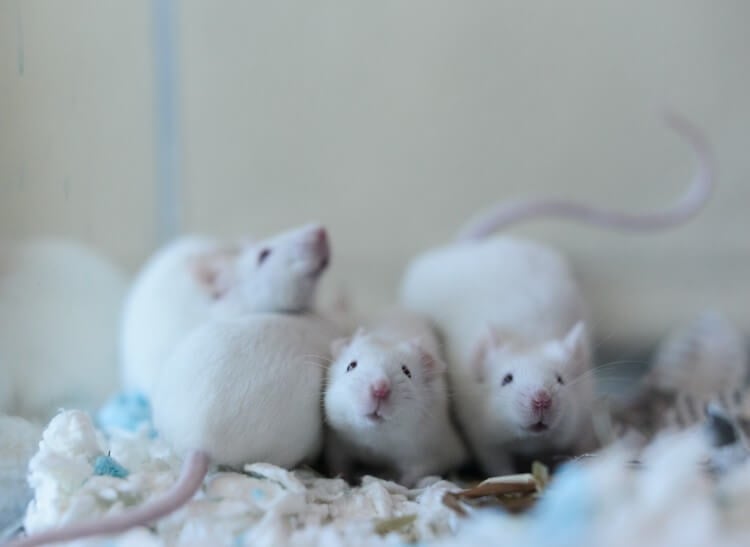
A mouse was steamed to death after a staff member failed to notice that the animal was still inside a cage before it was placed in a sterilizing machine.
A mouse trapped in a food dispenser died from dehydration after staff failed to notice the animal’s plight. Four mice were left without food, and one starved to death.
Several rats died after staff members administered the wrong dose of anesthesia.
A prairie dog had to be euthanized after staff members failed to notice for a week that the animal had sustained wounds in a fight, lost weight, and developed sepsis.
Fifty-five chicks died—five of them likely from starvation—in two separate incidents after staff members placed eggs inside incubators instead of refrigerators.
Forty-two mice were left without oxygen and four of them died because staff members failed to plug their cages into an air supply.
Multiple guinea pigs didn’t have access to water for 48 hours because staff failed to notice that a water dispenser was defective. One of the animals had to be euthanized.
A vaginal ring was implanted into a female monkey and left there for nearly three years instead of the intended 14 days because staff members failed to find the ring and simply assumed that the monkey had removed it herself. After almost three years, a mass was detected in her body, where the ring was “partially encased in a mineral-like substance.”
The CDC Has Gotten Away With Its Blatant Disregard for Animal Well-Being for Years
These are just some of the incidents—which are apparently nothing new for the CDC. In 2005, its accreditation was put on probationary status for a host of problems, including blatant negligence that left six monkeys dead. Sixteen years later, it looks as though nothing has changed. It’s clear that the only way to protect animals is not to use them in laboratories at all.
Help Animals Suffering in Laboratories—Support PETA’s New Deal!
It doesn’t matter if a laboratory is accredited or not—there is no humane way to use animals, who have families, emotions, and interests of their own, for experimentation. That’s why PETA’s Research Modernization Deal outlines a plan to replace animals used in experiments with humane, forward-thinking research methods. Help us spare animals suffering in labs:
Summer has arrived! As the interest in beach reads and helping animals reaches an all-time high, PETA is sharing 10 titles that offer exciting stories about a boy who set out to help two captive bears and succeeded, an animal experimenter’s change of heart, what makes animals our kin, fabulous vegan food and fashion tips, and more.
Whether you’re a college student on vacation or a retiree lounging poolside, our summer reading list will deepen your appreciation of all the wondrous animals who share our world and how human supremacism sometimes unfairly relegates them to the laboratory cage or the dinner plate.
So, what are you waiting for? Pop into your local bookshop or fire up that Amazon account—this summer is going to be lit(erary):
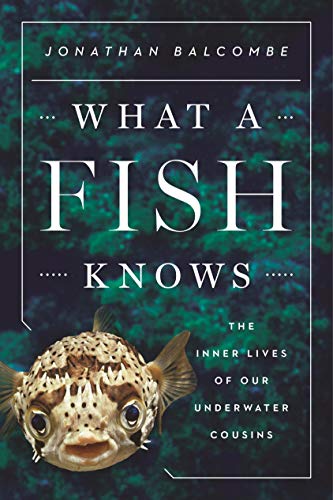
Do you know what fish know? Jonathan Balcombe does, and he’s sharing it with us in his groundbreaking book. You’ll learn about the loyalty of rabbitfish, guppies’ mirthful way of attracting the ladies, French grunt fish and the surprising reason why they grind their teeth, and goldfish’s remarkable ability to differentiate between two famous composers.
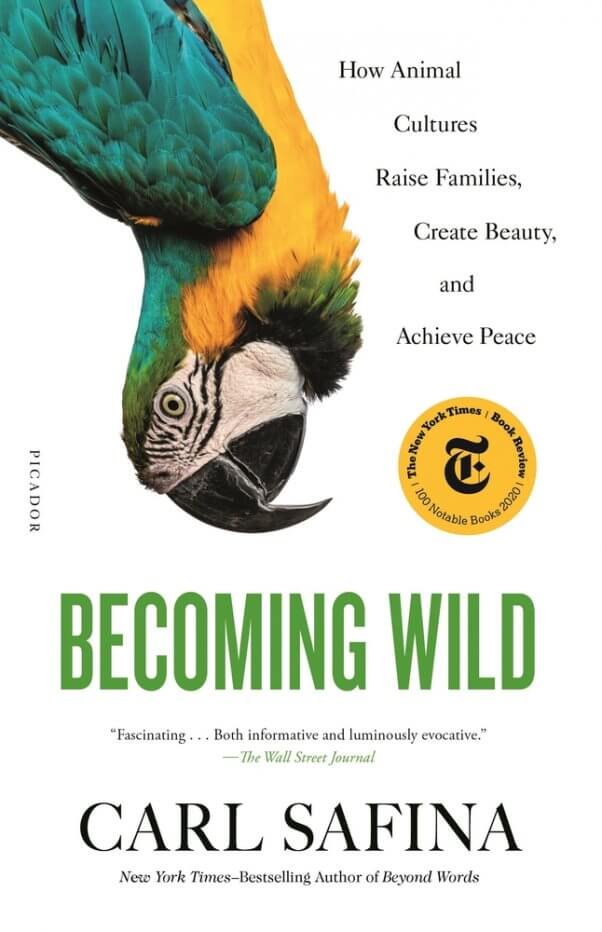
The Washington Post said, “In this superbly articulate cri de coeur, Safina gives us a new way of looking at the natural world that is radically different.” It’s a passionate appeal that reinforces what PETA’s been saying for decades—we are all animals. Becoming Wild truly drives this point home.
Set a reminder for June 22 (or just visit Amazon to preorder), because Bear Boy—a book that Jane Goodall said she simply couldn’t put down—will be available for purchase. The young-adult memoir is truly a story for all ages—adults and teens alike will marvel at main character Justin’s quest to help to two black bears languishing at a ramshackle roadside zoo. Will Justin be able to raise the quarter of a million dollars necessary to rehome them? And what will he discover about activism during his pursuit? You’ll just have to order Bear Boy to find out.
With Greta’s Story, former Disney comic author Valentina Camerini gives readers insight into the protest that launched a movement. PETA and our president, Ingrid Newkirk, have long worked to raise awareness of even one person’s ability to effect change—Greta’s Story echoes the sentiment that “[y]ou are never too small to make a difference.”
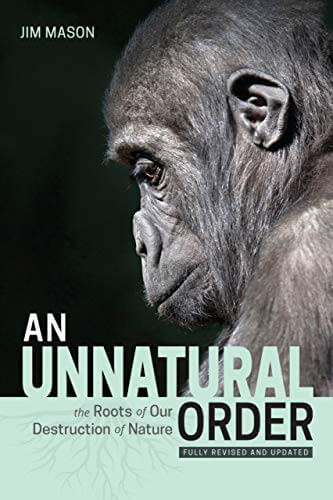
Just as Peter Singer introduced the world to “speciesism” in Animal Liberation, with An Unnatural Order, Mason puts humans’ “dominionist” worldview on readers’ radars—and he does a bang-up job of making sure that his audience wants no part in the human supremacism that he chronicles. It’s why so many walk away from Mason’s “manifesto for change” with plans to start shopping cruelty-free, ditch hamburgers, and boycott the circus. An Unnatural Order is the history book that teachers don’t assign in school—although they should.
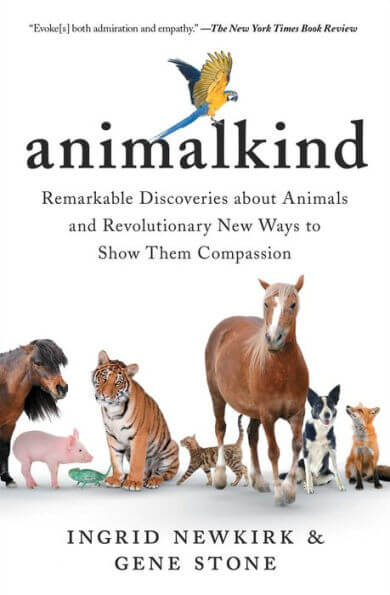
BookAuthority named Animalkind one of the best animal behavior books of all time—and although we may be a bit biased, we think that it’s no wonder why. The bestselling book by Newkirk and acclaimed author Stone is adored by readers, too: “The book is truly inspiring,” said CEO and founder of Sea Shepherd Conservation Society Captain Paul Watson. Order a copy (now in paperback!) to find out for yourself which animals are monogamous, which ruminants are natural “pharmacists,” and why Animalkind is getting such rave reviews.
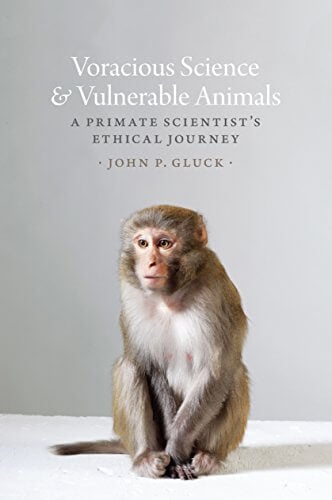
Who better to clue us in to why animals don’t belong in laboratories than a scientist who once experimented on monkeys and then stopped for ethical reasons? In his book, the animal experimenter–turned-bioethicist details how he developed empathy for the macaques he used while working in infamous monkey tormentor Harry Harlow’s laboratory. Through Gluck’s honest story, you, too, will come to understand why using a monkey for “research” is just as unacceptable as experimenting on your beloved animal companion or any other member of your family. For insight into why “[a]nimals are not ours to experiment on” spearheads PETA’s own mission statement, Gluck’s memoir is a great place to start.
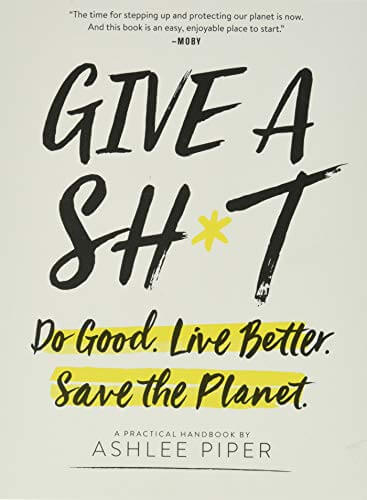
There isn’t much more to explain—TV personality and journalist Ashlee Piper pretty much says it all in the title of her debut book. “If everyone gave a sh*t, we’d have a far better world. [Give a Sh*t] is Making Kind Choices for today’s audience, and I love it,” said Newkirk. To discover why eating dairy isn’t “doing good” and why you can never wear leather and save the planet, pick up a copy of Piper’s guide today.
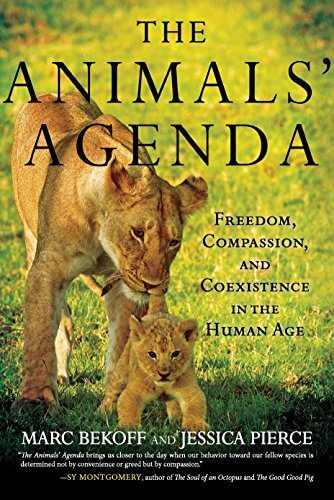
The stories of Cecil the lion and Tilikum the orca broke hearts all over the world. In their revolutionary publication The Animals’ Agenda, animal behaviorist Bekoff and bioethicist Pierce make a convincing case for extending that same compassion to all animals. With just one book, these authors tackle animal experimentation, animal agriculture, hunting, roadside zoos, and marine parks—and they’ll make you want to speak out against them all. If freedom, compassion, and coexistence sound like they’re up your alley, order a copy [link] of this “bold and important book” now.
Like a vegan cookbook for your closet, Vegan Style is truly the guide that every compassionate consumer needs. “I wish I’d had this little gem sooner,” said Shelly Vella, former fashion director at Cosmopolitan U.K. and PETA U.K. Innovation Award winner. Us, too, Shelly—us, too.
Other species are as complex and feeling as we are, and their stories of adventure, heartbreak, and resilience reflect this. That’s why our summer reading list is chock full of compelling narratives as well as tips for keeping your kitchen, wardrobe, and life free of animal suffering. If you loved one of these reads, be sure to let us know on Twitter, [link] and tell your family, friends, and followers to peruse PETA’s publication picks, too:
PETA is a participant in the Amazon Associates Program, an affiliate-advertising program designed to provide websites with a means to earn advertising fees by advertising and linking to Amazon.com.