“Tell everyone we are being massacred”: overlooked war crimes in the Democratic Republic of the Congo

In eastern Democratic Republic of the Congo (DRC), across a vast swathe of mountainous terrain, a conflict is raging that the world has forgotten.

The Allied Democratic Forces, an Islamic State-linked armed group commonly called the ADF, are abducting and killing civilians with alarming frequency, and abusing women and girls as sexual slaves in North Kivu and Ituri provinces. The vast majority of these incidents barely make news headlines.

As a researcher with Amnesty International’s team tasked with investigating war crimes and abuses in crises, I visited North Kivu last month to document the abuses committed by the ADF. Even as I was traveling from one city to another to speak to witnesses of recent attacks, new hit-and-run incursions were taking place in real time.

Men, women and children told me how they ran for their lives as fighters armed with blades and guns descended on their villages. Several shared horror stories about watching loved ones being killed and abducted. Released hostages talked of agonizing spells – sometimes months and years – spent in captivity, practically starved and forced to do various tasks in ADF camps scattered in the region’s thick forests.

However, global media coverage about these attacks has been minimal. While I was in eastern Congo, the steady stream of headlines about DRC focused mostly on the US and Qatari-mediated peace processes in relation to the conflict with the Rwanda-backed March 23 Movement (M23). Meanwhile, the territory of Lubero in North Kivu was experiencing a week-long assault during which ADF fighters went from village to village, hacking people to death with machetes and burning down homes and vital facilities.

ADF attacks on civilians

ADF, which originated in Uganda, has been targeting Congolese civilians since the early 2000s when it moved to eastern DRC. In 2019, the group pledged allegiance to the Islamic State, officially becoming part of an international enterprise. The DRC’s armed forces (FARDC) and their Ugandan counterpart (UPDF) have been engaged in a joint operation against the group since 2021. The UN mission, MONUSCO, has provided support to various Congolese state bodies over the years, though its direct involvement in facing off with the group has had its limitations.

With international and domestic attention shifting to M23’s advances in early 2025, the ADF has seized on the diversion of troops and focus. ADF’s signature ruthlessness expanded both in intensity and geographic reach, further accelerating since August, with civilians rather than security forces primarily being on the receiving end.

I started my investigation in Beni city, the now de facto capital of North Kivu province that has long suffered from ADF violence. Given the group’s deeper push into Lubero Territory, I also traveled to the city of Butembo to speak with survivors who witnessed one of ADF’s bloodiest attacks this year, the 8 September massacre in Ntoyo village.

In that attack, fighters killed more than 60 people, many of whom were attending a funeral wake. Witnesses told me how ADF members had discretely mingled among mourners for hours, before suddenly starting to strike people’s heads with hammers. Throngs of other camouflage-clad fighters soon joined, burning homes and killing more civilians in the village with machetes and guns.
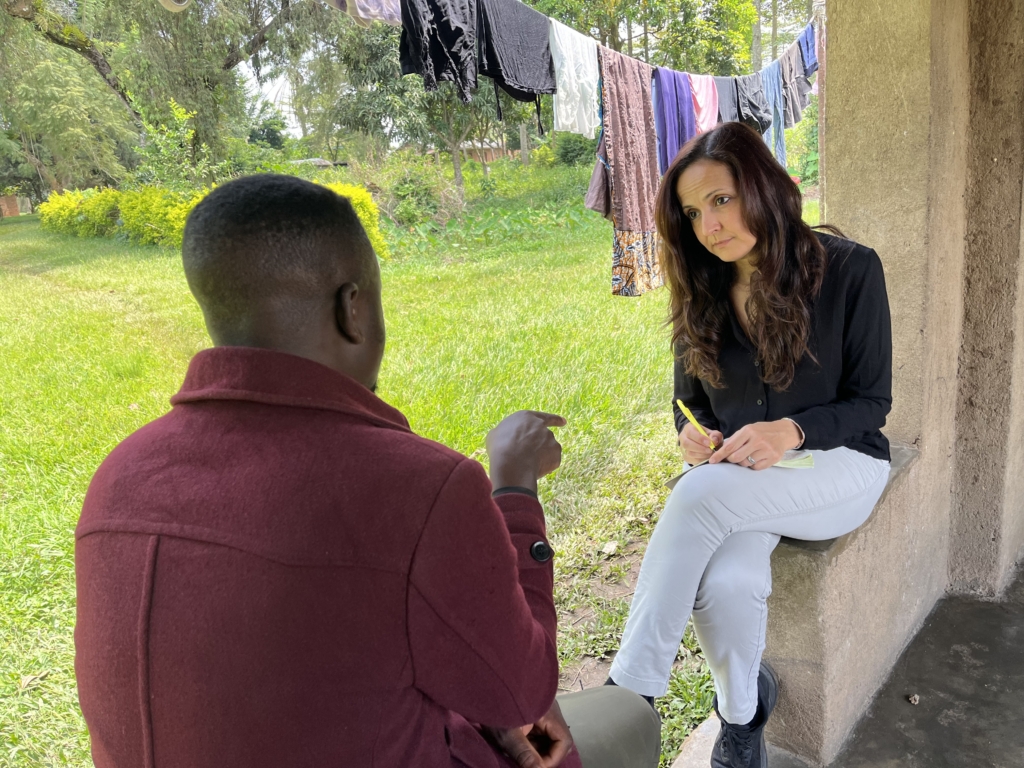
Rawya Rageh interviews a survivor of ADF attacks in the DRC. Copyright: Amnesty International

On the way to Butembo, I started receiving messages from sources about a new attack in Lubero’s Byambwe village. We reached out to community leaders and human rights defenders to help connect us to witnesses to gather their testimony.

Witnesses told me that, as they had in Ntoyo, ADF fighters initially arrived as a nondescript group that included women and children, this time asking for directions to the local hospital.  Then suddenly gunshots rang out at the medical facility. An older person, who managed to escape from the hospital alongside a grandchild, described crawling out of the facility: “You couldn’t stand; they shot at anything that moved.” In total, the fighters killed more than 30 people, including 17 at the health facility.

The fighters did not stop at Byambwe; their rampage continued for days. We held our interviews in Butembo at a medical facility and bodies of ADF victims kept arriving at its morgue during our visit. At one point, we saw relatives packing a body bag into a casket to take it for burial. Grief engulfed not only the mourners, but also the hospital staff who told me of their horror at the string of killings. One said: “Tell everyone we are being massacred.” 

The sense of helplessness was clear in the hospital worker’s tone. It echoed the sentiments of scores of victims with whom I spoke. One group that particularly felt abandoned were the girls and women abducted by the group and forced into “marriages” with ADF fighters. I spoke to six survivors – the “choice”, they were told, was to accept or be killed.

Most escaped from a life of sexual slavery and domestic servitude after operations by FARDC and UPDF that targeted their camps. But they remained shackled by suspicious looks and whispers from their neighbors in their villages, they said.

Those who came home with children described how their own families have rejected the little ones. One woman said pressure by family members to kill her own child almost drove her to taking her own life. These testimonies highlighted the prolonged impact of the group’s violence and the hidden struggle of thousands of victims who need significant and multifaceted support and do not have it.

Civilians must be protected

The international community must step up efforts to support the Congolese authorities to assist survivors, protect civilians and investigate and prosecute ADF’s pervasive war crimes. Despite shortcomings, MONUSCO’s support to Congolese authorities should continue – something the UN Security Council, led by France as the penholder on this file, must bear in mind when the mission’s mandate is up for renewal this month.

In UN hallways, there are whispers that not much shocks anymore when it comes to DRC. But civilians being systematically abducted and murdered with such frequency should not be seen as just another day in eastern DRC.

A comprehensive approach to security, justice and accountability is needed. The world cannot continue to ignore the brutality being meted out by the ADF in eastern DRC. As one survivor told me: “How much more must we suffer before this ends?”

The post “Tell everyone we are being massacred”: overlooked war crimes in the Democratic Republic of the Congo appeared first on Amnesty International.
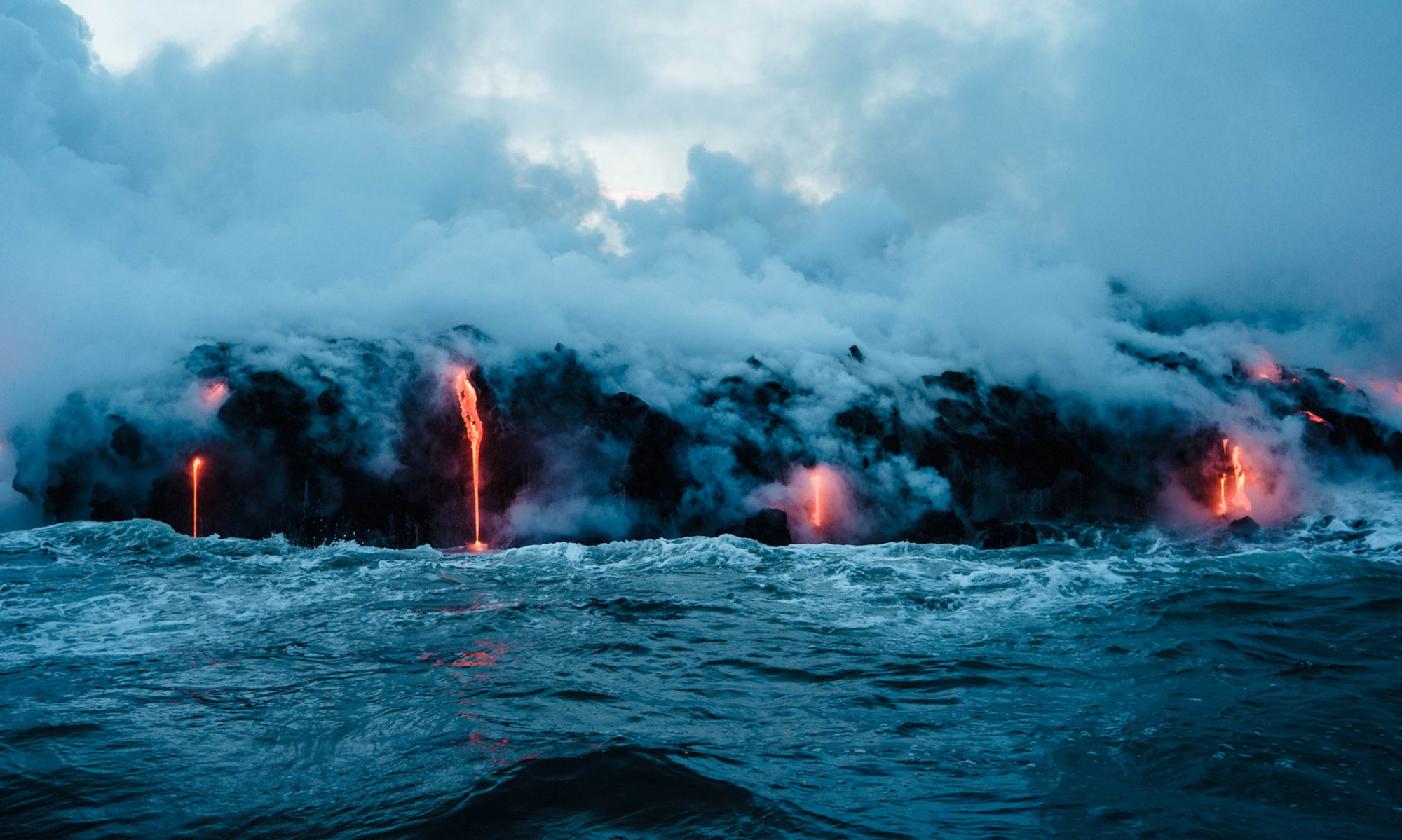
Dukono Volcano (Indonesia) activity update Dec 18, 2025 – Continuing eruption

The Center for Volcanology and Geological Hazard/Pusat Vulkanologi dan Mitigasi Bencana Geologi (CVGHM/PVMBG) reported that the eruption continued at Dukono on 18 December 2025 (local). Ash and gas plume(s) rose to a maximum of 600 m (1,969 ft) above the vent. The alert level remained at „Level 2 – Alert“ (on a 4-level scale).
Source: Center for Volcanology and Geological Hazard/Pusat Vulkanologi dan Mitigasi Bencana Geologi (CVGHM/PVMBG)

Current Alerts:
Observatory alert level: „Level 2 – Alert“ (on a 4-level scale)
Aviation Alert Level: unavailable or not collected

Adapted from: Smithsonian / USGS Daily Volcanic Activity Report for Dec 18, 2025

“The most important thing is people’s health. I fight to save lives”

Cyrille Traoré Ndembi, 61, is the President of the Vindoulou Residents’ Collective, a neighbourhood on the outskirts of Pointe-Noire in the Republic of Congo. This retired community development specialist has been fighting to defend the residents’ right to a healthy environment since he moved there in 2019.

His house is located just ten metres from the Metssa Congo plant run by a subsidiary of the India-based Metssa Group. This recycling plant produced lead bars for export from 2013 to 2024, 50 metres from a school and in the middle of a residential area. Cyrille noticed severe health problems in his family including respiratory and digestive disorders. Blood tests on some residents showed lead levels far above the alert level set by the WHO.

Following Cyrille’s campaigning, and with the help of Amnesty International, the authorities ordered the plant’s closure in December 2024. Cyrille continues to fight for justice for his community.

“When I arrived in Vindoulou, I quickly realized the danger we were in. The air was unbreathable!

Black dust and fumes were spreading and invading our homes. Sometimes, when we went out, we couldn’t even see our nearest neighbour. The plant staff discharged oil and wastewater in front of our houses. Metal debris from the plant’s chimney fell onto our roofs. Once, I went to walk along the wall of the plant and debris fell on me like hail.

Right from the start, I had doubts about the legality of this activity in the middle of a populated area. I couldn’t understand how a substance as dangerous as lead could be recycled using processes that were, in my view, contrary to the standards and regulations in force.

‘My whole family was ill’

We arrived in Vindoulou in August 2019 and by January 2020 my whole family was ill. Our children were found to have the beginnings of pneumonia, bronchitis and bronchopneumonia. We also had diarrhoea and abdominal pains.

Across the neighbourhood, people had the same problems. I was told that the children who had moved away from Vindoulou no longer suffered from those symptoms.

The residents believed that nothing could make this company leave. For the community, it was David against Goliath. Some even called me King David.

I went door-to-door to convince people that something serious was going on. Everywhere I went, I reminded people of article 41 of our Constitution: every citizen has the right to live in a healthy environment.

I explained to people the benefits of getting organized together and taking up the fight. Today, our collective has over a hundred members.

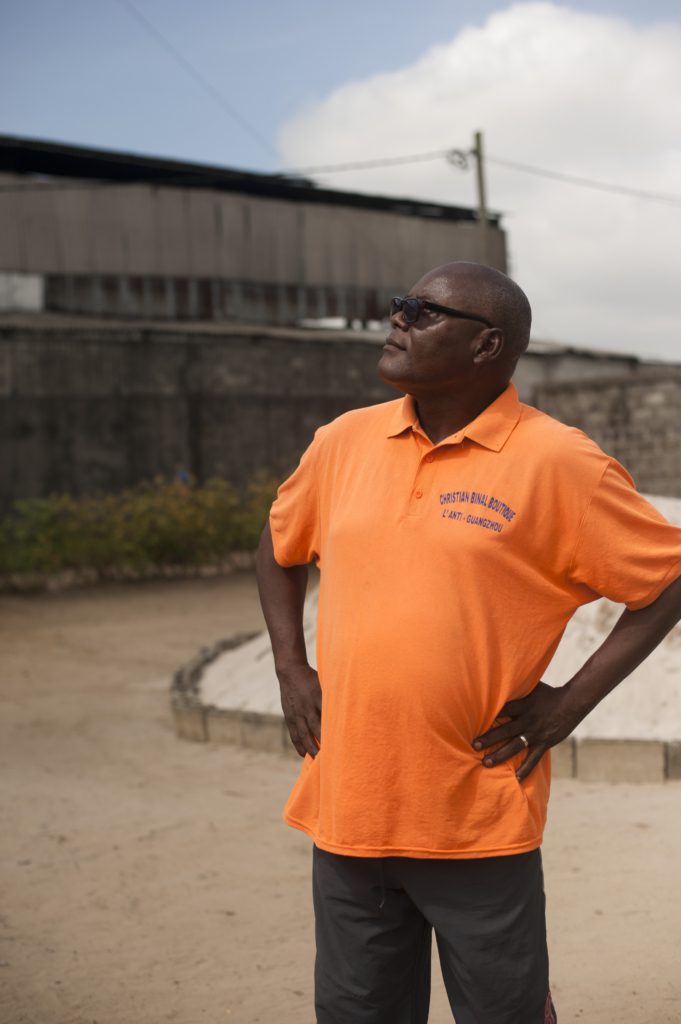
Cyrille Traoré Ndembi standing at his house by the Metssa Congo plant in Vindoulou, Republic of Congo

Cyrille standing at his house by the Metssa Congo plant in Vindoulou

From survivor to human rights defender

We tried to meet the directors of Metssa Congo. We met the plant’s manager, who said he was not authorized to comment on the subject. He promised us an audience with the CEO, but it never took place. They wouldn’t talk to us, simply saying that they had authorization to operate. We couldn’t even consult their environmental impact report, which is a document that we were entitled to access under the current legislation. After calling in a bailiff, I was finally able to consult another type of document, their environmental audit report produced after they had already begun operations.

In 2022, I went to meet Amnesty International’s representatives to alert them. From 2023 onwards, Amnesty investigated and provided funds to carry out blood tests on a sample of the population. We then had proof that people tested had high levels of lead in their blood.

At the time, the workers were against what I was doing. Now, most of them have joined us in our fight.

Cyrille Traoré Ndembi

I took two blood tests, in March and September 2023. They showed blood lead levels above 400 µg/L. For the 17 other people tested, the levels were alarming. When the ministry carried out other tests in 2024, some ex-workers had levels of 1,000 µg/L – that’s enormous!

My youngest daughter just turned four. Of the nine children tested, she had the highest lead level, above 530 µg/L. I’m worried about her. She’s running fevers even though she has no infection.

Amnesty also helped us take legal action in 2023, to publicize our situation and, in the face of the administration’s inaction, to make a plea to the authorities. As a result, the minister [of Environment] came here and spoke to the population in December 2024. We as a collective did not have a formal audience with the minister. The authorities received Metssa Congo’s managers for an audience in Brazzaville [the Republic of Congo’s capital] several times, but never our collective! I’m not being heard. Ideally, we should be able to talk directly to the authorities.

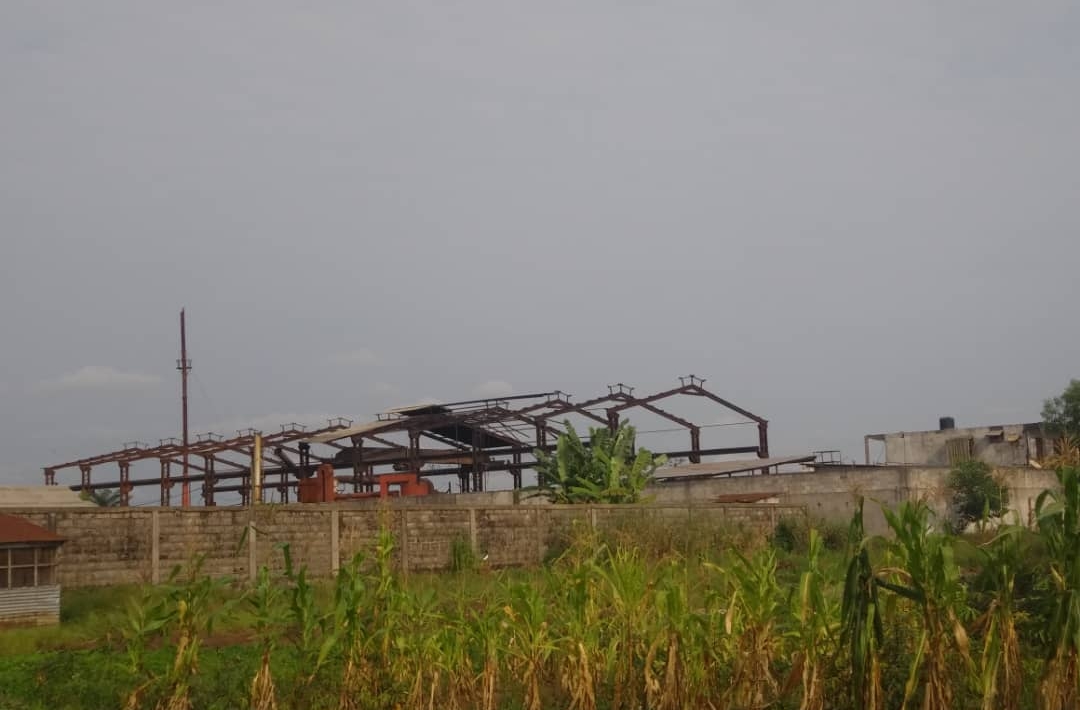
Metssa Congo plant, located in Vindoulou, Republic of Congo

Dismantling of the Metssa Congo plant, located in Vindoulou on the outskirts of Pointe-Noire began in December 2024, but the process stopped before completion

Facing intimidation

I’ve been under pressure. Metssa filed a complaint against me alleging defamation in May 2024. I went to court, but Metssa didn’t show up. They were bolstered by the decision of the Supreme Court’s public prosecutor that allowed them to resume their activities after a suspension ordered by an administrative judge in April 2024.

One night, some young people came and threatened me. It was stressful, but I didn’t back down. At the time, the workers were against what I was doing. Now, most of them have joined us in our fight.

When the company’s operations were suspended again in June 2024 by the Ministry of Environment, we continued to fight because the word suspension meant nothing to us. We wanted to hear the word closure. When the decision was taken on 11 December 2024 to close and dismantle the plant, we were relieved, but the fight was far from over.

We have to join hands. It’s up to citizens to fight.

Cyrille Traoré Ndembi

We are worried the soil may be contaminated. There may be a risk of groundwater contamination, and we drink the water from the borehole. The Ministry of Environment has taken samples, but we have not been made aware of the results.

Today, we need to know how many people are ill. People need to be screened, treated and moved out of harm’s way. In July, the Ministry of Health announced that it would conduct blood tests on an additional 100 people. It still hasn’t been done; we haven’t heard anything.

Things are moving too slowly. Why not carry out systematic screening of all those who may have been exposed? There are far more than 100 of us. Since the minister of Environment’s visit, people are worried. Some wanted their entire families screened.

The most important thing is people’s health. I fight to save lives. I’d like to set up an NGO to defend the environment beyond Vindoulou. We’re not the only ones in these situations. Anyone who can help communities in difficulty, now is the time to take action, because sometimes those communities have no recourse and are left to fend for themselves. We have to join hands. It won’t fall from the sky. It’s up to citizens to fight.”

Before setting up the plant in 2013, Metssa Congo had not carried out an environmental impact assessment, in violation of Congolese law. Despite this, the Ministry of Industry permitted Metssa to operate. The company claimed to have obtained an operating licence in 2018 and a certificate of compliance in 2023, and claimed that the emissions from the plant were not toxic.

Following the publication of Amnesty’s report on the state’s failure to protect the right to a clean, healthy and sustainable environment in Congo including in Vindoulou, the authorities decided to suspend Metssa Congo’s operations on 17 June 2024, and launched a technical investigation by the Ministry of Environment on 8 August 2024. The plant began being dismantled on 19 December 2024 with the removing of the roof and some furnaces by Metssa Congo, but the process stopped before completion.

The government ordered Metssa Congo to set up a solidarity fund, but this has yet to materialize, according to Cyrille Traoré Ndembi. The residents of Vindoulou continue to claim for compensation after 10 years of exposure to lead.

SEND A TWEET TO THE MINISTER OF ENVIRONMENT OF THE REPUBLIC OF CONGO

@ASoudanNonault: With the closure of the Metssa Congo factory, an important step has been taken.
But to protect residents‘ right to health, much remains to be done.
Let’s continue our efforts. Let’s not forget Vindoulou.
@EnvDDBC_GouvCg #Brazzaville

The post “The most important thing is people’s health. I fight to save lives” appeared first on Amnesty International.