This Medical Product Alert relates to the circulation of a confirmed falsified Meningococcal ACWY Vaccine discovered in Niger.
This product is used to immunise against Meningococcal disease serogroups A, C, W, and Y. Meningococcal meningitis vaccine is listed as a WHO Essential Medicine.
It may come as a surprise to most people that PETA loves the circus.
What PETA doesn’t love is to see animals forced to spend a lifetime in chains and cramped cages, in boxcars and basements—torn from their families and denied all freedom so that they can be forced to perform tricks that fatten someone’s bottom line. In the end, faced with the photos and videos of how these wild animals fare in captivity, most people agreed with us.
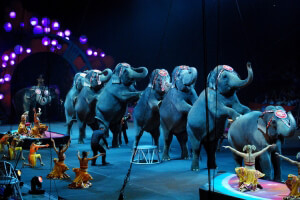
Ringling Bros. and Barnum & Bailey Circus has dragged what used to be called its “beast wagons” from town to town since 1871, but the tent pegs are being pulled up for the last time. Ringling will go dark after its May 21 performance in Uniondale, New York.
Circuses around the world that beat Ringling to the punch in making the decision to stop using animals are thriving. But Ringling stonewalled for decades, hoping that the mounting protests by people who care about animals’ welfare—PETA members and supporters, other animal rights organizations and grassroots groups that challenged the circus at every stop in every city—would somehow disappear. It was a terrible miscalculation.
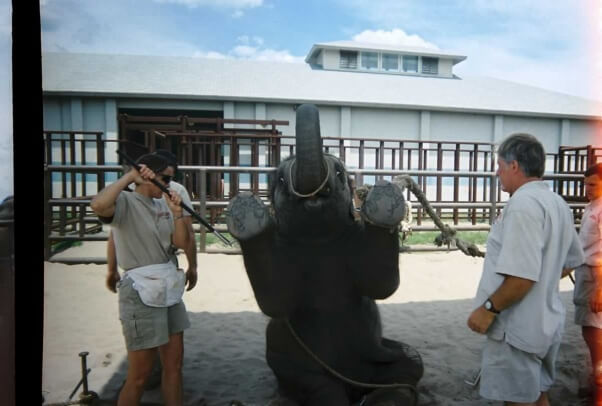
So, whether it was simple denial or sheer hubris, Ringling clung to its cruel, archaic business model even as its attendance figures reached rock bottom. It’s hard to fathom now all the things that it long defended. For example, PETA exposed how the circus broke the spirit of baby elephants—they were torn from their frantic, loving mothers and forced to stand on crippling concrete for up to 23 hours a day. Tied by all four legs, they were shocked with electric prods and beaten with heavy, steel-tipped bullhooks until they learned to obey out of fear.
Elephant calf coerced into an unnatural posture using bullhooks and ropes at the Center for Elephant Conservation.
Video shot during a PETA investigation showed Ringling trainers beating adult elephants in the face as they were lining up obediently before a performance.
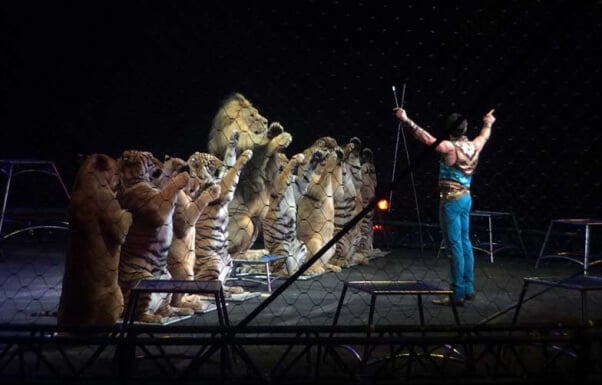
Last year, an animal behaviorist with 25 years’ experience released a scathing report documenting the dire physical condition of tigers used by Ringling.
Astoundingly, even after Ringling’s parent company, Feld Entertainment, paid a $270,000 fine—the largest penalty in circus history—to settle multiple violations of the federal Animal Welfare Act, Ringling continued to defend the indefensible. A few years later, though, a crack appeared in the façade.
Citing a public “mood shift,” in March 2015 the circus announced that it would pull elephants off the road by 2018, a decision that was also prompted by bullhook bans in municipalities across the country as well as ordinances banning circuses and other acts that use wild and exotic animals.
But while the public supported Ringling’s long-overdue decision, few people were satisfied. After all, it wasn’t just elephants who suffer in the circus. And those who knew the elephants’ plight, weren’t going to rest while elephants, some lame, were still going to be hauled around the country for another three years. More than a quarter-million people signed a PETA petition calling for the elephants to be taken off the road immediately. Demonstrations were held at every venue.
Finally, Ringling caved. It pulled its elephant acts in May 2016. They didn’t go to a sanctuary, though, despite calls for that to happen. Instead, they went to Ringling’s Florida breeding compound, where they are still chained—typically by one foreleg and one hind leg so that they can’t move more than a step or two in any direction.
What does the collapse of “The Saddest Show on Earth” portend for UniverSoul Circus, Carson & Barnes Circus, Carden Circus International and other old-style animal circuses and traveling shows? The same thing it portends for SeaWorld, the Miami Seaquarium and other marine parks, where orcas and dolphins float listlessly in tiny, barren, concrete tanks: Unless they evolve by leaving out animal acts, their days are numbered, too.
Some of them are already starting to get the picture.
The Rochester, New York, Shriners dropped their circus after more than 80 years because it was losing money; the Ramos Bros. Circus, which this year eliminated all animal acts except for dogs, is now drawing massive crowds; and the National Aquarium is sending its bottlenose dolphins to a seaside sanctuary where they will experience some semblance of a natural life. “Times have changed, and our understanding of the needs of the animals in our care has changed,” one official said.
The owners of Circus Vargas gave a similar reason when they dropped animal acts in 2010. “We felt the time was coming for a change.”
Thanks to an educated public, yes—the time has come.
WHO is concerned by the chronic shortage of funding for life-saving work in Somalia in response to the ongoing drought that has plunged the country further towards famine, disease, and health insecurity.
Falsified Quinine Sulphate circulating in West and Central AfricaThis Medical Product Alert relates to the recent circulation of two confirmed falsified versions of QuinineSulphate circulating in Cameroon and the Democratic Republic of the Congo, containing zero activepharmaceutical ingredient.
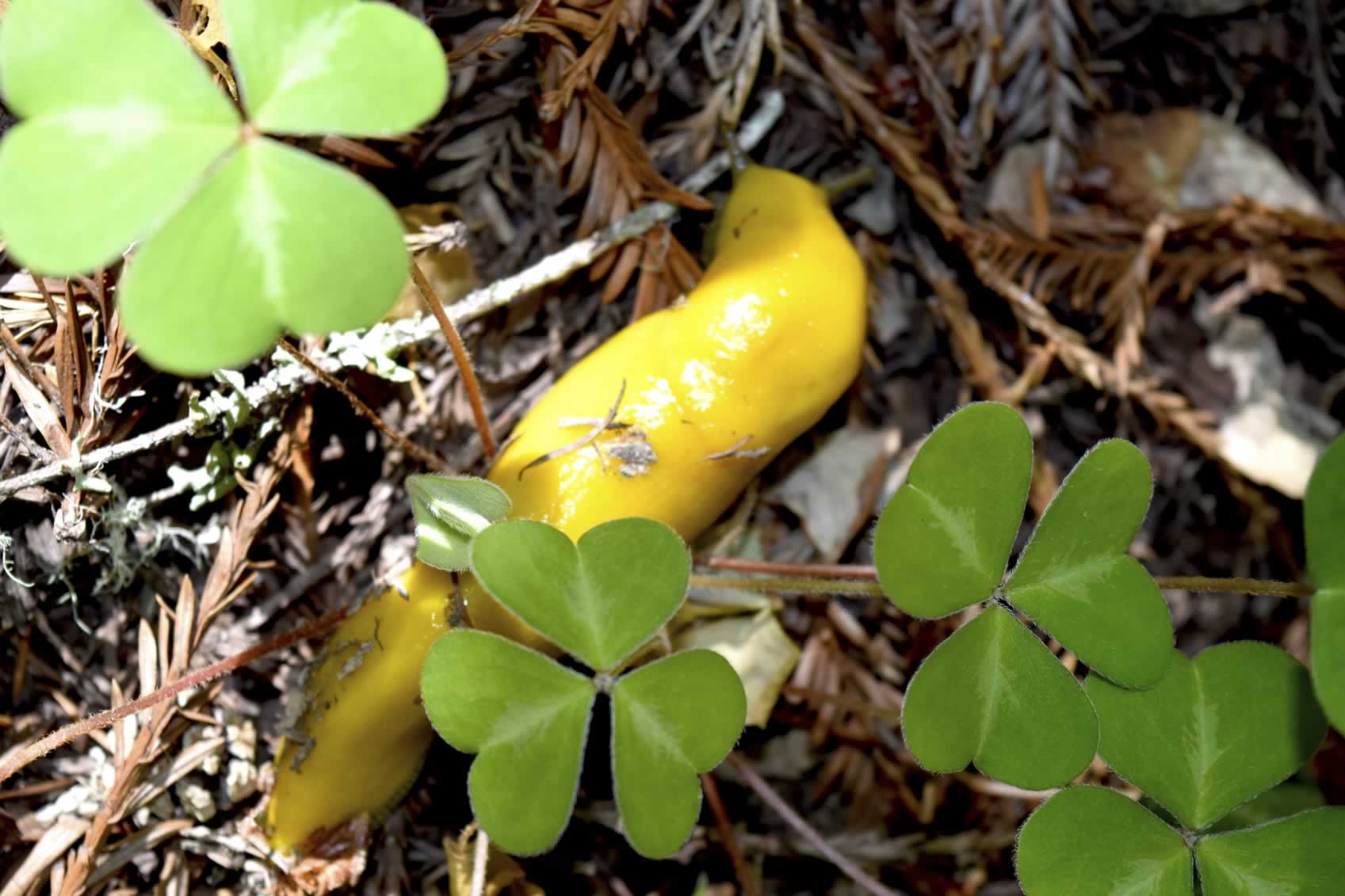
I didn’t choose the slug life, the slug life chose me. It all started when a tawny-colored slug showed up on my porch when I was 4 years old. Instantly enamored, I gave him a name that only a kid could love: Foo Foo. I loved Foo Foo and considered him my first companion animal. I even built him a Lincoln Log cabin to live in, but much to my chagrin, he preferred my mom’s container garden. Most mornings, I’d see a glistening trail that I assumed led back to Foo Foo’s wife and kids.
Everything was fine in our world until one fateful family gathering. Word in the yard was that my uncle was going to do a magic trick. Magic? Yes, please! Elbowing my way through a gaggle of gangly arms and legs five cousins deep, I arrived just in time to hear my uncle say “abracadabra” and sprinkle salt on Foo Foo. I watched in horror as my Foo Foo melted into a sickening, greasy stain. I was inconsolable.
Foo Foo’s cruel death had a profound effect on me. It awakened my compassion and sparked a belief in the sanctity of all life. I became a bug bouncer, gently escorting insects from my house. No slug was ever again killed with salt or drowned in beer on my watch. I grew into a shooer instead of a squisher. To this day, I’m still awfully fond of slugs.
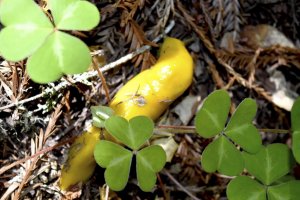
They are so fascinating. Did you know that slugs are actually mollusks as well as hermaphrodites? Having both sex organs allows each slug to lay eggs. Beneficial to the environment, slugs process decaying plants, turning them back into soil. And much like us, they analyze data to make such decisions as what to eat, with whom to mate and how to avoid danger.
They are also extremely active in the fall. So as autumn turns the trees into a riot of colors, we can expect to see four things: meteorologists overusing the word “brisk,” pumpkin-flavored everything, slugs laying their eggs in gardens and insects entering houses to wait out the winter. The good news is that there’s no need to resort to cruel methods to have a slug-free garden or an insect-free home.
Slugs are nocturnal and thrive in damp conditions, so refrain from watering your garden in the evening. This simple tactic alone can decrease slug damage by 80 percent. Installing granite rock around your garden and placing mint, lemon balm, pine needles, cosmos, sage or parsley in your garden will also deter any mollusks with the munchies.
If ants start moving into your house like they’ve rented it on Airbnb, find their point of entry and pour a line of cinnamon, red chili powder or paprika—they won’t cross it. To prevent stink bugs from sneaking in, remove window air conditioners and apply weather stripping around doors and windows. Spiders hate citrus, so rub a lemon peel on door and window frames to deter them. Place catnip sachets or bay leaves on top of shelves and other high surfaces to keep cockroaches away.
Like all animals, slugs and other tiny beings who are perceived as “pests” suffer when they are poisoned, trapped, drowned or otherwise killed. As Alan Gelperin, a researcher who has studied the memory and learning abilities of slugs, says, “Before you step on a slug, or sprinkle the poison, pause and consider the creature’s marvelous complexity and place in the scheme of things.”
In the scheme of things, there is always a humane solution to any wildlife conflict. So let’s save the salt for margaritas and the beer for football. And while you’re at it, treat yourself to a pumpkin spice soy latte. It is fall, after all.
Amy Skylark Elizabeth is a senior writer for the PETA Foundation, 501 Front St., Norfolk, VA 23510; www.PETA.org.