Every day, more people ditch dairy to help keep families together and save cows from being milked until their bodies break down. But those who are on the fence about going vegan are often saddled by one big question: “How do I replace cheese?”
These days, nearly every grocery store in America sells vegan cheese. But your kitchen probably has many whole-food ingredients that you can use to make your own tasty cruelty-free cheese.
The number of vegan cheese recipes out there rivals the number of stars in the galaxy. So if you don’t like one, just try another! Here are a few of our favorites to get you started.
Become a level 99 vegan by turning potatoes and carrots into “cheese.”

These humble root veggies make for a great dairy-free cheese. Seems impossible, we know—but try out this delicious Vegan Nacho Cheese recipe by hot for food. It’ll certainly make you a believer.
Sweet potatoes can also be used to make “cheese”—like in this Sweet Potato Vegan Cheese Sauce recipe from Eat Plant-Based or Connoisseurus Veg’s tasty That’s Nacho Sweet Potato Cheese! recipe. For one of the best vegan mac and cheese recipes we’ve ever tried, we suggest picking up a copy of Jenné Claiborne’s Sweet Potato Soul cookbook.
There’s also cashew cheese—yes, we’re for real.
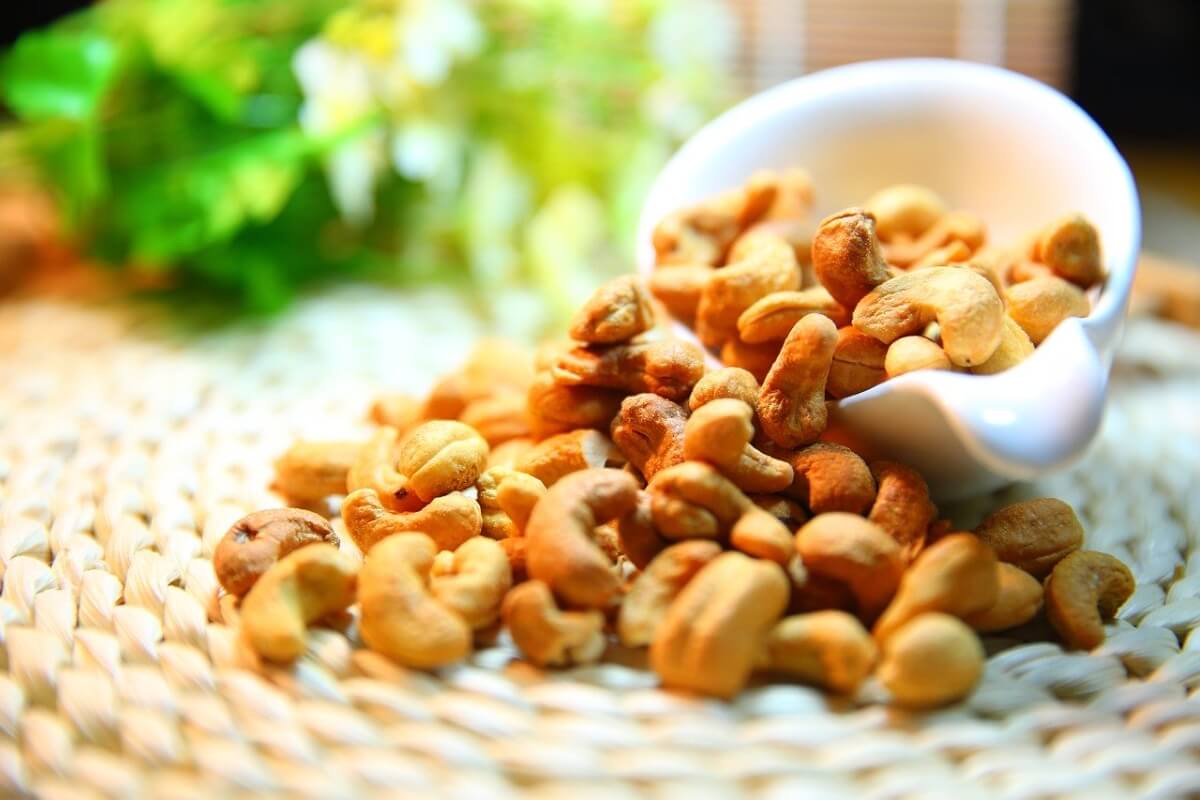
Who knew that the best crunchy ice cream sundae topping (that’s right—don’t @ us) could also be transformed into a delectable “cheese”? There are plenty of recipes out there for it—Ambitious Kitchen claims to offer The Best Vegan Cashew Cheese Sauce You’ll Ever Eat.
If you’d rather make a hard, sliceable cheese that’s perfect for putting on crackers or pairing with wine, try Loving It Vegan’s Sliceable Cashew Cheese recipe.
You can also use cashews to make vegan Parmesan cheese to sprinkle over dishes with this super-easy recipe from Simple Vegan Blog—it seriously takes less than five minutes.
Use tried and true tofu.
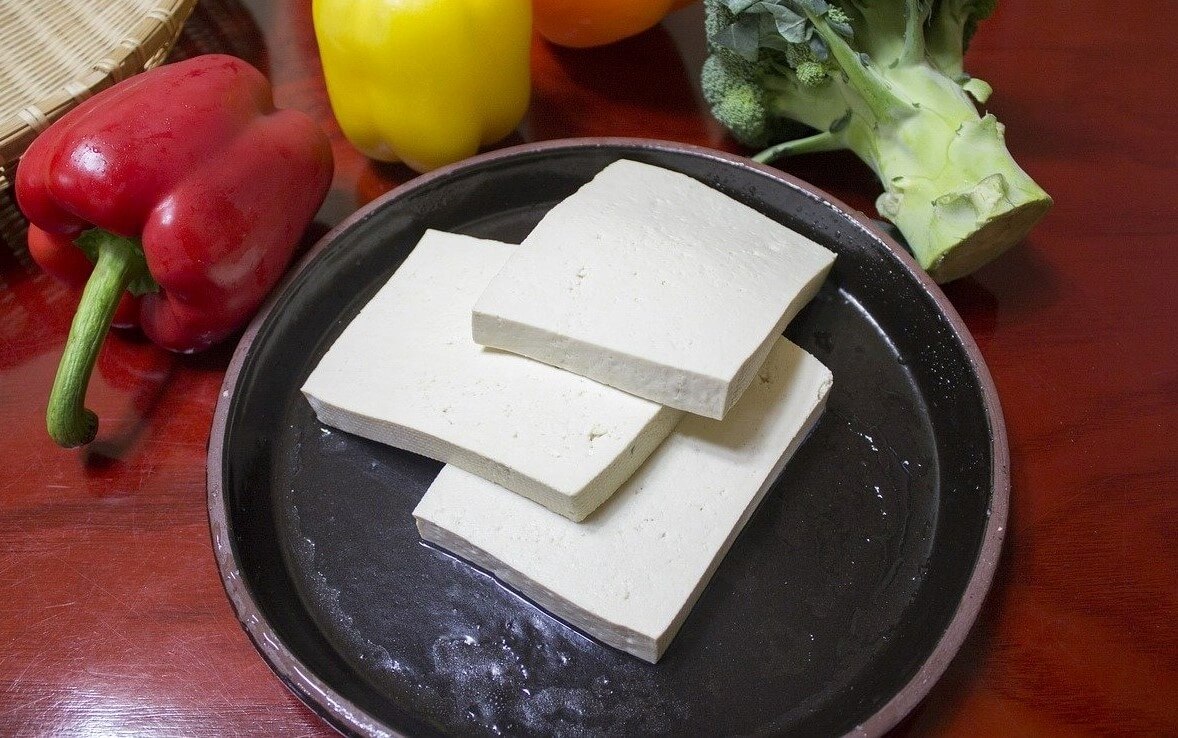
Unlike animal-derived foods, tofu has never caused a pandemic—but it is guilty of being one of the most versatile whole foods out there. We love using this easy Tofu Ricotta recipe by That Was Vegan? for pizza and lasagna.
Simple Vegan Blog came up with this ingenious recipe for Vegan Tofu Feta Cheese. But if you’re looking for a more spreadable option, try The Edgy Veg’s Tofu Cream Cheese recipe.
Sunflower seed cheese is like a ray of sunshine in your mouth.
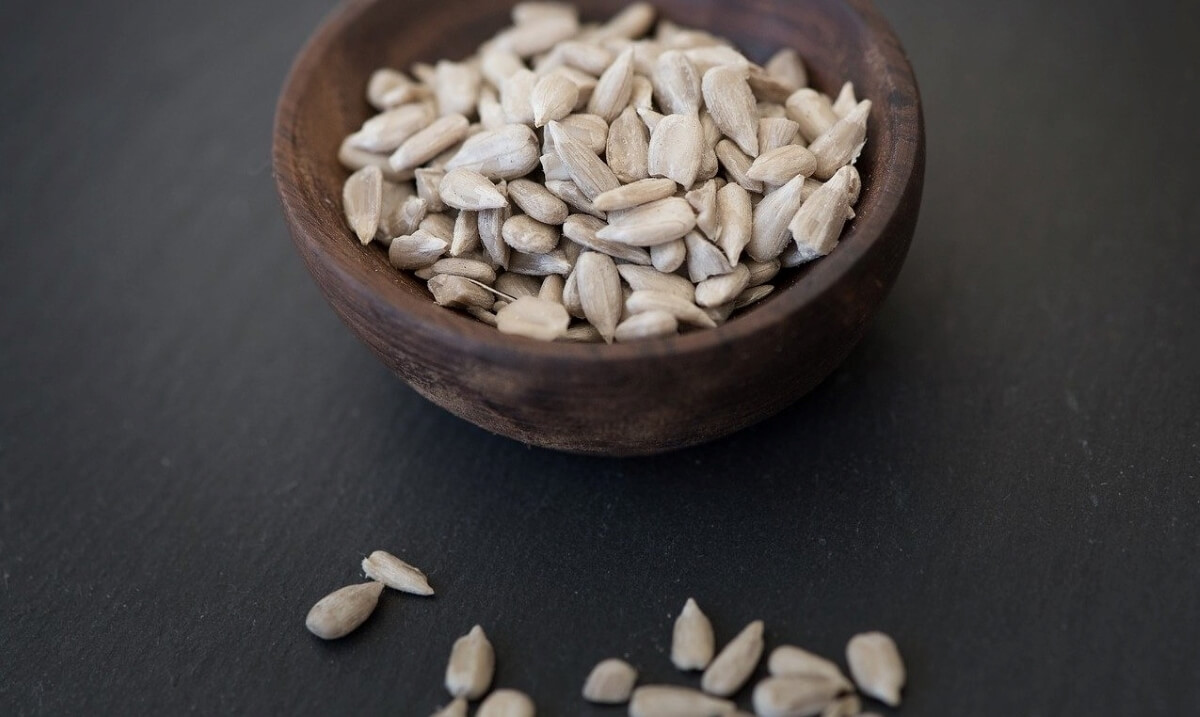
Not everyone is into nuts, which is why 86 Eats created this Nut-Free Vegan Queso with Rotel recipe. Also, try the Vegan Smoky Sunflower Cheddar, which is perfect for a cheese plate.
Vegan chef Jenné Claiborne is allergic to cashews, which helped inspire her to concoct this spreadable Sunflower Seed Vegan Cheese.
Let’s talk yeast.
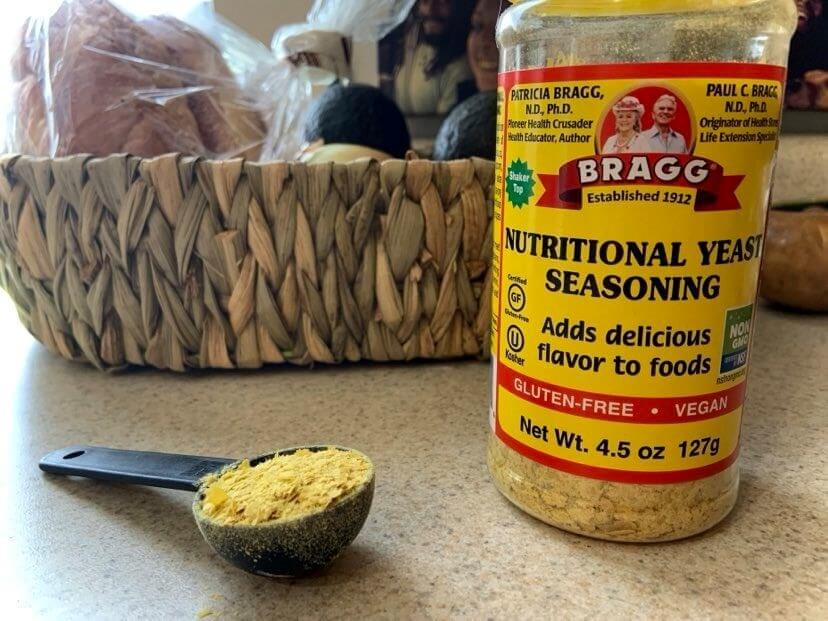
You may have noticed that many of these recipes call for a healthy helping of nutritional yeast—or, as the cool kids call it, “nooch.” Nutritional yeast has a cheesy flavor, and sprinkling a handful of it on some popcorn or pasta—or anything, really—can satisfy a cheese craving.
Bragg Nutritional Yeast Seasoning is probably the most popular brand of nooch, but sometimes you can also find stores’ own brand of nutritional yeast in the baking aisle or in the bulk section.
No matter which “cheese” you choose, make sure it’s dairy-free.
No cow would choose to be forcibly impregnated over and over again just so humans can steal her milk before she’s sent to the slaughterhouse. Cows have unique personalities and experience a wide range of emotions—just imagine the grief a mother cow must feel when her baby is stolen from her.
There are countless reports of mother cows who’ve continued to call out and search frantically for their babies after they’ve been taken away and sold to veal or beef farms. Cows are gentle giants who mourn the deaths of loved ones, sometimes shedding tears over their loss.
Please, let PETA help you and you loved ones go vegan today. Order a free vegan starter kit. Sign up for a free vegan mentor. We have all the resources necessary to support folks who want to ditch meat, eggs, and dairy. You can make a real difference and save nearly 200 animals a year simply by not eating them!
And if you want more whole-food, diary-free options, check out Whole-Foods, Plant-Based Butter for a Healthy Lifestyle
The post Can Cheese Come From Carrots or Cashews? Yes—Here’s How appeared first on PETA.