
Green earthquake alert (Magnitude 5.5M, Depth:10km) in New Zealand 28/08/2020 15:47 UTC, About 300 people within 100km.
The executions in Nuevo Laredo must be a watershed moment for ending human rights violations in Mexico
Arturo Garza, a 19-year-old engineering student and baseball aficionado, left home to visit his girlfriend on the night of Saturday 27 June. It was the last time his family would see him alive. The next day they looked for him all over Nuevo Laredo, a border town in the northern Mexican state of Tamaulipas. They reported his disappearance to the Special Prosecutor’s Office for Missing or Abducted Persons, but it was not until 3 July that they learned of a shootout between the Mexican Army and a group of alleged criminals, in which 12 men died.
Brands That Don’t Use Coconuts Monkeys Were Forced to Pick
PETA Asia blew the lid off the Thai coconut industry’s use of captive monkeys—a shocking investigation revealed that terrified young monkeys in Thailand are kept chained, abusively trained, and forced to climb trees to pick coconuts that are used to make coconut milk and other products (not coconut sugar or coconut water), including some sold in the U.S.
Many of these monkeys are reportedly illegally abducted from their families and homes when they’re just babies. They’re fitted with rigid metal collars and kept chained or tethered. Apparently, the teeth of some who defend themselves are pulled out. So, what’s a compassionate, coconut-loving consumer to do? We’re making shopping simple with a list* of brands that have confirmed that they source only from farms that don’t use monkey labor:
- Ape Snacks
- AYAM
- Chef’s Choice
- The Coconut Collaborative
- The Coconut Company
- Coconut Merchant
- Coconuts Organic
- Daiya
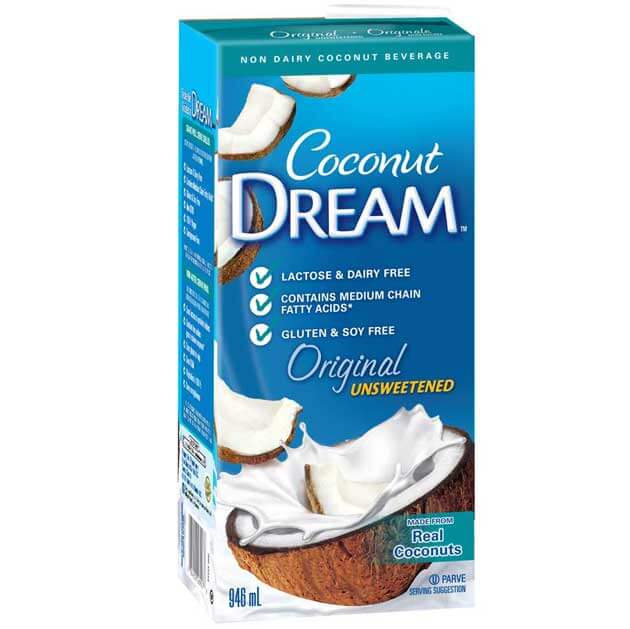
- DREAM Coconut Milk
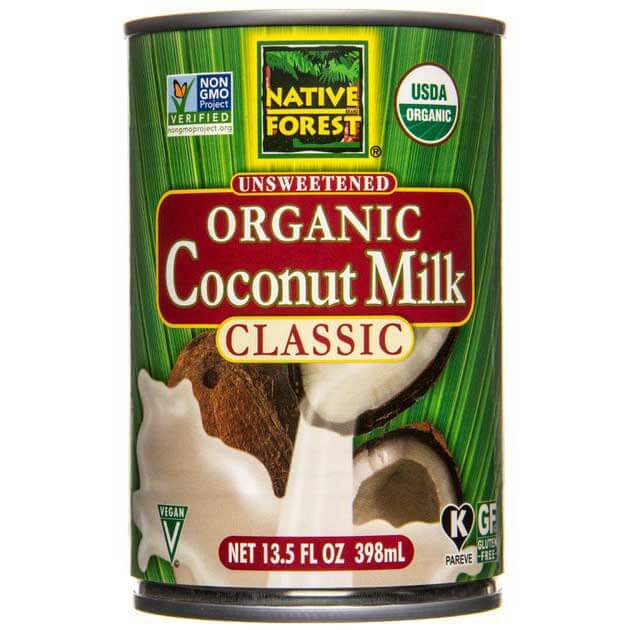
- Edward & Sons (Native Forest, Let’s Do Organic, Nature Factor)
- Follow Your Heart (aka “Earth Island”)
- The Groovy Food Company
- Harmless Harvest
- Kara
- Koko
- Lucy Bee
- Miyoko’s Creamery
- Nature’s Charm
- Nature’s Way
- Raglan Food Co
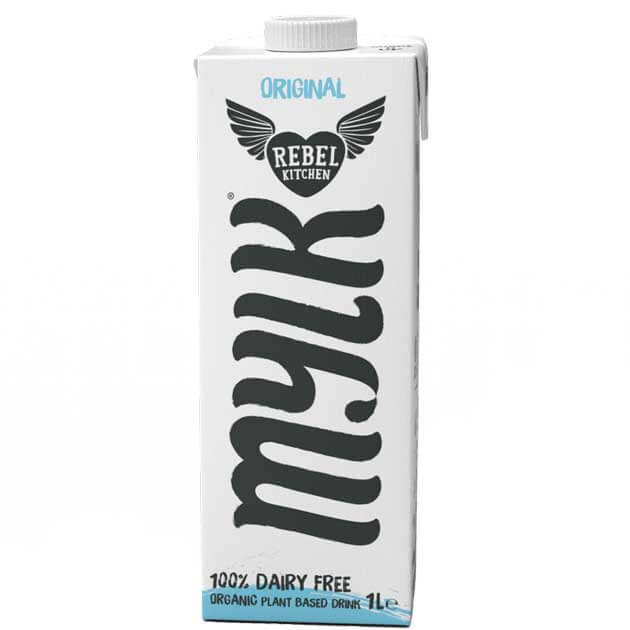
- Rebel Kitchen
- Siam Kitchen
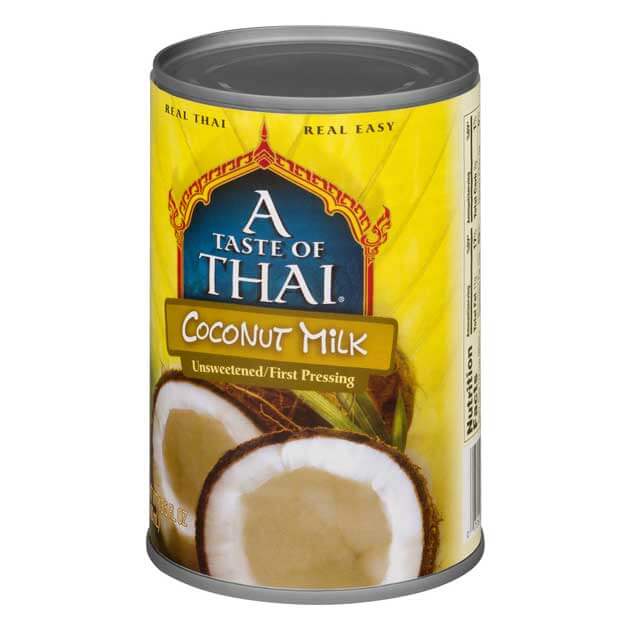
- A Taste of Thai
- TIANA Fairtrade Organics
- Violife
Coconut water typically comes from coconuts grown on dwarf trees, including the Nam Hom variety, so harvesting them doesn’t require monkey labor. And coconut sugar is derived from cutting into the flower of the coconut palm, which monkeys aren’t forced to do. While many coconuts from Thailand are picked by monkeys, not all are, and other coconut-growing regions—including Brazil, Colombia, and Hawaii—harvest coconuts using monkey-free methods such as tractor-mounted hydraulic elevators, willing human tree-climbers, rope or platform systems, or ladders.
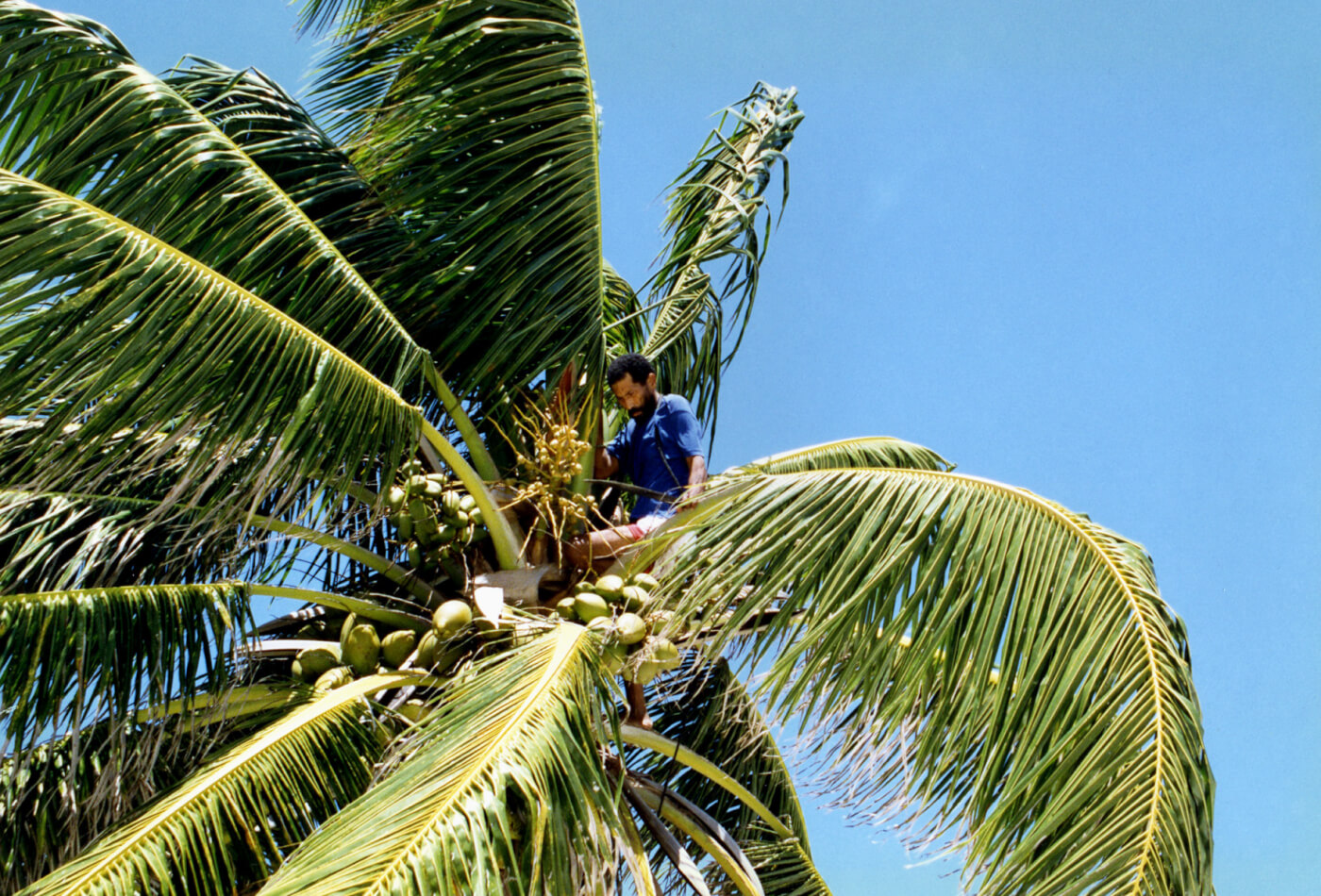
By purchasing from brands that support monkey-free coconut-harvesting methods, you’ll be helping to end the cruel practice of exploiting vulnerable monkeys while also sending a powerful message to companies like Chaokoh that still make products from coconuts picked using abusive methods.
Take Action for Chained, Abused Monkeys
Curious, highly intelligent monkeys are denied mental stimulation, companionship, freedom, and everything else that would make their lives worth living—all so that they can be used to pick coconuts. Please urge Chaokoh to join the companies listed above in ensuring that the products it sells aren’t from coconuts picked by monkeys.
Monkeys Used and Abused for Coconuts Need Your Help
*This list is not comprehensive and may be updated at any time in accordance with the findings of PETA Asia’s investigations or new information received by PETA.
The post Brands That Don’t Use Coconuts Monkeys Were Forced to Pick appeared first on PETA.