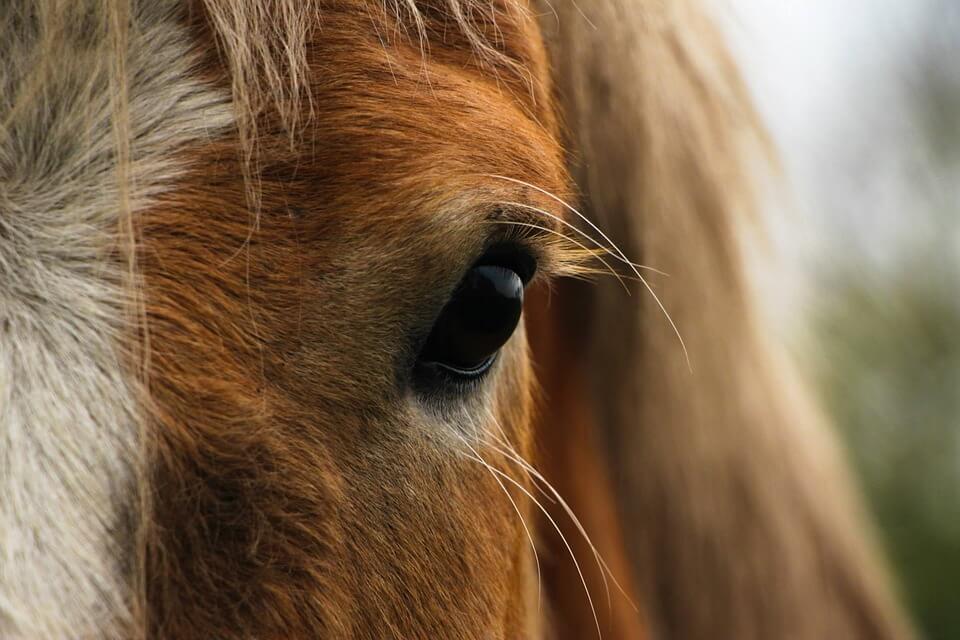
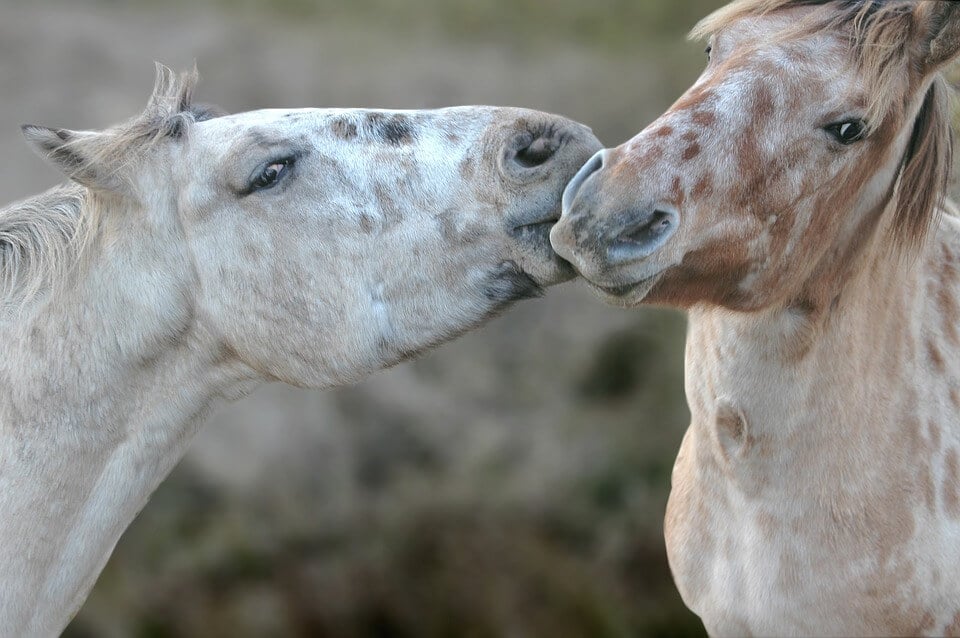
Humans Have Much More in Common With Horses Than Just Ponytails

Looking for interesting horse facts? Horses have been evolving for tens of millions of years, and humans started domesticating them about 6,000 years ago. Yet the only things many people know about them is that we use them for racing and for police transport, force them to pull heavy carriages, and sometimes kill them and turn their bodies into meat or glue.

horse with racing gear facing camera

Most folks don’t realize that horses have complex emotional and intellectual capacities and their own interests in living.

Here are 15 horse facts that show why you should never attend horse races, ride horse-drawn carriages, or exploit these sensitive beings in any other way:

1. Horse mothers can take off running shortly after giving birth and can generally gallop at a speed of about 27 mph.

And their babies may not be too far behind them—infant horses can walk and run within just a few hours of birth. No strollers necessary if you’re a horse mom.

Cute brown foal running across green grass

2. When horses are born, their hooves are covered with soft tissue—sometimes called “fairy slippers”—to protect their mother’s birth canal. Fairy slippers! 🥰

Foal Baby Horse

3. Horses use different vocalizations to communicate greetings, departures, mating calls, and danger.

Horse mothers also make a particular deep soothing sound when nursing their babies, as if singing a lullaby.

Brown-and white horse with young foal© iStock.com/elrphoto

4. Male horses are gentlemen: The word chivalry comes from cheval, the French word for “horse.”
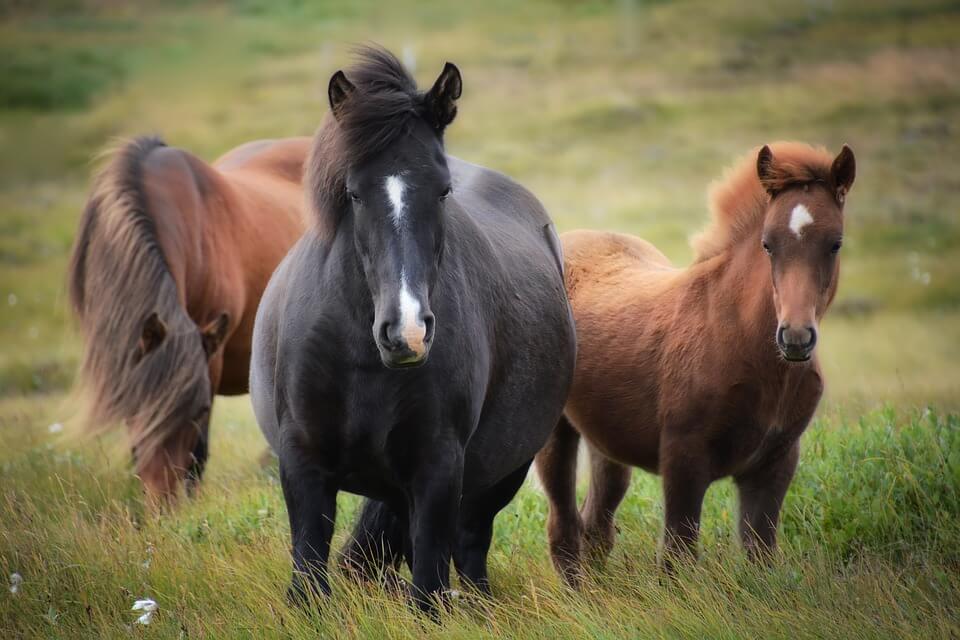
Horse Facts

5. Horses use their eyes, nostrils, and ears to express their feelings.

The 16 muscles they have in each ear allow them to rotate 180 degrees. Researchers have found that a horse’s ear position offers a crucial visual signal for other horses.

Tell Congress: Get the Drugs out of Horse Racing

6. Most of the time, the direction in which a horse’s ear is pointing indicates where the horse is looking.

If the ears are pointing in different directions, the animal is keeping an eye on two different things at the same time.
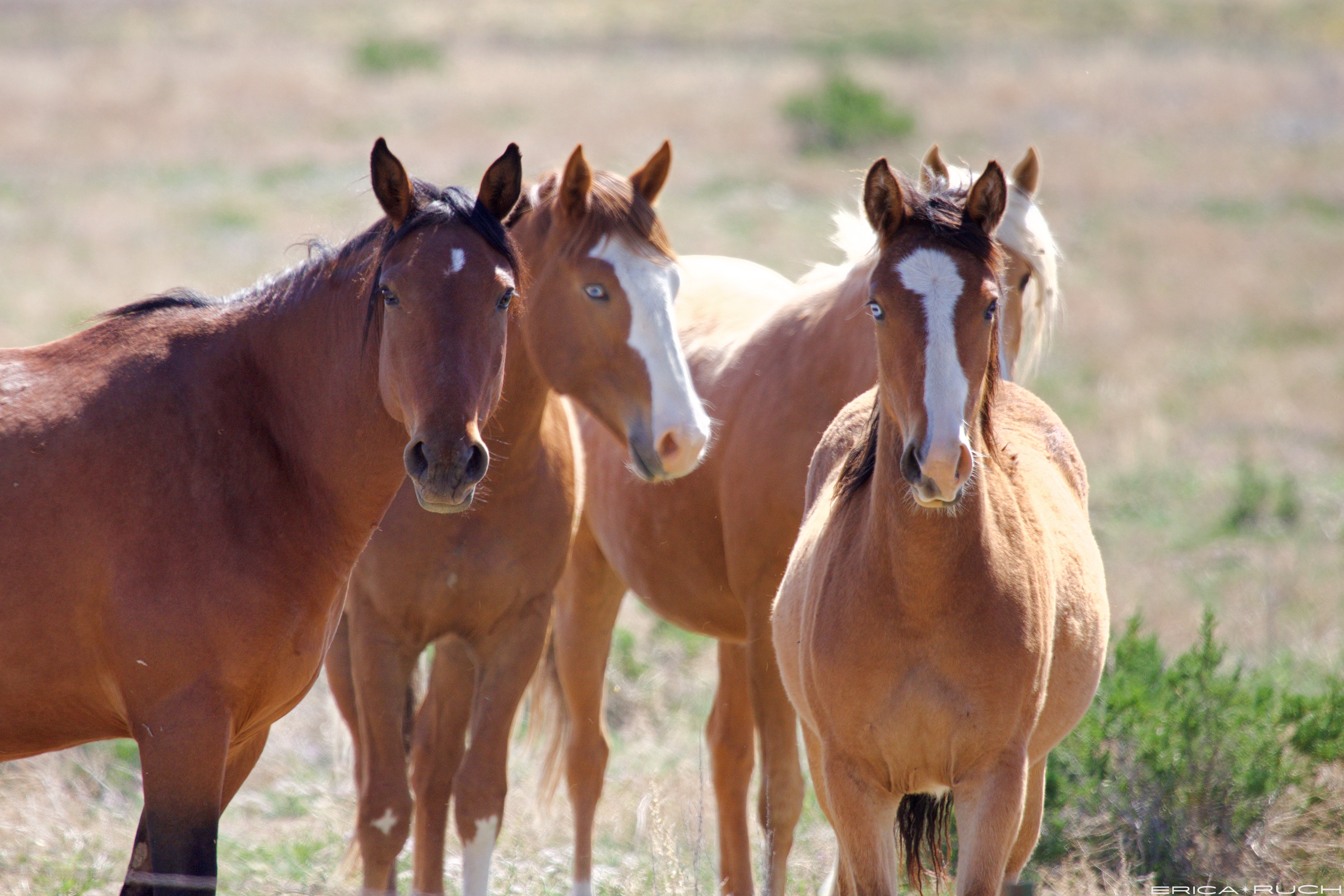
Horses

7. Horses have bigger eyes than any other land mammal and almost 360-degree vision.

They have bigger hearts, too—the average horse heart weighs 7 to 9 pounds. Their hearts are located in roughly the same place human hearts are (between the lungs and ribs and above the diaphragm) and function in nearly the same way, too. (Both have four chambers and pump warm blood.) Horses can even suffer from heart attacks. 💔

horses have the biggest eyes

8. Horses are vegans.

Have you ever noticed how muscular they look? And you don’t see them asking each other where they get their protein. 😏

Brown colt running in field of grass© iStock.com/Zoran Kolundzija

9. Horses are intelligent and can solve advanced cognitive challenges involving categorization learning and even concept formation.

And they are also quite sensitive. Clever Hans was a German horse living in the early 1900s who was thought to be able to solve math problems by tapping out the answer with his hoof. But it turned out that he wasn’t actually solving for X. Instead, he was observing his trainer’s body language, which subtly signaled when he was nearing the correct answer by becoming more tense. Hans was able to pick up on the change in posture and facial expression and stop tapping at just the right moment.

10. Horse hooves are made from the same protein as human hair and fingernails.

No wonder they call humans’ favorite updo a “ponytail.”

Help End the Slaughter of American Horses

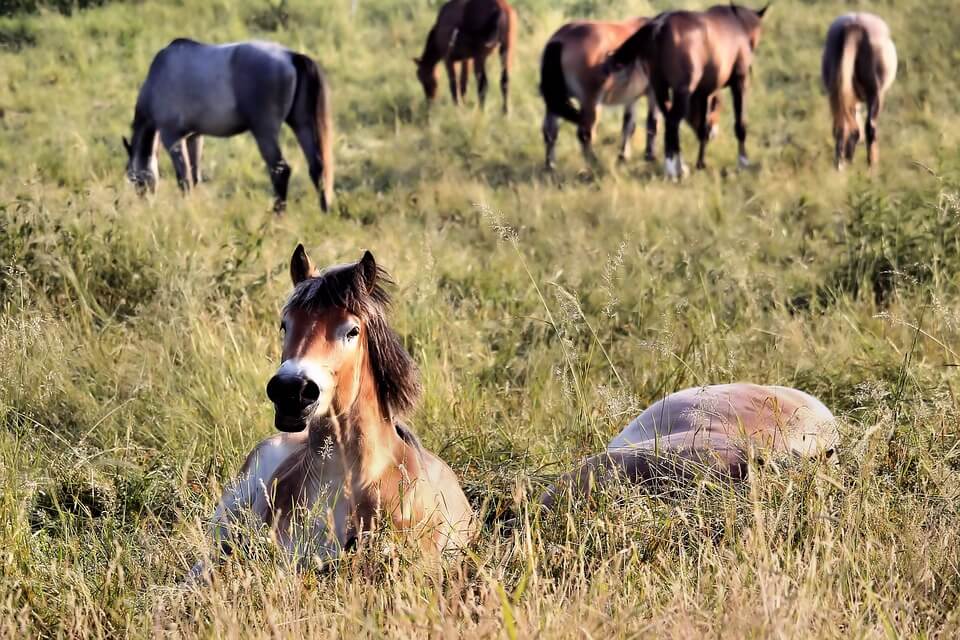
11. Horses can sleep lying down or standing up, but not all the horses in a herd sleep at the same time—at least one keeps watch to alert the others of potential dangers.
Horse Facts

12. You are what you eat: Horses prefer sweet foods and will usually reject foods that taste sour or bitter.

Sweeties. 💕

Horses in love

13. Horses can see better than humans at night.

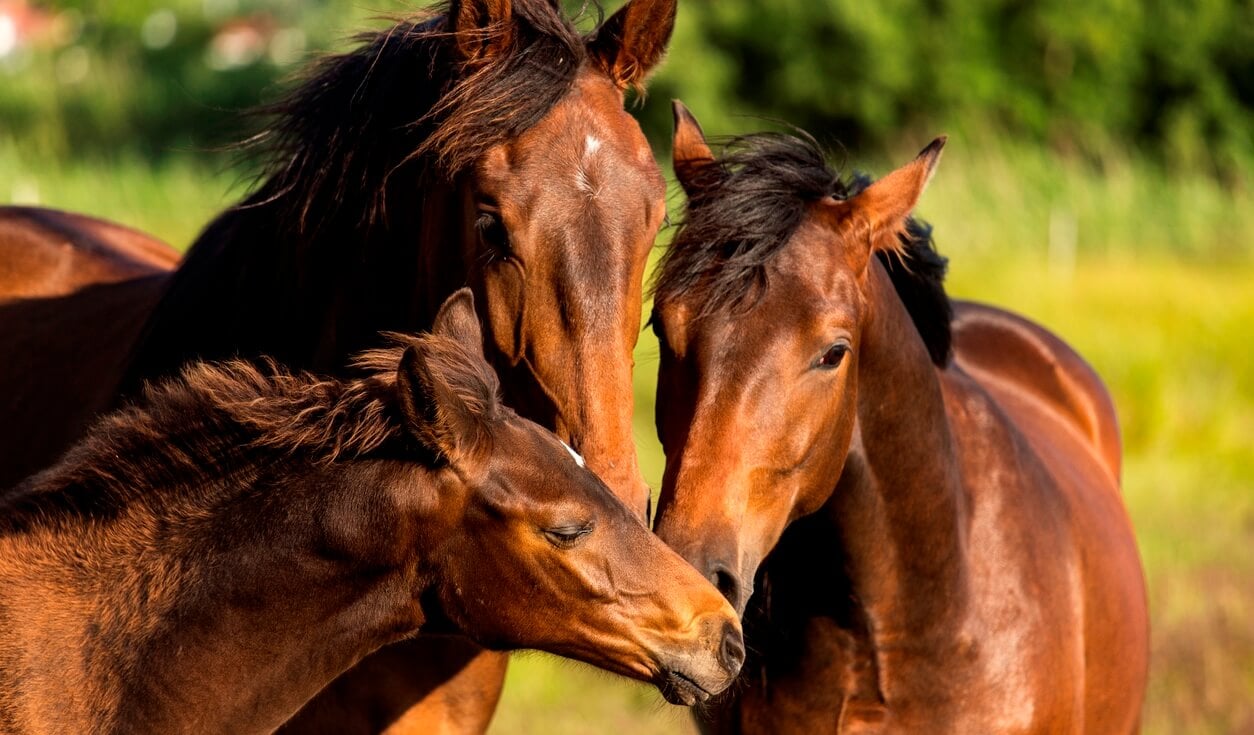
14. Horses are herd animals and can feel stressed and lonely if forced to live alone, and they mourn each other’s deaths.

Research shows that horses display some of the same complex and fluid social organization that humans do, also found among chimpanzees, elephants, and dolphins. It’s all horseplay!
© iStock.com/Maxileon

15. Horses have a great long-term memory (especially of places where they were spooked).

Their memories may even be better than those of elephants.

Horse Eye


Have These Horse Facts Inspired You to Take Action?

The exploitation of horses has serious consequences. A New York racetrack claimed the lives of 24 horses as of June 2020, including three who died on the same day, and at least 37 horses died on the Santa Anita racetrack in California in 2019. And those are just two examples. Most horses aren’t protected under the federal Animal Welfare Act, so the real responsibility for protecting them falls to caring people like you.

Take Rapid Action for Horses!

The post Humans Have Much More in Common With Horses Than Just Ponytails appeared first on PETA.

Black Vegan Food Bloggers You Should Be Following

Going vegan is a simple change that people of any background can make in their lives. In fact, people of color are the fastest-growing vegan demographic in recent years, and many Black vegans have been making waves in the food blogging industry over the last decade. They know that going vegan is the best thing that you can do for animals, the planet’s health, and your own health. Going vegan can also be a way for people of color to decolonize their ways of eating by reconnecting with their roots and supporting their local communities. Being vegan is easy, and these Black vegan food bloggers also show just how delicious it can be.

Here are some of the leading Black vegan food bloggers you need to know about:

Jessica in the Kitchen

With gorgeous photography and delectable recipes, Jessica in the Kitchen shows how going vegan is simple and delicious. In addition to presenting more than 600 recipes, Jessica also shares her holiday and travel guides, along with lifestyle tips. Check it out by trying her favorite recipe, Coconut Chickpea Curry.

Sweet Potato Soul

Jenné Claiborne started Sweet Potato Soul to spread her love for wholesome and healthy vegan food. Just as the title suggests, this blog is full of recipes featuring her favorite ingredient: sweet potatoes! She even incorporates the vitamin-packed tubers in her sweet Crustless Vegan Pecan Pie.

By Any Greens Necessary

Tracye McQuirter’s blog answers your questions about going vegan and offers great vegan meal plans and nutrition tips for a healthy lifestyle. She even talks about structuring her daily meals to be balanced and nutritious. Sign up for her 10,000 Black Vegan Women movement for more recipe inspiration.

Brown Vegan

Monique Koch of the Brown Vegan blog presents recipes and tips for people who want to go vegan but aren’t quite sure how to start making the transition. Her article on going vegan with a family is a practical guide to making small changes, such as slowly replacing animal-derived ingredients with vegan counterparts. She also hosts a podcast with guests to discuss a variety of topics, including vegan fitness and travel.

Raw Girl in a Toxic World

Esosa E., also known as “Raw Girl,” started Raw Girl in a Toxic World to share her tips for holistic nutrition and plant-based health. Her blog features articles about building healthy habits, vegan travel guides, and recipes, like her Gluten-Free, Dairy-Free Green Pancakes.

Healthier Steps

Michelle Blackwood of Healthier Steps shares vegan and gluten-free recipes, many of which were inspired by the Jamaican dishes her mother would make when she was a child. Look to this blog for recipes such as Vegan Jamaican Salt Fish, which uses hearts of palm as the main ingredient instead of fish. Cod—the type of fish traditionally used in this dish—are sensitive and intelligent as well as threatened by fishing and warming oceans because of climate change.

Order Your FREE Vegan Starter Kit

Send Me a Vegan Starter Kit

Plant Based RD

Catherine of Plant Based RD is a registered dietitian who knows that being vegan is the best thing that you can do to improve your health. She’s also a big proponent of drawing on your cultural influences for vegan cooking. Her recipe for Vegan “Pollo” Guisado is a vegan take on her mother’s Dominican-inspired dish that uses protein-packed tempeh instead of chicken. Check out her Instagram account for more colorful food inspiration.

I Can You Can Vegan

I Can You Can Vegan is a great resource for those interested in going vegan but who aren’t quite sure where to start. Desirée’s simple recipes, such as her Spicy Chicken Fried Cauliflower, make it super-easy to choose vegan food. Check out her travel guides to find some of the best vegan eats in Tulum, Mexico; Beijing; and other cities around the world.

Yes Baby I Like It Raw

If you’re looking for tips for creating a healthier lifestyle, Yes Baby I Like It Raw has you covered. In addition to presenting wholesome recipes, blogger Nzingah Oniwosan writes articles about yoga, wellness, mental health, self-care, and other ways to make your life more holistic. She even has an article titled “Clean Hurricane Preparation 101.”

Make It Dairy Free

Andrew and Larisha run Make It Dairy Free, a vegan blog that the couple started after they went vegan themselves. Many of their recipes are also free of common allergens such as gluten and nuts. Their posts are full of recipes for indulgent desserts, kid-friendly main dishes, and some tasty copycat recipes like Vegan Southwest Egg Rolls, based on the nonvegan version from Chili’s. The vegan version of this dish spares chickens and cows because it uses plant-based chicken and cheese.


Looking for more Black vegan love? Get some inspiration from Black vegans who save animals, find a Black-owned vegan restaurant in your city, and learn why animal activists should show their support for Black lives:

Animal Rights Activists Must Stand Up for Black Lives

The post Black Vegan Food Bloggers You Should Be Following appeared first on PETA.

Urgent From PETA: Cruel—and Criminal—to Leave Dogs in Hot Cars  

Following recent reports that a dog had to be rescued from a hot car in Steamboat Springs, PETA is issuing an urgent warning about the importance of never leaving animals in hot vehicles. Thirteen animals have already died this year from heat-related causes, and because COVID-19 is prolonging store wait times and errands, PETA is concerned that this summer could see an unprecedented number of hot weather–related animal deaths. 

On a 78-degree day, the temperature inside a parked car can soar to 100 degrees in just minutes, and on a 90-degree day, the interior temperature can reach as high as 109 degrees in less than 10 minutes. Dogs, who don’t sweat and can cool themselves only by panting, can rapidly succumb to heatstroke, even if a vehicle is parked in the shade with the windows slightly open, which has little to no effect on lowering the temperature inside.

Anyone who leaves animals outside to suffer in severe weather may be prosecuted for cruelty.

The following tips will help keep animal companions safe in hot weather:

  • Keep animals indoors, and leave them at home when it’s hot outside. Unlike humans, dogs can sweat only through their footpads and cool themselves by panting, so even brief sun exposure can have life-threatening consequences. Anyone who sees animals in distress and is unable to help should note their locations and alert authorities immediately.
  • Never leave an animal inside a hot vehicle. Temperatures can quickly soar in parked cars, and a dog trapped inside can die from heatstroke within minutes—even if the car is in the shade with the windows slightly open, which has little to no effect on lowering the temperature inside the car. PETA offers an emergency window-breaking hammer for help with intervening in life-or-death situations.
  • Avoid hot pavement. When outdoor temperatures reach the 80s, asphalt temperatures can climb to 140 degrees, causing pain, burns, and permanent damage to dogs’ paws after just a few minutes of contact. Walk dogs on grass whenever possible, and avoid walking in the middle of the day. Never run with dogs in hot weather—they’ll collapse before giving up, at which point, it may be too late to save them.

PETA has released a hot-car public service announcement (PSA) featuring Mckenna Grace. For more information, visit PETA.org.

The post Urgent From PETA: Cruel—and Criminal—to Leave Dogs in Hot Cars   appeared first on PETA.

Urgent From PETA: Wildfire Survival Tips for Animals  in San Miguel County

Because the Green Meadows fire is threatening San Miguel County and evacuations are underway, animals must be kept indoors and will die if abandoned.

Residents in areas affected by smoke and falling ash should keep animals indoors and avoid all outdoor activities, such as running with dogs. If visibility is less than 5 miles, smoke has compromised the air quality and reached unsafe levels. Anyone who sees animals in distress and is unable to help, should note their locations and alert authorities immediately.

Trapped horses and other animals can’t outrun wildfires. They should never be locked in their stalls or confined in any way, unable to flee.

PETA has released a wildfire-preparedness public service announcement featuring Dean Winters. Make plans to ensure the safety of animal companions in advance of trouble in order to avoid being caught unprepared. PETA also offers a video about keeping animal companions safe during fires. For more information, visit PETA.org.

The post Urgent From PETA: Wildfire Survival Tips for Animals  in San Miguel County appeared first on PETA.