The footage above depicts their intense journey from Changfeng Ocean World in Shanghai, where they were forced to perform for visitors for nearly a decade, to the Beluga Whale Sanctuary some 6,000 miles away. The gals are currently in a bayside care pool where they’re acclimating to their new refuge, “just one step away from being released into their wider open water home,” according to Andy Bool of SEA LIFE Trust, which joined forces with Whale and Dolphin Conservation to make Little Grey and Little White’s move possible.
“[T]he first stage of their release back to the ocean was as smooth as we had hoped and planned for,” Bool said. “We are carefully monitoring Little Grey and Little White with our expert care team and veterinarians and hope to announce their final release very soon.”
Beluga Whale Fun Fact
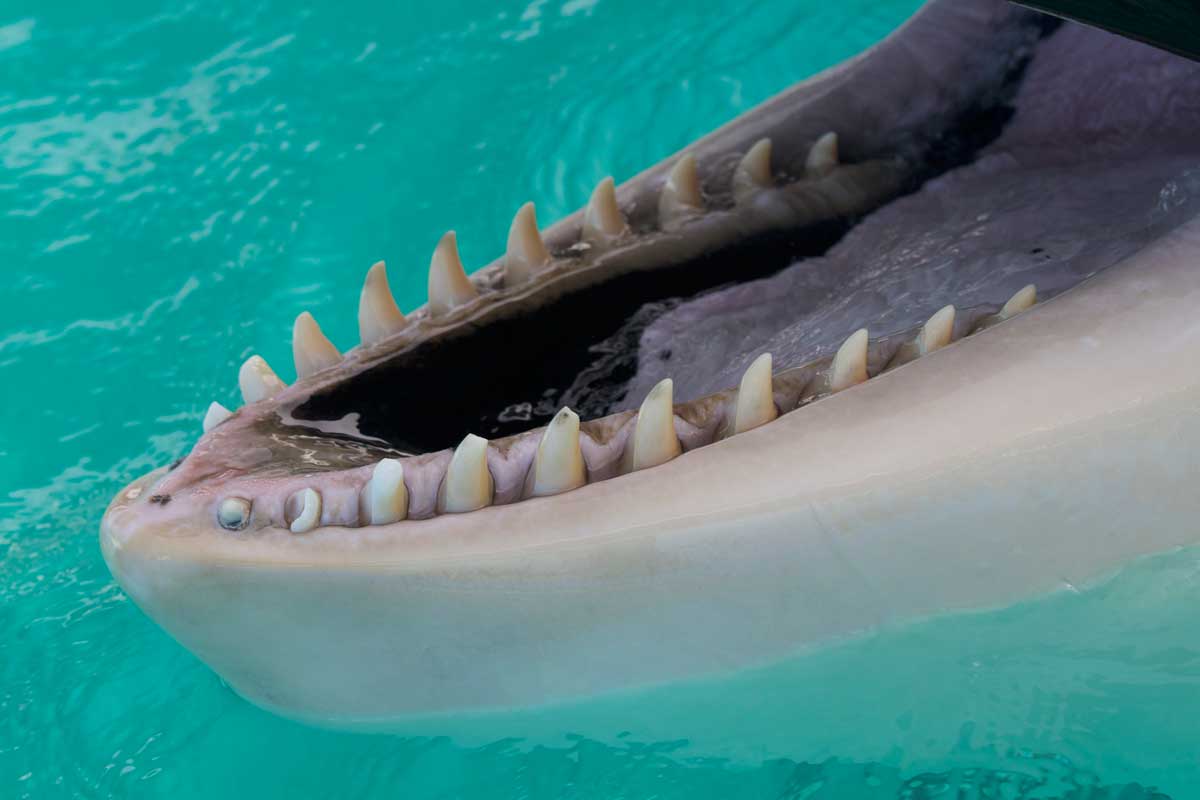
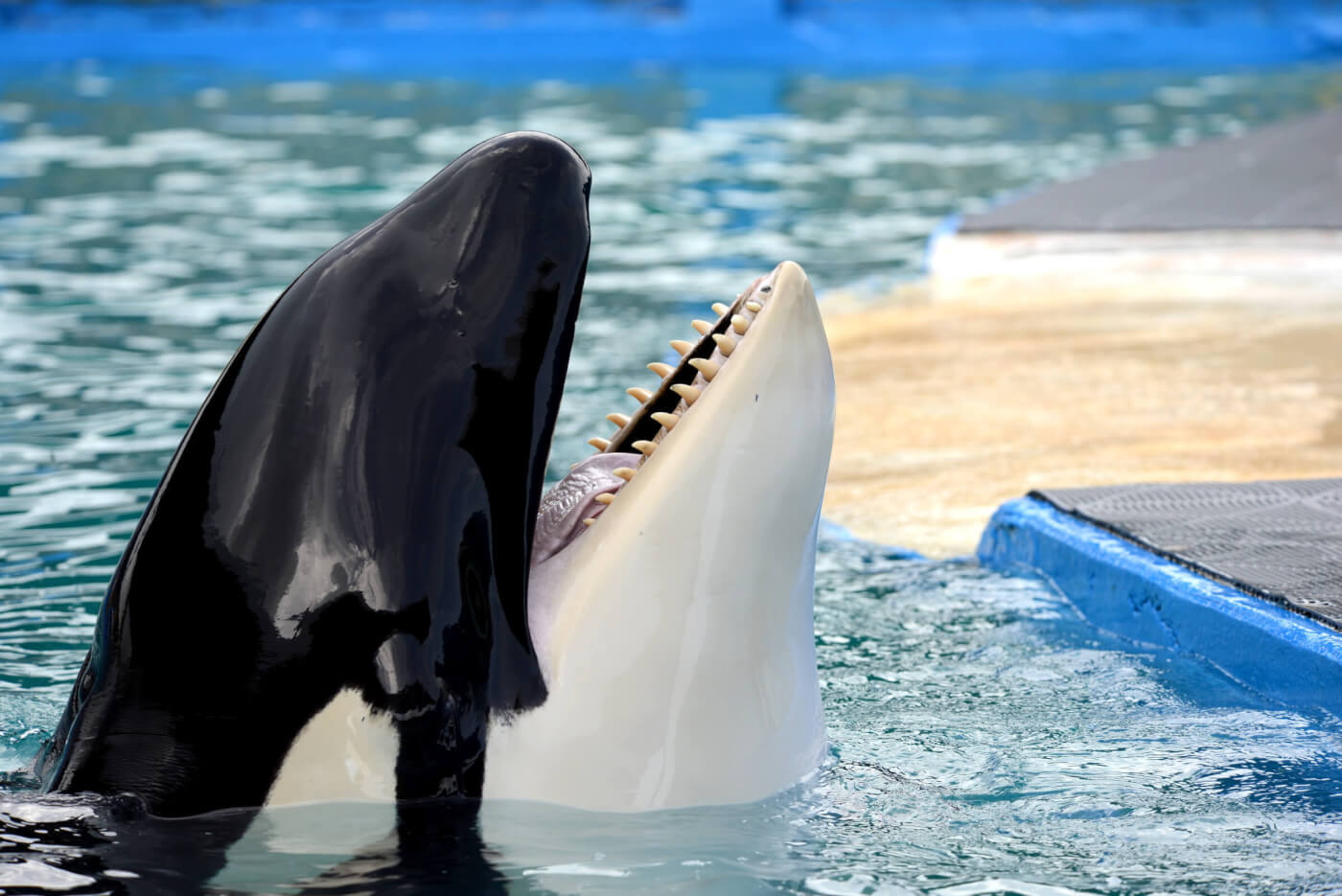
Did you know that despite having impressive teeth, beluga whales don’t chew their food? Instead, their sharp teeth grab their food, which they swallow whole.
Bool referred to Little Grey and Little White as “ambassadors for the 300 other beluga whales [who] are in human care across the world.”
We applaud the work of SEA LIFE Trust and Whale and Dolphin Conservation, and we hope SeaWorld executives follow their lead and allow the animals trapped there to be transferred to sea sanctuaries—something that PETA has been urging the abusement-park company to do for years. In sea sanctuaries, orcas and other marine animals could live in large areas of the ocean while still benefiting from humans’ care for as long as they might need.
But in order for this to become a reality, SeaWorld executives must get their heads out of … the clouds. It’s up to us to convince the company that the animals it holds captive should be granted the same freedom now enjoyed by Little Grey and Little White—which is what all animals deserve.
PETA has made it clear to SeaWorld that we’ll gladly pay to get the ball rolling on a seaside sanctuary, one where these deserving animals could finally dive deep and feel the ocean currents.
In April, after another ex–SeaWorld CEO called it quits after just a few months, we made the company an offer: In exchange for a quarter of a million dollars toward building a seaside sanctuary, SeaWorld must agree to release the whales, orcas, and other dolphins currently being denied any semblance of happiness or a natural life. We’re still waiting for the company’s response.
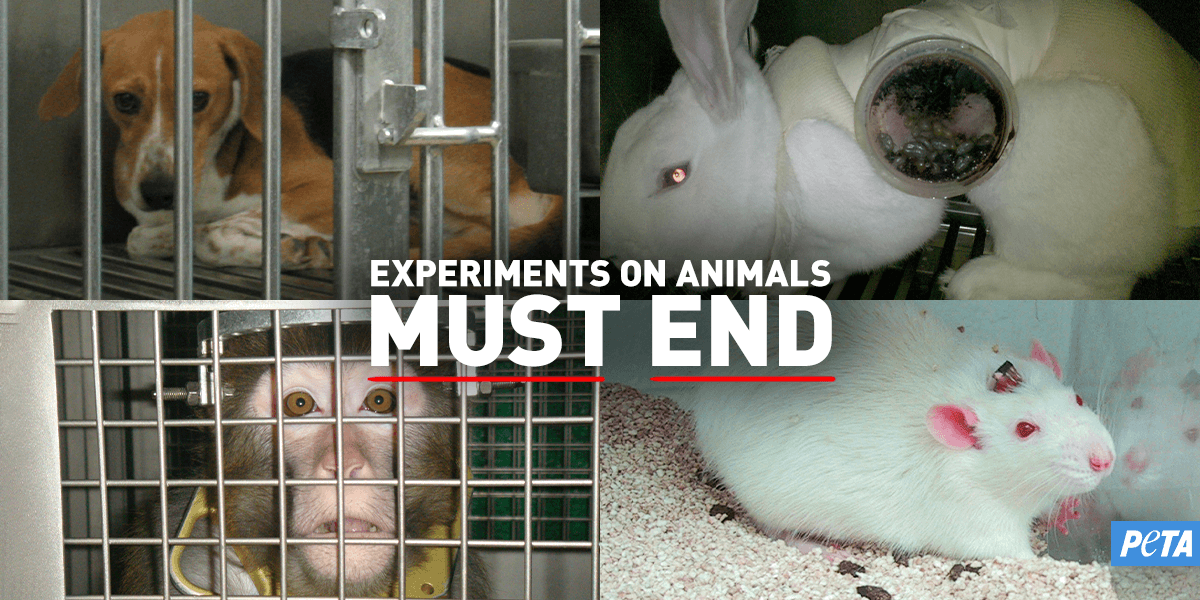
If you’re a PETA member or supporter, you no doubt know that—at our core—we’re an anti-vivisection organization. We oppose all forms of speciesism, but we never forget that our 1980s origins are rooted deeply in ending animal experimentation. But if you’re scratching your head and wondering “What is vivisection?” don’t fret—you’re not alone. We’ve broken down everything you need to know about the ruthless, archaic practice:
What Is Vivisection?
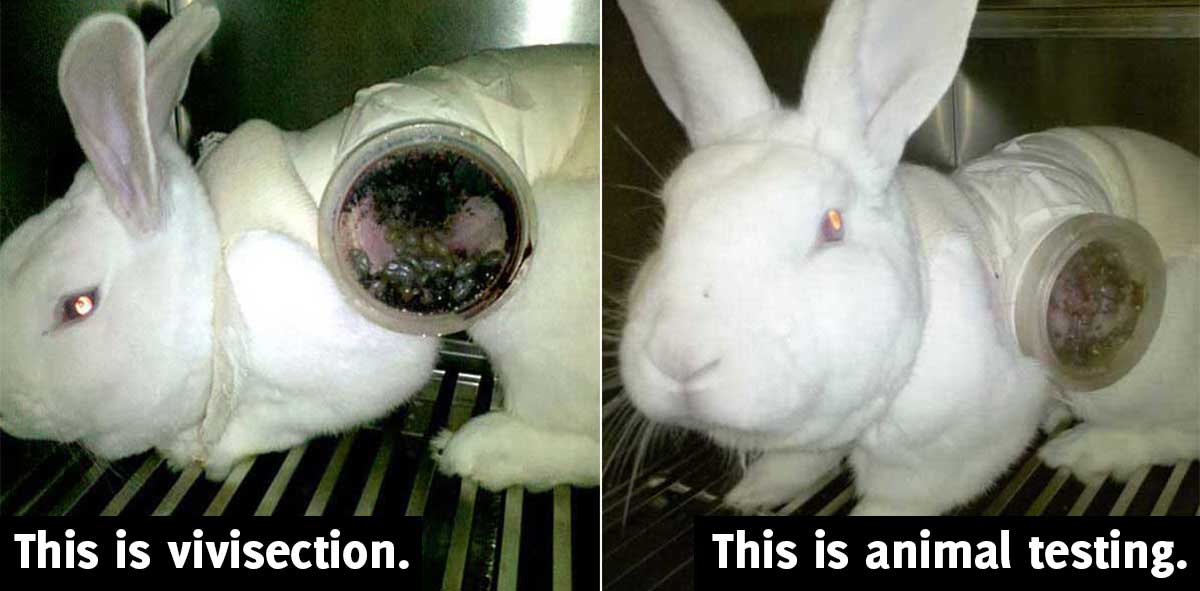
Merriam-Webster defines vivisection as “the cutting of or operation on a living animal usually for physiological or pathological investigation” or—broadly—“animal experimentation especially if considered to cause distress to the subject.” To put it even more simply, vivisection isanimal testing—think of the two as synonymous. If you’ve seen Legally Blonde 2 or if you’ve ever opted for wet n wild mascara over Maybelline because the former uses PETA’s Global Beauty Without Bunnies logo, you probably already realize that animal testing is bad. If you don’t, that’s OK—keep reading.
Who Started Vivisection?
Greek physician Claudius Galen is often named as the originator of vivisection. During the Roman Empire, Galen cut open monkeys, pigs, sheep, and goats. The conclusions he drew about human anatomy based on his dissections were reportedly flawed—a phenomenon we see often in today’s ineffective animal tests when lives and precious resources are wasted by trying to infect animals with diseases that they would never normally contract.
In the notorious canine muscular dystrophy (MD) laboratory atTexas A&M University, dogs who were deliberately bred to develop this crippling muscle disease struggled to walk and swallow. Analysis of MD experiments using dogs has shown that there are serious pitfalls when trying to apply their results to humans. Nearly 40 years of these tests have failed to result in a single cure or treatment that reverses MD symptoms in humans.
What Do Vivisectors Do?
Much like Galen, today’s vivisectors experiment on and almost always kill animals in the name of “science.” Poisoning, shocking, burning, and killing animals is all in a day’s work for vivisectors. Because many states’ anti-cruelty statutes include language that exempts abuse of animals in laboratories, vivisectors are given a pass to get away with murder. And they often use our tax dollars to do so—for example, over the course of the last 13 years, National Institutes of Health experimenter Elisabeth Murray has received more than $36 million in taxpayer funding to frighten monkeys with rubber snakes and spiders, allegedly to study mental illness in humans—and not one treatment or cure for humans has come out of it. No experiment on animals, no matter how gruesome, is illegal.
Are Vivisection and Animal Testing the Same Thing?
Yes, vivisection is the practice of experimenting on animals. To learn more about what’s wrong with vivisection, check out these top five reasons to stop animal testing.
This archaic method for raising ticks was developed in the 1930s and is still used today in some laboratories, even though newer, non-animal methods are available.
You can call it vivisection, or you can call it animal testing—any way you spin it, animals will never be ours to experiment on.
Which Animals Are Used in Animal Testing (Vivisection)?
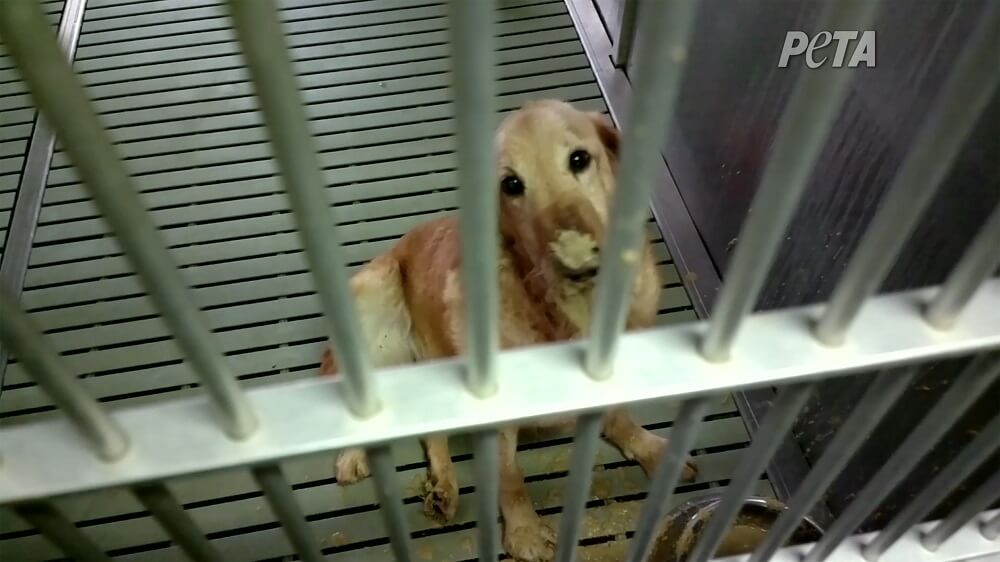
At any given moment, millions of mice, rats, rabbits, primates, cats, dogs, and other animals are locked inside barren cages in laboratories across the U.S. They languish in pain, suffer from extreme frustration, ache with loneliness, and long to be free.
In Murray’s laboratory, sections of monkeys’ skulls are carved out and toxins are injected into their brains. At Johns Hopkins University, experimenter Shreesh Mysore holds barn owls captive in his laboratory, cutting into their skulls and poking electrodes around in their brains. At Liberty Research, Inc., dogs and cats were injected with pesticides and holes were drilled into their heads—some cats suffocated under flipped-over litterboxes.
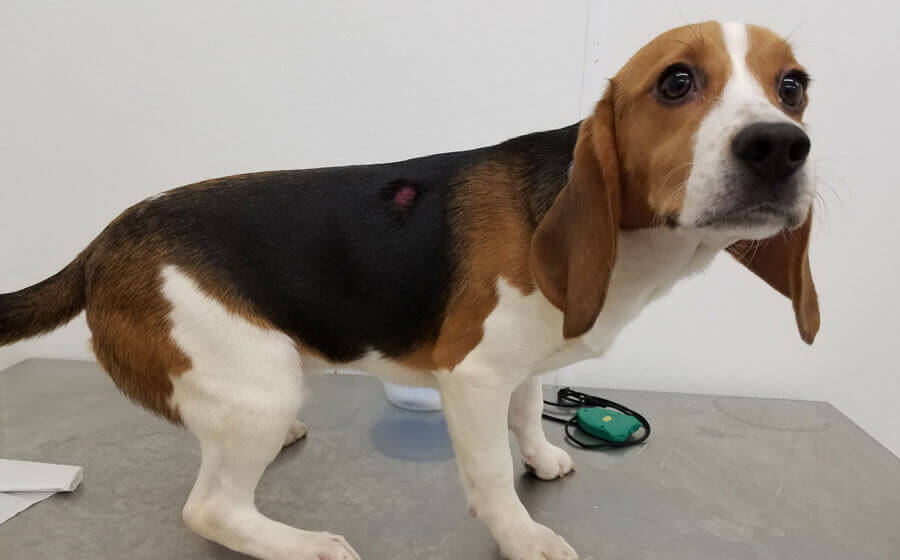
In one experiment at Liberty Research, Inc., workers used a drill to bore holes into the skulls of 30 young beagles so that distemper virus could be injected directly into their brains. Some of the dogs blinked and even whimpered during the painful procedure, indicating that they were not adequately anesthetized. Imagine if this pain were inflicted on your beloved canine companion.
Are Vivisection and Dissection the Same Thing?
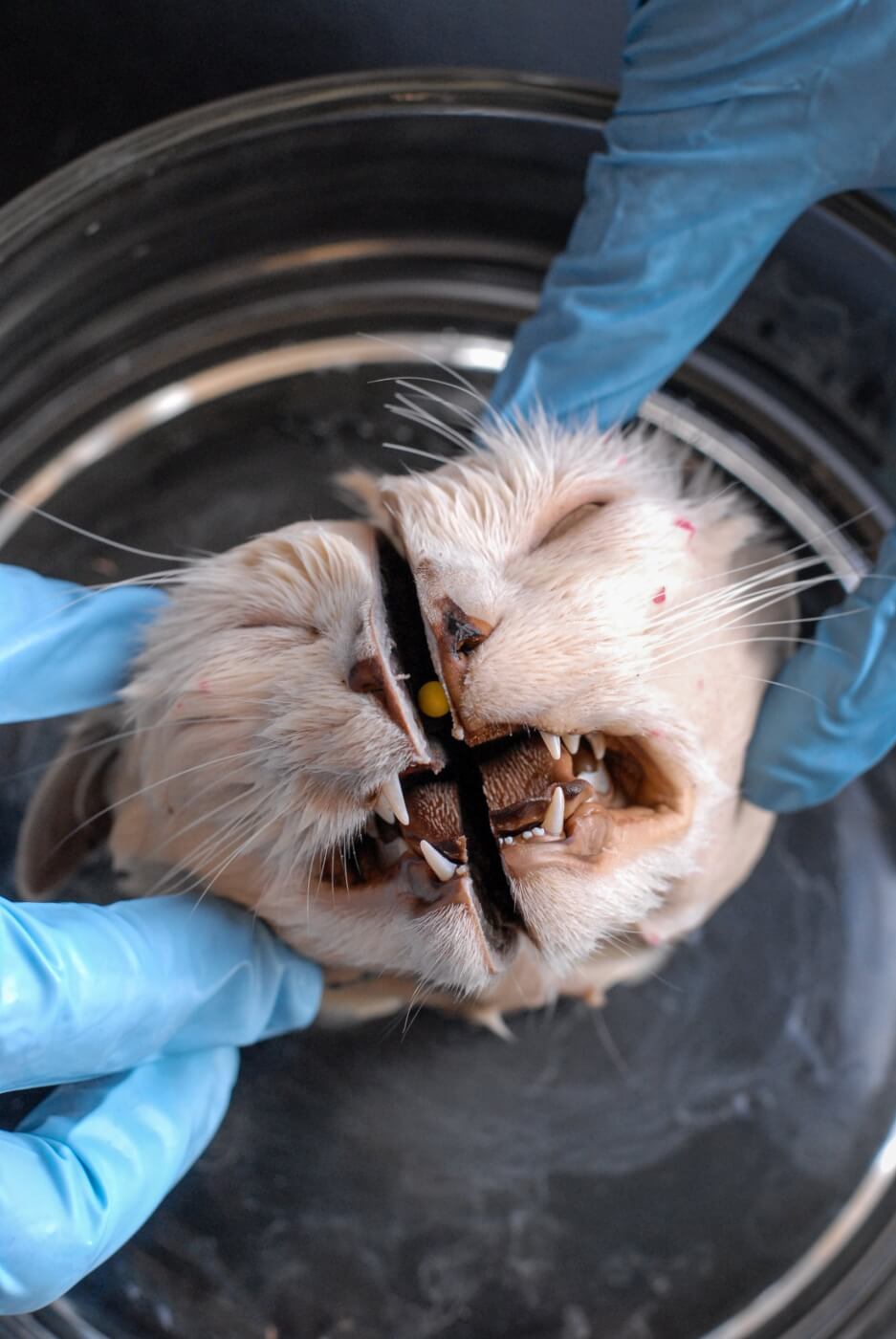
“Vivisection,” an early–18th century word, is actually a combination of the Latin “vivus” (“living”) and the English word “dissection.” When pertaining to animals, dissection is the act of cutting up or dismembering a body. Dissection is most common in classroom settings—typically, cats, frogs, pigs, rats, fish, and invertebrate animals are the ones students are instructed to cut open for a grade, but others, including sharks, birds, and turtles, are dissected, too. Vivisection and dissection have more in common than just a root word: Animals who are used in cruel experiments are often killed and then dissected.
Yes, vivisection—aka “animal testing”—is legal in the U.S. Although some of the experimentation conducted on animals today is required by law, most of it isn’t. A number of countries have implemented bans on testing certain types of consumer goods on animals, such as the cosmetics-testing bans in the European Union, India, Israel, New Zealand, Norway, and elsewhere. Unfortunately, the U.S. has no ban on testing cosmetics or household products on animals, so companies that make and sell their products here can choose to conduct tests on animals—but thanks to PETA’s campaigns, very few of them do.
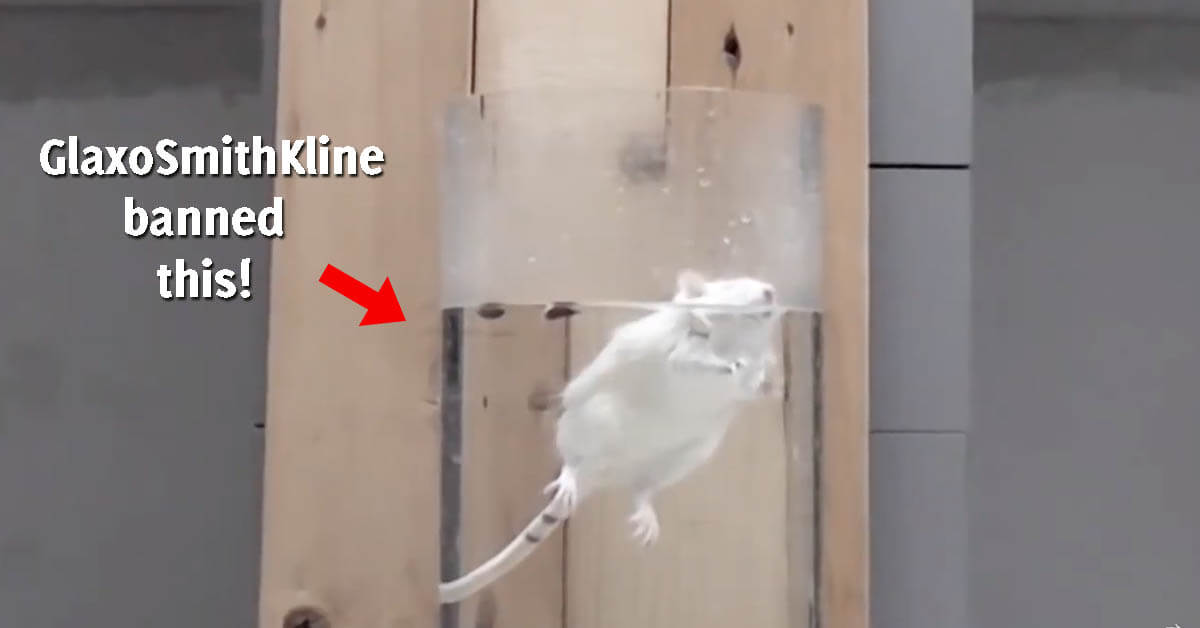
During the widely discreditedforced swim test, rats and other small animals are placed in inescapable beakers filled with water and made to swim to keep from drowning. Thanks to PETA, more than a dozen major pharmaceutical companies—including heavyweight GlaxoSmithKline—have banned this near-drowning test.
Is PETA Against Animal Testing (Vivisection)?
YES, PETA is against animal testing. Our first case—the precedent-setting 1981 Silver Spring monkeys case—resulted in the first arrest and criminal conviction of an animal experimenter in the U.S. on charges of cruelty to animals, the first confiscation of abused animals in a laboratory, and the first U.S. Supreme Court victory for animals inlaboratories. And we haven’t stopped campaigning—and winning—for animals since.
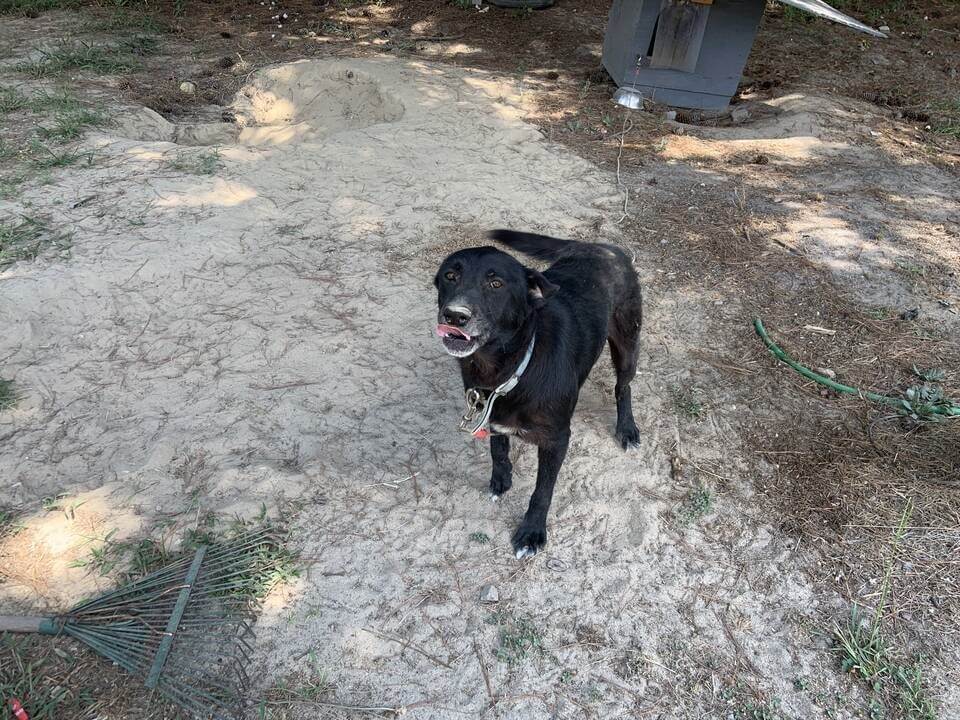
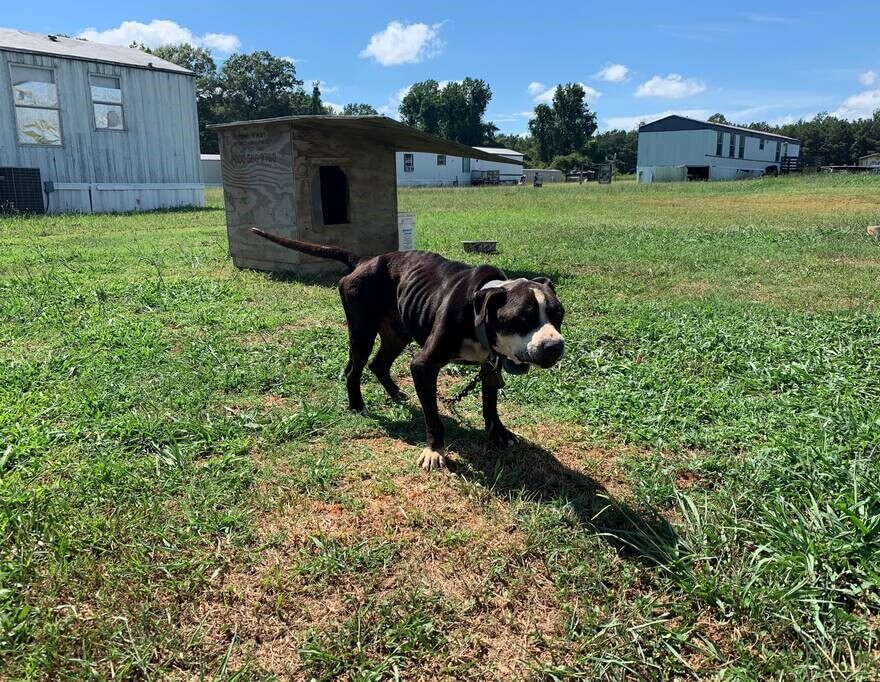
In the middle of a hot summer day, Fifi languished alone, chained to a dilapidated picnic table. Her owner left filthy water in a bucket nearly too tall for her to drink from. She’s now waiting for adoption—but if PETA hadn’t come along, who knows how long she would’ve been forced to live every day like this.
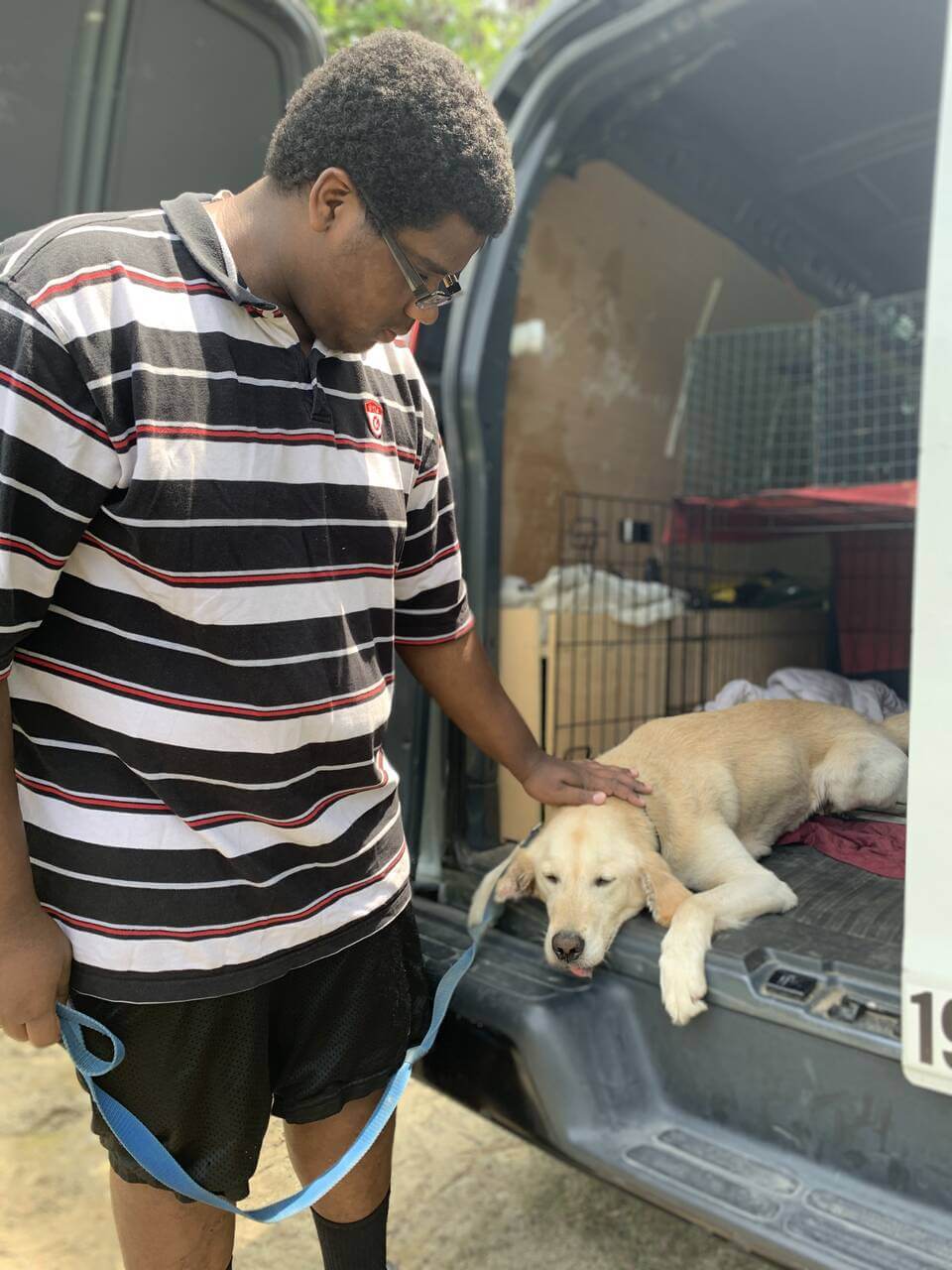
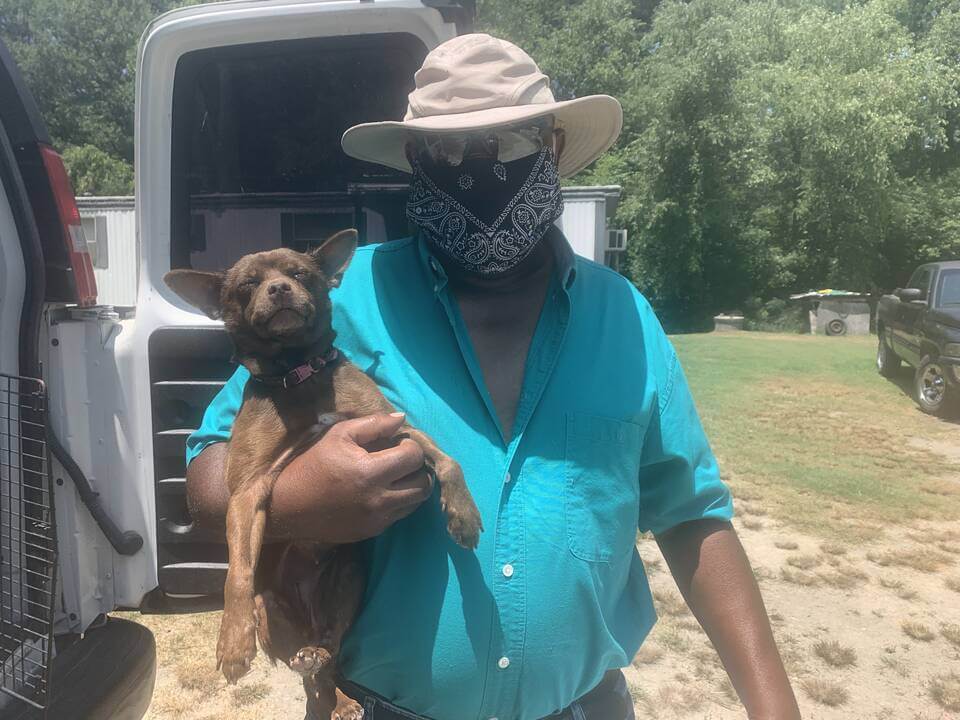
Countless animals like Fifi need PETA’s help. Like always, our field team was busy in July getting animals spayed or neutered, delivering doghouses, ending the suffering of beloved animal companions, and rescuing others from hellish backyards. Thankfully, numerous animals are on their way to a new life.
Just like humans, animals want to live free from agony, fear, loneliness, and neglect. They long for the safety and comfort of family. But it’s often the case that the only food, clean water, or loving touch some ever receive are provided by PETA’s field team.
Check out these highlights of animals PETA helped in July:
We continued vital spay/neuter efforts to combat overpopulation and homelessness.
Spaying and neutering makes a big difference: Just one unaltered female dog and her offspring can produce 67,000 puppies in only six years. In seven years, one female cat and her offspring can produce an incredible 370,000 kittens!
Prissy received free grooming to keep her feeling comfortable (and looking beautiful).
Penny
We treated Zachary for a severe ear infection, too.
Shy
Missy
Slim
Mia
Allie
Zeus
Lacie
Stuart
We liberated these neglected and abused animals from hellish backyards. Some have already found a new family!
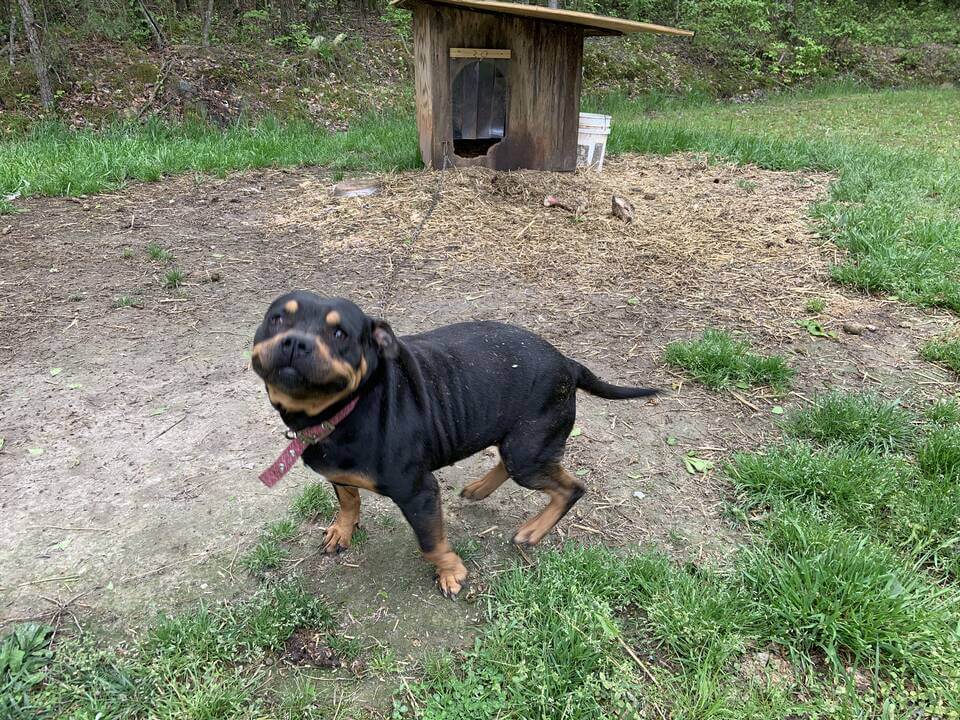
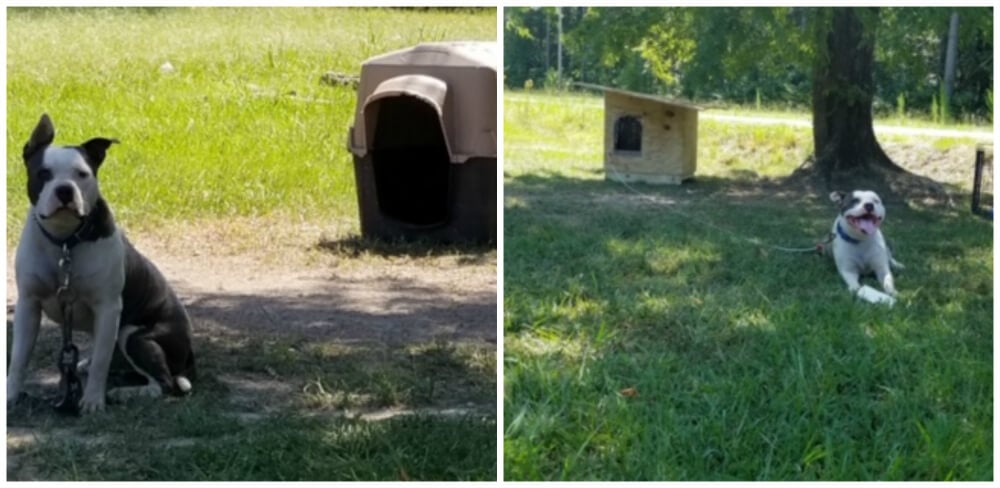
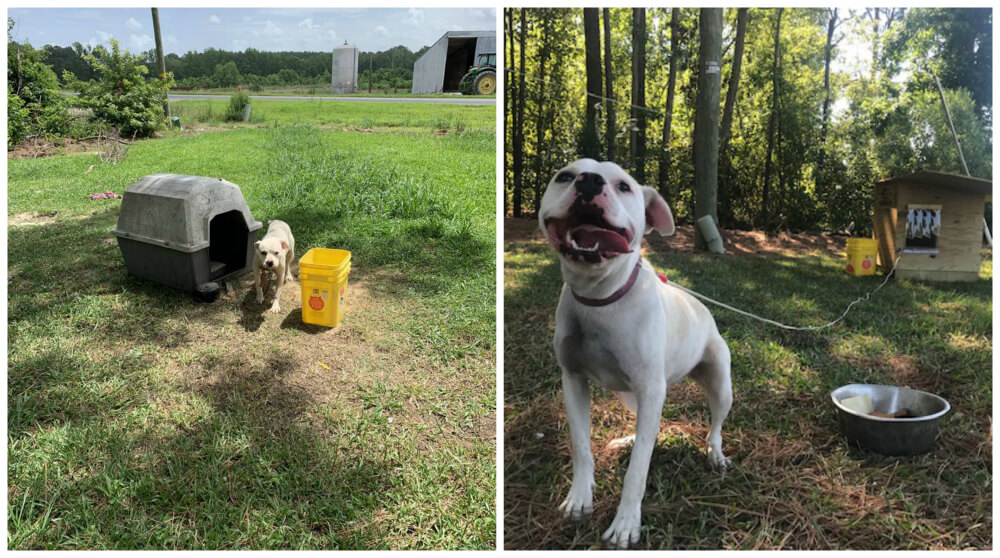
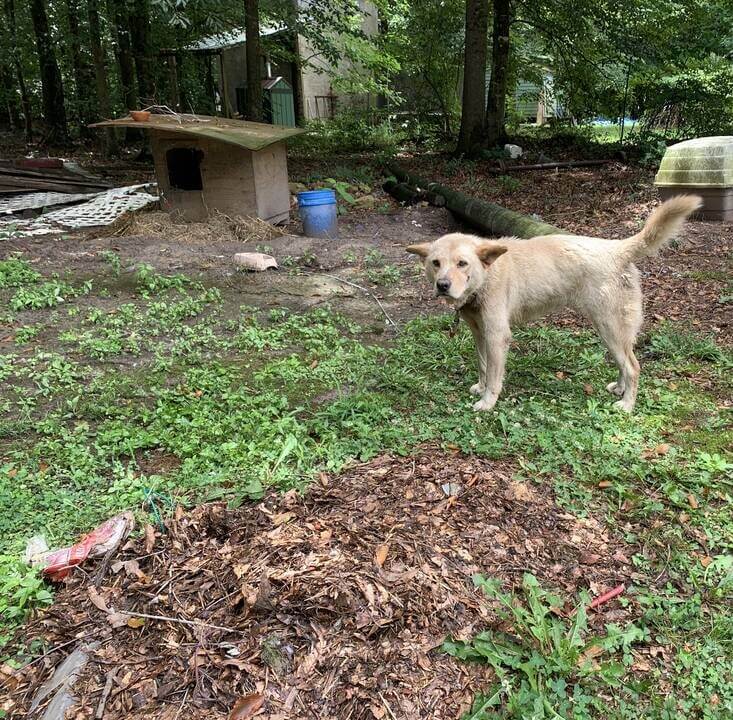
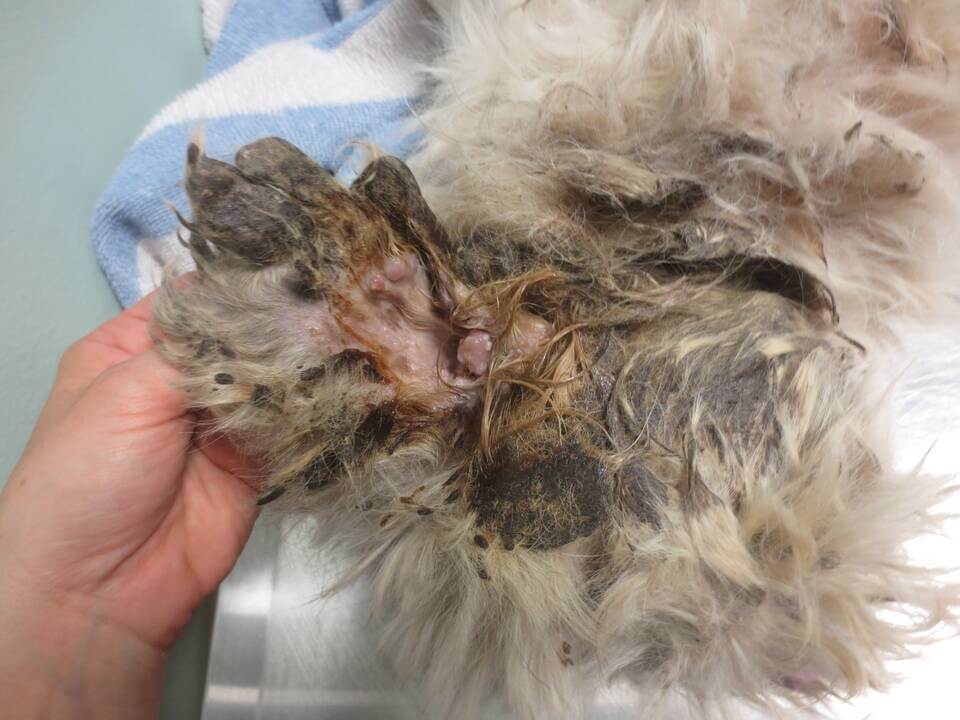
Many people don’t realize the overwhelming number of sick, neglected animals out there who are forced to spend their entire lives on chains or inside cramped pens. McGill suffered with a painful eye infection for weeks. We found Bear in agony resulting from a severe flea allergy. Cupcake would probably have died of heartworm disease if we hadn’t found her.
McGill
Bear
Cupcake
Semilla
Kizzy
PETA found Luna locked in a crate outside and had a sincere talk with her former owners, who agreed to surrender her to allow her to have a better life. We delivered her to her new permanent home with a couple who was looking to add a rescued dog to their family.
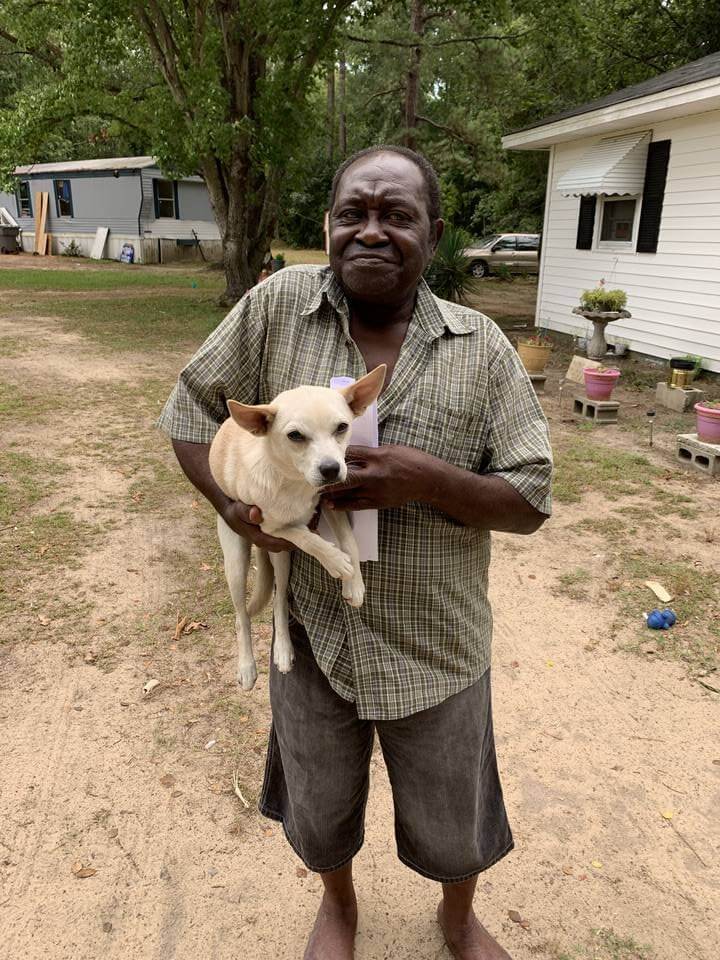
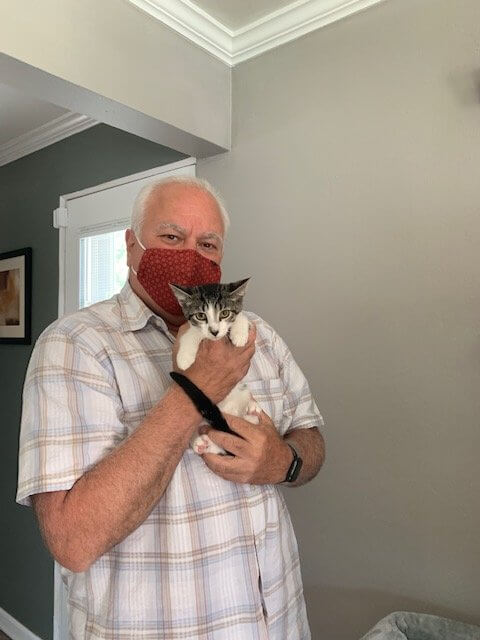
These two bonded kittens (one zoomed out of the picture!) found a new home with a retired man whose granddaughter couldn’t contain her excitement at welcoming two kittens into the family.
Guru
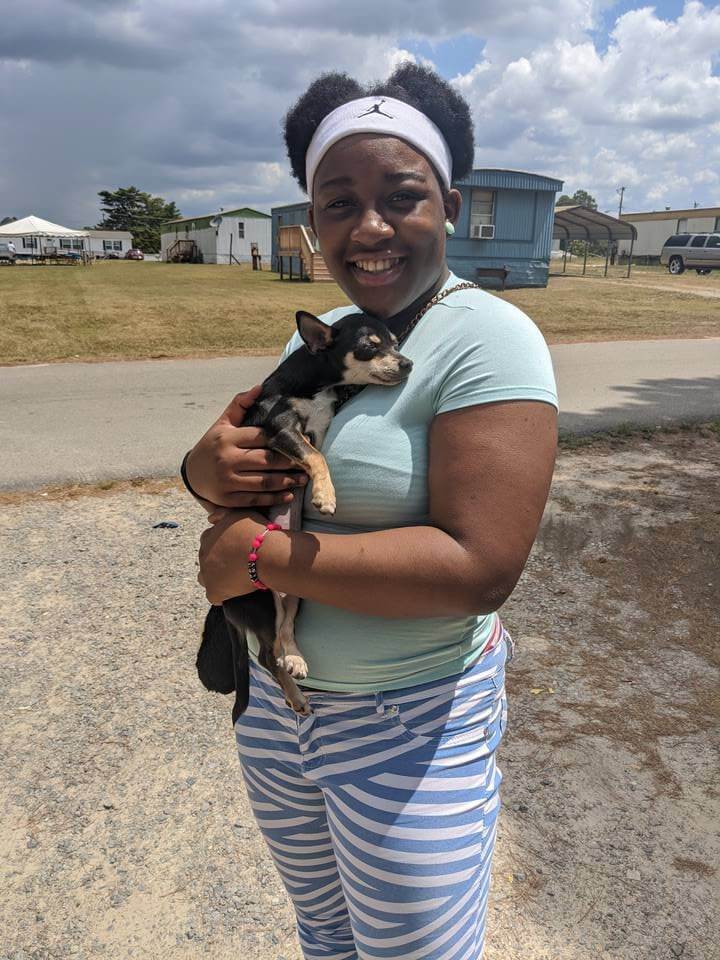
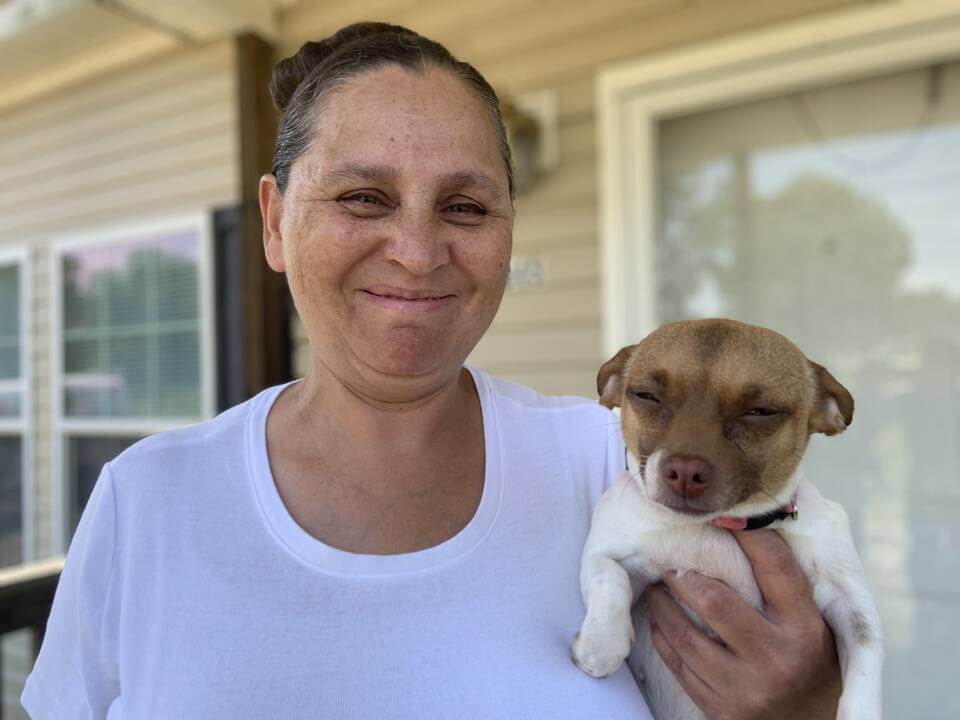
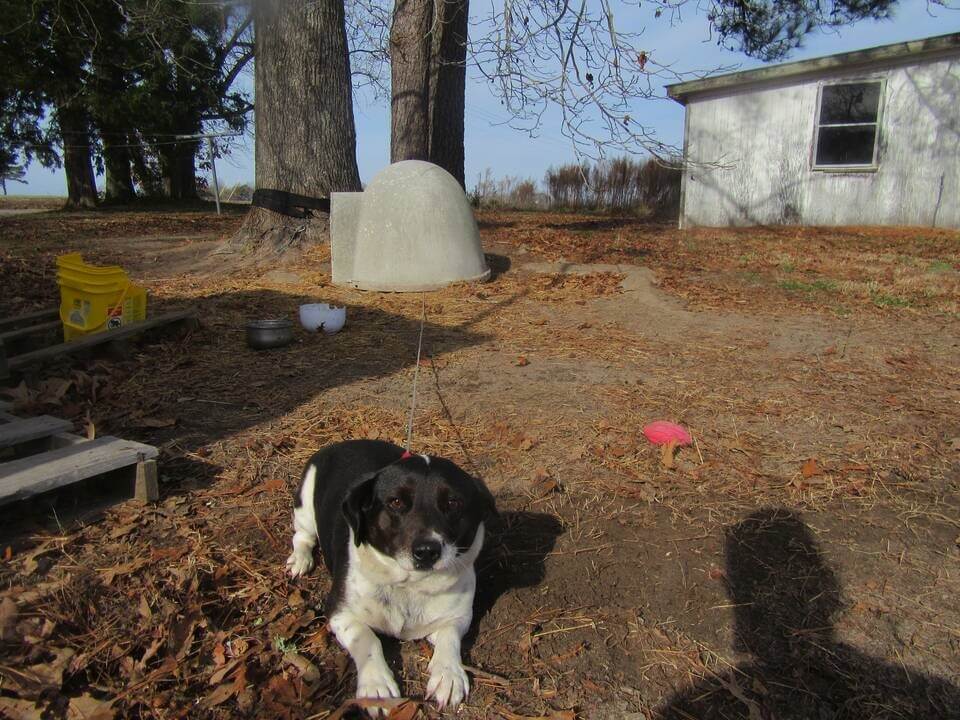
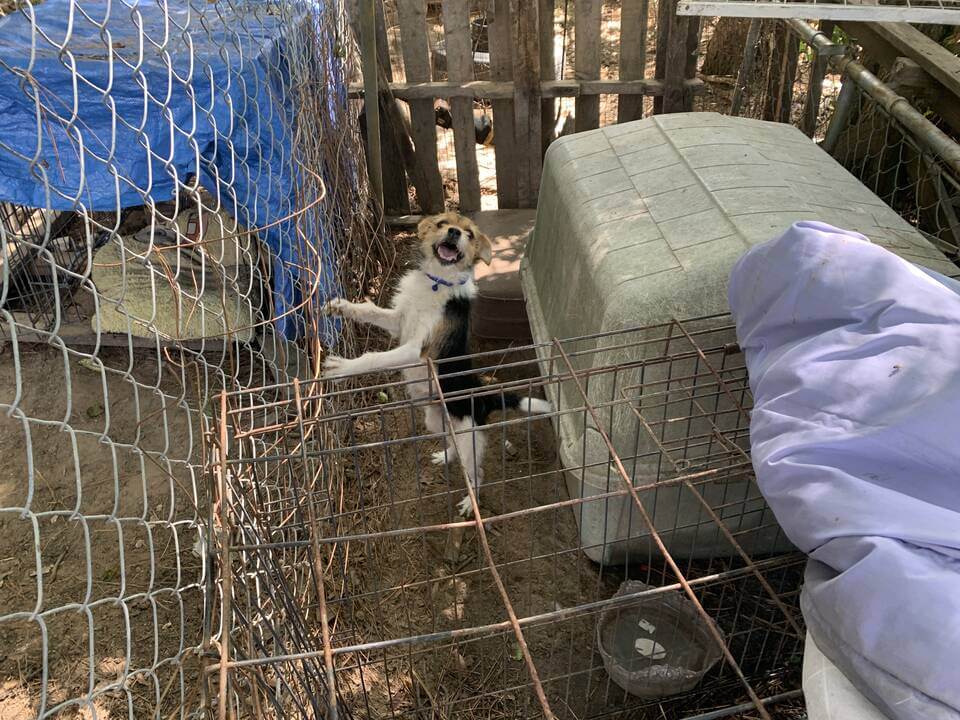
This formerly penned little dog found a new home with a family who instantly adored her.
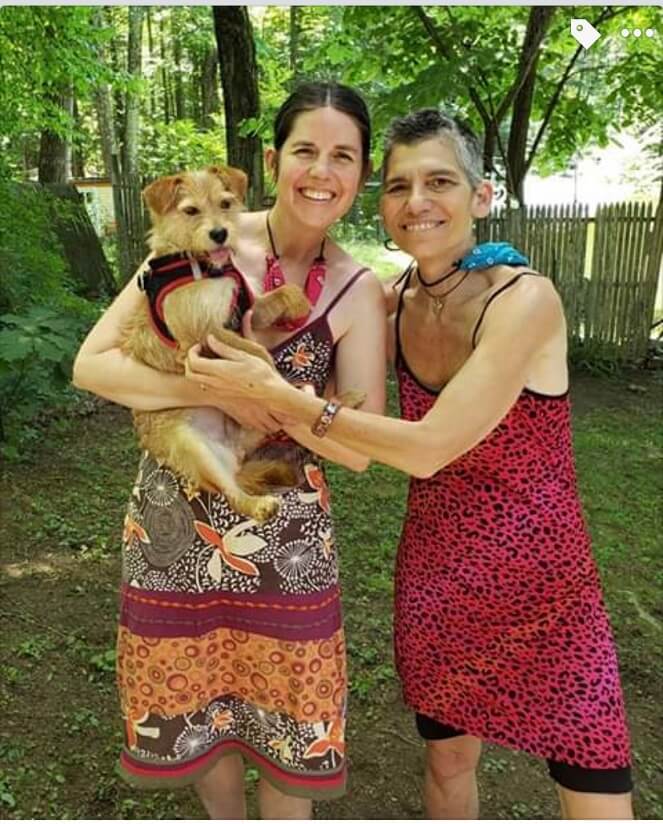
Tucker found a wonderful new home with a lovely retired couple!
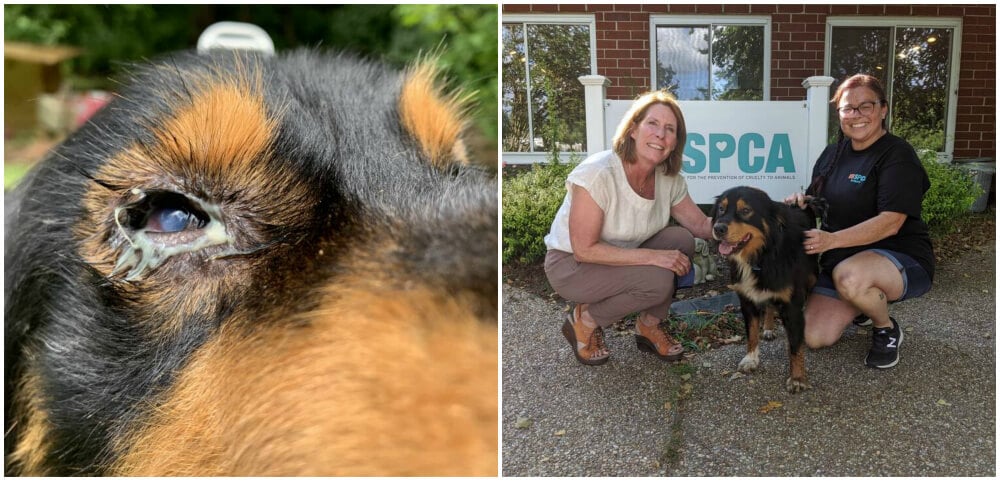
It took years and a serious heart-to-heart for PETA to persuade Brownie’s former owners to let us help find him a new family better able to meet his needs. For years, we often found him severely matted—and after he injured his eye and they failed to provide him with needed veterinary care, they finally surrendered him. Brownie received treatment for his eye and now awaits adoption at the Norfolk SPCA.
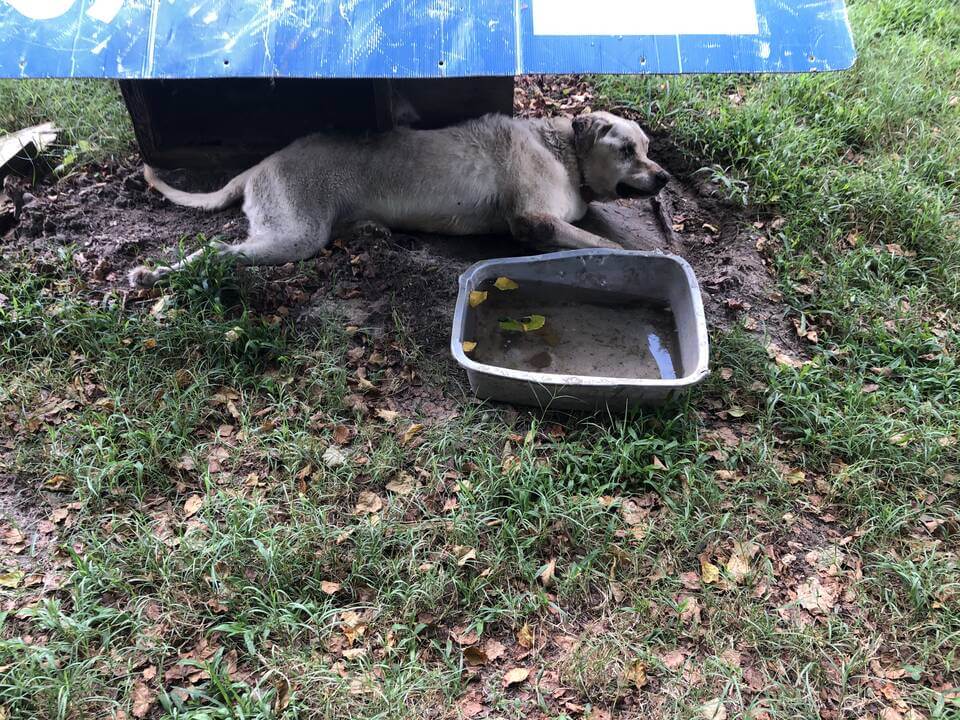
Dogs forced to live every minute of every day outside in deadly summer heat need—at minimum—water and proper shelter.
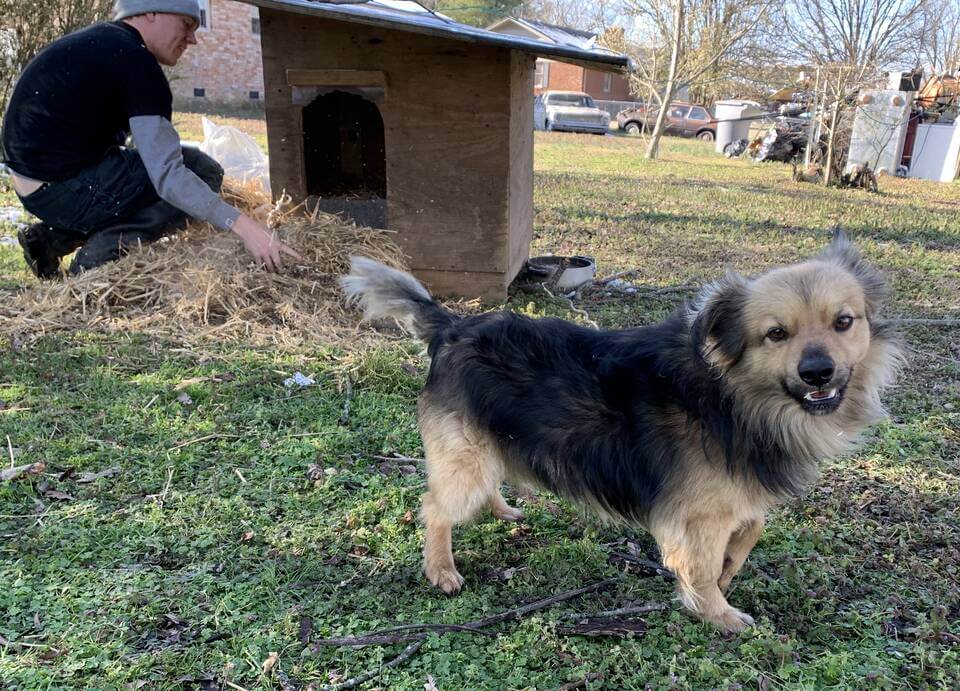
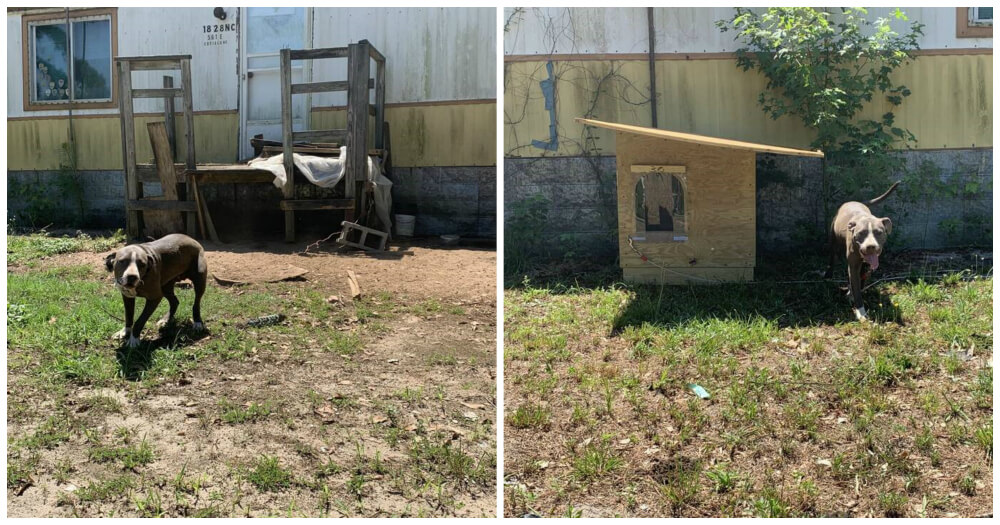
Many dogs we visit have nothing to protect them from the elements. Lady‘s only shelter was an area under the steps she was tethered to. We found Neva so tangled that she could barely move. And Jax‘s flimsy plastic doghouse was in desperate need of being replaced.
Lady’s new doghouse.
Jax with his new doghouse.
Neva in the shade with a new dog house.
For miserable animals on the brink of death, euthanasia is a necessary kindness.
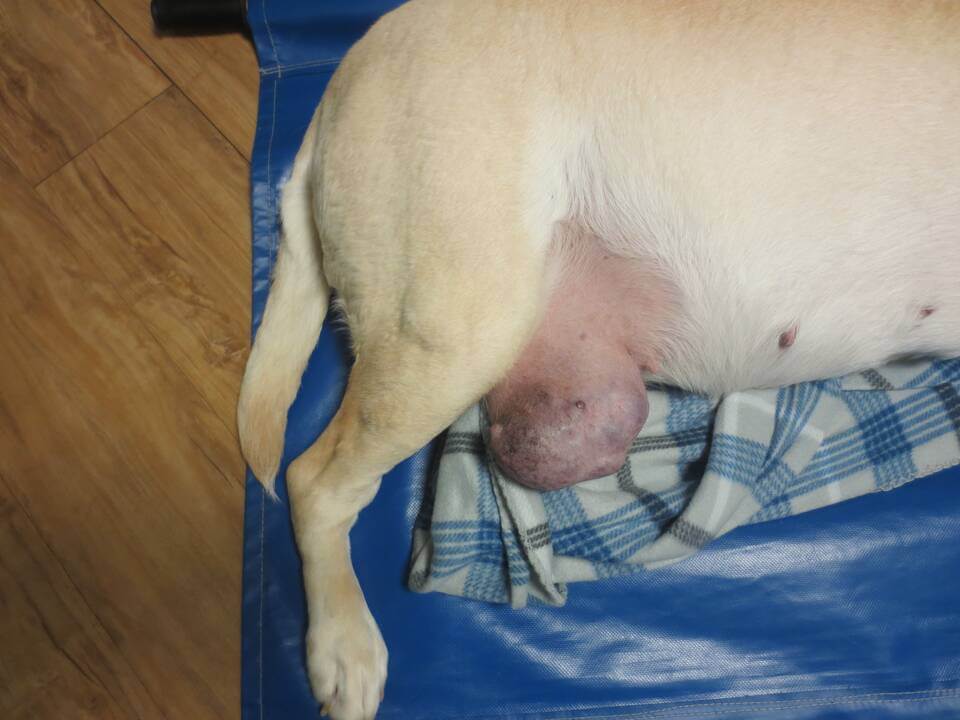
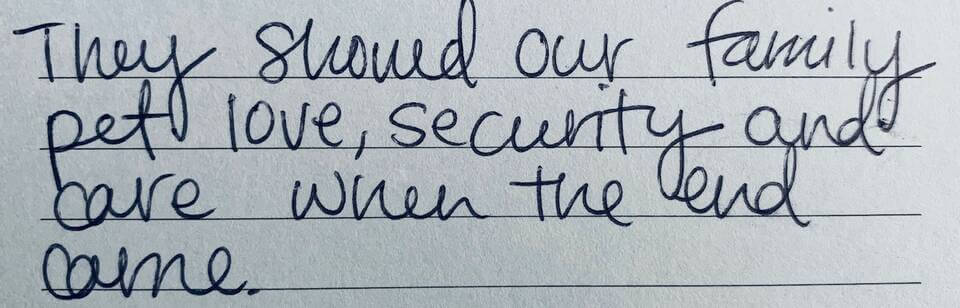
Almost daily, we find animals suffering from deadly conditions like heartworms, horrendous infections, untreated injuries, or debilitating tumors. In other cases, guardians of elderly animals without the means for end-of-life care come to us for help. We’re there for them in those emotionally overwhelming times.
Max
Queen
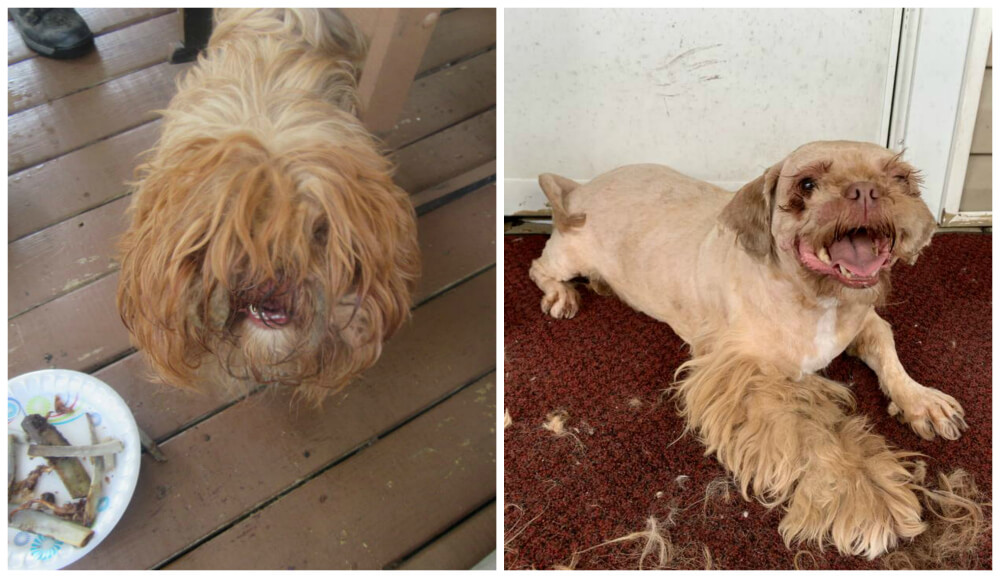
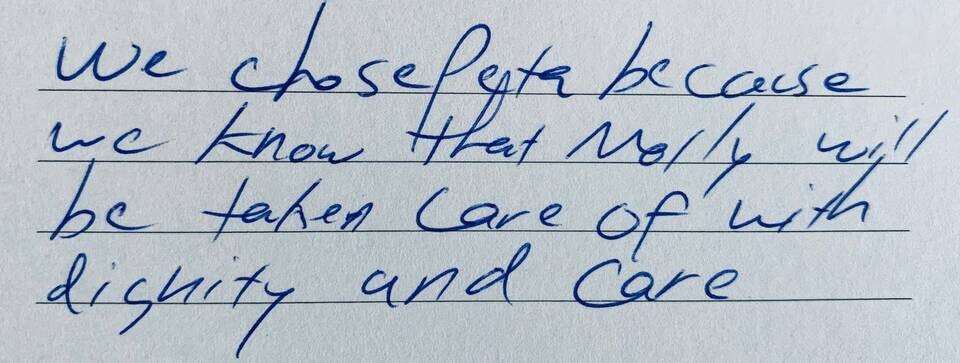
A man brought in Molly, his elderly shih tzu, for end-of-life help after she developed horrid skin, eye, and ear infections.
Note from Molly’s guardian.
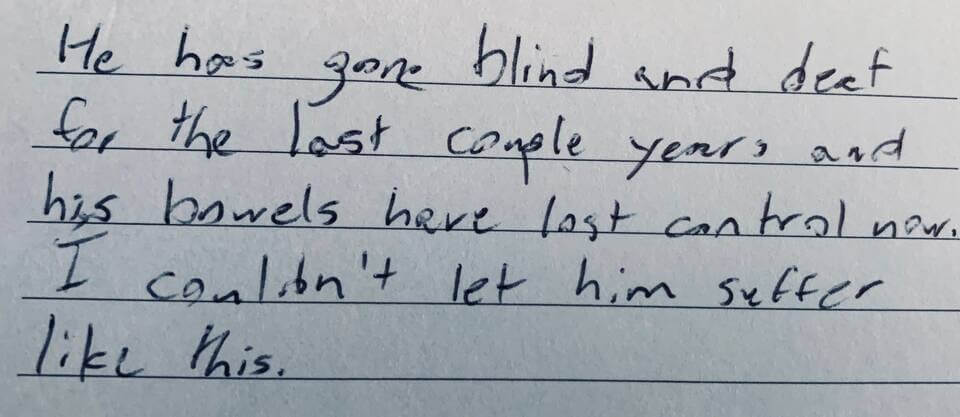
Note from Pooter’s guardian.
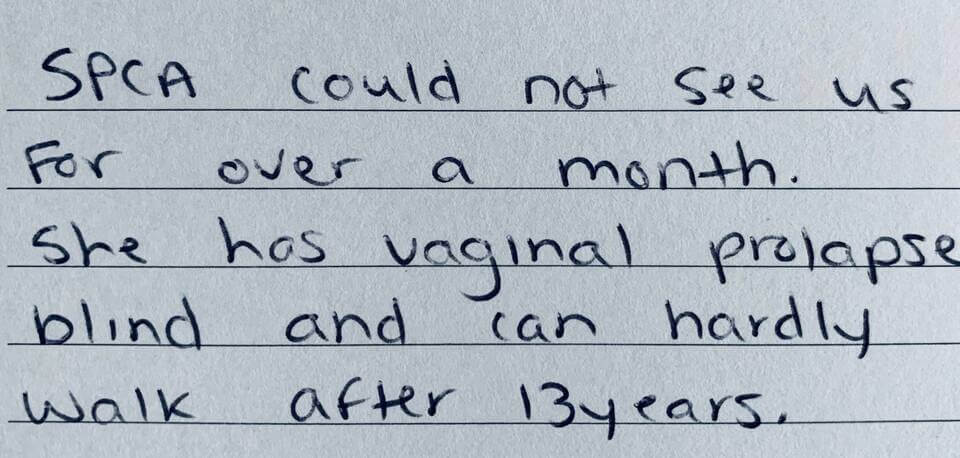
Note from Digit’s guardian.
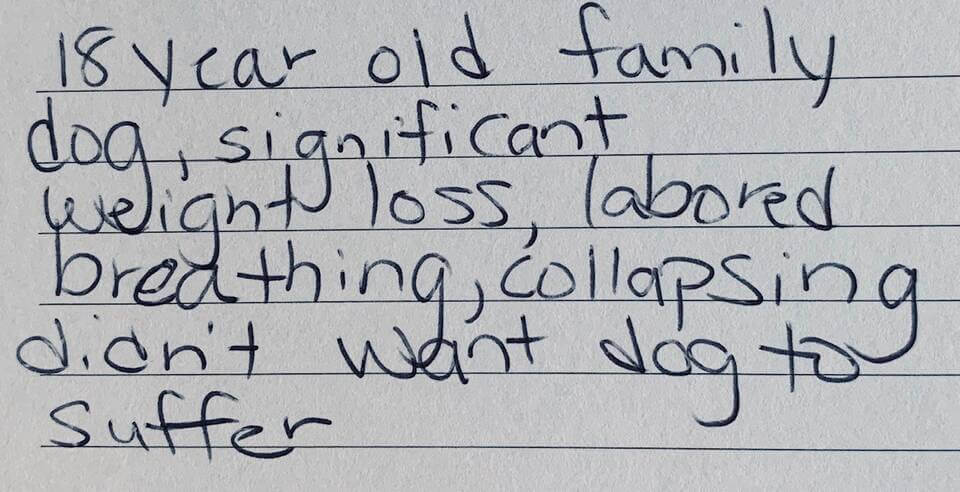
Note from Luci’s guardian.
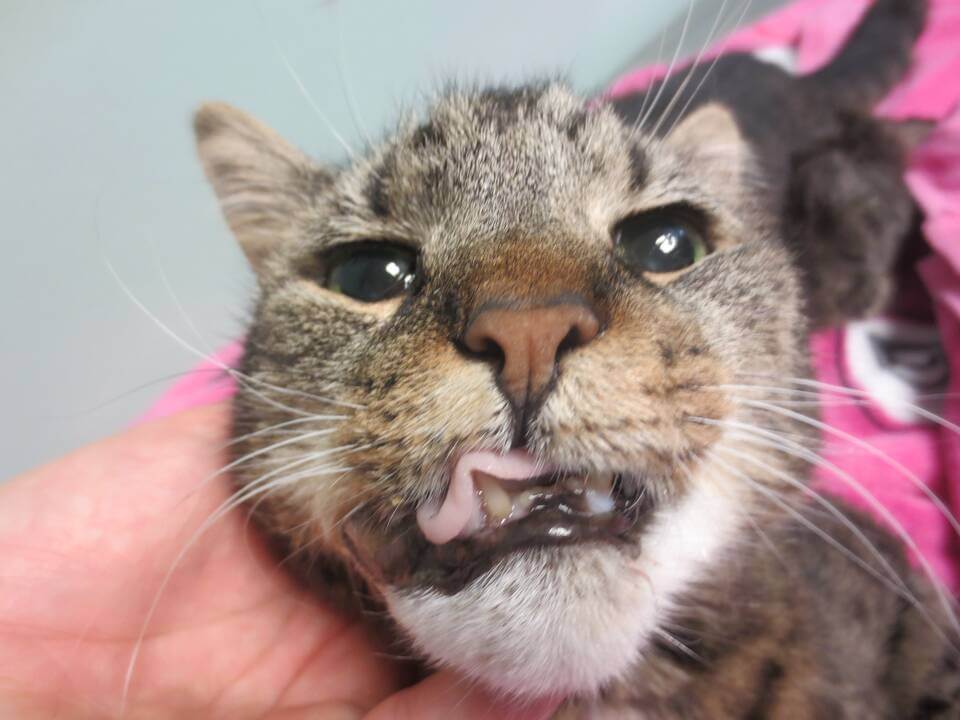
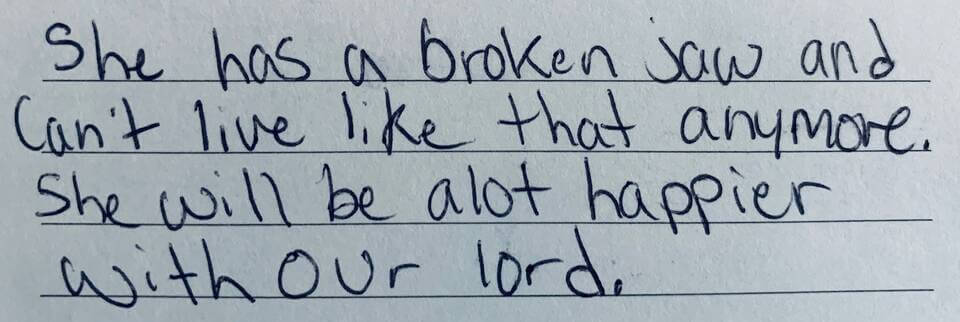
Winnie’s tragic story should remind people never to allow their cats to roam outdoors unattended. She was brought to PETA for end-of-life help after she came home with a broken jaw. Even though she was on a strong pain medication and antibiotics, her jaw became badly infected and her human knew it was time to let her go. She was peacefully euthanized.
Note from Winnie’s guardian.
Dixie
Thank you note from Eli’s guardian.
Chico
We were horrified when we found Marley—his back was covered with maggots, and his skin was rotting off. We rushed him to a veterinarian for emergency euthanasia. We also followed up with the owners and secured the relinquishment of the remaining “outdoor dog” on their property.
PETA helps and cares about all species.
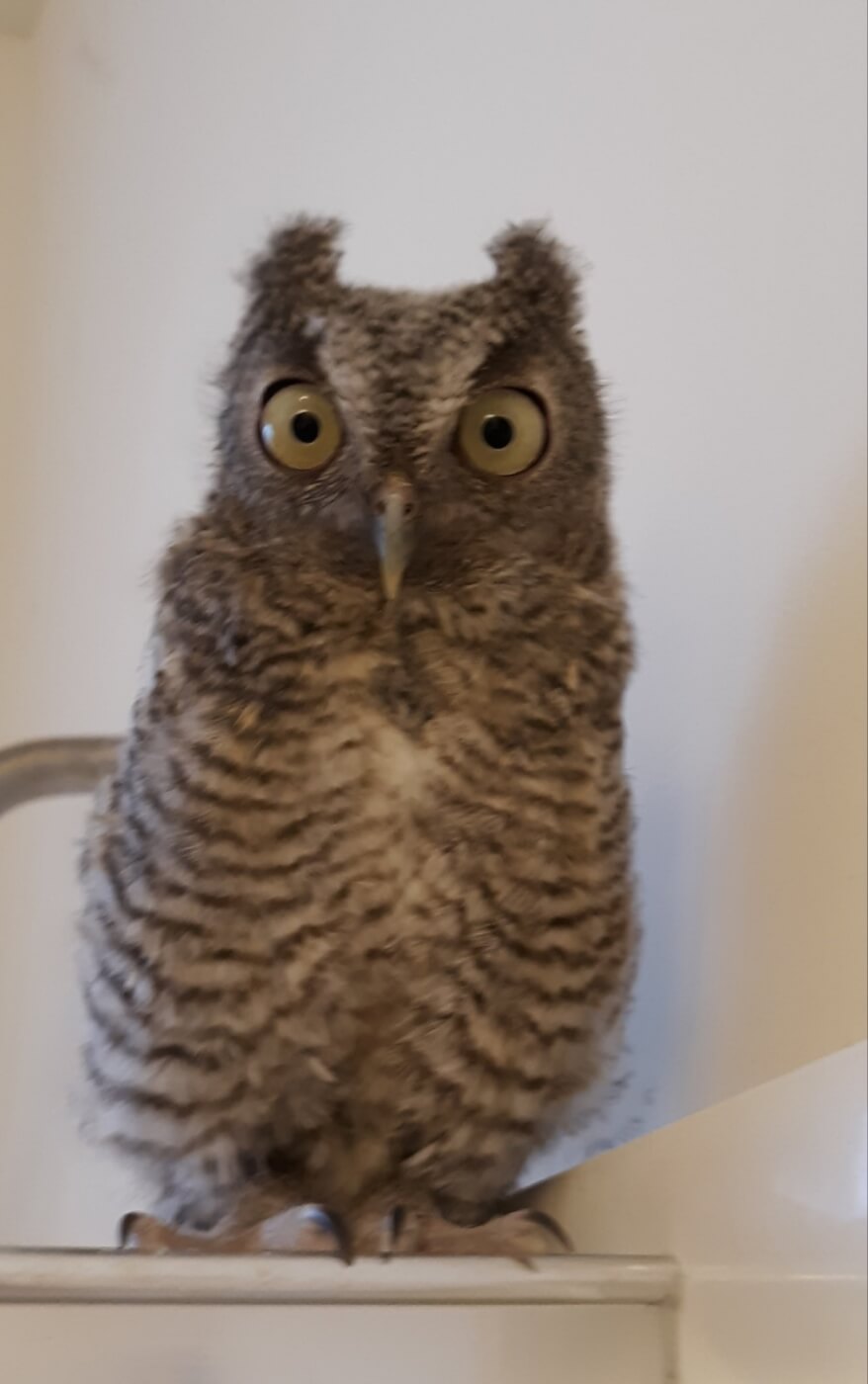
A kind but misguided woman took in a severely injured orphaned owl and did her best to care for him for nearly two months (which is illegal). We persuaded her to let us transport the owl for assessment and further rehabilitation. Fieldworkers transported him to a knowledgeable, federally licensed rehabilitation expert.
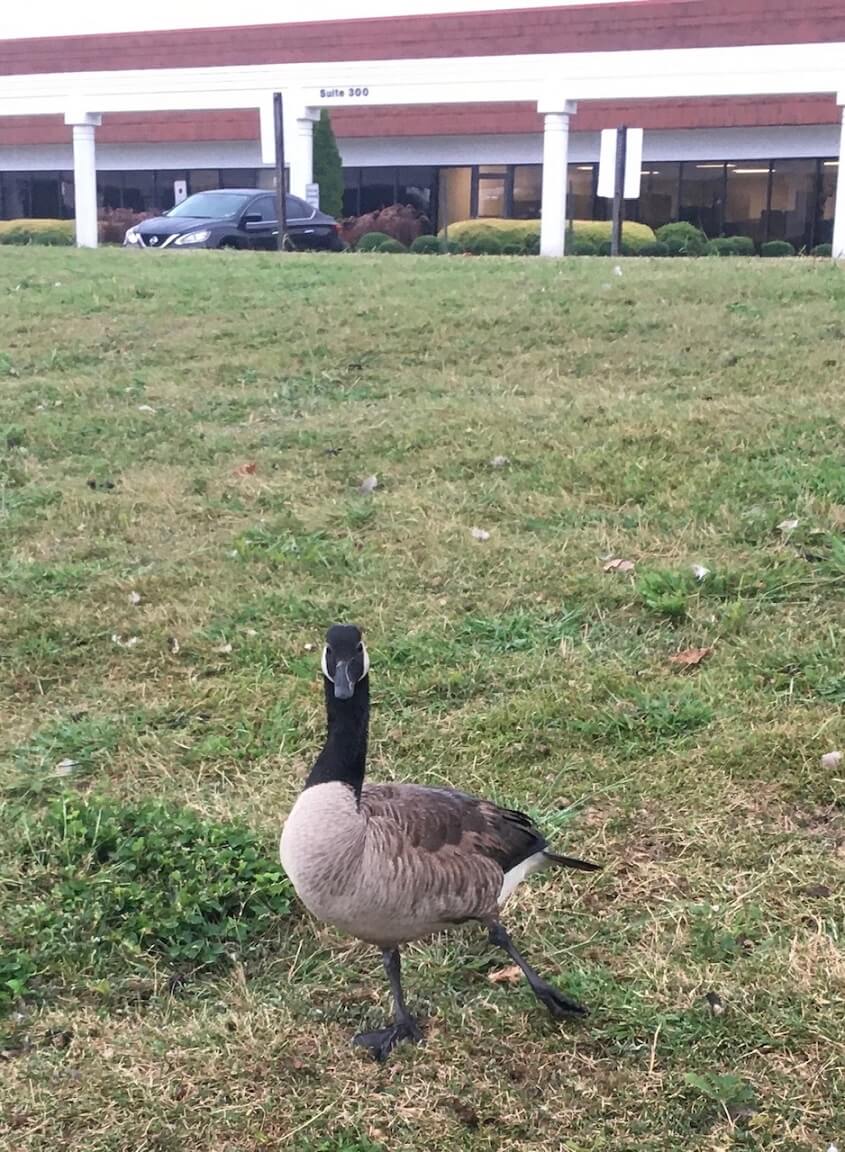
This badly injured and practically immobile goose was found in an industrial park, unable to fly and in obvious pain from a broken leg. We captured him and took him to an animal hospital, where a veterinarian determined that he was too far gone and recommended euthanasia.
Following a three-year campaign by grassroots animal activists in New York City—backed by PETA and its members and supporters—Paragon Sportshas announced that this winter will be the last season that it sells fur, including Canada Goose’s so-called “reclaimed fur,” stating that many customers prefer innovative fur-free products.
The move follows weekly PETA-supported protests outside Paragon Sports and demonstrations outside the home of Vice President and COO Zachary Blank, among other efforts. After protesters plastered fliers all over Blank’s neighborhood, the company agreed to meet with them, kicking off negotiations that recently reached a successful conclusion.
“Paragon Sports is moving into the future by leaving fur behind,” says PETA Executive Vice President Tracy Reiman. “As Canada Goose struggles and fails to change its cruel image, PETA looks forward to seeing Paragon’s racks finally free of the brand’s fur-trimmed coats.”
Nathan Semmel, one of the activists who led the effort, says, “In 2020, there is simply no good reason to exploit sentient beings for their fur when warm, beautiful, eco-friendly alternatives exist. When future generations look back at the images of coyotes writhing in agony in steel leg-hold traps or being anally electrocuted on fur factory farms, they will be just as horrified as we are today of the atrocities committed by those who came before us.”
New York City–based fashion designer and industry expert Joshua Katcher adds, “The fashion industry is finally coming to terms with the callous reality of fur production because the evidence and public demand is overwhelming. It is no longer possible for design to be considered good or beautiful when it is made in such a horribly ugly way.”
PETA’s numerous video investigations of the global fur industry have revealed that animals on fur farms spend their entire lives confined to cramped, filthy wire cages. Fur farmers use the cheapest killing methods available, including neck-breaking, suffocation, poisoning, and genital electrocution. Trapped coyotes can succumb to the elements, blood loss, infection, or attacks by predators before trappers return to shoot, bludgeon, or kill them in some other horrific way.
Paragon Sports joins hundreds of top outdoor retailers in going fur-free, including The North Face, Columbia Sportswear, Patagonia, and Burton.
PETA—whose motto reads, in part, that “animals are not ours to wear”—opposes speciesism, which is a human-supremacist worldview. For more information, please visit PETA.org.
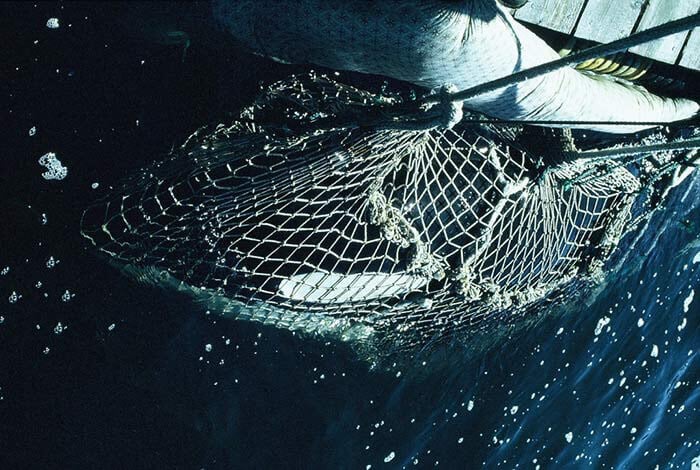
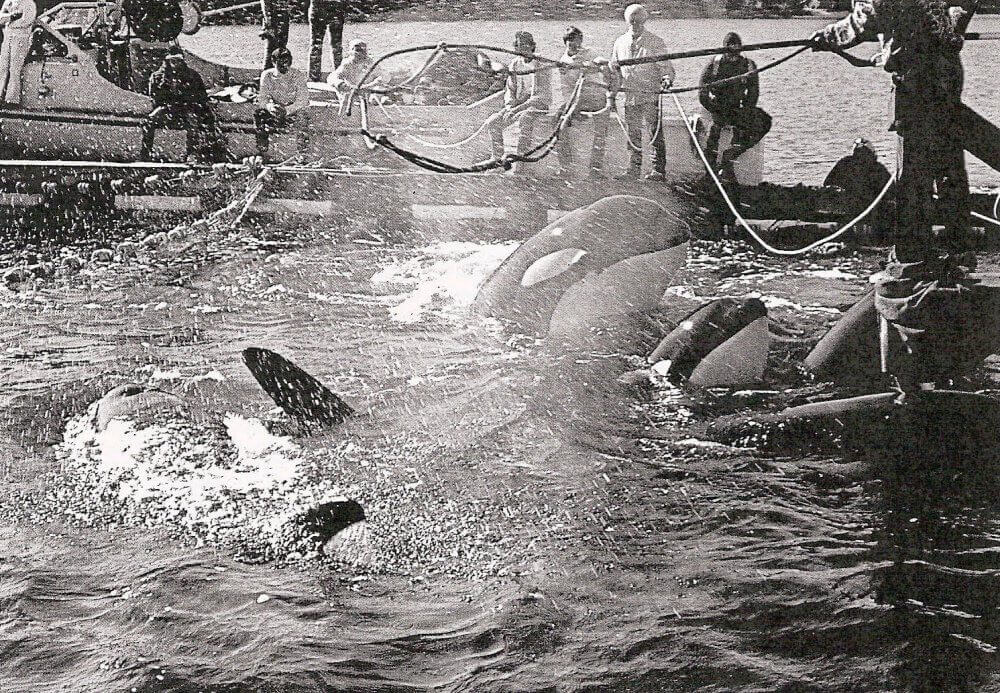
On August 8, 1970, at 4 years old, I was violently torn away from my family and ocean home. My name is Lolita, and this is the story of my 50 years in captivity.
It took place in Washington’s Puget Sound. High-speed boats and big nets surrounded us. Dozens of my orca friends and family members were rounded up that day, too, and seven—including me—were later sold to marine parks. Five others drowned during the seizure, including four babies.
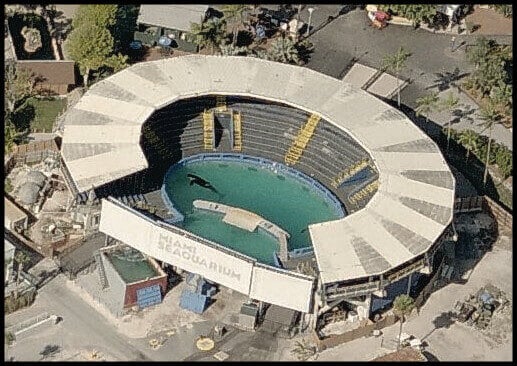
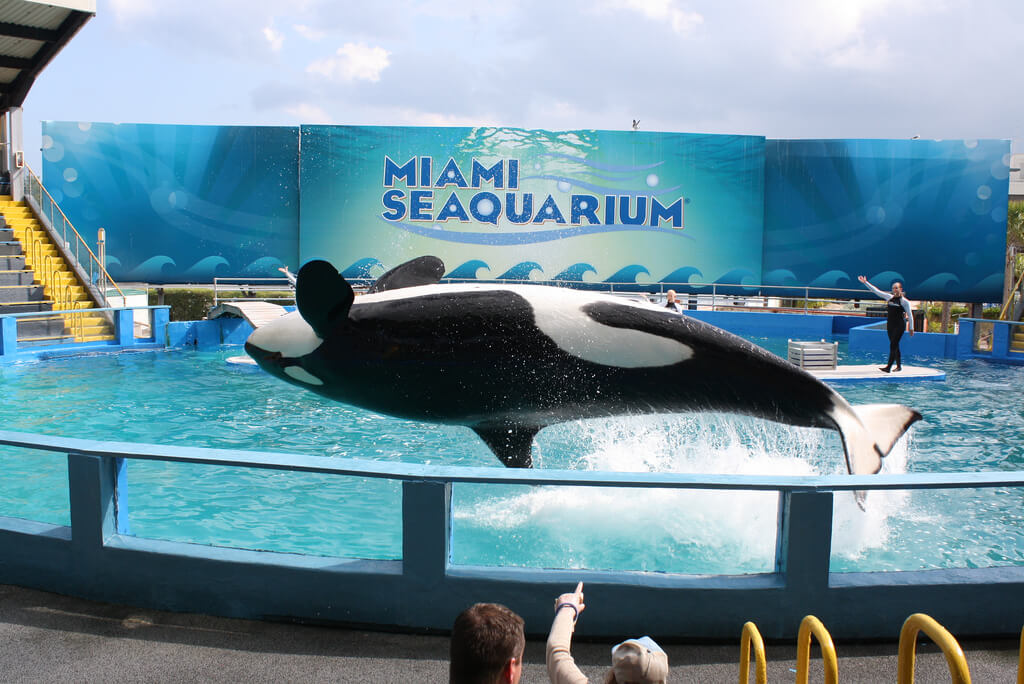
Half a century later, I’m the last surviving orca of those of us who were captured, but what I have is hardly a life—it’s more of an existence. You see, on September 14, 1970—roughly a month after my abduction—I was sent to the Miami Seaquarium and put into the world’s smallest orca tank. I’ve been here ever since.
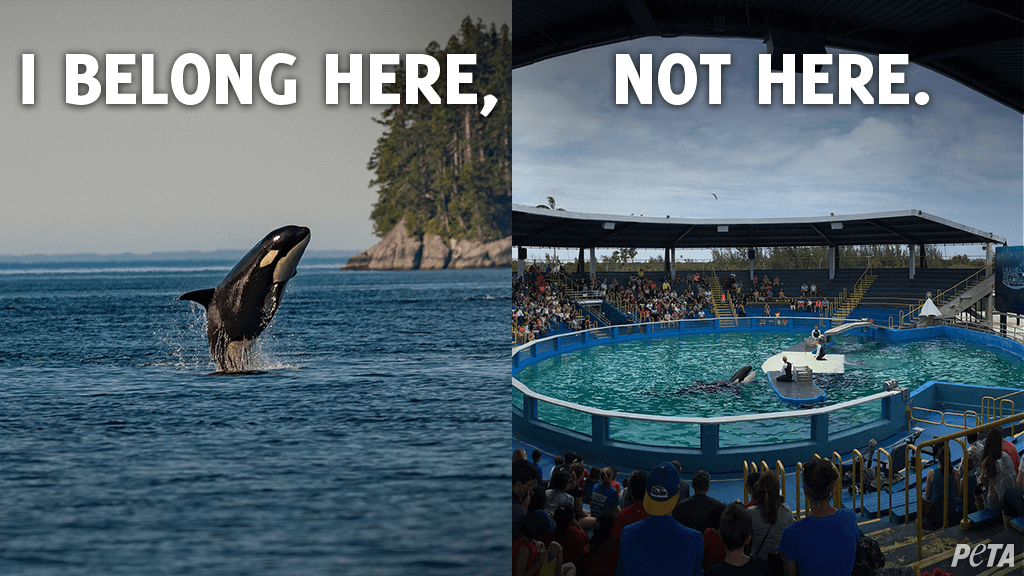
During the past 50 years, things have gone from bad to worse. Before being captured, I was free to swim up to 140 miles each day and dive thousands of feet below the surface of my native waters—but here at the Miami Seaquarium, I can’t swim any meaningful distance. I can’t even seek shelter from the scorching Florida sun—my concrete tank is completely exposed to the elements, so sometimes my skin cracks and bleeds. And I’m so lonely—I haven’t seen another orca since my tankmake, Hugo, died after repeatedly ramming his head into a wall 40 years ago.
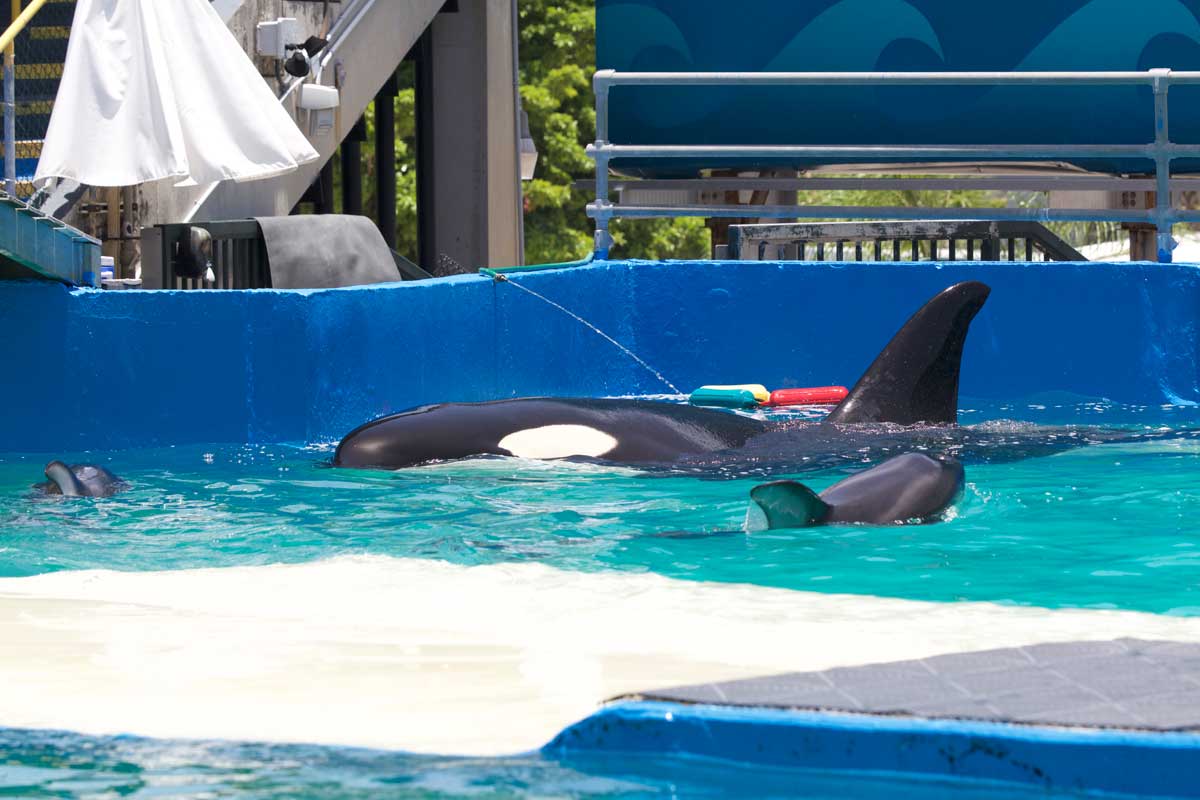
Instead, the folks here at the Miami Seaquarium keep me confined to this abysmal tank with Pacific white-sided dolphins. They scrape my skin with their teeth. Sometimes, my injuries are so severe that I think staff members medicate me with antibiotics to prevent infection. It’s not the dolphins’ fault—you’d think that marine park staff would recognize that we’re incompatible.
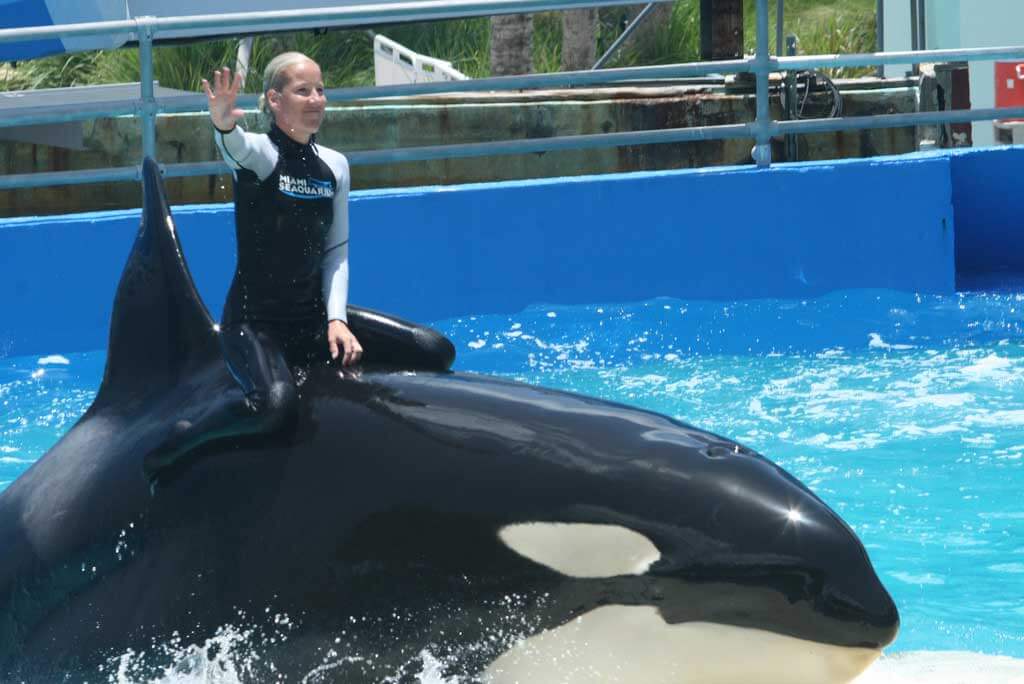
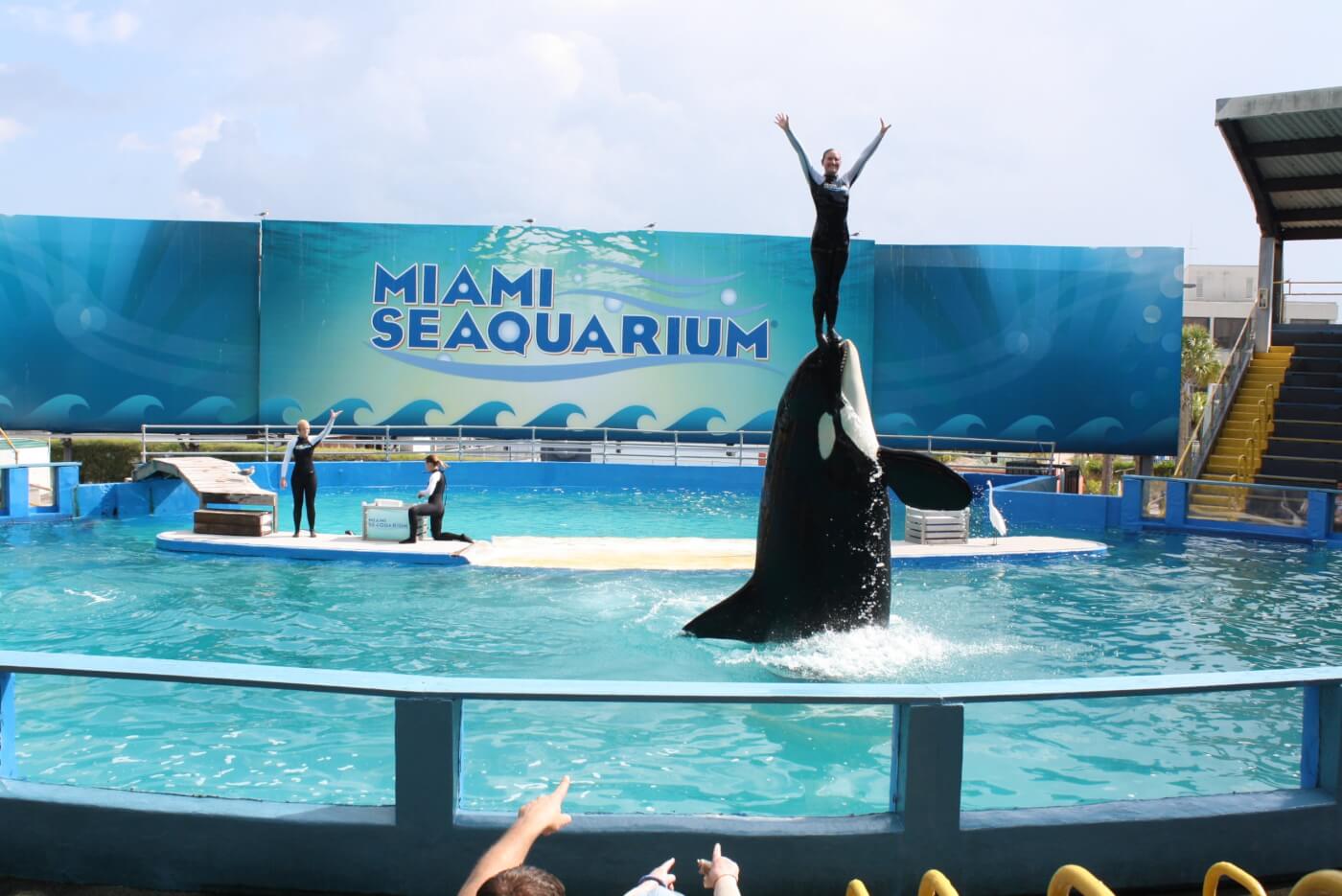
When I’m not being injured by my unsuitable tankmates, I float listlessly or swim in small, endless circles—or I’m forced to perform meaningless tricks for gawking tourists.
Marine mammal experts know that captivity has caused me extreme and unnecessary stress, torment, and injury—but according to my Miami Seaquarium handlers, all is well and the show must go on.
Sometimes I’m forced to perform two or three times a day, and some of you might remember times when I was forced to perform despite being unable to keep my eyes open—my handlers even made me do tricks after I’d recently undergone invasive procedures.
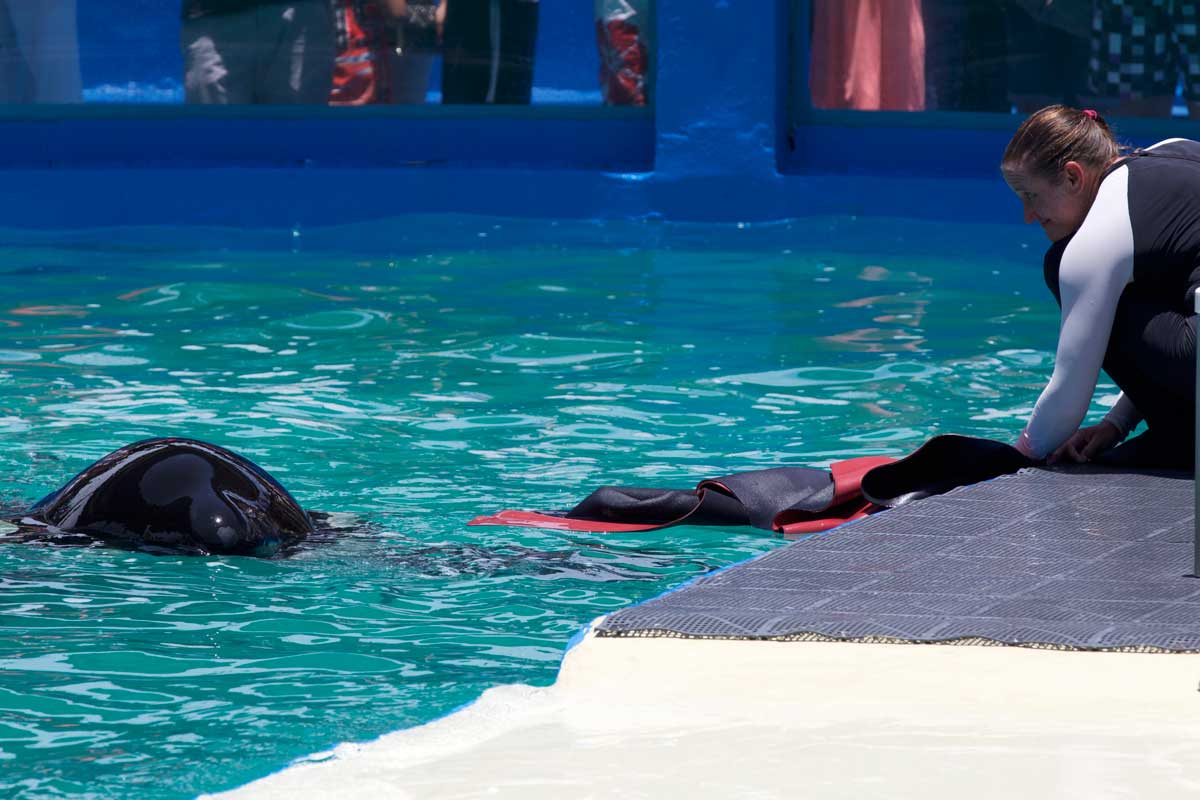
Apparently, my trainers’ idea of addressing my inability to engage in natural orca behavior is giving me a ball or a wetsuit for enrichment. If you’ve noticed me swimming in the same repetitive pattern, rubbing against the sides of my tank, or maybe biting the metal gates of my enclosure—all forms of abnormal repetitive behavior—now you know why.
Speaking of gnawing on my enclosure, my teeth have become permanently damaged. Marine mammal veterinarians recommend avoiding any deliberate cutting and drilling of the teeth to expose the pulp cavity, but that hasn’t stopped Miami Seaquarium staff from drilling into my sensitive teeth more than a dozen times.
Dental damage is just one of many ailments that I’ve endured as a result of captivity. I’ve also gotten infections and ulcers, for which I’ve been given antibiotics, antifungals, pain medication, steroids, hormones, and antacids. My Miami Seaquarium keepers have even given me drugs without any clinical evidence that they were needed, including an antacid to prepare for the busy tourist season.
Don’t be fooled by what resembles a smile—at the Miami Seaquarium, Lolita has been living a nightmare for five decades.
Word in the pool is that there’s a global lockdown—that the reason the Miami Seaquarium is closed is because humans have been told to stay at home. I feel your pain—I’ve been in “lockdown” for 50 years. I’ve been socially distanced from my orca friends and family for decades. The stress of confinement can be terrible—it likely got to Hugo, and it’s nearly unbearable for me, too.
Is your lockdown temporary? I hope mine is, too.
Orcas in my pod, maybe even my mother, swim freely in the open ocean. I probably can’t return to the open ocean—the events that unfolded exactly 50 years ago today sealed my doom in that regard. But there is a way for me to feel waves again, listen to the songs of my wild brethren, and finally have some semblance of a natural life: being released into a seaside sanctuary.