PETA (and animals) just claimed a hisstoric victory when fashion retail giant PVH Corp.—the parent company of Tommy Hilfiger, Calvin Klein, and others—announced that it would ban exotic-animal skins across all its brands! This win comes after a decade of pushing from PETA and will prevent countless snakes, crocodiles, ostriches, and other animals from being warehoused and killed in the fashion industry for their skin.
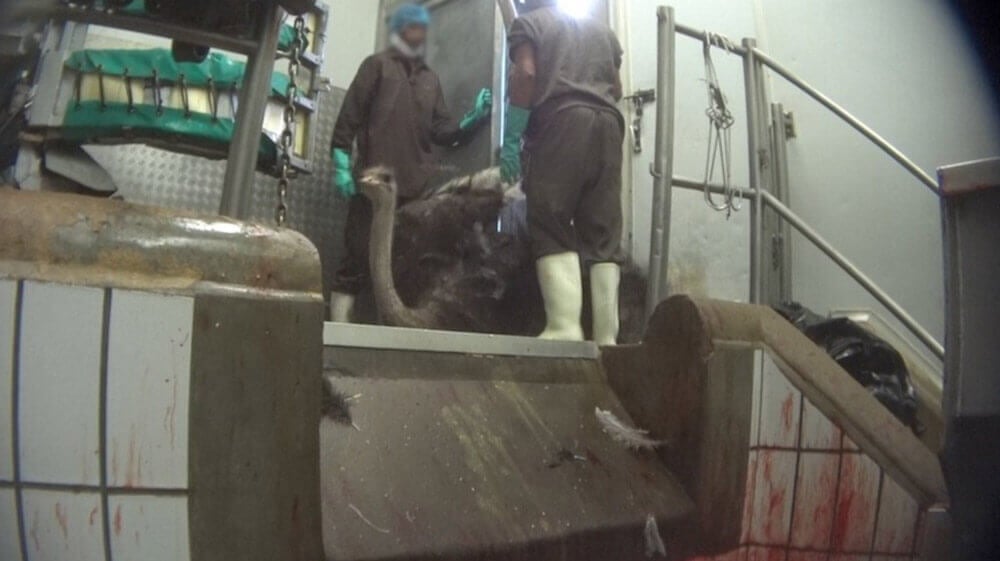
Every alligator-skin or snakeskin purse, belt, or shoe is made from skinning someone who didn’t want to die a violent, bloody, and painful death. PETA and our affiliates have documented and exposed that in the exotic-skins industry, alligators’ necks are hacked open and metal rods are shoved into their heads; snakes are pumped full of water to loosen their skin, which is then peeled off, often while they’re still conscious; and feathers are yanked out of ostriches while they’re still alive.
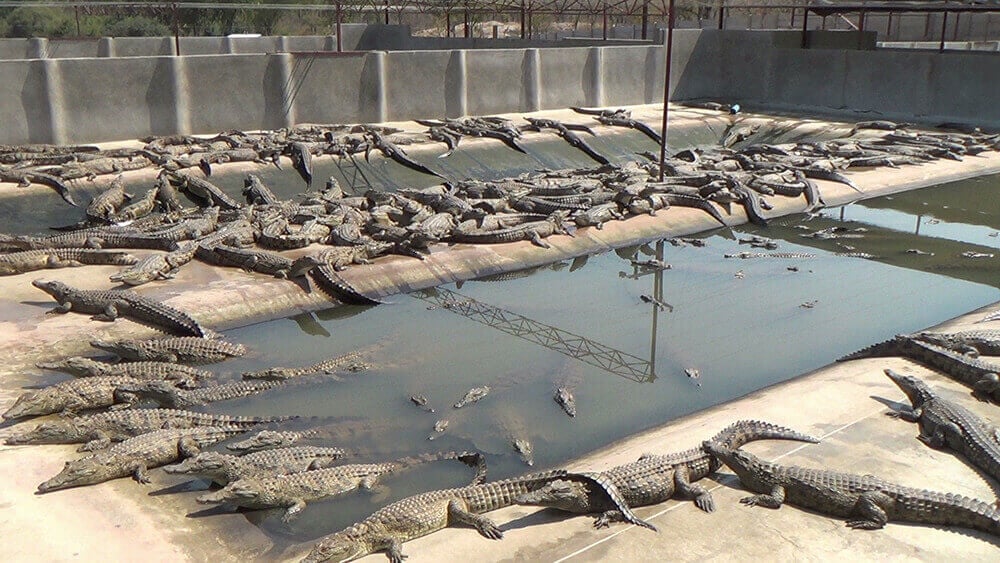
Animals raised for their skin are kept in squalid, severely crowded conditions on farms, which create a major breeding ground for a wide of range of zoonotic pathogens like salmonella, E. coli, and even coronavirus. PVH’s sensible decision not only will spare countless vulnerable animals suffering and encourage consumers to shop high-quality vegan materials but also has the potential to help stop the next pandemic before it starts.
Alligators are social animals who like to hang out in groups and use a range of bellows, growls, hisses, and roars to communicate with each other. They make great mothers, too, and are known to use tools. When they’re not killed for boots, they can live for up to 50 years!
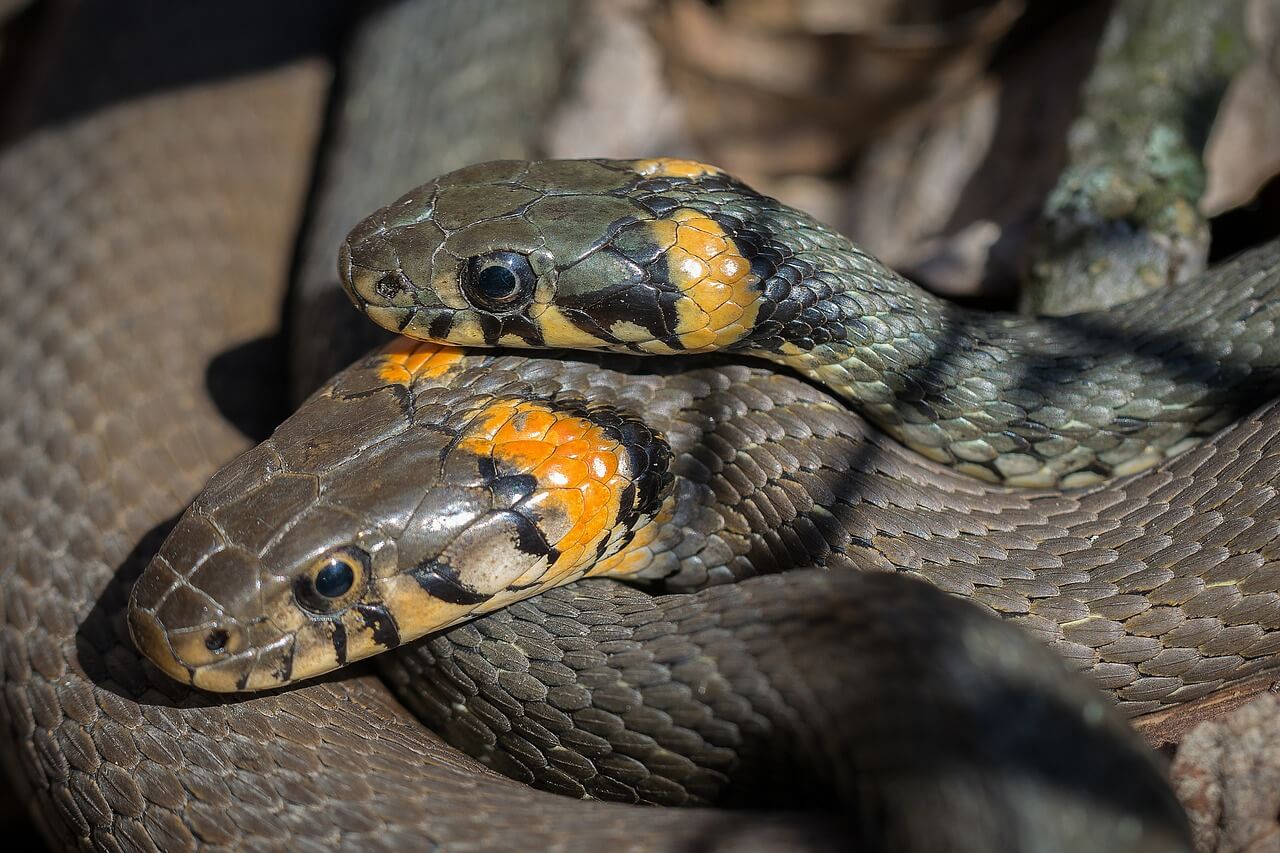
Snakes are generally shy animals. King cobras are cautious parents, and some snakes even give birth to live young rather than laying eggs. You don’t need much more than a snake’s eyesight (which is poor) to see that these animals are sensitive individuals and that no modern brand should profit from killing them to make garments that could be made out of vegan materials instead.
This isn’t our first victory when it comes to the company. In 1994 Calvin Klein became the first major fashion designer to stop selling fur after PETA supporters occupied its office in New York, in 2013 PVH pulled all items made of angora off its shelves in response to PETA Asia’s investigation into angora rabbit farms in China, and in 2019 PVH made the compassionate decision to remove all mohair items from its stores by 2020. And now it joins the ranks of Brooks Brothers, Jil Sander, Chanel, Diane von Furstenberg, HUGO BOSS, Victoria Beckham, Vivienne Westwood, and many others in banning exotic skins.
Look for our “PETA-Approved Vegan” logo on clothing and accessories. If you see this on an item, you know that the brand never uses wool, fur, leather, feathers, scales, or any other animal-derived materials:
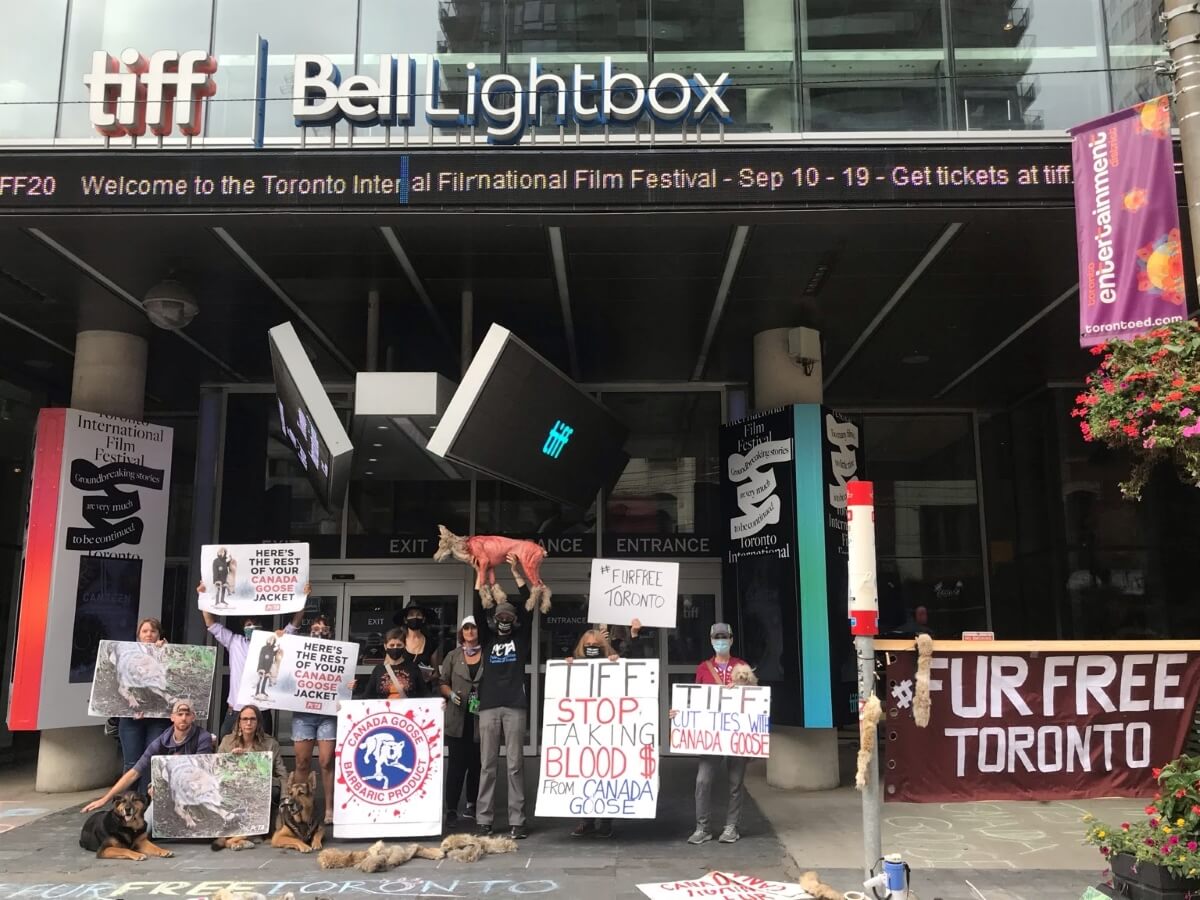
“Coyotes suffer for Canada Goose!” That’s the message bombarding the attendees of this year’s Toronto International Film Festival (TIFF), which has yet again taken blood money from Canada Goose.
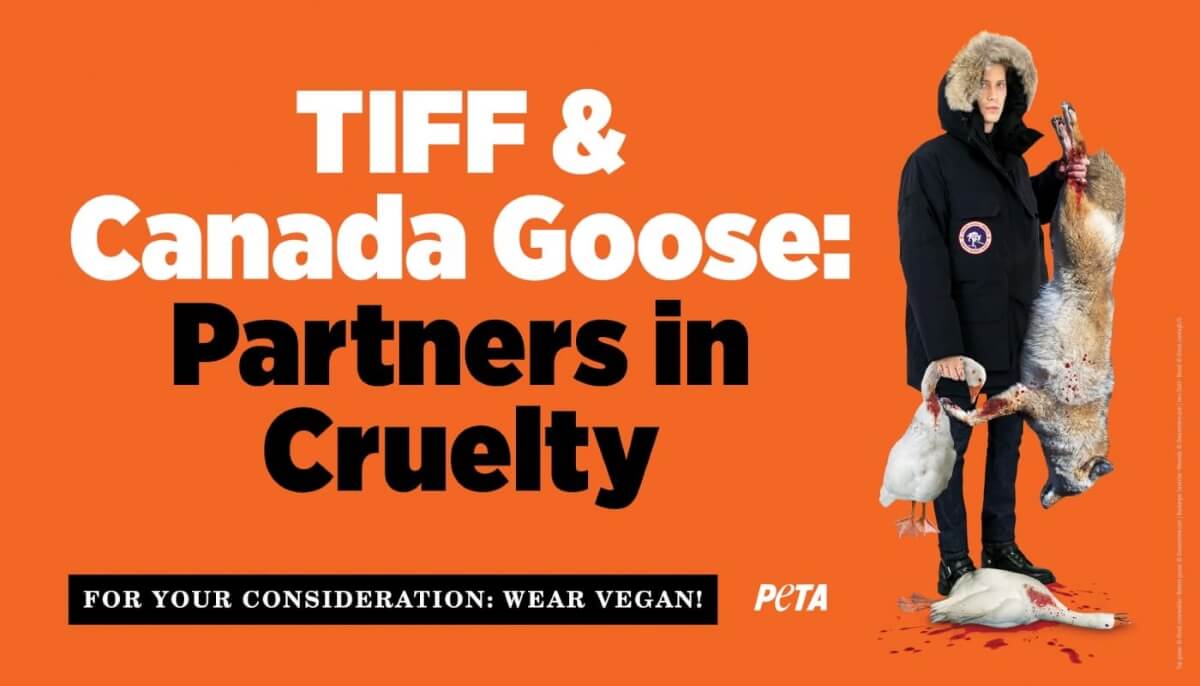
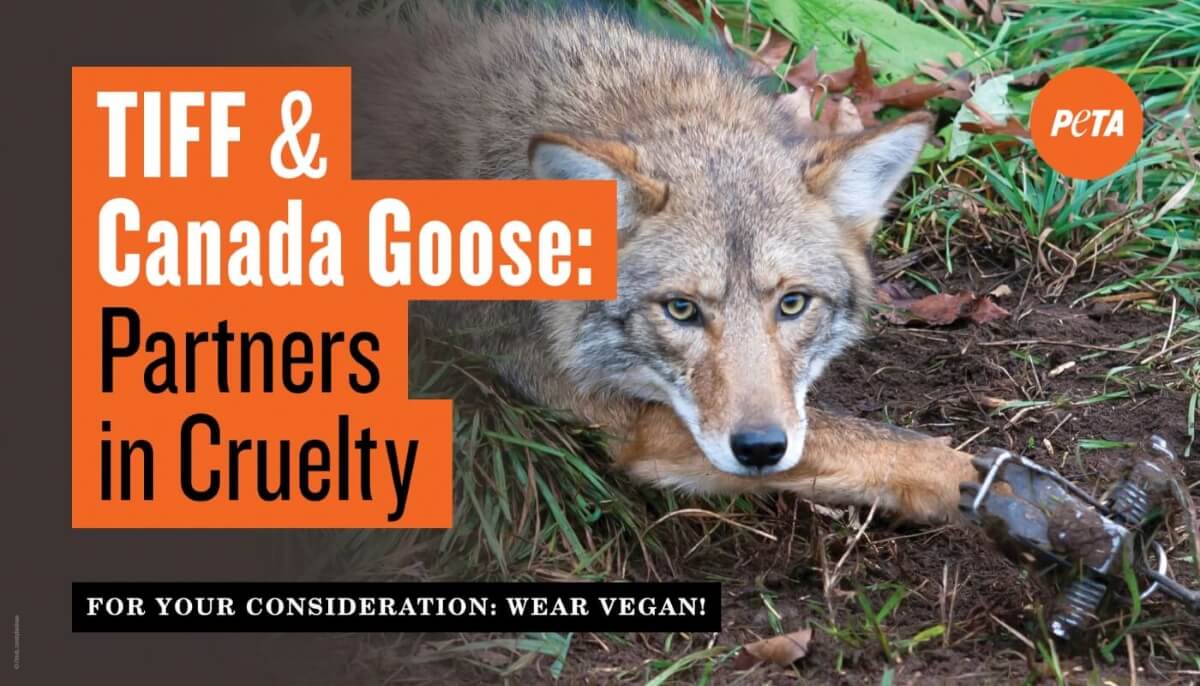
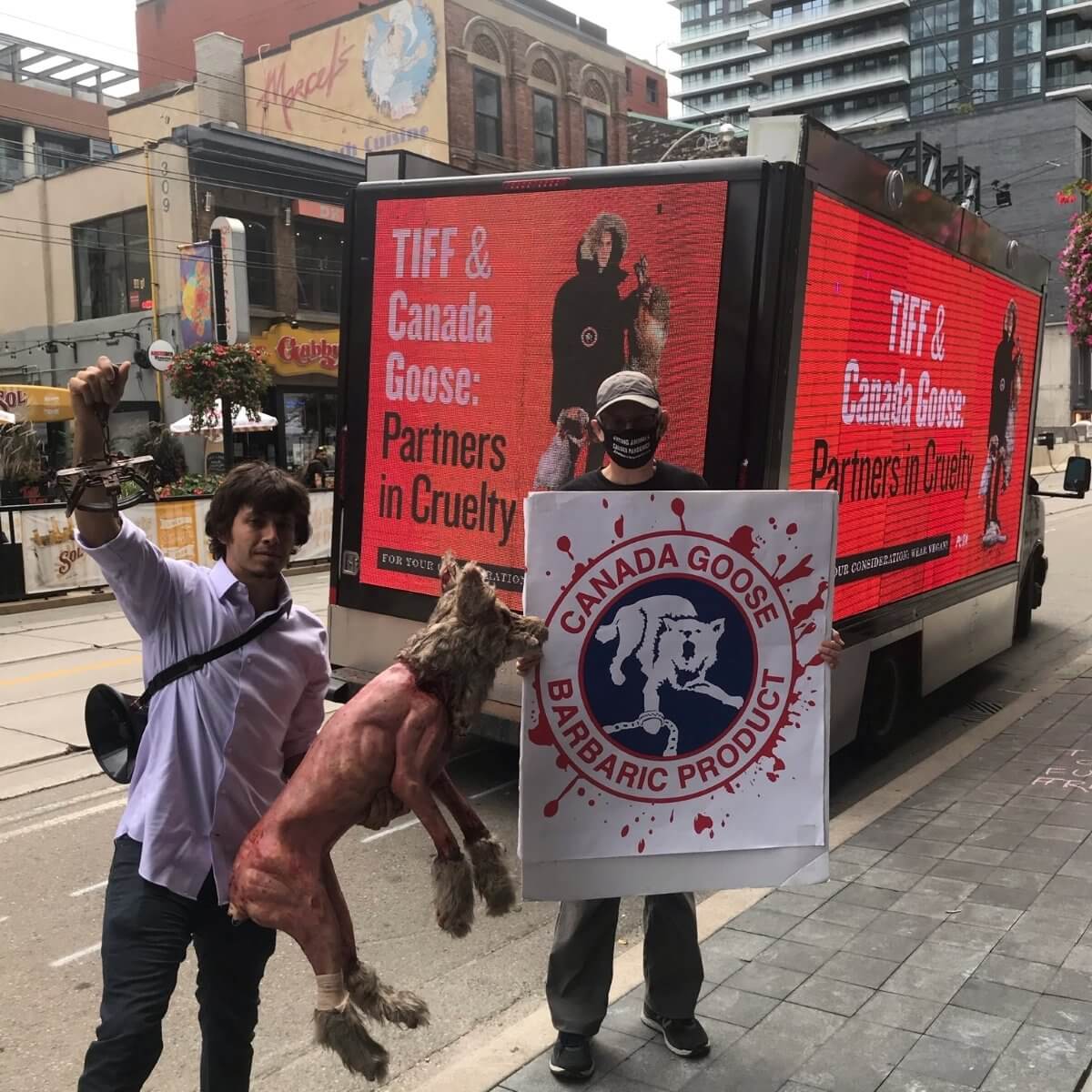
Our mobile billboard—showing a coyote in a steel trap or a man in a Canada Goose jacket holding a dead goose and a coyote—circled TIFF Bell Lightbox and outdoor festival venues CityView and Ontario Place.
How is TIFF connected to Canada Goose?
Canada Goose is a 2020 TIFF sponsor and is presenting awards with its name stamped on them. As a marketing ploy, the company sometimes gives away fur-trimmed or down-filled jackets to film crews and cast members when they’re shooting in cold climates.
What many festivalgoers may not know is that the company uses fur from coyotes caught in painful steel traps and then killed by trappers as well as down feathers from slaughtered birds.
Here’s the cruelty behind every stich of a fur-trimmed, down-stuffed Canada Goose jacket.
By Canada Goose’s own “standards,” coyotes are allowed to suffer in traps indefinitely while enduring blood loss, lacerations, and bone fractures. Mothers desperate to get back to their defenseless pups have even been known to attempt to chew off their own legs. When the trapper returns, those who have managed to survive but not escape are shot, bludgeoned, or killed in some other horrific way.
Canada Goose says that it relies on a third-party Responsible Down Standard, but there’s absolutely no such thing as “responsible” down. These standards actually allow injured birds to suffer in pain for days before they’re required to be put out of their misery.
Down suppliers who knowingly violate the standard—by slaughtering birds while they’re conscious or mutilating them via painful procedures such as debeaking or wing-clipping—can still label the down as “responsible,” as long as they stop doing it within 30 days of being caught in the act.
All birds used by the down industry are inevitably sent to the slaughterhouse, where the standard practice is to hang them upside down, stun them, and then slit their throats.
PETA protested TIFF’s opening night to expose Canada Goose’s misleading claims about down and fur.
The company has a history of hiding behind misleading marketing, and its announcement that it will use “responsible” down and “reclaimed” fur starting in 2022 is no different. Fur is always the product of extreme cruelty, no matter when the animal it was stolen from was killed. This worthless policy doesn’t go into effect for two more years, which means that coyotes will continue to be violently killed while Canada Goose keeps lining its parkas and its pockets.
You Can Help Push Canada Goose to Drop Fur and Down Right Now
After hearing from us about the violent slaughter of coyotes for the fur used for Canada Goose jackets, the Berlin International Film Festival confirmed that it cut ties with the company in 2017.
Using the form below, please urge TIFF to sever its ties with Canada Goose.
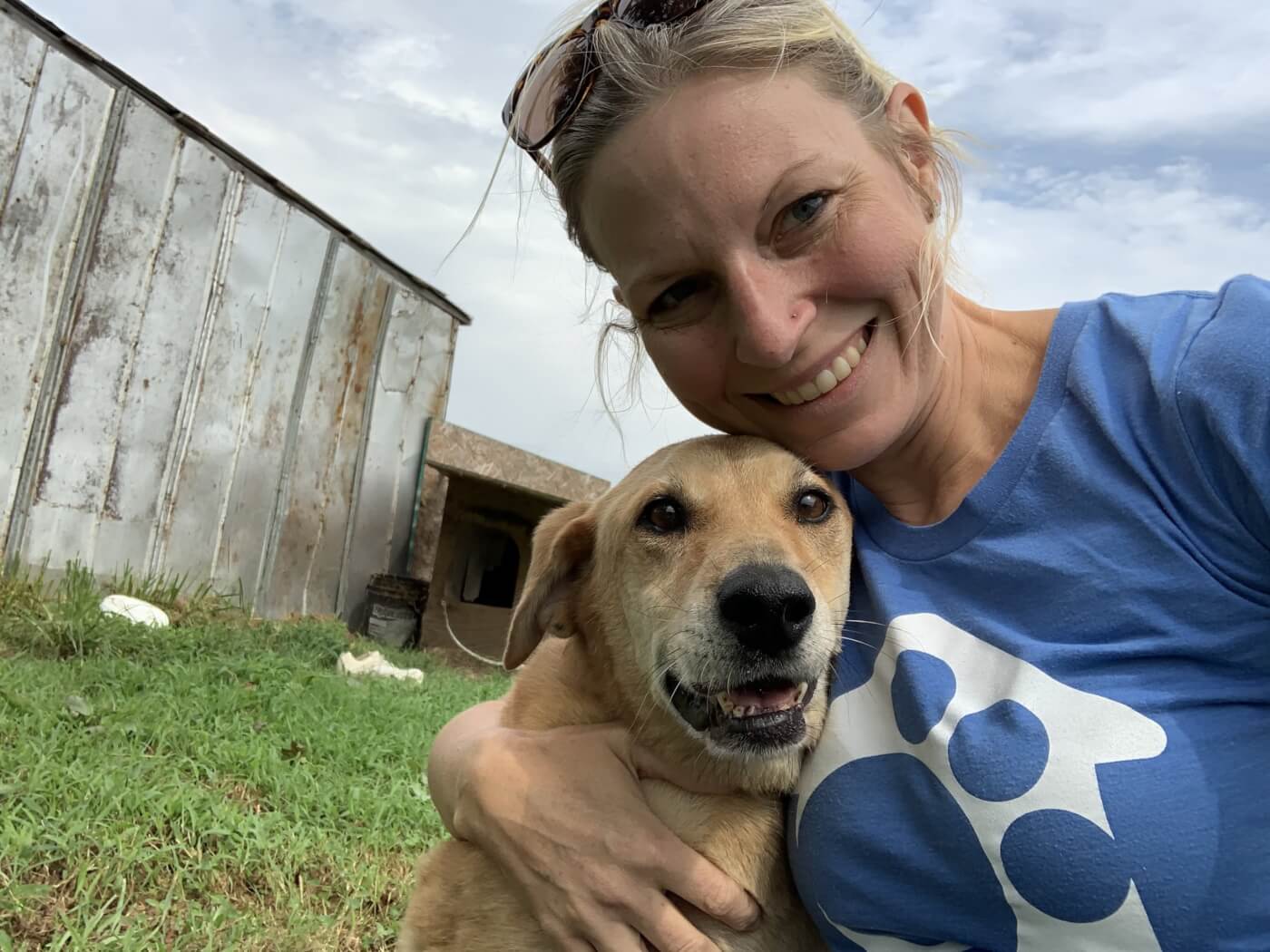
The powerful new documentary Breaking the Chain takes you behind the scenes as PETA fieldworkers provide neglected and abused animals with food, water, flea preventive medication, doghouses, and emergency veterinary care and do anything else they can to improve their lives. You can stream the film on Apple TV, Google Play, iTunes, Prime Video, Vimeo, or Vudu—but to give you a taste, one PETA fieldworker featured in the movie, Ashley Beard, shares one of her typical days in the field.
*****
9 a.m.—I grab a couple of Clif Bars for the road and head out to rural North Carolina, to a county so impoverished that it doesn’t even have a veterinarian. PETA fieldworkers are often the only resource for animals there.
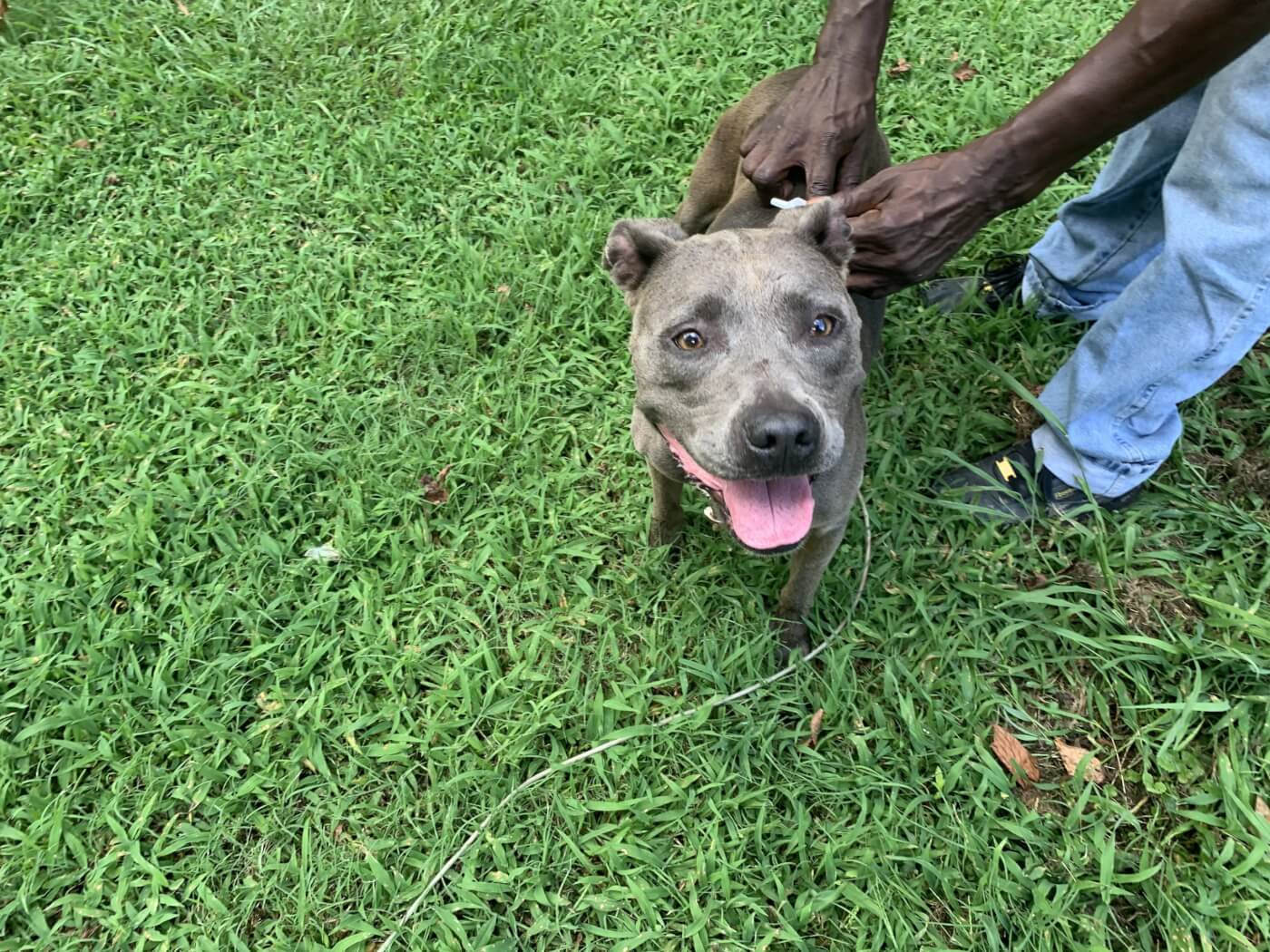
10:30 a.m.—My first stop is the home of a tethered pit bull named Layla. Unfortunately, tethering isn’t illegal here (yet), although PETA has managed to get it banned in numerous other communities. We’re still working on this one! Like a depressingly large number of chained dogs, Layla is still wearing the collar that was put on her as a puppy, which is now grotesquely too small and is rubbing her skin raw. I replace the collar with a larger one and beg her owners to bring her indoors, spend time with her, and meet her other basic needs.
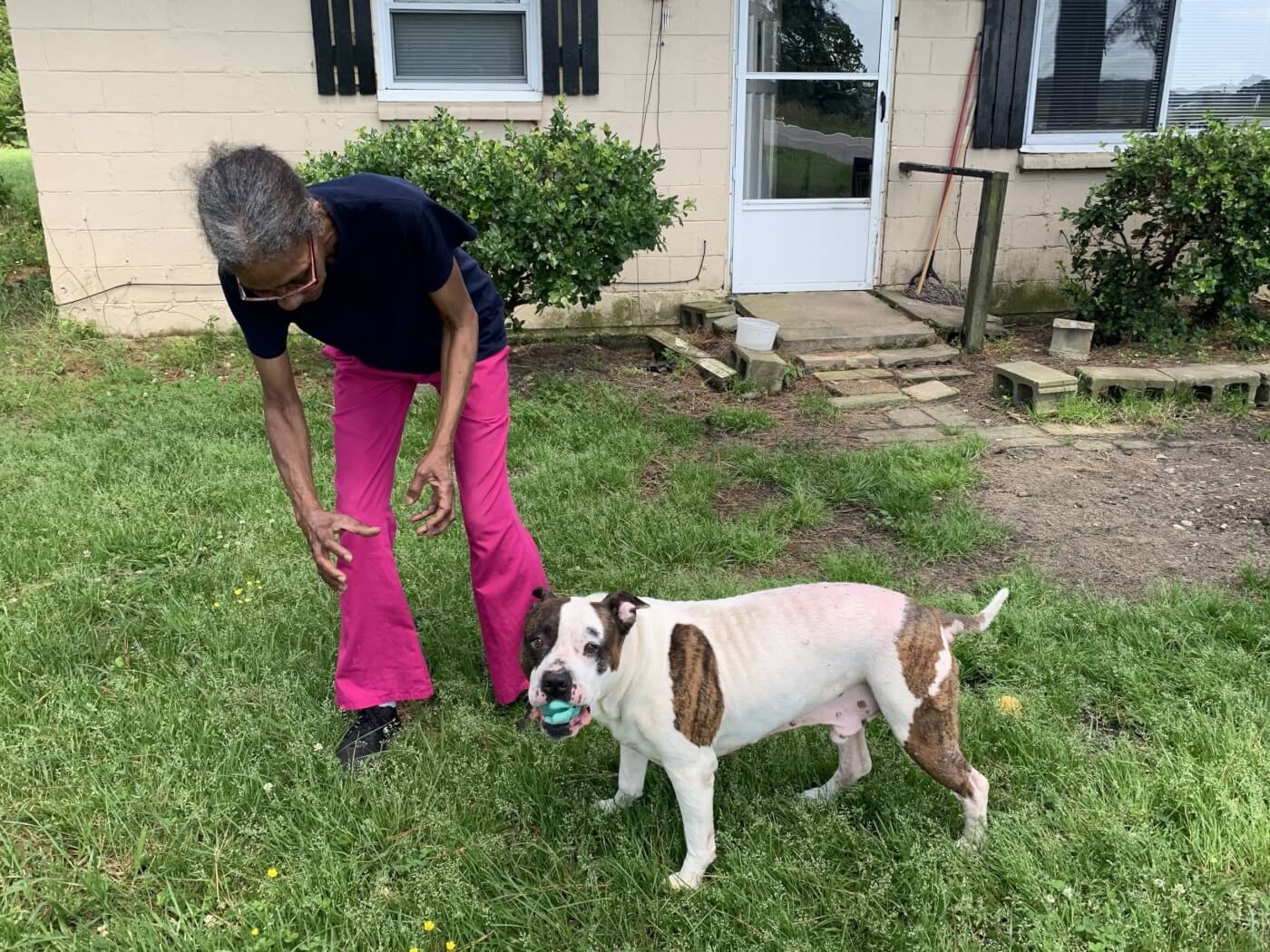
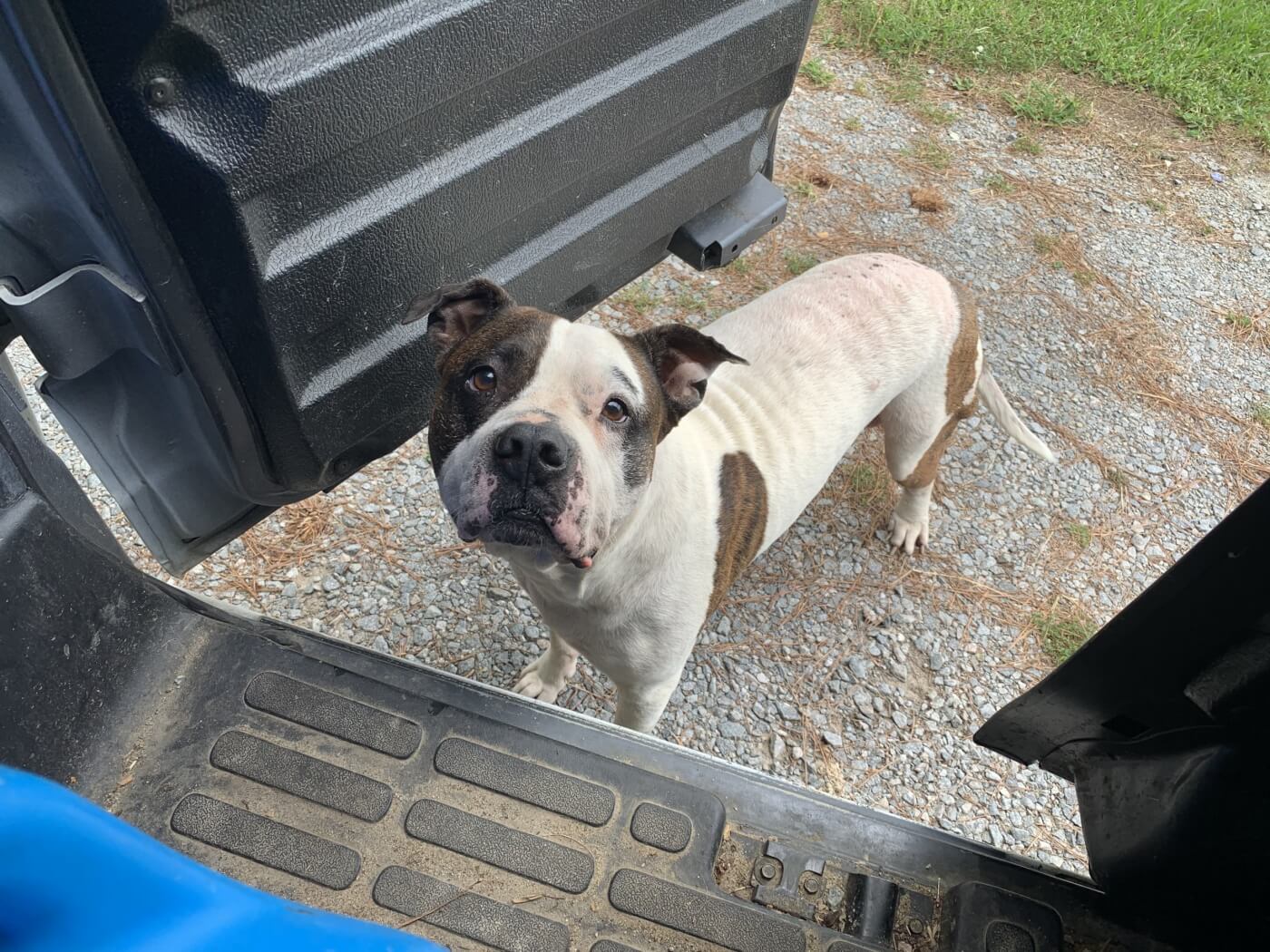
11:15 a.m.—Since I’m in the neighborhood, I drop by to check on my buddy Scarface, a beloved pit bull who lives indoors with his elderly guardian. I transported him to the PETA clinic for treatment of a skin infection a few months ago, so I want to see how he’s doing and give him some toys, which he pounces on like a kid at Christmas.
Look at that face! Is it any wonder that I’m crazy about this guy?
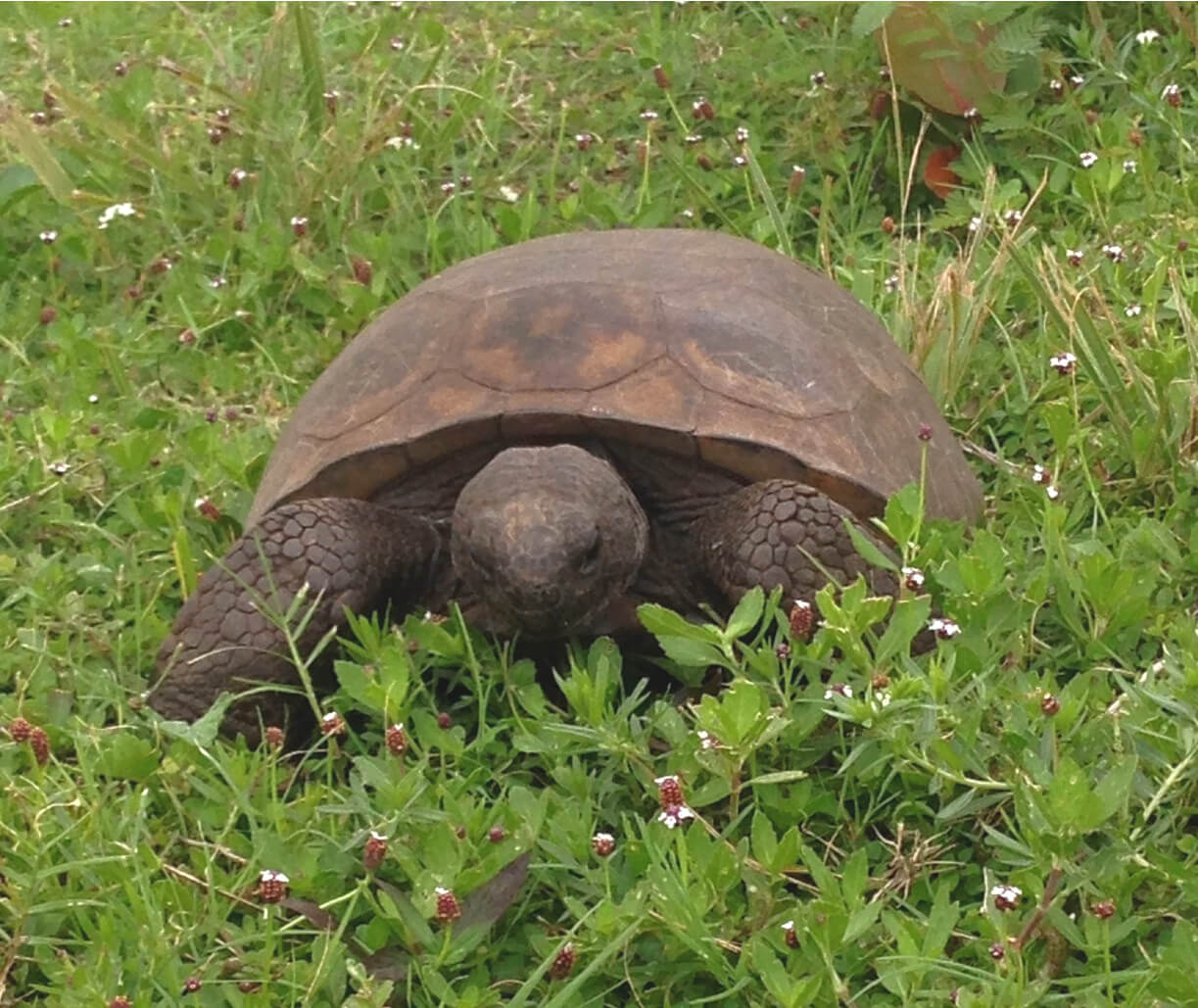
11:45 a.m.—I spot a turtle attempting to cross the road (a common sight during the summer months) and stop to pick her up and carry her the rest of the way across. I often rescue several turtles a day, including some who are so horrifically injured that they must be mercifully euthanized to end their suffering, which could otherwise last for days because of their slow metabolism.
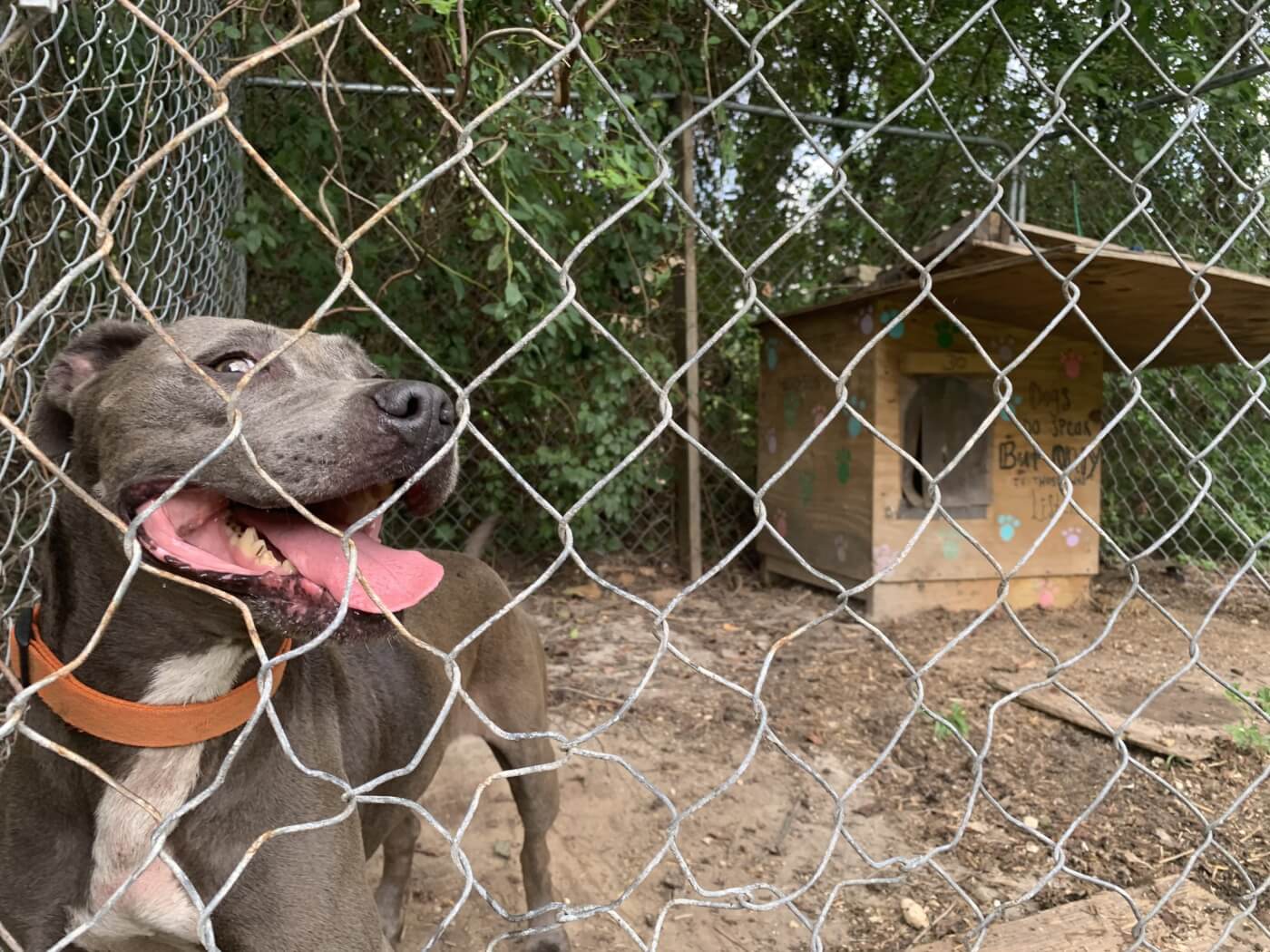
12:30 p.m.—I check on Luna, a pit bull confined to a small pen who I try to visit at least once a month.
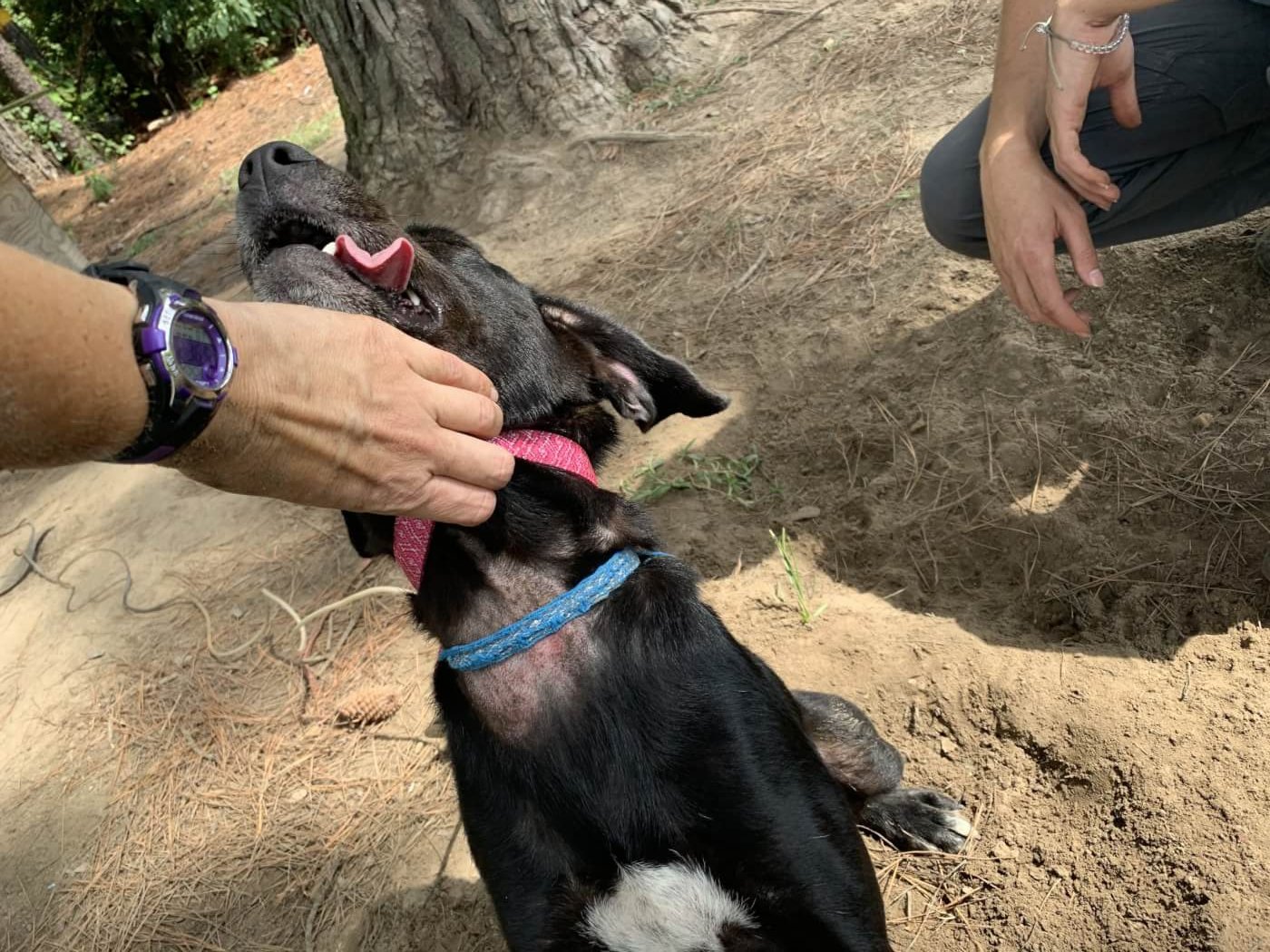
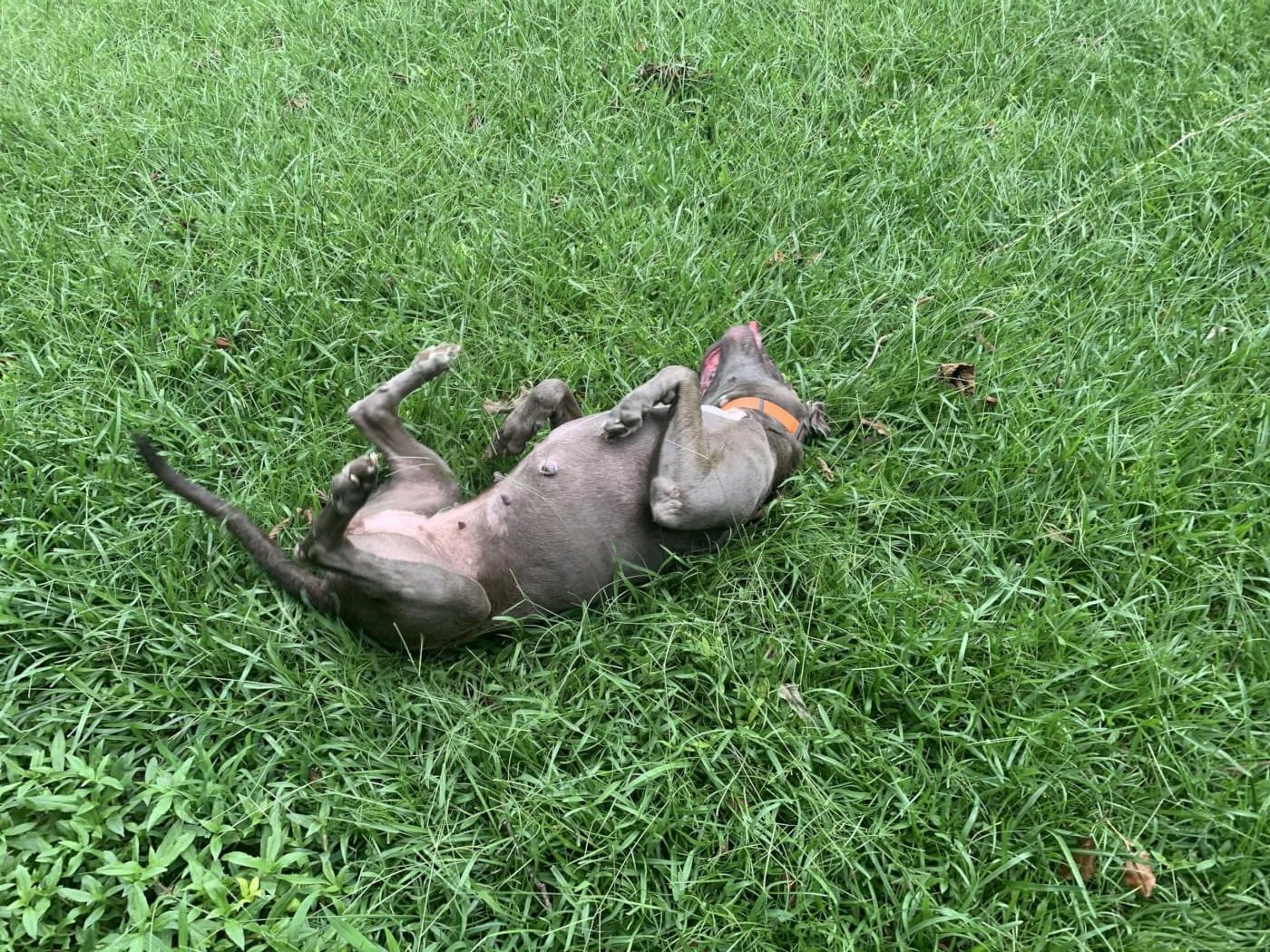
I ask Luna’s owner if I can let her have a few minutes out of the pen while I clean it and fill her water bucket. She has an absolute blast running around and rolling in the grass—such a simple thing that brings her so much joy.
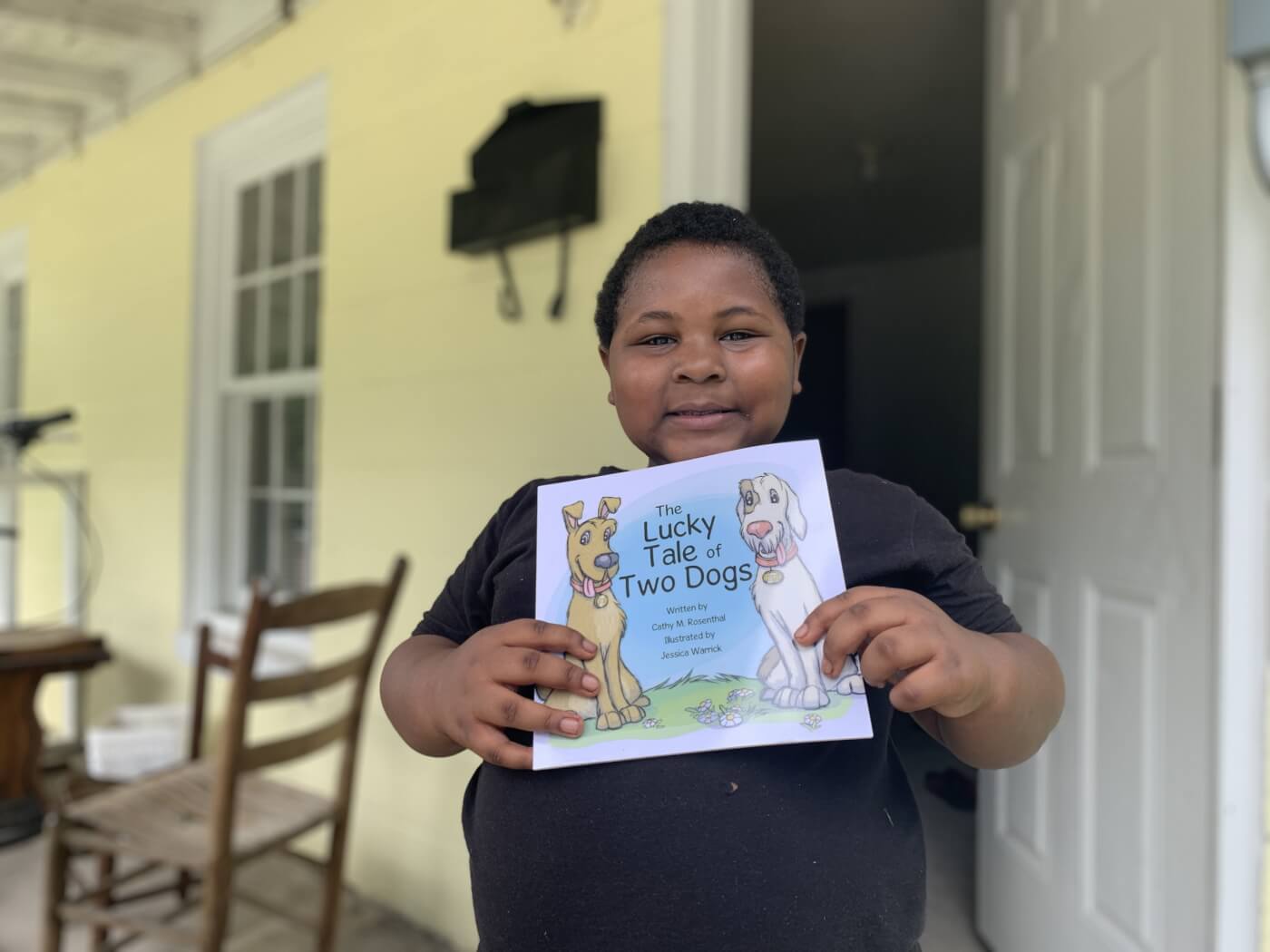
1:30 p.m.—I show the children at the next stop how to clean out their dogs’ pens, fill their water buckets, and give them treats. I leave some animal-friendly children’s books to inspire them to keep looking after the dogs until the next time we check in.
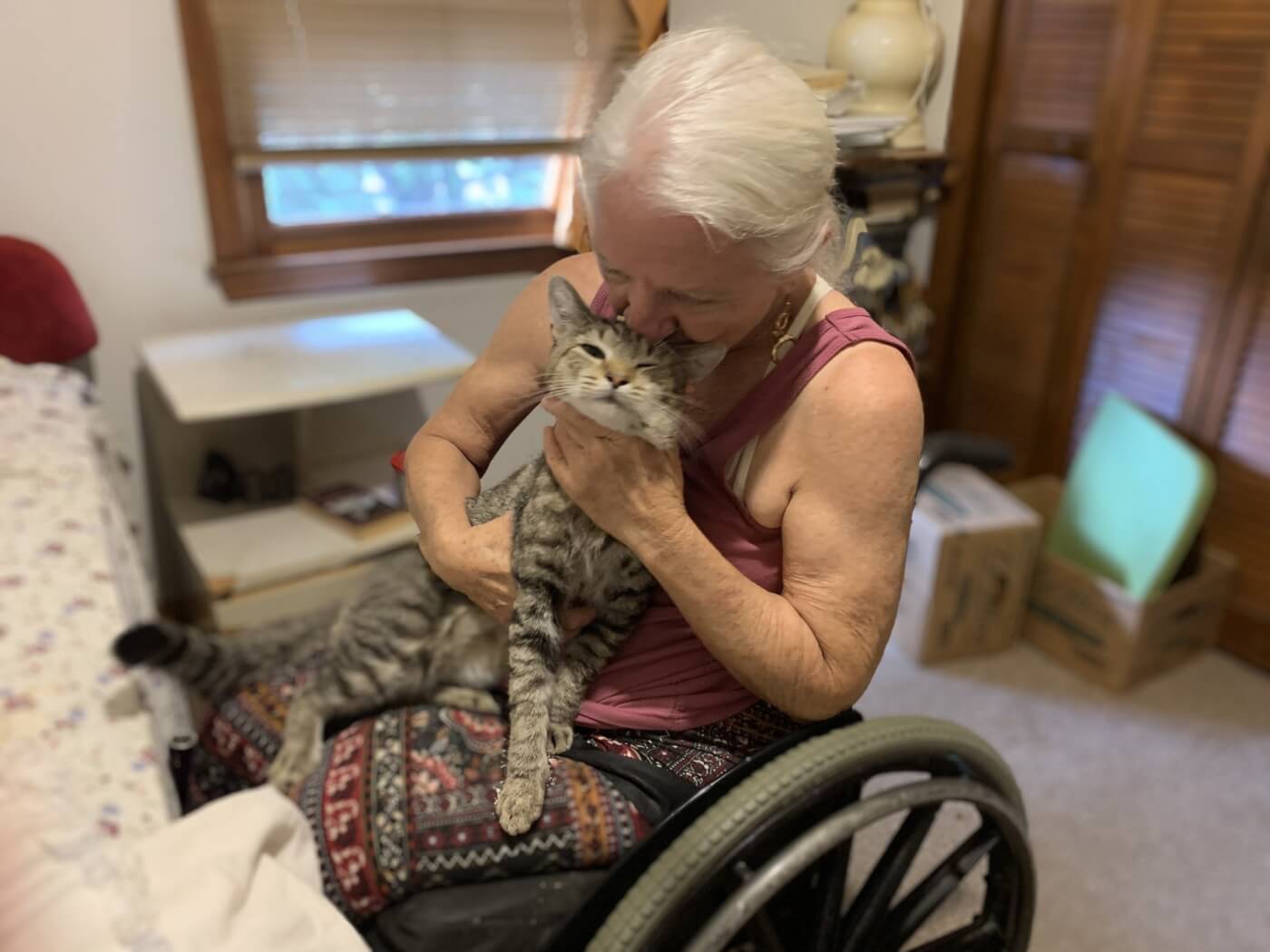
2:30 p.m.—One of the highlights of my day is when I pick up a cat named Sunrize to take him to one of PETA’s mobile spay/neuter clinics for sterilization. His guardian uses a wheelchair and is legally blind, so she had asked if we could transport Sunrize for the lifesaving surgery. She’s so grateful for this service that she gives me a painting she made!
3:30 p.m.—Today is a very special day for Addie, a yellow Lab mix I’ve been visiting for over a year. Because she’s being evicted and can’t take the dog, Addie’s owner has decided to free her from her chain at long last and allow PETA to find her a new home. I nearly break into song during the two-hour drive back to Norfolk, Virginia, and then I swing by the Norfolk SPCA, a high-traffic shelter PETA partners with that has agreed to place the pup. Have a wonderful rest of your life, sweet girl!
10 p.m.—The day’s not over yet! I’m on call today for PETA’s 24-hour pager, so when a call comes in about a 20-year-old pit bull who has been hit by a car and is gravely injured, I jump into action. The dog’s owners were contemplating shooting him to put him out of his misery but couldn’t bring themselves to do it. Thank God they called PETA! I’m so glad that I was able to escort this poor old guy peacefully over the rainbow bridge.
*****
Every day and every story is different, but I leave work each day feeling that, as in the fable about the person saving starfish washed up on the beach, I may not be able to help them all, but I can help Layla, Scarface, Luna, Sunrize, Addie, and many, many others.
PETA is a participant in the Amazon Services LLC Associates Program, an affiliate advertising program designed to provide websites with a means to earn advertising fees by advertising and linking to Amazon.com.
Today, PETA sent a letter to the state auditor urging an audit of the use of public money, personnel, property, equipment, and space by the University of Montana (UM) for animal experiments deemed non-essential during the COVID-19 pandemic. This apparently led to the euthanasia of animals in the school’s laboratories.
In its letter, PETA notes that in the last fiscal year, the university received $99 million in state appropriations, some of which may have gone toward funding animal experiments that were ultimately postponed or canceled. In March, UM implemented a plan in which “researchers with active animal studies” were urged to “consider finalizing experimental endpoints and reducing population numbers” and “delay starting longitudinal studies until further notice.” These directives likely led to the killing of hundreds or more animals whom the school deemed extraneous. PETA questions why state funds were wasted on experiments considered non-essential.
“The University of Montana’s experiments on animals were undoubtedly cruel, and apparently not even the school can justify them,” says PETA Vice President Shalin Gala. “PETA is calling on state officials to follow the money and prevent taxpayer waste—and animal suffering—in laboratories that should never have received funding in the first place.”
PETA—whose motto reads, in part, that “animals are not ours to experiment on”—opposes speciesism, a human-supremacist worldview. For more information, please visit PETA.org or clickhere.
Note: At the time of publication, many businesses are still feeling the effects of the COVID-19 pandemic. We’ve tried to ensure that all information is current as of September 8, 2020. Please contact the companies for more information as businesses around the country continue to reopen fully.
When to visit: Friday, 6–10 p.m., and Saturday, 2–10 p.m.
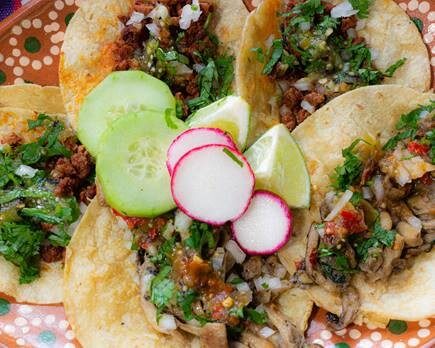
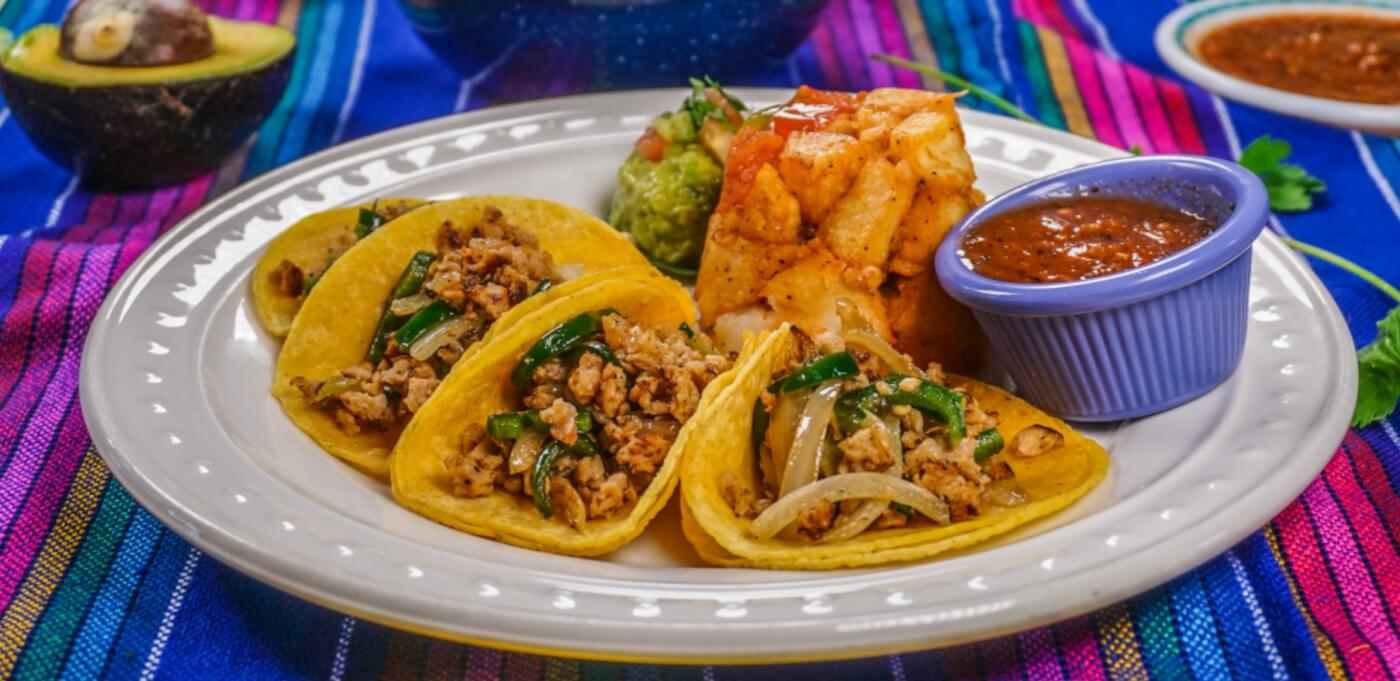
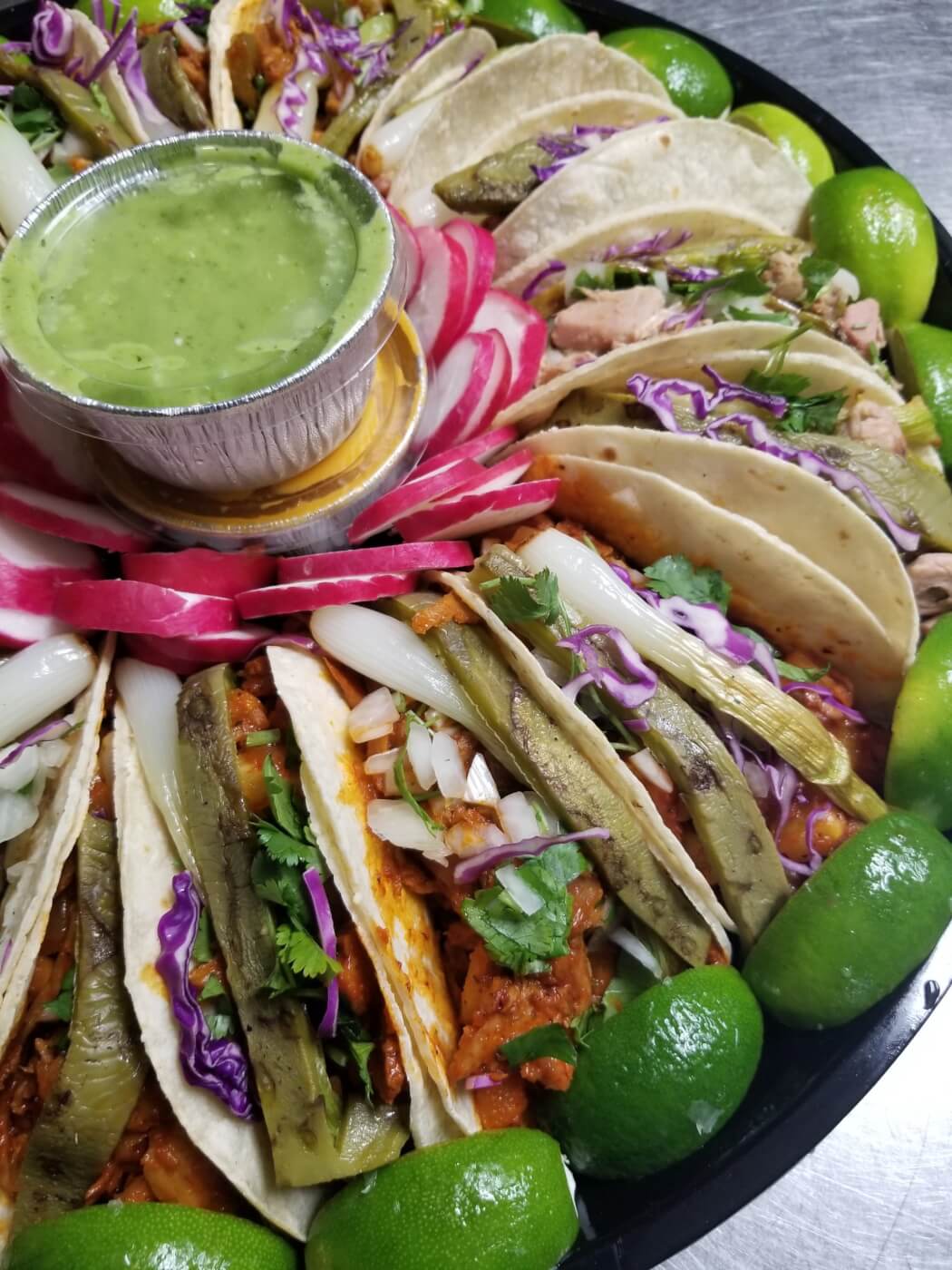
Mayra Peralta opened the food truck Calaveritas with the goal of bringing authentic Mexican cuisine to vegan foodies in the Atlanta area. The truck serves meals that draw upon the owner’s childhood, honoring the traditional Mexican recipes that her grandmother served at home. Some of our favorite dishes are the . You can get a taste of these appetizing “home-cooked” meals on weekends at the Atlanta Food Truck Park & Market.
Taco Platter from Calaveritas
The Cocinita Miami
Miami, Florida
What it offers: all-vegan Venezuelan and Colombian cuisine
When to visit: Monday to Wednesday, 11 a.m. –11 pm.; Thursday to Saturday, 11 a.m. –12 a.m.; Sunday, 11 a.m. –11 p.m.
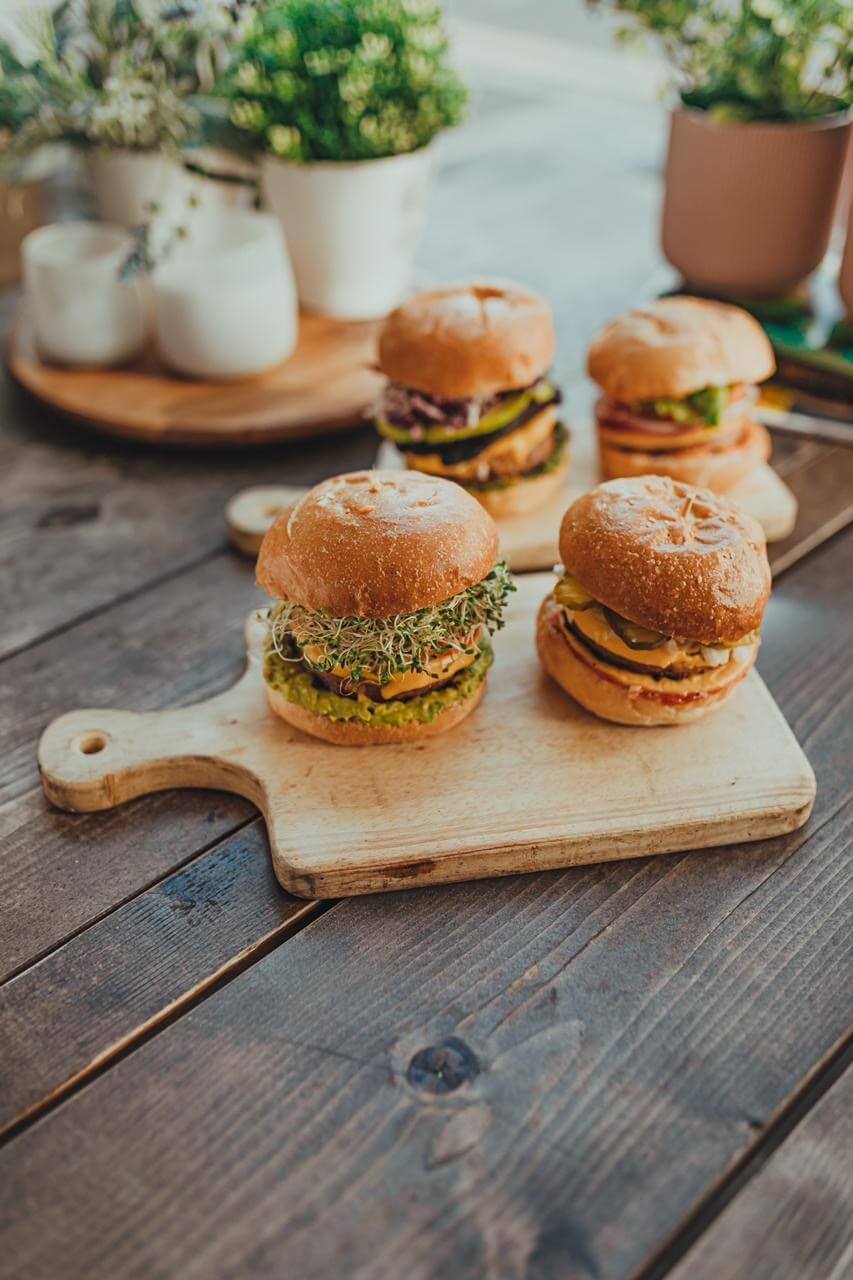
If you visit The Cocinita Miami, you’d better come with a serious appetite, because you won’t be able to resist ordering everything on its all-vegan menu. What used to be Gianluca Mitrano’s local food truck is now a thriving hot spot, serving mouthwatering fan favorites that attract vegan and nonvegan foodies alike. Try some of our top choices, including the Burrito, Extra Choripan, Portobello Taco, Cowly Taco, Cocinita Burger, Mr. Mitrano Burger, Guaca Burger, and Cheesy Burger. If you want a taste, The Cocinita Miami is open seven days a week for dining in and takeout.
Mr. Mitrano Burger, Cocinita Burger, Guaca Burger, Cheesy Burger from the Cocinita Miami
Miami Nice
Portland, Oregon
What it offers: all-vegan Cuban cuisine
When to visit: Wednesday and Thursday, 11 a.m.–7 p.m.; Friday to Sunday, 11 a.m.–8 p.m.
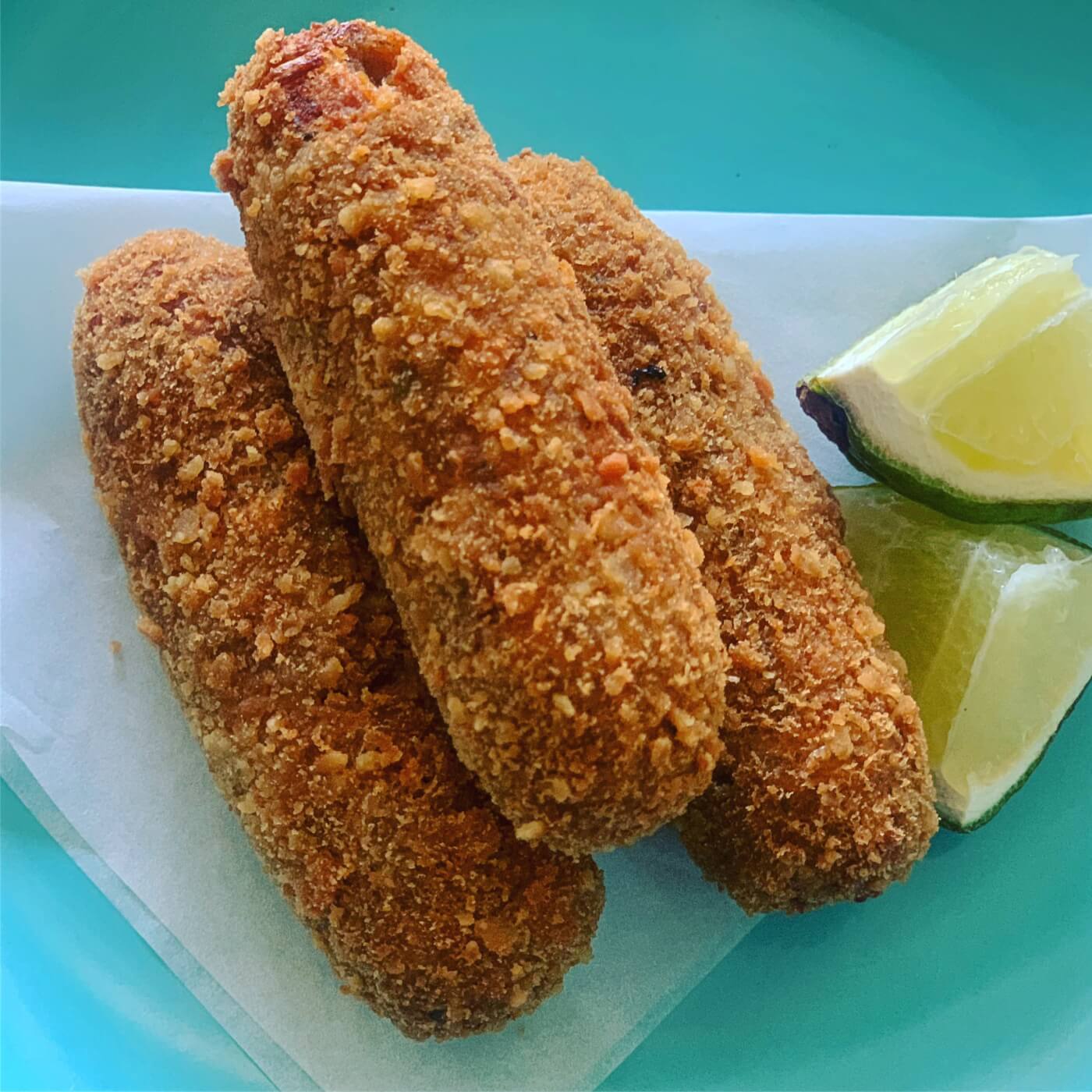
When Valerie Espinoza brought her cooking expertise to Portland, she noticed a lack of genuine Cuban cuisine—that’s when Miami Nice, her all-vegan Cuban restaurant, came to fruition. The Miami Nice mantra is “Food So Good You’ll Swear It’s Bad,” because once you get a taste of its signature vegan flan or croquetas, you won’t want to share!
Croquetas from Miami Nice
Viva Vegeria
San Antonio, Texas
What it offers: all-vegan and gluten-free Tex-Mex cuisine
As San Antonio’s very first vegan, gluten-free Tex-Mex restaurant, Viva Vegeria has been a staple of the community for nearly 10 years. The restaurant was originally founded by chef Fred Garza-Guzman, who aimed to preserve Latino culinary traditions with a plant-based focus, and is now owned by Gabriela Estrada. Grab a quick bite with its Nachos del Picadillo, topped with vegan queso, picadillo, quinoa, guacamole, salsa verde, pickled carrots and onion, local soy beans, and avocado ranch. If you’re feeling particularly hungry, go for the Tacos al Carbon or Tacos al Pastor.
Tacos Al Carbon from Viva Vegeria
Mama’s International Tamales
Los Angeles, California
What it offers: all-vegan Salvadoran and Guatemalan cuisine
When to visit: takeout only, Friday to Sunday, 11 a.m.–4 p.m.
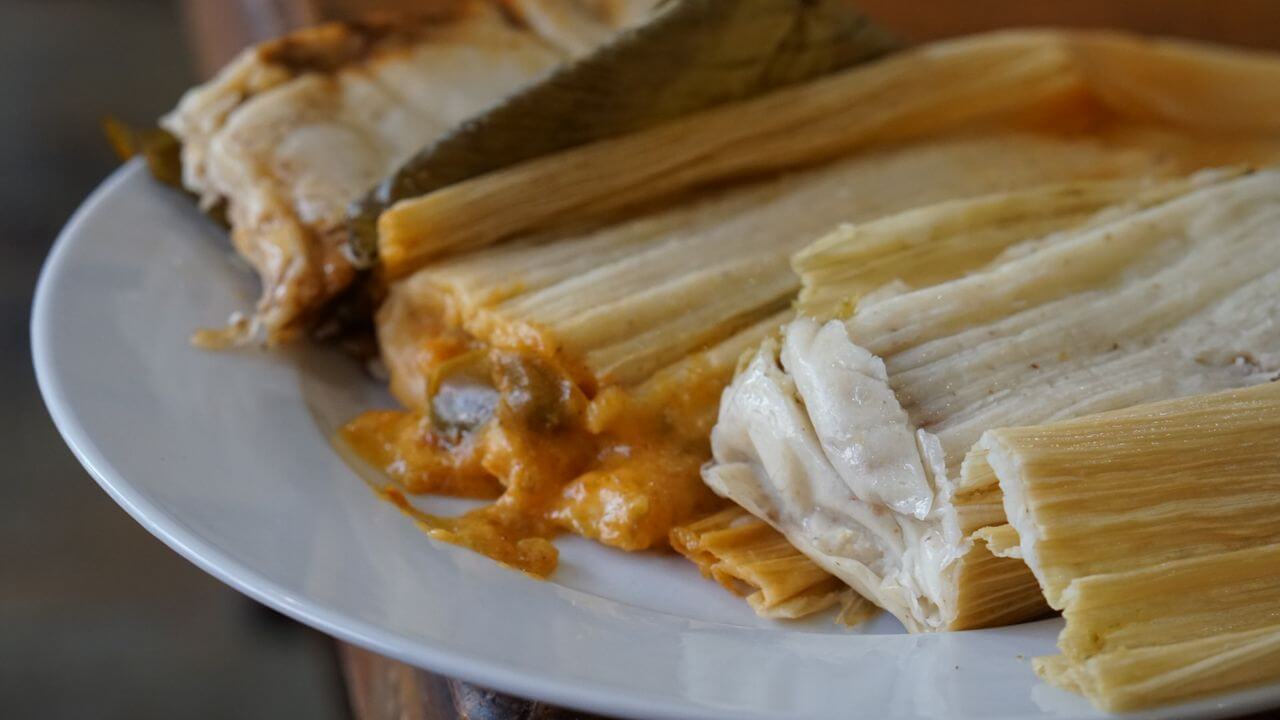
Mama’s International Tamales is an L.A. staple for vegan tamales, street tacos, and empanadas, brought to the plate with a unique touch by owner Claudia Lopez. At Mama’s International Tamales, you can make any dish suit your taste with an assortment of vegan cheeses and sauces. Some of our favorites are the Desayuno, Mexican Tamales, Pupusas, and Salvi Tamales.
Mexican Tamales From Mama’s International Tamales
Nuno’s Tacos & Vegmex Grill
Dallas, Texas
What it offers: all-vegan Tex-Mex cuisine
When to visit: Wednesday to Thursday, 11 a.m.–8 p.m.; Friday and Saturday, 11 a.m.–9 p.m.; Sunday, 11 a.m.–3 p.m.
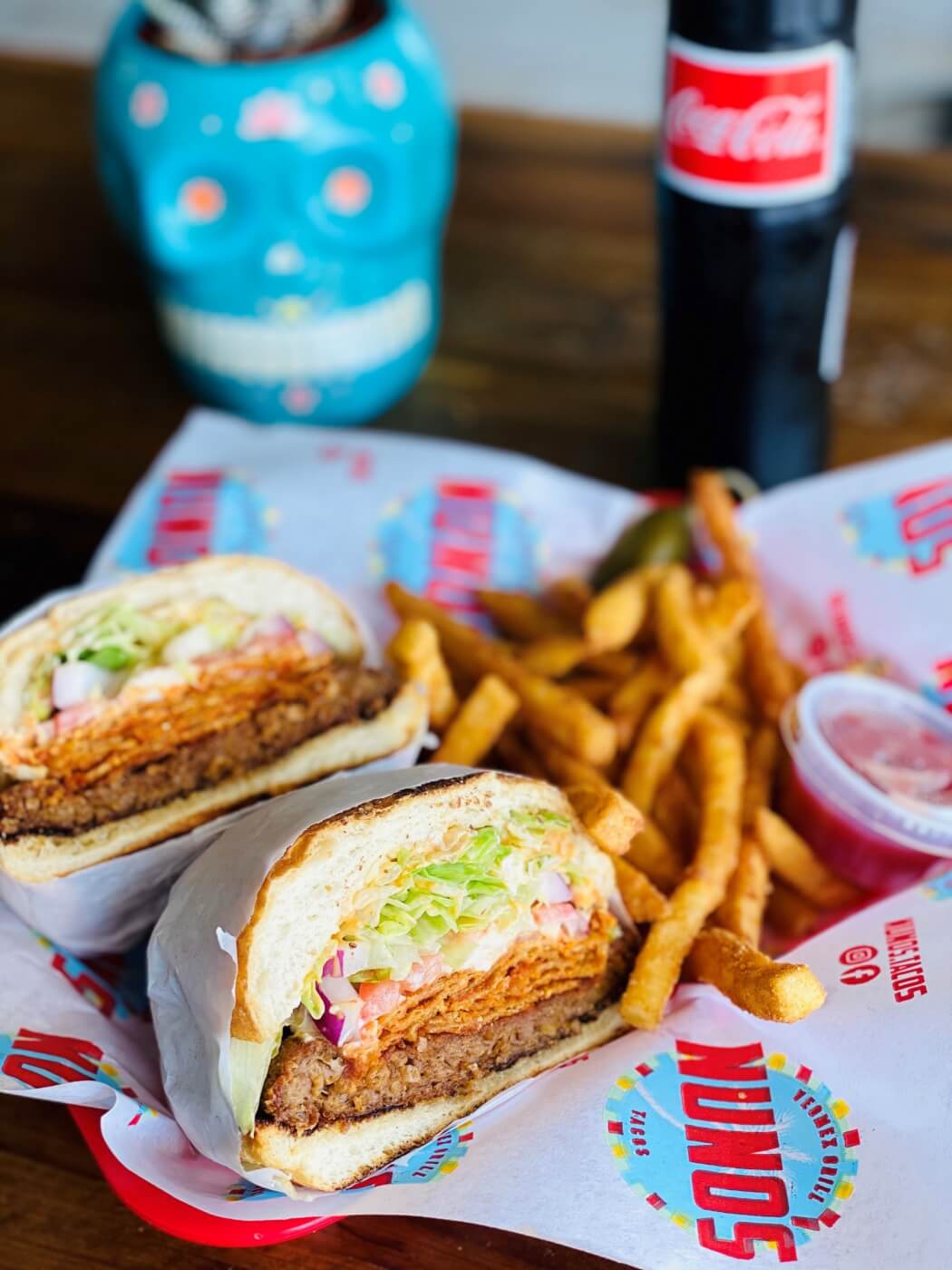
If you want a bite of vegan bliss, look no further than Nuno’s Tacos & Vegmex Grill. Originally founded by Aurelio “Nuno” Arias Jr. with the mission of bringing all kinds of foodies together to share a vegan plate, it has been dominating the vegan comfort food game for years now. The Mexican-inspired cuisine offers all sorts of delectable dishes, including the Bandera Enchiladas and Tacos, Birria Tacos, Bistec Ranchero Tacos, Cowboy Torta, and Nunos KrunchWrap.
Cowboy Torta from Nuno’s Tacos and Vegmix Grill
Bar Bombón
Philadelphia, Pennsylvania
What it offers: all-vegan Puerto Rican cuisine
When to visit: Sunday to Thursday, 11 a.m.–9:30 p.m.; Friday and Saturday, 11 a.m.–10:30 p.m.
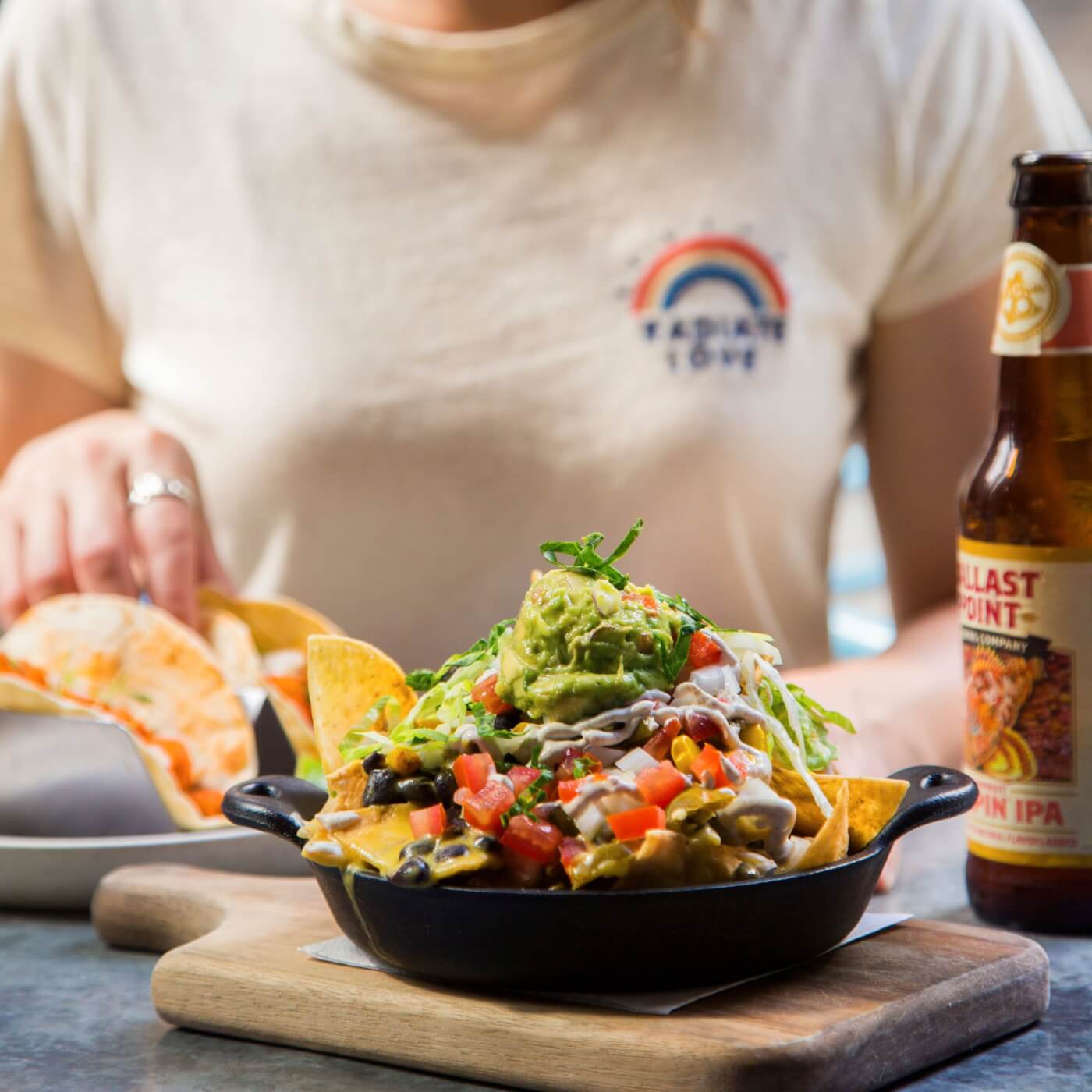
Drawing on the culinary traditions of Old San Juan, Bar Bombón is the place to go for a fun atmosphere and plant-based Puerto Rican cuisine. Grab a date for a drink and some menu favorites, such as the Cauliflower Tacos, Cheesesteak Empanadas, Nachos, and Spanish Meatballs.
Nachos from Bar Bombón
The Earthy Kitchen
Orlando, Florida
What it offers: all-vegan Puerto Rican cuisine
When to visit: takeout only, Tuesday to Saturday, 12 noon–7 p.m.
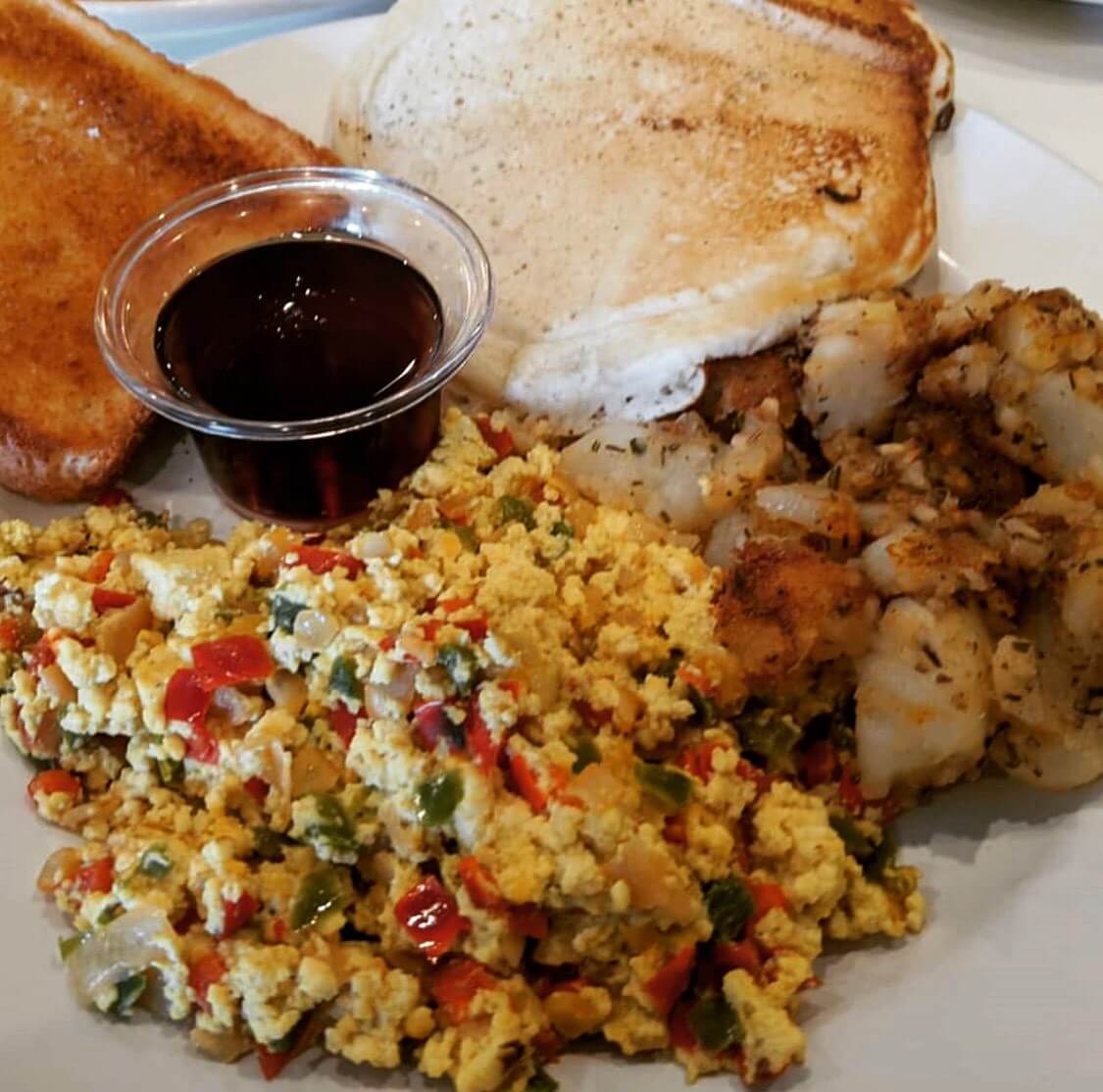
Owned by Javier Muniz, The Earthy Kitchen refuses to compromise when it comes to flavor. All the menu items are made with plant-derived, locally sourced ingredients that truly make each dish taste home-cooked. Try some of our favorites, including the Alcapuria, Beefless Steak Plate, Empanadas, Quesitos, Tofu Scramble, and Tripleta Sandwich.
Tofu Scramble from The Earthy Kitchen
Flacos
Berkeley, California
What it offers: all-vegan and gluten-free Mexican cuisine
When to visit: Tuesday to Saturday, 12 noon–7 p.m.; Sunday, 12 noon–6 p.m.
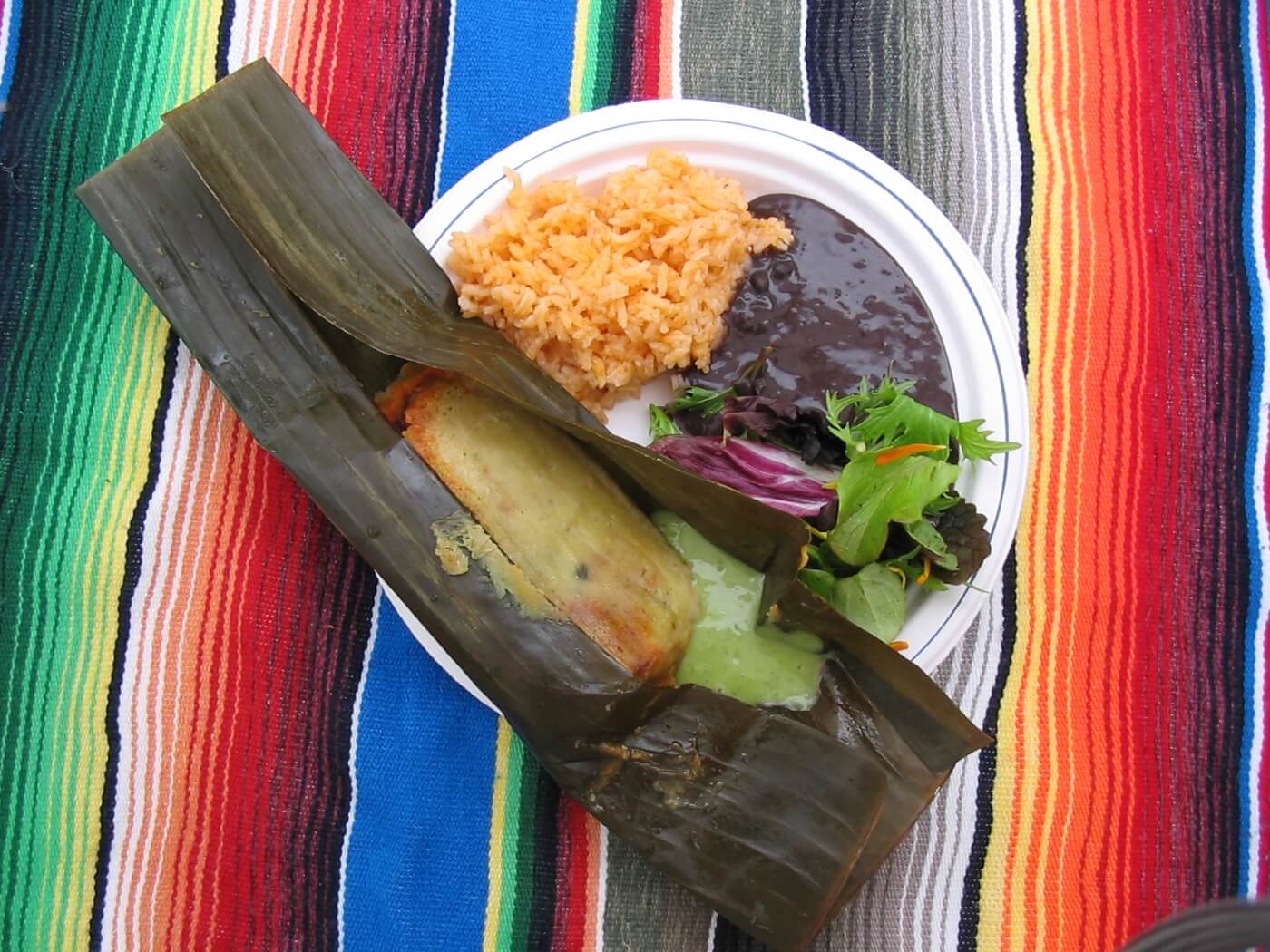
Flacos chef and owner Antonio Magana won’t tolerate boring burritos—that’s why his Mexican restaurant loads gluten-free tortillas to the brim with all sorts of vegan ingredients. Making old family recipes new with a vegan twist, Flacos won’t disappoint. Try the Banana Leaf Tamale Plate or the Taquitos Tray to satisfy your hunger.
Completely Vegan Banana Leaf from Flacos
Luna Verde Vegan Mexican Restaurant
Bradley Beach, New Jersey
What it offers: all-vegan Mexican cuisine
When to visit: takeout and delivery only, Thursday to Tuesday, 12 noon–9 p.m.
Eager to share their love for vegan Mexican cooking, the Hidalgo family opened Luna Verde, a family-owned vegan and gluten-free restaurant in Bradley Beach. It has the neatest takes on classic Mexican recipes, including elotes and fiesta tacos.
Fiesta Tacos from Luna Verde
While you can enjoy our favorite Latinx-owned vegan restaurants at any time of the year, it doesn’t hurt to celebrate Hispanic Heritage Month with a delicious vegan meal. Tag us on Twitter @PETA to share some of your favorite Latinx-owned vegan restaurants!