
The post ‘There Was a Killing’: A Look Into Regan Russell’s Death appeared first on PETA.
What’s Hygge? Here’s What You Need to Know to Create a Cozy Vegan Home
We all need a little extra comfort right now, especially as we head into the colder months. Hygge (pronounced “HEW-guh”) is a Danish word that roughly translates to a feeling of coziness, contentment, and simplicity. It’s often associated with plush blankets, roaring fireplaces, and warm food enjoyed indoors while the weather outside is cold and harsh. This winter, support your mental health by creating a hygge-inspired home while keeping animals’ well-being in mind, too.
Here’s how to bring hygge into your home while being kind to animals:
Chunky Throw Blankets and Pillows
While hygge is really more about your mindset (slowing down, spending high-quality time with loved ones, and appreciating the simple things), a few decor additions can help you create a cozier home environment. Surrounding yourself with fabrics that no animals were harmed for can enhance this soothing feeling, since you’ll be reminded of your compassionate choice every time you use that throw blanket or pillow. Help protect sheep, cows, foxes, coyotes, and other animals used for fashion and home goods by avoiding wool, silk, fur, leather, suede, and down.
‘Animal Liberation/Human Liberation’ Throw Blanket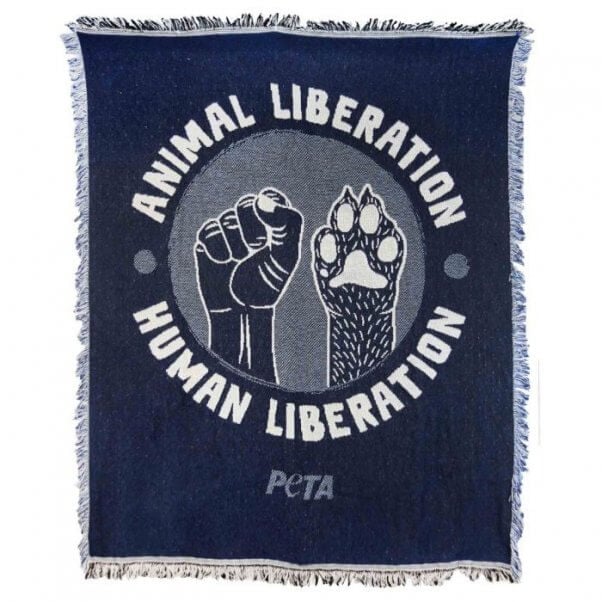
Bearaby Tree Napper Weighted Blanket
Faz Not Fur Gray Set Cushions and Throw Blanket

Cozy Vegan Clothing
Whether you’re heading out into the brisk weather or curling up in front of the fireplace, cozy clothing can feel like a big hug. Just stay away from animal-derived materials, because there’s no excuse for torturing and killing someone to steal their wool, fur, feathers, or skin.
NOIZE Isabel Coat

NOIZE Reign Boyfriend Hoodie

‘Speak Up for Animals’ Hoodie

‘Animal Liberation/Human Liberation’ Socks

‘Animal’ Beanie
NOIZE ‘Be a Nice Human’ Pom Pom Hat
 © NOIZE
PAWJ Slippers
Bee-Free Vegan Candles
Why should you choose vegetable wax candles? Because bees work hard and are exploited and often killed for beeswax, a material that they use to build their honeycombs. Plus, soy wax is clean and safe, unlike paraffin wax. Here are a few of our favorite soy wax choices:
Spiced Cranberry Candle

228 Grant Street Candle Co. Balsam Fir Amber Jar Candle
Standard Wax Custom Candle
Comfort Food
The phrase “comfort food” can bring to mind many different dishes, but most of them are probably warm, filling ones that bring back memories. This can be very personal, so make whatever dishes help you feel the most comforted. Family recipes can easily be veganized by using vegan milk, butter, meat, cheese, eggs, and sweeteners. These are just a few recipes to inspire you:
Vegan Corn Bread

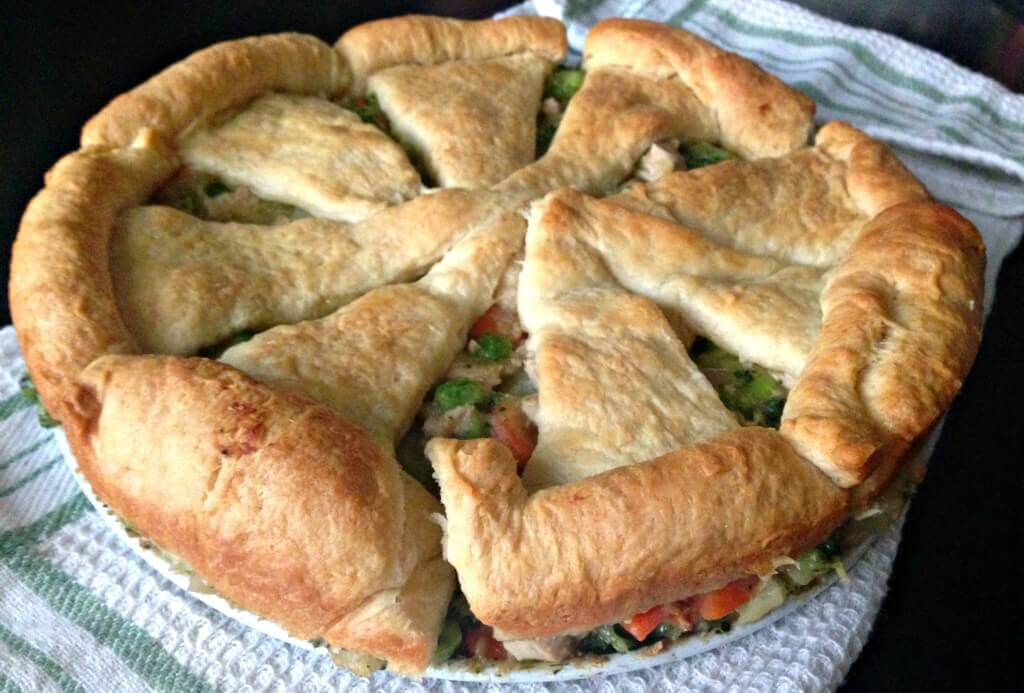
Savory ‘Chicken’ Pot Pie
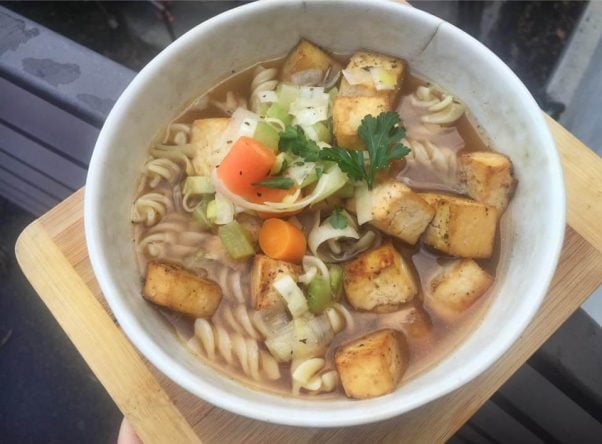
Easy Vegan ‘Chicken’ Noodle Soup
Slow Cooker Chili

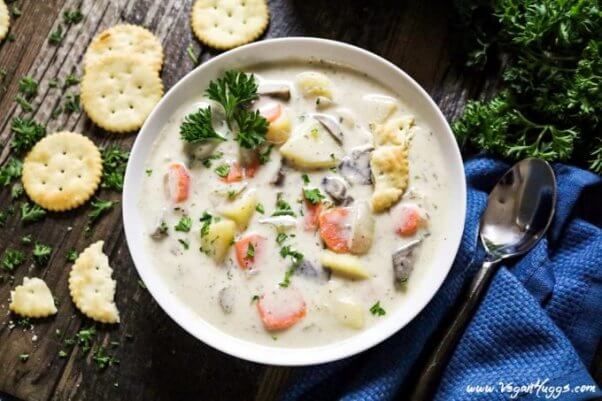
New England Vegan Clam Chowder
Cinnamon Peach Skillet Rolls with Peach Glaze
 Annie Shannon | MeetTheShannons.com
Warm Drinks
In the winter months, having a warm drink can be a nice way to start or end your days. If you are of legal drinking age and choose to enjoy an alcoholic beverage, check to make sure it’s vegan and always drink responsibly. Warm tea lattes and hot chocolate are great nonalcoholic options.
German Mulled Wine

Mulled Apple Cider

Vegan Hot Buttered Rum

Vegan Lavender Hot Chocolate

Vegan London Fog Tea Latte

Detox From Technology
The age of information can be overwhelming, especially when the world seems more chaotic than usual. Set aside some time each day to step away from the distractions of your phone or TV. Here are some simple things you can do instead of endlessly scrolling through TikTok:
- Curl up with a good book.
- Go for a nature walk with your dog (and bundle them up in a warm coat, too).
- Knit a hat or sweater with vegan yarn.
- Indulge in your favorite self-care
Do you need help going vegan? Our vegan mentors are here to assist you:
The post What’s Hygge? Here’s What You Need to Know to Create a Cozy Vegan Home appeared first on PETA.
Planning a Vegan Thanksgiving? PETA’s Here With Holiday Cheer
Thanksgiving is the perfect time to count our blessings, catch up with loved ones, and share delicious vegan food. Sitting down to a holiday meal with family and friends is special, especially in a year when so many of us are isolated from each other. Whether you’re gathering on Zoom or IRL, PETA is here to help you celebrate “ThanksVegan.” Our handy list of answers to frequently asked questions about being vegan and animal rights can steer people’s hearts and minds toward compassion. Your honest conversations and tasty food will make this year’s holiday the best one yet!

Food, Marvelous Food
Q. How do I make turkey, stuffing, pumpkin pie, mashed potatoes, and other holiday foods vegan?
A. The internet is our friend! Every holiday dish can be made vegan, including with meatless roasts, dairy-free mashed potatoes, and no-egg desserts. PETA has you covered with delicious holiday recipes to please every palate this ThanksVegan. You can also search online for any Thanksgiving food and add the phrase “vegan recipe” to find a delicious dish.
Good Guests Bring a Plate … or Three
Q. How can I be helpful to the host? I’m not hosting this year, but I still want to eat with my loved ones.
A. Bring a vegan main dish, a few sides, or a dessert (which always wins people over!). Don’t be shy about showing off your cooking skills—the more vegan food you can bring, the better. If cooking isn’t your calling, it’s super-easy to pick up a premade dish from your local grocery store—a vegan pumpkin pie from Whole Foods or a bottle of vegan wine from Trader Joe’s would surely go over well. Meal delivery services like Veestro, Boycemode, and MamaSezz are all participating in ThanksVegan, offering tasty Thanksgiving-themed options this year. A scrumptious veganized dish helps people realize that animal-free food doesn’t require any compromises when it comes to flavor.
Share some fabulous vegan recipes with your host ahead of time and see if they’re willing to make some dishes vegan. Check out these vegan roasts and these sides to make your holidays even happier.
If your host is receptive to your ideas so far, why not suggest a totally vegan Thanksgiving? Offer to help them cook a spread of vegan eats. If they had already planned a menu, share this list of easy vegan substitutions for a delicious ThanksVegan meal.
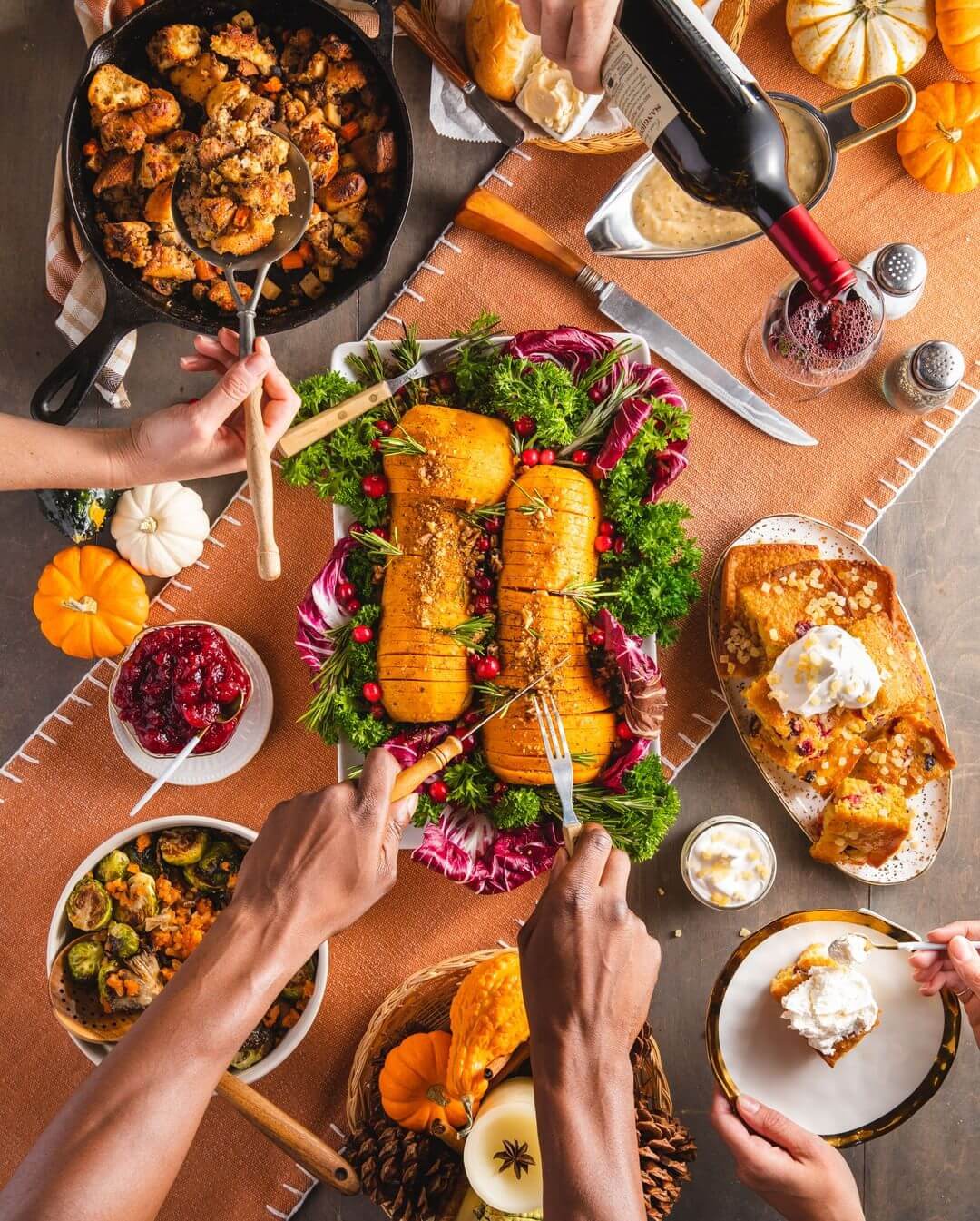
Host With the Animal-Free Roast
Q. How can I have a vegan Thanksgiving?
A. You can host the meal! Not sure where to start? PETA has tons of free menu ideas and recipes.
Short on money and time? This budget-friendly Thanksgiving meal is a great option. Both you and your wallet will love the $40 dinner, complete with vegan gravy and a pie and ready in under an hour.
Want to host but don’t want to cook? Check out PETA’s list of vegan restaurants that deliver or offer pickup, or search online for options near you.
Love to cook? This full Christmas dinner makes for an excellent ThanksVegan spread.
There are also many other free resources online to help you host an awesome Thanksgiving.
Q. I want to find a vegan Thanksgiving celebration in my area. Where do I start?
A. Depending on what’s available in your area—and whether social distancing restrictions are in place for public events—you may be able to attend a community vegan potluck. Vegan potlucks are typically on Thanksgiving or on a day after the holiday. Facebook or Meetup.com can help you find events in your area.
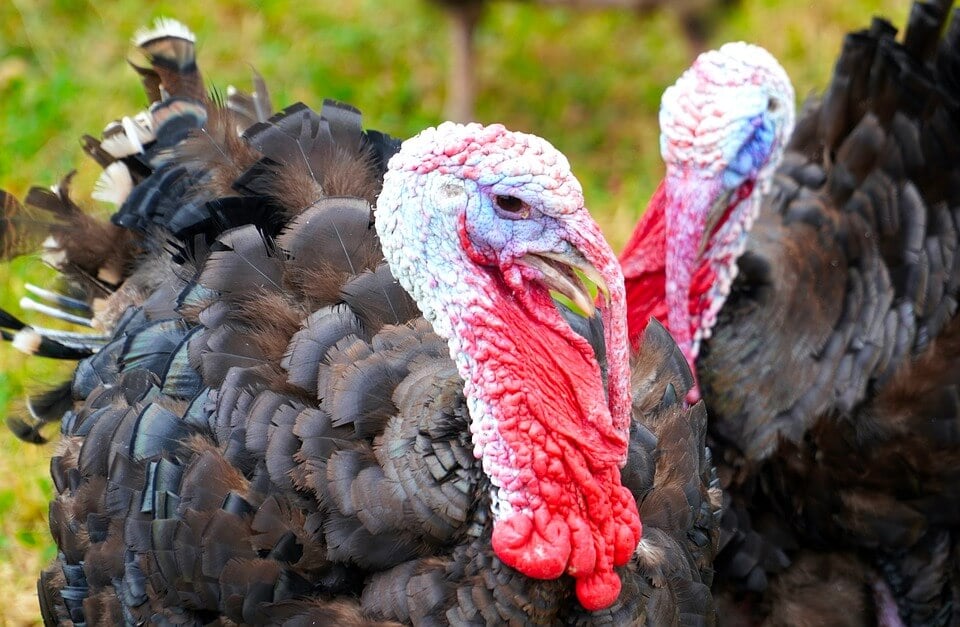
Talking the Talk While Holding the Fork
Q. What if nonvegan friends or family ask me questions about being vegan?
A. Come prepared with a few talking points. Having some answers ready makes conversations productive. People might ask you questions like these:
“Why are you vegan? What about protein? Do you miss eating animals?”
Remember that you can’t prepare for everything, and that’s OK! You don’t need to be an expert on every issue to have a conversation with someone about animal rights and vegan living. Check out PETA’s tips on effective advocacy techniques before your meal.
Let others know that humans can live longer, healthier lives by not eating animals. Vegan protein is not only better for your body but also cheaper! Beans, quinoa, and veggie burgers are some of PETA’s favorite staples that save money and spare animals’ lives.
“What if you were stranded on a desert island with only meat to eat?”
Being vegan is not about being perfect—it’s about doing the best we can. Choosing not to eat animals is one of the best things we can do for them, the environment, and our own health. We can’t fix the entire world, but we can have a positive impact by going vegan.

“Don’t you care about [insert other issue]?”
Vegans care about many issues! Noticing one form of injustice helps us notice other types of discrimination in society. Going vegan doesn’t take time or attention away from other issues. In fact, being vegan is part of the solution—it helps the environment, boosts community health, and offers an answer to world hunger.
“But you used to love eating cheeseburgers [or another animal-derived food]!”
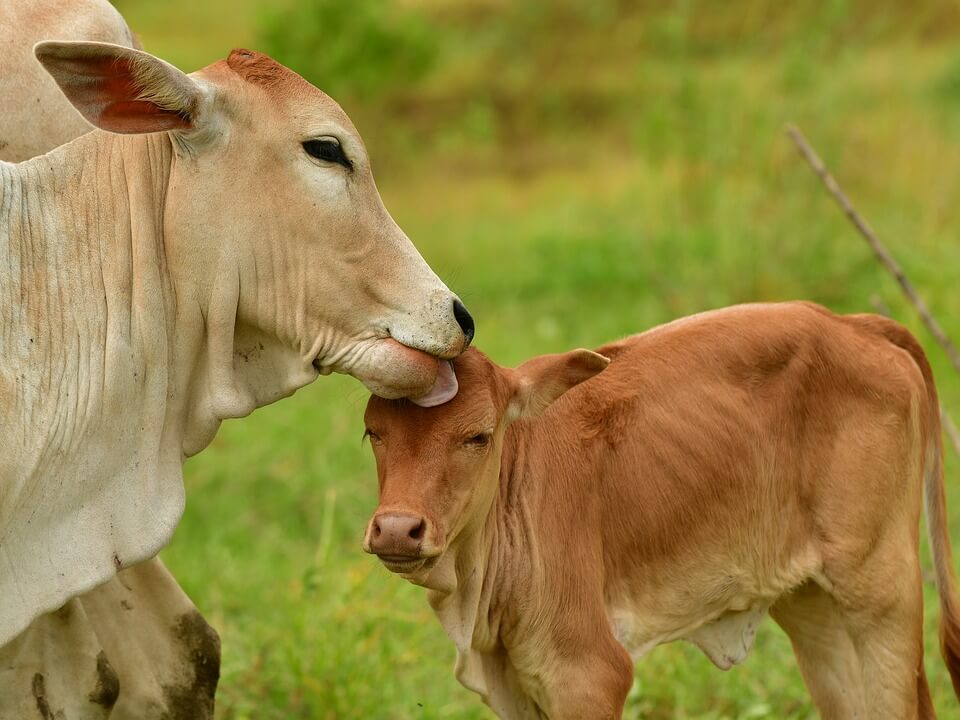
Cows are gentle individuals who care for their young and get excited when they solve problems. In the beef industry, these sensitive beings are forced to live amid their own feces. The dairy industry forcibly impregnates mother cows and steals their day-old calves. Learning about animal agriculture leads many kind people to eliminate foods that others had to suffer for, in order to be true to their values.
There are now fabulous vegan options that not only taste a lot like animal-derived foods but also have similar textures. If your friends and family are curious about what vegans eat on a daily basis, PETA’s guides to meat replacements and vegan cheese may help.
Cat Got Your Tongue?
Q. What do I say when I don’t know what to say?
A. You don’t have to be an expert on every issue under the sun. If someone asks you a question that you can’t answer, don’t sweat it! It’s fine to say, “I don’t know.” You could hop onto a cellphone together and search for the answer on PETA’s website. Below are some approaches for answering tough questions.
“What about [insert issue you don’t know much about]?”
“I want to make sure I get you the best information I can. I’ll look into that and send you some resources later. What’s your e-mail address?”
“What about [insert activism tactic or group that you aren’t part of]?”
“I can’t speak on that, but I’m sure there’s information about that online. I hope you’ll let me know what you find out if you look into it.”
Meet Challenges With Kindness
Q. How should I handle people who are rude to me or act offended that I don’t eat animals?
A. Assume the best. The person asking you a seemingly rude question may be asking it sincerely. Don’t roll your eyes or storm off. Try to answer their question directly. Some people actually do wonder if cows will explode if they aren’t milked by humans. (The answer is no, and cows only need to be milked because humans steal their calves.)
If someone does try to provoke or tease you, remember that your conversation draws other people’s attention. When we answer questions directly, others at the table can benefit from the information we give. Staying calm means that other guests will feel comfortable asking you questions about going vegan or animal rights—which ultimately helps even more animals.
Face Challenges With a Smile
Q. What if someone pressures me to eat meat or other animal-derived foods?
A. We can be polite while declining cruelly derived ingredients. We can smile at our host and say, “Thank you for offering! But I’ll stick with what I have.” Reassure others that their company makes the holiday special for you, and tell them that you’re having a wonderful time without eating turkey, dairy, or eggs.
Sometimes, our family members can be insistent. Give them time to realize that being vegan is not a “phase.” Be consistent and patient and you’ll likely find that people in your circle adapt to your compassionate choices.
Kindness to Animals Extends to You, Too
Q. How do I handle watching people eat animals?
A. Relate to where others are at. Attending a Thanksgiving celebration where people are eating animals can be hard. We know that our loved ones are good people, so it can be uncomfortable to see them eating dishes that animals were abused for. Remember, most of us weren’t born and raised vegan. Before you went vegan, you ate animals at Thanksgiving, too, right? Were you heartless? No. It was listening to your heart that caused you to go vegan.
The other people at the table also have big hearts. You can expose these kind folks to compassionate thinking by remaining in their lives and attending holiday events. One day, through knowing you—and seeing how important kindness is to you—they may find that eating animal-free better aligns with their values, too. Your nonjudgmental presence and your vegan food say more than you may think.
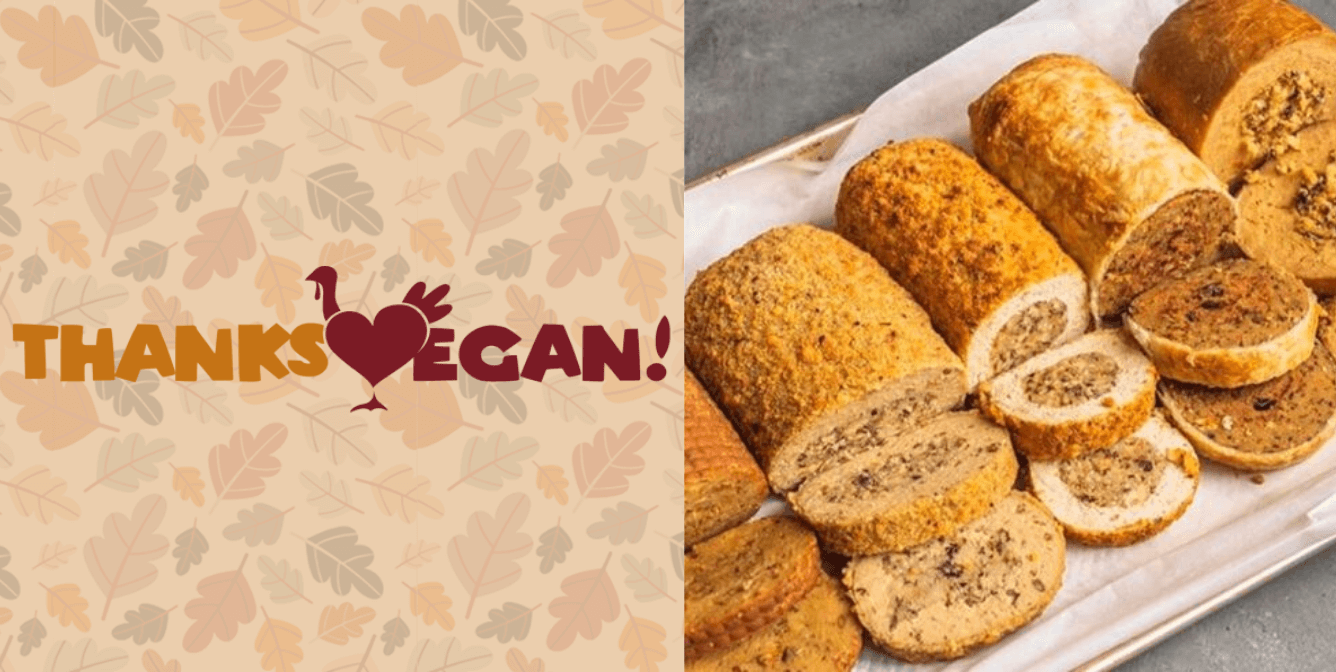 LEFT: © iStock.com/Lilett | Right: © Instagram.com/the_tofurky_company
Don’t Come Empty-Handed
Q. What if people at my Thanksgiving event want more information on vegan foods or animal rights?
A. Bring literature with you. E-mail us at ActionTeam@peta.org and ask for some vegan literature (or order materials online), and come prepared with some in your bag. If someone is clearly open to learning more, you can respond with, “I have some information here you might be interested in!” You could also direct them to PETA’s social media pages, help them download a vegan starter kit from our website, and even encourage them to sign up for our Vegan Mentor Program.
Community Is Key
Q. How can I feel better after a challenging Thanksgiving experience?
A. Spend time with other vegans. It can be emotionally draining to feel like the lone defender of animals at an event, so counteract those feelings by spending quality time with like-minded friends. Don’t have friends interested in animal rights? Join PETA’s Action Team to connect with compassionate people in your area and across the country. You could also search online for vegan or animal rights social groups.
Keep the Holiday Spirit Going
Q. I want to do something helpful after seeing animals abused for the Thanksgiving table. What can I do?
A. Volunteer your time or money, if you can. Giving to those in need can help us decompress from a difficult experience. Order PETA’s free Activist Starter Pack, which is full of easy and effective ways to help animals. You can advocate for animals exploited for food with our action alerts and by supporting our campaigns.
You’ve Got This!
We hope these answers have been useful and you feel well-equipped for Thanksgiving! Do you have additional questions? Are you looking for some help with going—or staying—vegan? PETA offers one-on-one support through our Vegan Mentor Program:
The post Planning a Vegan Thanksgiving? PETA’s Here With Holiday Cheer appeared first on PETA.
Will Live Fish Be Left to Suffocate and Die in Blair County, Pennsylvania?
The post Will Live Fish Be Left to Suffocate and Die in Blair County, Pennsylvania? appeared first on PETA.
PETA Statement: Using Antibodies From Llamas Against the Novel Coronavirus
Please see PETA’s statement regarding Pitt researchers using llama antibodies to study coronavirus treatments:
Resources are best spent on the development of human-based—rather than llama-derived—antibodies. When rapidly searching for lifesaving vaccines and treatments, researchers are turning to fully human, non-animal antibodies (including nanobodies) for good reason. These antibodies overcome numerous scientific issues associated with antibodies derived from llamas, horses, camels, rabbits, mice, and other animals. In fact, animal-derived antibodies are one of the main drivers of the reproducibility crisis in research.
For scientific and ethical reasons, an end to using animals to produce antibodies was recommended by the European Union Reference Laboratory for alternatives to animal testing (EURL ECVAM), a government organization that plays a critical role in determining the scientific acceptance and regulatory use of non-animal testing methods within the EU as well as globally.
To share information about the applications and benefits of animal-free antibodies, the U.S. National Toxicology Program Interagency Center for the Evaluation of Alternative Toxicological Methods, the PETA International Science Consortium Ltd., and EURL ECVAM have organized a free, publicly available webinar series. In the first webinar of the series, experts discuss the use of animal-free antibodies to develop vaccines and treatments, including against the novel coronavirus, SARS-CoV-2. (View the recording here.) The following three webinars focus on the scientific and economic advantages, application, and accessibility of animal-free antibodies.
PETA—whose motto reads, in part, that “animals are not ours to experiment on”—opposes speciesism, a human-supremacist worldview. For more information, please visit PETA.org.
The post PETA Statement: Using Antibodies From Llamas Against the Novel Coronavirus appeared first on PETA.