PETA’s in Alaska, Determined to Make This Year’s Iditarod the Last

The 2021 Iditarod death race is just days away from its March 7 kickoff, which means that PETA’s already hit the ice protesting. Carrying suitcases sporting a spoof “Millhellium” logo, activists descended on the Millennium-owned Lakefront Hotel (Millennium Hotels and Resorts still sponsors the Iditarod) today …
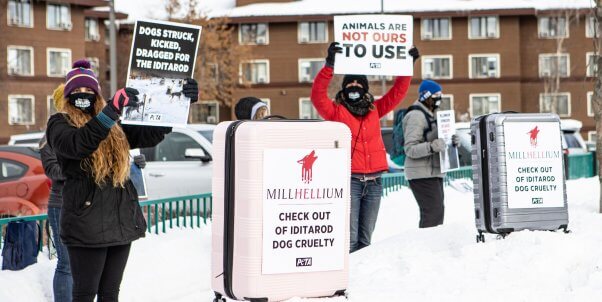
PETA Iditarod protest outside Millennium Hotel

… driving home the message that Millennium should be disgusted at the thought of supporting a race that has run 150 dogs to their deaths and countless more to the brink of collapse.
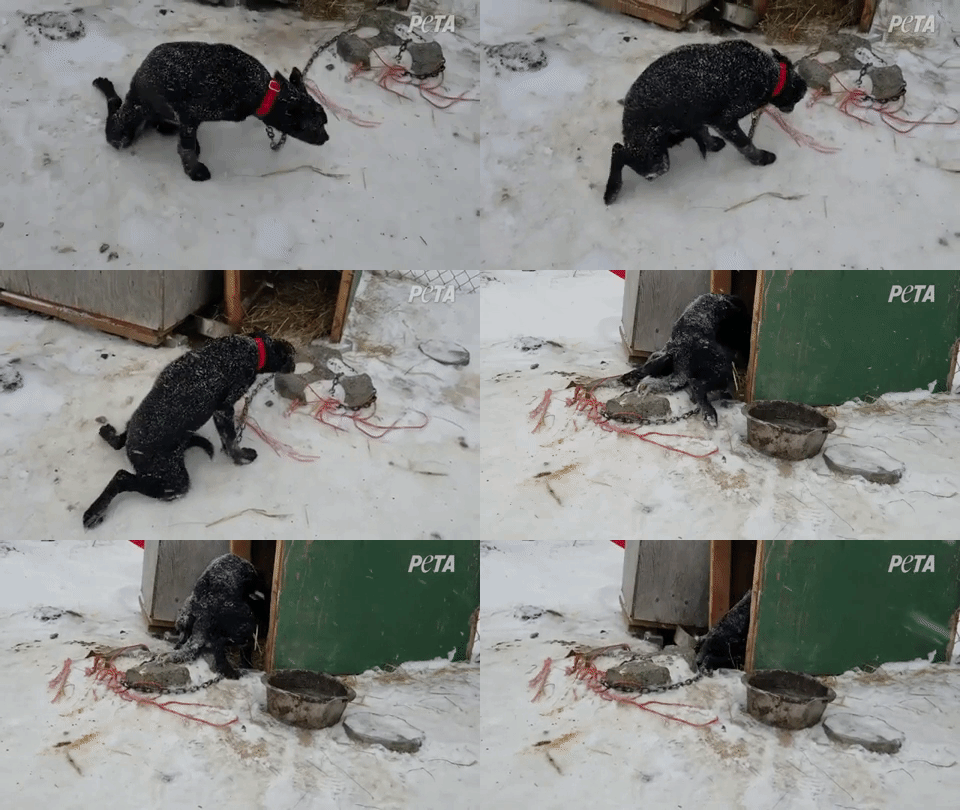
Birch, an Iditarod victim

This is Birch. She endured horrific neglect at this “kennel” co-owned by former Iditarod champion John Baker. Despite sustaining a crippling, extremely painful spinal cord injury when she was just a puppy, she was denied veterinary care and chained in the freezing cold 24/7.

Up to half the dogs who start the Iditarod don’t finish it, and during the 2020 race alone, more than 220 dogs were pulled off the trail because of exhaustion, illness, injury, or other causes. The leading cause of death for dogs made to race in the Iditarod is aspiration pneumonia—caused by inhaling their own vomit. Many more have died during the off-season while chained up outside in subzero temperatures or were killed because they weren’t considered fast enough. Thanks to a PETA investigator, the world was given a glimpse of what it’s like for some of these dogs, including Snickers—she was kept chained near the icy sea, limping, crying, and left to pace in circles all day.
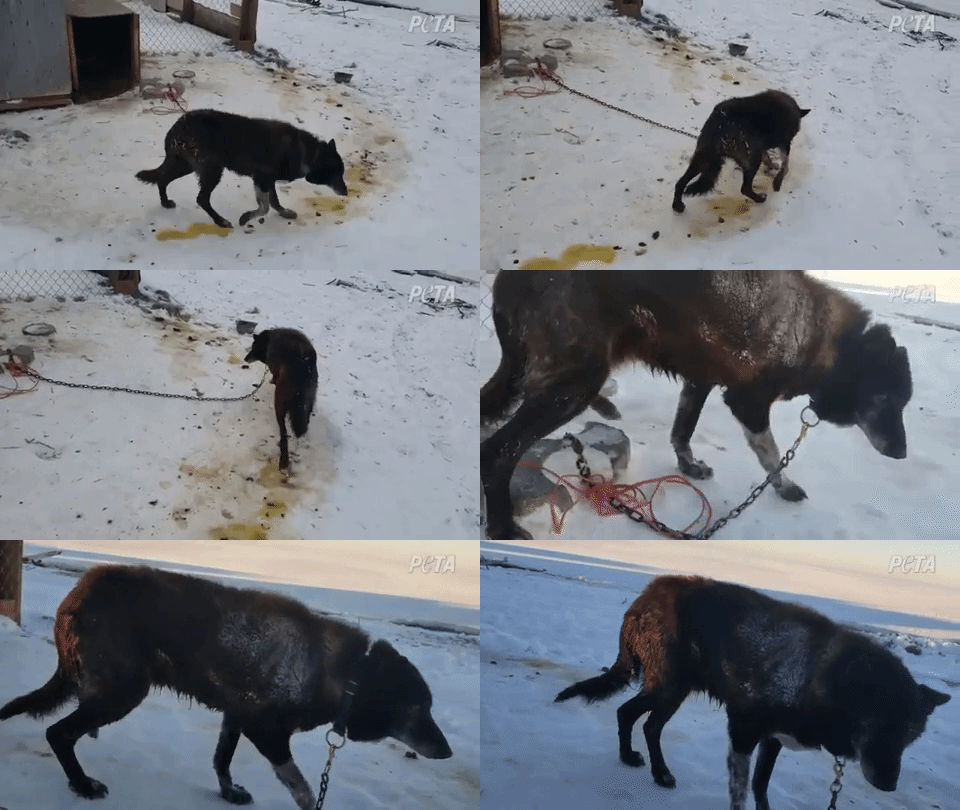
Snickers, an Iditarod victim

Rather than providing Snickers with the veterinary care and comfort that she desperately needed, former Iditarod champion John Baker chained the elderly dog beside the frozen sea, all alone and unable to escape the Arctic cold.

For Birch, Snickers, and countless other victims of the Iditarod, PETA will continue to protest the event’s cruelty—expect to see activists at the start of the Iditarod on March 7 in Wasilla, Alaska. We’ll be monitoring this year’s death race, so check back—this story will be updated as the 2021 Iditarod continues.

Dogs Deserve Better Than the Iditarod—They Need Our Help

Chained dogs, starved dogs, dead dogs—it’s no wonder that so many major companies, including ExxonMobil, Chrysler, Alaska Airlines, Coca-Cola, Jack Daniel’s, State Farm, and Wells Fargo, have listened to PETA and dropped their sponsorships. So tell Millennium Hotels and Resorts to quit dragging its feet and cut its ties now:
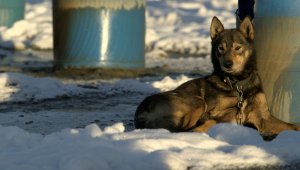
If you’re planning a trip or cruise to Alaska, please don’t buy any packages or excursions that include dog-sled rides or visits to dog kennels. Ask your friends and family not to, either:

Learn more about the abuse of dogs in the Iditarod: Watch the documentary Sled Dogs—which shines a spotlight on the dogs who are forced to run until their bodies break down or who are killed if they don’t measure up—available now on Prime Video and Plex.

PETA is a participant in the Amazon Services LLC Associates Program, an affiliate advertising program designed to provide websites with a means to earn advertising fees by advertising and linking to Amazon.com.

The post PETA’s in Alaska, Determined to Make This Year’s Iditarod the Last appeared first on PETA.
Before You Buy Rotisserie Chicken, Consider These Facts

Rotisserie chicken comes at a huge cost to chickens, slaughterhouse workers, human health, and the environment. An estimated 1 billion chickens are killed each year and made into the rotisserie chickens that you see in supermarkets. These birds are raised on massive farms, where they live out their short lives in cramped, filthy conditions. So, next time you’re looking at these chicken carcasses in the grocery store, consider these facts before putting one in your cart:

1. Vegan Food Is Better for Meal Prepping

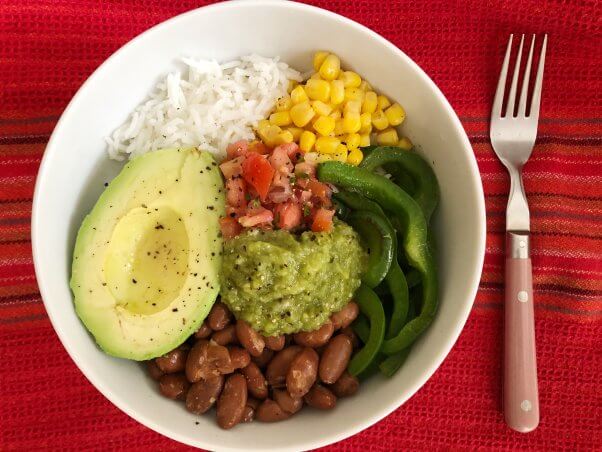
You can get 2-pound bags of dried beans for less than $2 each and just as much brown rice for around the same price. Make a big batch of both and you’ll have healthy, filling meals that will yield around 20 servings. Even with seasonings, salsa, and veggies, your total for all these meals will be less expensive than even just one rotisserie chicken. These bean-and-rice bowls are just one example—there are plenty of other satisfying vegan meal prep ideas.

2. Quick, Easy Vegan Meals Are Accessible

If you’re short on time, there are plenty of quick and convenient vegan options that you can find in the grocery store—just look in the frozen section. Costco and Trader Joe’s have plenty of frozen and prepared meals, and many meal delivery services offer vegan options, taking the pressure of planning off your shoulders.

3. Chickens Deserve Your Consideration and Compassion

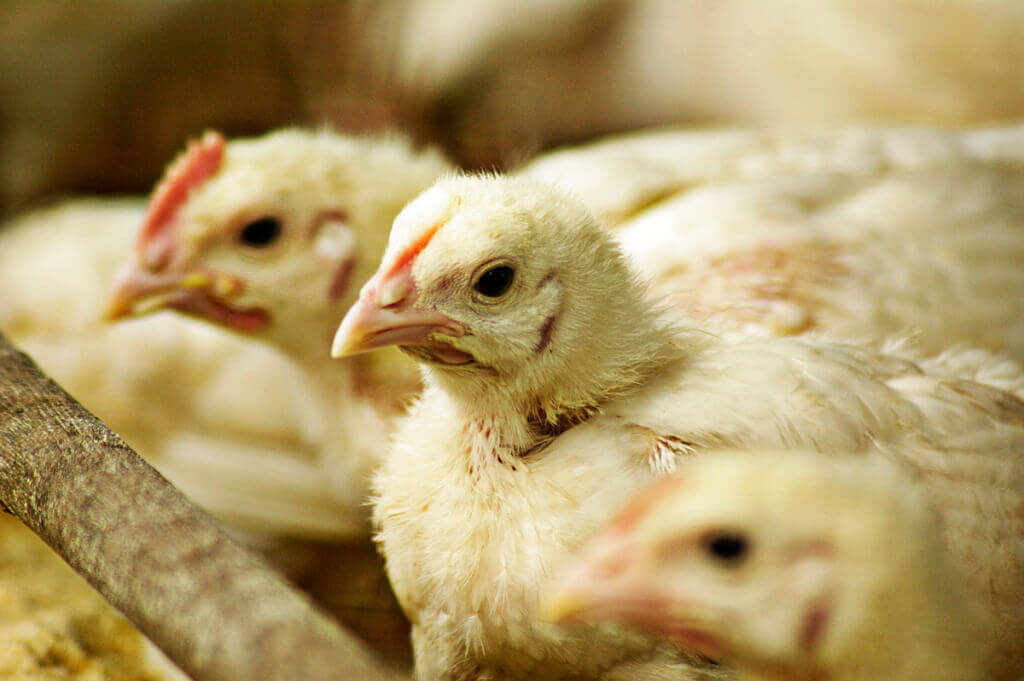
Chickens raised and killed for food don’t get to experience anything that’s natural and important to them, like enjoying the sunlight or establishing social structures. Some are never even allowed to have contact with their mothers—as soon as hens lay their eggs, hatchery workers place them in large incubators. In a natural setting, a hen would create a safe, private nest to tend to her eggs, clucking to the chicks in their shells before they even hatch.

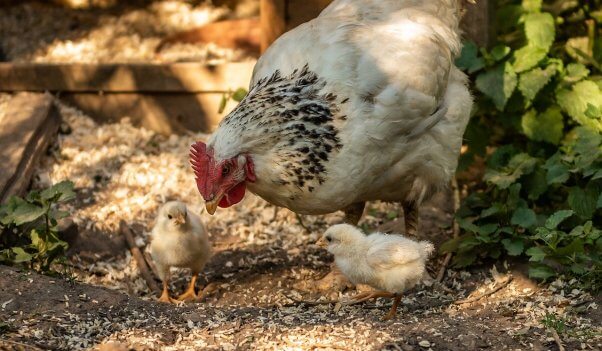
A mother hen looking down at her two chicks

4. Babies Are Killed for Rotisserie Chicken

Most birds raised for food are slaughtered when they’re only 5 to 7 weeks old. This is just a fraction of the natural life expectancy of the average bird, which can be anywhere from 5 to 10 years. They’re often killed before they reach maturity, which means they’re still babies when their throats are slit.

5. No Regulations Govern the Slaughter of Birds

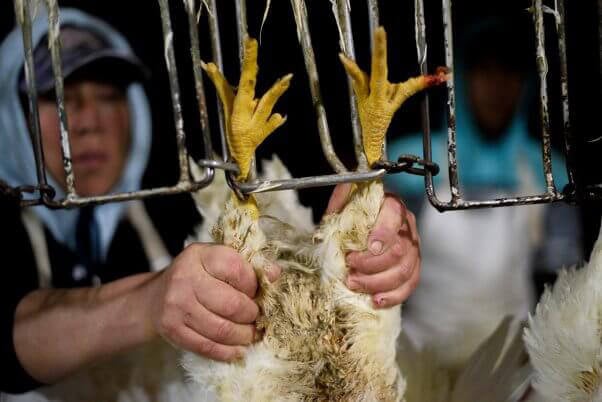
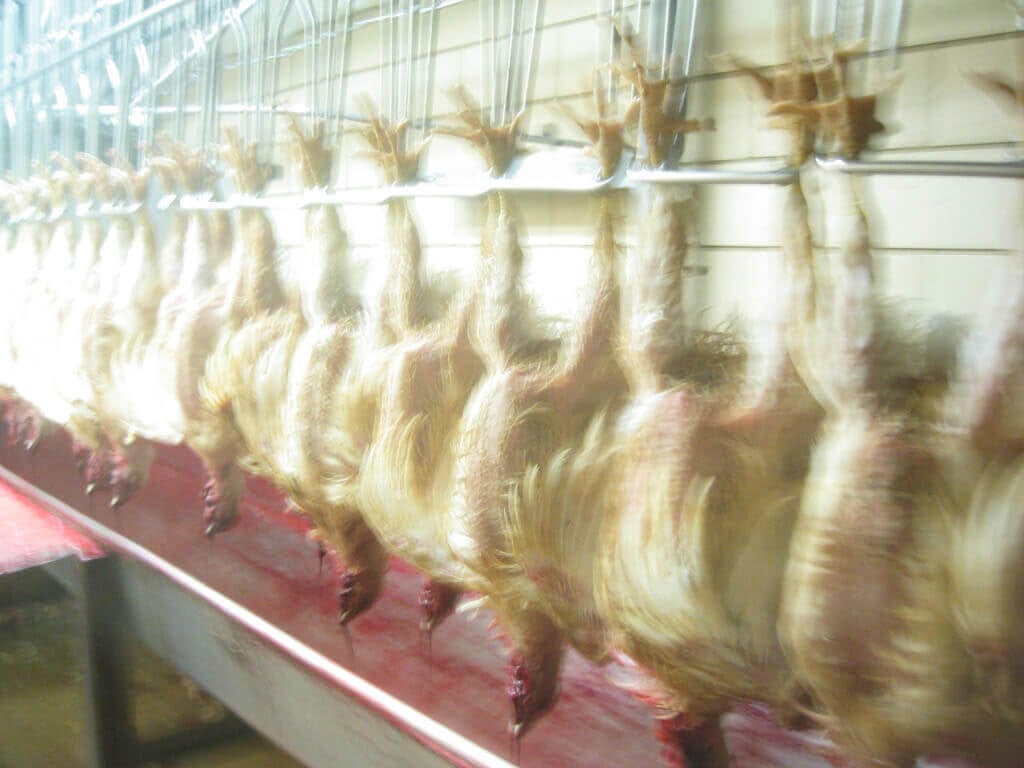
Since birds are exempt from the Humane Slaughter Act, there’s no federal legal protection requiring that chickens be sedated before they’re killed. Almost all chickens are still conscious when their throats are cut, and many are scalded to death after missing the throat-cutter altogether and being immersed in boiling water to remove their feathers.

6. Chickens Who End Up in Your Grocery Store Are Bred to Be Too Big

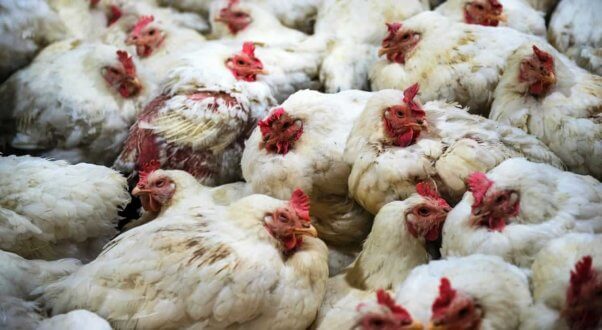
Chickens raised for food are bred and drugged to grow so large so quickly that their legs and organs can’t keep up. At 6 weeks old, many are so big that their legs can’t support them and they are unable to walk.

this is how chickens raised for cage-free eggs really live © iStock.com/takobchaiprakobkit

7. The Chicken Industry Is Damaging the Environment

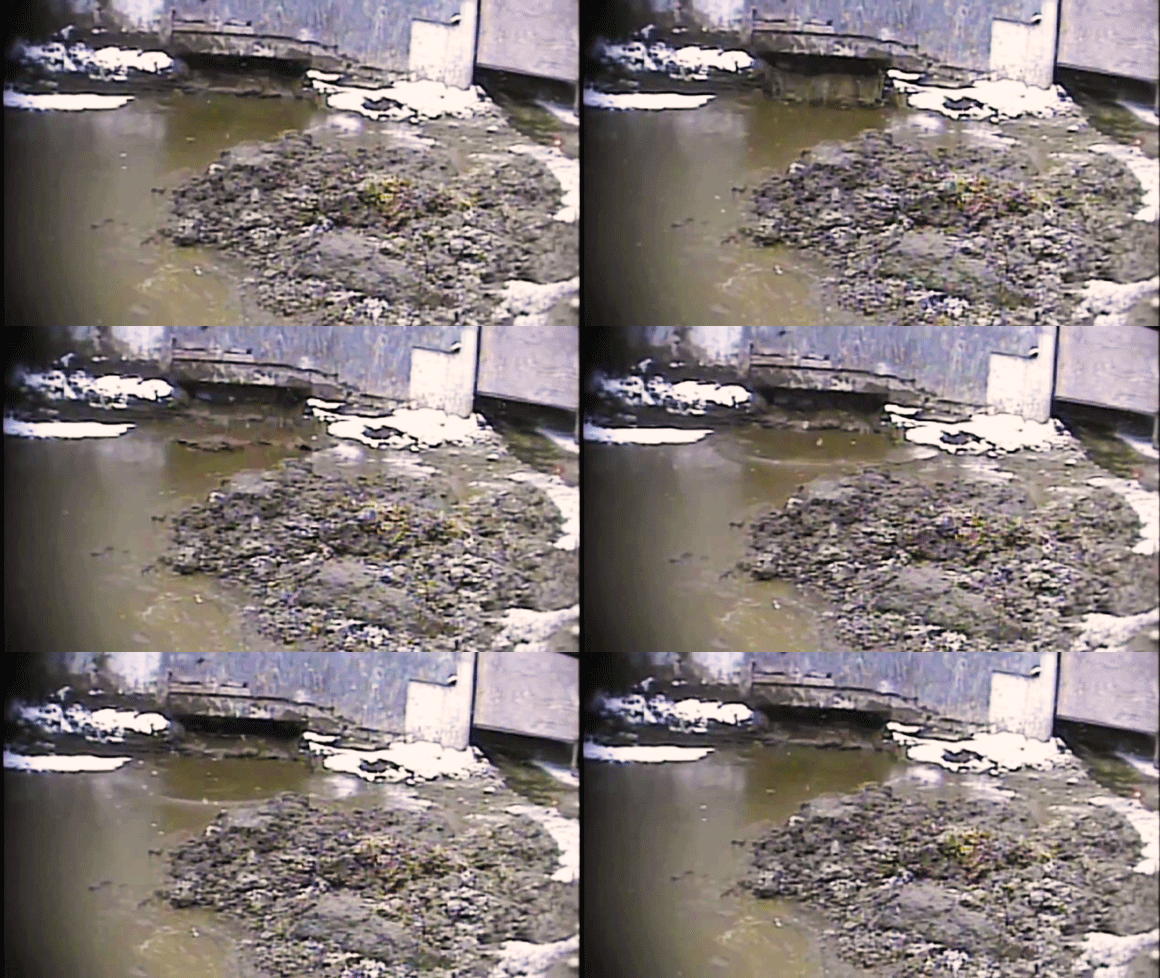
An industry that raises 9 billion animals for meat every year is bound to create a ton of waste. Antibiotics and chemicals that chickens are fed end up in their feces, which pollutes the land and waterways near the farms.

Factory Farm Poop Runoff Water

8. Slaughterhouse Workers Also Suffer

Working in a slaughterhouse is one of the most dangerous jobs—many slaughterhouse employees end up with serious injuries or become sick because of unsafe and unsanitary working conditions. They’re forced to work quickly with dangerous equipment, which makes injuries more common and also increases the suffering of the animals.

9. Rotisserie Chicken Isn’t Healthy

Of the broiler chicken carcasses sold in the U.S., 99% have detectable levels of E. coli, which means that you’re likely ingesting poop every time you eat chicken—plus, chickens are pumped full of antibiotics and drugs to keep them alive in conditions that would otherwise kill them. This leads to antibiotic-resistant bacteria that result in the spread of untreatable illnesses.

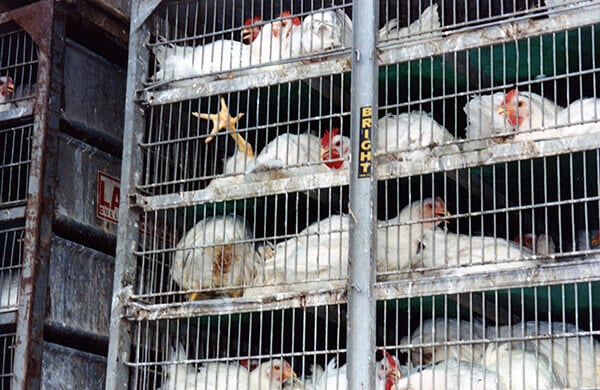
Chickens on a transport truck on their way to the slaughterhouse

Chickens on a transport truck are on their way to the slaughterhouse.

10. Vegan Chicken Is All the Rage

Vegan chicken options abound in grocery stores and restaurants, so it’s easier than ever to satisfy your cravings. Many brands even sell vegan chicken nuggets and chicken wings. These are all compassionate choices that help make a difference in the lives of the most abused animals on the planet.


Wondering How Else You Can Help Chickens?

Why not make it official and go vegan? Each person who goes vegan saves the lives of more than 200 animals a year—plus, it’s better for the environment and your own health.

Order a Free Vegan Starter Kit Today

The post Before You Buy Rotisserie Chicken, Consider These Facts appeared first on PETA.

Rescued Cat Puts the ‘Purr’ in Pearl

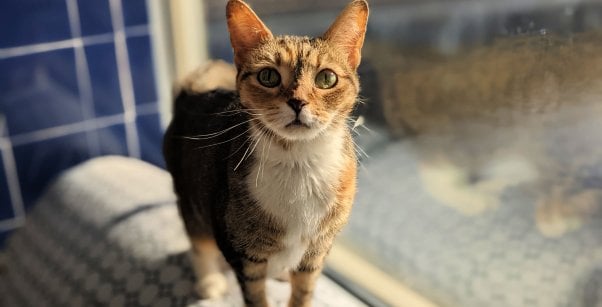
A similar situation led to comedic hijinks in a classic Christmas movie. But when a cat named Pearl was left home alone after her guardian, a military veteran, was unexpectedly rushed to the hospital with a serious illness, nobody was laughing—least of all her.Adoptable cat Pearl at PETA offices

Like the bewildered Kevin McCallister in Home Alone, Pearl must have wondered if she had somehow made her guardian disappear. Why else would he have left her all by herself?

Pretty rescued cat Pearl

Pearl didn’t have to fend off a pair of inept burglars, but she did have to contend with food and water bowls that were emptying as quickly as her litter box was filling up.

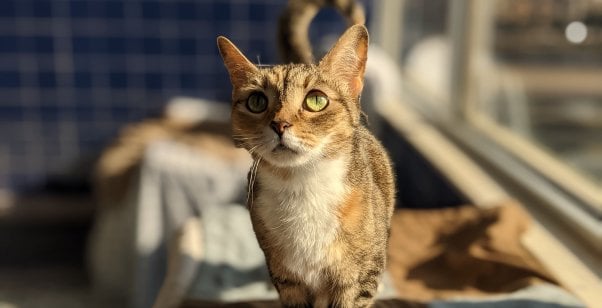
Adoptable tabby cat Pearl

It was several days before her owner’s elderly mother, who lives far away, realized that Pearl was stranded in an empty house with no one to care for her. Worried sick, she called PETA for help. We immediately dispatched fieldworkers to the man’s Virginia home to feed Pearl and clean her overflowing litterbox.

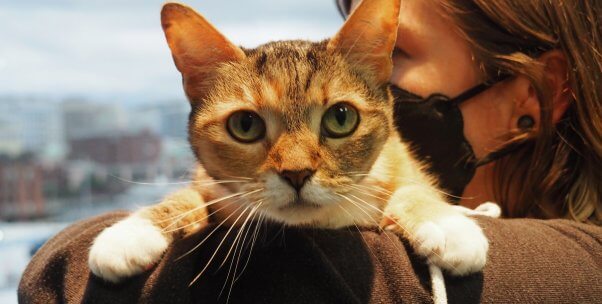
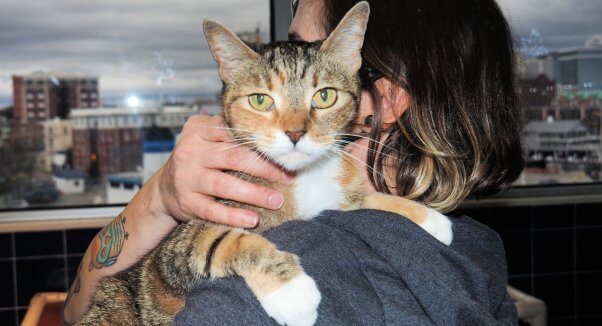
Adoptable cat Pearl with human friend

Pearl was as happy as a kid at Christmas to see humans for the first time in days and rewarded our fieldworkers with ecstatic purrs and ankle rubs. We were prepared to visit the lonely cat as often as necessary, but then we received word that her guardian was going to be hospitalized indefinitely and would no longer be able to care for her. That’s when his family came to the painful realization that Pearl would need to be adopted by a new family to prevent her from being home alone forever.

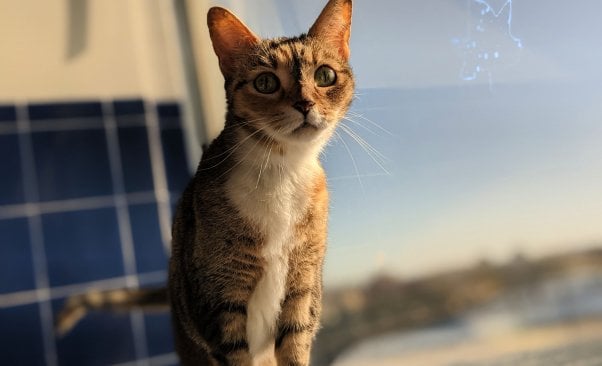
Pearl in front of window at PETA headquarters

Now, all Pearl needs is a special someone to give her the Hollywood ending she longs for. Are you ready to make your world her oyster? Grab your shell phone and drop us a line at Adopt@PETA.org.

Get to know Pearl and other adoptable animals

The post Rescued Cat Puts the ‘Purr’ in Pearl appeared first on PETA.

Urgent: PETA’s Tips for Keeping Dogs Safe Around Frozen Lakes and Ponds in Massachusetts

Reports that dogs and often their guardians have fallen through ice are on the rise this year. Following news reports that two dogs had to be rescued from the same frozen pond in Hanson on two separate occasions this week, PETA is sharing tips for keeping animals safe.

While some of these dogs have been rescued, others have died, and so have some guardians who tried to rescue them. (Please see these recent stories—covering incidents in Arkansas, Mississippi, New York, Pennsylvania, and Tennessee.) The following precautions can help dog guardians prevent such tragedies:

  • Always keep dogs on a secure leash and in a harness during walks.
  • Never let dogs run free near open bodies of water.
  • In backyards with unfenced swimming pools, always walk dogs on a leash in other parts of the yard.

PETA also urges guardians to let companion animals live indoors with the rest of the family, as “backyard dogs” and “outdoor cats”—like those featured in the documentary Breaking the Chain—suffer terribly from frostbite and can die of exposure. There were at least 37 cold weather–related companion animal deaths in 2019, and those are just the ones that were reported—most aren’t. This video shows just a few of the dogs PETA’s fieldworkers have found suffering in the cold this winter.

PETA has released a cold-weather public service announcement. For more information, please visit PETA.org or follow us on Twitter, Facebook, or Instagram.

The post Urgent: PETA’s Tips for Keeping Dogs Safe Around Frozen Lakes and Ponds in Massachusetts appeared first on PETA.