
The post Hers, Not Yours: Help SOS Speak Up for Exploited Mothers appeared first on PETA.
Is a Snake a ‘Starter Pet’? No—Here’s Why
Looking to buy a “pet” snake? Let us save you some time—don’t. These sensitive animals are exploited by the exotic pet trade, suffer miserably in captivity, and require specialized care that few people are equipped to provide. Keep reading to learn why snakes belong in their natural homes, not in your living room.

Are Snakes Good ‘Starter Pets’?
No. There’s no such thing as a “starter pet,” because all animals require a lifetime of dedication and care. Snakes and other exotic animals require specialized care, including, at a minimum, spaces large enough to stretch out in, nutritionally balanced and appropriate diets, a consistent feeding schedule, and carefully controlled temperature, light, and humidity levels.
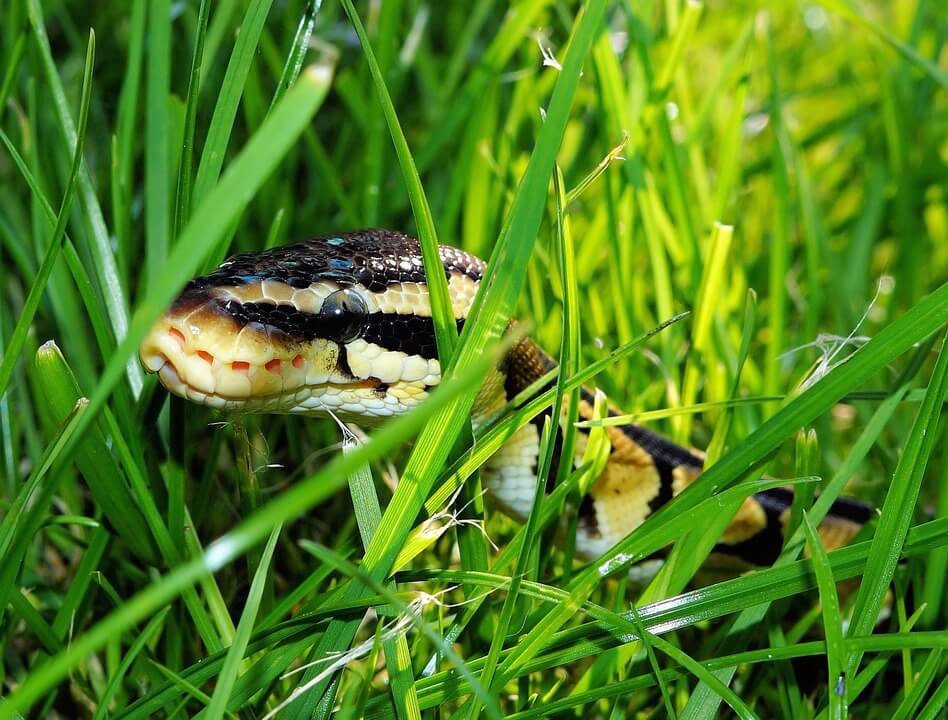
Without these things, snakes will suffer—and may even become sick and die. In one survey, veterinarians estimated that 47% of the exotic “pets” (including snakes) brought to them didn’t have their needs met and 89% of those surveyed said that these animals most often lack a suitable environment.
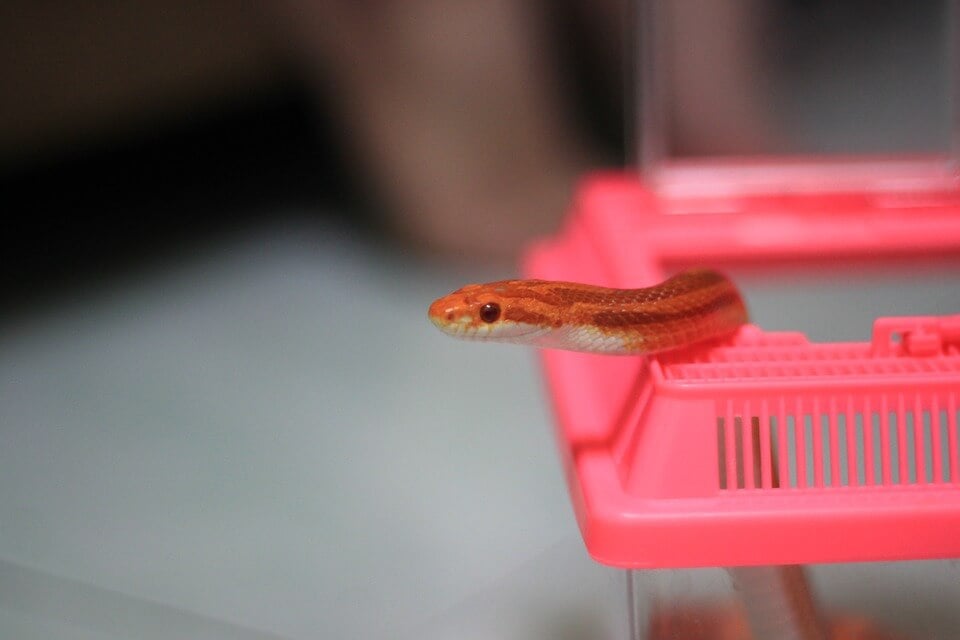
Companies that sell reptile cages and other products, such as Zoo Med, mislead customers into believing that snakes can live in small glass boxes, but that’s a straight-up lie. Reptile experts agree that snakes need at least enough space to stretch out completely. Some pet stores don’t even offer enclosures large enough to allow for this. One peer-reviewed study showed that 90% of “pet” reptiles die within one year—if snakes could really thrive in human homes, they wouldn’t be dying at such alarming rates.
What Is the Best Snake to Have as a ‘Pet’?
None of them. In the cruel exotic pet trade, countless snakes of all kinds die before even making it to pet stores. A PETA investigation into U.S. Global Exotics, which supplied animals to other dealers connected to Petco and PetSmart, revealed that snakes died every day from conditions such as starvation, dehydration, untreated infections, injuries, and illnesses. Workers put hundreds of snakes in a freezer to die slowly and painfully.
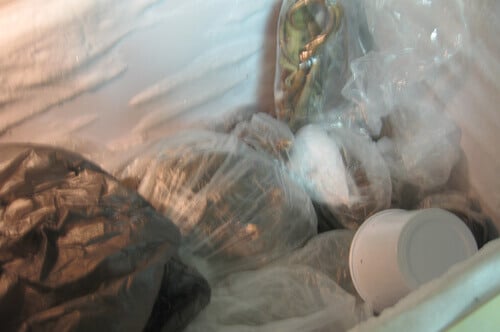
The freezer in which countless snakes and other animals were slowly and cruelly frozen to death
Another PETA investigation into Global Captive Breeders, a company that bred and sold reptiles in California, found that workers neglected snakes so severely that they became emaciated and died while trapped inside filthy enclosures. And a PETA eyewitness investigation into a PetSmart supplier, Reptiles by Mack, revealed that workers routinely deprived snakes and other animals of veterinary care, fresh food, and water. One supervisor even admitted that he let sick snakes starve to death instead of putting them out of their misery.
Do ‘Pet’ Snakes Like Humans?
Snakes do form meaningful relationships—just not with humans. Mother snakes are protective of their babies, and in certain species, mothers collaborate with one another to take turns looking after their young. A “pet” snake may become familiar with a human who feeds or handles them, but this relationship is nothing like the bond that might be shared between a human and their cat or dog companion.
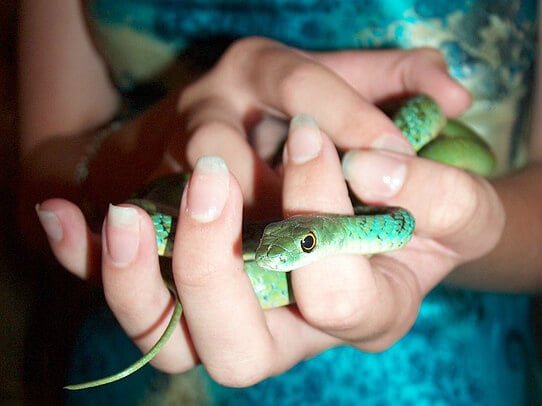 Captive snakes have no choice but to rely on their owners to provide food, water, and everything else that they need, but that doesn’t mean they want to be confined, held, touched, petted, or passed around as if they were toys. Too much physical contact may stress them out—often, the stress will cause snakes to regurgitate their food.
Are ‘Pet’ Snakes Safe?
Holding a snake hostage in your home creates an unsafe environment for everyone. Snakes sold as “pets” may have been taken from their vast natural habitats—where they can climb trees, swim, bask in the sun, and burrow underground—and put into glass prisons that aren’t even long enough for them to stretch out fully. These solitary animals typically only bite or hiss when they’re catching prey or defending themselves, but captive conditions can cause snakes to become agitated and aggressive.
Snakes are natural predators who rely on scent more than on eyesight, so it isn’t unheard of for “pet” snakes to mistake a human’s hand for prey and attack it. Venomous snakes and larger constrictors are illegal in some jurisdictions because they may instinctively kill if they escape from their enclosures. In some cases, constrictors have killed their human caretakers, children, and other animal companions.
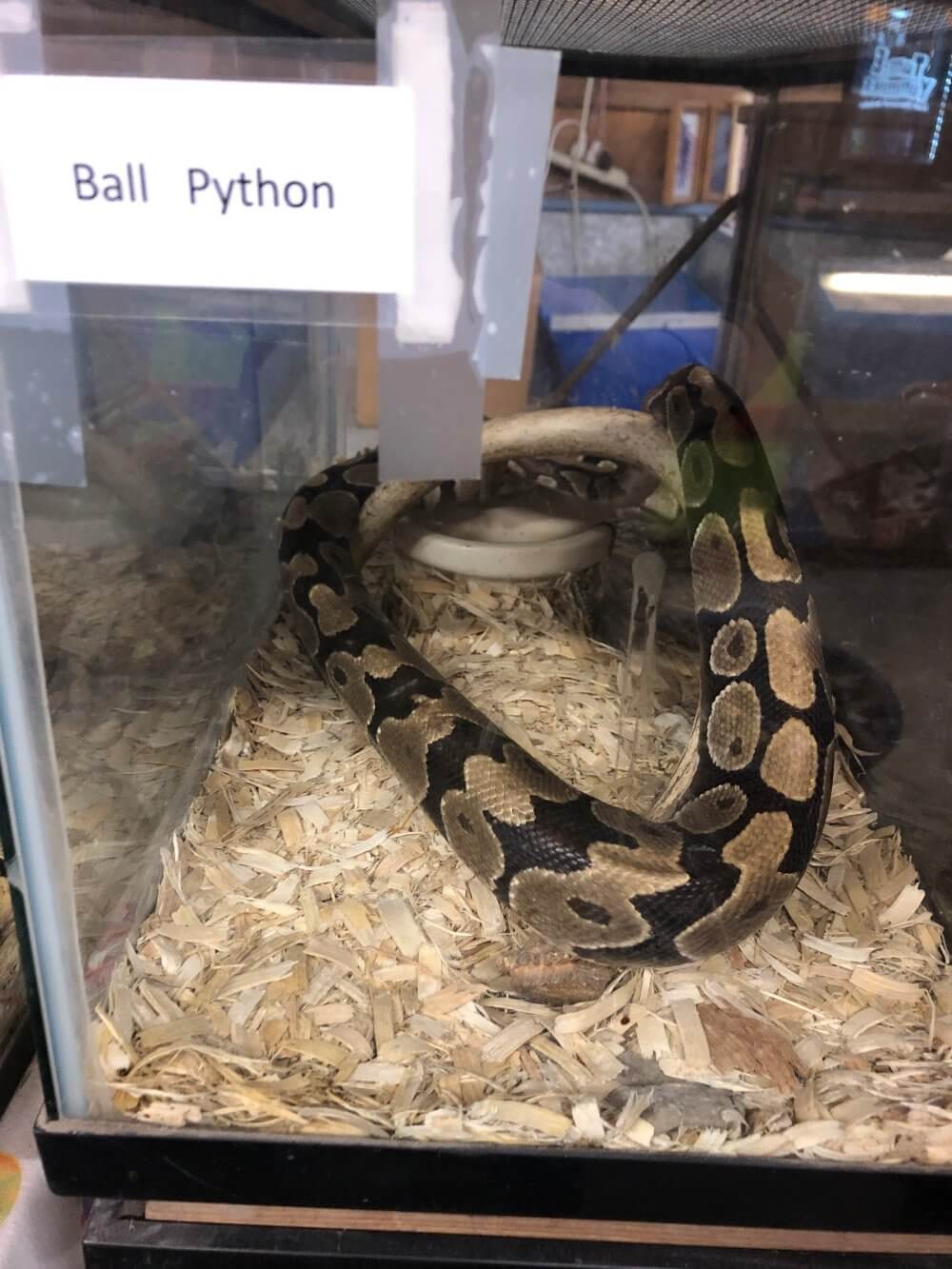
In their natural habitat, ball pythons—100,000 of whom are currently trafficked out of Africa every year, mainly to the U.S.—live an average of 10 years. Most reptiles kept as “pets” die within a year.
Snakes may also carry potentially deadly bacteria like salmonella, which can be contracted just by handling them—human contact with reptiles and other exotic animals accounts for 74,000 cases of salmonellosis each year.
Handling a snake and confining them to a tank isn’t safe for them, either. They may suffer from infectious stomatitis (mouth rot), internal and external parasites, skin infections, diarrhea, breathing difficulties, inclusion body disease (a fatal viral disease), vomiting, organ swelling, anemia, weight loss, respiratory disease, or septicemia. Being handled by humans may also accidentally injure snakes—and because snakes don’t whine or express pain in other ways that humans easily recognize, their suffering often goes unnoticed.
Never Buy Snakes or Any Other Animals
Snakes don’t want to be kept as “pets.” If you care about them, the best thing that you can do for them is leave them alone and never buy them from pet stores, breeders, or anywhere else—and never support industries that sell animals as “pets.”
Tell PetSmart to Stop Selling Animals
The post Is a Snake a ‘Starter Pet’? No—Here’s Why appeared first on PETA.
Edie Falco Rallies UW Staffers to Help Shut Down Shameful Primate Center
Earlier today, Nurse Jackie and The Sopranos star Edie Falco called nearly 18,000 University of Washington (UW) faculty members and staffers to deliver an urgent message on PETA’s behalf: Four hundred monkeys are suffering and in grave danger right now at the Washington National Primate Research Center (WaNPRC), a secretive laboratory operating right under their noses on the UW campus.
“Video that was taken from inside by experimenters … shows these monkeys, who never see sunshine, and they are circling, they’re pacing in frustration and distress,” Falco’s voice-mail begins. “As a member of the UW community, you really should know what’s going on. This primate center’s been investigated. It’s been cited by federal officials for violations of the Animal Welfare Act.”
She goes on to explain that monkeys have died there from starvation, dehydration, strangulation, and veterinary error—and the ones who survive are subjected to toe-curling experiments. “[E]xperimenters have cut into the skulls of these monkeys. They implant a metal device right onto the bone,” she says.
Monkeys have died at the WaNPRC from bleeding to death, being mauled by other stressed monkeys, and choking on their own vomit—and after 60 years, the center has failed to produce a single marketable vaccine or cure for deadly human diseases. PETA and Falco are calling on UW President Ana Mari Cauce to follow Harvard University’s example by shutting down the primate center.
PETA—whose motto reads, in part, that “animals are not ours to experiment on”—opposes speciesism, a human-supremacist worldview. For more information, please visit PETA.org or follow the group on Twitter, Facebook, or Instagram.
The post Edie Falco Rallies UW Staffers to Help Shut Down Shameful Primate Center appeared first on PETA.
NowThis Presents ‘The Face of Fashion Is Fear,’ a Mini-Doc About PETA’s Battle With Urban Outfitters
Urban Outfitters knows that animals don’t want to be exploited for fashion, because as part of our campaign “The Face of Fashion Is Fear,” PETA has been showing footage from undercover investigations that reveal animals’ terrified expressions as workers restrain, punch, kick, stab, and kill them for materials sold by the company.
We’re targeting the Urban Outfitters brands—which include Urban Outfitters, Free People, and Anthropologie—over their refusal to stop selling wool, leather, down, cashmere, mohair, alpaca, and silk, all of which cause immense suffering to animals. The public has seen our social media posts, ads, and protesters hitting the streets to speak up for the animals being exploited, and now there’s a mini-documentary about the campaign: The Face of Fashion Is Fear. The video was produced by CaveLight Films, and you can watch it today on NowThis.
Documentary Shines Light on Animals Being Farmed for Fashion
‘The suffering we exposed is unlike anything I think any of us had ever seen’ — CaveLight Films is shining a light on animals that are being farmed for fashion (warning: distressing images)
Posted by NowThis Politics on Friday, May 7, 2021
Produced by: CaveLight Films
Directed by: Jordan Ehrlich
Associate producer: Jamie Logan
You may recognize CaveLight Films from seeing its coverage of New York City’s “wet markets” or its film about beloved late activist Regan Russell. The company is committed to exposing the truth about speciesist industries.
“PETA entrusted me with years’ worth of raw undercover footage. I could have made a series of feature length documentaries with the amount of shocking yet consistently horrific footage there was. But I felt it was important to create something that the average viewer could stomach so they could at least get a hint of how bad the fashion industry truly is for animals around the world.”
—Jordan Ehrlich
The Fashion Industry Contributes to Shocking Abuse
The mini-documentary details the plight of animals used for fashion. If you thought down feathers fell off of happy ducks or that obtaining wool was “just a haircut,” this documentary is the wake-up call you need. The global fashion industry claims billions of animals’ lives each year, and each one of them has a harrowing story.

“There is a widely held belief that animal derived clothing comes from farms with happily frolicking animals. That is simply not the case and the public deserves to know the devastating impact the fashion industry has on workers, the environment and billions of animals around the globe,” Ehrlich told PETA.
Help Animals by Refusing to Wear Them
You can avoid contributing to cruelty by always checking tags of items before you buy and leaving the products on the shelf if they contain animal-derived materials.
Tell Urban Outfitters to Stop Selling Animal-Derived Clothing
The post NowThis Presents ‘The Face of Fashion Is Fear,’ a Mini-Doc About PETA’s Battle With Urban Outfitters appeared first on PETA.
PETA Statement re Baffert’s Drug Positive for Medina Spirit
Please see the following statement from PETA Senior Vice President Kathy Guillermo regarding the report that Kentucky Derby winner Medina Spirt, trained by Bob Baffert, tested positive for the illegal drug betamethasone in a race:
The time has long passed for regulators to stop protecting Bob Baffert with minimal fines and finally kick him out of racing. Thirty verified drug violations over his career, with five in just the last year, point to a pattern of cheating that should never have been tolerated these long years. He will undoubtedly come up with yet another implausible excuse, but this time, the regulators need to get a backbone, protect the horses from systematic abuse, and ban him permanently from racing.
PETA—whose motto reads, in part, that “animals are not ours to use for entertainment or abuse in any other way”—opposes speciesism, a human-supremacist worldview. For more information, please visit PETA.org.
The post PETA Statement re Baffert’s Drug Positive for Medina Spirit appeared first on PETA.