On Tuesday, pounding on the walls of a glass box a safe distance from the walls of Punxsutawney Phil’s cramped Plexiglas enclosure at a local library, a PETA “groundhog” will highlight the importance of releasing Phil (and his companion, Phyllis) to a reputable sanctuary. The action comes after a recent PETA letter to the president of The Punxsutawney Groundhog Club that points out that this tired tradition of pretending that Phil is a meteorologist deprives him of a life, preventing him from foraging, digging, burrowing, smelling fresh air, and simply living as a groundhog should.
When: Tuesday, February 1, 12 noon
Where: 282 E. Mahoning St., Punxsutawney
“As long as he’s trapped inside a Plexiglas box, Phil will never be able to delight in the spring season that his captors pretend he can predict,” says PETA Executive Vice President Tracy Reiman. “PETA is pushing for Phil to be retired to a sanctuary, where he can enjoy a good and quiet life away from bright lights, noisy crowds, and the stress of being jostled around, which he should never be subjected to.”
PETA—whose motto reads, in part, that “animals are not ours to use for entertainment”—opposes speciesism, a human-supremacist worldview.
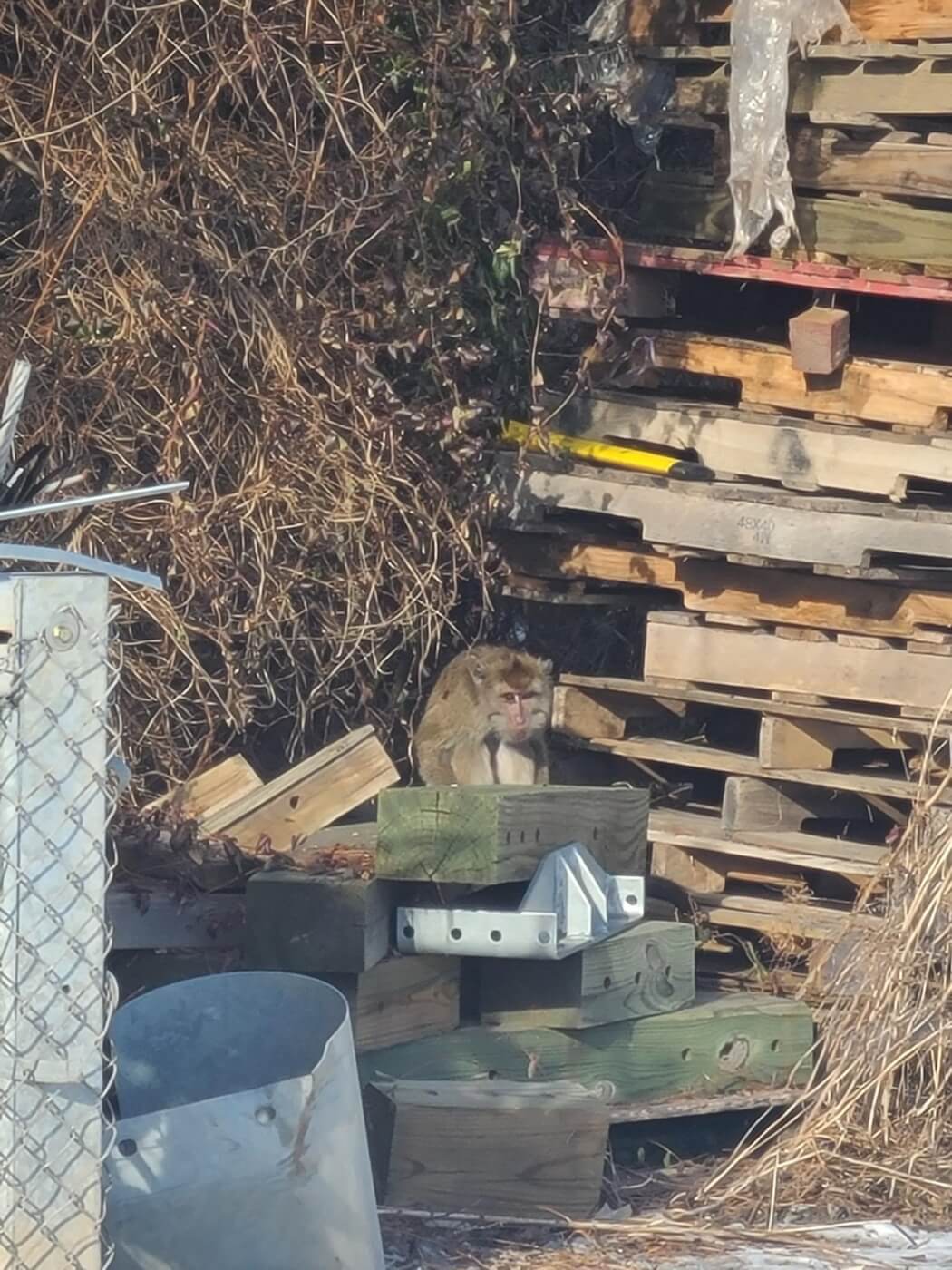
Who are monkeys like the ones in the news after a truck crash in Pennsylvania? The 100 of them we learned about from a passing motorist were the offspring of monkeys captured in their homes on Mauritius, an island in the Indian Ocean. Never having been away from their families or off land, they were shipped on a no doubt terrifying journey by air and then loaded onto a truck and sent bumping down a highway. Next, they found themselves thrown onto the road in the freezing cold. Some were injured, three were shot by authorities, and those who survived were thrown back onto another truck, apparently to continue their journey, doomed to life in a laboratory cage.
A bystander took this photo of one of the escaped monkeys, who was later presumed to be shot.
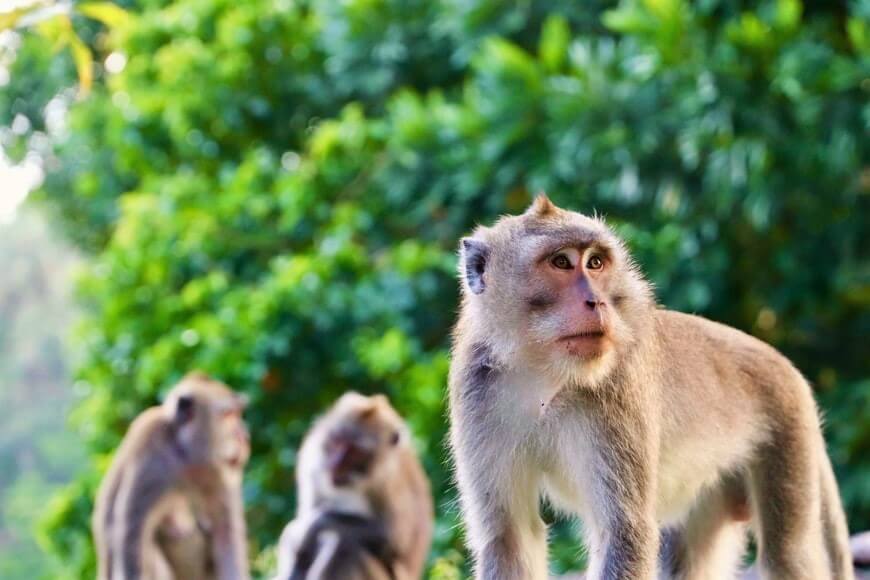
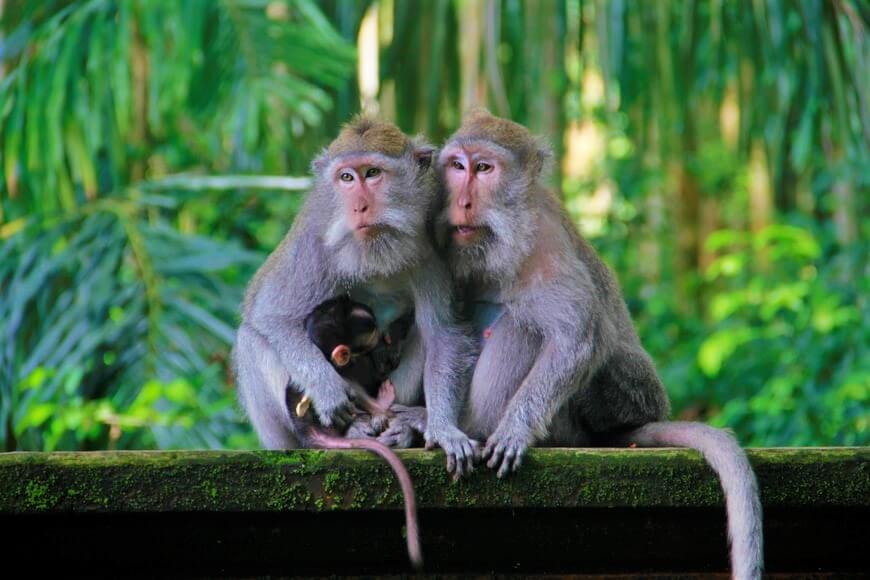
Who are monkeys like those in the truck crash? They are fellow primates. They are individuals and were once members of families and communities.
We have ignorantly and arrogantly belittled these people—for that’s who they are—by dressing them in clothes in circuses, chaining them to organ grinders’ instruments, and caging them in zoos. And now experimenters will pour chemicals down their throats, take their babies away, put electrodes in their heads, and treat them as though they were ours for the taking—using them as human surrogates while ignoring the traits, emotions, feelings, and thoughts they share with us.
Once, P.T. Barnum put pygmies and “Eskimos” on display, having removed them from everything they knew and cared about. Once, human orphans and mental patients were used in experiments before being declared off-limits. We have surely come to a time when our fellow primates must be seen for who, not what, they are. They are not a lesser version of our own species—they are other primate tribes.
Earlier today, a federal judge in Oklahoma City sentenced Joseph Maldonado-Passage (aka “Joe Exotic”), formerly the operator of the notorious Greater Wynnewood Exotic Animal Park and the primary supplier of big-cat cubs for the cub-petting industry, to 21 years in prison—just one year less than his original 22-year sentence. Maldonado-Passage was convicted on two counts of murder-for-hire and 17 counts of wildlife-related federal crimes, including for shooting five tigers in the head, in violation of the Endangered Species Act (ESA), and for trafficking in endangered animals. Please see the following statement from PETA Foundation Deputy General Counsel of Captive Animal Law Enforcement Brittany Peet, who appeared in all three Tiger King series, in response to the verdict:
This ruling confirms that “Joe Exotic,” a wretched man whose name has become synonymous with animal exploitation, will spend most if not all of the rest of his life in prison. PETA has rescued nearly 40 animals from this wildlife pimp and is calling on federal officials to charge the rest of his animal-abusing former associates, who, unlike the big cats they have abused, deserve to be behind bars just as much as he does.
Since Maldonado-Passage’s conviction, PETA has secured a court victory against his former associate Tim Stark and his Indiana roadside zoo, Wildlife in Need, declaring that prematurely separating lion, tiger, and lion-tiger hybrid cubs from their mothers; declawing them; and using them in cub-petting encounters violates the ESA. Over the years, PETA rescued 32 big cats, three bears, two baboons, and two chimpanzees from the Greater Wynnewood Exotic Animal Park.
PETA—whose motto reads, in part, that “animals are not ours to use for entertainment”—opposes speciesism, a human-supremacist worldview. More information about Maldonado-Passage is available here.
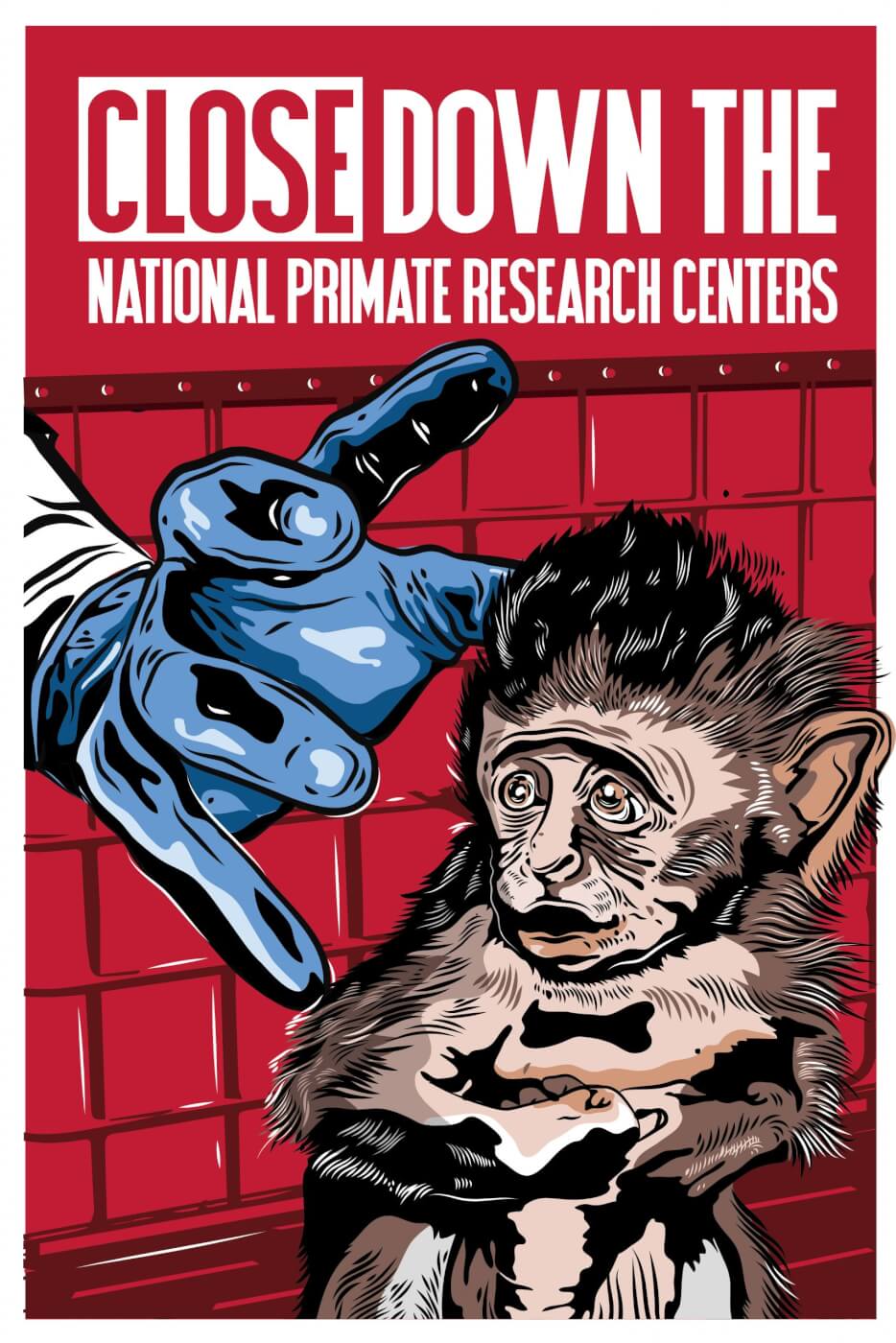
Starting this weekend, San Antonio residents will be confronted by images of a traumatized baby monkey torn away from her mother to be abused by experimenters. Colombian street artist Praxis has joined forces with PETA to plaster the city with thought-provoking street art demanding that the Southwest National Primate Research Center (SNPRC) at Texas Biomedical Research Institute—and the other six federally funded national primate research centers around the country—be shut down.
“Texas Biomed’s primate center has squandered billions of taxpayer dollars to make monkeys miserable and has repeatedly violated animal protection laws,” says PETA Vice President Dr. Alka Chandna. “PETA wants Texas Biomed to shut down its failed laboratory and send the monkeys to reputable sanctuaries where they could live out the rest of their lives in peace.”
After San Antonio residents overwhelmingly opposed giving $11 million to Texas Biomed in the 2022 bond program, it pulled its proposal from consideration. But on Wednesday, the city defied the public’s wishes and added $10 million to Texas Biomed as part of the American Rescue Plan Act—federal money meant to help the city during the COVID-19 crisis.
Locations for this artwork include areas around downtown, Texas Biomed’s campus, and private club The Argyle.
PETA—whose motto reads, in part, that “animals are not ours to experiment on”—opposes speciesism, a human-supremacist worldview. For more information on PETA’s newsgathering and reporting, please visit PETA.org or follow the group on Twitter, Facebook, or Instagram.
Today, the U.S. Department of Agriculture (USDA) posted another damning inspection report citing Indiana-based Envigo—whose massive dog-breeding facility in Cumberland County, Virginia, has sold dogs to laboratories in the U.S. and overseas—for 13 more violations of the federal Animal Welfare Act (AWA), 11 of which are repeat violations and seven of which are “critical” or “direct.”
The inspection, which occurred in October and was prompted by PETA’s complaint following its own undercover investigation into the facility, found that a puppy and dogs were deprived of veterinary care for an eye infection, crusted and oozing sores on their paws, and other eye and foot ailments; that puppies died after falling into a drain or getting their head trapped in a cage door; and that puppies’ legs and feet fell through cage floors. According to the report, workers medicated dogs without consulting the facility’s sole full-time veterinarian; took no steps to prevent fights among dogs, with one puppy found eviscerated in an enclosure with nine littermates and staff unaware that another dog was biting and wounding another; and, in two months, put down nine dogs who were injured when their leg or tail was pulled through a kennel wall by other dogs. The USDA found moldy feces in dog enclosures, up to 6 inches of feces piled in a gutter, and an “overpowering fecal odor” and “strong sewage odor” in the facility.
Envigo, a global company valued at $545 million, was also cited for employing only 17 people to provide nearly 5,000 dogs with direct care at its Virginia site, which produces 500 puppies per month. Despite the opening of a USDA investigation into Envigo at least three months ago and another multiday inspection in November, the findings of which are still—two months later—not yet posted, the agency has yet to confiscate a single dog from Envigo or even temporarily suspend the company’s license. The USDA is specifically authorized by law to do both, and it has done so upon finding similarly egregious violations and animal suffering at other licensed facilities.
“Intentional food deprivation, failure to provide suffering dogs with veterinary care, a sky-high puppy mortality rate, woefully inadequate staffing, filth—the list goes on,” says PETA Senior Vice President of Cruelty Investigations Daphna Nachminovitch. “What will it take for the USDA to take meaningful action for the 5,000 beagle dogs and puppies suffering at Envigo?”
In a bipartisan effort to address conditions exposed by PETA and federal inspections, eight Virginia legislators have introduced 11 bills to hold Envigo accountable. If passed, the bills would implement state oversight and inspections of the facility; require Envigo to submit annual birth, death, and other statistics to the state; clarify that dogs in the facility’s possession are protected by cruelty-to-animals laws; prohibit sales for a period of two years if facilities are cited for certain violations of the AWA; and more. Photos from PETA’s investigation are available here, and video footage is available here.
For more information on PETA’s investigative newsgathering and reporting, please visit PETA.org or follow the group on Twitter, Facebook, or Instagram.