Now that Florida-based exotic-animal dealer Jimmy Wayne Hammonds (aka “The Monkey Whisperer”) has pleaded guilty to federal charges related to the illegal sale and transport of primates—including his notorious sale of a capuchin monkey to singer Chris Brown—PETA has just sent a letter to the U.S. Department of Agriculture (USDA), urging it to revoke his federal Animal Welfare Act (AWA) license. Without the license, Hammonds could no longer legally sell exotic animals for the pet trade.
In the letter, PETA points out that the USDA has cause to terminate an AWA license if the licensee “has been found to have violated any Federal, State, or local laws or regulations pertaining to the transportation, ownership, neglect, or welfare of animals.” Hammonds fits the bill, as his convictions include conspiracy to commit wildlife trafficking—a felony—and three counts of violating the Endangered Species Act.
“Revoking the license of a convicted wildlife trafficker is just common sense, and it’s necessary to protect the animals still in his clutches from being sold as ‘pets,’” says PETA Foundation Associate Director of Captive Animal Law Enforcement Michelle Sinnott. “PETA urges the USDA to cancel this felon’s license so he can’t treat monkeys as merchandise.”
More about Hammonds’ convictions—and the PETA complaint regarding Brown that prompted law enforcement to investigate—is available here.
PETA—whose motto reads, in part, that “animals are not ours to abuse in any way”—opposes speciesism, a human-supremacist worldview. For more information on PETA’s investigative newsgathering and reporting, please visit PETA.org or follow the group on Twitter, Facebook, or Instagram.
Leading a coalition of PETA supporters, costumed “chimpanzees” will dump wheelbarrows full of bananas on the front doorstep of Hallmark’s headquarters in response to the company’s continued sale of greeting cards featuring images of great apes wearing costumes or making silly faces. PETA notes that these images increase the demand for great apes as “pets” and hinder conservation efforts by misleading the public into believing that chimpanzees—endangered animals—are prevalent in nature.
When: Thursday, March 17, 12 noon
Where: Hallmark’s headquarters, E. Pershing Road and E. 25th Street, Kansas City, Missouri
“There’s nothing appeeling about a company that profits from the exploitation of endangered great apes in demeaning costumes and unnatural poses,” says PETA Executive Vice President Tracy Reiman. “PETA is calling on Hallmark to stop producing cards featuring animals who need to be protected, not ridiculed.”
PETA—whose motto reads, in part, that “animals are not ours to use for entertainment”—opposes speciesism, a human-supremacist worldview.
Please see the following statement from PETA Senior Vice President Kathy Guillermo regarding federal documents that reveal serious animal welfare violations at the Champaign-based contract dog testing laboratory Kennelwood.
It appears that Kennelwood is either incapable of complying or unwilling to comply with minimum federal animal welfare standards. In either case, it needs to get out of the cruel animal testing business. According to a just-posted federal inspection report obtained by PETA, the facility hadn’t even noticed that a 10-year-old hound named Oliver suffered from a dental condition and a wound on his leg, while another named Baxter suffered from receding gums and a moist, red sore on his leg. Neither dog was receiving veterinary care. The U.S. Department of Agriculture inspector also reported that Kennelwood was not keeping up-to-date veterinary-care records for the more than 100 dogs confined at its facility, and for more than 15 months, the company’s institutional oversight body failed to inspect its facilities, review its animal care program, or hold meetings to discuss experiments on dogs and cats—all required by federal law.
This isn’t the first time Kennelwood has run afoul of federal animal welfare laws. In 2019, the facility was cited for failing to supply veterinary care to a 10-year-old beagle named Sheba who suffered from advanced dental disease and a 3-year-old beagle named Joey who had multiple lesions on his legs. Federal inspectors documented the dogs’ condition with photographs, which PETA obtained through a Freedom of Information Act request.
For more information on PETA’s investigative newsgathering and reporting, please visit PETA.org or follow the group on Twitter, Facebook, or Instagram.
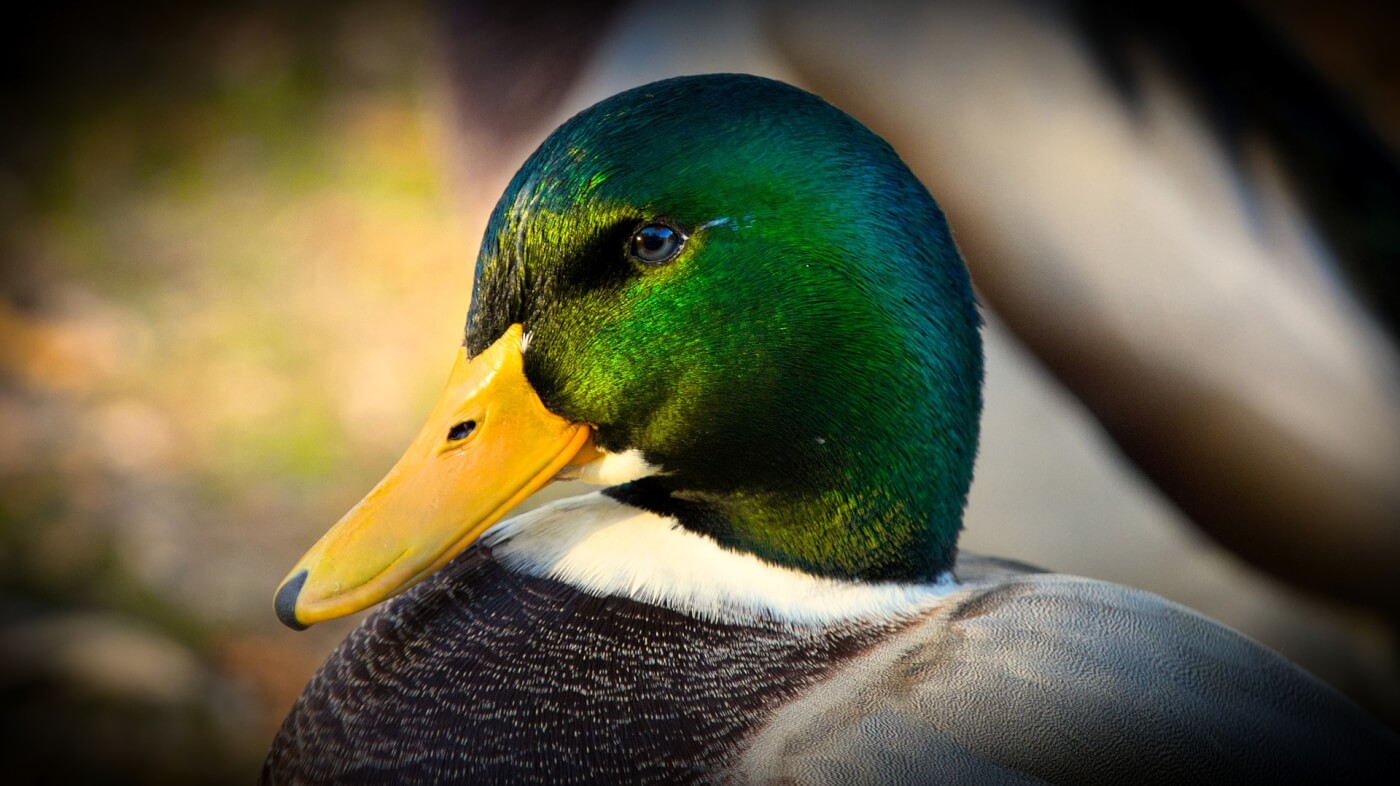
Ducks are intelligent, feeling individuals who love spending their time relaxing on the water or foraging for food. But many of them don’t have the opportunity to live the way they want because humans torment and kill them for their flesh or feathers. Take a moment to learn more about these remarkable animals, and take a stand for ducks by refusing to eat them or purchase products made with their feathers.
Here are 10 facts that will help you get to know these feathered friends:
1. Ducks are well adapted for water, land, and air activities.
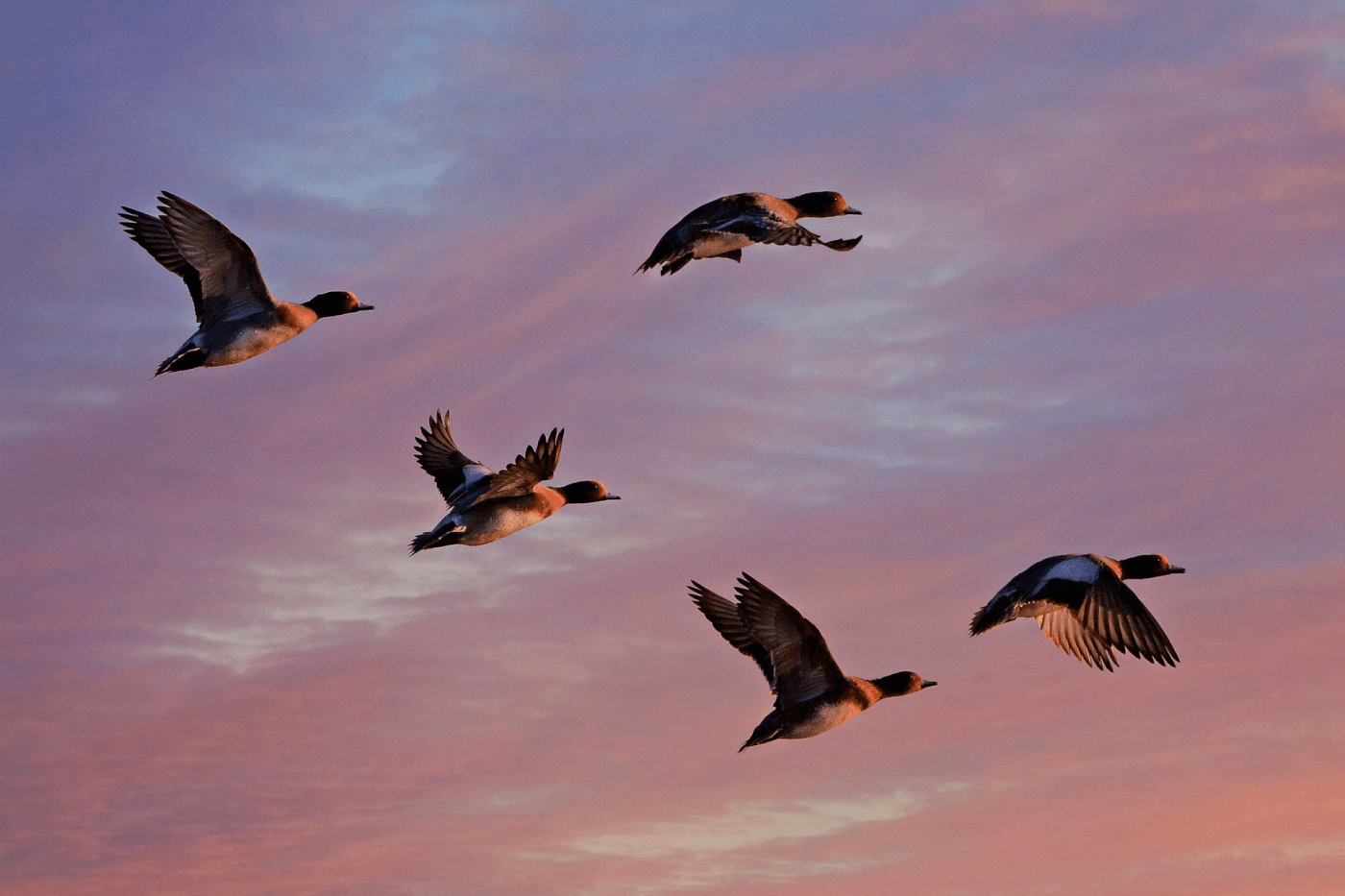
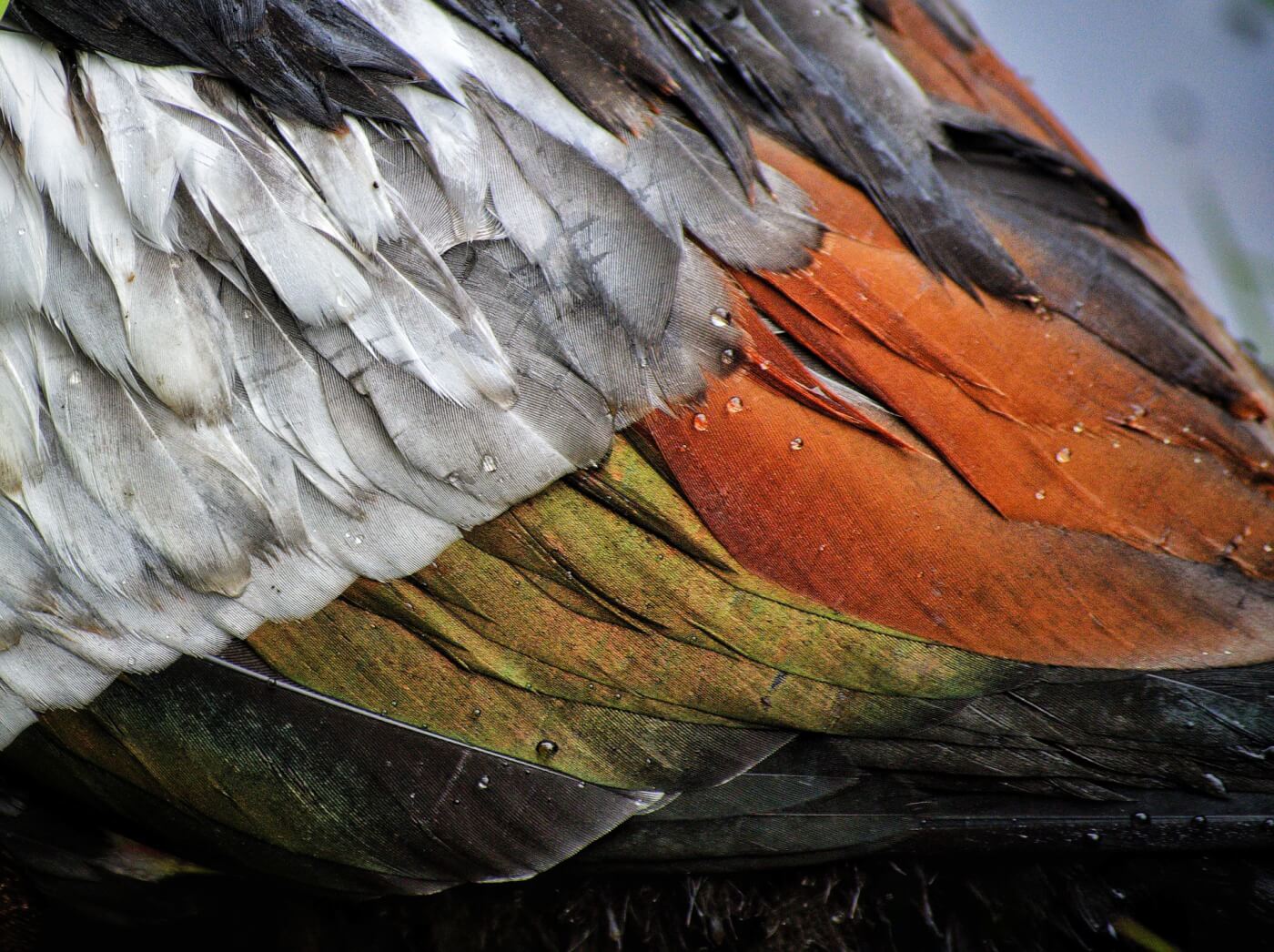
These gifted swimmers have waterproof feathers, which have a waxy coating that protects an inner layer of down, to keep them warm and dry. They can swim in cold water without catching a chill because their feet have blood vessels that are close together so they don’t lose heat. Some duck species can dive up to 240 feet below the water, and others can fly as high as 21,000 feet in the air (although most migrate at heights of 200 to 4,000 feet). They can also fly long distances, and they use wind to help them reach speeds of up to 60 mph.
2. Ducklings are loving siblings and communicate with each other before hatching.
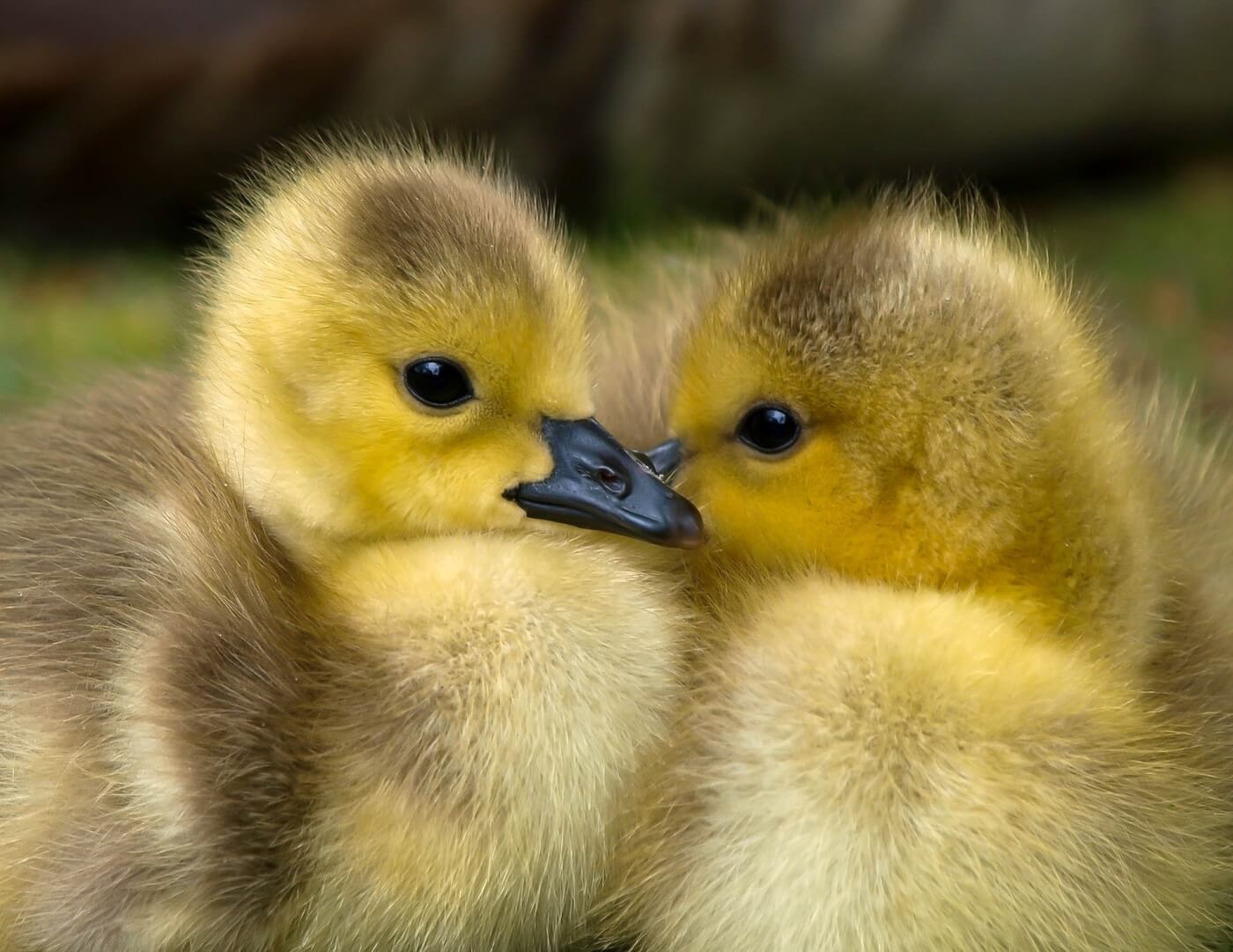
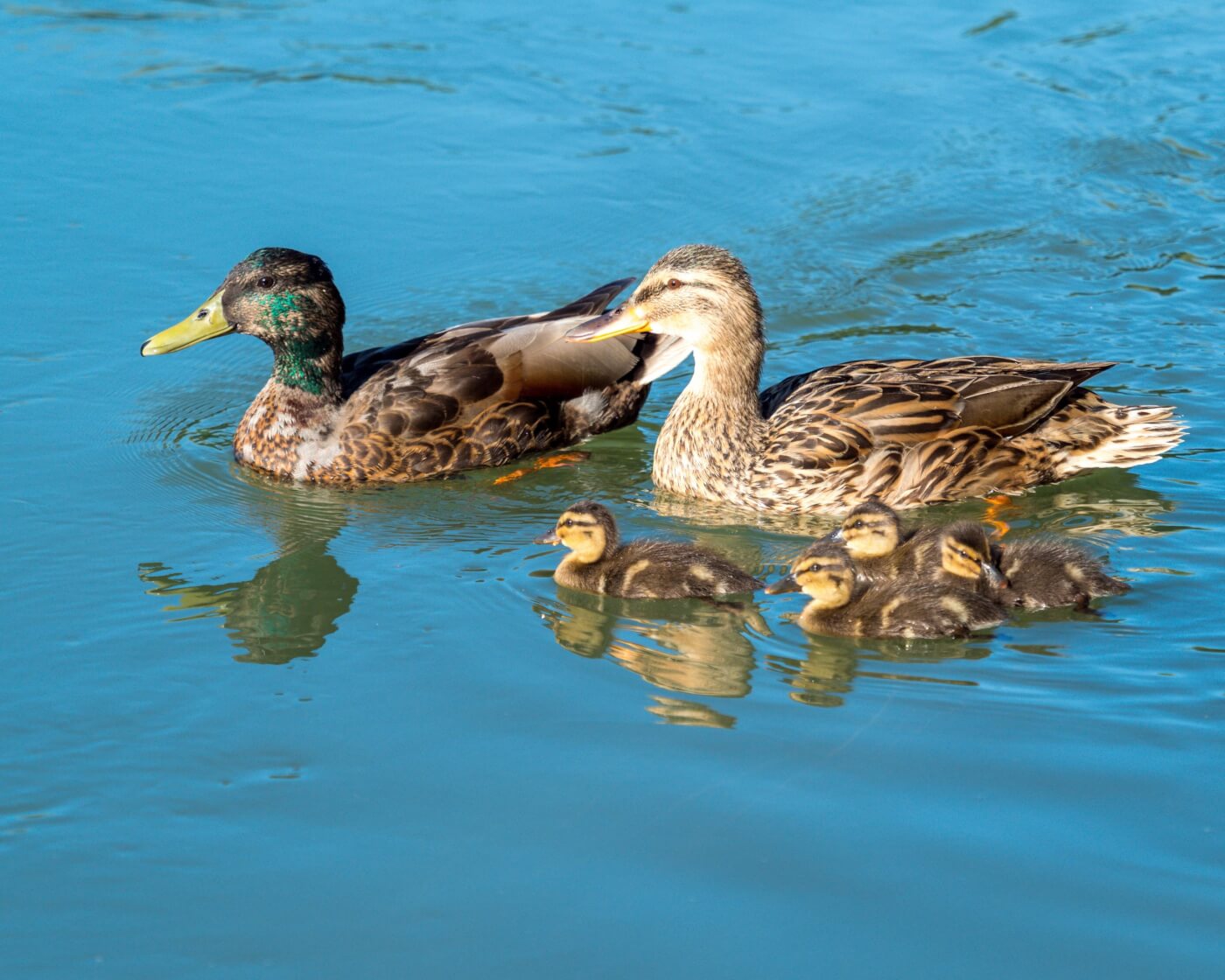
Ducklings coordinate hatching by communicating with each other while they’re still in their eggs. Hatching at the same time is important, because sticking together as a group helps protect them from predators. After hatching, they swim and walk together, following close behind their mothers. Even as adults, ducks prefer to be in a group, which brings us to our next fact …
3. They are super-social animals!
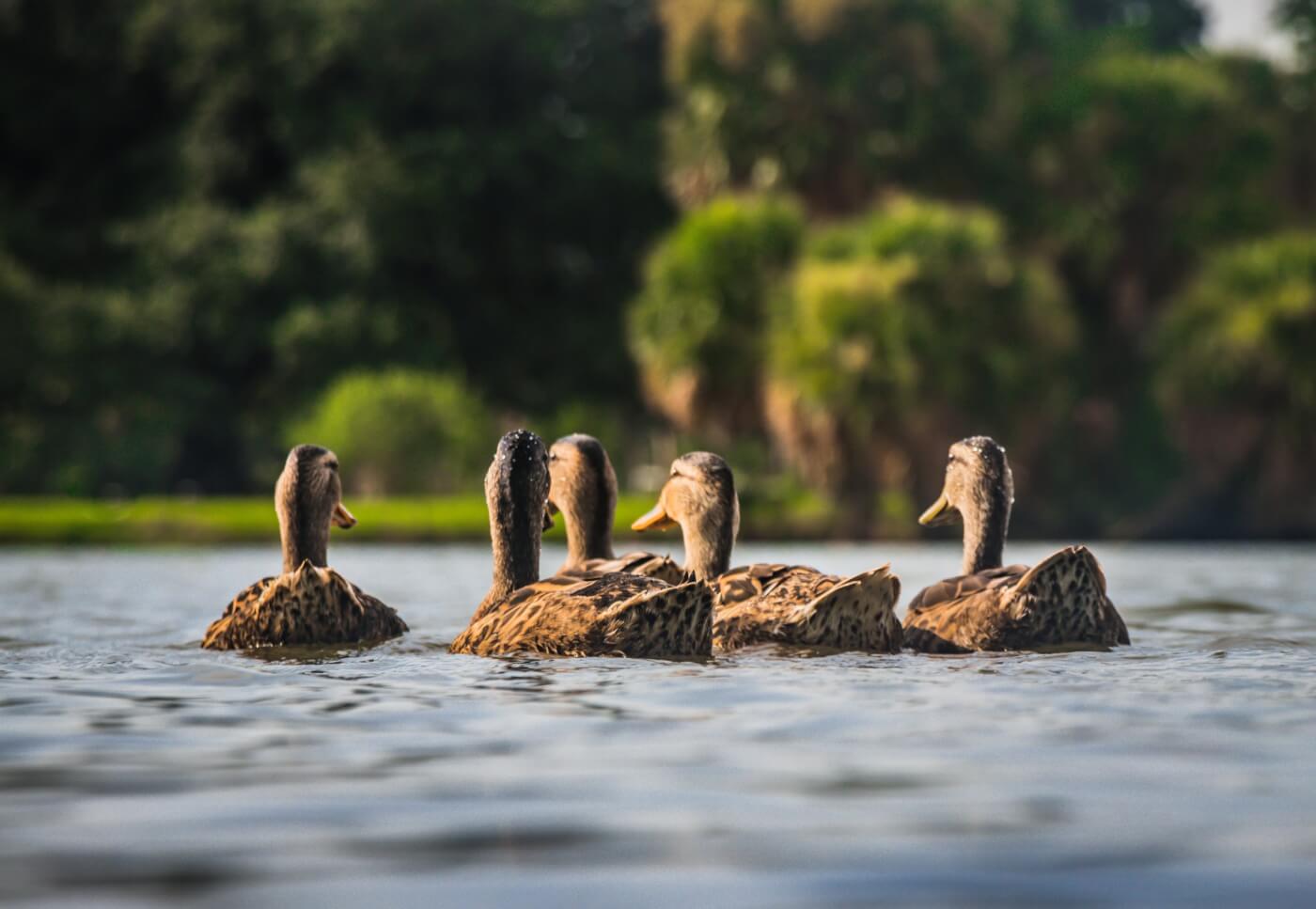
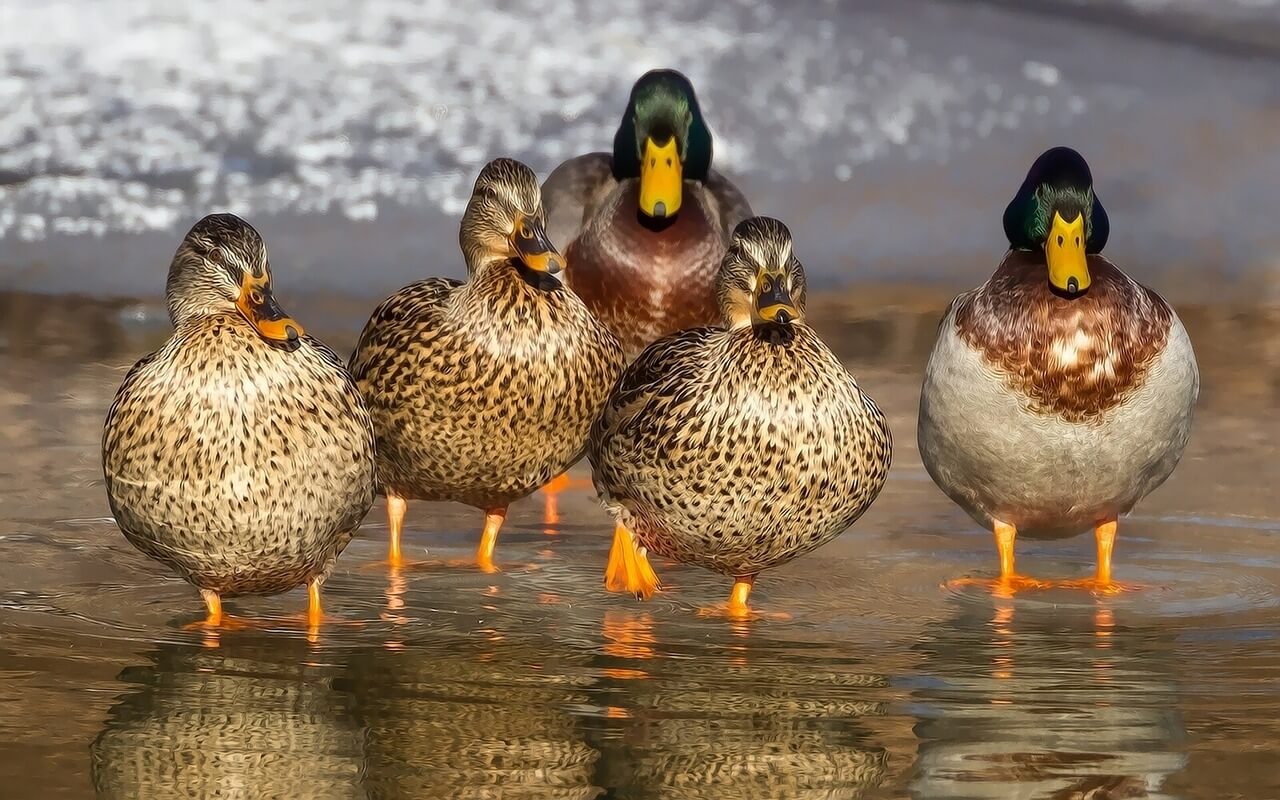
Ducks are most comfortable when living with other ducks in their natural environment. When on the water, they congregate in groups called “paddlings,” which helps protect them from predators. In these groups, they are free to spend their days foraging for food and sleeping soundly, knowing their friends will warn them of any danger.
4. Ducks have regional accents.
Regional accents are just another example of ducks’ ability to adapt to their environment. Middlesex University researcher Dr. Victoria de Rijke recorded the sounds of ducks in the heart of London and compared them with those of ducks living in the countryside. She found that the ducks in London had a louder, rougher quack, because they had to shout above the noise of city life. The ducks in the country “made longer and more relaxed sounds.” Dr. de Rijke even noted how similar their sounds were to those of humans living in the same area.
5. Female ducks pick their favorite male ducks to mate with based on dancing ability.
When mating season rolls around, a male duck will perform complicated displays to win a chance to mate with a female. She gets to choose her favorite based on this performance and the attractiveness of his feathers. Duck mating can be a violent experience for the female, so it’s important that she be able to choose her mate. At Culver Duck Farms in Indiana, a whistleblower told PETA that he had found so many males crowded together with females that the females were “gang raped,” and their bodies were left bloody, swollen, and injured. In their natural environment, female ducks have the power of choice—that power was taken from them at Culver.
6. Free from human intervention, some ducks can live up to 20 years.
When ducks are used for meat or down, workers kill them when they’re very young, sometimes even before they’re a year old. At Culver, the only certified “humane” duck farm in the U.S., a whistleblower said that workers threw ducklings into a grinder while they were still chirping.
7. Ducks have better vision than you do.
The shape of ducks’ eyes allows them to see things near and far simultaneously and in sharp focus. And since their eyes are located on either side of their head, they are able to see almost 340 degrees around. They can also move each eye independently and sleep with one eye open to watch for predators. In a group, ducks will trade off keeping an eye open to help protect the rest of the group from danger while they sleep.
8. Duck bills are as sensitive as human fingertips and palms.
Duck bills have touch receptors similar to those in human fingertips and palms, which helps them look for food in murky water. A broken bill can cause excruciating pain, a reality for many ducks who are used in the foie gras industry, where workers ram metal pipes down their throats and force-feed them until their livers swell to up to 10 times their normal size.
9. They are meticulously clean animals.
When you watch a duck for any length of time, you’re sure to see them preening their feathers to keep them perfectly clean. Ducks also like to keep their nests free of waste and debris, which can become an issue when dangerous fishing gear ends up in their waterways or homes. Ducks can be seriously injured or killed by swallowing fishing hooks or getting tangled in discarded lines—yet another reason why fishing kills.
10. They are capable of abstract thinking and have deep emotional lives.
Ducklings can tell the difference between objects based on their color or shape, demonstrating abstract thought capabilities. They also show affection for their siblings, mothers, and paddling-mates and, like all animals, are capable of feeling pain.
*****
How Can You Help Ducks?
As long as humans continue to use ducks for their flesh, feathers, and eggs, these animals will continue to suffer. Going vegan and choosing down-free materials are great first steps. After PETA’s 2016 investigation, Harris Teeter dropped Culver as a supplier. With whistleblower footage released in 2022, we’re asking other grocers, including Sprouts Farmers Market, to reconsider their relationships with Culver, too.
Below, please find a statement from PETA Foundation Director of Litigation Asher Smith regarding Gov. Eric Holcomb’s signing into law House Enrolled Act 1248, a public safety and animal welfare measure that will ban public encounters with bear and big-cat cubs across the state:
PETA’s exposés of cub-petting cruelty and our precedent-setting lawsuit against the misleadingly named Indiana roadside zoo Wildlife in Need helped set the stage for this bill, which should mean the end of tourist traps that separate cubs from their mothers and pass them around like toys, often causing them to cry or scream. We look to other states to now follow Indiana’s trailblazing example.
PETA—whose motto reads, in part, that “animals are not ours to use for entertainment” and which opposes speciesism, a human-supremacist worldview—asks that everyone encourage their members of Congress to support the Big Cat Public Safety Act as a next step. More information about PETA’s lawsuit against Wildlife in Need is available here, and general information about the cub-petting industry is available here.