Kentucky’s New State Regulations Prompt a PETA Push for Animal-Free Shrine Circus

Relief for animals exploited for entertainment! Kentucky has adopted new regulations that prohibit circuses from using endangered species, effectively ban elephant rides in the state, and end dangerous exotic-animal shows at state and county fairs. PETA submitted comments in support of the statewide rule changes in late 2021 and has been instrumental in ensuring that the Kentucky Department of Fish & Wildlife Resources (KDFWR) enforces regulations when it comes to the use of exotic animals in circuses.

As a result of these changes, PETA fired off a letter to the Kosair Shrine Circus, calling on the act to go animal-free—just as Ringling Bros. and Barnum & Bailey Circus has. Shrine circuses are among the very last remaining shows that still deprive wild animals—including elephants and big cats—of any semblance of a natural life, carting them around in small crates and keeping them in shackles when they’re not being forced to perform.

Shrine Circus Elephants New Kentucky Regulations


“All animals deserve freedom from cramped cages and protection from performing tricks under the threat of violence,” says PETA Foundation Director of Captive Animal Law Enforcement Rachel Mathews. “PETA is calling on the Kosair Shrine Circus to embrace the modern, cruelty-free future of entertainment by showcasing dazzling displays of human talent, rather than exploiting animals.”

PETA’s Past Efforts for Animals Used for Entertainment in Kentucky

In January 2020, after PETA alerted the KDFWR to Garden Bros. Circus’ plans to perform with elephants at the Paducah-McCracken County Convention & Expo Center—despite a local law that prohibits animals who “constitute a danger to the safety of others”—the agency assured PETA that the circus wouldn’t be allowed to transport elephants into the state.

Likewise, in 2019, after PETA alerted officials to Garden Bros. Circus’ plans to exhibit elephants in Corbin despite a local ordinance prohibiting it, KDFWR officials forbade the circus from transporting the animals into the state.

The year before, elephant handler Anthony Frisco, who was traveling with Garden Bros., was charged with several violations of Kentucky law for failing to comply with the terms of his captive-wildlife permit.

Six other states have laws that ban the use of elephants or other animals in circuses and traveling shows. Numerous cities also ban traveling animal shows. In 2021, Charlotte, North Carolina, and Boise, Idaho, became the latest cities to ban such acts.

Take Action to Help Prevent Animals From Suffering in Circus Shows

Keeping far-ranging tigers inside cramped cages, forcing sensitive elephants to perform uncomfortable tricks under the threat of punishment, and dressing up curious bears in demeaning costumes are forms of speciesism, a human-supremacist worldview. Shriners International claims to be dedicated to compassion and service to others, yet its member clubs continue to host notoriously cruel animal circuses.

The post Kentucky’s New State Regulations Prompt a PETA Push for Animal-Free Shrine Circus appeared first on PETA.

Dolphins, Bees, Goats, and Others: Animals You Didn’t Know Suffer in War

The bloodshed and horror of war don’t just affect humans. Many militaries have exploited other animals and forced them to participate and often die in battles, defensive moves, and heartless trauma training. This Memorial Day, as we honor the memory of U.S. troops who have lost their lives, let’s also remember the animals who have been forced into military service. PETA explains why animals are not soldiers or weapons and what you can do to help end the deadly use of animals in war.

Dolphins and Other Marine Animals Exploited for Warfare

Russian President Vladimir Putin’s war effort in Ukraine seems to be using “war dolphins” at an important harbor in the Black Sea that houses several Russian warships. According to a naval analyst, satellite images suggest that Russia filled two pens with dolphins at the Crimean harbor in February—timing that lines up with the Russian invasion of Ukraine. It’s suspected that the dolphins are trained to deter divers or warn humans if there is a threat to the warships.

PETA Vice President of International Laboratory Methods Shalin Gala explained to USA Today why using dolphins as naval security is so abusive:

Russia’s apparent installation of two pens filled with dolphins at a Crimean harbor puts these sensitive and loving animals in grave danger and fails to deter would-be saboteurs of its warships effectively.”

Russian forces are not alone in exploiting intelligent sea animals. The U.S. Navy also forces dolphins to participate in its war efforts. Dolphins, sea lions, and beluga whales have been trained to track down mines, warn off enemy divers, communicate if there has been a breach, and perhaps even engage in defensive combat. This behavior does not come naturally to them, and being forced to perform these operations comes at the cost of their freedom.

Exploiting animals like dolphins for warfare not only puts their physical well-being at risk but also denies them all elements of their natural lifestyle. When free in the sea, dolphins live in large, complex social groups and swim vast distances every day in the open ocean. When exploited in captivity, they can only swim in endless circles inside pens that, to them, are the equivalent of bathtubs.

Other Animals Who Are Used in Wars Around the World

Despite modern technology with capabilities that far exceed those of animals, today’s militaries continue to exploit them in warfare. Horses, dogs, bees, and other animals are often forced into dangerous situations that a human soldier would never have to face—like sniffing out bombs or even being blown up as a living bomb. These uses of animals in warfare are examples of speciesism, the misguided belief that certain animals are worth more than others and that other animals’ needs and desires are less important than those of humans. Animals used around the world in war include the following:

  • Dogs forced to participate in warfare, euphemistically called “military dogs,” are trained to use their keen sense of smell to locate landmines—a dangerous job that has caused many animal deaths. Dogs are also kept as companions to troops but are sometimes left behind during emergency evacuations.
  • Rats are also used to sniff out mines and are considered more cost-effective than dogs, as they are less expensive to raise and deemed easier to replace.
  • Bees, too, are used to search for explosives. Entire hives—consisting of tens of thousands of bees—are trained to associate the smell of explosives with food. Where the animals swarm, there is likely a mine.
  • Horses, mules, and camels are still used for military transportation on narrow roads and hazardous treks, even though motorized vehicles such as tanks, cars, and off-road carts are much more effective.
  • Goats and pigs are mutilated and killed in barbaric medical training. A brave whistleblower recorded horrific video footage of a trauma training drill held by the U.S. military during which goats’ legs were severed and their internal organs were cut out of their abdomens. PETA also uncovered similar abuse of pigs during its eyewitness investigation into Deployment Medicine International, which, at the time, was the self-proclaimed “single largest trainer of U.S. military forces in operational medicine.” Equally barbaric trauma training occurs in other militaries as well.

Today, high-tech humanlike simulators—available specifically for military training—can breathe, bleed, cry, talk, and respond to medications. Training with equipment that accurately mimics human anatomy, physiology, and behavior is obviously more humane and effective than cutting apart, blowing up, shooting, and killing thousands of animals every year.

trauma-training-pig

Urge the U.S. Department of Defense to Stop Mangling Animals

PETA has persuaded the U.S. Coast Guard to end its use of animals in cruel trauma training drills, swayed the U.S. Army to use simulators instead of monkeys in chemical-attack training exercises, and moved the U.S. Department of Defense (DOD) to stop forcing hard plastic tubes down cats’ and ferrets’ windpipes during pediatric intubation training.

Although former President Donald Trump signed into law a bipartisan bill that included a PETA-backed provision that made human-simulation technology the new gold standard of trauma training, there’s still more work to be done. We’re urging the DOD to stop dragging its feet and permanently end the use of animals in trauma training drills—which more than 70% of NATO nations have already done. Join us by taking action below!

The post Dolphins, Bees, Goats, and Others: Animals You Didn’t Know Suffer in War appeared first on PETA.

Third PETA India Investigation Exposes State of Emergency for Horses in Major City

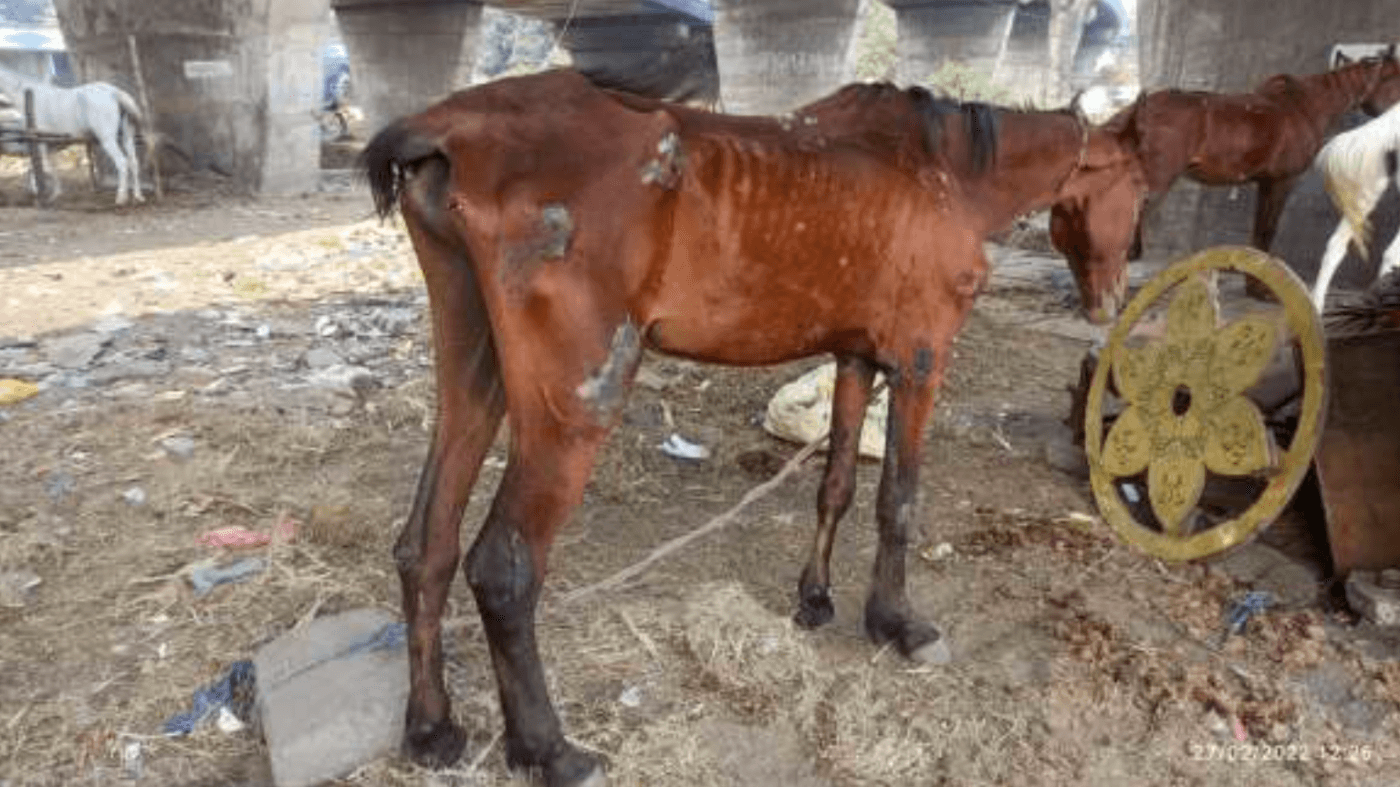
PETA India’s third investigation into horses used for rides in Kolkata revealed that they are in a state of crisis, so PETA India and the CAPE Foundation organized a media conference on May 25 requesting that West Bengal Chief Minister Mamata Banerjee intervene. The plea comes on the heels of horse owners’ repeated refusals to participate in veterinary health camps organized by the Animal Resources Development Department of the Government of West Bengal in association with the animal protection groups following an order of the Calcutta High Court. The explosive new PETA India assessment report details the continued miserable conditions of more than 100 horses used for tourist and carriage rides in Kolkata.

The most immediate need for the suffering horses of Kolkata is essential veterinary care. PETA India urges the state government to appoint a law-enforcement committee to seize unwell horses as well as those being used without fulfillment of the necessary legal requirements and send them to sanctuaries. PETA India is calling for horse carriages to be replaced with sleek e-carriages like those already being used in Mumbai.

Emaciated and Exhausted

Many horses used for rides in Kolkata are anemic, malnourished, lame, visually impaired, and/or chronically starved—yet they’re forced to work all day in the heat and other extreme weather conditions and on dusty roads amid heavy traffic, breathing in fumes. Assessments of the horses’ body condition scored all of them as “thin” or “very thin,” a clear indication that most of them have gone without proper nutrition for a very long time.

Severe Injuries Go Untreated

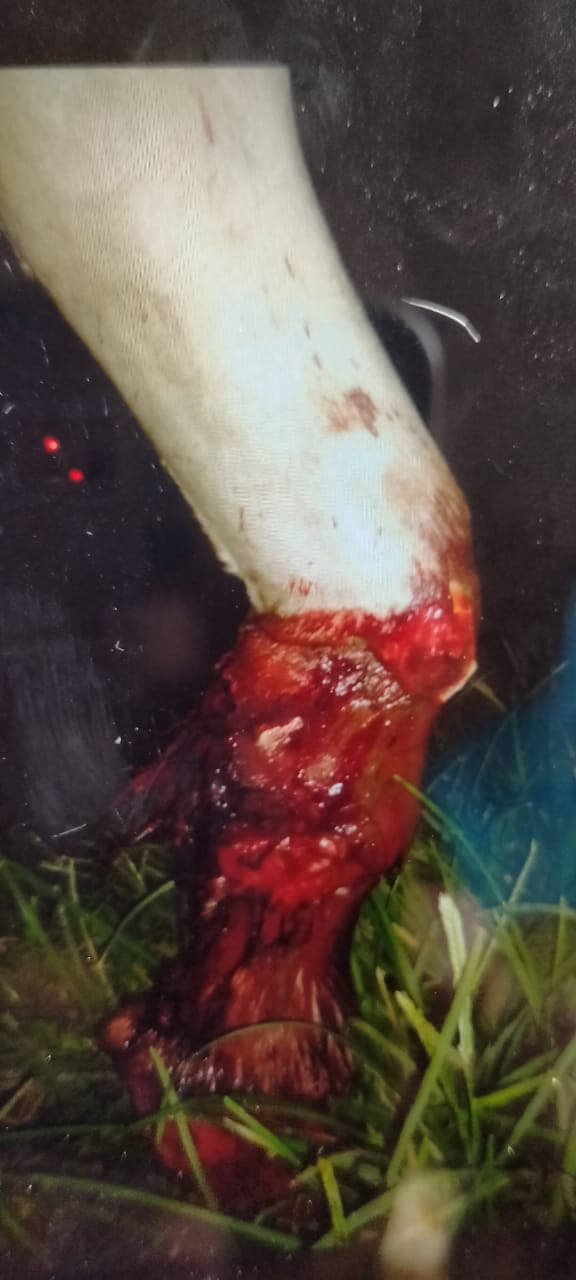
The rides are hazardous to horses and members of the public, both of whom have been gravely injured in accidents. Horses with serious, usually irreparable injuries such as broken bones are often abandoned and left to starve, enduring slow, painful deaths.

Ruined Hooves and Mouths

The horses are denied proper farriery, causing their feet to deteriorate. Some were also found fitted with illegal spiked bits, which lacerate their mouths and are used to control them through pain.

Vectors of Disease

The animals’ feces are strewn around the city, creating a tetanus risk and other health hazards.

Operators Refuse to Act

Operators of these rides have repeatedly refused to seek the free veterinary treatment offered in the health camps organized by the state, even for the sickest or most injured animals.

The post Third PETA India Investigation Exposes State of Emergency for Horses in Major City appeared first on PETA.

Which PETA or FSAP Job Is Right for You? Take Our Quiz

If you’re looking to start a compassionate career in animal advocacy, we’ve got the quiz for you! Find out which PETA or PETA Foundation animal rights job is your next opportunity. Select one response for each question.

Which PETA or FSAP Job Is Right for You? Take Our Quiz

Fields with an asterisk(*) are required.

1. What is your ideal work location?
2. At a protest, you can be seen doing the following:
3. Here’s how your friends would describe you:
4. When you see a chained dog, you do the following:
5. What is the most important thing that you hope to be able to do at a job?

This field is for validation purposes and should be left unchanged.

A blue and white card reads 'Saving Animals Like It's Our Job!'

The post Which PETA or FSAP Job Is Right for You? Take Our Quiz appeared first on PETA.

Giant Monkey Warns Tourists Away From Tregembo Animal Park

Memorial Day travelers will get a glimpse into a monkey’s dismal life at Tregembo Animal Park, courtesy of a sky-high message from PETA that just went up right down the street from it. The can’t-miss plea shows a monkey imprisoned behind rusty metal bars at the roadside zoo—which has a long history of neglecting injured animals—and calls on the public to stay away.

“Tregembo confines wild animals to cramped enclosures, where they pace endlessly and harm themselves in despair,” says PETA Foundation Associate Director of Captive Animal Law Enforcement Michelle Sinnott. “PETA urges everyone to steer clear of this hellhole and choose animal-free entertainment during the holiday weekend and all summer long.”

Neglect runs rampant at Tregembo, where animals have been seen struggling to walk as a result of severely overgrown hooves, suffering from open wounds or hair loss, and limping or showing other signs of arthritis. Big cats are often seen pacing, and a capuchin monkey and a macaque have been observed attacking themselves—all signs of severe psychological distress, likely from being confined to barren, cramped cages.

The U.S. Department of Agriculture has cited Tregembo over its rusty enclosures and failure to seek veterinary care for sick animals, including a bear named Ben, who suffered from severe lesions on his eyes, nose, and mouth. Following a lawsuit filed against the facility by North Carolina animal advocates, PETA rescued Ben and another bear, named Bogey—who had paced incessantly in a cramped, concrete-floored cell—and arranged for their transport to The Wild Animal Sanctuary in Colorado, where they now enjoy swimming, foraging, and living in comfort.

PETA’s billboard is located at 5941 Carolina Beach Rd., less than a quarter-mile from Tregembo.

PETA—whose motto reads, in part, that “animals are not ours to use for entertainment”—opposes speciesism, a human-supremacist worldview. For more information, please visit PETA.org or follow the group on Twitter, Facebook, or Instagram.

The post Giant Monkey Warns Tourists Away From Tregembo Animal Park appeared first on PETA.