The post Dev-SSM-Image-Only-June-2022 appeared first on PETA.

respect nature & human rights
This morning, PETA sent a letter to Science Spectrum Museum President Cassandra Henry urging her to realize that wild animals belong in nature and that even Ringling Bros. no longer exhibits captive “performing” animals. The group asks that she cancel the museum’s plan to host Rosaire’s Bears and other old-style acts at its upcoming CritterFest event, which is advertising elephants and reptiles. Last year, the museum was criticized for offering elephant rides supplied by the notorious Carson & Barnes Circus. As an incentive to do the right thing, PETA is offering a visit from Ellie, its lifelike, 6.5-foot-tall mechanical elephant, who is adored by children and teachers who praise her as both entertaining and educational.
“Sad, old-style spectacles of abused animals are clearly not in keeping with the Science Spectrum Museum’s educational purpose,” says PETA Foundation Director of Captive Animal Welfare Debbie Metzler. “PETA is calling on the museum to reinvent CritterFest with fun and informative cruelty-free displays that everyone can enjoy and in which no animal is harmed.”
PETA—whose motto reads, in part, that “animals are not ours to use for entertainment”—opposes speciesism, a human-supremacist worldview. For more information, please visit PETA.org or follow the group on Twitter, Facebook, or Instagram.
PETA’s letter to Henry follows.
June 15, 2022
Cassandra Henry
President
Science Spectrum Museum
Dear Ms. Henry,
I’m writing on behalf of PETA to renew its call for the Science Spectrum Museum to cancel plans to force bears, elephants, and other wild animals to perform or give rides at its upcoming CritterFest event. In exchange for making this compassionate decision, PETA is offering to bring its robotic elephant Ellie to Science Spectrum at a mutually agreeable date. During Ellie’s presentation, she shares her story about being rescued from the circus and talks to students about the importance of having empathy for all sensitive living beings, both large and small.
Elephants forced to perform or give rides only do so under the fear of abusive punishment at the hands of their trainers, acts that are well-known to the Carson & Barnes Circus, which supplied the elephants used at last year’s CritterFest. In damning eyewitness footage of a training session, Carson & Barnes’ head trainer was captured viciously attacking elephants with bullhooks and shocking them with electric prods while instructing other trainers to “make ‘em scream.” Carson & Barnes been cited over 100 times by the U.S. Department of Agriculture (USDA) for failing to meet the minimum standards of the federal Animal Welfare Act, including failing to provide animals with basic necessities, such as adequate veterinary care, minimum space, and shelter from the elements.
Science Spectrum is currently advertising that it will feature Rosaire’s Bears, a traveling bear show that typically performs at circuses. During a performance by Rosaire’s in 2018, one bear was seen urinating twice and then licking his own urine off the floor. According to an expert who reviewed the footage, this behavior was likely a severe distress response to being forced to perform uncomfortable acts. Rosaire’s denies bears everything that is important and natural to them: It has been cited by the USDA for keeping bears in a rusty and dilapidated steel shipping container and feeding them mostly bread.
Riding elephants and watching bears perform meaningless tricks is at odds with Science Spectrum’s educational mission and teaches children the dangerous lesson that animals are merely props to use for entertainment. May I please hear from you that Science Spectrum will not force any wild animals to perform or give rides at this year’s event? Thank you for your consideration, and I look forward to discussing the opportunity to present Ellie the robotic elephant at your museum.
Very truly yours,
Debbie Metzler, M.S.
Director of Captive Animal Welfare
Captive Animal Law Enforcement
Legal & Corporate Affairs | PETA Foundation
The post PETA to Local Museum: Cancel Problematic Animal Shows and We’ll Send Ellie the Animatronic Elephant appeared first on PETA.
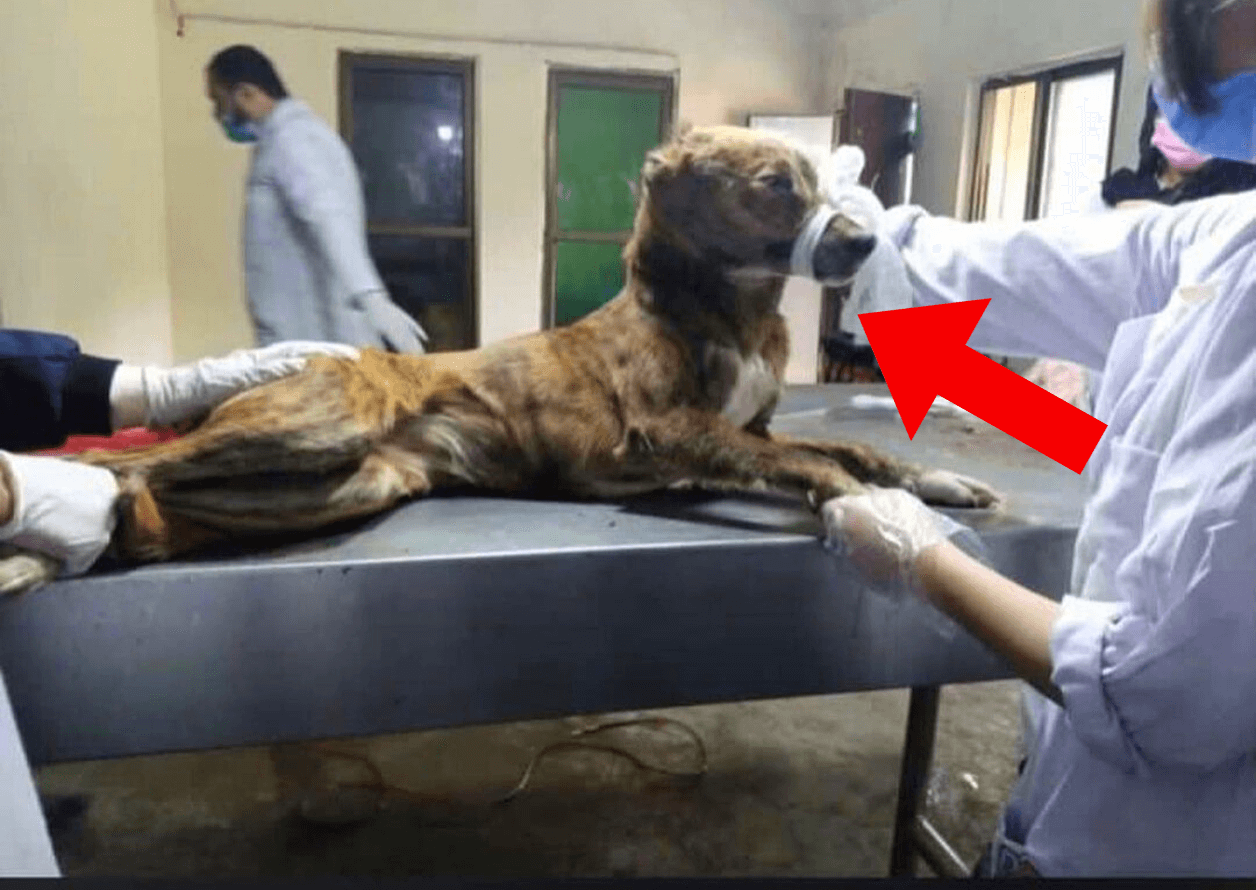
Sparking public outrage, viral videos shared by Pakistani actors Yashma Gill and Mishi Khan as well as several local animal protection organizations revealed that local veterinary students recently conducted invasive surgeries on live dogs who were reportedly kidnapped from the streets. So today, PETA sent urgent letters to the Ministry of Federal Education and Professional Training; the Ministry of Law and Justice; the federal minister for Inter Provincial Coordination, which oversees the Pakistan Veterinary Medical Council; and the three colleges responsible, urging them to embrace humane simulation models and ban training methods on animals that are medically unnecessary and don’t directly benefit the animals involved.
In its letters, PETA describes how the animals are seen with their mouths tied shut and legs tied up, lying in pools of blood and excreta after they were operated on without anesthetics, left cut open in filthy conditions and without postoperative care, and writhing and whimpering in pain. PETA suggests that the schools—Pir Mehr Ali Shah Arid Agriculture University Rawalpindi; Riphah College of Veterinary Sciences, Lahore campus; and COMSATS University, Lahore campus—adopt realistic simulation models for basic skills training.
“Veterinary education should teach students how to behave as compassionate caregivers, yet these schools are fostering callousness and cruelty,” says PETA Vice President Shalin Gala. “PETA is calling on veterinary institutions in Pakistan to embrace modern training methods that leave animals in peace.”
PETA notes that no ethics committees oversee the use of animals in teaching exercises and laboratory testing in Pakistan, even as the rest of the world shifts toward animal-free research. In India, all medical schools have been required to stop using animals in their undergraduate curricula. The European Parliament recently passed a resolution calling on the European Commission to create an action plan to end all experiments on animals. And in the U.S., several major medical associations have expressed support for PETA’s Research Modernization Deal—a commonsense plan to phase out ineffective animal tests.
PETA—whose motto reads, in part, that “animals are not ours to experiment on”—opposes speciesism, a human-supremacist worldview. For more information on PETA’s investigative newsgathering and reporting, please visit PETA.org or follow the group on Twitter, Facebook, or Instagram.
The post Gory Videos of Live Dogs Cut Apart in Pakistan Veterinary Training Prompt Urgent PETA Push appeared first on PETA.
Grisly footage has apparently revealed that veterinary students in at least three institutions in Pakistan reportedly tied dogs’ mouths shut and their legs up, operated on them without anesthetics, left them cut open in pools of blood and waste, neglected their post-operative care as they writhed and whimpered in pain, and even laughed at their suffering. The students reportedly conducted these cruel, invasive procedures on dogs they had kidnapped from the street.
In an urgent move to prevent more animals from being subjected to these reported atrocities, PETA penned powerful letters to the schools—Pir Mehr Ali Shah Arid Agriculture University–Rawalpindi, Riphah College of Veterinary Sciences, and COMSATS University—as well as the Ministry of Federal Education and Professional Training and the Ministry of Inter Provincial Coordination, which oversees the Pakistan Veterinary Medical Council. We called for the institutions to conduct an investigation, embrace humane simulation models, and ban training methods that aren’t medically necessary and don’t directly benefit the animals involved.
There is no difference between the animals used for this cruel training and the companion animals who are brought into veterinary offices. In the veterinary field, having empathy for all animals is just as important as having technical skills, and tormenting dogs and other animals in agonizing, pointless procedures fosters a culture of apathy toward their suffering.
Veterinary students can acquire hands-on experience without harming our fellow animals. Basic skills training for IV catheter placement, blood draws, intubation, restraint methods, radiographic positioning, and critical care monitoring as well as advanced surgical training can be accomplished by using realistic simulation models. PETA pointed out that there are a number of humane training methods to prepare students for a fruitful career, including the following:
PETA has worked hard to make humane training and research the standard everywhere. Our groundbreaking Research Modernization Deal (RMD)—a road map for replacing archaic experiments on animals with superior, non-animal methods—has made waves around the world.
In 2021, after reviewing the RMD, members of the European Parliament voted in favor of developing an action plan to end experiments on other animals. In 2014, at PETA India’s request, the Medical Council of India made a national regulatory change that requires all medical schools in the country to stop using other animals in their undergraduate curriculum.
Our RMD has also garnered strong support from prominent medical organizations, including the National Hispanic Medical Association and the National Medical Association. The U.S. Accreditation Council for Graduate Medical Education—the organization responsible for setting medical curriculum standards in the U.S.—has expressed to PETA that it “supports the use of simulators and other non-animal training methods to replace the use of animals in the laboratory.”
PETA has also donated 120 TraumaMan simulators—worth approximately $3 million—to replace the use of animals in Advanced Trauma Life Support programs in countries around the world, including Pakistan, where our international team of scientists successfully collaborated with the College of Physicians and Surgeons Pakistan to switch to non-animal methods for this lifesaving training.
Nine dogs are imprisoned in Texas A&M University’s veterinary school, even after the lab director promised that they would be put up for adoption. Take action for them below:
Urge Texas A&M to Release the ‘Vet School 9’
The post VIDEOS: Live Dogs Cut Apart in Gory Veterinary Training Prompts PETA Push appeared first on PETA.
Vegan, women-owned, and 100% planet-friendly! Our friends at von Holzhausen create luxury vegan leathers that protect animals and are better for the planet. (They can even biodegrade in a landfill.) The best part? They help spare the lives of cows and other animals who simply want to live in peace, not be killed for their skin. von Holzhausen’s vegan materials are turned into high-quality, fashion-forward handbags, wallets, shoes, belts, and other accessories that perfectly complement your style. Below are a few of our picks for ethical summer accessories that you’ll love for years to come:
An ideal carry-on or weekend bag, this shopper bag is made from recycled water bottles (really!) and roomy enough to hold a 15-inch laptop.
This is a chic, hands-free bag made of smooth, supple Banbū Leather. Try it in Patina, a cool shade that’s perfect for the summer.
These flats are made in the classic style but with a unique, eco-friendly twist. By the time they arrive on your doorstep, the bamboo harvested to make them will have already grown back!
 © von Holzhausen
This sleek, supple travel pouch easily slips inside your suitcase or carry-on.
This lightweight bag works for everything—from quick trips to the drugstore to your farmer’s market haul. The innovative material is just a third of the weight of animal-derived leather.
 © von Holzhausen
*****
Want to learn more about making your closet animal-friendly? Our guide can help you out:
The post Complete Your Summer Looks With Leather-Free Accessories From von Holzhausen appeared first on PETA.