PETA TV Blitz Blasts Fireworks Warning for Animals in Bowling Green

After an illegal fireworks display reportedly triggered a heart attack in a local resident’s dog last Fourth of July, almost killing him, PETA is plastering the airwaves with a plea from Scandal star Bellamy Young: Ditch the noisy, animal-endangering pyrotechnics.

Every year, animal shelters around the country see an influx of lost animal companions who have fled during fireworks shows, many of whom show up with bloody paws and broken bones. Many never safely make it home or to a shelter.

“To animals, fireworks really do sound like ‘bombs bursting in air,’” says PETA President Ingrid Newkirk. “PETA encourages everyone to dance, cheer, and celebrate however they see fit as long as the festivities leave animals in peace.”

PETA urges animal guardians to take the following precautions to protect their dogs and cats whenever fireworks go off:

  • Keep cats and dogs indoors. Never leave animals tethered or chained outside—they can hang themselves if they leap over a fence while trying to run from the noise. Animals can also injure themselves while trying to climb out of pens.
  • Never take animals with you to watch fireworks displays! If you know in advance that there will be fireworks in your area, stay home with your animals and try to keep them calm.
  • Close your windows and curtains. To help drown out the sounds, turn on fans and air-conditioning units as well as the TV or a radio that’s tuned to a classical music station.
  • Purchase a ThunderShirt, which can help your dog or cat cope with the stress of the fireworks. Other ways to keep animals calm include playing specially designed music from iCalmPet and giving them a natural supplement called melatonin, which is widely available at low cost. (Consult your veterinarian first.)
  • Make sure that your animal companion is microchipped and wearing a collar or a harness with an up-to-date identification tag, just in case.
  • If it’s cool enough outside, take dogs for a long walk or a romp in the dog park before fireworks start in order to help tire them out.
  • If you witness someone setting off illegal fireworks, call the authorities right away.

Wildlife and companion animals aren’t the only ones affected: Veterans and others suffering from post-traumatic stress disorder can be deeply disturbed by fireworks, too. PETA’s tips (and helpful yard signs, available here) can help make this a safer holiday for everyone.

The group’s TV spot is running throughout the week during WBKO-TV’s 6 p.m. news. It’s also running in Boston; Des Moines, Iowa; Wilkes-Barre, Pennsylvania; and Winston-Salem, North Carolina. PETA’s TV spot featuring Battlestar Galactica actor Edward James Olmos is running in Hampton and Warminster, Ontario; Long Island, New York; and Houston.

PETA—whose motto reads, in part, that “animals are not ours to abuse in any way”—opposes speciesism, a human-supremacist worldview. For more information, please visit PETA.org or follow the group on Twitter, Facebook, or Instagram.

The post PETA TV Blitz Blasts Fireworks Warning for Animals in Bowling Green appeared first on PETA.

Leaked Video of Ceaser Emanuel Prompts Animal Cruelty Investigation

PETA is asking for cruelty-to-animals charges to be filed against former Black Ink Crew star Ceaser Emanuel after a video showing him apparently abusing dogs was posted online. The two-minute video, reportedly captured by a home security camera in his home, appears to show the reality star kicking one dog and hitting him twice with a folding chair and placing another dog in a cage before pushing him down a hill.

The video quickly went viral on social media, and VH1 (the network on which Black Ink Crew airs) terminated him soon thereafter. Emanuel evidently admitted to the video’s portrayed actions but inexplicably claimed that he was merely breaking up a fight between his dogs. Fulton County Animal Services, on the other hand, claims that the statute of limitations hasn’t expired and that he can still be charged.

“Animal abusers are often repeat offenders,” says PETA Senior Vice President of Communications Lisa Lange. “And this dangerous person must be held accountable and barred from owning any animal.”

Witnessing animal abuse can be very traumatic, especially if you aren’t sure what to do about it. The most important steps are to become familiar with your local anti-cruelty laws, find out which agency handles cruelty complaints, and learn how to follow up to make sure an investigation is conducted. For detailed information on filing an animal cruelty complaint, please see “What to Do If You Spot Animal Abuse.”

The post Leaked Video of Ceaser Emanuel Prompts Animal Cruelty Investigation appeared first on PETA.

PETA TV Blitz Blasts Local Fireworks Warning for Animals

Ahead of Canada Day, PETA is plastering the airwaves with a plea from Battlestar Galactica actor Edward James Olmos: Ditch the noisy, animal-endangering pyrotechnics. Last year, a fireworks display a few weeks after Canada Day prompted two scared dogs to run away from home, and in September, another dog in Ontario was killed after getting spooked by fireworks, running into traffic, and being hit by a car.

“The booms and blasts of fireworks can drive terrified dogs away from their guardians and scare wildlife out of their nests,” says PETA President Ingrid Newkirk. “PETA encourages everyone to dance, cheer, and celebrate however they see fit as long as the festivities leave animals in peace.”

PETA urges animal guardians to take the following precautions to protect their dogs and cats whenever fireworks go off:

  • Keep cats and dogs indoors. Never leave animals tethered or chained outside—they can hang themselves if they leap over a fence while trying to run from the noise. Animals can also injure themselves while trying to climb out of pens.
  • Never take animals with you to watch fireworks displays! If you know in advance that there will be fireworks in your area, stay home with your animals and try to keep them calm.
  • Close your windows and curtains. To help drown out the sounds, turn on fans and air-conditioning units as well as the TV or a radio that’s tuned to a classical music station.
  • Purchase a ThunderShirt, which can help your dog or cat cope with the stress of the fireworks. Other ways to keep animals calm include playing specially designed music from iCalmPet and giving them a natural supplement called melatonin, which is widely available at low cost. (Consult your veterinarian first.)
  • Make sure that your animal companion is microchipped and wearing a collar or a harness with an up-to-date identification tag, just in case.
  • If it’s cool enough outside, take dogs for a long walk or a romp in the dog park before fireworks start in order to help tire them out.
  • If you witness someone setting off illegal fireworks, call the authorities right away.

Wildlife and companion animals aren’t the only ones affected: Veterans and others suffering from post-traumatic stress disorder can be deeply disturbed by fireworks, too. PETA’s tips (and helpful yard signs, available here) can help make this a safer holiday for everyone.

The group’s TV spot will run Wednesday through Friday during CTV 2’s 6 p.m. news. It’s also running in Houston, Texas; Long Island, New York; and Warminster, Ontario, and PETA’s TV spot featuring Scandal star Bellamy Young is running in Boston, Massachusetts; Bowling Green, Kentucky; Des Moines, Iowa; Wilkes-Barre, Pennsylvania; and Winston-Salem, North Carolina.

PETA—whose motto reads, in part, that “animals are not ours to abuse in any way”—opposes speciesism, a human-supremacist worldview. For more information, please visit PETA.org or follow the group on Twitter, Facebook, or Instagram.

The post PETA TV Blitz Blasts Local Fireworks Warning for Animals appeared first on PETA.

‘Doc’ Antle and His Myrtle Beach Safari Associate Face Money Laundering Charges

On June 3, the FBI arrested Tiger King villain and Myrtle Beach Safari operator Bhagavan “Doc” Antle, who now faces federal charges for money laundering. Antle is also facing felony wildlife-trafficking charges as well as cruelty-to-animals charges in Virginia related to trafficking lion cubs.

Following a detention hearing earlier this month in relation to Antle’s pending charges for money laundering, a judge reportedly set his bond at $250,000. When he is released on bond, Antle will reportedly be restricted to his Myrtle Beach property and he will be prohibited from violating state or federal law.

The federal government has stated in court testimony and a subsequent court filing that Antle is expected to face additional charges within the next 30 days.

Doc Antle’s Dirty Laundry

According to the criminal complaint, Antle was allegedly involved in money laundering along with his associate Andrew Sawyer. Antle and Sawyer supposedly believed that the money they were laundering was profit from an operation that smuggled South American immigrants into the U.S. illegally via Mexico. They allegedly laundered over $500,000 during a four-month period.

mugshots doc antle and associate andrew sawyer arrested by FBI

Antle allegedly used his roadside zoo, Myrtle Beach Safari, as part of the money laundering scheme—namely, as a front to “wash” these ill-gotten gains. In exchange for a percentage of the illegally obtained cash (i.e., a “washing” fee), he allegedly issued checks that were purportedly to cover construction costs around the facility, but no actual construction was performed.

The criminal complaint also notes that he allegedly once sought to launder cash in order to buy monkeys.

Antle has exploited animals for entertainment for nearly 40 years. Since early in his career, he’s been cited for various animal welfare violations.

Who Is Andrew Sawyer?

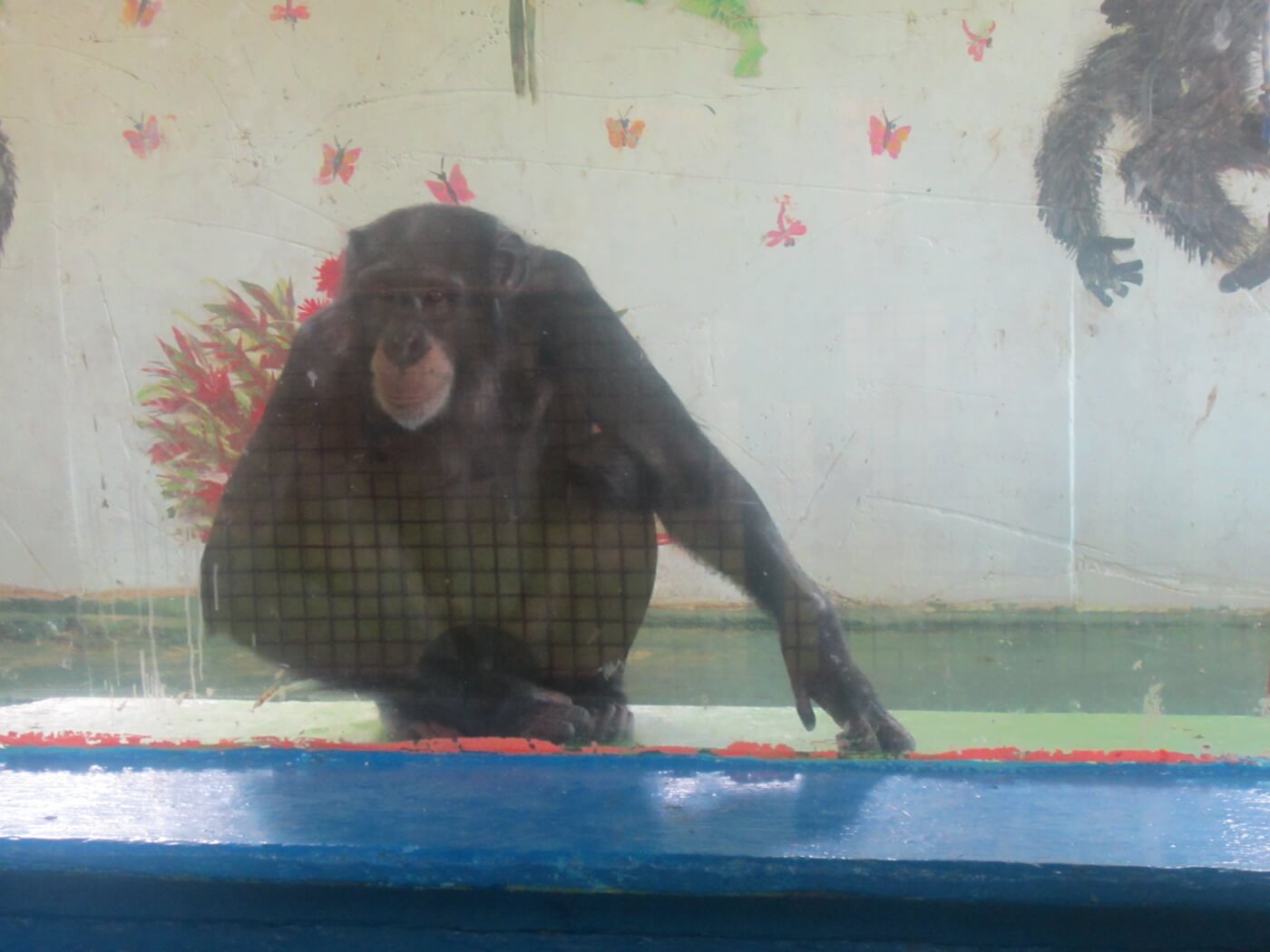
Antle’s associate Andrew Sawyer is a defendant in PETA’s federal Endangered Species Act case against the Missouri Primate Foundation (MPF), which has already resulted in the transfer of nine chimpanzees to accredited sanctuaries. Sawyer previously boarded a chimpanzee named Joey at the MPF, where he was held in isolation, but after PETA sent the required notice that we would be filing our claims, he took Joey in his car and fled.

doc antle associate andrew sawyer arrested chimpanzee joey ordered sanctuary

PETA won summary judgment against Sawyer, and the court ordered him to transfer Joey to an accredited sanctuary. He is presently in contempt of the Missouri court’s order for failing to do so.

As a condition of Sawyer’s release on bond from the South Carolina jail that had been holding him since his arrest for the money laundering charges, he is required to transfer Joey to the sanctuary as soon as it has space available.

Help End the Reign of Terror

Nearly every animal exploiter featured in Tiger King is now in custody, out of business, or facing administrative citations or criminal charges. Help PETA make the abusive big cat cub-petting industry a thing of the past: Please urge Myrtle Beach Safari to end its cruel public encounters and send the animals to reputable facilities where they could live in peace and get the care that they deserve.

The post ‘Doc’ Antle and His Myrtle Beach Safari Associate Face Money Laundering Charges appeared first on PETA.

PETA Scientists Use Webinars to Help End Tests on Animals—Here’s How

From presenting at international conferences to publishing papers in scientific journals, PETA scientists work on multiple fronts to replace the use of animals in tests with modern, animal-free methods. One of the most effective ways they reach large audiences with information about these methods is through the use of online lectures called webinars. These educational tools are essential as science and technology rapidly advance and researchers need to ensure that they are up to date on the latest, human-relevant science.

Here’s how PETA scientists use webinars to promote non-animal test methods:

PETA Science Consortium International e.V. organizes online presentations related to a diverse array of topics. These webinars feature expert speakers from government agencies, companies, and academic institutions. Anyone in the world can sign up—for free—to watch these presentations and participate in discussions about the latest non-animal test methods.

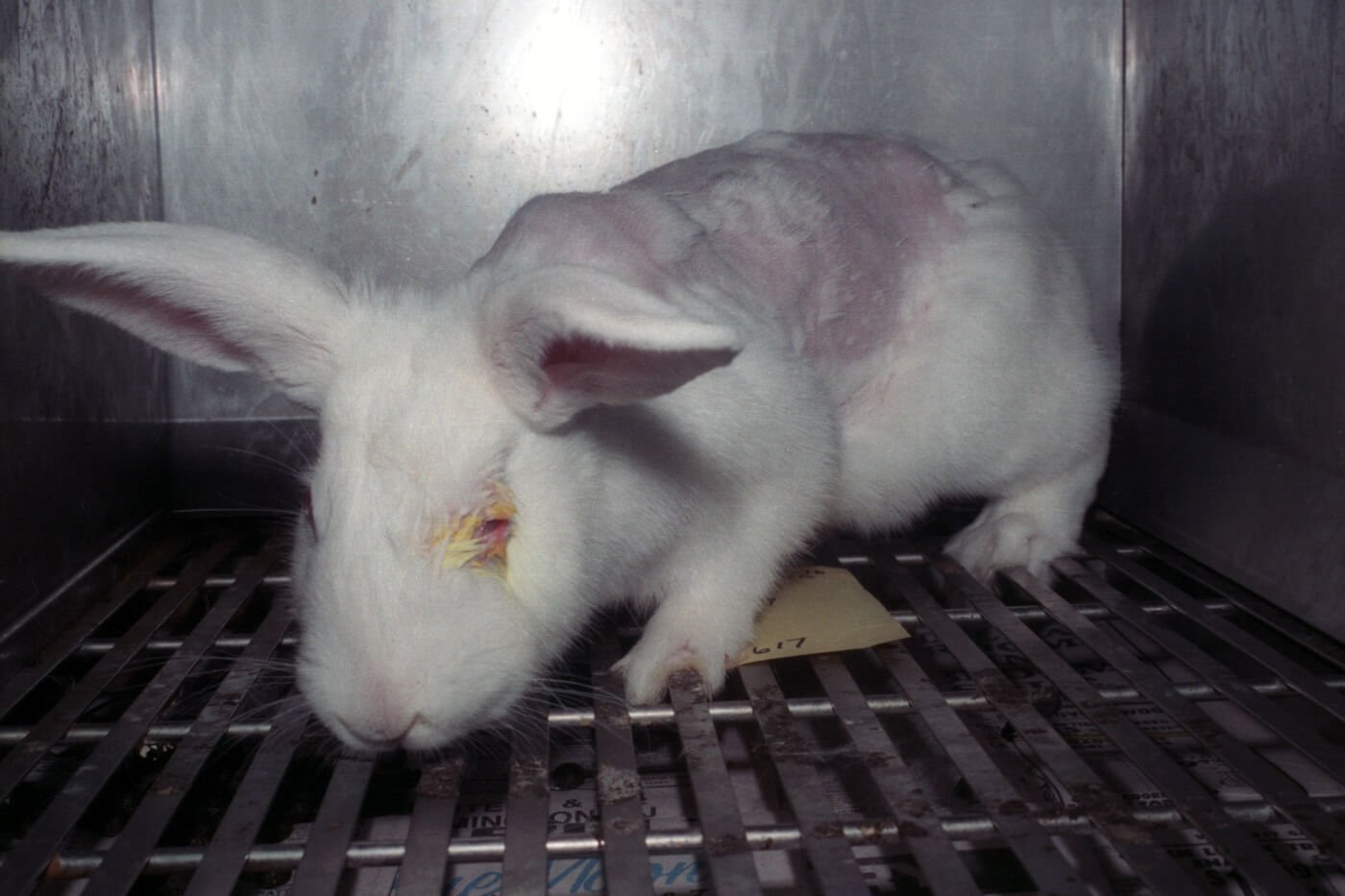
For example, the Science Consortium cohosts an ongoing webinar series on non-animal approaches to toxicity testing that are particularly relevant to meeting testing requirements for the U.S. Environmental Protection Agency. During these webinars, audiences have learned how more reliable methods that don’t use live animals are better than the use of rabbits at predicting the potential effects of chemicals on the human eye and better than the use of mice at predicting the potential ability of chemicals to cause allergic skin reactions and more. At the 10th and most recent webinar, nearly 400 people registered to learn how computational models can help replace the use of fish and birds in tests that assess how chemicals affect the environment.

peta scientists use webinars to reduce reliance on animal testing

Another webinar series focused on the replacement of animal-derived antibodies that are often produced by injecting animals with viruses, bacteria, and other foreign substances and then repeatedly bleeding them or inserting needles into their abdomens to extract the antibodies they produce. The webinars described how the non-animal tools are more reliable than inconsistent animal-derived antibodies.

The Science Consortium dedicates considerable resources to advancing non-animal methods for predicting the effects of inhaled substances on human lungs.

This important work focuses on the development and use of human cell–based methods to replace the use of rats. Inhalation tests on rats—whose respiratory tracts are substantially different from those of humans—are extremely limited in their ability to predict what will happen when humans inhale a substance.

A popular 2018 webinar cohosted by PETA scientists featured 21 speakers from industry, government, and research organizations, as well as method developers, who discussed non-animal approaches for testing the effects of inhaled chemicals on the lungs. This series was followed by 15 additional presentations during 2020 and 2021 on the latest developments in animal-free inhalation toxicity testing.

Each webinar has been viewed hundreds of times, providing the scientific community with important information on this topic.

The Science Consortium’s informational webinars and research efforts are contributing to ending the use of an estimated 1.8 million calf fetuses each year for scientific research.

The Science Consortium organized a session showing how to maximize the quality of cell-culture research by using an animal-free, chemically defined medium instead of highly variable fetal bovine serum—an undefined mixture of molecules, including hormones, proteins, and growth factors obtained from the blood of fetal calves after their mothers are slaughtered for food.

Beyond the U.S., the Science Consortium also organizes webinars that focus on specific international testing requirements.

  • India: PETA scientists headed up a hybrid in-person/web-based scientific meeting highlighting the available non-animal approaches for assessing skin and eye irritation, skin allergy, and phototoxicity.
  • Taiwan: The Science Consortium partnered with the Taiwan National Environmental Health Research Center to organize two expert presentations focused on non-animal methods for testing whether substances irritate human skin—complete with Chinese subtitles.
  • The European Union: The Science Consortium partnered with Chemical Watch, the leading global regulatory news and information service for the chemical industry, to organize more than a dozen presentations focused on non-animal methods that can be used to meet testing requirements under the Registration, Evaluation, Authorisation and Restriction of Chemicals regulation.

To date, PETA scientists have cohosted dozens of webinars, and many more are planned. Along with organizing free workshops, sending early-career scientists to important scientific conferences and meetings, and providing free informational factsheets, webinars are part of the Science Consortium’s overall effort to ensure that researchers have the education and training they need to implement and advance the use of non-animal test methods.

The post PETA Scientists Use Webinars to Help End Tests on Animals—Here’s How appeared first on PETA.