Evading scrutiny of controversial experiments on monkeys by concealing and destroying public records has consequences. That’s the $540,000 message the King County Superior Court sent to the University of Washington today. The school squanders billions of public dollars a year, a fact that underscores its cruelty, incompetence, and contempt for accountability. The ultimate consequence is obvious: The Washington National Primate Research Center must be shut down.
For more information on PETA’s investigative newsgathering and reporting, please visit PETA.org or follow the group on Twitter, Facebook, or Instagram.
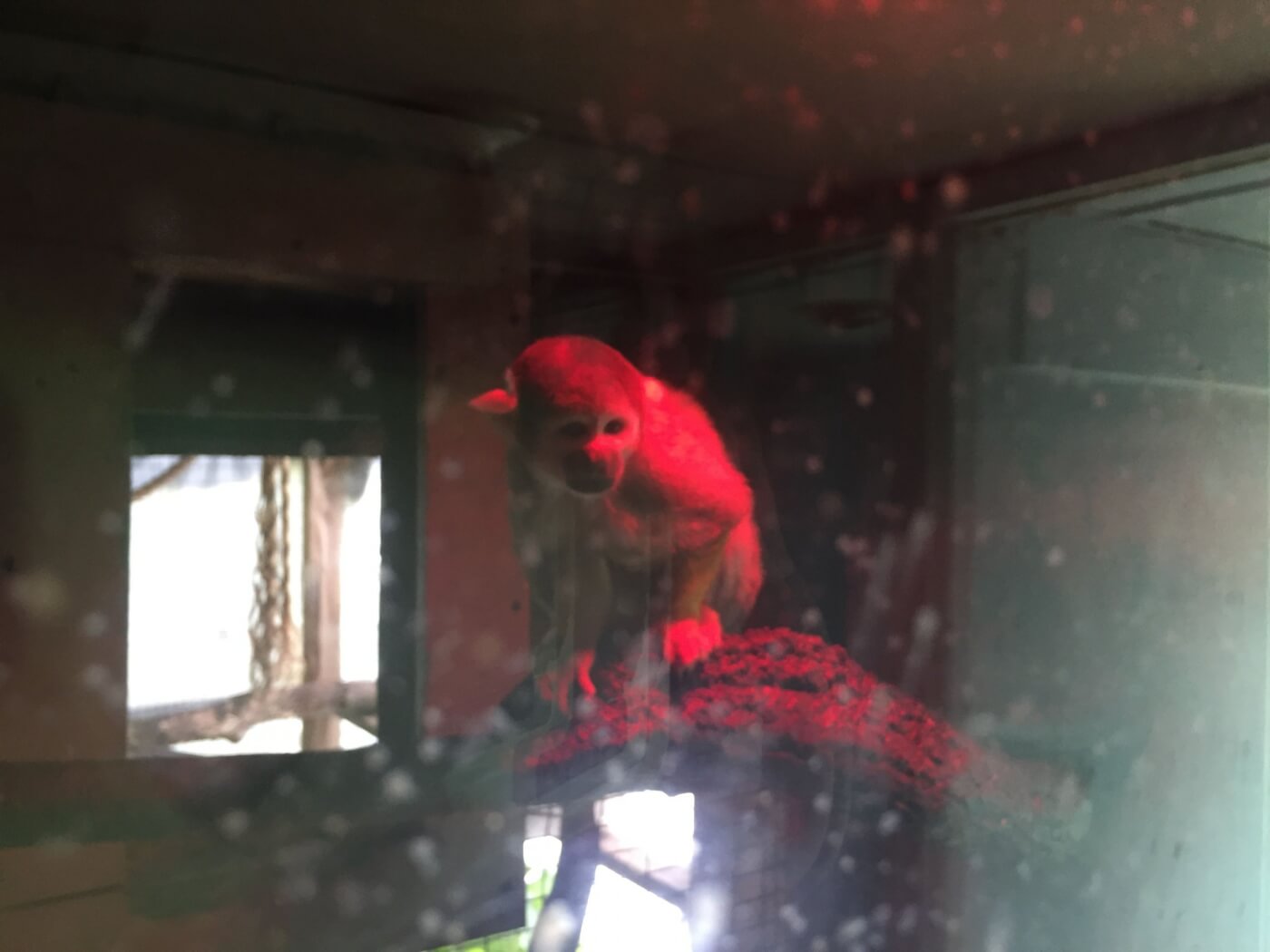
Today, PETA concluded a five-day rescue operation involving 65 animals of 30 species—the group’s largest-ever rescue of animals from a roadside zoo—following a legal settlement with Tri-State Zoological Park that forced the notorious outfit to close after years of violations and allowed PETA to rescue survivors of chronic neglect. Rescued animals include a squirrel monkey who was called Spazz, in a cruel reference to his frantic, stress-induced behavior, likely caused by the 20 years he spent in solitary confinement surrounded by natural predators in a reptile house. PETA had previously rescued three big cats and three other animals who had been housed at the roadside zoo, bringing the total number of animals PETA rescued from Tri-State to 71. Photos of some of the animals rescued from Tri-State this week are here.
PETA enlisted the help of 14 reputable sanctuaries and accredited zoos from Maryland to California, which agreed to care for the animals, including bears, exotic birds, a Bengal cat, alligators, coatimundis, and others. A full list of these facilities is available here.
“Tri-State spent years exploiting vulnerable animals and allowing suffering ones to rot in their cages, but now the survivors will be able to live in comfort and safety, with the care they’ve long been lacking,” says PETA Foundation General Counsel for Captive Animal Law Enforcement Brittany Peet. “Thanks to PETA’s hard-fought lawsuit and over a dozen facilities that offer topnotch care, one more shoddy roadside zoo has been removed and the animals saved.”
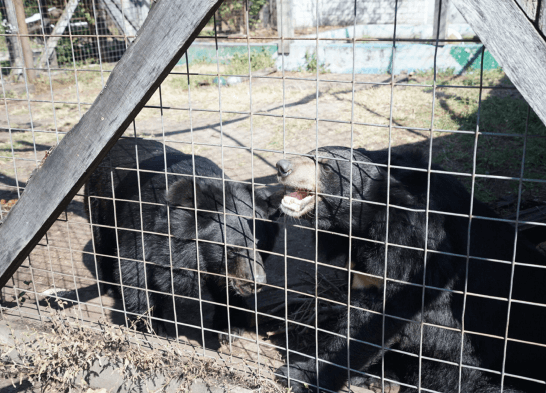
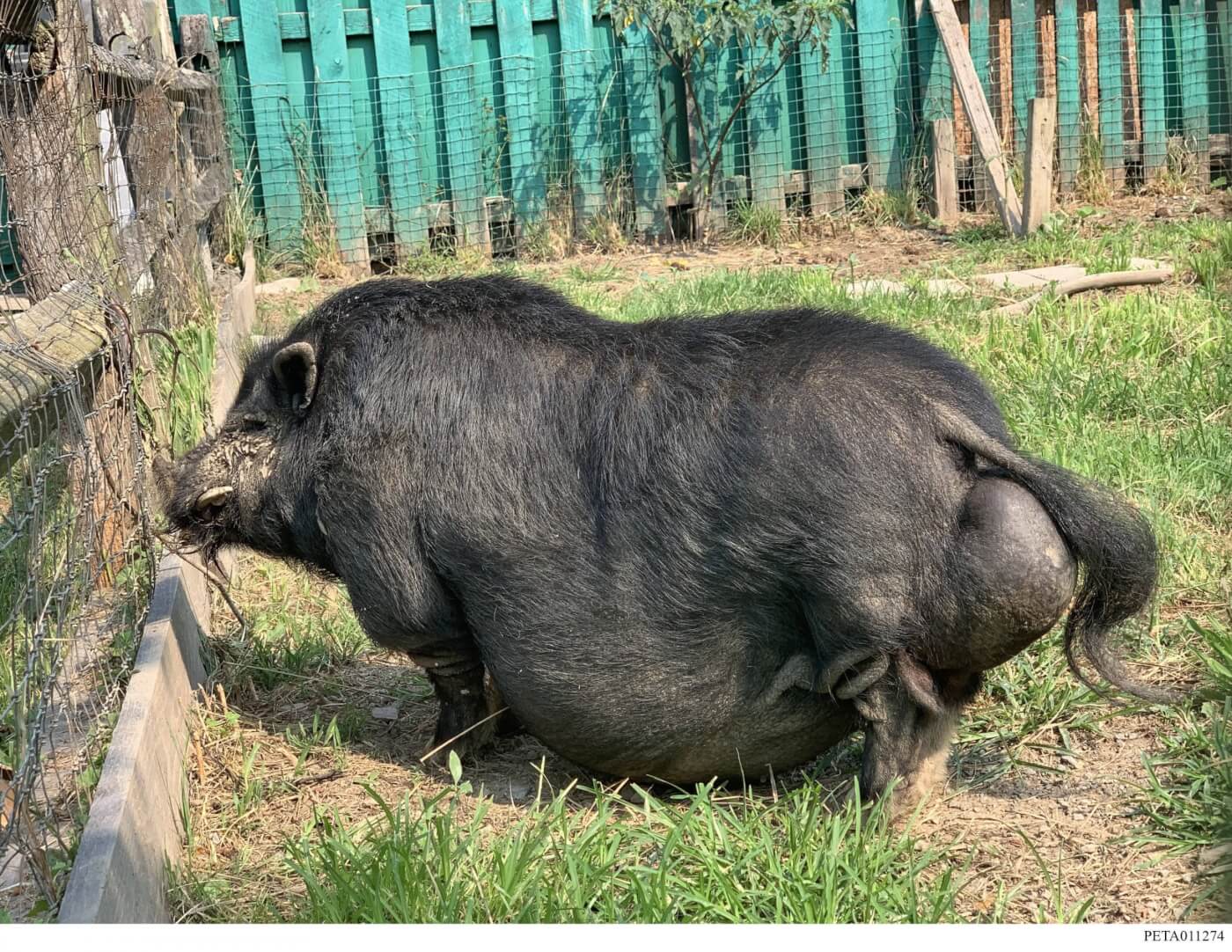
Spazz, who PETA has been calling Stardust, will be renamed at his new home and have the opportunity to live with another squirrel monkey, named Ziggy. Three iguanas will live outdoors in a naturalistic habitat with other iguanas, rather than crammed inside a small, stuffy enclosure. Asiatic black bears Sallie and Suzie—the 78th and 79th bears PETA has rescued—will live in a lush, expansive habitat instead of in a cage. And a pot-bellied pig named Snorkel will finally receive expert veterinary care after languishing for years with a massive tumor and morbid obesity.
PETA and its fellow plaintiff, Constance Collins, alleged that Tri-State’s mistreatment of animals constituted a public nuisance, noting that Tri-State confined animals to often-filthy, decrepit enclosures and chronically deprived them of appropriate treatment, including veterinary care. PETA’s previous victory against Tri-State—a successful Endangered Species Act lawsuit—followed an eyewitness investigation by the group. The court had described Tri-State as “fetid” and “dystopic.”
PETA—whose motto reads, in part, that “animals are not ours to use for entertainment”—opposes speciesism, a human-supremacist worldview. For more information on PETA’s investigative newsgathering and reporting, please visit PETA.org or follow the group on Twitter, Facebook, or Instagram.
In the biggest roadside zoo rescue in PETA’s history, Tri-State Zoological Park—a longtime PETA target—has closed its doors and surrendered 65 animals, including bears, tortoises, and a squirrel monkey to lush, peaceful new homes.
This landmark victory follows years of our campaigns and two lawsuits that we filed for the animals who were suffering miserably at what was considered one of the worst roadside zoos in the U.S. Now, an unprecedented 14 reputable sanctuaries and accredited zoos from across the country are stepping up with us to finally give them the lives they’ve always deserved.
This massive rescue couldn’t have come sooner, as the Maryland roadside hellhole confined many of the animals to filthy, decrepit enclosures; deprived them of adequate veterinary care; failed to provide them with appropriate environmental enrichment; and much more.
Meet Some of the Animals Who Are Being Rescued
A Squirrel Monkey
Tri-State held a squirrel monkey in solitary confinement for 20 years. The facility crudely named him with an ableist slur because he appeared anxious and terrified—likely because he had been confined to an enclosure surrounded by his natural predators. Now, he’s safe at his new home, where he will have the opportunity to make a new squirrel monkey friend, Ziggy.
Asiatic Black Bears Sallie and Suzie
Tri-State’s owner confined Asiatic black bears Sallie and Suzie to a cramped cage with a filthy pool, but now, they will have the chance to splash in fresh water and explore an expansive habitat, where they can do everything that’s natural and important to them.
Snorkel the Pig
Snorkel the pot-bellied pig has suffered for years with morbid obesity and a massive tumor—which Tri-State allowed to grow so large that it takes up his entire rear. Now, he will finally receive the veterinary care he deserves.
The Iguana Trio
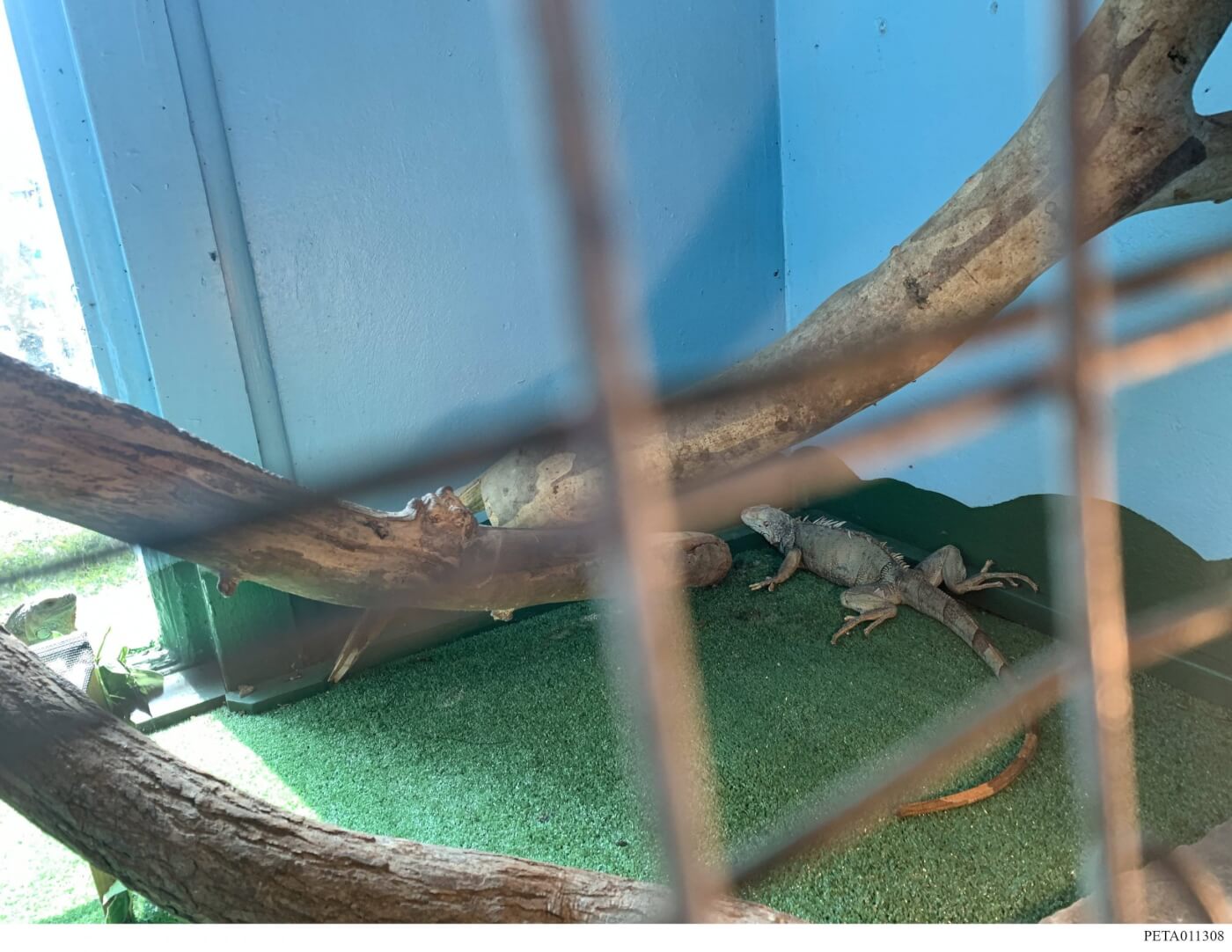
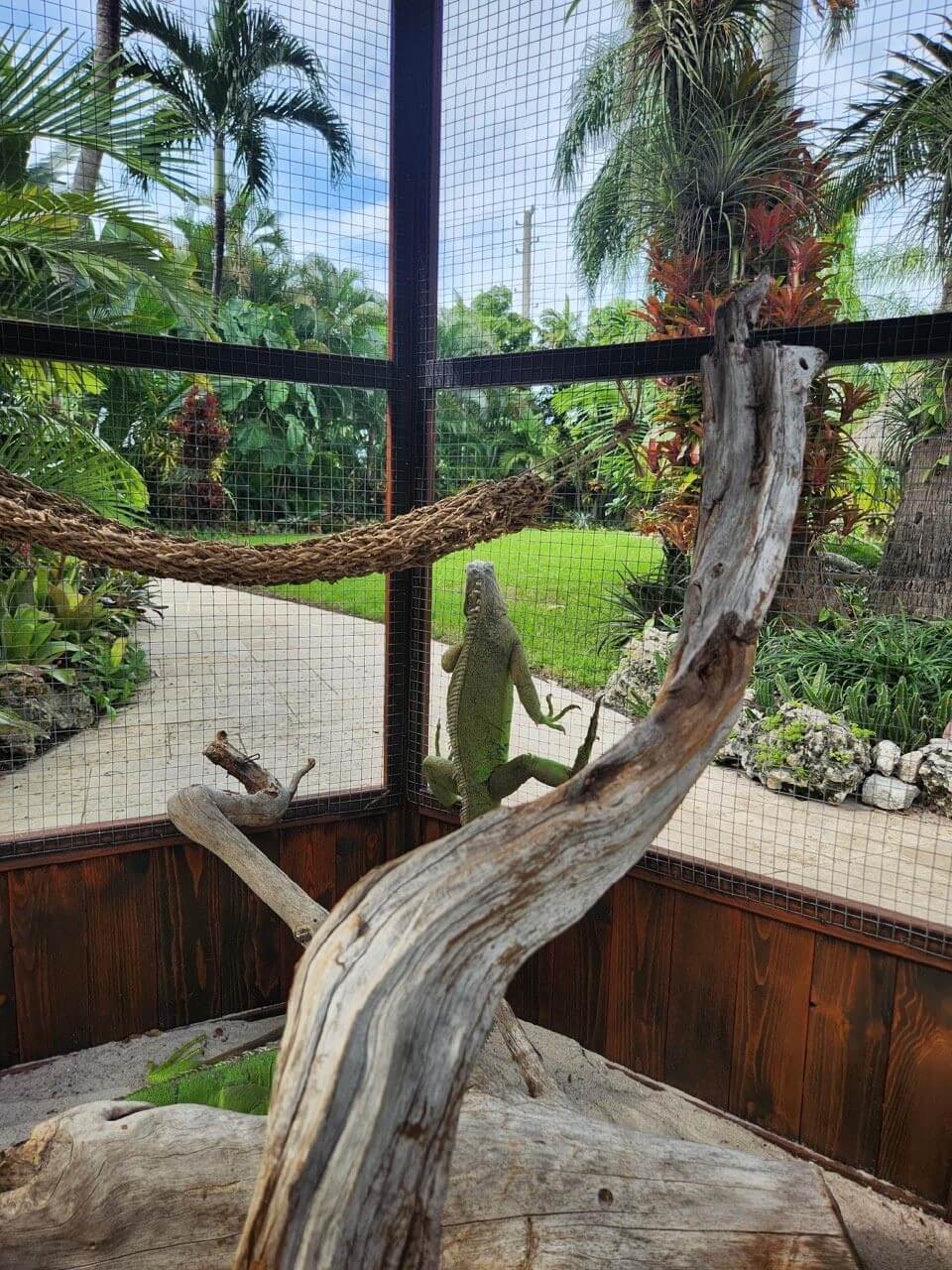
Three iguanas will live outdoors in a lush, natural habitat with other iguanas, instead of being cooped up in a stuffy enclosure indoors.
Tri-State confined reptiles to crummy enclosures, like the one photographed above.
An iguana is in quarantine at his new home, Iguana Haven.
Stay tuned to see how Sallie, Suzie, Snorkel, and others are enjoying their new lives once they’ve settled in. You can keep up to date by following PETA on Twitter, Facebook, or Instagram.
A staggering 14 organizations from across the country are leading the rescue mission with PETA, including Lions Tigers & Bears, the Cleveland Amory Black Beauty Ranch, the Peaceable Primate Sanctuary, Oakland Zoo, Detroit Zoo, Wildlife Rescue & Rehabilitation, Carolina Tiger Rescue, the Colorado Reptile Humane Society, Black Pine Animal Sanctuary, the Turtle Conservancy, Iguana Haven, Vine Sanctuary, Poplar Spring Animal Sanctuary, and The Wildcat Sanctuary.
PETA Blew the Lid Off Tri-State’s Extensive History of Animal Neglect and Mistreatment
PETA has been tracking the chronic neglect of animals at Tri-State for years. See just a few of the ways we started tumbling the dominoes to help close down the roadside hellhole.
In 2016, after PETA alerted the U.S. Department of Agriculture (USDA) to video footage showing a lion who appeared emaciated, the agency cited the facility for denying adequate veterinary care to the thin, ailing big cat. The roadside zoo announced in February 2017 that this lion had died.
In 2019, PETA won our Endangered Species Act lawsuit against Tri-State, which resulted in the transfer of three big cats to an accredited sanctuary and a ruling that prohibited the roadside zoo from ever again owning or possessing endangered or threatened species. Between the time we gave notice of the suit and the trial, five of the animals at issue in the case had died, including a tiger who was so ravaged by sepsis that pus-filled pockets had formed in her heart, tongue, and diaphragm. The judge described conditions at the facility as “fetid and dystopic.”
In 2020, we filed another lawsuit against Tri-State, alleging that its failure to provide all animals at the facility with adequate veterinary care, proper food, clean water, and other basic necessities violated state law and constituted a public nuisance. The settlement agreement over our public nuisance suit set the rescue in motion: PETA agreed to drop the case if Tri-State would close permanently, terminating its USDA license and allowing us to place most of the remaining animals at facilities of our choosing.
Help Other Animals Suffering at Roadside Zoos
While we celebrate this historic victory, PETA is going full steam ahead against other dingy roadside zoos that condemn our fellow animals to miserable conditions—even ones that pose as “sanctuaries.”
The Barry R. Kirshner Wildlife Foundation is one of these cruel facilities. Animals there are kept in cramped cages, and many of them display abnormal, repetitive pacing behavior due to apparent distress.
Take action below to tell the roadside zoo to send all the animals confined there to reputable facilities:
Word on the street is that at least three Starbucks locations in Washington, D.C., and Northern Virginia are testing some brand-new vegan food options, including a chicken-friendly version of its popular sous vide egg bites. Several selections also feature vegan chicken from celebrity-backed brand Daring Foods.
It’s a good step forward for Starbucks, a company that has committed to reducing its carbon footprint. More vegan food is one of the best ways to get there, but so is dropping the unfair surcharge on vegan milk—especially since cow’s milk is the company’s biggest contributor to its carbon footprint. Customers shouldn’t be punished for choosing options that are better for animals, the planet, and their own health, which is why we’re pushing the chain to drop the surcharge as other chains have already done.
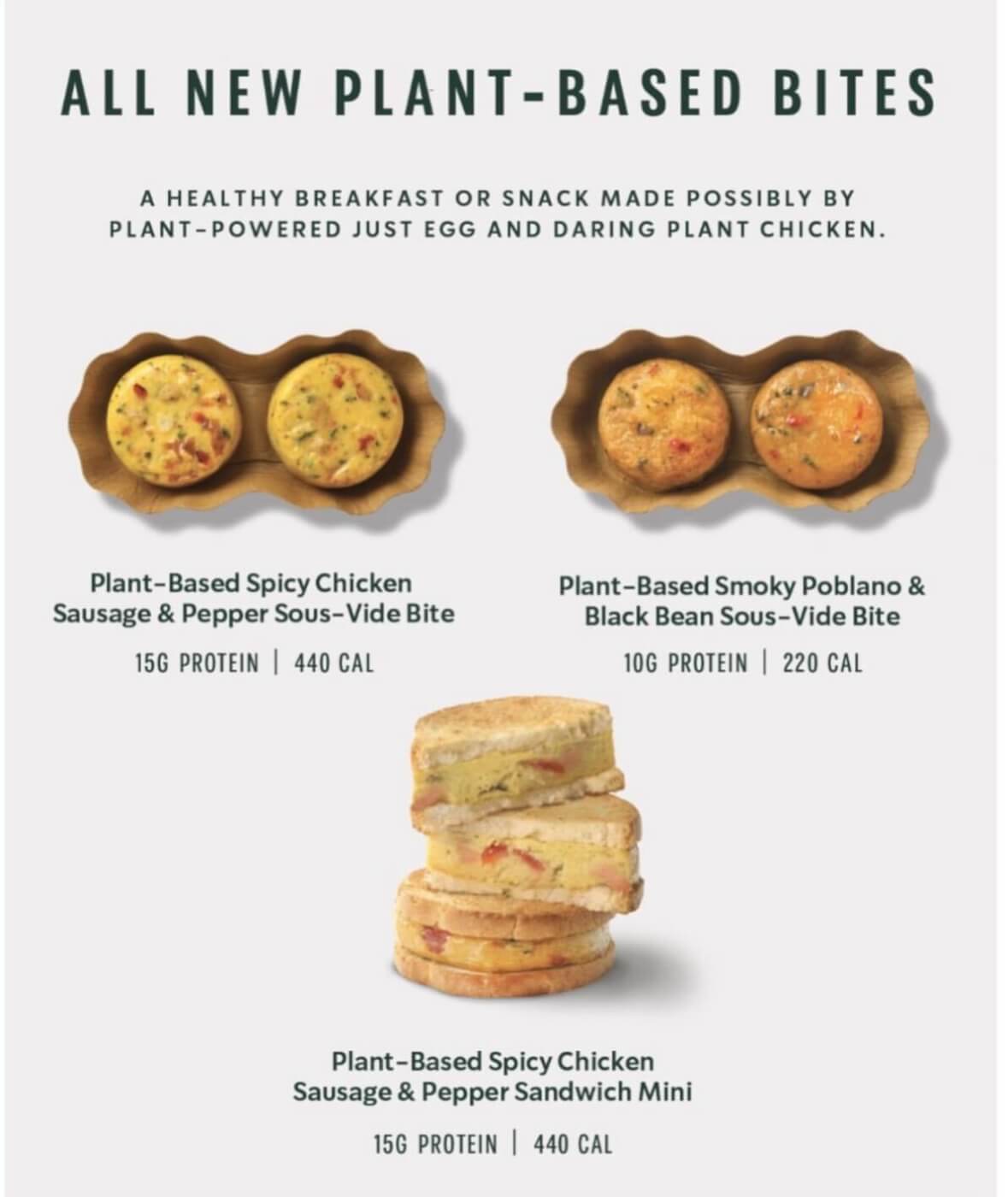
Starbucks is testing two types of vegan sous vide egg bites made with a plant-based egg. The Plant-Based Spicy Chicken Sausage & Pepper Sous Vide Bites and Plant-Based Smoky Poblano & Black Bean Sous Vide Bites are great options for mornings when you’re on the go and you want to make sure you’re choosing a breakfast that’s kind to animals.
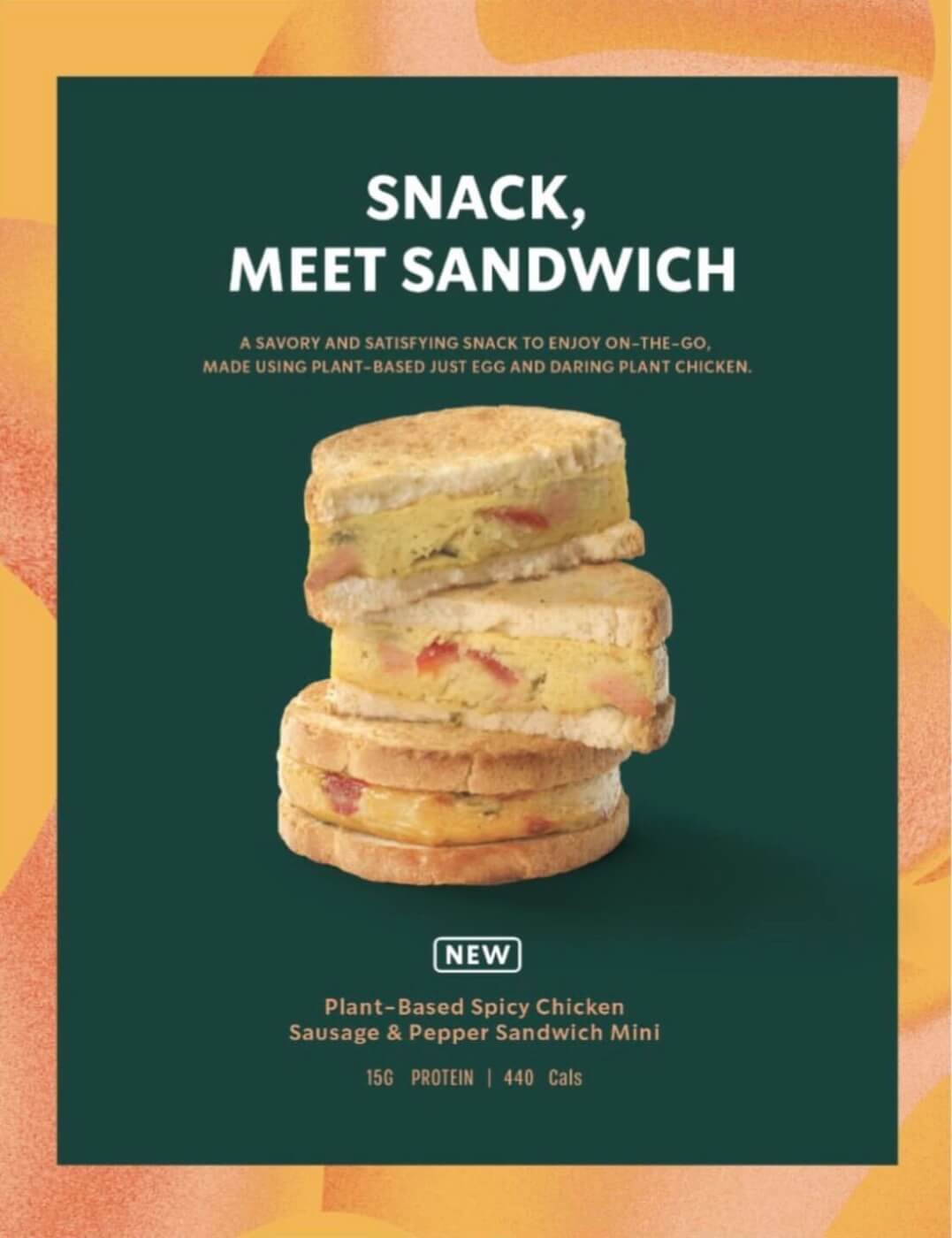
Plant-Based Spicy Chicken Sausage & Pepper Sandwich Mini
Another option is this sandwich mini, which comes with spicy Daring chicken in a savory vegan egg patty between slices of toasted bread. It’s warm, filling, and satisfying—and it pairs perfectly with your favorite nondairy drink.
Remind Starbucks that soy, oat, and nut milks shouldn’t cost a cent more than cow’s milk—which is cruel to cows, contributes to the climate catastrophe, and is indigestible to many humans: