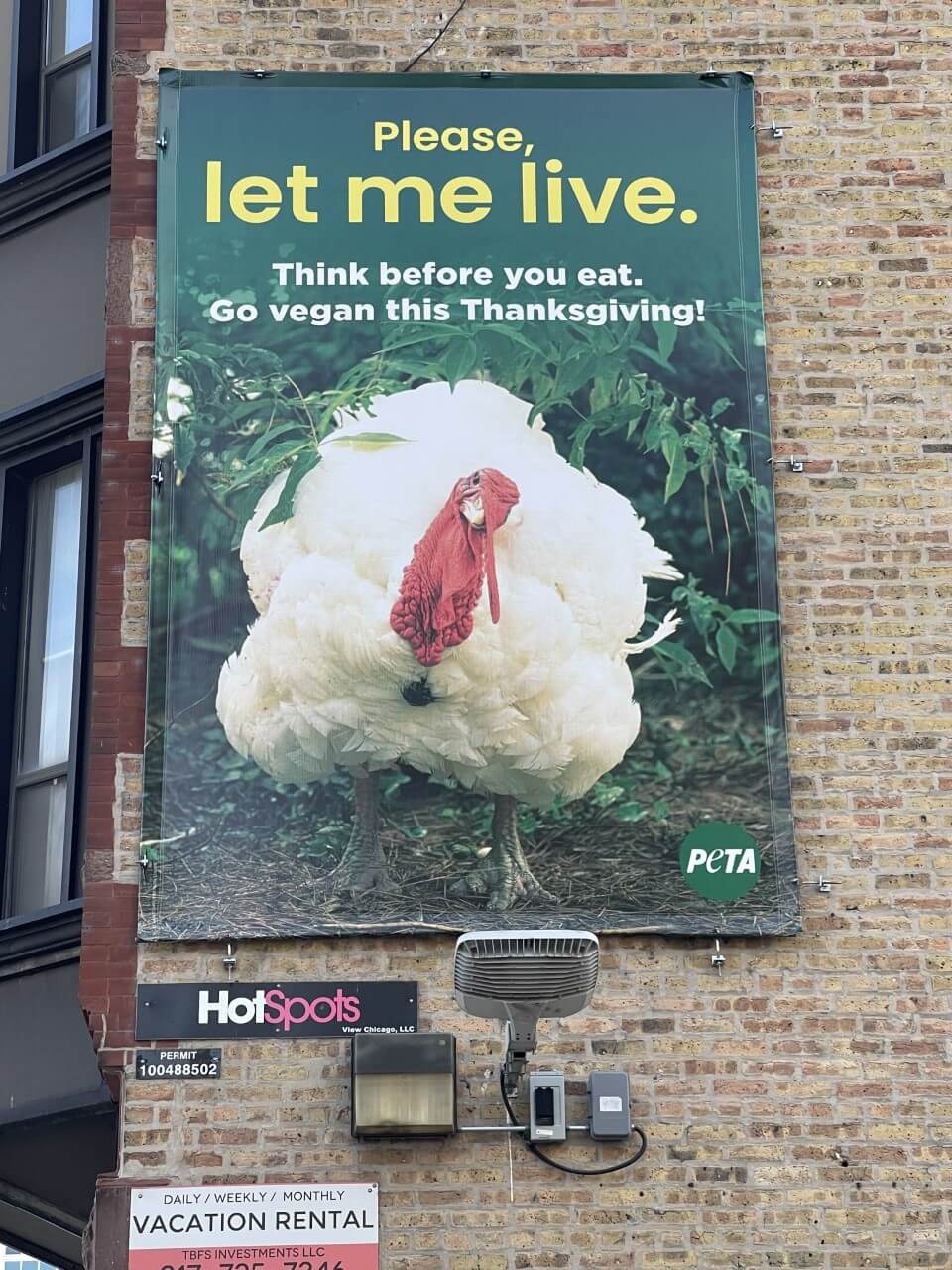
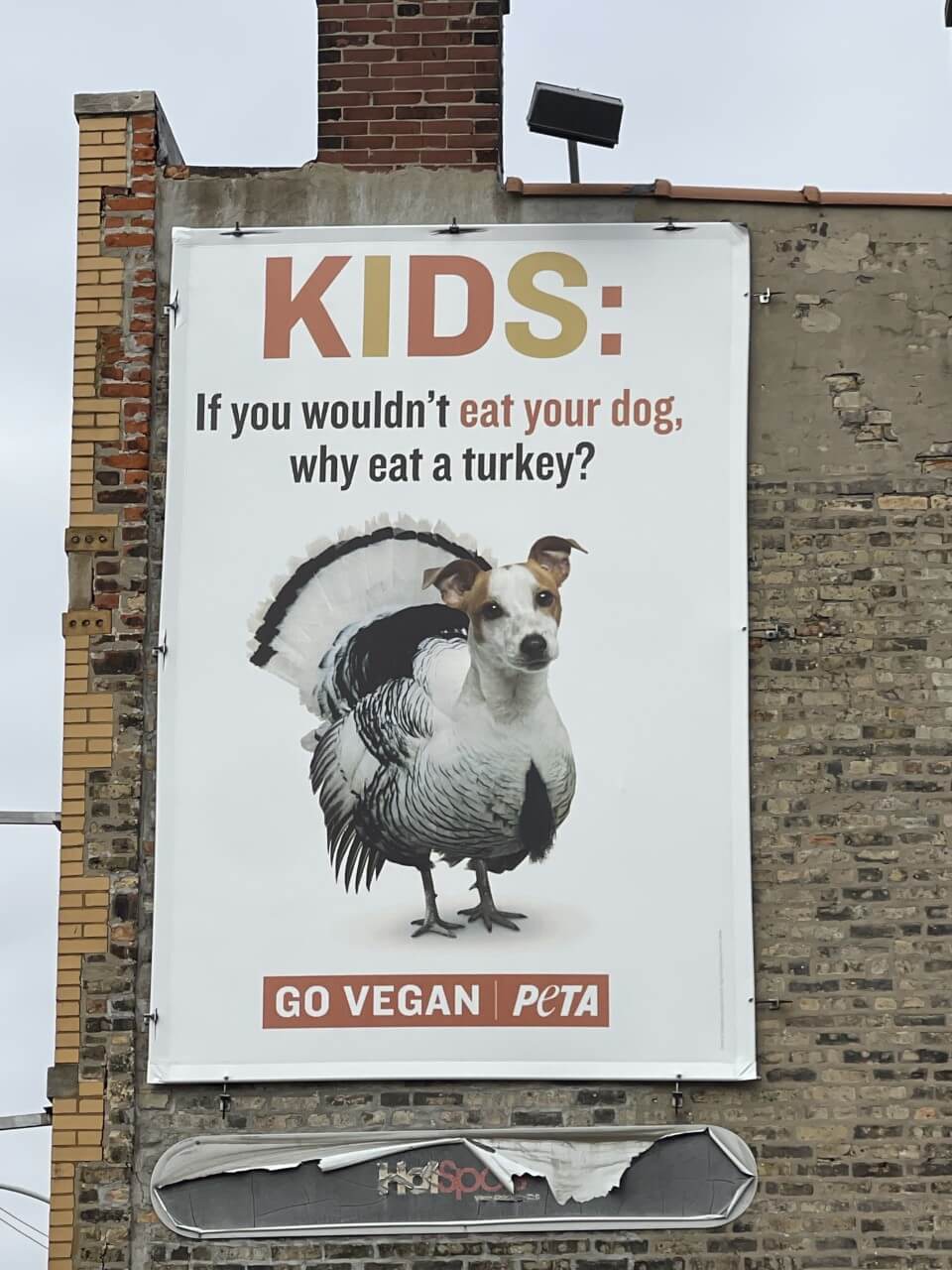
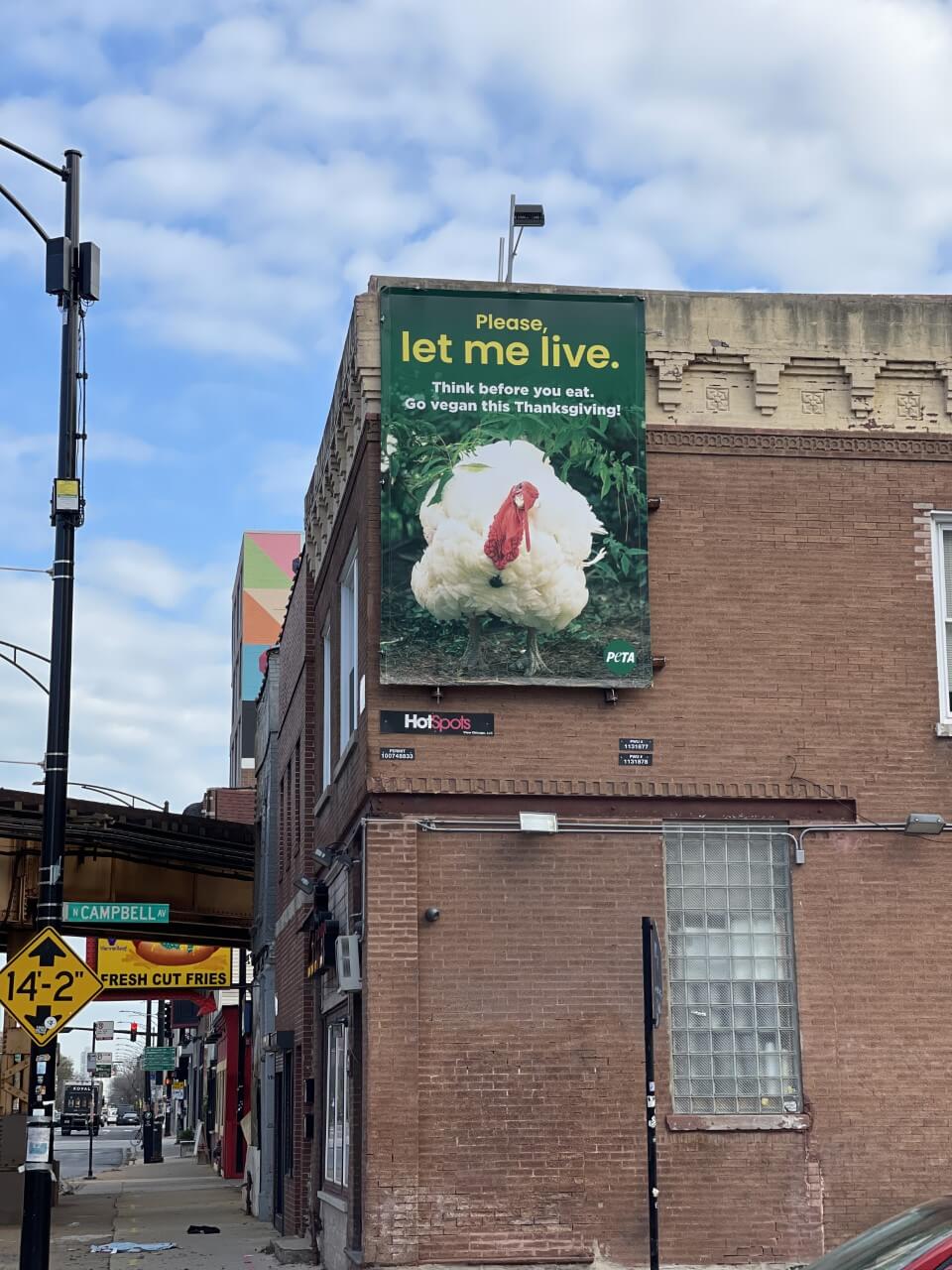
The post Photos: Giant Turkeys Make ‘ThanksVegan’ Pleas in PETA PSA Blitz – Chicago, IL appeared first on PETA.

respect nature & human rights
The post Photos: Giant Turkeys Make ‘ThanksVegan’ Pleas in PETA PSA Blitz – Chicago, IL appeared first on PETA.
The post Video: Dolphin Left Bleeding After Reported Attack at SeaWorld Orlando appeared first on PETA.
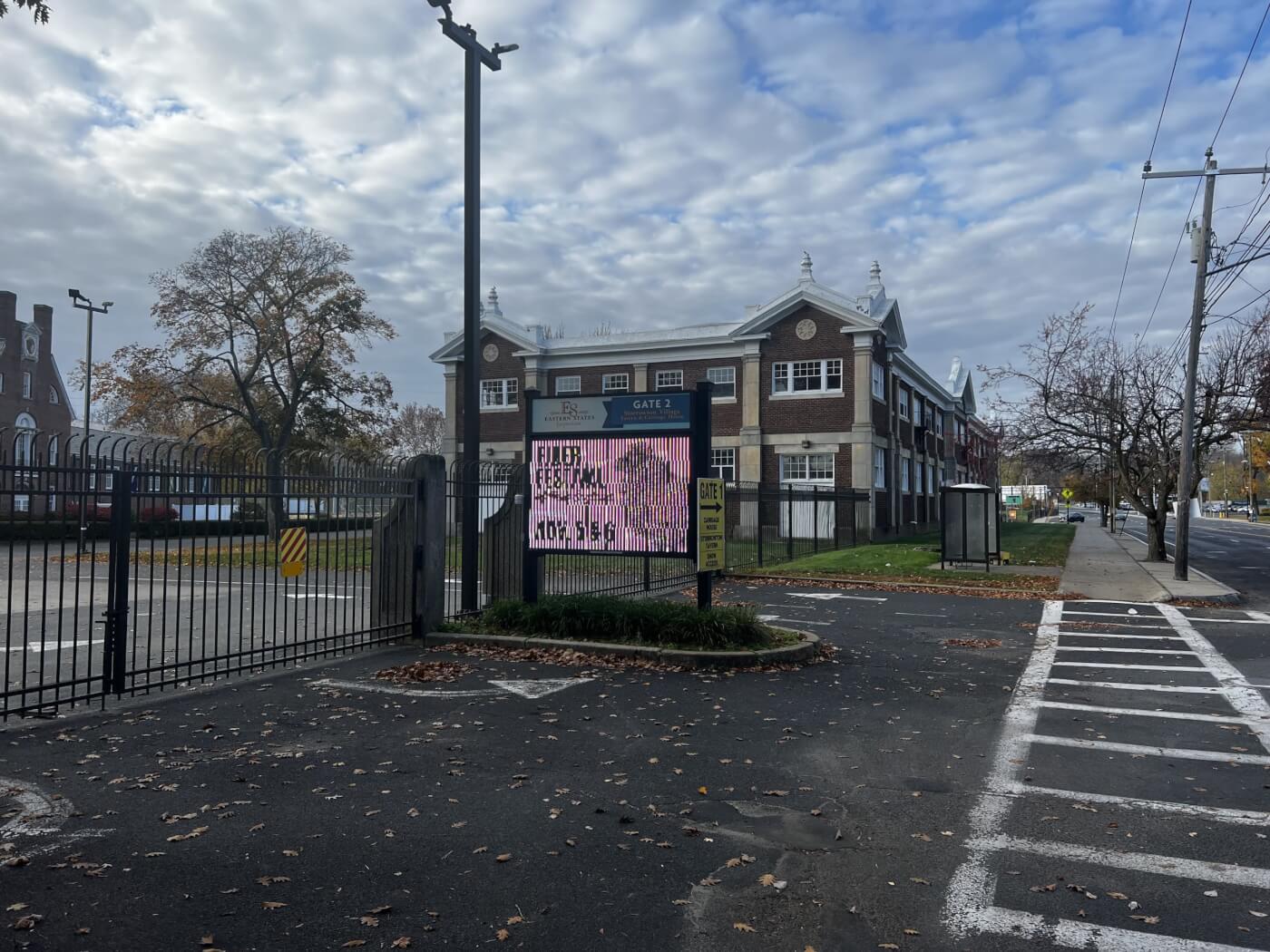
Have you ever wondered what happens to sheep used for wool or why you should consider them when buying clothes? On November 5, PETA ran a mobile billboard about the problems with using wool at the annual Fiber Festival of New England in West Springfield, Massachusetts. With winter nearly here and holiday shopping already well underway, it’s a perfect time to boost awareness of this cruelly obtained material. That’s why PETA encouraged everyone at the festival to stop purchasing, selling, and wearing products made of wool.
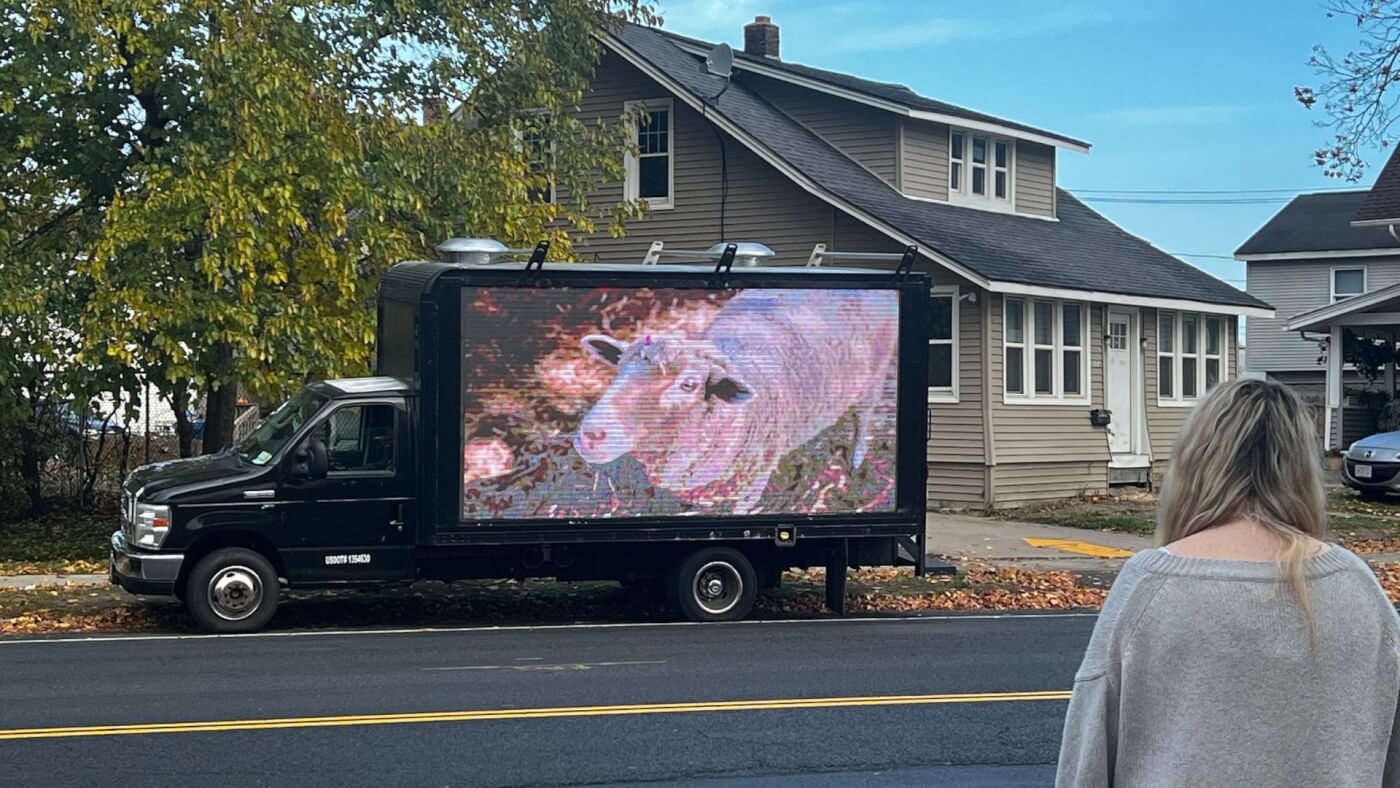
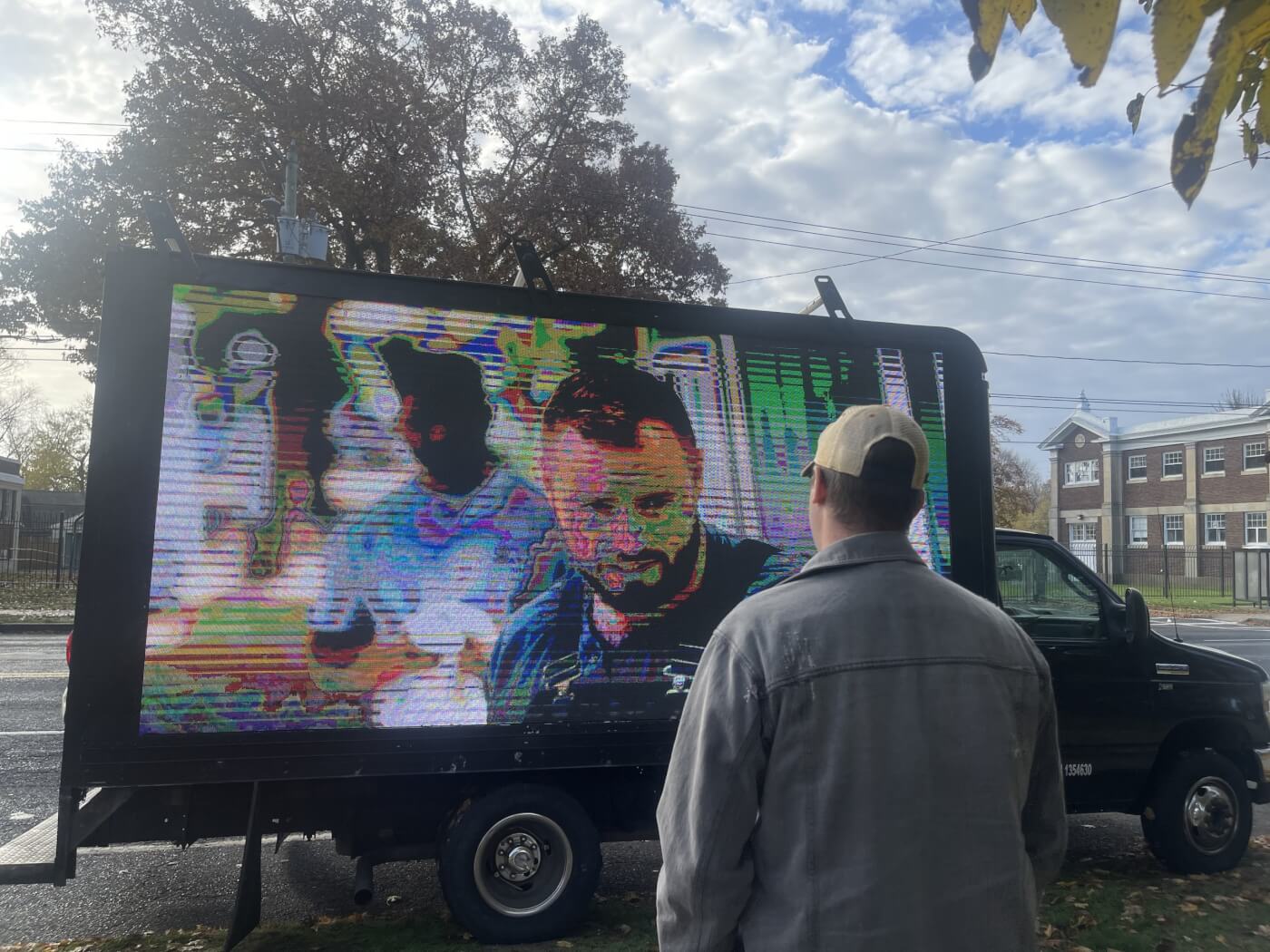
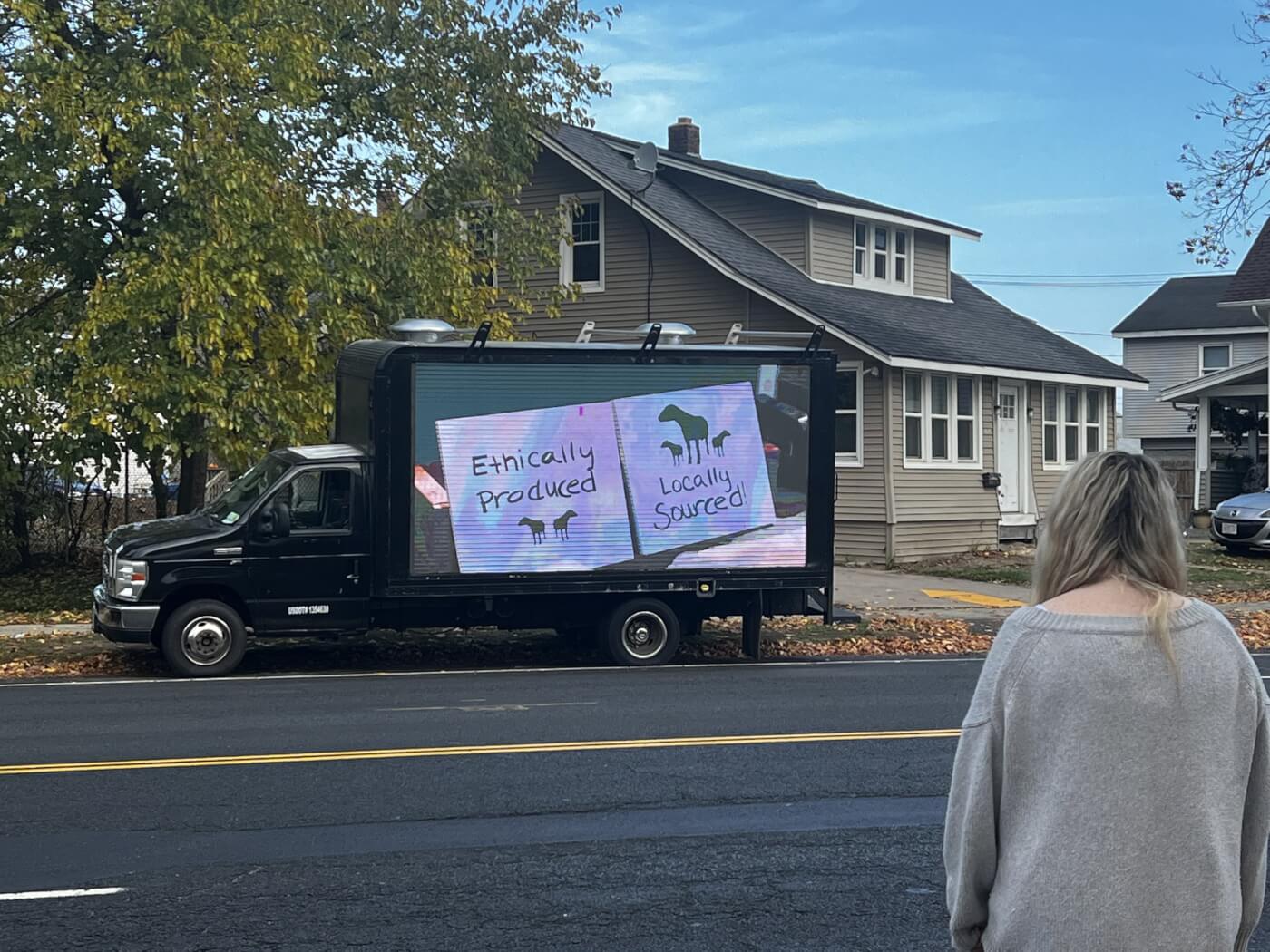
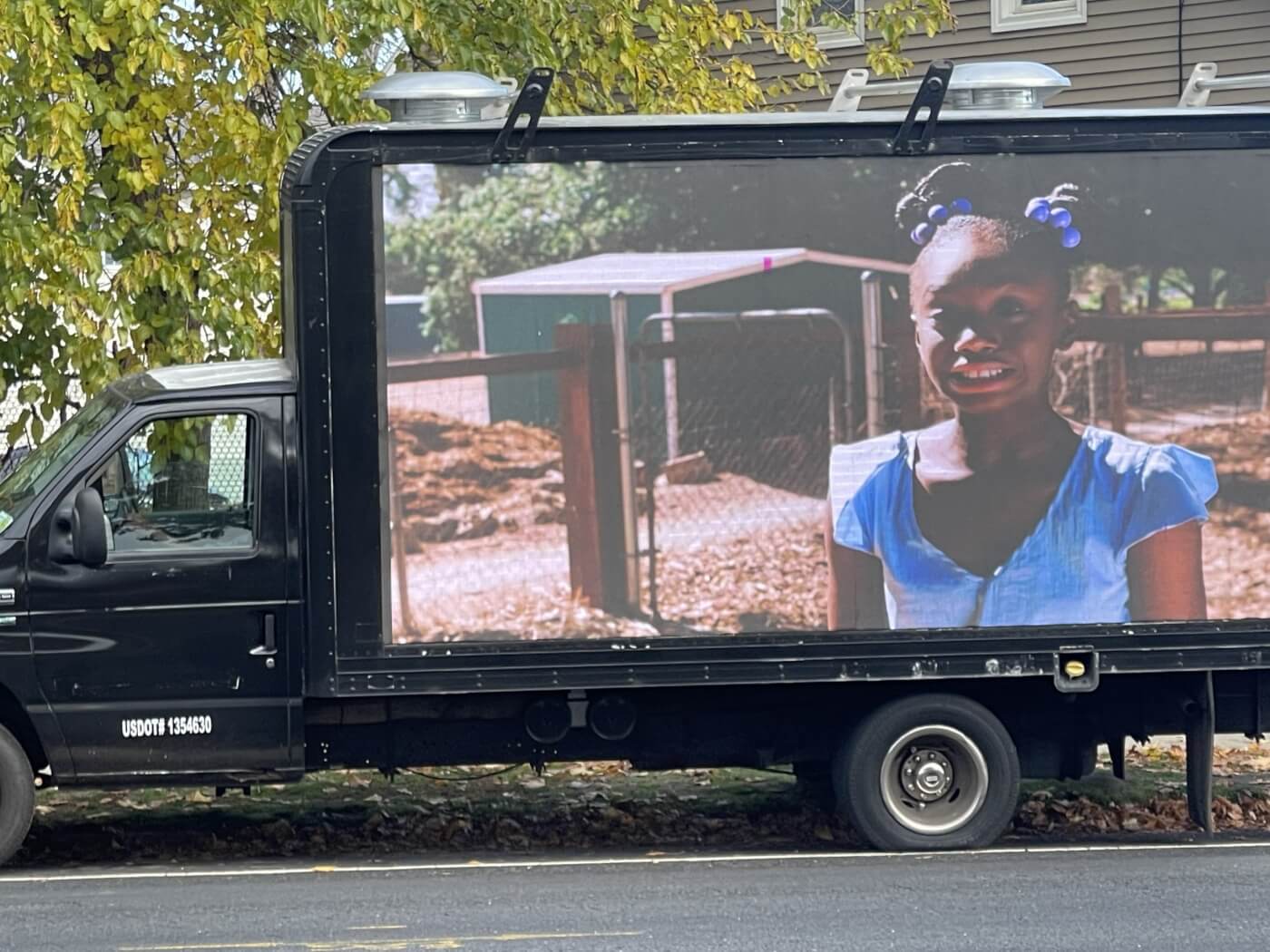
Engaging attendees at the festival entrance with a double-sided billboard on a parked truck, PETA’s new 60-second ad played nearly 500 times over the course of the festival’s opening day. Viewers quickly learned that nothing “happy” occurs in the wool industry and that sheep are cut to ribbons for wool sweaters and scarves.

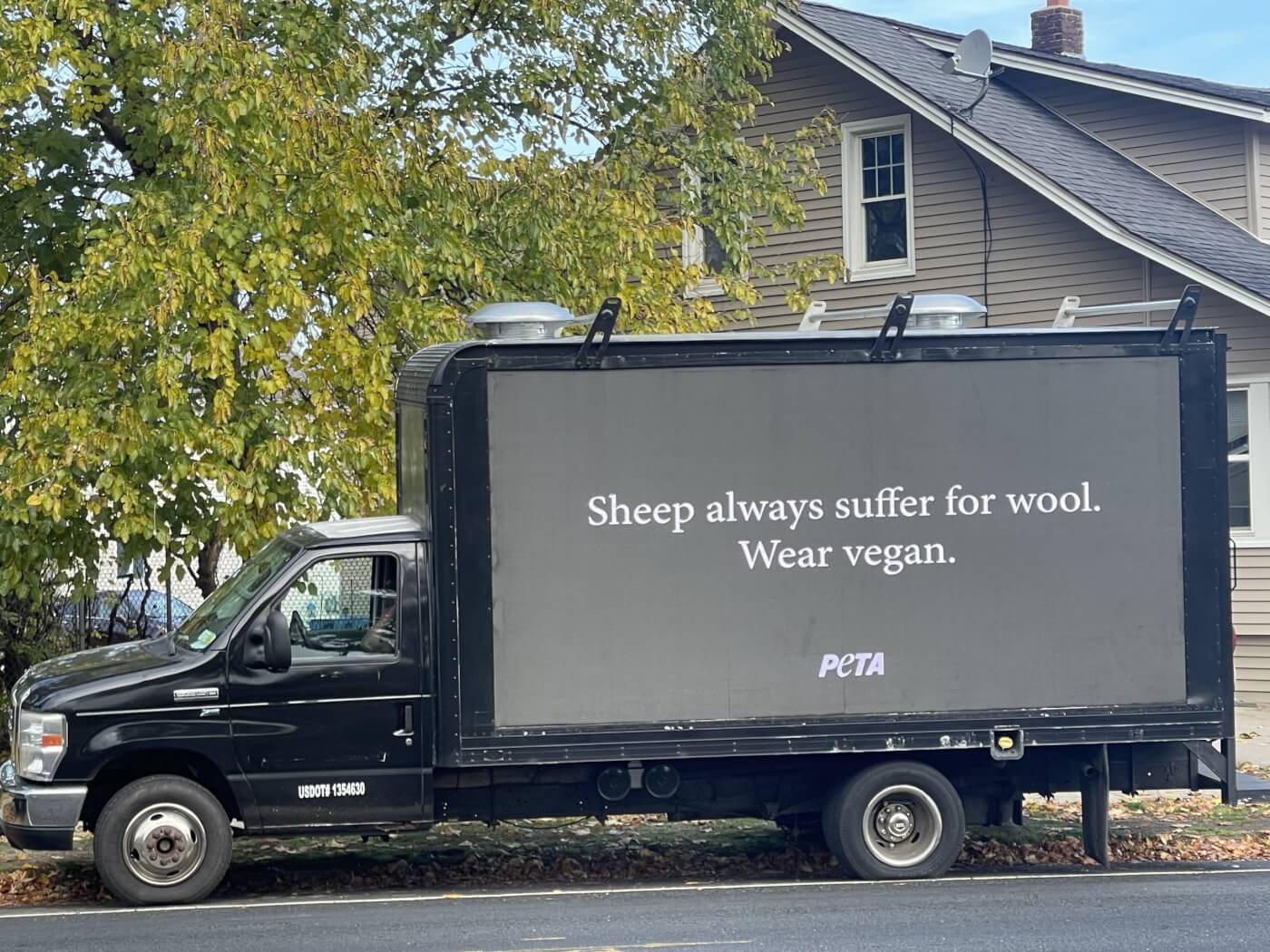
A “Sheep Suffer for Wool. Wear Vegan.” static image on the back of the truck strengthened the message. Committed to reaching the largest audience possible at the event, which was coproduced by the New England Sheep and Wool Growers Association, the mobile billboard ran from 9 a.m. until 5 p.m.
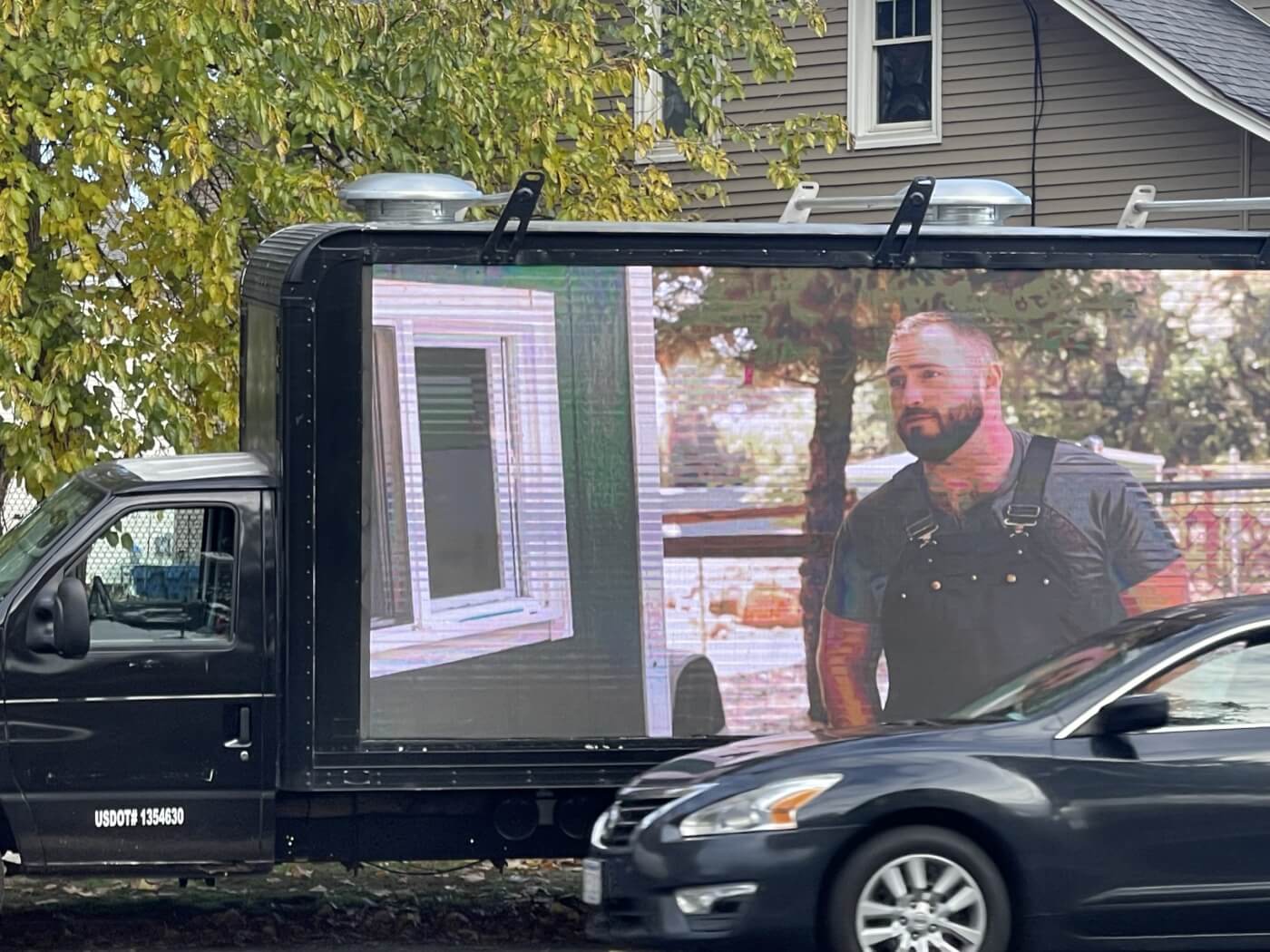
Consumers previously unaware of this cruelty were able to reconsider buying wool in the future and start making vegan fiber choices instead. Clothing made of wool may be advertised as cozy and warm, but there’s nothing comfy about what sheep endure in the wool industry. As revealed in 14 exposés, PETA U.S. and other PETA entities documented cruelty to sheep while visiting 117 wool industry operations worldwide. Even on “sustainable” and “responsible” farms, workers beat, stomped on, cut open the skin of, and slit the throats of conscious, struggling sheep.
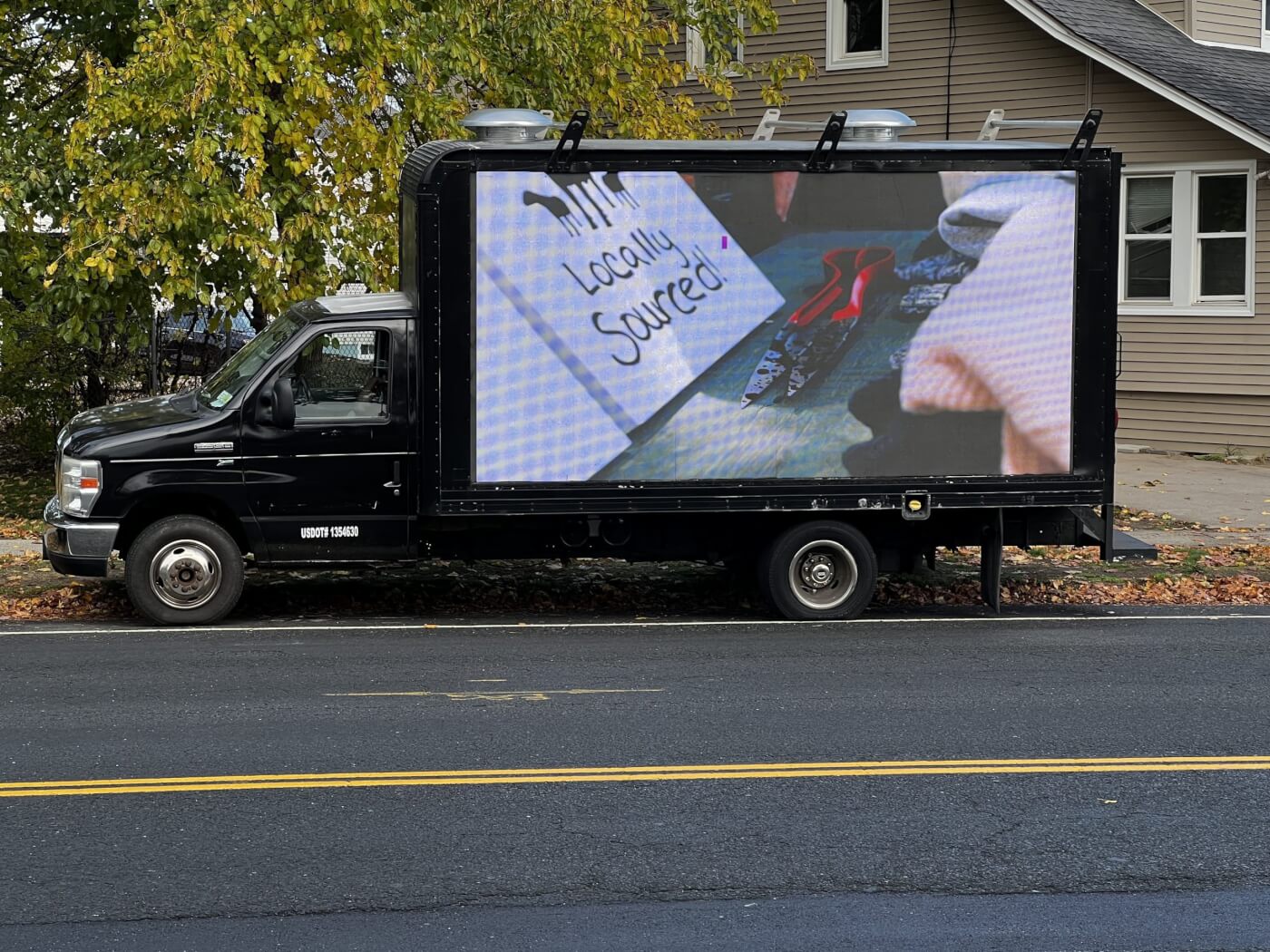
Sheep greedily bred for wool are kept in tiny enclosures, hustled through production lines, pinned down on hard surfaces, and rapidly shorn. The workers are pressured to speed through the shearing process in order to increase their employer’s bottom line, leading to neglectful mistakes, scrapes, and gashes.
Once sheep are deemed no longer profitable because their wool production has declined as they’ve aged, they’re crammed onto unsanitary trucks or ships and sent to the slaughterhouse.
Gentle, sensitive, and caring sheep are known for helping each other avoid harm. Spending even a short time with sheep, such as at an animal sanctuary, reveals how affectionate and expressive they are and how they deserve consideration and kindness. More than ever before, people can easily take action for sheep and all other animals used for clothing.
Learn more about how sheep suffer in the wool industry and what you can do about it:
The post Nothing Happy in PETA’s ‘Happy Wool’ Video at Fiber Festival of New England appeared first on PETA.
On the heels of a U.S. Department of Agriculture (USDA) inspection report revealing that the Miami Seaquarium restricted dolphins’ food by up to 60% for months in order to make them obedient for performances, PETA sent a letter to Mayor Daniella Levine Cava and the Miami-Dade Board of County Commissioners today urging them not to finalize the Seaquarium’s new lease and instead terminate it. The action comes after the board of commissioners voted a year ago to transfer the Seaquarium’s lease to its new owner, The Dolphin Company, contingent on additional oversight stipulations. But the board still hasn’t finalized the lease, likely due to the Seaquarium’s failings.
The USDA report notes that starving the animals increased instances of dolphin aggression toward trainers and the public and that a dolphin named Aries regurgitated “excessively” for 88 days in a period of just over four months. The inspector noted that the regurgitation “could have been associated with diet cuts or other medical concerns”—yet the Seaquarium failed to provide Aries with adequate veterinary care and continued starving him.
“The Miami Seaquarium has imprisoned highly intelligent and social animals in totally wretched conditions, starved them, and exploited them for years, and it needs to be shut down,” says PETA Executive Vice President Tracy Reiman. “Year after year, this company makes false proclamations of better care yet fails these animals, and PETA is urging the board of commissioners to terminate the Seaquarium’s lease.”
A scathing 17-page report on operations at the Seaquarium issued by the USDA in June 2021 revealed that animals were fed rotten fish, subjected to dirty water, and held incompatibly, resulting in serious injuries and death, including two dolphins who died after trauma inflicted by other dolphins, one who drowned after he became caught in the fence of the enclosure and whose body also showed signs of traumatic injury caused by other animals, and another who was left bloodied and blinded in one eye as a result of aggressive interactions with other dolphins. Despite all this, a manager “indicated that they do not have a way of tracking which animals are housed together on a particular day.”
PETA—whose motto reads, in part, that “animals are not ours to use for entertainment” and which opposes speciesism, a human-supremacist worldview—notes that the Seaquarium’s apparent violations of Florida’s cruelty-to-animals laws remain under investigation by the state attorney’s office.
For more information on PETA’s investigative newsgathering and reporting, please visit PETA.org or follow the group on Twitter, Facebook, or Instagram.
The post Stop Seaquarium Lease in Its Tracks, PETA Urges Local Officials appeared first on PETA.